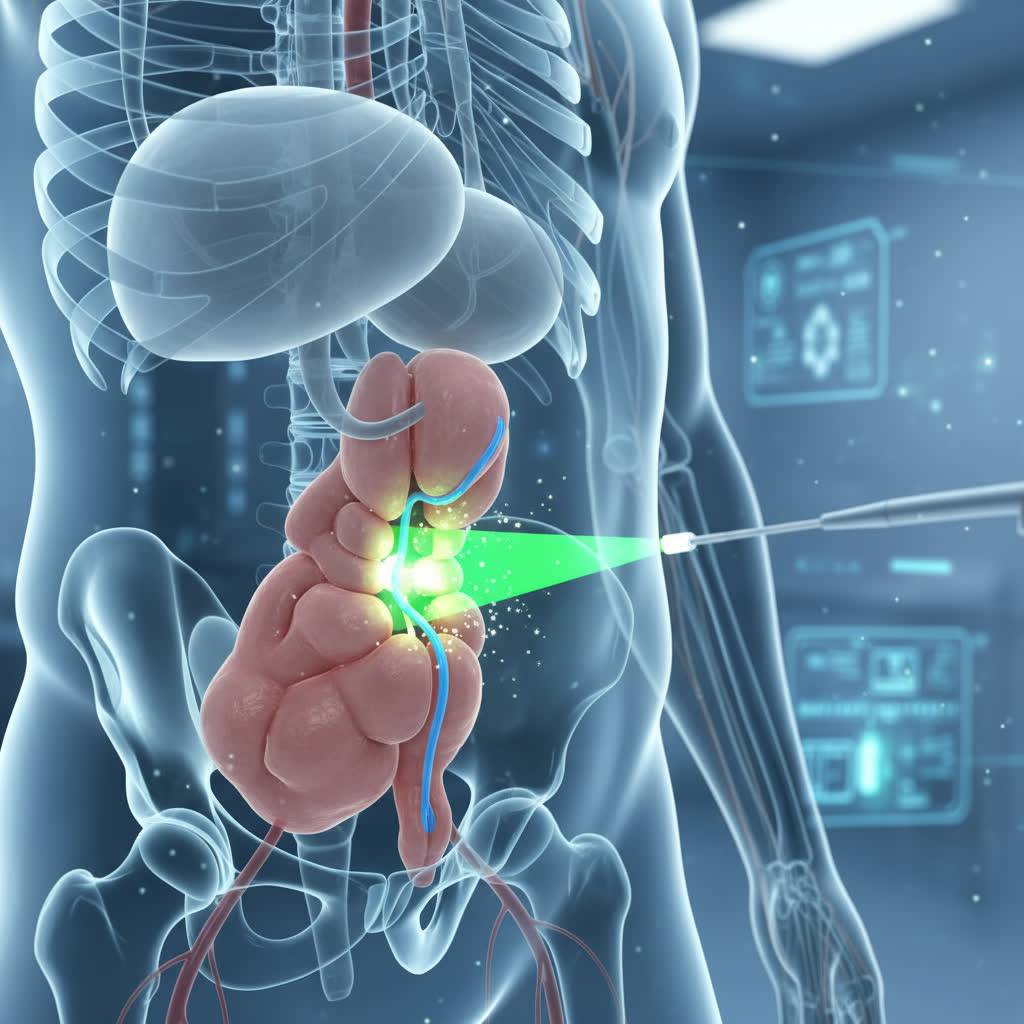






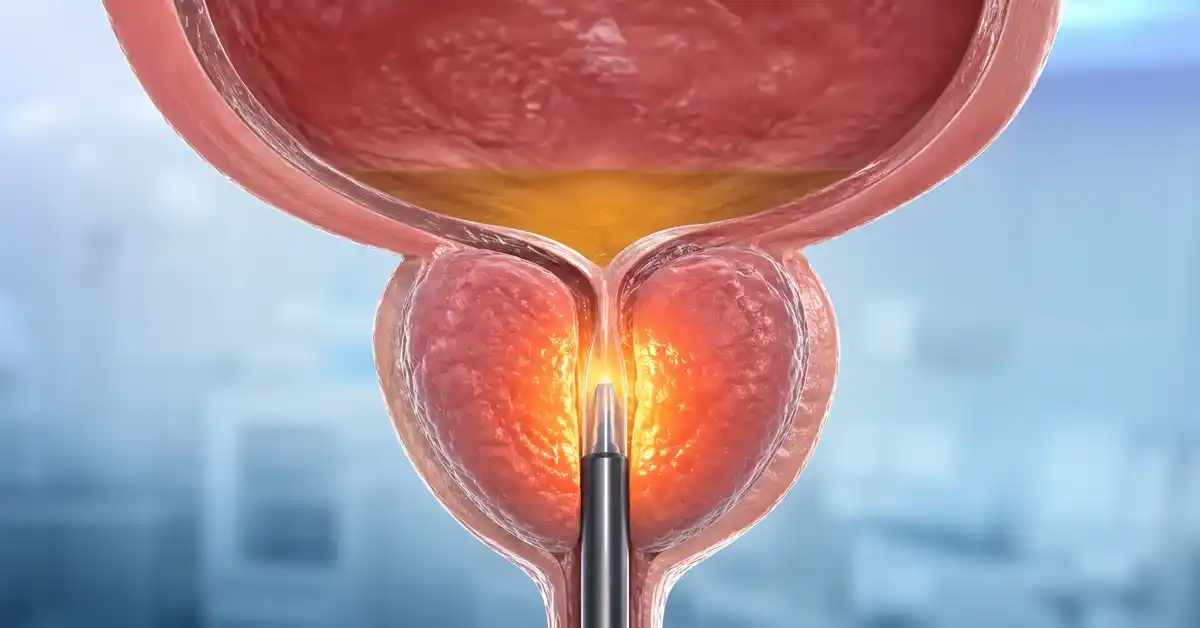
Thermal therapy for an enlarged prostate is one of the modern prostate treatment options used for selected men with benign prostatic hyperplasia, also known as BPH. It aims to relieve urinary symptoms caused by enlarged prostate tissue pressing on the urethra, the tube that carries urine from the bladder. Instead of traditional surgery, thermal methods use controlled heat to shrink or destroy part of the obstructing prostate tissue.
Many men search for enlarged prostate treatment without surgery, especially older patients or those who want less invasive options. Thermal therapy may include prostate microwave therapy, water vapor thermal therapy, or other heat-based techniques, depending on the medical center and the patient’s anatomy. These treatments are usually designed to improve urine flow, reduce urinary frequency, and decrease the feeling of incomplete bladder emptying.
However, prostate heat therapy is not suitable for every man. The best treatment for an enlarged prostate depends on prostate size, symptom severity, urine flow, bladder function, urinary retention, kidney health, medications, age, and overall medical condition. Some patients may do well with lifestyle changes and medication, while others may need laser treatment or surgery if obstruction is severe.
At Safemedigo, enlarged prostate cases are reviewed by considering symptoms, test results, ultrasound findings, urinary flow, residual urine, and previous treatments. This article explains thermal therapy for enlarged prostate, symptoms, treatment options, laser vs thermal prostate treatment, recovery, side effects, natural support, elderly treatment, and prostate health prevention.
Thermal Therapy for Enlarged Prostate
Thermal therapy for enlarged prostate uses heat energy to target prostate tissue that blocks urine flow. In BPH, the prostate grows and may compress the urethra, making urination slower, weaker, or incomplete. Heat-based therapy aims to reduce the obstructing tissue and open the urinary channel more effectively.
Different thermal techniques work in different ways. Prostate microwave therapy uses microwave energy delivered through a catheter placed in the urethra. Water vapor therapy uses steam energy to affect targeted prostate tissue. Other techniques may use heat through different devices. The goal is similar: reduce pressure on the urethra and improve urinary symptoms.
Thermal therapy may be an option for men with moderate urinary symptoms who want a less invasive approach. Still, it may not be ideal for very large prostates, severe obstruction, repeated urinary retention, bladder stones, kidney complications, or cases where faster and stronger tissue removal is needed.
Prostate Heat Therapy
Prostate heat therapy refers to treatment methods that use controlled heat to shrink or damage the enlarged prostate tissue responsible for blockage. The heat is delivered in a targeted way so that the obstructing tissue changes over time and urine flow may improve gradually.
In transurethral microwave therapy, a special catheter is placed through the urethra, and microwave energy heats the inner part of the prostate. This can reduce tissue bulk and relieve pressure. In steam-based treatment, heat energy from vapor is injected into prostate tissue to create a similar shrinkage effect over time.
Although these treatments are less invasive than traditional surgery, they are still medical procedures. Patients may need local anesthesia, sedation, temporary catheterization, medication, and follow-up. The details depend on the technique, prostate size, and patient condition.
Is Thermal Therapy Effective for the Prostate
Is thermal therapy effective for the prostate? It can be effective in properly selected patients, especially when symptoms are caused by benign prostate enlargement and the prostate anatomy is suitable. It may improve urine flow, reduce nighttime urination, and relieve the feeling of incomplete emptying.
Results are usually gradual. Some men improve within weeks, while others need more time because the treated tissue changes slowly. In the first days, urinary symptoms may temporarily feel worse due to swelling and irritation.
Thermal therapy is not always the strongest option. Some men may need medication, some may benefit more from laser therapy, and others may require surgery. A complete urological assessment helps determine whether thermal therapy is enough or whether another treatment would provide better results.
Prostate Therapy Results
Prostate therapy results after heat-based treatment may include improved urinary stream, less urgency, fewer nighttime bathroom visits, and better bladder emptying. The degree of improvement varies from patient to patient.
Possible results include:
- Stronger urine flow.
- Less frequent urination.
- Reduced nighttime urination.
- Less urgency.
- Reduced feeling of incomplete emptying.
- Better daily comfort.
- Lower dependence on medication in selected patients.
- Gradual improvement over weeks or months.
- Possible need for retreatment in some cases.
Results are usually assessed through symptom improvement, urine flow measurement, residual urine after voiding, and follow-up visits. If symptoms do not improve enough, the doctor may recommend another treatment option.
Read about: Prostate Enlargement Treatments: Medication or Surgery
Enlarged Prostate Symptoms
Enlarged prostate symptoms appear when the prostate presses on the urethra or affects bladder emptying. Symptoms may begin mildly and gradually worsen. Many men adapt to urinary changes and delay treatment until symptoms interfere with sleep, travel, work, or daily comfort.
Symptoms do not always match prostate size. A man with a large prostate may have mild symptoms, while another with a moderately enlarged prostate may have severe obstruction. The position of the enlargement and its effect on the urethra and bladder matter as much as size.
Early evaluation is important. Weak flow, repeated urinary infections, blood in the urine, urinary retention, or kidney effects may indicate the need for more active treatment rather than lifestyle changes alone.
Enlarged Prostate Symptoms
Enlarged prostate symptoms can affect urination patterns and quality of life. They may include both storage symptoms, such as urgency and frequency, and voiding symptoms, such as weak stream and difficulty starting urination.
Common symptoms include:
- Frequent urination.
- Waking at night to urinate.
- Weak urine stream.
- Interrupted urine flow.
- Difficulty starting urination.
- Straining to urinate.
- Feeling the bladder is not empty.
- Urgent need to urinate.
- Dribbling after urination.
- Longer time needed to urinate.
- Occasional urine leakage.
- Burning if infection is present.
- Urinary retention in advanced cases.
These symptoms can also be caused by urinary infection, bladder stones, urethral narrowing, prostate inflammation, bladder nerve problems, or other diseases. Diagnosis is important before treatment.
Urinary Retention Prostate Treatment
Urinary retention prostate treatment depends on whether the retention is acute or chronic. If a man suddenly cannot urinate, urgent catheter placement may be needed to empty the bladder and relieve pain. After that, the cause of blockage must be evaluated.
Some patients may recover urination after catheterization and medication, while others need a procedure to reduce obstruction. Options may include thermal therapy, laser treatment, TURP, or another prostate procedure depending on prostate size, severity, and bladder function.
Urinary retention should not be ignored. Repeated or prolonged retention can damage the bladder, increase infection risk, and affect kidney function. Any sudden inability to pass urine requires urgent medical attention.
Read about: Latest Non-Surgical Treatments for Enlarged Prostate
Prostate Complications
Prostate complications may occur when obstruction continues without proper treatment. Not every man with BPH develops complications, but severe or untreated symptoms increase risk.
Possible complications include:
- Acute urinary retention.
- Chronic urinary retention.
- Repeated urinary tract infections.
- Bladder stones.
- Blood in the urine.
- Bladder muscle weakness.
- High residual urine.
- Bladder enlargement.
- Kidney swelling in advanced cases.
- Reduced kidney function.
- Repeated catheter need.
- Reduced sleep and quality of life.
The goal of treatment is not only symptom relief. It is also to protect the bladder and kidneys from long-term obstruction.
Read about: Interventional Radiology for Enlarged Prostate Treatment
Treatment Options for Enlarged Prostate
Treatment options for enlarged prostate range from observation and lifestyle changes to medication, minimally invasive procedures, thermal therapy, laser treatment, and surgery. The right choice depends on the individual situation.
Mild symptoms may only need monitoring and lifestyle adjustments. Moderate symptoms may improve with medications or non-surgical prostate treatment. Severe symptoms, urinary retention, recurrent infections, bladder stones, or kidney effects may require a more definitive procedure.
Modern prostate treatments aim to improve urination while reducing hospital stay, bleeding, recovery time, and side effects where possible. Still, “modern” does not automatically mean “best” for every patient. The treatment should match prostate size, anatomy, symptoms, and patient priorities.
Enlarged Prostate Treatment Without Surgery
Enlarged prostate treatment without surgery may include lifestyle changes, medications, thermal therapy, microwave therapy, water vapor therapy, or other minimally invasive methods. These options aim to improve urine flow without traditional open surgery or more invasive resection in selected cases.
Medications may relax prostate and bladder neck muscles or gradually reduce prostate size. Thermal treatments target obstructing tissue using heat. Some minimally invasive procedures can be done with shorter recovery than traditional surgery, depending on the patient.
However, non-surgical treatment is not suitable for everyone. If symptoms are severe, retention is repeated, bladder stones are present, or kidney function is affected, laser or surgical treatment may be more appropriate.
Non-Surgical Prostate Treatment
Non-surgical prostate treatment can mean different things to different patients. Some use the term for medication only, while others mean procedures that do not involve external incisions or traditional surgery. Many BPH procedures are performed through the urethra without visible cuts.
Options may include:
- Watchful waiting.
- Lifestyle changes.
- Alpha-blocker medications.
- 5-alpha-reductase inhibitor medications.
- Combination medication therapy.
- Prostate heat therapy.
- Prostate microwave therapy.
- Water vapor thermal therapy.
- Certain minimally invasive implants or widening techniques.
- Laser treatment in selected cases.
Patients should clarify what “non-surgical” means in their treatment plan. Some procedures are less invasive but still require anesthesia, catheterization, preparation, and follow-up.
Read about: Benign Prostate Enlargement: Latest Non-Surgical Treatments
Modern Prostate Treatments
Modern prostate treatments include medications, thermal therapy, microwave therapy, water vapor therapy, laser procedures, prostate artery embolization in selected cases, and other minimally invasive options. The goal is to relieve symptoms while reducing complications and recovery burden.
Some techniques are better for smaller prostates, while others can treat larger glands more effectively. Some may preserve ejaculation better, while others may provide stronger obstruction relief. This balance should be discussed before choosing treatment.
A proper evaluation may include urine tests, PSA when needed, ultrasound, prostate size measurement, urine flow test, residual urine measurement, and cystoscopy in selected cases. These results help guide the safest and most effective option.

Comparing Treatment Methods
Comparing treatment methods helps patients understand the difference between thermal therapy, laser, medication, microwave therapy, and surgery. Each approach has benefits and limitations.
Thermal therapy may be less invasive and may offer a shorter recovery in selected men, but improvement can be gradual and retreatment may be needed. Laser treatment may remove or vaporize more obstructing tissue and can be more suitable for stronger relief in certain cases. Medications may help symptoms but may need long-term use.
The best treatment for enlarged prostate should balance effectiveness, safety, recovery, sexual function concerns, medical condition, prostate size, symptom severity, and patient preference.
Laser vs Thermal Prostate Treatment
Laser vs thermal prostate treatment differs mainly in how tissue is treated. Laser therapy uses concentrated light energy to vaporize, cut, or remove obstructing prostate tissue. Thermal therapy uses heat to shrink or destroy tissue more gradually.
Laser treatment may be preferred when more tissue removal is needed, symptoms are severe, or the prostate is larger, depending on the laser technique. Thermal therapy may be preferred when the patient is suitable for a less invasive method and gradual improvement is acceptable.
Neither option is best for every man. The decision depends on prostate volume, middle lobe anatomy, urinary retention, blood thinner use, bladder condition, sexual function priorities, and physician experience.
Best Treatment for Enlarged Prostate
The best treatment for enlarged prostate is the option that fits the patient’s anatomy, symptoms, medical risks, and goals. A popular treatment is not always the right treatment for a specific case.
Treatment selection depends on:
- Symptom severity.
- Prostate size.
- Urine flow rate.
- Residual urine volume.
- Urinary retention history.
- Middle lobe enlargement.
- Age and general health.
- Blood thinner use.
- Sexual function concerns.
- Need for fast relief.
- Previous treatment response.
- Cost and access.
- Physician and center experience.
The patient should understand why a treatment is recommended, what results are expected, what side effects may occur, and what alternatives exist.
Prostate Microwave Therapy
Prostate microwave therapy is a heat-based treatment often known as transurethral microwave thermotherapy. A special catheter is inserted through the urethra, and microwave energy heats the enlarged prostate tissue from within.
The goal is to reduce the tissue pressing on the urethra and improve urine flow over time. It may be performed as a less invasive procedure in selected men. Some patients may need a temporary catheter after treatment, and symptoms such as burning, urgency, or difficulty urinating may occur briefly.
Suitability depends on prostate size, symptom severity, urinary retention history, and bladder function. Some men respond well, while others may need laser or another procedure for stronger relief.
Read about: Benign Prostate Enlargement Laser Treatment: Safe Results
Recovery After Treatment
Recovery after treatment depends on the type of prostate therapy used. Thermal therapy may allow a relatively short return to light activity, but urinary improvement may take weeks because treated tissue changes gradually.
In the first days, patients may experience burning during urination, urgency, frequency, mild blood in the urine, or temporary difficulty urinating. A catheter may be needed for a short period depending on swelling and the technique used.
Recovery after prostate therapy also depends on age, prostate size, degree of obstruction, previous urinary retention, chronic illness, and medications. Patients should follow instructions about fluids, activity, catheter care, medications, and follow-up visits.
Recovery After Prostate Therapy
Recovery after prostate therapy may be shorter than traditional surgery in selected cases, but it is not always immediate. Some men return to light activity within days, while urinary improvement may develop over several weeks.
During recovery, patients may be advised to:
- Drink fluids as directed.
- Avoid heavy lifting temporarily.
- Avoid strenuous activity.
- Use prescribed medications.
- Care for the catheter if present.
- Watch urine color.
- Avoid constipation.
- Attend follow-up visits.
- Delay sexual activity until approved.
- Report fever or severe pain.
If urination does not improve, retention occurs, or pain becomes severe, the doctor should be contacted for further evaluation.
Prostate Therapy Results
Prostate therapy results may appear gradually after thermal treatment. Some men notice better urine flow and fewer nighttime bathroom visits within weeks, while others need more time.
Results are evaluated through symptom scores, urine flow testing, residual urine measurement, and patient comfort. If bladder muscle weakness exists, improvement may be limited even if the prostate obstruction is treated.
In some cases, results may not be strong enough, especially when obstruction is severe or prostate size is large. The doctor may then recommend laser therapy, TURP, or another approach.
Prostate Therapy Side Effects
Prostate therapy side effects after thermal treatment are often temporary, but they should be monitored. Early urinary irritation is common due to swelling and inflammation in the treated area.
Possible side effects include:
- Burning during urination.
- Frequent urination.
- Urgency.
- Mild blood in urine.
- Temporary difficulty urinating.
- Temporary urinary retention.
- Catheter need.
- Urinary tract infection.
- Pelvic discomfort.
- Incomplete symptom relief.
- Need for additional treatment.
- Temporary ejaculation or sexual function changes depending on technique.
Patients should seek medical advice for fever, severe pain, heavy bleeding, inability to urinate, or sudden worsening symptoms.
Read about: Latest Prostate Cancer Treatment Using Interventional Radiology
Natural and Alternative Treatments
Natural treatment for enlarged prostate may help mild symptoms or support medical treatment, but it does not remove significant obstruction. Lifestyle changes may reduce bladder irritation and improve daily comfort, especially in early stages.
Some men try herbal supplements or natural products to avoid medications or procedures. However, these should not replace medical evaluation, especially when symptoms are moderate to severe, urinary retention is present, or kidney function may be affected.
Enlarged prostate elderly treatment requires balancing effectiveness and safety. Older men may benefit from medication, thermal therapy, laser treatment, catheter management, or surgery depending on health condition, symptoms, and bladder function.
Natural Treatment for Enlarged Prostate
Natural treatment for enlarged prostate focuses on symptom control and urinary health support rather than shrinking the prostate dramatically. It may be useful for men with mild symptoms or as part of a broader plan.
Helpful lifestyle measures may include:
- Reducing fluids before bedtime.
- Limiting caffeine.
- Avoiding alcohol.
- Emptying the bladder before sleep.
- Treating constipation.
- Maintaining a healthy weight.
- Exercising moderately.
- Avoiding long delays before urinating.
- Reviewing medications that worsen symptoms.
- Limiting bladder irritants if they trigger symptoms.
- Tracking urinary symptoms.
- Avoiding unknown supplements without medical advice.
If symptoms are moderate or severe, natural measures alone are usually not enough.
Enlarged Prostate Elderly Treatment
Enlarged prostate elderly treatment should consider chronic diseases, blood thinners, heart condition, kidney function, anesthesia tolerance, mobility, and how much symptoms affect daily life. There is no single plan for all older men.
Some elderly patients respond well to medication. Others may need thermal therapy, laser treatment, or another procedure if urinary retention or complications occur. In selected cases, the priority may be reducing catheter dependence and improving comfort.
A less invasive treatment may be attractive for elderly patients, but it must still be effective enough for their condition. A weak treatment in severe obstruction may lead to persistent symptoms or repeated retention.
Read about: Prostate Cancer Treatment with Interventional Radiology: Latest Results
Lifestyle Tips
Lifestyle tips can help reduce urinary irritation and support prostate care, especially in mild to moderate symptoms. They are not a replacement for medical treatment when obstruction is significant.
Useful tips include:
- Maintain a healthy weight.
- Walk or exercise regularly.
- Reduce evening caffeine.
- Avoid excess fluids before bed.
- Treat constipation.
- Avoid holding urine for too long.
- Manage diabetes and blood pressure.
- Review medications with a doctor.
- Limit alcohol if it worsens symptoms.
- Keep follow-up appointments.
- Seek help for recurrent infections.
- Do not ignore urinary retention.
Daily habits can support treatment and improve quality of life, but persistent symptoms need proper evaluation.
Read about: Prostate Treatment: Turkey vs USA
Prevention and Prostate Health
Prevention and prostate health focus on early detection, symptom monitoring, and healthy habits. It may not be possible to fully prevent BPH because prostate enlargement is strongly related to aging and hormonal changes, but complications can often be reduced with timely care.
Causes of enlarged prostate are not completely understood, but age, hormonal changes, family history, metabolic health, obesity, and lifestyle may contribute to symptom development. As men age, urinary symptoms become more common.
The goal is to identify urinary problems early before complications occur. Delaying care until severe retention develops may make treatment more difficult and recovery less predictable.
Causes of Enlarged Prostate
Causes of enlarged prostate are mainly linked to aging and hormonal changes that influence prostate tissue growth. Genetics, obesity, inactivity, diabetes, and cardiovascular health may also affect symptoms or progression.
Factors associated with BPH include:
- Increasing age.
- Hormonal changes.
- Family history.
- Obesity.
- Low physical activity.
- Diabetes or insulin resistance.
- Cardiovascular disease.
- Unhealthy lifestyle.
- Certain genetic factors.
- Delayed medical evaluation.
Understanding these factors helps men seek evaluation earlier and choose suitable monitoring or treatment.
Healthy Lifestyle
A healthy lifestyle may not completely prevent prostate enlargement, but it can support urinary function and reduce symptom burden. Regular activity, weight management, balanced nutrition, and reducing bladder irritants may help some men.
Helpful habits include:
- Exercise regularly.
- Maintain a healthy weight.
- Eat a balanced diet.
- Limit caffeine.
- Drink fluids wisely.
- Avoid excess fluids before sleep.
- Treat constipation.
- Improve sleep quality.
- Manage chronic diseases.
- Avoid sitting too long without movement.
- See a doctor when symptoms change.
These steps are useful, especially in early stages or alongside medical treatment.
Prostate Care Tips
Prostate care tips focus on recognizing symptoms early and seeking help before complications develop. Difficulty urinating should not be considered something that must simply be tolerated with age.
Medical evaluation is recommended if a man has:
- Weak urine flow.
- Frequent nighttime urination.
- Urinary retention.
- Blood in urine.
- Pain or burning.
- Repeated infections.
- Difficulty starting urination.
- Constant incomplete emptying.
- Sudden worsening symptoms.
Read about: Laser vs Interventional: Turkey vs Germany
Conclusion
Thermal therapy for enlarged prostate can be a modern option for selected men with benign prostatic hyperplasia who want a less invasive approach than traditional surgery. It may help reduce prostate pressure on the urethra and improve urinary symptoms gradually, but it is not suitable for every patient.
The right decision depends on symptom severity, prostate size, urinary retention, residual urine, bladder and kidney function, age, medications, and overall health. This is why treatment should begin with proper urological evaluation rather than choosing a technique by name alone.
Frequently Asked Questions: Thermal Therapy for Enlarged Prostate
What is thermal therapy for enlarged prostate?
Thermal therapy uses controlled heat to shrink or damage enlarged prostate tissue that presses on the urethra and causes urinary symptoms.
Is thermal therapy effective for the prostate?
It can be effective in selected men with suitable prostate size and moderate symptoms, but results vary and may appear gradually.
What is the difference between laser and thermal prostate treatment?
Laser treatment cuts or vaporizes prostate tissue more directly, while thermal therapy uses heat to gradually shrink or destroy targeted tissue.
Can enlarged prostate be treated without surgery?
Yes, some cases can be treated with medication or minimally invasive options such as thermal therapy, microwave therapy, or water vapor therapy.
What are the side effects of prostate thermal therapy?
Side effects may include burning urination, frequency, urgency, mild blood in urine, temporary retention, catheter need, infection, or incomplete improvement.