




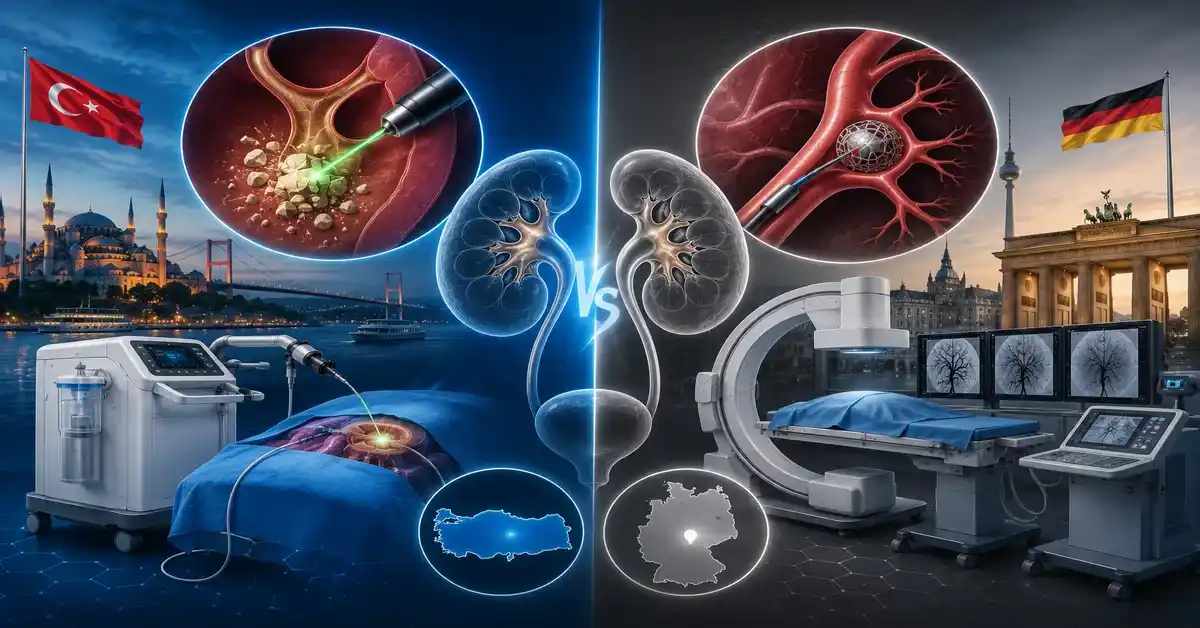
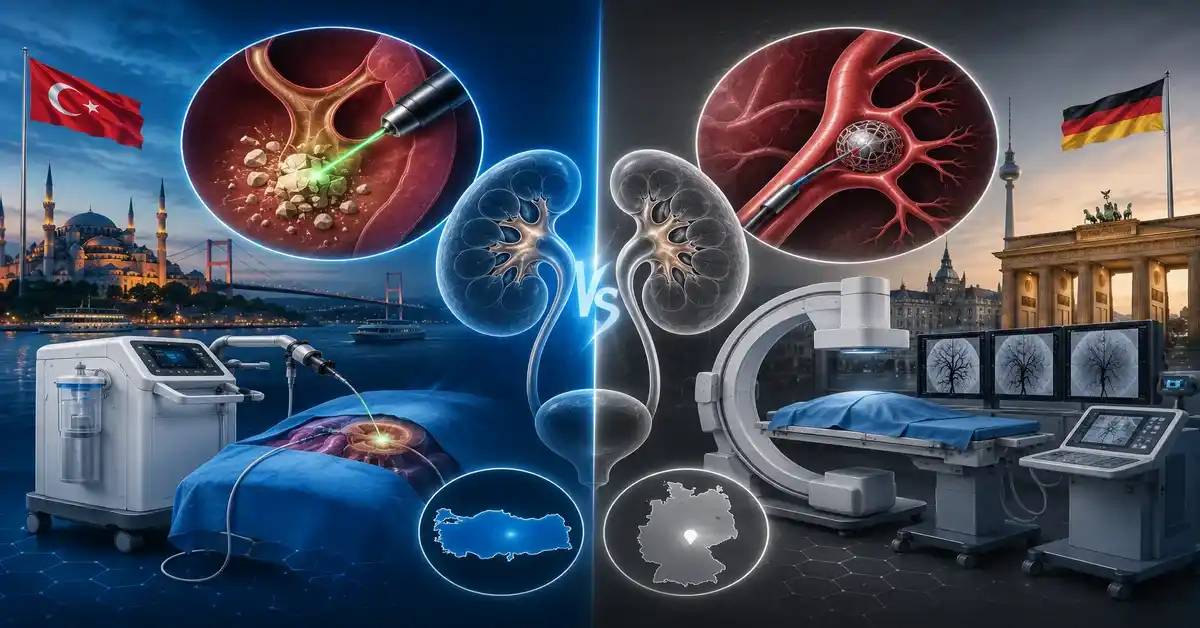
In the world of modern medicine, minimally invasive treatments have revolutionized the approach to numerous conditions, significantly reducing risks and recovery times. Among these, laser treatment and interventional radiology stand out as powerful options, offering effective alternatives to traditional surgery. Turkey and Germany are leading contenders in this field, each presenting a unique blend of advanced technology and medical expertise. Germany is renowned for its stringent protocols and pioneering research, while Turkey has emerged as a global powerhouse in medical tourism, combining state-of-the-art techniques like non-surgical tumor treatment and vascular laser treatment with competitive costs and comprehensive patient care. This contrast makes the choice of a treatment destination a critical decision that requires a deep understanding of the fundamental differences between the two technologies and countries. This article provides a comprehensive comparison to help you make an informed decision, focusing on quality, cost, and clinical outcomes to ensure you receive the best possible care.
Laser Treatment vs Interventional Radiology
Both laser treatment and interventional radiology represent a quantum leap in medicine, offering precise, targeted solutions that bypass the complications of open surgery.
What Is Laser Treatment
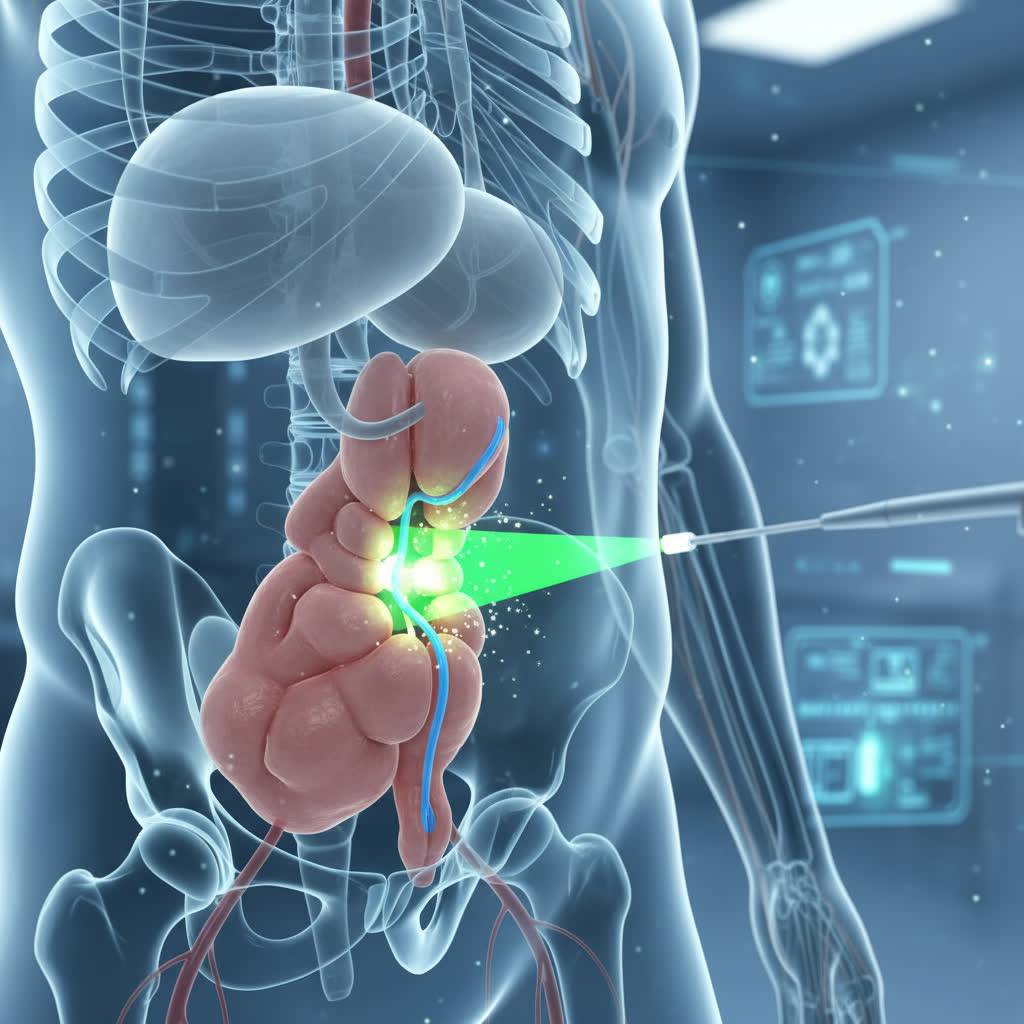
Laser treatment is a medical procedure that uses focused, high-energy beams of light to target diseased tissue with pinpoint accuracy. This energy heats, vaporizes, or coagulates the tissue without affecting the surrounding areas. Laser therapy is widely used for vascular laser treatment, where the affected vein is sealed from the inside, and for tumor treatment without surgery, where cancer cells are thermally destroyed. This technique is characterized by being minimally invasive, requiring very small incisions or none at all, which reduces pain, scarring, and accelerates the recovery after laser treatment. This makes laser therapy abroad, particularly in Turkey, a highly sought-after option.
What Is Interventional Radiology
Interventional radiology is a medical specialty that combines advanced imaging techniques (such as ultrasound, CT, and MRI) with minimally invasive procedures. Interventional radiologists use this image-guided therapy to navigate tiny instruments, like catheters, through blood vessels or the skin to reach the target area. Its applications include therapeutic catheterization to open blocked arteries, and non-surgical tumor treatment via chemoembolization (injecting chemotherapy drugs directly into a tumor) or thermal ablation. Interventional radiology in Turkey is a highly advanced field, offering effective solutions for a wide range of conditions with minimal surgical intervention, making it a cornerstone of modern interventional techniques.
Read about: Prostate Enlargement Treatments: Medication or Surgery
Laser vs Interventional Comparison
Although both technologies are minimally invasive, there are fundamental differences in their mechanisms, applications, and expected outcomes.
Results Comparison
The results depend on the condition being treated. In the treatment of varicose veins, both laser and interventional radiology (such as radiofrequency ablation) achieve very high success rates in closing the affected veins. For tumor treatment, the results vary based on the tumor's size and location. Laser treatment can be very effective for small, superficial tumors, while interventional radiology allows access to deep or multiple tumors for targeted therapy. Generally, both techniques are associated with excellent clinical outcomes when performed by qualified experts in specialized centers, and the laser therapy success rate is notably high for appropriate conditions.
Safety Comparison
Both laser and interventional procedures are considered very safe compared to traditional surgery. Laser treatment risks are usually minor and localized, such as bruising, swelling, or temporary skin discoloration. On the other hand, interventional radiology carries risks related to vascular access, such as bleeding or infection at the insertion site, although these are very rare. The use of advanced imaging for precise guidance significantly minimizes these risks.

Treatment Cost
Cost is a crucial factor in the decision-making process, and a significant difference emerges when comparing Turkey and Germany.
Laser Treatment Cost in Turkey
The laser treatment cost in Turkey is highly competitive, making it a preferred destination for international patients. This lower cost does not imply a compromise on quality but rather reflects lower operational costs, competitive physician fees, and strong government support for the medical tourism sector. Turkish hospitals often provide comprehensive packages that cover the procedure, accommodation, and transfers, offering patients financial transparency and complete peace of mind.
Interventional Radiology Cost in Germany
In contrast, the interventional radiology cost in Germany is substantially higher. This is due to the high cost of living, high salaries for medical staff, and an expensive healthcare infrastructure. Although Germany offers exceptional medical quality and strict protocols, the high cost can be a significant barrier, especially for patients without comprehensive health insurance covering these advanced interventional procedures abroad.
Read about: Latest Non-Surgical Treatments for Enlarged Prostate
Medical Uses
The applications of laser and interventional radiology are diverse, covering a wide range of conditions from tumors to vascular diseases.
Tumor Treatment
Both laser and interventional radiology are used for tumor treatment without surgery. Laser can be used to ablate small tumors in the liver, lung, or kidney. Interventional radiology offers broader options such as transarterial chemoembolization (TACE) for liver tumors, where chemotherapy is delivered directly to the tumor while blocking its blood supply, maximizing efficacy and minimizing systemic side effects. These modern interventional techniques represent new hope for patients who are not candidates for traditional surgery.
Vascular Varicose Treatment
In the field of vascular diseases, vascular laser treatment, specifically endovenous laser therapy (EVLT), is a standard and highly effective procedure for varicose veins. A fine laser fiber is inserted into the affected vein to seal it thermally. Interventional radiology, on the other hand, excels in procedures like angioplasty and stenting to open blocked arteries in the legs, heart, or neck. It is also used to treat aortic aneurysms by placing covered stents.
Read about: Interventional Radiology for Enlarged Prostate Treatment
Success Rates Risks
Understanding the success rates and potential risks is essential for making an informed treatment decision.
Laser Therapy Success Rate
The laser therapy success rate is very high across a range of applications. For varicose veins, the success rate in closing the treated vein exceeds 98%. In dermatology and oncology, the success depends on the specific condition, but precision targeting generally leads to excellent outcomes. This high success rate is contingent on the expertise of the physician and the quality of the equipment, both of which are readily available in top Turkish medical centers.
Interventional Therapy Risks
The risks of interventional therapy are generally low and procedure-specific. For catheter-based procedures, there is a small risk of bleeding, infection, or damage to the blood vessel at the access site. For ablation procedures, there is a minimal risk of damage to adjacent structures. However, the use of real-time image-guided therapy by experienced interventional radiologists in Turkey minimizes these risks, making these non-surgical treatments exceptionally safe.
Read about: Benign Prostate Enlargement: Latest Non-Surgical Treatments
Recovery After Treatment
A rapid recovery period is one of the biggest advantages of these minimally invasive techniques.
Laser Recovery Time
The recovery after laser treatment is typically very short. Most patients undergoing laser treatment for varicose veins can resume their normal daily activities within a day or two. It is often recommended to wear compression stockings for a short period and avoid strenuous activities for a few weeks. Pain is usually mild and manageable with simple analgesics.
Interventional Recovery Time
The recovery time after an interventional procedure depends on its complexity. After an angioplasty, patients can often go home the same or the next day, with recommendations to rest for a few days. After more complex procedures like tumor embolization, a short hospital stay may be required for observation. In general, the return to normal life is significantly faster compared to open surgery.
Read about: Benign Prostate Enlargement Laser Treatment: Safe Results
Medical Tourism Choice
The choice between Turkey and Germany depends on the patient's priorities, whether it be cost, rapid access, or research protocols.
Why Turkey
Turkey offers an unparalleled combination of high quality and affordability. Key advantages include immediate access to treatment without long waiting lists, world-renowned doctors, and internationally accredited hospitals equipped with the latest technology. Furthermore, the medical tourism in Turkey and Germany comparison shows that Turkey's sector is exceptionally well-organized, with companies like Safemedigo providing comprehensive services that include travel assistance, accommodation, and translation, ensuring a seamless and comfortable treatment experience.
Why Germany
Germany's main advantage lies in its meticulously organized healthcare system, standardized treatment protocols, and strong focus on research and development. German physicians are known for their precision and adherence to strict standards. Germany may be the preferred choice for patients seeking the very latest experimental treatments or whose conditions require a highly complex, multidisciplinary approach, provided that cost is not a prohibitive factor.
Read about: Latest Prostate Cancer Treatment Using Interventional Radiology
Conclusion
In conclusion, both laser treatment and interventional radiology offer revolutionary alternatives to traditional surgery, and both Turkey and Germany provide high-quality care in these fields. While Germany excels with its rigorous research protocols, Turkey presents an integrated solution that combines superior medical expertise, cutting-edge technology, competitive costs, and comprehensive, patient-centered care. This blend makes Turkey the optimal choice for international patients seeking the best value for their health investment. To make the most informed decision for your health, contact the Safemedigo team today for a comprehensive and personalized consultation.
FAQ: Laser vs Interventional: Turkey vs Germany
What is the main difference between laser treatment and interventional radiology?
Laser treatment uses focused light energy to thermally destroy tissue, ideal for superficial conditions like varicose veins. Interventional radiology uses imaging to guide instruments inside the body to treat more complex and deeper conditions like tumors or blocked arteries.
Why is Turkey cheaper than Germany for these treatments?
The cost in Turkey is lower due to reduced operational expenses, competitive wages, and government support for medical tourism. This allows Turkish hospitals to offer the same high quality and advanced technology at more affordable prices compared to Germany.
Are these procedures safe?
Yes, both are considered very safe compared to open surgery. Risks are typically minor and temporary. Choosing an accredited medical center and an experienced surgeon, as is common in Turkey, minimizes these risks to a negligible level.
How long is the recovery time?
Recovery is very fast. After laser treatment for varicose veins, most patients return to normal activities within a couple of days. After interventional radiology, it depends on the procedure but is generally much quicker than traditional surgery, ranging from a few days to a week.
How do I choose between Turkey and Germany?
If you are looking for a perfect balance of high quality, affordability, and quick access to treatment with comprehensive support services, Turkey is the best choice. If cost is not a factor and your case requires specific research protocols, Germany might be an option. Safemedigo can help you evaluate your options.