





Millions of men worldwide suffer from benign prostate enlargement, a common condition that significantly impacts daily quality of life. As men age, the likelihood of developing this issue increases, leading to bothersome symptoms like difficulty urinating and a frequent need to use the restroom.
Fortunately, surgery is no longer the only option. Recent years have seen tremendous advancements in the latest non-surgical treatments for benign prostate enlargement, offering patients safe and effective alternatives tailored to their specific health needs.
In this article, we will cover everything you need to know about treating benign prostate enlargement through modern techniques, medications, and lifestyle changes that help manage symptoms and improve overall health.
What Is Benign Prostate Enlargement?
Understanding the nature of benign prostate enlargement is the first step toward correctly managing this condition. It is not a malignant disease but rather a natural part of the aging process in men. This section aims to clarify the basic concept of the condition, the fundamental difference between it and prostate cancer, and why this term is commonly used in medical circles to simplify patient understanding.
Definition of benign prostate enlargement
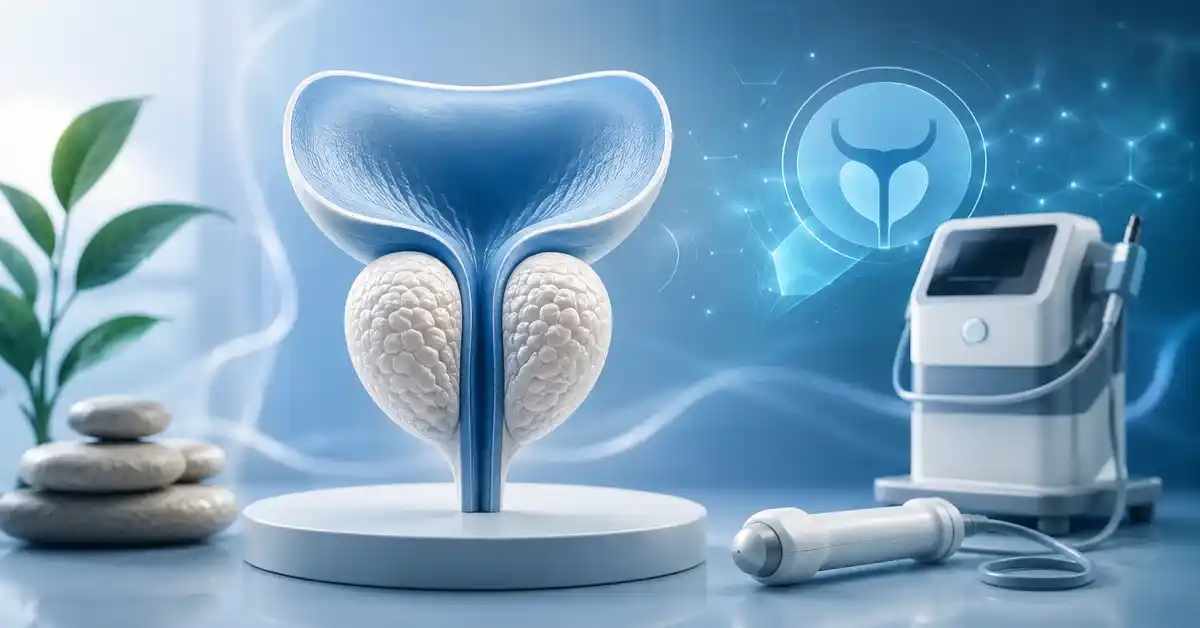
Benign prostate enlargement, medically known as Benign Prostatic Hyperplasia (BPH), is a common condition where the prostate gland gradually enlarges with age. The prostate is a small, walnut-sized gland located below the bladder that surrounds the urethra, the tube that carries urine from the bladder out of the body.
When this gland enlarges, it presses on the urethra, obstructing the normal flow of urine. This enlargement is not cancerous and does not increase the risk of developing prostate cancer, but it causes bothersome symptoms that affect a man's daily life. Benign prostate enlargement affects about 50% of men in their sixties, and the prevalence rises to 90% by the age of eighty, making it one of the most common health problems among older men.
Difference between benign prostate enlargement and prostate cancer
It is crucial to understand the difference between benign prostate enlargement and prostate cancer, as many people confuse the two. Benign enlargement is a non-cancerous growth of prostate cells and is not considered a serious or life-threatening condition, whereas malignant enlargement refers to prostate cancer.
Benign enlargement does not spread to other parts of the body and does not turn into cancer. Cancer, on the other hand, is an abnormal growth of cells that can spread and affect other organs. The symptoms may be similar initially, but an accurate diagnosis through medical tests determines the nature of the condition.
Therefore, upon noticing any symptoms related to the prostate, it is essential to consult a specialist for a proper diagnosis of benign prostate enlargement and to rule out the possibility of a more serious problem.
Why is the term “benign prostate enlargement” used
The term "benign prostate enlargement" is used to clearly distinguish this common, non-cancerous condition from prostate cancer. The word "benign" signifies that the growth is not malignant and will not spread to other parts of the body. This distinction is critical for patient understanding and managing anxiety. "Enlargement" or "hyperplasia" refers to the increase in the number of cells, which causes the prostate gland to grow in size.
Using this specific terminology helps healthcare professionals communicate the exact nature of the condition to patients, reassuring them that while the symptoms can be disruptive, the underlying cause is not life-threatening. This precise medical term ensures that patients receive accurate information, enabling them to make informed decisions about their treatment options without the fear associated with a cancer diagnosis.
Read about: Prostate Enlargement Treatments: Medication or Surgery
Causes and Risk Factors of Benign Prostate Enlargement
There is no single, direct cause of benign prostate enlargement; rather, it is the result of an interplay of factors that accumulate over time. Understanding these causes and risk factors helps in preventing the worsening of symptoms and adopting a healthy lifestyle that supports prostate health. This section focuses on the three main factors: aging, genetic and lifestyle factors, and hormonal changes.
Age and benign prostate enlargement
Age is the most significant and common risk factor for developing benign prostate enlargement. As a man gets older, natural hormonal changes in the body lead to the gradual growth of prostate cells. This process is a normal part of aging for most men.
Studies indicate that the incidence of BPH increases significantly after the age of 40 and becomes almost inevitable after the age of 70. This gradual growth occurs over many years and may not cause noticeable symptoms initially.
For this reason, doctors recommend that men over 50 undergo regular prostate examinations, even if they have no symptoms. Early detection allows for timely management before the condition worsens and symptoms become more severe.
Genetic and lifestyle risk factors for benign prostate enlargement
Genetic factors play a significant role in the likelihood of developing this condition. If you have a family history of benign prostate enlargement, your risk of developing it is notably higher compared to those with no family history.
This suggests a hereditary component. In addition to genetics, benign prostate enlargement and lifestyle changes are closely linked. Obesity, a sedentary lifestyle, and an unhealthy diet rich in fats and red meat are all factors that increase the risk of developing BPH.
Recent studies suggest that men who maintain a healthy lifestyle, exercise regularly, and eat a balanced diet rich in fruits and vegetables are less likely to suffer from severe symptoms of benign prostate enlargement.
Hormonal changes and benign prostate enlargement
Hormones play a crucial role in prostate growth, particularly testosterone and its derivative, dihydrotestosterone (DHT). With aging, an imbalance in hormones occurs, leading to an accumulation of DHT in the prostate, which stimulates cell growth. Furthermore, the hormone estrogen also affects prostate health.
As men age, testosterone levels decrease while estrogen levels remain relatively high. This hormonal imbalance contributes to benign prostate enlargement. Understanding these hormonal mechanisms has led to the development of non-surgical management of benign prostate enlargement that targets these hormones, such as medications that inhibit DHT production and gradually reduce prostate size.
Read about: Latest Non-Surgical Treatments for Enlarged Prostate
Symptoms and Diagnosis of Benign Prostate Enlargement
The symptoms of benign prostate enlargement appear gradually and may not be noticeable at first, but they evolve over time to affect quality of life. Accurate and early diagnosis is key to choosing the most appropriate treatment and avoiding complications. This section reviews the most common symptoms, the necessary diagnostic tests, and the signs that indicate the condition has become concerning and requires special attention.
Key symptoms of benign prostate enlargement
The key symptoms of benign prostate enlargement vary from person to person, but the most common include difficulty starting urination, a weak urine stream, and a feeling of incomplete bladder emptying. These symptoms occur due to the pressure the enlarged prostate exerts on the urethra.
Another bothersome symptom is a frequent need to urinate, especially at night, which can disrupt sleep quality. Some patients may experience an intermittent urine stream or the need to strain to pass urine. In advanced cases, more serious symptoms may appear, such as complete urinary retention, blood in the urine, or recurrent urinary tract infections. These symptoms require immediate medical attention.
Diagnostic tests for benign prostate enlargement
The enlarged prostate diagnosis of non-surgical options begins with a clinical examination and a review of the patient's medical history. The doctor performs a digital rectal exam (DRE) to assess the size and texture of the prostate and to detect any abnormalities.
Other important tests include a urinalysis to check for infection or blood, and a prostate-specific antigen (PSA) blood test, which helps rule out prostate cancer. A urine flow test may also be conducted to measure the speed and strength of the urine stream.
In some cases, the doctor may request additional tests such as an ultrasound of the prostate and bladder, or a cystoscopy to examine the urethra and bladder from the inside. These tests help determine the degree of enlargement and select the appropriate treatment.
When benign prostate enlargement requires further evaluation
Although benign prostate enlargement is a common and generally non-serious condition, there are warning signs that require further evaluation and immediate medical intervention. The most critical of these is acute urinary retention, where the patient is completely unable to urinate.
Recurrent visible blood in the urine, severe pain during urination, or frequent urinary tract infections are all signs indicating complications of benign prostate enlargement that need urgent medical care.
Furthermore, if the symptoms significantly impact your daily quality of life, such as being unable to sleep due to frequent nighttime urination or constant anxiety about not having a restroom nearby, it means the condition requires a medical evaluation and an effective treatment plan.

Why Choose Non-Surgical Treatment for Benign Prostate Enlargement?
In the past, surgery was nearly the only solution for advanced cases of prostate enlargement. Today, the medical landscape has completely changed with the advent of non-surgical methods. This section provides a clear comparison between surgery and modern treatments, explains when monitoring is sufficient, and outlines the criteria doctors use to select the best non-surgical treatment for each patient.
Advantages vs disadvantages of surgery and non-surgical options
When comparing surgery versus non-surgical options for benign prostate enlargement, each has its pros and cons. Traditional surgery, such as transurethral resection of the prostate (TURP), provides quick and effective results but carries risks like bleeding, infection, and a long recovery period. In contrast, enlarged prostate non-surgical treatment offers safer and less invasive alternatives.
These treatments include medications, laser techniques, and modern interventional procedures that do not require large surgical incisions and often do not need general anesthesia.
Non-surgical therapies for an enlarged prostate are particularly suitable for patients with other chronic conditions that make surgery risky, or for those who prefer benign prostate enlargement and avoiding surgery. The recovery time is also much shorter, allowing a quick return to normal life.
When watchful waiting is appropriate for benign prostate enlargement
In some mild cases, the patient may not need any immediate treatment. Instead, watchful waiting for benign prostate enlargement is a suitable approach. This strategy is ideal for patients with mild symptoms that do not significantly affect their daily lives.
During the monitoring period, the patient makes regular visits to the doctor to assess the progression of the condition. Regular tests such as PSA levels, urinalysis, and urine flow measurement are performed to ensure the condition is not worsening.
This option is also suitable for patients who wish to avoid the potential side effects of medications or medical procedures. However, the patient must commit to a healthy lifestyle and avoid factors that could exacerbate the symptoms.
Criteria for selecting non-surgical treatment for benign prostate enlargement
The choice of the right treatment depends on several factors, including the severity of symptoms, prostate size, the patient's age, and overall health. A specialist evaluates these factors comprehensively before recommending a treatment plan.
For patients with mild to moderate symptoms, medications are often the first choice. Those with more severe symptoms or who have not responded to medication may require interventional procedures such as laser techniques or embolization.
It is also important to discuss the patient's expectations and goals for treatment. Some patients prefer quick solutions even if they are more invasive, while others prefer gradual, lower-risk treatments.
Read about: Interventional Radiology for Enlarged Prostate Treatment
The Latest Non-Surgical Treatments for Benign Prostate Enlargement
This field represents a true revolution in urology, with technologies constantly evolving to offer more effective and safer solutions. Patients are no longer forced to choose between medications with limited effects or surgery with its risks. This section details the latest scientific advancements, from laser technologies and injections to innovative interventional treatments that have changed the concept of BPH treatment.
Minimally invasive procedures for benign prostate enlargement
Minimally invasive treatments for an enlarged prostate represent a significant advancement in BPH care. These procedures are designed to relieve symptoms with less risk and a shorter recovery time than traditional surgery.
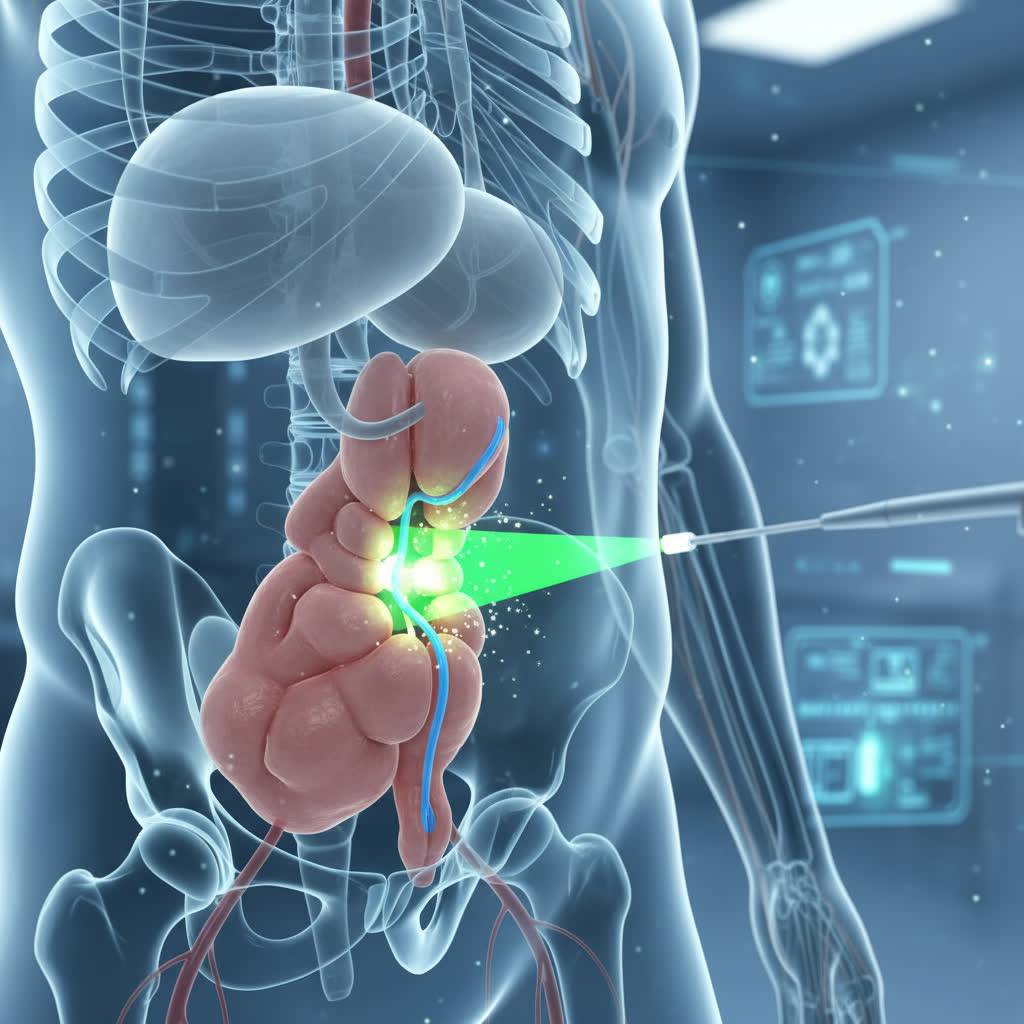
The latest technology for enlarged prostate treatment includes options like Rezūm Water Vapor Therapy, which uses steam to destroy excess prostate tissue. Another popular enlarged prostate minimally invasive procedure is the UroLift System.
This technique involves placing small implants that lift and hold the enlarged prostate tissue away from the urethra, relieving pressure without cutting or removing tissue. This procedure is known for preserving sexual function. These non-invasive therapy for benign prostate enlargement options are performed on an outpatient basis and allow patients to return to their daily activities quickly.
New interventional techniques for benign prostate enlargement
Benign prostate enlargement interventional procedures have evolved to offer even more options. Prostatic Artery Embolization (PAE) is a cutting-edge technique where a catheter is guided to the arteries supplying blood to the prostate.
Tiny particles are then injected to block these arteries, causing the prostate to shrink over time. Laser therapies, such as Holmium Laser Enucleation of the Prostate (HoLEP) and GreenLight Laser Therapy, are also among the latest non-surgical treatments for benign prostate enlargement.
These techniques use focused laser energy to vaporize or remove obstructive prostate tissue with minimal bleeding and a swift recovery. These advanced procedures provide durable results and are suitable for a wide range of prostate sizes, representing a major step forward in providing effective, less burdensome benign prostate enlargement treatment options.
What to expect from the latest non-surgical treatments for benign prostate enlargement
When undergoing the latest non-surgical treatments for benign prostate enlargement, patients can generally expect a more comfortable experience compared to traditional surgery.
Most procedures are performed in an outpatient setting, meaning you can go home the same day. Discomfort is typically minimal and manageable with medication. Recovery is swift, with most men returning to non-strenuous activities within a few days. You may experience temporary urinary symptoms like frequency or urgency as the area heals.
Significant improvement in urinary flow and a reduction in BPH symptoms are usually noticeable within a few weeks. The enlarged prostate non-surgical outcomes are generally excellent, with a high rate of patient satisfaction and a low risk of long-term complications, including a lower impact on sexual function.
Read about: Benign Prostate Enlargement Laser Treatment: Safe Results
Medications as a Non-Surgical Option for Benign Prostate Enlargement
Medications are the first line of defense in many cases of benign prostate enlargement, especially in the early to moderate stages. These drugs provide an effective solution for relieving symptoms and improving quality of life without the need for invasive procedures. This section discusses the main classes of medications used, how they work, and the possibility of combining them to achieve the best results.
Alpha-blockers in benign prostate enlargement treatment
Alpha-blockers are one of the most common benign prostate enlargement medications. These drugs work by relaxing the smooth muscles in the prostate and bladder neck, which makes it easier to urinate and relieves symptoms quickly.
They are a cornerstone of medical therapy for BPH. Most patients notice an improvement in their symptoms within a few days to weeks of starting the medication.
These drugs do not reduce the size of the prostate but are very effective at alleviating symptoms. Side effects are usually mild and may include dizziness, low blood pressure, and nasal congestion. It is important to consult your doctor before starting these medications.
5-alpha-reductase inhibitors for benign prostate enlargement
5-alpha-reductase inhibitors are another class of medications used to treat BPH. These drugs work by blocking the enzyme that converts testosterone to dihydrotestosterone (DHT), the hormone responsible for prostate growth. This helps to shrink the prostate over time.
Unlike alpha-blockers, these medications actually reduce the size of the prostate by up to 25% over 6 to 12 months of regular use, providing long-term symptom relief.
These medications are particularly suitable for patients with very large prostates. Potential side effects may include decreased libido or erectile dysfunction in some patients, but these effects are usually temporary.
Combining medications and non-surgical therapies for benign prostate enlargement
In some cases, doctors recommend combining two types of medications for better results. Combination therapy, which includes both an alpha-blocker and a 5-alpha-reductase inhibitor, provides rapid symptom relief while also gradually reducing the size of the prostate.
This treatment approach is suitable for patients with moderate to severe symptoms and a large prostate. Studies have shown that combination therapy reduces the risk of symptom progression and the future need for surgery.
In addition to medications, drug therapy can be combined with lifestyle changes or simple interventional procedures to achieve the best results. Regular follow-up with your doctor is necessary to evaluate the effectiveness of the treatment and adjust it as needed.
Read about: Latest Prostate Cancer Treatment Using Interventional Radiology
Lifestyle Changes and Their Role in Managing Benign Prostate Enlargement
The treatment of benign prostate enlargement is not limited to medications and medical procedures; lifestyle plays a pivotal role in managing symptoms and improving overall prostate health. Simple adjustments to diet, physical activity, and daily habits can make a significant difference. This section explores how a healthy lifestyle can be a strong line of defense against worsening symptoms.
Ideal lifestyle for prostate health in benign prostate enlargement
Adopting an ideal lifestyle for prostate health plays a crucial role in managing symptoms and preventing the progression of benign prostate enlargement. Maintaining a healthy weight through a balanced diet and regular exercise helps reduce pressure on the bladder and prostate.
Avoiding caffeine and alcohol, especially in the evening, can reduce bladder irritation and the frequent need to urinate at night. It is also advisable to limit fluid intake at least two hours before bedtime to improve sleep quality.
It is also important to avoid medications that can worsen BPH symptoms, such as certain decongestants and antihistamines. Always consult your doctor before taking any new medication.
Diet, exercise, and benign prostate enlargement management
A healthy diet plays a significant role in supporting prostate health. Eating foods rich in zinc, such as nuts and seeds, and foods rich in lycopene, like tomatoes, helps maintain prostate health and reduce inflammation. These are key components of benign prostate enlargement and lifestyle changes.
Omega-3 fatty acids found in fatty fish like salmon and sardines have anti-inflammatory properties that benefit the prostate. Additionally, consuming cruciferous vegetables such as broccoli and cauliflower provides compounds that protect prostate cells.
As for diet, exercise, and benign prostate enlargement management, Kegel exercises to strengthen the pelvic floor muscles can help improve bladder control and reduce urinary symptoms. Regular moderate exercise, such as brisk walking or swimming, improves overall health and reduces the risk of worsening symptoms.
Tips to relieve symptoms of benign prostate enlargement without surgery
There are several practical tips that can help relieve the symptoms of benign prostate enlargement without medical intervention. One of the most important is "double voiding"—waiting a few moments after urinating and then trying again to empty the bladder completely.
Avoid holding urine for long periods and go to the bathroom as soon as you feel the urge. Sitting while urinating instead of standing can help relax the pelvic muscles and improve urine flow. Keeping your body warm, especially in cold weather, can reduce muscle tension around the bladder and prostate.
Also, avoiding prolonged sitting and ensuring regular physical activity improves blood circulation and alleviates symptoms.
Read about: Prostate Cancer Treatment with Interventional Radiology: Latest Results
Complications and Risks of Untreated Benign Prostate Enlargement
Although benign prostate enlargement is not a cancerous condition, neglecting its treatment can lead to serious health problems that may require urgent medical intervention. This section aims to highlight the potential risks of non-treatment, how to manage complications, and the warning signs that should never be ignored.
What can happen if benign prostate enlargement is left untreated?
Leaving benign prostate enlargement untreated can lead to serious complications that affect overall health. One of the most dangerous enlarged prostate complications non-surgical is acute urinary retention, an emergency condition where the bladder becomes completely unable to empty urine.
Recurrent urinary tract infections are another common complication, as incomplete bladder emptying creates a suitable environment for bacterial growth. Additionally, bladder stones can form due to the accumulation of urine and mineral deposits.
In severe cases, kidney damage can occur due to the backpressure of urine on the ureters and kidneys. This damage can be permanent if not treated in a timely manner. Therefore, it is essential not to ignore the symptoms of BPH and to seek early medical evaluation.
How to manage complications of benign prostate enlargement?
When complications arise, immediate medical intervention is required. In the case of acute urinary retention, a urinary catheter is inserted to drain the bladder and relieve pain. The doctor then assesses the condition and decides on the appropriate treatment to prevent recurrence.
Urinary tract infections are treated with appropriate antibiotics, and it is crucial to address the underlying cause—the enlarged prostate—to prevent reinfection. Bladder stones may need to be removed endoscopically or with stone-breaking techniques.
If kidney function is affected, the patient may require more comprehensive treatment, including improving urine flow and protecting the kidneys from further damage. Regular follow-up with a urologist is essential to monitor the condition and avoid future complications.
Warning signs that benign prostate enlargement needs urgent care
There are warning signs that require an immediate trip to the emergency room. The most important are a complete inability to urinate despite a full bladder, severe lower abdominal pain, or a fever accompanied by urinary symptoms.
Heavy or persistent blood in the urine, or severe pain in the back or sides, may indicate kidney problems that need urgent attention. Additionally, feeling nauseous and vomiting along with urinary symptoms could signify a serious infection or kidney issue.
Do not hesitate to seek immediate medical help if you experience any of these symptoms. Early intervention prevents the worsening of complications and protects against permanent damage.
Read about: Prostate Treatment: Turkey vs USA
How to Choose a Centre for Non-Surgical Treatment of Benign Prostate Enlargement
Choosing the right healthcare provider is as important as choosing the treatment itself. With a multitude of treatment options available, it becomes essential to find a medical center that combines expertise, advanced technology, and excellent care.
This section provides practical guidance to help you make this important decision, from the basic criteria to look for, to the questions you should ask, and the importance of listening to the experiences of previous patients.
What to look for in a treatment centre for benign prostate enlargement
Choosing the right medical center is a crucial step in your journey to treat benign prostate enlargement. The center should have a specialized and qualified medical team in urology, with extensive experience in the latest non-surgical treatments for benign prostate enlargement.
The availability of modern technologies such as lasers, embolization, and other interventional procedures reflects the center's commitment to providing the best benign prostate enlargement treatment options. The center should also be equipped with the latest diagnostic tools to accurately assess the condition.
Cleanliness, international accreditations, and the center's reputation through successful patient experiences with non-surgical treatment of benign prostate enlargement are all factors to consider. Safemedigo partners with top medical centers that meet the highest standards of quality and safety.
Questions to ask before starting non-surgical treatment for benign prostate enlargement
Before starting any treatment, it is important to ask your doctor the right questions. Inquire about the available treatment options for your condition, the pros and cons of each option, and the expected success rates.
Ask about potential side effects, recovery time, and the impact of the treatment on daily life and sexual function. It is also important to know the cost of treatment and ask about the doctor's experience with the proposed technique and the number of cases they have treated successfully. Do not hesitate to seek a second medical opinion if you are unsure about the proposed treatment plan. Your decision should be based on complete and clear information.
Patient experiences with non-surgical treatment of benign prostate enlargement
Listening to the experiences of previous patients provides a realistic insight into what to expect from the treatment. Many patients who have undergone non-surgical treatment for BPH report a significant improvement in their quality of life and ability to sleep better. Most successful experiences highlight a faster recovery compared to traditional surgery, with less pain and fewer complications.
Patients have praised the ability to return to their normal activities within a few days and a noticeable improvement in urine flow.
Read about: Laser vs Interventional: Turkey vs Germany
Conclusion
Benign prostate enlargement is no longer a problem without a solution. Thanks to modern medical advancements, patients now have a variety of effective non-surgical treatment options, ranging from medications, laser techniques, and interventional procedures to lifestyle changes.
Choosing the right treatment depends on your individual health condition, the severity of your symptoms, and your personal preferences. Early diagnosis and regular follow-up with a specialist ensure that symptoms are controlled and complications are prevented. Don't let the symptoms affect your quality of life—the solutions are available and safe.
If you are experiencing symptoms of an enlarged prostate and are looking for an accurate assessment and a personalized treatment plan, you can contact the Safemedigo team via WhatsApp for a medical consultation with top specialists in treating benign prostate enlargement.
Frequently Asked Questions: Benign Prostate Enlargement: Latest Non-Surgical Treatments
Can benign prostate enlargement be cured permanently without surgery?
Yes, many modern techniques like laser therapy and embolization offer long-lasting and effective results for treating benign prostate enlargement without the need for traditional surgery. Medications also help control symptoms continuously when taken as prescribed. The right treatment choice depends on your individual condition and your doctor's assessment.
What is the best non-surgical technique for treating an enlarged prostate?
There is no single "best" technique for everyone, as the choice depends on prostate size, symptom severity, and your overall health. Laser techniques like HoLEP and GreenLight are very effective, while prostatic artery embolization is suitable for those who cannot undergo other procedures. Consulting a specialist will help you choose the most appropriate option.
Are medications alone sufficient to treat benign prostate enlargement?
In mild to moderate cases, medications may be sufficient to effectively control symptoms. Alpha-blockers and 5-alpha-reductase inhibitors have proven effective in improving urine flow and reducing prostate size. However, in severe cases or when there is no response to medication, other interventional procedures may be needed.
How long is the recovery period after non-surgical treatment for an enlarged prostate?
The recovery period varies depending on the type of treatment. Most modern interventional procedures like laser or UroLift allow a return to normal activities within a few days to a week. Prostatic artery embolization may require up to two weeks. In general, recovery is much faster than traditional surgery, which can take several weeks.
Does non-surgical treatment for an enlarged prostate affect sexual function?
Most modern non-surgical treatments are designed to preserve sexual function as much as possible. Techniques like UroLift significantly preserve sexual function. Some medications may cause temporary side effects, but they are usually less severe than those from traditional surgery. Discuss this topic openly with your doctor to choose the most suitable treatment.