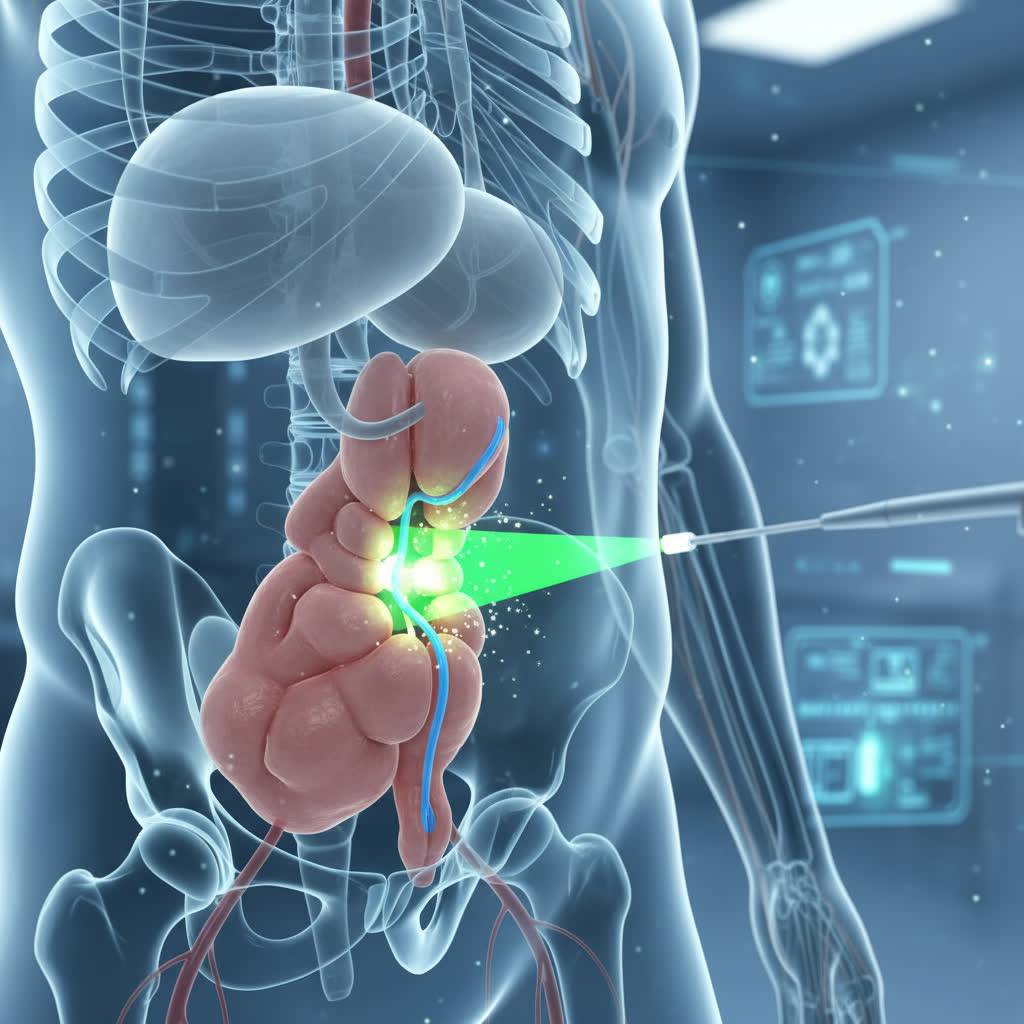






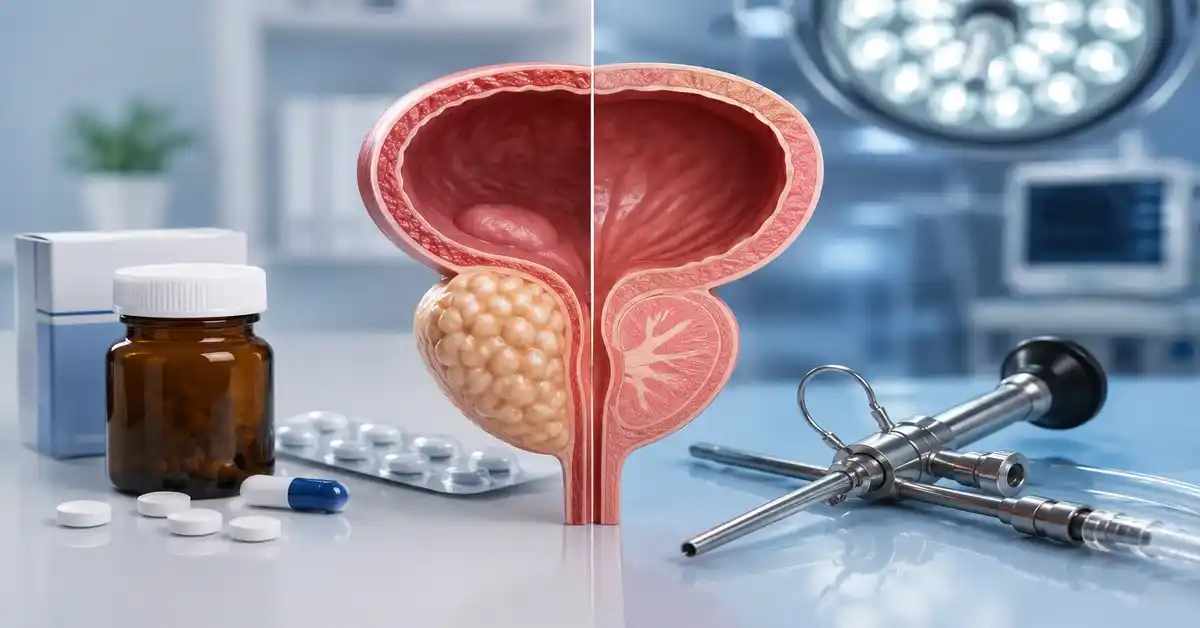
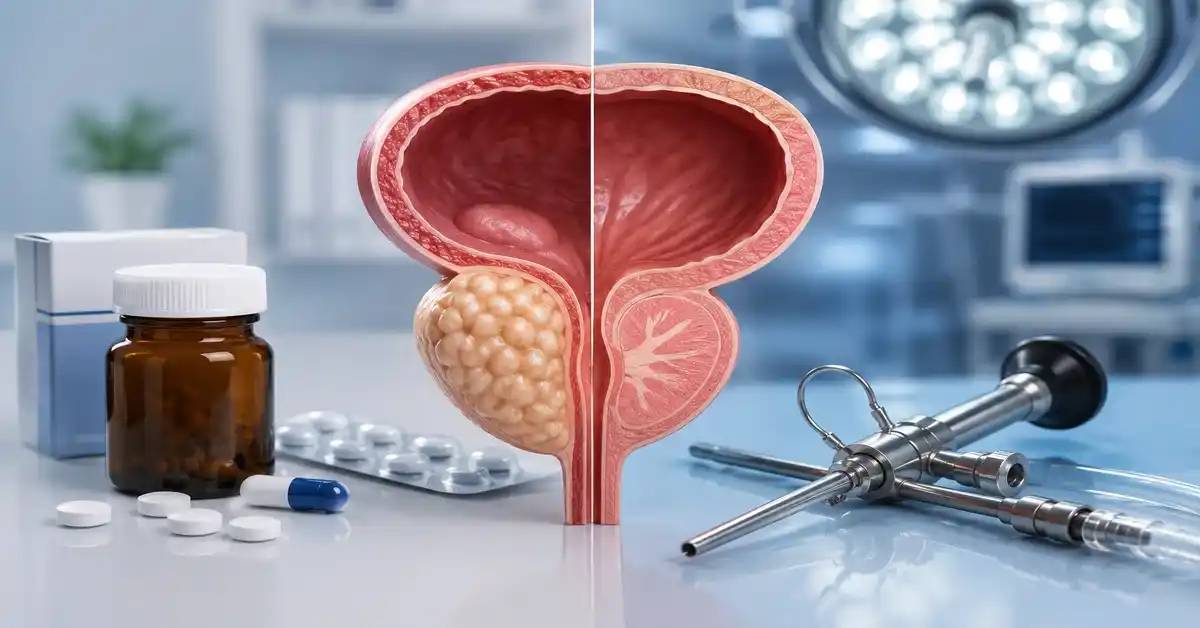
Prostate enlargement, medically known as benign prostatic hyperplasia or BPH, is one of the most common prostate conditions in aging men. It is not cancer, but it can cause bothersome urinary symptoms such as weak urine flow, frequent urination, nighttime urination, urgency, difficulty starting urination, and the feeling that the bladder is not fully empty.
Many men ask the same question: What is the best treatment for an enlarged prostate—medication or surgery? The answer depends on the patient. Some men improve with medication for an enlarged prostate, while others need surgery for an enlarged prostate when symptoms are severe, medication fails, or complications appear.
The right prostate enlargement treatment should be based on a full urology evaluation, not only on prostate size. A man with a large prostate may have mild symptoms, while another man with a smaller prostate may have severe obstruction. The best treatment for an enlarged prostate is the option that relieves symptoms, protects the bladder and kidneys, minimizes side effects, and matches the patient’s health condition and expectations.
Overview of Prostate Enlargement Treatment
Prostate enlargement treatment aims to improve urine flow, reduce bladder pressure, decrease nighttime urination, prevent urinary retention, and protect the urinary system from long-term complications. Treatment can be conservative, medical, minimally invasive, or surgical.
A doctor usually evaluates symptoms, prostate size, PSA level, urine test results, ultrasound findings, post-void residual urine, urinary flow rate, medication history, and overall health before recommending treatment. This evaluation helps decide whether enlarged prostate medication options are enough or whether surgery for an enlarged prostate is more appropriate.
What is prostate enlargement treatment?
Prostate enlargement treatment includes all medical and procedural options used to reduce urinary symptoms caused by benign prostate enlargement. Some treatments relax the muscles around the prostate and bladder neck. Others gradually reduce prostate size. Procedures and surgeries remove, shrink, lift, or reshape the obstructing prostate tissue to improve urine flow.
Prostate enlargement treatment may include:
- Watchful waiting for mild symptoms.
- Lifestyle and fluid adjustments.
- Bladder training.
- Reducing caffeine and alcohol.
- Medication for an enlarged prostate.
- Enlarged prostate drug therapy.
- Alpha blockers.
- 5-alpha-reductase inhibitors.
- Combination medication.
- Enlarged prostate minimally invasive surgery.
- Enlarged prostate laser surgery.
- Enlarged prostate transurethral resection.
- Enlarged prostate urethral lift.
- Enlarged prostate artery embolization.
- Enlarged prostate waterjet therapy.
The goal is not only to reduce prostate size, but to improve urinary function and prevent complications.
When to choose medication for an enlarged prostate or surgery for an enlarged prostate?
Medication for an enlarged prostate is often chosen when symptoms are mild to moderate, there are no serious complications, and the patient can urinate without repeated retention. Surgery for an enlarged prostate is usually considered when symptoms are severe, medication is ineffective, or complications develop.
Medication may be suitable when:
- Symptoms are mild or moderate.
- There is no recurrent urinary retention.
- Kidney function is not affected.
- There are no bladder stones.
- Urinary infections are not recurrent.
- The patient wants to avoid surgery.
- The prostate size is suitable for medication.
- Side effects are acceptable.
- The patient can attend follow-up visits.
- There is no urgent need for intervention.
Surgery may be more suitable when:
- Medication does not improve symptoms.
- Urinary retention keeps recurring.
- Bladder stones are present.
- Urinary tract infections are recurrent.
- Blood in urine keeps returning due to BPH.
- Post-void residual urine is high.
- Kidney function is affected.
- Symptoms severely reduce quality of life.
- The patient cannot tolerate medication.
- The doctor confirms significant obstruction.
This is why enlarged prostate medication vs surgery should be discussed individually with a urologist.
Read about: Latest Non-Surgical Treatments for Enlarged Prostate
Medication for Enlarged Prostate
Medication for an enlarged prostate is a common first-line option for men with bothersome but uncomplicated urinary symptoms. Enlarged prostate medication options can improve urination, reduce nighttime symptoms, and delay or avoid surgery in selected patients.
There are two main medication groups: alpha blockers, which relax prostate and bladder neck muscles, and 5-alpha-reductase inhibitors, which reduce prostate size gradually over time. Some men may need a combination of both.
Medication for enlarged prostate drug therapy: benefits and side effects
Enlarged prostate drug therapy can be effective when symptoms are not severe enough to require surgery. It may be especially useful for men who want to try treatment without an operation or who are not ideal surgical candidates.
Benefits of medication may include:
- Non-surgical symptom relief.
- Improved urine flow.
- Less difficulty starting urination.
- Reduced nighttime urination.
- Better bladder emptying.
- Lower urgency in some patients.
- Delayed need for surgery.
- Long-term symptom control.
- Flexible treatment adjustment.
- Compatibility with lifestyle changes.
However, enlarged prostate medication side effects can occur. These depend on the type of drug and the patient’s health.
Possible side effects include:
- Dizziness.
- Low blood pressure.
- Fatigue.
- Headache.
- Ejaculation changes.
- Reduced libido.
- Erectile difficulties in some men.
- Breast tenderness with some medications.
- Drug interactions.
- Need for long-term use.
Because of these risks, medication should be prescribed and monitored by a doctor.
Alpha blockers are medications for an enlarged prostate
Alpha blockers are among the most commonly used medications for an enlarged prostate. They relax the smooth muscles in the prostate and bladder neck, making it easier for urine to pass. Common examples include tamsulosin, alfuzosin, doxazosin, silodosin, and terazosin.
Alpha blockers do not significantly shrink the prostate. Instead, they reduce functional resistance around the urethra and may improve symptoms relatively quickly.
Alpha blockers may help with:
- Weak urine stream.
- Hesitancy.
- Straining during urination.
- Interrupted flow.
- Nighttime urination.
- Incomplete emptying sensation.
- Urgency.
- Moderate urinary symptoms.
- Faster symptom relief.
- Improving daily comfort.
Possible side effects include:
- Dizziness.
- Drop in blood pressure when standing.
- Fatigue.
- Headache.
- Nasal congestion.
- Ejaculation changes.
- Lightheadedness.
- Interaction with blood pressure drugs.
- Fall risk in older men.
- Need for dose adjustment.
Men taking heart or blood pressure medication should use alpha blockers carefully under medical supervision.
5-alpha-reductase inhibitors for the treatment of an enlarged prostate
5-alpha-reductase inhibitors work differently from alpha blockers. They reduce the hormonal stimulation that contributes to prostate growth. Finasteride and dutasteride are common examples. These medications are often more useful in men with larger prostate glands.
Their effect is slower. Patients may need several months before noticing significant improvement. However, in suitable patients, they may reduce prostate volume, lower the risk of urinary retention, and reduce the future need for surgery.
Benefits may include:
- Gradual prostate size reduction.
- Long-term symptom control.
- Lower risk of urinary retention in selected patients.
- Reduced need for surgery in some men.
- Better suitability for larger prostates.
- Possible use with alpha blockers.
- Slower progression of BPH.
- More durable medical management.
- Reduced prostate pressure over time.
- Long-term treatment planning.
Possible side effects include:
- Reduced sexual desire.
- Erectile problems in some men.
- Ejaculation changes.
- Breast tenderness or enlargement.
- Mood changes in some patients.
- PSA reduction, which must be considered during interpretation.
Patients taking finasteride or dutasteride should always inform their doctor before PSA testing, because these medications can lower PSA levels.

Holistic Treatment for Enlarged Prostate
Enlarged prostate holistic treatment may include lifestyle changes, diet, weight control, bladder training, physical activity, and selected natural supplements. These approaches may support symptom control, but they should not replace medical care when symptoms are moderate or severe.
Holistic treatment is most useful for mild symptoms or as an additional support alongside medication. It should not delay urology evaluation if the patient has urinary retention, blood in urine, fever, severe pain, recurrent infections, or kidney-related concerns.
Herbal and natural options: enlarged prostate holistic treatment
Many men search for herbal and natural options for enlarged prostate holistic treatment. Products such as saw palmetto, pumpkin seed extract, green tea, turmeric, and plant-based formulas are commonly discussed. However, results vary, and these products are not guaranteed to treat prostate obstruction.
Natural options may support:
- General health.
- Inflammation control.
- Weight management.
- Better hydration habits.
- Reduced bladder irritation.
- Better sleep routine.
- Constipation control.
- Improved treatment awareness.
- Mild symptom monitoring.
- Patient motivation.
However, natural products are not a proven substitute for medication or surgery when obstruction is significant. A man who cannot urinate or has recurrent infections should not rely on herbs alone.
Diet and lifestyle in enlarged prostate holistic treatment
Diet and lifestyle changes may reduce bladder irritation and improve urinary comfort. They do not remove the mechanical obstruction caused by a large prostate, but they may help reduce symptom burden.
Helpful lifestyle steps include:
- Reducing fluids before bedtime.
- Limiting caffeine.
- Avoiding excessive alcohol.
- Reducing carbonated drinks.
- Managing constipation.
- Maintaining a healthy weight.
- Walking regularly.
- Avoiding long urine holding.
- Reviewing diuretic timing with a doctor.
- Limiting spicy foods if they worsen symptoms.
These measures can be useful as part of enlarged prostate holistic treatment, especially when symptoms are mild.
Supplements in enlarged prostate holistic treatment
Supplements are often marketed for prostate health, but they should be used carefully. Some supplements may interact with blood thinners, heart medication, blood pressure medication, diabetes medication, or liver and kidney treatments.
Before using supplements, patients should speak with a doctor if they have:
- Heart disease.
- Diabetes.
- Kidney disease.
- Liver disease.
- Blood thinner use.
- Planned surgery.
- Multiple medications.
- PSA monitoring.
- Previous allergies.
- Advanced age or frailty.
Supplements should be viewed as supportive only, not as a replacement for medically proven prostate enlargement treatment.
Read about: Interventional Radiology for Enlarged Prostate Treatment
When to Opt for Surgery for an Enlarged Prostate
Surgery for an enlarged prostate is considered when medication is not enough or when complications make waiting unsafe. The goal is usually not to remove the entire prostate, but to relieve the part causing urinary blockage.
Surgical planning depends on prostate size, anatomy, urinary obstruction, general health, anesthesia risk, blood thinner use, sexual function priorities, and available technology.
Indications for surgery for an enlarged prostate
Surgery may be recommended when symptoms remain severe despite medication or when complications develop. In these cases, continuing medication alone may not protect the bladder and kidneys.
Indications may include:
- Recurrent urinary retention.
- Failed medication treatment.
- Severe urinary symptoms.
- Recurrent urinary tract infections.
- Bladder stones.
- Recurrent visible blood in urine due to BPH.
- Large post-void residual urine.
- Kidney function impairment.
- Upper urinary tract dilation.
- Medication intolerance.
- Major quality-of-life impact.
- Clear bladder outlet obstruction.
When these factors are present, surgery for an enlarged prostate may provide stronger and more durable relief than medication alone.
Cost of enlarged prostate surgery
The cost of enlarged prostate surgery varies widely depending on the country, hospital, surgeon experience, anesthesia, technique, length of stay, and technology used. TURP, laser surgery, urethral lift, artery embolization, and waterjet therapy may all have different price structures.
Cost factors include:
- Type of procedure.
- Prostate size.
- Hospital level.
- Surgeon experience.
- Anesthesia type.
- Operating room time.
- Length of hospital stay.
- Use of laser or specialized devices.
- Preoperative testing.
- Management of blood thinners.
- Follow-up visits.
- Treatment of complications if they occur.
Patients should ask for a clear cost estimate that explains what is included and what is not included.
Read about: Benign Prostate Enlargement: Latest Non-Surgical Treatments
Types of Surgery for Enlarged Prostate
There are several types of surgery for an enlarged prostate. Some remove tissue, some vaporize or enucleate tissue, and others open the urethral channel without cutting large amounts of tissue. Newer options may reduce recovery time in selected patients, but not every procedure is suitable for every prostate.
The best surgical option depends on prostate size, anatomy, symptoms, patient priorities, and surgeon expertise.
Transurethral resection for an enlarged prostate
Enlarged prostate transurethral resection, often called TURP, is one of the most established surgical treatments for BPH. During TURP, the surgeon inserts an instrument through the urethra and removes the inner prostate tissue that blocks urine flow. No external incision is needed.
TURP may be suitable for men with:
- Moderate to severe symptoms.
- Clear bladder outlet obstruction.
- Poor response to medication.
- Suitable prostate size.
- Recurrent urinary retention.
- High post-void residual urine.
- Bladder stones in selected cases.
- Need for stronger urine flow improvement.
- Acceptable anesthesia risk.
- Doctor recommendation after evaluation.
TURP can be very effective, but possible side effects include bleeding, infection, temporary burning, catheter use, retrograde ejaculation, urethral narrowing, and temporary urinary control issues.
Enlarged prostate laser surgery
Enlarged prostate laser surgery uses laser energy to vaporize, remove, or enucleate obstructing prostate tissue. Different laser techniques exist, including HoLEP and GreenLight laser. The choice depends on prostate size, bleeding risk, equipment, and surgeon experience.
Possible advantages of laser surgery include:
- Less bleeding in selected patients.
- Good option for some men on blood thinners after assessment.
- Strong urine flow improvement.
- Shorter hospital stay in some cases.
- Shorter catheter duration in selected patients.
- Suitability for larger prostates with certain techniques.
- Precise tissue treatment.
- Lower transfusion risk.
- Faster recovery in some patients.
- Effective results in experienced hands.
However, enlarged prostate laser surgery may cost more than traditional techniques in some settings and may not be available everywhere.
Enlarged prostate urethral lift
Enlarged prostate urethral lift is a minimally invasive option designed to open the urethral channel without removing prostate tissue. Small implants hold the prostate lobes apart, allowing urine to flow more easily. This approach may be considered in men with suitable anatomy.
Urethral lift may be suitable for men who want:
- A minimally invasive option.
- Shorter recovery.
- Lower risk of sexual side effects.
- No tissue removal.
- Symptom relief without traditional surgery.
- Faster return to activity.
- Treatment under less intensive anesthesia in selected cases.
- Preservation of ejaculation in many cases.
- A procedure for appropriate prostate size.
- A treatment chosen after anatomical assessment.
It is not suitable for every patient. Some men may need retreatment later because the tissue is not removed.
Read about: Benign Prostate Enlargement Laser Treatment: Safe Results
Complications and Recovery from Enlarged Prostate Surgery
Enlarged prostate surgery can provide strong symptom relief, but it also has possible side effects and recovery requirements. Recovery depends on the procedure type, prostate size, patient health, catheter duration, and whether complications occur.
Patients should have realistic expectations. Urine flow often improves, but urinary urgency, frequency, or burning may continue temporarily while the bladder adapts.
Side effects of surgery for an enlarged prostate
Side effects of surgery for an enlarged prostate differ by procedure. Tissue-removing procedures such as TURP and some laser operations may have stronger flow improvement but may also have higher rates of ejaculatory changes. Minimally invasive procedures may have quicker recovery but may not be as powerful for severe obstruction.
Possible side effects include:
- Bleeding.
- Urinary tract infection.
- Temporary burning during urination.
- Temporary catheter use.
- Urinary urgency.
- Frequent urination.
- Retrograde ejaculation.
- Urethral stricture.
- Bladder neck narrowing.
- Temporary urinary leakage.
- Need for retreatment.
- Anesthesia-related risks.
Most side effects can be managed, but they should be discussed before surgery.
Surgery for an enlarged prostate recovery
Enlarged prostate surgery recovery varies. Some patients leave the hospital the same day or the next day, while others need longer observation. Catheter duration depends on the procedure and patient condition.
During recovery, patients may experience:
- Temporary catheter use.
- Mild blood in urine.
- Burning with urination.
- Frequent urination.
- Urgency.
- Gradual improvement in urine stream.
- Activity restrictions.
- Temporary sexual activity restrictions.
- Need for hydration if allowed.
- Follow-up visits.
Full recovery may take days to weeks depending on the procedure. The doctor’s instructions should guide activity, driving, work, exercise, and sexual activity.
Preventive measures post-surgery for an enlarged prostate
Preventive care after surgery reduces the risk of bleeding, infection, urinary retention, and delayed recovery. Patients should follow instructions closely, especially in the first days after the procedure.
Post-surgery precautions include:
- Taking medications as prescribed.
- Caring for the catheter properly.
- Drinking fluids if allowed.
- Avoiding heavy lifting.
- Avoiding constipation.
- Avoiding strenuous exercise early.
- Monitoring urine color.
- Reporting fever.
- Seeking help for inability to urinate.
- Avoiding sex until approved.
- Attending follow-up visits.
- Restarting blood thinners only as instructed.
Urgent review is needed if there is heavy bleeding, fever, severe pain, inability to urinate, or worsening general condition.
Read about: Latest Prostate Cancer Treatment Using Interventional Radiology
Treatment Comparison: Medication vs Surgery
Enlarged prostate treatment comparison should be based on effectiveness, safety, side effects, cost, recovery, and patient expectations. Medication is less invasive and often works well for mild to moderate symptoms. Surgery may provide stronger relief when obstruction is significant or medication fails.
There is no universal best treatment for an enlarged prostate. The best option is the one that fits the patient’s symptoms, prostate anatomy, health status, and treatment goals.
Enlarged prostate treatment comparison: effectiveness
Medication can improve symptoms and urine flow, especially when obstruction is not severe. Alpha blockers may work relatively quickly, while 5-alpha-reductase inhibitors may help larger prostates over time. However, medication may not solve severe mechanical blockage.
Surgery directly relieves obstruction by removing, shrinking, lifting, or reshaping the tissue blocking urine flow. It may be more effective for severe symptoms and complications.
Medication may be better when:
- Symptoms are mild to moderate.
- There are no complications.
- The patient prefers non-surgical care.
- Drug response is good.
- Prostate size is suitable.
- Side effects are acceptable.
- Follow-up is consistent.
- There is no recurrent retention.
- Kidney function is normal.
- The patient accepts long-term treatment.
Surgery may be better when:
- Symptoms are severe.
- Medication fails.
- Retention recurs.
- Bladder stones are present.
- Infections are recurrent.
- Kidneys are affected.
- Medication side effects are not tolerated.
- Obstruction is clear.
- Quality of life is poor.
- The patient wants a more definitive approach.
Side effects of medication vs surgery for an enlarged prostate
Both medication and surgery can cause side effects. Medication side effects are usually reversible after stopping or changing treatment, but medications may need to be taken long term. Surgery has a recovery period and procedural risks, but may provide stronger urinary improvement.
Medication side effects may include:
- Dizziness.
- Low blood pressure.
- Fatigue.
- Headache.
- Ejaculation changes.
- Reduced libido.
- Erectile difficulties in some patients.
- Breast tenderness.
- Drug interactions.
- Long-term adherence issues.
Surgical side effects may include:
- Bleeding.
- Infection.
- Catheter use.
- Retrograde ejaculation.
- Temporary burning.
- Temporary leakage.
- Urethral narrowing.
- Pain.
- Recovery time.
- Possible retreatment.
The decision should balance symptom relief against acceptable risks.
Patient factors in medication vs surgery for enlarged prostate
Patient factors are central to choosing between medication and surgery. Two men with similar prostate size may need different treatments because symptoms, lifestyle, sexual priorities, other diseases, and personal preferences differ.
Important factors include:
- Age.
- Symptom severity.
- Prostate size.
- Urinary flow rate.
- Post-void residual urine.
- PSA assessment.
- Kidney function.
- Bladder stones.
- Recurrent infections.
- Blood thinner use.
- Sexual function priorities.
- Anesthesia risk.
- Cost concerns.
- Patient preference.
A personalized plan is safer and more effective than a one-size-fits-all approach.
Read about: Prostate Cancer Treatment with Interventional Radiology: Latest Results
Economic Considerations in Prostate Enlargement Treatment
Economic considerations in prostate enlargement treatment include more than the price of a medicine or procedure. Patients should consider long-term medication costs, follow-up visits, testing, surgery costs, recovery time, time away from work, and possible retreatment.
A cheaper option in the short term may not always be cheaper in the long term, especially if symptoms remain uncontrolled.
Cost of medication for enlarged prostate
The cost of medication for enlarged prostate depends on the drug type, brand, dose, duration, and whether combination therapy is needed. Some men need one medication, while others require more than one drug or additional bladder medication.
Medication-related costs may include:
- Monthly medication cost.
- Urology appointments.
- PSA testing.
- Urine tests.
- Ultrasound.
- Flow measurement.
- Post-void residual measurement.
- Side-effect management.
- Medication changes.
- Long-term follow-up.
Even if monthly cost is low, long-term treatment over years may become significant.
Cost of enlarged prostate surgery
The cost of enlarged prostate surgery depends on the procedure type, hospital, surgeon, technology, anesthesia, length of stay, and follow-up care. TURP, laser surgery, urethral lift, artery embolization, and waterjet therapy may have different cost profiles.
Surgery-related costs may include:
- Preoperative evaluation.
- Blood and urine tests.
- Anesthesia assessment.
- Operating room fee.
- Surgeon fee.
- Anesthesia fee.
- Device or laser cost.
- Hospital stay.
- Catheter and supplies.
- Medications.
- Follow-up visits.
- Management of complications if they occur.
Patients should request a detailed treatment plan and cost explanation before surgery.
Indirect costs: recovery and lifestyle impacts
Indirect costs are often overlooked. Recovery may require time away from work, help at home, travel, accommodation near the hospital, activity restrictions, and temporary changes in sexual or daily life.
Indirect costs may include:
- Work absence.
- Caregiver support.
- Transportation.
- Accommodation.
- Follow-up travel.
- Additional medicines.
- Home care.
- Temporary sexual restrictions.
- Exercise limitations.
- Delayed travel plans.
These should be considered in the enlarged prostate medication vs surgery discussion.
Read about: Prostate Treatment: Turkey vs USA
Post-Treatment Plan and Follow-Up
Prostate enlargement treatment does not end when medication is prescribed or surgery is completed. Follow-up is needed to check symptom improvement, side effects, urinary flow, bladder emptying, and the need for future adjustments.
Patients on medication may need dose changes or drug switches. Patients after surgery need monitoring for healing, urination, bleeding, infection, and long-term symptom control.
Exercises after surgery for enlarged prostate recovery
Exercises after surgery for enlarged prostate recovery should begin only according to the doctor’s advice. Light walking is usually encouraged early, but heavy lifting, intense exercise, and activities that increase abdominal pressure may need to be avoided for a period.
Helpful recovery steps may include:
- Starting with short walks.
- Avoiding long bed rest.
- Avoiding heavy lifting.
- Preventing constipation.
- Doing pelvic floor exercises if recommended.
- Monitoring urinary control.
- Resting when tired.
- Reducing activity if bleeding increases.
- Asking before returning to sports.
- Waiting for approval before sexual activity.
The recovery plan depends on the type of procedure and the patient’s condition.
Diet and symptom monitoring after treatment for an enlarged prostate
Diet and symptom monitoring are useful after both medication and surgery. Patients should monitor urination frequency, nighttime urination, urine stream strength, burning, blood in urine, and urgency.
Useful steps include:
- Drinking enough water if allowed.
- Reducing fluids before bedtime.
- Limiting caffeine.
- Avoiding excessive alcohol.
- Preventing constipation.
- Tracking urine color.
- Reporting fever or burning.
- Seeking help if unable to urinate.
- Keeping a symptom diary.
- Taking medication as prescribed.
This helps the doctor assess whether treatment is working.
Follow-up appointments after surgery for an enlarged prostate
Follow-up appointments after surgery for an enlarged prostate are important for safe recovery. The doctor checks catheter status, urine flow, bleeding, pain, infection signs, and bladder emptying.
Follow-up may include:
- Catheter review.
- Urine flow assessment.
- Checking blood in urine.
- Assessing burning or pain.
- Monitoring fever.
- Measuring post-void residual urine.
- Flow test when needed.
- PSA follow-up when appropriate.
- Sexual function discussion.
- Medication review.
- Work return guidance.
- Long-term follow-up plan.
Follow-up should not be skipped even if symptoms improve quickly.
Read about: Laser vs Interventional: Turkey vs Germany
Conclusion
Prostate enlargement treatment can involve medication, surgery, or minimally invasive procedures depending on the patient’s symptoms and medical condition. Medication for an enlarged prostate may be suitable for mild to moderate symptoms, especially when there are no complications. Alpha blockers can improve urine flow relatively quickly, while 5-alpha-reductase inhibitors may help reduce prostate size over time in men with larger prostates.
Surgery for an enlarged prostate may be more appropriate when medication fails, urinary retention recurs, bladder stones develop, infections repeat, kidney function is affected, or obstruction is severe. Options such as transurethral resection, enlarged prostate laser surgery, urethral lift, artery embolization, and waterjet therapy may be considered depending on the case.
Frequently Asked Questions: Prostate Enlargement Treatments
What is the best treatment for an enlarged prostate?
The best treatment depends on symptom severity, prostate size, urinary flow, post-void residual urine, complications, general health, and patient preference. Some men do well with medication, while others need surgery.
Can an enlarged prostate be treated without surgery?
Yes. Many men with mild or moderate symptoms can be treated with medication, lifestyle changes, and monitoring. Surgery is usually considered when symptoms are severe or complications develop.
What are common enlarged prostate medication options?
Common options include alpha blockers such as tamsulosin or doxazosin, and 5-alpha-reductase inhibitors such as finasteride or dutasteride. Some men may need combination therapy.
When is surgery for an enlarged prostate needed?
Surgery may be needed when medication fails, urinary retention recurs, bladder stones develop, infections repeat, blood in urine returns, or kidney function is affected by obstruction.
How long is enlarged prostate surgery recovery?
Recovery depends on the procedure. Some men recover within days, while others need several weeks. Catheter duration, activity limits, and return to work should be guided by the doctor.