





As men age, benign prostate enlargement (BPH) becomes an increasingly common condition, significantly impacting quality of life with bothersome urinary symptoms. Fortunately, patients no longer have to choose between medications with limited effectiveness and traditional surgery with long recovery periods. The advent of prostate laser treatment has revolutionized the field, offering an effective solution characterized by precision, safety, and rapid results. It represents a true turning point in men's health care.
In this guide, we will explore the world of laser treatment for an enlarged prostate, highlighting the latest available technologies like the GreenLight laser. At Safemedigo, we are committed to providing the most advanced and safest medical solutions. Our goal is to equip you with the necessary knowledge to make an informed decision about your health, and to understand how this advanced technique can restore comfort and control to your daily life with minimal intervention and a short recovery period.
Prostate Laser Treatment
Prostate Laser Surgery
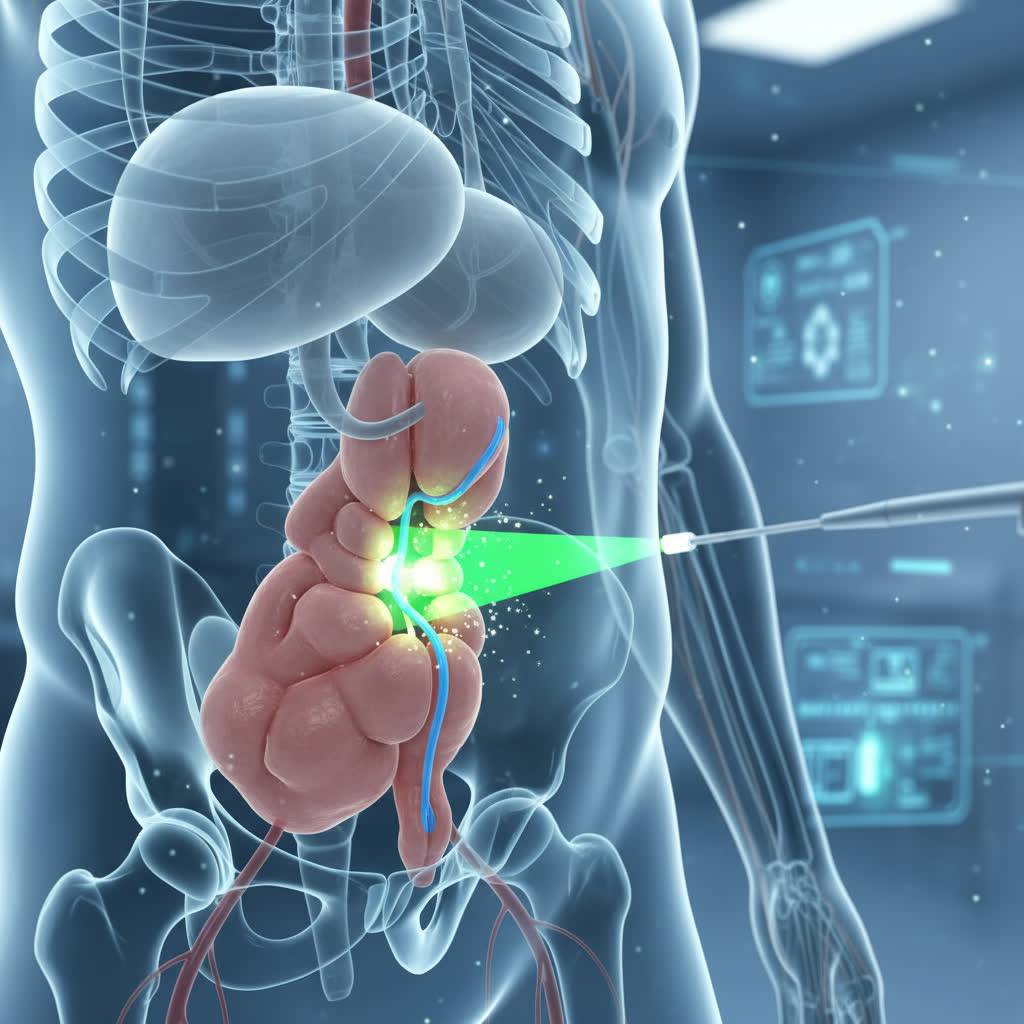
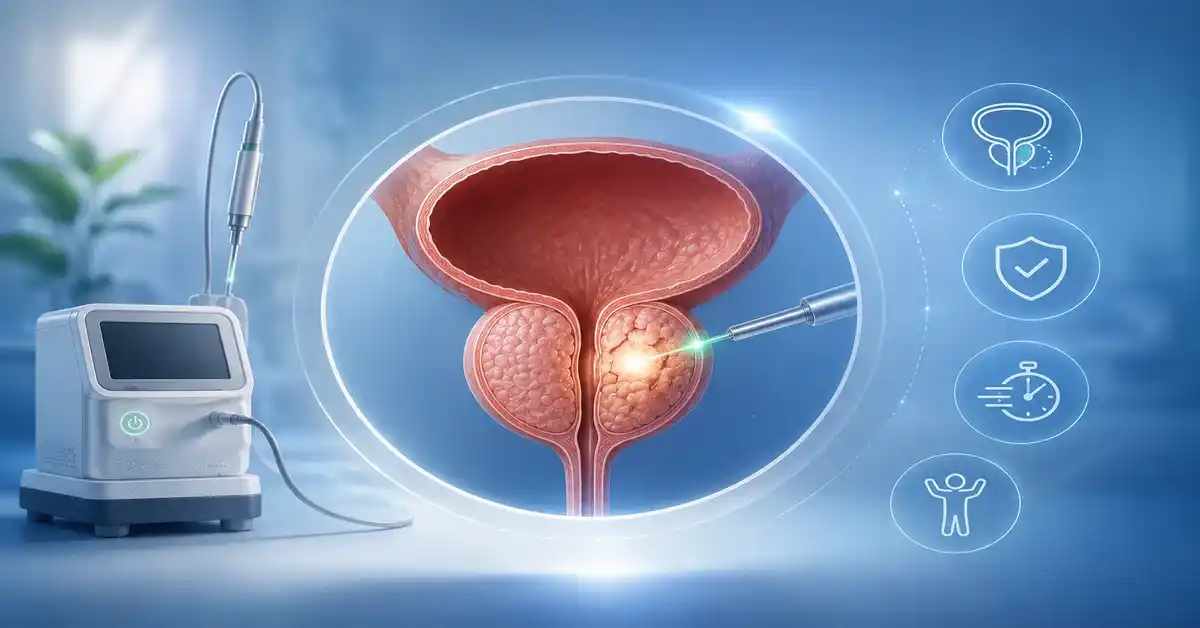
Prostate laser surgery is a minimally invasive procedure that uses highly concentrated laser energy to remove or vaporize excess prostate tissue causing urinary obstruction. The laser fiber is inserted through the urethra using a scope, meaning there are no external incisions. This technique significantly reduces blood loss and the risk of complications compared to traditional surgery, making it a cornerstone of modern prostate treatment.
Green Light Laser Prostate
The GreenLight laser prostate procedure (PVP) is one of the most prominent types of BPH laser treatment. This system uses a laser with a specific wavelength that is highly absorbed by hemoglobin in the blood, leading to the immediate vaporization of the blood-vessel-rich prostate tissue. This property makes it a particularly safe option for patients on blood-thinning medications.
Non-Surgical Prostate Treatment
Prostate laser treatment represents a significant category of non-surgical prostate treatment options. Since there are no incisions, post-operative pain is much lower, the hospital stay is shorter (often a day-case surgery), and the return to normal activities is faster. It provides an effective solution for those who wish to avoid the risks of open surgery.
Benign Prostate Enlargement
Prostate Enlargement Symptoms
The most common prostate enlargement symptoms include:
- A weak or slow urinary stream.
- A feeling that the bladder is not completely empty.
- Difficulty starting urination.
- Frequent urination, especially at night (nocturia).
- A sudden, urgent need to urinate.
- Dribbling at the end of urination.
These symptoms can significantly affect a man's quality of life and daily activities.
Enlarged Prostate Treatment
There are several options for enlarged prostate treatment, ranging from lifestyle changes and medications to minimally invasive procedures and surgery. The choice of treatment depends on the severity of symptoms, the size of the prostate, and the patient's overall health. Laser therapy has emerged as a leading minimally invasive prostate treatment, bridging the gap between medication and traditional surgery.
Best Treatment for BPH
Determining the best treatment for BPH is a personalized decision made in consultation with a urologist. However, for many men seeking a definitive solution with fewer risks than traditional surgery, laser treatment is often considered the gold standard. It offers a durable and effective outcome, making it a top contender for the best treatment for BPH.
Read about: Prostate Enlargement Treatments: Medication or Surgery
Laser Treatment Results
Laser Prostate Surgery Results
The laser prostate surgery results show a significant and immediate improvement in urinary symptoms for most patients. Patients notice a stronger urine stream, reduced frequency of urination, and a better sense of bladder emptying. These results are often long-lasting, providing durable relief and a high degree of patient satisfaction.
Prostate Laser Recovery
The prostate laser recovery period is remarkably short. Most patients can go home the same day or the next. Light daily activities can be resumed within a few days, while strenuous activities and heavy lifting should be avoided for a few weeks.
Safe Prostate Laser Treatment
The high safety profile is a key advantage of this procedure. The precision of the laser minimizes damage to surrounding tissues, and the immediate coagulation of blood vessels drastically reduces bleeding. This makes it a safe prostate laser treatment, even for patients with other health conditions or those on anticoagulants.
Read about: Latest Non-Surgical Treatments for Enlarged Prostate
Prostate Laser Procedure
Prostate Laser Procedure
The prostate laser procedure is performed under general or spinal anesthesia. The surgeon inserts a thin scope containing a camera and laser fiber through the tip of the penis into the urethra. Laser energy is precisely directed at the enlarged prostate tissue to vaporize or resect it, thereby opening the urinary channel. The procedure typically takes between 60 to 90 minutes.
Minimally Invasive Prostate Treatment
As a leading minimally invasive prostate treatment, laser surgery avoids the need for external cuts. This approach leads to less pain, minimal scarring, and a much quicker return to normal life compared to open prostatectomy. It embodies the modern medical principle of achieving maximum results with minimum bodily impact.
Modern Prostate Treatment
Laser therapy is at the forefront of modern prostate treatment. Different types of lasers are used, including Holmium laser (HoLEP) and Thulium laser, in addition to the GreenLight laser (PVP). Each technology has its own advantages, and the surgeon selects the most appropriate one based on the patient's specific condition.
Read about: Interventional Radiology for Enlarged Prostate Treatment
Prostate Laser Cost
Prostate Laser Cost
The prostate laser cost can vary based on geographical location, the hospital, the surgeon's expertise, and the specific laser technology used. Although the initial cost might be higher than some other treatments, it is often cost-effective in the long run due to the shorter hospital stay and quicker return to work.
Prostate Laser Risks
While generally very safe, all procedures have potential prostate laser risks. These are significantly lower than with traditional surgery and may include temporary urinary symptoms like burning or frequency, urinary tract infection, or retrograde ejaculation (semen entering the bladder). Serious complications are rare when the procedure is performed by an experienced surgeon.
Laser Treatment for Enlarged Prostate
Ultimately, laser treatment for an enlarged prostate remains an excellent therapeutic option that combines high efficacy with safety. It offers patients a chance to get rid of bothersome symptoms and regain their quality of life quickly and with minimal disruption.

BPH Laser Treatment
BPH Laser Treatment
BPH laser treatment has become a standard of care for benign prostatic hyperplasia. Its ability to effectively remove obstructive tissue while minimizing side effects makes it a preferred choice for both patients and urologists. It directly addresses the root cause of the symptoms, providing a definitive solution.
Prostate Laser Treatment
The goal of prostate laser treatment is to restore normal urinary function. By creating a wider channel through the prostate, it allows urine to flow freely, relieving the strain on the bladder and alleviating the frustrating symptoms of BPH.
Best Treatment for BPH
Again, while the best treatment for BPH is patient-specific, laser therapy is a powerful contender. It is particularly suitable for men with moderate to severe symptoms who desire a long-term solution without the long downtime of conventional surgery.
Read about: Benign Prostate Enlargement: Latest Non-Surgical Treatments
Advanced Prostate Laser Options
Green Light Laser Prostate
The GreenLight laser prostate system continues to be at the forefront of minimally invasive treatments. Its ability to vaporize tissue while simultaneously coagulating blood vessels makes it an extremely attractive option, reducing risks and speeding up recovery. It represents a commitment to innovation in patient care.
Prostate Laser Surgery
Whether performed with GreenLight or Holmium laser (HoLEP), prostate laser surgery delivers excellent results. The HoLEP technique, in particular, can treat very large prostates that previously would have required open surgery, expanding the range of patients who can benefit from this advanced approach.
Modern Prostate Treatment
The field of modern prostate treatment continues to evolve, with new technologies like prostatic urethral lift (UroLift) and water vapor therapy (Rezum). However, laser therapy remains a gold standard for efficacy and durable results within the category of minimally invasive treatments.
Read about: Latest Prostate Cancer Treatment Using Interventional Radiology
Conclusion
In conclusion, laser treatment for benign prostate enlargement has radically changed the therapeutic landscape for this common condition. With its rapid results, high safety profile, and short recovery period, it offers patients an excellent alternative to traditional surgery. If you are suffering from the symptoms of an enlarged prostate, exploring laser options could be the first step toward reclaiming your comfort and quality of life. You no longer have to live with the inconvenience and potential complications. Are you ready to take the next step toward a life free from prostate symptoms? Contact the expert team at Safemedigo via WhatsApp today to discuss how laser treatment can help you.
Frequently Asked Questions: Benign Prostate Enlargement Laser Treatment
Is prostate laser treatment painful?
The procedure is performed under anesthesia, so you will not feel any pain during it. After the procedure, pain is typically mild and easily controlled with prescribed pain relievers. Most patients report minor discomfort rather than severe pain.
How long will I need a catheter after the procedure?
Most patients require a urinary catheter for a short period after the procedure, typically for 24 to 48 hours, to allow for initial healing and reduce the risk of urinary retention. This is a much shorter period than required after traditional surgery.
Does laser treatment affect sexual function?
The risk of new-onset erectile dysfunction after prostate laser treatment is very low. However, retrograde ejaculation (where semen enters the bladder instead of exiting the penis) is a common side effect, similar to traditional surgery.
Who is an ideal candidate for prostate laser treatment?
Ideal candidates are men with moderate to severe symptoms of BPH who have not responded to or prefer not to take medication. It is also an excellent option for patients on blood thinners or with other health risks that make traditional surgery more dangerous.
Will I need to be retreated in the future?
Prostate laser treatment provides very durable results. The rate of needing retreatment is very low, especially when compared to other, less invasive therapies. It is designed to be a long-term solution.