




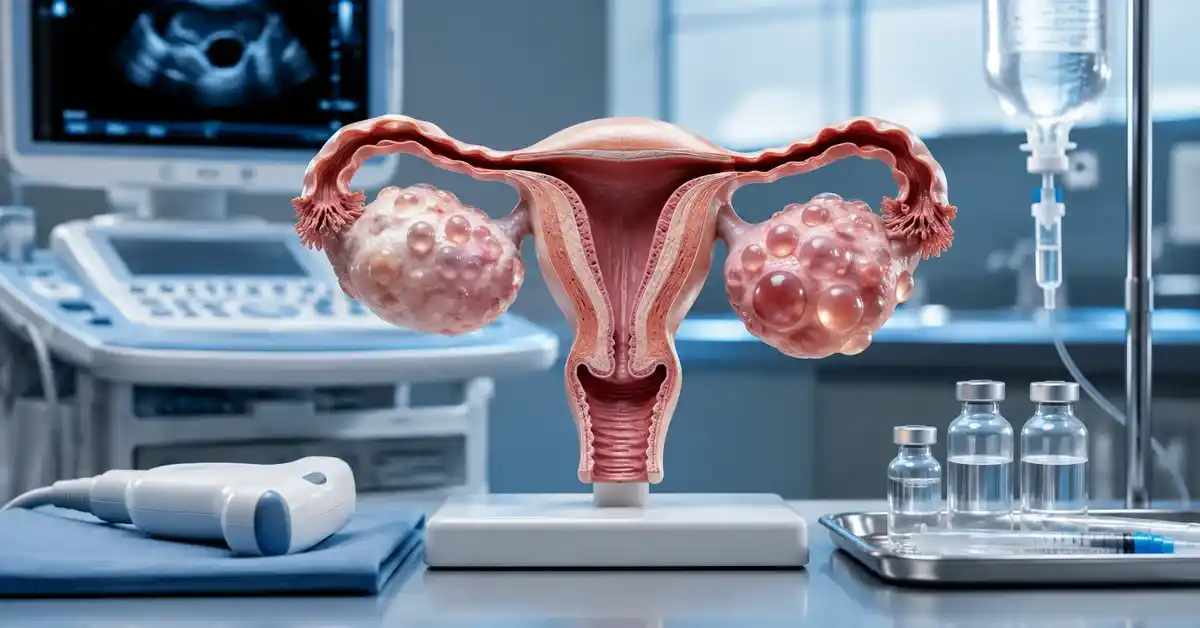
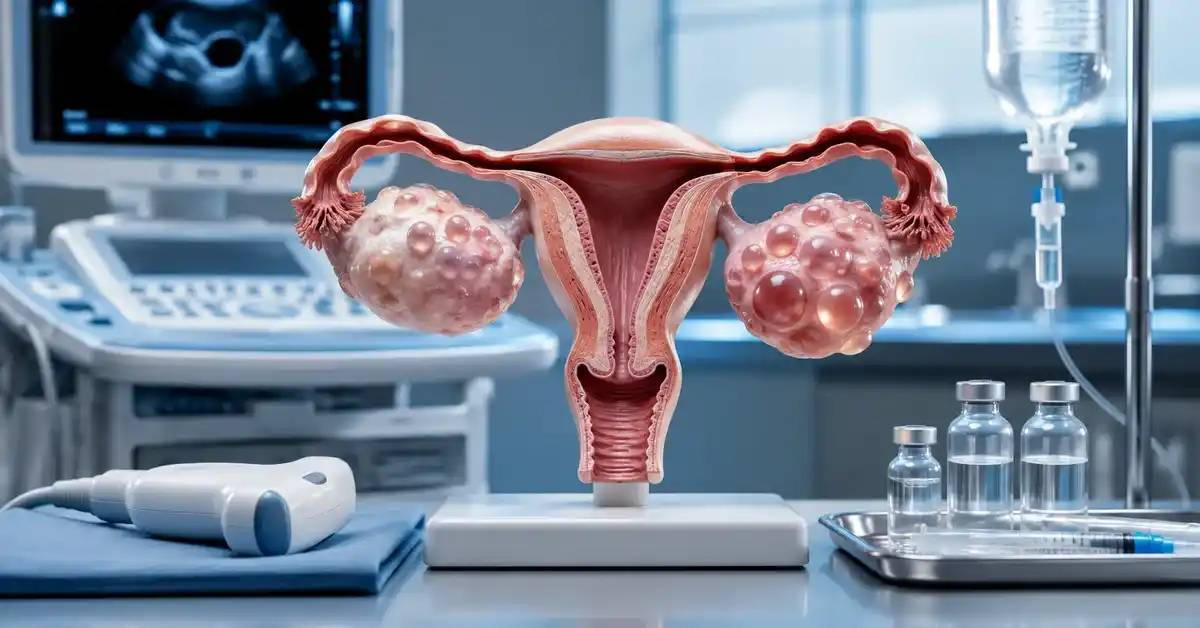
Ovarian Hyperstimulation Syndrome, commonly known as OHSS, is a possible complication of ovarian stimulation during fertility treatments, especially IVF and ICSI cycles. It happens when the ovaries respond too strongly to stimulation medications, leading to enlarged ovaries and fluid shifts inside the body. Symptoms may range from mild bloating and pelvic discomfort to more serious signs such as severe abdominal pain, vomiting, rapid weight gain, reduced urination, or shortness of breath.
Most OHSS cases are mild and improve with monitoring, rest, and medical guidance. However, moderate and severe OHSS require careful attention because fluid can move from the bloodstream into the abdomen or chest. This may increase the risk of dehydration, electrolyte imbalance, blood clots, kidney strain, and breathing difficulty in severe cases.
The most important part of OHSS management is prevention. A personalized ovarian stimulation protocol, careful ultrasound monitoring, hormone tracking, dose adjustment, choosing the right trigger injection, and freezing all embryos in high-risk cases can significantly reduce the chance of serious OHSS.
What Is Ovarian Hyperstimulation Syndrome OHSS?
Ovarian Hyperstimulation Syndrome is an exaggerated response of the ovaries to fertility medications. During IVF, medications are used to stimulate multiple follicles so eggs can be collected. In some women, the ovaries respond too strongly and produce many follicles, which can lead to swelling and fluid movement outside the blood vessels.
The severity of OHSS varies. Some patients experience only mild bloating, while others may develop significant abdominal swelling, pain, nausea, vomiting, reduced urine output, and breathing symptoms. This is why patients undergoing stimulation should understand warning signs and know when to contact their fertility team.
Simple Definition of OHSS
OHSS stands for Ovarian Hyperstimulation Syndrome. It is a condition that may occur after ovarian stimulation when the ovaries become enlarged and the body begins retaining or shifting fluid, especially into the abdomen.
Common symptoms may include:
- Abdominal bloating.
- Pelvic discomfort.
- Nausea.
- Vomiting.
- Rapid weight gain.
- Reduced urination.
- Shortness of breath in severe cases.
- Dizziness or severe fatigue.
- General swelling.
- A strong feeling of abdominal fullness.
Not every woman undergoing IVF or ovarian stimulation will develop OHSS. The risk is higher in women with certain factors, such as polycystic ovary syndrome, high ovarian reserve, young age, or strong response to stimulation medications.
Why OHSS Happens After Ovarian Stimulation
OHSS happens because the ovaries respond intensely to stimulation medications. When many follicles grow, the body may produce substances that increase the permeability of blood vessels. This allows fluid to move from the bloodstream into the abdomen or surrounding tissues.
Symptoms often appear after the trigger injection or egg retrieval. They may become worse if pregnancy occurs in the same cycle because pregnancy hormone can prolong or intensify the ovarian response. For this reason, doctors may recommend freezing embryos and delaying transfer in high-risk cases.
The condition is usually not caused by anything the patient did wrong. It is related to ovarian response, treatment protocol, trigger type, and individual risk factors.
Read about: Differences Between IVF and ICSI Fertilization Techniques
Symptoms of OHSS
OHSS symptoms depend on severity. Mild symptoms may feel like normal bloating after egg retrieval, while moderate or severe symptoms can become more intense and require urgent medical attention.
Patients should know that some bloating after egg retrieval may be expected. However, rapidly worsening pain, severe swelling, breathing difficulty, reduced urination, or inability to drink fluids should not be ignored.
Mild and Moderate Symptoms
Mild and moderate symptoms may appear within a few days after the trigger injection or egg retrieval. In many cases, the fertility team may recommend home monitoring, rest, fluid guidance, and follow-up.
Mild or moderate symptoms may include:
- Abdominal bloating.
- Mild to moderate pelvic pain.
- Nausea.
- Fullness in the abdomen.
- Mild weight gain.
- Tender ovaries.
- Fatigue.
- Reduced appetite.
- Digestive discomfort.
- Mild diarrhea or constipation.
If symptoms remain stable and there are no warning signs, the patient may continue monitoring at home. However, symptoms that worsen or prevent drinking fluids should be reported promptly.
Severe Symptoms That Need Urgent Care
Severe OHSS can cause significant fluid shifts, dehydration inside the bloodstream, electrolyte imbalance, breathing pressure, and increased clotting risk. These cases require urgent medical evaluation and may need hospital care.
Warning signs include:
- Severe or worsening abdominal pain.
- Rapidly increasing abdominal swelling.
- Rapid weight gain in one or two days.
- Persistent vomiting.
- Inability to drink fluids.
- Clearly reduced urination.
- Very dark urine.
- Shortness of breath.
- Chest pain.
- Severe dizziness or fainting.
- Swelling or pain in one leg.
- Fast heartbeat.
- Fever or infection symptoms.
These symptoms should not be managed at home without medical guidance. The patient may need blood tests, ultrasound, fluid monitoring, medication, or hospital observation.
Read about: Step-by-Step Guide to the In Vitro Fertilization (IVF) Process
OHSS Severity: Mild, Moderate, and Severe
Classifying OHSS helps the doctor choose the right monitoring and treatment plan. Mild cases may require only home care and follow-up, while severe cases may require hospital observation and active medical treatment.
Patients should not try to grade OHSS by themselves. Instead, they should report symptoms clearly and follow the fertility team’s instructions. Early detection of worsening symptoms can make treatment safer and easier.
Mild OHSS
Mild OHSS is the most common form. It may cause bloating, mild pain, and ovarian tenderness after stimulation or egg retrieval. The patient is usually stable and can drink fluids and urinate normally.
Mild OHSS may include:
- Mild bloating.
- Tolerable pelvic discomfort.
- Mild nausea.
- Abdominal heaviness.
- Limited weight gain.
- Ability to drink fluids.
- Normal or near-normal urination.
Doctors may recommend home monitoring, rest, and avoiding strenuous activity. Sexual intercourse may also be restricted if the ovaries are enlarged and tender because of discomfort or ovarian torsion risk.
Moderate and Severe OHSS
Moderate or severe OHSS occurs when symptoms become stronger and medical signs show fluid accumulation, reduced urination, blood concentration changes, electrolyte imbalance, or breathing difficulty.
More advanced OHSS may include:
- Significant pain.
- Repeated vomiting.
- Fluid in the abdomen.
- Rapid weight gain.
- Reduced urine output.
- Dehydration within the blood vessels.
- Electrolyte imbalance.
- Thickened blood.
- Shortness of breath.
- Increased clot risk.
Treatment may include close monitoring, blood tests, fluid balance assessment, anti-nausea medication, anticoagulation in selected cases, intravenous fluids when needed, and sometimes drainage of abdominal fluid.
Read about: IVF Procedure Explained: From Fertilization to Embryo Transfer
Risk Factors for OHSS
Some women have a higher risk of developing OHSS, but having risk factors does not mean the condition will definitely happen. Identifying risk before treatment helps doctors choose safer stimulation strategies.
Risk assessment should be part of every IVF plan. Some patients may need lower medication doses, closer monitoring, different trigger options, or a freeze-all strategy.
PCOS and High Ovarian Reserve
Women with polycystic ovary syndrome or high ovarian reserve may respond strongly to stimulation medications. A high number of small follicles can make the ovaries more likely to produce many eggs, increasing OHSS risk.
Risk factors may include:
- Polycystic ovary syndrome.
- High AMH.
- High antral follicle count.
- Younger age.
- Strong response in a previous cycle.
- Many growing follicles.
- High estrogen levels.
- High stimulation doses.
- Previous OHSS.
These factors do not prevent fertility treatment, but they require careful planning and monitoring.
Egg Number and Trigger Injection
A high number of follicles and expected eggs can increase OHSS risk, especially if an hCG trigger is used in a high-risk patient. hCG can intensify or prolong OHSS, so doctors may choose alternatives such as a GnRH agonist trigger in suitable protocols.
During stimulation, doctors monitor:
- Follicle number.
- Follicle size.
- Estrogen level.
- Speed of response.
- Bloating symptoms.
- Patient history.
- Stimulation protocol.
- Trigger type.
- Fresh transfer versus freeze-all decision.
In high-risk cycles, freezing all embryos and delaying transfer can be an important preventive strategy.

Prevention of Ovarian Hyperstimulation Syndrome
OHSS prevention begins before stimulation and continues throughout treatment. The aim is to achieve a safe ovarian response and collect good-quality eggs without pushing the ovaries into excessive stimulation.
There is no single prevention method for every patient. A woman with high ovarian reserve needs a different approach than one with low ovarian reserve. The plan should be based on blood tests, ultrasound findings, ovarian response, and medical history.
Choosing the Right Stimulation Protocol
The stimulation protocol is one of the most important prevention tools. In high-risk patients, doctors may choose a protocol that allows better control of the trigger injection and reduces OHSS risk.
Prevention strategies may include:
- Lower starting medication doses.
- Close ultrasound monitoring.
- Hormone tracking.
- Dose adjustment during stimulation.
- Avoiding excessive stimulation.
- Antagonist protocol in suitable cases.
- Choosing the safest trigger option.
- Freezing embryos when risk is high.
- Preventive medication in selected cases.
- Delaying fresh embryo transfer when needed.
The goal is to balance safety with the chance of collecting enough mature eggs.
Freeze-All Strategy
A freeze-all strategy means that all suitable embryos are frozen and embryo transfer is delayed to a later cycle. This can be one of the most important ways to reduce worsening OHSS in high-risk patients.
Possible benefits include:
- Lower risk of severe OHSS progression.
- Time for the body to recover.
- Safer patient monitoring.
- Embryo transfer in a calmer hormonal cycle.
- Avoiding early pregnancy hormone effects on OHSS.
This decision may feel disappointing for patients expecting a fresh transfer, but it can be the safest approach in high-risk situations.
Read about: Reasons for IVF Failure and Proven Ways to Improve Success Rates
Treatment of OHSS
OHSS treatment depends on severity. Mild cases may be managed at home with careful instructions, while moderate or severe cases require medical monitoring and sometimes hospital treatment.
Patients should not use diuretics, herbal remedies, or unapproved medications without medical guidance. The correct treatment depends on fluid balance, urine output, blood tests, symptoms, and overall condition.
Home Care for Mild OHSS
Mild OHSS may be monitored at home when the patient is stable and has no warning signs. The fertility team may recommend tracking symptoms and contacting the clinic if they worsen.
Home care may include:
- Relative rest.
- Drinking fluids as instructed.
- Avoiding heavy exercise.
- Avoiding intercourse if ovaries are enlarged.
- Checking weight daily.
- Monitoring urine output.
- Using only approved pain medication.
- Eating light meals.
- Reporting worsening symptoms.
- Attending follow-up visits.
Severe bloating should not be assumed to be normal just because it happens after egg retrieval. Progression matters.
Treatment for Moderate and Severe OHSS
Moderate and severe OHSS may require hospital observation or frequent medical follow-up. The doctor may order blood tests, ultrasound, urine monitoring, breathing assessment, and fluid balance tracking.
Treatment may include:
- Vital sign monitoring.
- Blood and electrolyte tests.
- Kidney function monitoring.
- Urine output measurement.
- IV fluids when needed.
- Anti-nausea medication.
- Appropriate pain relief.
- Anticoagulation in selected cases.
- Drainage of abdominal fluid when necessary.
- Breathing monitoring.
- Follow-up until stable.
Severe OHSS requires structured medical care because complications may become serious if untreated.
Read about: IVF Procedure with Egg Freezing: Step-by-Step Explanation
OHSS and Pregnancy After IVF
OHSS can become worse or last longer if pregnancy occurs in the same stimulation cycle. This is because pregnancy hormone can continue stimulating enlarged ovaries. Doctors often distinguish early OHSS, which appears after the trigger injection, from late OHSS, which is usually associated with pregnancy.
This does not mean pregnancy will always cause dangerous OHSS. It means high-risk patients need close follow-up if fresh transfer is performed and pregnancy occurs.
Why Symptoms May Worsen With Pregnancy
If pregnancy occurs, the body produces hCG, a hormone that can prolong ovarian activity and delay recovery from OHSS. Symptoms may appear later or last longer than expected.
The patient may notice:
- Persistent bloating.
- More nausea.
- Weight gain.
- Abdominal heaviness.
- Slower improvement.
- Fluctuating symptoms.
- Need for longer follow-up.
A patient who becomes pregnant after a strong ovarian response should remain in close contact with the fertility team, especially if symptoms worsen.
Should Embryo Transfer Always Be Cancelled?
No. Fresh embryo transfer does not always need to be cancelled. The decision depends on risk level, follicle number, hormone levels, symptoms, trigger type, and the patient’s condition.
Transfer may be delayed when:
- Follicle number is very high.
- Estrogen levels are very high.
- Early symptoms appear.
- The patient has PCOS.
- There is previous OHSS.
- Bloating is significant after retrieval.
- The doctor considers the risk high.
Delaying transfer is not a treatment failure. It can be a safety step to protect the patient’s health.
Read about: Embryo Freezing in IVF: Key Benefits and Opportunities for Couples
When to Contact a Doctor Immediately
Clear communication between the patient and fertility team is essential in OHSS. Patients should know which symptoms are expected and which symptoms are concerning. Written instructions after egg retrieval or trigger injection can help detect early deterioration.
Severe symptoms can progress quickly, so patients should not wait for a routine appointment if warning signs appear.
Warning Signs After Egg Retrieval
Some discomfort and bloating after egg retrieval can be expected, but certain symptoms require urgent evaluation because they may indicate OHSS or another complication.
Contact your doctor immediately if you have:
- Severe pain that does not improve.
- Rapidly worsening bloating.
- Persistent vomiting.
- Inability to drink fluids.
- Clearly reduced urination.
- Rapid weight gain.
- Shortness of breath.
- Severe dizziness.
- Chest pain.
- Pain or swelling in one leg.
- Fever.
- Abnormal bleeding.
- Fainting.
These symptoms should not be managed with painkillers alone.
What to Monitor at Home
If home monitoring is allowed, the patient should track simple indicators that can show whether the condition is improving or worsening.
Monitor:
- Daily weight.
- Abdominal size if instructed.
- Urine amount.
- Urine color.
- Pain severity.
- Ability to drink fluids.
- Nausea and vomiting.
- Breathing.
- Dizziness or fatigue.
- Leg swelling.
If these signs worsen day by day, the fertility team should be contacted even if symptoms are not yet severe.
Read about: IVF Cost in Turkey and the Gulf: Complete Guide for Couples
How Patients Can Reduce OHSS Risk
Patients can help reduce risk by following medication instructions exactly and reporting symptoms early. They should also tell the doctor about any previous OHSS, PCOS diagnosis, high ovarian reserve, or strong response to past fertility medication.
The goal of stimulation is not to collect the highest possible number of eggs at any cost. The safer goal is to achieve a balanced response that supports treatment while protecting the patient’s health.
Following Medication Doses and Monitoring
Stimulation medications should be taken exactly as instructed. Changing doses or injection timing without medical advice can disrupt the cycle and may increase risk.
Important tips include:
- Follow medication doses carefully.
- Do not change injection timing without approval.
- Attend ultrasound appointments.
- Complete required hormone tests.
- Report bloating or pain.
- Do not hide symptoms.
- Ask before taking extra medication.
- Drink fluids as advised.
- Avoid heavy activity if ovaries are enlarged.
- Follow post-retrieval instructions.
Close monitoring is one of the strongest tools for prevention.
Understanding Freeze-All Without Fear
Some patients feel worried when the doctor recommends freezing embryos and delaying transfer. However, in high-risk OHSS cases, this decision is usually made to protect the patient, not because treatment has failed.
Important points to understand:
- Freeze-all does not mean failure.
- Delaying transfer may reduce OHSS risk.
- Patient safety comes first.
- The body may need recovery time.
- Frozen embryo transfer can be planned later.
- The decision is based on medical indicators.
Understanding the reason behind the plan can reduce anxiety and improve cooperation with the treatment team.
Read about: Role of Nutrition in Enhancing IVF Success Rates
Conclusion
Ovarian Hyperstimulation Syndrome OHSS is a possible complication of ovarian stimulation during IVF and ICSI. It may be mild and improve with monitoring, but moderate or severe cases require careful medical management. Recognizing symptoms early is essential, especially severe abdominal pain, rapid swelling, persistent vomiting, reduced urination, or breathing difficulty.
Prevention is the most important part of OHSS care. A personalized stimulation protocol, dose adjustment, close monitoring, appropriate trigger choice, and freeze-all strategy in high-risk cases can help reduce the risk. Treatment depends on severity and may range from home monitoring to hospital care.
Frequently Asked Questions: Ovarian Hyperstimulation Syndrome OHSS
Is OHSS dangerous?
Most cases are mild, but OHSS can become serious if symptoms include breathing difficulty, reduced urination, persistent vomiting, or severe swelling.
When do OHSS symptoms appear?
Symptoms may appear after the trigger injection or egg retrieval, and they may worsen later if pregnancy occurs in the same cycle.
Does every IVF patient have OHSS risk?
The risk exists but is not the same for everyone. It is higher with PCOS, high ovarian reserve, or strong medication response.
Can freezing embryos reduce OHSS risk?
In high-risk cases, freezing embryos and delaying transfer can reduce the chance of symptoms worsening with early pregnancy.
When should I seek urgent care?
Seek urgent help for severe pain, persistent vomiting, reduced urination, shortness of breath, rapid weight gain, or leg swelling.