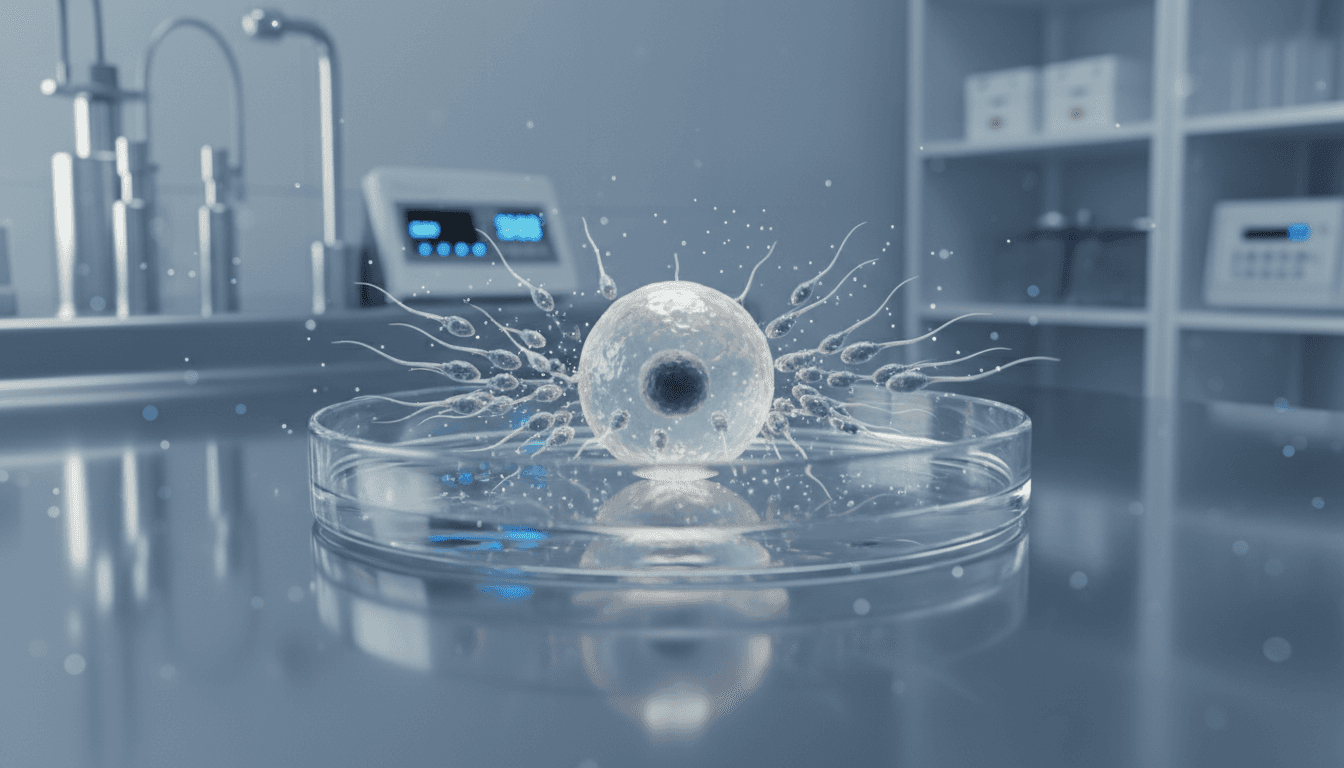






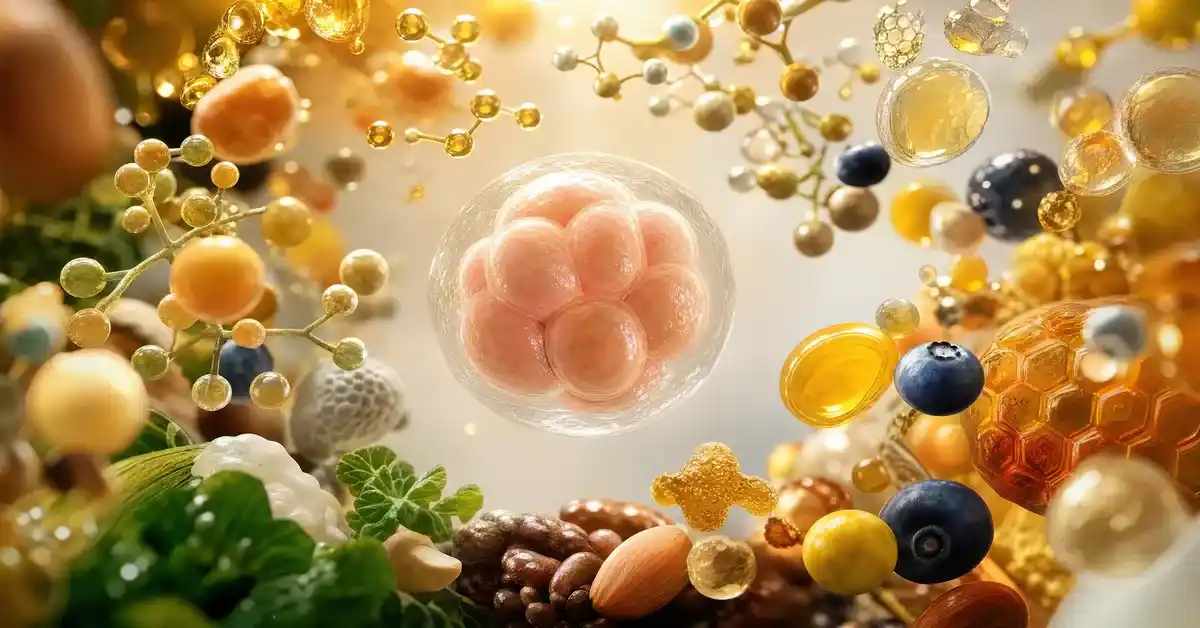
The journey of assisted reproduction is a challenge that requires comprehensive physical and psychological preparation, and IVF nutrition plays a pivotal role in preparing the body for this delicate phase. Paying attention to the quality of food is not only about general health, but it also directly affects the quality of eggs and sperm, and how well the uterus responds to receiving the embryo. Therefore, following a nutrition for IVF success plan is an indispensable proactive step to increase the chances of achieving the dream of motherhood and fatherhood.
At Safemedigo, we fully understand the importance of every detail in your treatment journey, and we believe that preconception nutrition IVF is the cornerstone upon which the success of the procedure is built. Through this comprehensive guide, we will explore together the importance of an IVF nutrition plan, highlight foods that support success, and discuss the role of essential vitamins and minerals in supporting fertility. Our goal is to provide you with the necessary knowledge to adopt healthy dietary habits that support your medical efforts and increase the probabilities of success.
Preconception Nutrition IVF and Its Importance
What is Preconception Nutrition IVF?
Preconception nutrition IVF is defined as a set of calculated dietary modifications aimed at improving the reproductive health of couples before starting medical treatment steps. This nutrition relies on focusing on foods rich in essential nutrients that support hormonal balance and reduce inflammation in the body. Adopting an IVF success diet is not just a temporary diet, but a lifestyle aimed at preparing the body's internal environment to be in its best condition to receive and support a pregnancy.
How Preconception Nutrition IVF Affects Egg Quality
IVF nutrition plays a crucial role in determining egg quality, which is a major factor in the success of fertilization. Reproductive cells are very sensitive to oxidative stress and nutrient deficiencies. By consuming a balanced diet IVF rich in antioxidants and vitamins, eggs can be protected from cellular damage and their division improved. Proper nutrition also helps regulate blood sugar levels, which positively reflects on the hormonal balance necessary for eggs to mature properly.
Timing of Nutrition Before IVF
To get the most out of an IVF nutrition plan, it is recommended to start modifying the diet three to six months before the scheduled procedure date. This time frame is necessary because eggs and sperm take about 90 days to fully mature. During these months, the body can eliminate accumulated toxins and build a sufficient reserve of essential nutrients, making pre-IVF nutrition more effective in improving the quality of reproductive cells and increasing the chances of the procedure's success.
Read about: Differences Between IVF and ICSI Fertilization Techniques
IVF nutrition plan: Foods That Support Success
Fruits, Vegetables Whole Grains in IVF nutrition
Colorful fruits and vegetables are among the most important components of any IVF nutrition plan. These foods contain high levels of antioxidants IVF nutrition, which are compounds that fight free radicals. Berries, spinach, broccoli, and dark leafy greens are excellent examples of foods beneficial for IVF. Eating diverse daily portions of these foods helps protect reproductive cells from damage and improves the quality of the formed embryos.
Lean Protein Sources in IVF nutrition plan
When discussing diet and IVF success, the focus should be on complex carbohydrates found in whole grains like oats, quinoa, and brown rice. These foods provide sustainable energy and help maintain stable insulin levels in the blood, which is crucial for hormonal balance. Replacing refined carbohydrates with whole grains is an essential step in IVF dietary guidelines, as it contributes to reducing inflammation and improving the ovaries' response to hormonal treatments.
Healthy Fats and Oils in IVF nutrition plan
Protein plays an integrative role in building tissues and forming hormones. It is preferable to rely on plant-based protein sources such as lentils, chickpeas, and beans, in addition to lean animal proteins like fish and poultry. These sources provide essential amino acids without increasing saturated fat levels. Incorporating sufficient amounts of healthy protein into an IVF nutrition plan supports the growth of the uterine lining and improves egg quality.

Nutrition for IVF success: Vitamins and Supplements
Role of Vitamin D in IVF nutrition
The role of Vitamin D stands out as one of the most important factors affecting fertility. Studies have shown that adequate levels of Vitamin D are associated with increased embryo implantation rates and pregnancy success. This vitamin acts as a hormone in the body, affecting the production of reproductive hormones and ovarian functions. Therefore, checking Vitamin D levels and taking supplements if necessary is an essential part of nutrition to improve IVF outcomes to ensure an optimal uterine environment.
Iron and Fertility in IVF nutrition
The role of iron cannot be overlooked, as it is necessary for transporting oxygen to all body cells, including the reproductive organs. Iron deficiency can lead to anemia, which reduces blood flow to the uterus and ovaries and negatively affects egg quality. Including iron sources such as lean red meat, spinach, and lentils in an IVF success diet ensures good blood perfusion that supports embryo growth and implantation.
Other Key Vitamins Antioxidants in IVF supplements nutrition
The B-vitamin complex, especially folic acid (Vitamin B9), is considered one of the most important vitamins for IVF success. Folic acid is essential for cell division and fetal development in its early stages, and it reduces the risk of birth defects. Additionally, B vitamins work in synergy with antioxidants IVF nutrition to improve the quality of eggs and sperm. Eating leafy greens, nuts, and seeds provides these important vitamins within IVF supplements nutrition.
Read about: Step-by-Step Guide to the In Vitro Fertilization (IVF) Process
Omega-3 IVF diet and Anti-Inflammatory Eating
How Omega-3 in the IVF diet Modulates Inflammation
An Omega-3 IVF diet plays a harmonious role in improving the chances of pregnancy. These essential fatty acids increase blood flow to the reproductive organs, contributing to thickening the uterine lining and making it more ready to receive the embryo. Furthermore, Omega-3 has strong anti-inflammatory properties, helping to reduce any immune response that might hinder embryo implantation, making it a vital element in IVF nutrition.
Food Sources of Omega-3 for IVF
To ensure adequate intake of Omega-3, its natural sources must be included in the diet. Fatty fish such as salmon, sardines, and mackerel are among the best sources. For vegetarians, flaxseeds, chia seeds, and walnuts can be relied upon. Regularly including these foods in an Omega-3 IVF diet not only supports uterine health but also contributes to improving the quality of reproductive cells in both partners.
Anti-Inflammatory Diet and IVF Outcomes
An inflammatory diet IVF is closely linked to negative outcomes, as chronic inflammation in the body can adversely affect fertility and reduce the chances of successful fertilization. An anti-inflammatory dietary pattern relies on reducing processed foods and sugars, and increasing the intake of fresh foods rich in antioxidants and Omega-3. Adopting an anti-inflammatory approach as a lifestyle helps create a calm and balanced internal environment, enhancing the effectiveness of medical treatments and increasing the probabilities of pregnancy.
Read about: IVF Procedure with Egg Freezing: Step-by-Step Explanation
Antioxidants, IVF nutrition, and Embryo Quality
What Are Antioxidants in IVF nutrition?
Antioxidants are natural compounds found in many foods that work to protect the body's cells from damage caused by free radicals. In the context of fertility, antioxidants IVF nutrition plays a crucial role in protecting eggs and sperm from oxidative stress that may impair their quality. Common antioxidants include Vitamin C, Vitamin E, selenium, and zinc, and they are considered an integral part of any nutrition for IVF success.
Foods Rich in Antioxidants for IVF
To enhance preconception nutrition IVF, the focus should be on eating foods rich in antioxidants. All types of berries, pomegranates, citrus fruits, tomatoes, and nuts are excellent choices. Green tea and dark chocolate (with high cocoa content) also contain powerful antioxidant compounds. Including these foods in an IVF nutrition plan helps improve embryo quality and increases the chances of a successful ICSI procedure.
Incorporating Antioxidants in the IVF Nutrition Plan
Incorporating antioxidants into daily meals can be simple and enjoyable. Berries can be added to breakfast cereal or yogurt, and a handful of nuts can be eaten as a snack. It is also recommended to diversify the colors of vegetables in salads to ensure a wide range of antioxidants. This diversity in the IVF success diet ensures the body is provided with the necessary support to protect reproductive cells and improve treatment outcomes.
Read about: IVF Procedure Explained: From Fertilization to Embryo Transfer
Male Nutrition IVF and Its Impact
Nutrients That Enhance Sperm Quality in Male Nutrition IVF
The importance of nutrition is not limited to women only; male nutrition IVF plays an equally important role. Sperm quality directly affects fertilization success and embryo development. Foods rich in zinc, such as oysters and pumpkin seeds, and foods rich in Vitamin C, such as citrus fruits, contribute to increasing sperm count and motility. Therefore, an IVF nutrition plan must include dietary choices that support male reproductive health.
Male Supplements Diet in IVF
Alongside a balanced diet, a doctor may recommend certain nutritional supplements to support male nutrition IVF. Supplements like carnitine, Coenzyme Q10, and antioxidants can help improve semen parameters. However, these supplements should be part of a comprehensive plan that includes a healthy diet, and they should not replace proper nutrition, but rather act as an additional support to improve fertility.
Synchronizing Nutrition for Both Partners in IVF
The success of the reproductive journey depends on the health of both partners, and therefore, nutrition should be a joint effort. When a couple adopts a balanced diet IVF together, they not only improve the quality of their reproductive cells but also provide psychological and emotional support to each other. Comprehensive nutrition for the couple creates an optimal healthy environment that increases the chances of achieving a successful pregnancy.
Read about: Reasons for IVF Failure and Proven Ways to Improve Success Rates
Diet and IVF success: Foods to Avoid
High Glycemic Foods Processed Sugars in IVF nutrition
Just as there are beneficial foods, there are also foods that should be limited or avoided. Excessive caffeine intake can negatively affect fertility and increase the risk of miscarriage. Similarly, refined sugars lead to sharp fluctuations in blood sugar and insulin levels, disrupting hormonal balance. As part of nutrition to improve IVF outcomes, it is recommended to reduce the consumption of coffee, soft drinks, and sweets, and replace them with healthy alternatives.
Trans Fats / Ultra-Processed Foods in IVF diet
Processed foods and fast food are often rich in trans fats and preservatives that increase inflammation in the body. These harmful fats contradict the principles of an anti-inflammatory diet and can negatively affect the quality of eggs and sperm. To successfully implement IVF dietary guidelines, one must stay away from these foods and focus on healthy fat sources like olive oil, avocados, and nuts.
Reading Food Labels in IVF dietary guidelines
Reading food labels carefully is an essential skill when following an IVF nutrition plan. Many products contain chemical additives, artificial colors, and preservatives that may interfere with endocrine functions and affect fertility. Choosing organic and fresh foods as much as possible reduces exposure to these harmful chemicals and ensures that the diet is pure and supportive of reproductive health.
Read about: Embryo Freezing in IVF: Key Benefits and Opportunities for Couples
Balanced diet IVF: Building a Full Nutrition Strategy
Sample Weekly IVF nutrition plan
To ensure adherence to IVF nutrition, it is helpful to prepare a weekly meal plan that includes a variety of foods. Breakfast could include oats with berries and nuts, lunch a salad rich in leafy greens with grilled chicken or lentils, and dinner a salmon fillet with quinoa and steamed broccoli. This variety ensures getting healthy carbohydrates, proteins, and good fats, making pre-IVF nutrition balanced and comprehensive.
Meal Timing Nutrient Distribution
Properly dividing meals helps maintain stable energy levels and avoid excessive hunger that may lead to unhealthy food choices. It is recommended to eat three main meals with two healthy snacks, such as fruits or Greek yogurt. A good distribution of nutrients, so that each meal contains a balance of protein, complex carbohydrates, and healthy fats, enhances the effectiveness of the IVF success diet in supporting fertility.
Monitoring Adjusting IVF nutrition plan
The response to an IVF nutrition plan varies from person to person, so it is important to monitor progress and make necessary adjustments. A fertility nutritionist can be consulted to evaluate the diet and ensure all individual needs are met, such as ensuring enough IVF supplements nutrition is obtained. Continuous evaluation and flexible adjustment ensure that nutrition to improve IVF outcomes is heading in the right direction.
Read about: IVF Cost in Turkey and the Gulf: Complete Guide for Couples
Evidence Clinical Insights in IVF nutrition
Studies on Mediterranean diet IVF
Many scientific studies have shown that following a Mediterranean diet IVF pattern is associated with increased IVF success rates. This diet relies heavily on olive oil, fish, whole grains, and fresh vegetables and fruits, and is rich in Omega-3, benefiting from its anti-inflammatory properties. Adopting this dietary pattern is a practical application of an anti-inflammatory diet and provides an excellent framework for a balanced diet IVF.
Expert Guidelines for Nutrition for IVF success
Nutritionists in fertility centers emphasize the importance of comprehensive and personalized nutrition. They recommend focusing on food quality rather than quantity, and paying attention to female nutrition IVF to ensure the continuation of a healthy pregnancy. They also stress the importance of good hydration and drinking adequate amounts of water daily. These clinical recommendations are a valuable guide to directing couples towards best practices in nutrition and fertilization.
Common Pitfalls in IVF Nutrition Research
A common mistake couples make is over-relying on nutritional supplements and neglecting natural nutrition. Supplements cannot compensate for a poor diet. Another mistake is following strict diets to lose weight quickly before the procedure, which may deprive the body of essential nutrients and negatively affect egg quality.
Read about: Proper Nutrition for Women After IVF
Conclusion
Realizing the role of proper nutrition in improving IVF outcomes is a crucial step towards achieving the dream of motherhood. By adopting healthy dietary habits and focusing on foods rich in vitamins and antioxidants, couples can create an optimal environment for treatment success. Remember that balanced nutrition is not just an auxiliary factor, but an integral part of the comprehensive treatment plan that supports the health of eggs and sperm and increases the chances of embryo implantation.
At Safemedigo, we are committed to providing comprehensive medical care that includes specialized nutritional guidance to support your reproductive journey. Our team of experts is always ready to provide advice and design nutritional plans tailored to your individual needs to increase the chances of ICSI success. Contact us today to start building a strong healthy foundation for your family's future.
FAQ: Role of Nutrition in Enhancing IVF Success Rates
Can nutrition really affect IVF success?
Yes, proper nutrition plays a major role in improving the quality of eggs and sperm, and preparing the uterine lining to receive the embryo, which significantly increases the chances of IVF success.
What are the most important vitamins to take before IVF?
Among the most important vitamins are folic acid (Vitamin B9), Vitamin D, and antioxidant vitamins such as Vitamin C and E, in addition to minerals like iron and zinc, to support reproductive health.
Should the husband also follow a special diet?
Absolutely, male nutrition directly affects the quality and motility of sperm, so following a healthy diet rich in antioxidants and zinc is essential for successful fertilization.
What foods should be completely avoided during treatment?
It is recommended to avoid processed foods, refined sugars, trans fats, and excessive caffeine intake, as they can increase inflammation and negatively affect hormonal balance.
When should I start modifying my diet before IVF?
For best results, it is preferable to start following a healthy diet three to six months before the scheduled procedure date, to give the body enough time to improve the quality of reproductive cells.