





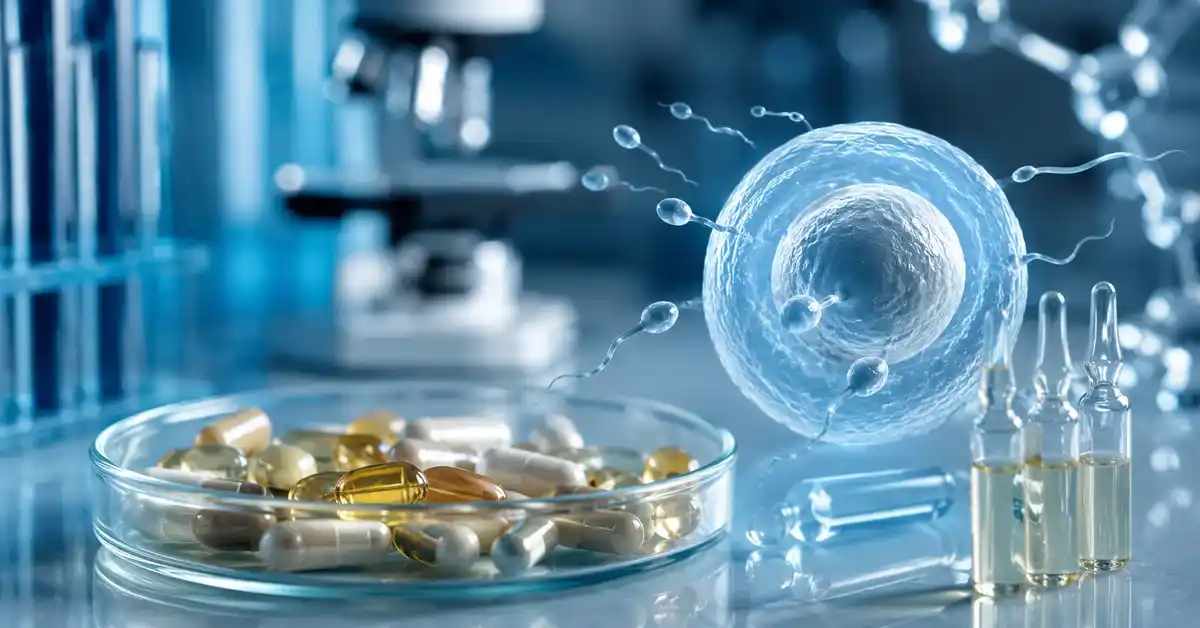
Many couples search for natural fertility vitamins hoping to improve their chances of conception in a safe and simple way. Vitamins and minerals can support reproductive health, especially when there is a deficiency, poor diet, oxidative stress, or a specific medical need. However, fertility supplements for women and men should be understood as supportive tools, not guaranteed treatments for pregnancy.
At Safemedigo, patients are guided to understand the difference between general wellness support and true fertility treatment. Vitamins to help get pregnant may be useful in some situations, such as folic acid before conception, vitamin D correction when deficient, antioxidants for fertility in selected cases, or zinc support when intake is low. But they cannot correct blocked fallopian tubes, severe sperm problems, advanced age-related egg decline, untreated thyroid disease, or ovulation disorders by themselves.
This article explains natural fertility vitamins, fertility supplements for women, fertility vitamins for men and women, folic acid for conception, vitamin D for fertility, vitamin E for pregnancy, antioxidants, omega-3 and fertility, zinc for fertility and conception, herbs and vitamins for fertility, and how to choose fertility supplements that actually work.
What Are Natural Fertility Vitamins and Why Do They Matter?
Natural fertility vitamins are nutrients that support general reproductive health, hormone balance, egg and sperm cell function, ovulation, and early pregnancy preparation. They include vitamins, minerals, fatty acids, and antioxidants that may come from food or supplements. Common examples include folic acid, vitamin D, vitamin C, vitamin E, omega-3, zinc, selenium, and some antioxidant blends.
These nutrients matter because reproduction depends on healthy cells, balanced hormones, proper ovulation, sperm quality, and early embryo development. When the body lacks important nutrients, correcting the deficiency may help improve the internal environment for conception. However, supplementation is not the same as treating infertility.
Natural supplements for fertility should be used wisely. A woman with irregular ovulation may need hormonal evaluation. A man with poor sperm motility may need semen analysis and medical review. A couple trying for a long time may need a complete fertility assessment. Vitamins can support the plan, but they should not delay diagnosis.
Natural fertility vitamins and reproductive health
Natural fertility vitamins may support reproductive health by helping cell division, reducing oxidative stress, supporting immune function, and contributing to hormone-related processes. For example, folic acid is important before conception because it helps reduce the risk of neural tube defects in early pregnancy. CDC recommends 400 mcg of folic acid daily for women capable of becoming pregnant.
Antioxidants for fertility may help protect eggs and sperm from oxidative damage. This may be relevant for men with lifestyle risk factors, smoking exposure, obesity, or abnormal semen parameters. Cochrane notes that antioxidants are widely used for male subfertility because oxidative damage may affect sperm quality, although evidence quality and certainty can vary.
For women, nutrients may support overall health and pregnancy preparation, but they do not replace ovulation testing, ovarian reserve assessment, uterine evaluation, or partner semen analysis when conception is delayed.
Difference between natural and synthetic fertility supplements
The difference between natural and synthetic fertility supplements is often misunderstood. “Natural” usually refers to nutrients obtained from food sources, while “synthetic” or manufactured supplements provide measured doses in tablets, capsules, liquids, or powders. A synthetic supplement is not automatically harmful, and a natural product is not automatically safe.
Food should be the foundation. Leafy greens, citrus fruits, nuts, seeds, fish, eggs, legumes, and whole grains provide nutrients together with fiber and other beneficial compounds. Supplements may be helpful when diet does not provide enough, when a deficiency is documented, or when guidelines recommend supplementation, such as folic acid before pregnancy.
Over-the-counter fertility pills can vary widely in quality. Some contain useful nutrients, while others include high doses, repeated ingredients, or herbs with limited safety data. The best fertility vitamins for conception are usually those selected based on personal needs, lab results, medication history, and medical advice.
Read about: Modern Fertility Treatments for Men and Women You Should Know
Vitamin D for Fertility and Conception
Vitamin D for fertility is widely discussed because vitamin D plays roles in bone health, immune regulation, metabolic health, and possibly reproductive function. Many women have low vitamin D, and doctors may check it during fertility preparation, especially in women with PCOS, irregular cycles, or general deficiency risk.
Vitamin D is not a guaranteed fertility treatment. If a woman has blocked tubes, severe endometriosis, low ovarian reserve, or significant sperm-related infertility in the male partner, vitamin D alone will not solve the problem. However, correcting deficiency may support general health and pregnancy readiness.
The NIH pregnancy supplement fact sheet summarizes current recommendations and research for vitamins, minerals, choline, and omega-3 fatty acids during pregnancy, highlighting that supplement needs should be understood in a broader nutrition context rather than through isolated claims.
Role of vitamin D in ovulation and hormone balance
The role of vitamin D in ovulation and hormone balance is still being studied. Some research has explored links between vitamin D levels, PCOS, ovulatory function, insulin resistance, and pregnancy outcomes. However, findings do not mean that vitamin D is a direct cure for infertility.
If vitamin D is low, correcting it may be reasonable as part of fertility preparation. This is especially relevant when the patient has limited sun exposure, poor dietary intake, darker skin, obesity, or previous documented deficiency. The dose should be based on blood test results and medical advice.
Vitamin D sources include sunlight exposure, fatty fish, fortified foods, egg yolks, and supplements when needed. High-dose vitamin D should not be taken randomly because excessive intake may cause high calcium levels or other health problems.
Studies linking vitamin D to higher pregnancy rates
Studies linking vitamin D to higher pregnancy rates are not always consistent. Some studies suggest an association between adequate vitamin D and better reproductive outcomes, while others do not prove that vitamin D supplementation directly increases pregnancy rates in every woman. This distinction is important.
Association does not always mean cause. Women with better vitamin D levels may also have healthier lifestyles, better metabolic health, or other factors that improve fertility. Therefore, vitamin D should be seen as one part of preconception health, not a standalone solution.
For couples trying to conceive, the practical approach is simple: check vitamin D when clinically appropriate, correct deficiency safely, and continue investigating other fertility factors if pregnancy does not occur. Fertility supplements that actually work are usually those used for the right reason in the right patient.
Read about: How Hormones Affect Fertility: Key Tests Couples Should Consider
Vitamin E for Pregnancy and Fertility Support
Vitamin E for pregnancy and fertility support is often mentioned because it is an antioxidant that helps protect cells from oxidative stress. Oxidative stress may affect egg and sperm health, especially when combined with smoking, inflammation, obesity, or poor diet.
Vitamin E may be useful as part of a balanced diet rich in nuts, seeds, healthy oils, and vegetables. However, high-dose vitamin E supplements should be used cautiously, especially in people taking blood-thinning medications or those with specific medical conditions.
Like many fertility boosting supplements, vitamin E should not be presented as a guaranteed way to conceive. It may support general reproductive wellness, but pregnancy depends on ovulation, egg quality, sperm quality, fallopian tube function, uterine health, timing, and age.
How vitamin E improves egg quality
How vitamin E improves egg quality is often discussed through its antioxidant role. It may help protect cells from oxidative damage, which is one of the factors that can affect reproductive cells. However, egg quality is strongly influenced by age and ovarian reserve, and no supplement can fully reverse age-related egg changes.
For women, vitamin E may be part of a fertility-supportive diet, but it should not replace medical evaluation. If cycles are irregular, AMH is low, or pregnancy has been delayed, the couple needs testing rather than relying only on vitamins.
Best fertility vitamins for conception should be viewed as support for the body. They may help correct deficiencies or improve nutritional status, but they cannot guarantee embryo quality or implantation. A realistic plan combines nutrition, lifestyle, diagnosis, and appropriate treatment.
Best natural sources of vitamin E
Best natural sources of vitamin E include foods that also provide healthy fats, minerals, and antioxidants. These foods can be included regularly in a balanced fertility-supportive diet.
Good sources include:
- Almonds.
- Hazelnuts.
- Sunflower seeds.
- Olive oil.
- Avocado.
- Spinach.
- Broccoli.
- Wheat germ.
- Pumpkin seeds.
Getting vitamin E from food is usually safer than taking high-dose supplements without supervision. If a supplement is needed, it should be chosen carefully, especially if the patient is planning pregnancy or using medications.
Read about: Best Foods to Naturally Boost Fertility in Men and Women
Vitamin C and Antioxidants for Fertility
Vitamin C is a well-known antioxidant that supports immune health, collagen production, iron absorption, and cellular protection. Vitamin C and antioxidants for fertility are often discussed because oxidative stress can affect both eggs and sperm.
For men, oxidative stress may reduce sperm motility, affect sperm DNA, and influence semen quality. For women, oxidative stress may be one factor among many that affects reproductive tissues and cell health. However, vitamin C alone cannot treat infertility caused by blocked tubes, severe male factor, advanced maternal age, or major hormonal disorders.
Antioxidants can be helpful when used appropriately, but more is not always better. Excessive supplementation can cause side effects or interfere with other nutrients. The safest approach is food first, targeted supplementation second, and medical evaluation when conception is delayed.
Vitamin C for egg health and sperm motility
Vitamin C for egg health and sperm motility may be useful as part of an antioxidant strategy. In men, antioxidants may support sperm movement and reduce oxidative damage in selected cases. In women, vitamin C may support general cellular health, though it does not guarantee improved egg quality.
Sperm motility problems should not be treated only with over-the-counter fertility pills. A semen analysis is needed, and the doctor may evaluate infection, varicocele, hormones, smoking, obesity, heat exposure, or medication effects. Supplements can support sperm health but should not replace diagnosis.
For women, vitamin C can be included through citrus fruits, berries, peppers, and vegetables. If fertility has been delayed, the couple should investigate ovulation, tubes, uterus, ovarian reserve, and semen quality instead of relying only on vitamins.
Natural food sources of vitamin C
Natural food sources of vitamin C are easy to add to daily meals and can support overall health. Fresh foods are usually preferred because vitamin C can be affected by heat and long storage.
Good sources include:
- Oranges.
- Lemons.
- Strawberries.
- Kiwi.
- Guava.
- Red and green peppers.
- Broccoli.
- Tomatoes.
- Leafy greens.
These foods can be part of a fertility-friendly diet, but they should not be presented as vitamins to help get pregnant instantly. They support health, while conception depends on many biological and medical factors.
Read about:Natural Fertility Treatments: Effective Ways to Boost Conception
Folic Acid for Conception and Healthy Pregnancy
Folic acid for conception is one of the most important and well-supported preconception supplements. It is not mainly used to “get pregnant faster,” but to help reduce the risk of neural tube defects in early pregnancy. This is why it is recommended before pregnancy, often before a woman even knows she is pregnant.
CDC recommends all women capable of becoming pregnant get 400 mcg of folic acid daily. Neural tube development happens very early in pregnancy, so waiting until a positive test may be too late for the full preventive benefit.
Folic acid is one of the few supplements with a clear public health recommendation before conception. It should be part of pregnancy planning, but it does not treat all infertility causes.
Importance of folic acid before conception
The importance of folic acid before conception comes from its role in DNA synthesis, cell division, and early fetal neural tube development. The neural tube forms in the first weeks of pregnancy, often before pregnancy is confirmed. This is why folic acid should be started before conception.
Folate can be obtained from leafy greens, legumes, and fortified foods, but supplements help ensure a consistent amount. Many prenatal vitamins contain folic acid along with other nutrients needed during pregnancy preparation.
Prenatal vitamins to get pregnant faster is a common search phrase, but it can be misleading. Prenatal vitamins prepare the body and support early pregnancy; they do not force conception. If pregnancy does not occur after an appropriate period, medical evaluation is still needed.
Recommended folic acid dosage for women
The recommended folic acid dosage for women capable of pregnancy is commonly 400 mcg daily, according to CDC guidance. Some women may need a different dose based on medical history, medications, previous neural tube defect-affected pregnancy, or other risk factors, so individualized medical advice matters.
Women should start folic acid before conception and continue during early pregnancy as advised by their doctor. Many prenatal vitamins include this amount, but labels should be checked carefully.
Higher doses should not be taken without medical guidance. Too much folic acid can mask vitamin B12 deficiency and may not be appropriate for everyone. The right dose is safer than taking more supplements without a clear reason.
Read about: How Hormones Affect Fertility: Essential Tests for Couples
Omega-3 and Fertility Benefits
Omega-3 and fertility benefits are often discussed because omega-3 fatty acids support cell membrane health, inflammation balance, cardiovascular health, and pregnancy development. They may be relevant for both egg and sperm health, although they are not a direct infertility cure.
Omega-3 may be helpful when diet is low in healthy fats or fish intake is limited. It may also support general preconception health. However, omega-3 cannot correct blocked fallopian tubes, severe sperm abnormalities, or age-related egg decline by itself.
Omega-3 supplements should be chosen carefully for quality and purity. People taking blood thinners, those with bleeding disorders, or those with fish allergy should consult a doctor before taking omega-3 supplements.
Omega-3 for egg and sperm quality
Omega-3 for egg and sperm quality may support cell membrane function and help regulate inflammation. In sperm, membrane health is important for motility and function. In women, omega-3 may support overall reproductive wellness as part of a balanced diet.
However, the effect is supportive, not guaranteed. If a man has severe motility problems or a woman has low ovarian reserve, omega-3 alone is not enough. The couple still needs appropriate fertility testing and treatment planning.
Omega-3 is best used as part of a wider fertility plan that includes healthy eating, weight management, smoking cessation, sleep improvement, and medical evaluation when needed.
Natural food sources and supplements of omega-3
Natural food sources of omega-3 include fatty fish and some plant foods. Marine sources provide EPA and DHA, which are commonly used by the body. Plant sources provide ALA, which the body converts less efficiently to EPA and DHA.
Useful sources include:
- Salmon.
- Sardines.
- Mackerel.
- Trout.
- Chia seeds.
- Flaxseeds.
- Walnuts.
- Fortified foods.
When choosing supplements, look for quality, purity testing, and appropriate dosage. A good omega-3 product should not be used as a replacement for prenatal care, fertility evaluation, or a balanced diet.

Antioxidants and Zinc for Male and Female Fertility
Antioxidants and zinc for male and female fertility may support reproductive health by helping protect cells from oxidative stress and supporting hormone and immune functions. Oxidative stress can affect both egg and sperm health, especially with smoking, obesity, inflammation, poor diet, and environmental exposures.
Zinc is involved in cellular function, immune health, and reproductive processes. For men, zinc may be relevant to sperm health and testosterone-related pathways. For women, it supports general cellular processes and may be part of preconception nutrition.
However, zinc and antioxidants should be used appropriately. High doses or multiple overlapping fertility pills over the counter may create excessive intake. Supplement choice should be based on diet, blood tests when needed, and medical advice.
Antioxidants and fertility in both partners
Antioxidants and fertility in both partners are connected through oxidative stress. Sperm cells are particularly vulnerable to oxidative damage, which may affect motility and DNA integrity. Eggs and reproductive tissues may also be affected by cellular stress, although fertility is influenced by many other factors.
Antioxidants may include:
- Vitamin C.
- Vitamin E.
- Selenium.
- Zinc.
- Coenzyme Q10.
- Carotenoids.
- Polyphenols from fruits and vegetables.
Cochrane’s review on antioxidants for male subfertility explains that antioxidants are used because they may reduce oxidative damage, but evidence should be interpreted with caution and personalized medical guidance remains important.
The best foundation is a colorful diet rich in vegetables, fruits, nuts, seeds, legumes, and whole grains. Supplements may be added when appropriate, but they should not delay fertility testing.
Zinc for fertility and how it supports conception
Zinc for fertility and conception may support reproductive function in both men and women. In men, zinc is associated with sperm production, sperm function, and hormone-related processes. In women, zinc supports cell division, immune function, and general reproductive health.
Food sources of zinc include:
- Meat.
- Seafood.
- Legumes.
- Nuts.
- Seeds.
- Whole grains.
- Dairy products.
Zinc supplements should be used carefully. High doses for long periods can interfere with copper absorption and cause digestive side effects. Zinc is useful when there is low intake or deficiency, but it is not a standalone treatment for infertility.
Read about: Fertility Treatments: Turkey vs USA
Herbal and Natural Fertility Supplements
Herbal and natural fertility supplements are popular, but they require caution. Some herbs may influence hormones, menstrual cycles, blood clotting, or medication metabolism. Others may have limited evidence or unclear safety during preconception and pregnancy.
Herbs and vitamins for fertility should not be used randomly, especially when a woman is taking fertility medications, thyroid medication, blood thinners, or hormone therapy. “Natural” does not always mean safe, and some products contain undisclosed ingredients or inconsistent doses.
If ovulation is irregular, the first step should be medical evaluation for PCOS, thyroid dysfunction, prolactin elevation, low ovarian reserve, weight-related factors, or other causes. Natural supplements for fertility may support health, but they should not replace diagnosis.
Herbs and vitamins to improve egg quality
Herbs and vitamins to improve egg quality are often marketed with strong promises, but egg quality is strongly affected by age, ovarian reserve, genetics, metabolic health, smoking, and overall health. No herb or vitamin can reverse ovarian aging completely.
Some supplements may support general reproductive wellness, such as antioxidants, vitamin D when deficient, omega-3, or zinc when needed. However, herbal blends with unknown ingredients should be avoided, especially before IVF, ICSI, ovulation induction, or pregnancy.
A safer approach includes:
- Medical evaluation first.
- Correcting documented deficiencies.
- Using reputable supplements.
- Avoiding multiple overlapping products.
- Reviewing herbs with a doctor.
- Prioritizing diet, sleep, and lifestyle.
- Not delaying fertility treatment when age matters.
Egg quality support should be realistic and medically guided.
Natural fertility boosters for ovulation
Natural fertility boosters for ovulation may include nutrition, weight management, sleep improvement, stress reduction, and correcting vitamin deficiencies. However, true ovulation disorders often need medical diagnosis and sometimes prescription treatment.
If ovulation is irregular, possible causes include PCOS, thyroid disease, high prolactin, excessive exercise, low body weight, obesity, perimenopause, or ovarian reserve changes. Supplements alone may not be enough.
A safe ovulation-support plan may include:
- Tracking cycles.
- Confirming ovulation.
- Checking thyroid and prolactin.
- Evaluating PCOS.
- Testing ovarian reserve when needed.
- Correcting vitamin D deficiency.
- Using folic acid before conception.
- Improving lifestyle.
- Avoiding unverified herbal mixtures.
- Seeking fertility care when pregnancy is delayed.
Natural support works best when it is combined with a clear diagnosis.
Read about: Hormone Fertility Support: Turkey vs Germany
Tips for Choosing the Best Fertility Vitamins for Conception
Choosing the best fertility vitamins for conception requires careful label reading and realistic expectations. Not every product marketed as a fertility booster is necessary or helpful. Some contain high doses, repeated ingredients, or herbs that may not be safe for every patient.
The best fertility supplements are usually simple, evidence-aware, and chosen based on need. Folic acid is important before conception. Vitamin D may be helpful if low. Iron may be needed if deficiency is present. Zinc or antioxidants may be considered in selected male fertility cases. But a full “fertility stack” is not always better.
Patients should avoid replacing medical care with supplements. If a couple has been trying for a long time, if the woman is over 35, if cycles are irregular, or if there are known sperm problems, a fertility evaluation should not be delayed.
How to choose fertility supplements that actually work
How to choose fertility supplements that actually work starts with identifying what problem you are trying to solve. A supplement should have a clear purpose: folic acid for preconception neural tube defect prevention, vitamin D for deficiency correction, omega-3 for dietary support, or antioxidants in selected sperm-related cases.
Choose supplements that:
- List clear ingredients and doses.
- Avoid excessive megadoses.
- Come from reputable manufacturers.
- Do not include unknown herbal blends.
- Fit your medical history.
- Do not duplicate other vitamins you already take.
- Are safe for preconception.
- Are reviewed by a healthcare professional.
- Do not promise guaranteed pregnancy.
- Support, rather than replace, medical care.
Fertility supplements that actually work are not magic pills. They are targeted tools used within a broader fertility plan.
Diet and lifestyle tips to support fertility vitamins
Diet and lifestyle tips to support fertility vitamins are essential because supplements work best when the overall foundation is healthy. A poor diet, smoking, poor sleep, excessive alcohol, high stress, and untreated medical problems can reduce the benefit of supplements.
Helpful steps include:
- Eat enough protein.
- Include colorful vegetables.
- Choose whole grains.
- Use healthy fats such as olive oil.
- Add nuts and seeds in moderation.
- Limit added sugars.
- Drink enough water.
- Stop smoking.
- Sleep regularly.
- Exercise moderately.
- Manage weight when needed.
- Complete fertility testing if conception is delayed.
Both partners should participate. Fertility vitamins for men and women may support reproductive health, but conception is a shared biological process. Evaluating both partners is often the key to avoiding unnecessary delays.
Read about: Male Sperm Weakness: Main Causes and Modern Fertility Treatment Options
Conclusion
Natural fertility vitamins can support conception preparation when used correctly, especially when there is a deficiency or a specific nutritional need. Folic acid for conception is strongly recommended before pregnancy, vitamin D should be corrected when low, and antioxidants, omega-3, vitamin C, vitamin E, and zinc may support reproductive health in selected cases.
However, vitamins to help get pregnant do not guarantee pregnancy and should not be used as a replacement for fertility evaluation. Conception depends on ovulation, egg quality, sperm quality, fallopian tubes, uterine health, hormones, timing, age, and general medical status. Supplements are supportive, not curative.
Frequently Asked Questions: Do Natural Fertility Vitamins Really Help with Conception
Do natural fertility vitamins really help with conception?
Natural fertility vitamins may help when there is a deficiency, poor diet, oxidative stress, or a specific medical need. However, they do not guarantee pregnancy and should be used alongside medical evaluation when conception is delayed.
What are the best fertility vitamins for conception?
The best fertility vitamins for conception may include folic acid before pregnancy, vitamin D if deficient, vitamin C, vitamin E, omega-3, zinc, and selected antioxidants. The right choice depends on the couple’s health, diet, lab results, and fertility diagnosis.
Does folic acid help you get pregnant faster?
Folic acid is not mainly used to get pregnant faster. It is recommended before conception to help reduce the risk of neural tube defects in early pregnancy. It supports healthy pregnancy preparation but does not treat all causes of infertility.
Are fertility vitamins useful for men too?
Yes, fertility vitamins for men may support sperm health in selected cases. Antioxidants, vitamin C, vitamin E, zinc, and omega-3 may help support sperm quality, but abnormal semen results should be evaluated medically rather than treated only with supplements.
Are herbal fertility supplements safe?
Herbal fertility supplements are not always safe. Some may affect hormones, interact with medications, or be unsafe during preconception and pregnancy. It is best to review herbs and vitamins for fertility with a healthcare professional before use.