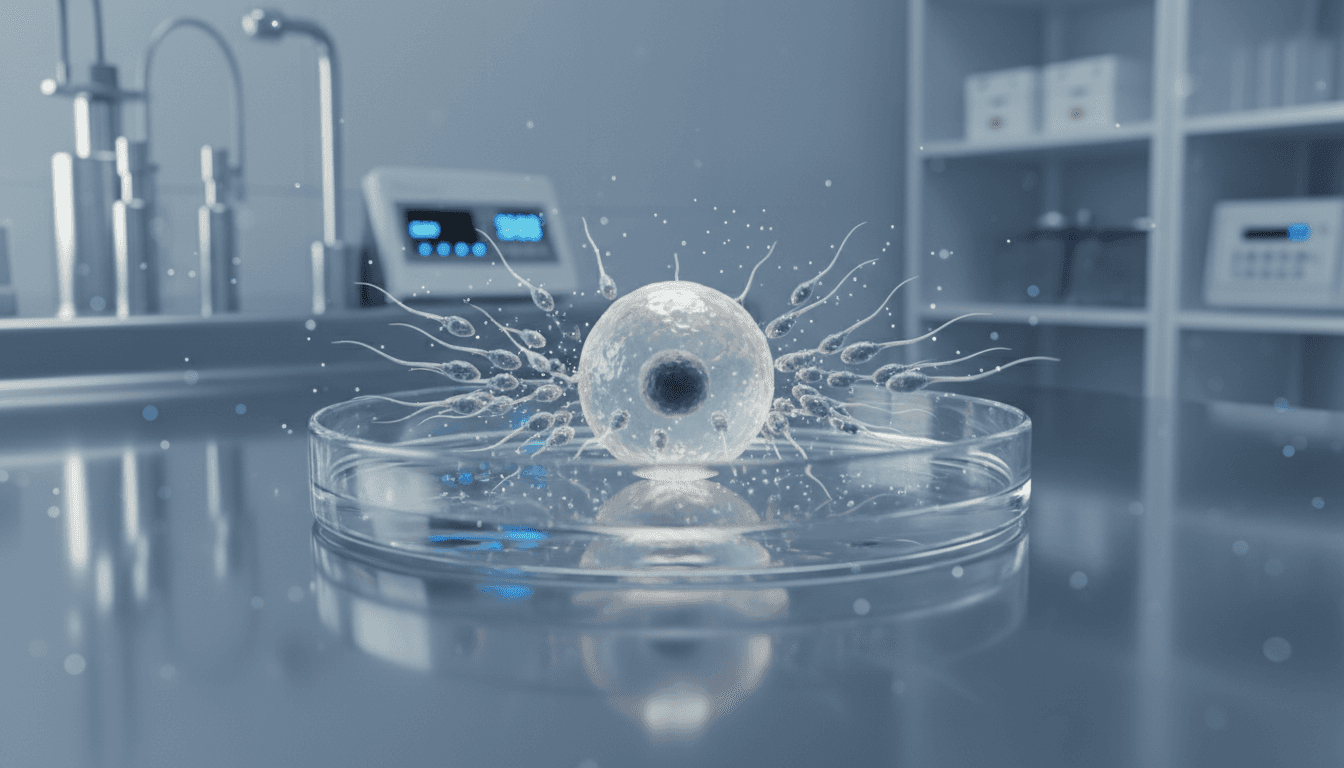






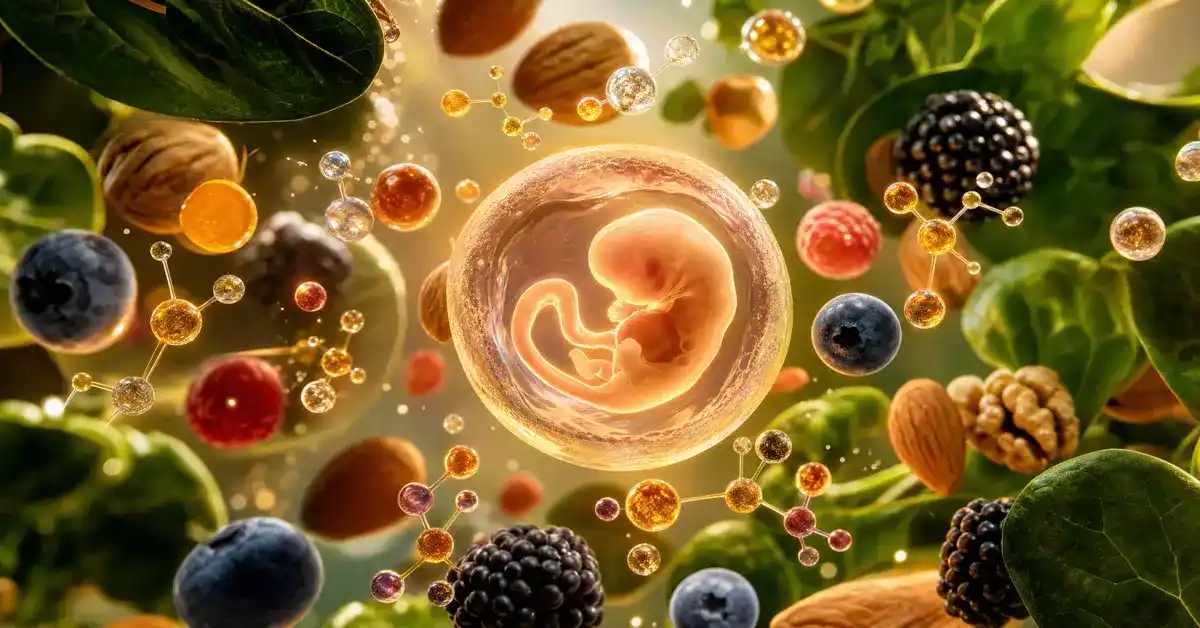
Embarking on the journey to parenthood is a profound experience, and proper nutrition plays a pivotal role that cannot be overlooked. Selecting the best foods to boost fertility naturally is not merely a supplementary step; it is the foundation for building a healthy internal environment that supports the complex biological processes associated with reproduction. Whether you are looking for foods to improve fertility in men or foods to improve fertility in women, nature is abundant with nutrient-rich options that can make a real difference in your chances of conception.
At Safemedigo, we understand that the path to achieving your dream of having a child requires a comprehensive approach that combines advanced medical care with a healthy lifestyle. We are here to guide you toward the best medical and nutritional choices, providing the necessary support at every step. By incorporating natural fertility-boosting foods into your daily diet, you can enhance your reproductive health and increase the success rates of medical treatments if needed.
Introduction to Nutrition and Fertility
The Relationship Between Diet and Reproductive Health
Nutrition is intricately linked to reproductive health, as the body requires a diverse array of vitamins and minerals to produce hormones, regulate the menstrual cycle, and support sperm production. Consuming the best foods to boost fertility naturally ensures the body receives the essential building blocks for these processes. Conversely, nutrient deficiencies can lead to hormonal imbalances and impaired reproductive organ function, highlighting the importance of carefully selecting foods to improve fertility in men and women.
Impact of Nutrition on Sperm and Egg Quality
The significance of nutrition extends beyond hormone regulation to encompass the quality of the reproductive cells themselves. Consuming foods to increase sperm count naturally, such as those rich in antioxidants, protects them from damage caused by free radicals. Similarly, focusing on foods to enhance egg quality naturally contributes to maintaining their genetic integrity and increasing the chances of successful fertilization. Therefore, a balanced diet is the first line of defense in protecting reproductive cells.
Read about: Modern Fertility Treatments for Men and Women You Should Know
Foods Rich in Folic Acid to Boost Fertility
Natural Sources of Folic Acid for Fertility
Folic acid is one of the most crucial vitamins for reproductive health, and it can be obtained through foods rich in folic acid for fertility such as dark leafy greens (like spinach and kale), legumes (like lentils and chickpeas), and citrus fruits. These foods not only provide folic acid but also contain a variety of other vitamins and minerals that support overall health, making them an excellent choice among natural fertility-boosting foods.
Role of Folic Acid in Improving Ovulation
Folic acid plays a critical role in improving ovulation and reducing the risk of neural tube defects in the fetus during the early stages of pregnancy. Including fertility-boosting foods for women that are rich in this vitamin helps regulate the menstrual cycle and supports healthy egg development. Furthermore, consuming foods rich in vitamins and minerals for fertility, including folic acid, is a necessary preparatory step before conception.

Foods Rich in Zinc to Support Fertility
Dietary Sources of Zinc for Fertility
Zinc is an essential mineral for fertility, abundantly found in foods rich in zinc for fertility such as oysters, lean red meat, pumpkin seeds, and nuts. These sources are considered some of the best foods to boost fertility naturally, as they provide concentrated amounts of zinc that the body easily absorbs, contributing to the support of various biological processes related to reproduction.
Effect of Zinc on Sperm Quality
For men, zinc is a vital element for testosterone production and sperm formation. Consuming foods to increase sperm count naturally that are rich in zinc helps increase their number and improve their motility and morphology. Therefore, zinc-rich foods are classified as the most important fertility-boosting foods for men, playing a direct role in enhancing male reproductive capacity.
Read about: Do Natural Fertility Vitamins Really Help with Conception?
Foods Rich in Vitamin E to Enhance Fertility
Natural Sources of Vitamin E for Fertility
Vitamin E is a powerful antioxidant, available in foods rich in vitamin E for fertility such as almonds, sunflower seeds, avocados, and olive oil. Including these foods in your daily diet provides effective protection for reproductive cells, and these sources are among the most important natural fertility-boosting foods, supporting overall cellular health.
Role of Vitamin E in Boosting Fertility
Vitamin E works to protect sperm and eggs from oxidative stress, making it an essential component in foods to enhance egg quality naturally and improve sperm health. Additionally, vitamin E contributes to improving the thickness of the uterine lining, which enhances the chances of embryo implantation. Thus, consuming foods to improve fertility in men and women that contain this vitamin is an effective strategy to support reproduction.
Read about: How Hormones Affect Fertility: Key Tests Couples Should Consider
Foods Rich in Vitamin C to Support Reproductive Health
Dietary Sources of Vitamin C for Fertility
To obtain vitamin C, one should focus on foods rich in vitamin C for fertility such as oranges, strawberries, kiwi, bell peppers, and broccoli. These fruits and vegetables are not only delicious but are also natural fertility-boosting foods that provide a strong boost of antioxidants the body needs to maintain the health of reproductive cells.
Effect of Vitamin C on Egg Quality
Vitamin C helps improve hormone levels and increase fertility in women, and is considered one of the most important elements in foods to enhance egg quality naturally. It also enhances the absorption of iron from plant-based foods, supporting overall health. For men, vitamin C contributes to preventing sperm agglutination, making it an integral part of the best foods to boost fertility naturally.
Read about:Natural Fertility Treatments: Effective Ways to Boost Conception
Foods Rich in Omega-3 to Improve Fertility
Natural Sources of Omega-3 for Fertility
Omega-3 fatty acids are essential for reproductive health, found in foods rich in omega-3 for fertility such as fatty fish (like salmon and sardines), flaxseeds, and walnuts. These sources are considered among the best fertility-boosting foods for women and men, providing healthy fats that support cell structure and regulate inflammatory processes in the body.
Role of Omega-3 in Enhancing Fertility
Omega-3 plays a role in regulating hormones and increasing blood flow to the reproductive organs, making it essential in foods to enhance egg quality naturally. It also contributes to improving sperm motility and morphology, making it one of the most important foods to increase sperm count naturally. Consuming natural fertility-boosting foods rich in omega-3 supports a healthy reproductive environment.
Read about: How Hormones Affect Fertility: Essential Tests for Couples
Foods Rich in Selenium to Support Reproductive Health
Dietary Sources of Selenium for Fertility
Selenium is a trace mineral but an important one, available in foods rich in selenium for fertility such as Brazil nuts, tuna, eggs, and turkey. Just one or two Brazil nuts a day can provide the daily requirement of this mineral, making it an easy and effective addition to the list of natural fertility-boosting foods.
Effect of Selenium on Sperm Quality
Selenium is necessary for the formation and normal development of sperm, and is a key component in fertility-boosting foods for men. Selenium acts as an antioxidant that protects sperm from damage, making it a crucial element in foods to increase sperm count naturally. It also supports thyroid function, which plays a role in fertility for both sexes.
Read about: Fertility Treatments: Turkey vs USA
Foods Rich in Iron to Boost Fertility
Natural Sources of Iron for Fertility
Iron is essential for transporting oxygen in the blood, and can be obtained from foods rich in iron for fertility such as red meat, liver, spinach, and lentils. It is important to combine plant-based sources of iron with vitamin C to increase absorption, making these foods an integrated part of the best foods to boost fertility naturally.
Role of Iron in Improving Ovulation
Iron deficiency can lead to poor ovulation or its cessation, so consuming fertility-boosting foods for women rich in iron is of paramount importance. Iron contributes to maintaining egg health and supports fetal development in the early stages. Focusing on foods rich in vitamins and minerals for fertility, including iron, ensures the body is prepared for pregnancy.
Read about: Hormone Fertility Support: Turkey vs Germany
Foods Rich in Protein and Fiber to Support Fertility
Dietary Sources of Protein and Fiber for Fertility
Protein and fiber are essential for balancing blood sugar, available in foods rich in protein for fertility and foods rich in fiber for fertility such as legumes, quinoa, oats, and white meat. These foods provide sustained energy and support metabolic health, making them among the most important foods to improve fertility in men and women.
Effect of Protein and Fiber on Reproductive Health
Plant-based protein and fiber help improve insulin sensitivity, an important factor in hormone regulation, especially for women suffering from polycystic ovary syndrome (PCOS). Consuming natural fertility-boosting foods rich in these elements supports hormonal balance and improves the chances of pregnancy. Therefore, these foods are an essential part of any diet aimed at enhancing fertility.
Read about: Male Sperm Weakness: Main Causes and Modern Fertility Treatment Options
Conclusion
Choosing the best foods to boost fertility naturally is a true investment in your reproductive health and your family's future. By focusing on natural fertility-boosting foods rich in vitamins and minerals, you can create an ideal environment for conception to occur. Remember that proper nutrition is part of a comprehensive plan that requires patience and commitment.
At Safemedigo, we are committed to providing the best medical care and comprehensive guidance to help you on your journey toward motherhood and fatherhood. Our team of experts is ready to provide personalized consultations tailored to your health condition and aspirations. Do not hesitate to take the first step toward achieving your dream; contact us today to get the medical and nutritional support you need.
FAQ: Best Foods to Naturally Boost Fertility in Men and Women
Can proper nutrition completely cure infertility?
Proper nutrition and consuming the best foods to boost fertility naturally significantly improve reproductive health and increase the chances of pregnancy, but they may not cure complex medical causes of infertility that require specialized medical intervention.
How long does it take for a diet to show an improvement in fertility?
It typically takes 3 to 4 months of adherence to consuming foods to improve fertility in men and women to notice an improvement in sperm and egg quality, as this duration corresponds to the growth cycle of reproductive cells.
Should caffeine be completely avoided when trying to conceive?
It is not necessary to completely avoid caffeine, but it is recommended to limit its consumption to less than 200 mg per day, and focus instead on natural fertility-boosting foods and healthy beverages like natural herbal teas.
Do nutritional supplements replace eating healthy foods?
Nutritional supplements are designed to complement the diet, not replace it. Obtaining nutrients from foods rich in vitamins and minerals for fertility ensures better absorption and provides additional health benefits not found in supplements alone.
Does weight affect fertility even with a healthy diet?
Yes, being overweight or severely underweight can affect hormonal balance and fertility. Consuming natural fertility-boosting foods must be accompanied by maintaining a healthy weight and a normal body mass index to achieve the best results.