





%20Process.webp&w=1920&q=45)
%20Process.webp&w=1920&q=70)
The in vitro fertilization process, commonly known as IVF, is one of the most widely used assisted reproductive treatments for couples facing infertility. It allows eggs and sperm to meet outside the body in a carefully controlled laboratory environment, then transfers the resulting embryo into the uterus at the right time. For many couples, understanding the IVF process step by step reduces anxiety and makes the treatment journey easier to follow.
At Safemedigo, the IVF journey step by step is explained clearly before treatment begins, because each stage requires timing, preparation, and close medical follow-up. IVF is not a single procedure done in one day; it is a structured cycle that includes ovarian stimulation, egg retrieval, sperm collection, fertilization, embryo development, embryo transfer, and pregnancy testing.
This guide explains how IVF works, the main IVF treatment stages, IVF preparation steps, IVF process timeline, signs of successful embryo transfer, success rate of IVF, IVF cost in 2026, and how to choose the right IVF clinic using safe and practical criteria without relying only on advertisements or general claims.
What Is the In Vitro Fertilization (IVF) Process?
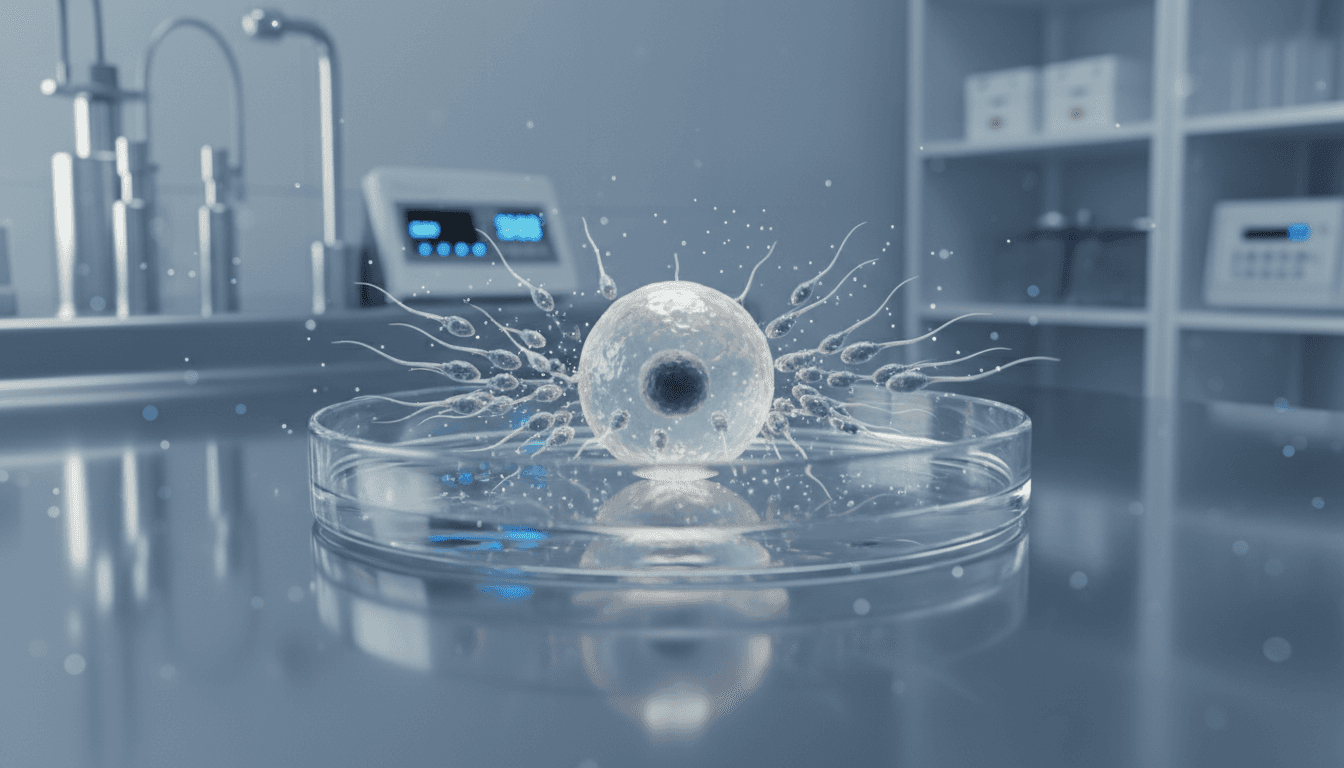
The in vitro fertilization process is a fertility treatment in which eggs are collected from the ovaries and fertilized with sperm in a laboratory. The term “in vitro” means “in glass,” referring to the laboratory environment where fertilization takes place. Once embryos develop, one or more suitable embryos may be transferred into the uterus, or embryos may be frozen for future use depending on the treatment plan.
IVF is used in many fertility situations, including blocked fallopian tubes, ovulation disorders, endometriosis, unexplained infertility, certain sperm-related factors, and previous failed simpler treatments. The process is personalized according to the woman’s age, ovarian reserve, sperm quality, uterine condition, previous fertility history, and medical goals.
Although IVF is highly advanced, it does not guarantee pregnancy. Its success depends on egg quality, sperm quality, embryo development, uterine readiness, age, and the medical strategy used throughout the cycle. For this reason, the IVF cycle explained to each couple should be based on their own reports, not on general success stories.
What is the process of IVF?
The process of IVF usually starts with a complete fertility evaluation for both partners. The doctor reviews medical history, hormone tests, ultrasound findings, ovarian reserve, semen analysis, previous pregnancies, previous treatment attempts, and any health conditions that may affect pregnancy or ovarian stimulation.
Once the plan is ready, the woman begins IVF hormone stimulation to encourage the ovaries to produce multiple eggs. When the follicles reach the right size, a trigger injection is given, and egg retrieval is scheduled. The sperm sample is collected and prepared on the same day, then fertilization takes place in the laboratory.
The main steps are:
- Ovarian stimulation.
- Monitoring by ultrasound and sometimes blood tests.
- Trigger injection.
- Egg retrieval.
- Sperm collection and preparation.
- Fertilization in the laboratory.
- Embryo development and monitoring.
- Embryo transfer or embryo freezing.
- Pregnancy blood test after transfer.
Each step has a specific purpose, and accurate timing is essential.
How does IVF work?
IVF works by bypassing some natural barriers to pregnancy. In natural conception, the egg and sperm meet inside the fallopian tube. In IVF, eggs are retrieved directly from the ovaries, sperm is prepared in the laboratory, and fertilization takes place outside the body. This is especially helpful when the fallopian tubes are blocked or when fertilization needs laboratory support.
After fertilization, embryos are monitored for several days. The medical team evaluates embryo development, uterine lining, hormone levels, and the patient’s safety before deciding whether to perform a fresh embryo transfer or freeze embryos for a later frozen embryo transfer.
IVF does not replace all natural biological factors. The embryo still needs to implant in the uterine lining, and pregnancy must develop normally. This is why IVF success depends not only on laboratory fertilization, but also on embryo quality, uterine health, hormonal support, and age-related egg quality.
Read about: Differences Between IVF and ICSI Fertilization Techniques
IVF Process Step by Step
The IVF process step by step includes a series of coordinated medical and laboratory stages. Although the exact protocol may differ from one patient to another, the general path is similar: stimulate the ovaries, retrieve eggs, collect sperm, fertilize eggs, grow embryos, transfer the embryo, and wait for the pregnancy test.
Each step must happen at the right time. Stimulation medications are adjusted according to ovarian response, egg retrieval is scheduled according to follicle maturity, and embryo transfer is planned according to embryo development and uterine readiness. If the body is not ready for transfer, embryos may be frozen and transferred later.
Understanding the steps of IVF treatment helps patients feel more prepared. It also helps them know why frequent visits, injections, ultrasound scans, and careful timing are necessary. The process may feel emotionally intense, but knowing what to expect makes it more manageable.
IVF hormone stimulation
IVF hormone stimulation is the stage where fertility medications are used to encourage the ovaries to produce multiple follicles. In a natural cycle, usually one egg matures. In IVF, the goal is to collect several mature eggs to increase the chance of creating suitable embryos.
Stimulation usually begins early in the menstrual cycle. The doctor chooses medication doses based on age, AMH level, antral follicle count, body response, previous stimulation history, and risk of ovarian hyperstimulation. During this stage, ultrasound monitoring tracks follicle growth, and blood tests may be used when needed.
The stimulation stage may include:
- Starting injectable fertility medications.
- Monitoring follicle growth.
- Adjusting doses if needed.
- Preventing premature ovulation.
- Giving the trigger injection.
- Scheduling egg retrieval.
The goal is not simply to produce many eggs, but to produce mature eggs safely. In patients with PCOS or high ovarian reserve, the plan must also reduce the risk of ovarian hyperstimulation.
Egg retrieval and sperm collection
Egg retrieval is performed when the follicles reach the appropriate size and the trigger injection has been given at the correct time. The procedure is usually performed under sedation or anesthesia. A needle guided by ultrasound is used to collect fluid from the follicles, and the embryology team checks the fluid for eggs.
On the same day, sperm is usually collected and prepared in the laboratory. If the sperm sample is expected to be difficult or limited, the plan should be discussed before the cycle begins. Sperm preparation helps select the most suitable sperm for fertilization.
After egg retrieval, mild cramping, bloating, or tiredness can occur. These symptoms are usually temporary. However, severe pain, heavy bleeding, fever, worsening swelling, or shortness of breath should be reported to the medical team immediately.
This stage is important because the number and maturity of retrieved eggs influence the next steps. Not every follicle contains an egg, and not every egg is mature, so expectations should be explained clearly before the procedure.
Fertilization and embryo development
Fertilization and embryo development take place in the laboratory. Depending on the couple’s diagnosis, fertilization may be done through conventional IVF, where eggs and sperm are placed together, or through ICSI, where one sperm is injected directly into a mature egg.
The day after fertilization, the laboratory checks how many eggs fertilized normally. Embryos are then monitored over the next days. Some embryos may stop developing, while others continue to grow. This is normal in IVF and does not always mean something went wrong.
Embryo development is affected by:
- Egg quality.
- Sperm quality.
- Age.
- Laboratory conditions.
- Fertilization method.
- Genetic and chromosomal factors.
- Previous treatment history.
The medical team may recommend embryo transfer on a specific day depending on embryo development and uterine readiness. If there are extra suitable embryos, freezing may be considered for future use. Embryo freezing may also be recommended when the body is not ready for fresh transfer.
Embryo transfer process
The embryo transfer process is usually simpler than egg retrieval. It involves placing the embryo into the uterus using a thin catheter passed through the cervix. The procedure usually does not require anesthesia and may feel similar to a gynecological examination.
Before transfer, the doctor reviews the embryo quality, uterine lining, hormone environment, and patient safety. In some cases, a fresh transfer is performed a few days after egg retrieval. In other cases, embryos are frozen and transferred in a later cycle, especially if there is a risk of ovarian hyperstimulation or if the uterine lining is not optimal.
After embryo transfer, the patient usually continues hormonal support, often including progesterone, according to the treatment plan. Patients should avoid testing too early because early tests may be inaccurate and emotionally stressful.
Embryo transfer is a short procedure, but it is a key moment in the IVF journey. Good communication, correct timing, and proper aftercare help patients feel more confident during the waiting period.
Read about: IVF Procedure Explained: From Fertilization to Embryo Transfer
IVF Preparation Steps Before Starting the Cycle
IVF preparation steps before starting the cycle help create a safer and more personalized treatment plan. IVF should not begin blindly. The doctor needs to understand why pregnancy has not occurred, how the ovaries may respond, whether sperm quality is suitable, and whether the uterus is ready for pregnancy.
Preparation may include blood tests, ultrasound, semen analysis, medical history review, medication review, and lifestyle assessment. Any condition that may affect treatment, such as thyroid imbalance, high prolactin, uncontrolled diabetes, infection, uterine polyps, or severe sperm problems, should be addressed before starting.
Good preparation does not guarantee success, but it helps reduce avoidable mistakes. It also helps the couple understand the IVF process timeline, expected visits, medication plan, cost components, and possible changes during the cycle.
Medical tests and evaluations
Medical tests and evaluations before IVF help the doctor choose the right protocol and identify factors that may affect success. These tests vary by patient, but some are commonly requested for most couples.
Common evaluations may include:
- AMH test for ovarian reserve.
- Ultrasound for antral follicle count and uterine assessment.
- FSH, LH, and estradiol when needed.
- TSH for thyroid function.
- Prolactin when medically indicated.
- Semen analysis.
- Infectious disease screening according to protocol.
- Uterine cavity evaluation when needed.
- General blood tests depending on health status.
- Review of previous IVF or pregnancy history.
The male partner’s evaluation is important. IVF success does not depend only on the woman’s age or ovaries. Sperm count, motility, morphology, and in selected cases sperm DNA quality may influence fertilization and embryo development.
Lifestyle and diet before IVF
Lifestyle and diet before IVF can support general reproductive health, although no diet can guarantee pregnancy. The goal is to prepare the body for treatment, support hormone balance, improve sperm and egg health where possible, and reduce harmful factors.
Helpful lifestyle steps include:
- Stop smoking.
- Maintain a healthy weight.
- Eat balanced meals with protein, vegetables, whole grains, and healthy fats.
- Reduce ultra-processed foods and excess sugar.
- Sleep regularly.
- Exercise moderately.
- Limit caffeine.
- Avoid alcohol during treatment planning.
- Treat infections before starting.
- Avoid random supplements without medical advice.
Both partners should pay attention to lifestyle. Sperm quality may be affected by smoking, obesity, heat exposure, stress, infections, and poor sleep. IVF is a couple-based treatment, so preparation should involve both partners whenever possible.

IVF Process Timeline – How Long Does IVF Take?
The IVF process timeline varies according to the protocol, ovarian response, test results, and whether the embryo transfer is fresh or frozen. A typical cycle from the start of stimulation to embryo transfer may take a few weeks, but the full journey may be longer if preparation, embryo freezing, or frozen transfer is needed.
Ovarian stimulation often lasts around 8 to 12 days, but this can vary. Egg retrieval is performed after the trigger injection. Fertilization occurs in the laboratory, and embryos are monitored for several days. Pregnancy testing is usually done after the waiting period recommended by the doctor.
If embryos are frozen and transfer is delayed, the IVF journey may extend into a later cycle. This is not necessarily negative. A frozen transfer may be safer or more suitable in some cases, especially when the body needs time to recover or the uterine lining needs better preparation.
Duration of each IVF stage
The duration of each IVF stage depends on medical planning and individual response. Some couples complete preparation quickly, while others need more time for testing, medication adjustment, or treatment of a uterine or hormonal issue.
A general IVF timeline may include:
- Initial consultation and testing: variable.
- Ovarian stimulation: often 8–12 days.
- Trigger injection: timed before retrieval.
- Egg retrieval: one procedure day.
- Fertilization: usually the same day as retrieval.
- Embryo development: several days.
- Fresh embryo transfer: if medically suitable.
- Frozen embryo transfer: later cycle if needed.
- Pregnancy blood test: after the waiting period.
This is a general timeline, not a fixed rule. Some protocols take longer, especially if pre-treatment medication is required, embryos are frozen, or transfer is postponed for medical reasons.
Repeating IVF in case of failure
Repeating IVF in case of failure is possible, but the next cycle should not simply repeat the same plan without review. IVF failure may occur due to egg quality, sperm factors, embryo development, uterine lining, transfer timing, age-related factors, or sometimes unexplained reasons.
Before repeating IVF, the medical team should review:
- Number of eggs retrieved.
- Number of mature eggs.
- Fertilization rate.
- Embryo development.
- Embryo quality.
- Transfer day and technique.
- Uterine lining thickness and pattern.
- Hormone support.
- Sperm analysis.
- Any previous pregnancy loss.
Depending on the findings, the doctor may adjust stimulation, change fertilization method, treat uterine factors, modify transfer timing, or recommend a frozen transfer strategy. Repeating IVF can be more effective when the previous cycle is carefully analyzed.
Read about: Reasons for IVF Failure and Proven Ways to Improve Success Rates
IVF Success Rate and Factors That Affect It
The success rate of IVF depends on several factors. Age is one of the strongest predictors, but it is not the only one. Ovarian reserve, egg quality, sperm quality, embryo development, uterine health, lifestyle, and previous fertility history all influence the final outcome.
Success may be reported in different ways: pregnancy rate, live birth rate, success per embryo transfer, success per egg retrieval, or cumulative success over multiple transfers. This is why patients should be careful when reading statistics online. A percentage may look high, but it may apply only to a specific age group or type of transfer.
Success rate of IVF
The success rate of IVF varies from one couple to another. Younger women generally have higher success rates because egg quality is usually better. As age increases, the number of eggs and the percentage of chromosomally healthy embryos usually decline, which can reduce implantation and increase miscarriage risk.
Factors that affect IVF success include:
- Female age.
- AMH and ovarian reserve.
- Number of mature eggs.
- Sperm quality.
- Embryo quality.
- Uterine lining.
- Cause of infertility.
- Previous IVF history.
- Lifestyle factors.
- Medical conditions such as thyroid disease or diabetes.
The success rate of IVF should be explained honestly. A responsible medical team should avoid promising guaranteed pregnancy. Instead, the couple should receive a realistic estimate based on their age, test results, and treatment plan.
Age and its impact on IVF outcomes
Age and its impact on IVF outcomes are central in fertility treatment. Women are born with a limited number of eggs, and both egg quantity and quality decline with time. This becomes more noticeable after the mid-thirties and more significant after 40.
Age can influence:
- Ovarian response.
- Egg maturity.
- Embryo quality.
- Chromosomal health.
- Implantation chance.
- Miscarriage risk.
- Number of cycles needed.
- Pregnancy safety.
A woman under 35 may have a stronger prognosis if other factors are favorable. A woman over 40 may still succeed, but she needs faster, more realistic, and carefully planned treatment. Age should never be used to create fear, but it should be taken seriously when planning IVF.
Read about: IVF Procedure with Egg Freezing: Step-by-Step Explanation
Signs of Successful Embryo Transfer
Signs of successful embryo transfer are often difficult to interpret. Some women feel symptoms during the waiting period, while others feel nothing and still become pregnant. Many symptoms after transfer are caused by progesterone or other medications rather than pregnancy itself.
Possible symptoms may include mild cramping, bloating, breast tenderness, fatigue, mood changes, or light spotting. These signs can also occur before menstruation or due to hormonal support. Therefore, symptoms alone cannot confirm IVF success.
The most reliable way to know whether embryo transfer was successful is the pregnancy blood test at the time recommended by the doctor. Testing too early can cause confusion, false reassurance, or unnecessary anxiety.
Early symptoms after embryo transfer
Early symptoms after embryo transfer may be mild and nonspecific. Some patients report pelvic heaviness, mild cramps, tiredness, breast tenderness, or light discharge. Others have no symptoms at all. Both situations can be normal.
Possible early symptoms include:
- Mild cramping.
- Bloating.
- Breast tenderness.
- Fatigue.
- Mood changes.
- Light spotting.
- Mild back discomfort.
- Symptoms similar to premenstrual signs.
These symptoms do not prove pregnancy. Progesterone support can cause similar sensations. Patients should continue medications exactly as prescribed and avoid stopping treatment based on symptoms. Severe pain, heavy bleeding, fever, or significant swelling should be reported to the medical team.
When to take a pregnancy test after IVF
When to take a pregnancy test after IVF depends on the embryo transfer day and the clinic’s protocol. In most cases, the doctor recommends a blood pregnancy test after a specific waiting period. A blood test is usually more reliable than a home urine test at this stage.
Testing too early may produce a false negative because the pregnancy hormone may not yet be high enough. In some cases, medications used earlier in the cycle may also confuse early test interpretation. This is why the official test date matters.
During the waiting period:
- Continue medications.
- Avoid early home testing if possible.
- Do not judge success by symptoms.
- Contact the doctor if severe symptoms appear.
- Keep daily activity light and balanced.
- Wait for the blood test result.
The waiting period can be emotionally difficult. Clear instructions and good communication help patients manage this phase more calmly.
Read about: Embryo Freezing in IVF: Key Benefits and Opportunities for Couples
IVF Cost in 2026 Around the World
IVF cost in 2026 around the world varies widely depending on country, city, treatment plan, medication dose, laboratory services, anesthesia, egg retrieval, embryo transfer, freezing, storage, and additional tests. For this reason, one fixed global price cannot apply to all patients.
Some treatment packages include only the basic IVF cycle, while others include ICSI, embryo freezing, storage, medications, tests, or follow-up. Medication cost can change significantly depending on ovarian reserve, age, body response, and stimulation protocol.
When discussing IVF cost in 2026, patients should focus on transparency rather than only the lowest price. A clear plan should explain what is included, what is excluded, and what may become necessary later. This helps couples avoid unexpected costs during treatment.
IVF cost by country
IVF cost by country differs because healthcare systems, medication prices, laboratory costs, doctor fees, hospital services, and patient support services vary. Some countries may have lower base treatment costs but separate charges for medications, anesthesia, freezing, or transfer. Others may offer more inclusive packages.
Patients considering IVF abroad should compare:
- Medical evaluation.
- IVF or ICSI inclusion.
- Medication estimates.
- Egg retrieval and anesthesia.
- Embryo culture.
- Embryo transfer.
- Embryo freezing.
- Storage duration.
- Follow-up services.
- Translation and coordination support.
- Travel and accommodation needs.
Cost should never be the only deciding factor. Safety, communication, laboratory quality, doctor experience, and clear follow-up are just as important as price.
Does IVF cost include medication and tests?
Whether IVF cost includes medication and tests depends on the treatment package. Some offers include basic medical procedures only, while medications and laboratory tests are charged separately. Others may include some tests but not all medications, freezing, storage, or future frozen embryo transfer.
Medication is one of the most variable parts of IVF cost because doses differ from patient to patient. A woman with low ovarian reserve may need a different plan from a woman with high response risk. Additional tests may also be required based on age, medical history, previous failure, recurrent miscarriage, or male factor infertility.
Before starting IVF, patients should ask:
- Are medications included?
- Are blood tests included?
- Is ultrasound monitoring included?
- Is egg retrieval included?
- Is anesthesia included?
- Is fertilization included?
- Is ICSI included if needed?
- Is embryo transfer included?
- Is freezing included?
- Is storage included?
- Are future frozen transfers separate?
Clear answers protect the patient from misunderstanding and help compare treatment plans fairly.
Read about: IVF Cost in Turkey and the Gulf: Complete Guide for Couples
Best IVF Clinics in the World
Best IVF clinics in the world should not be selected by names, advertisements, or general rankings alone. Since naming outside clinics is not appropriate here, the better approach is to explain the criteria that define a strong fertility center. A good IVF clinic is one that provides accurate diagnosis, transparent communication, safe protocols, experienced medical care, and a well-organized laboratory.
The right clinic should explain the IVF procedure step by step, review both partners’ tests, personalize stimulation, discuss IVF vs ICSI when needed, and avoid unrealistic promises. It should also provide clear cost information and support patients through the emotional side of treatment.
For international patients, coordination matters. Language support, appointment organization, medication instructions, transfer planning, and follow-up communication can make the IVF journey smoother and less stressful.
How to choose the right IVF clinic
How to choose the right IVF clinic depends on medical quality, transparency, and patient support. A clinic should not simply offer a high success rate without explaining which patients that rate applies to. Success depends on age, diagnosis, embryo quality, and many other factors.
Important criteria include:
- Experienced fertility doctors.
- Organized embryology laboratory.
- Clear treatment plan.
- Transparent cost explanation.
- Individualized ovarian stimulation.
- Careful embryo transfer policy.
- Honest success rate discussion.
- Good communication.
- Privacy and emotional support.
- Follow-up after embryo transfer.
- Ability to explain risks clearly.
A strong clinic should help patients understand their own chances, not pressure them with general claims. The best clinic for one couple may not be the best for another if their medical needs are different.
Reviews and patient success stories
Reviews and patient success stories can help patients understand communication, organization, emotional support, and general experience. However, reviews should not be used as the only basis for choosing an IVF clinic. Every IVF case is different.
Patient stories may help evaluate:
- How clearly instructions were explained.
- How responsive the team was.
- Whether appointments were organized.
- How comfortable patients felt.
- Whether costs were explained.
- Whether after-transfer follow-up was provided.
- How privacy was handled.
- How emotional support was offered.
However, a success story does not guarantee success for another couple, and a failed cycle does not automatically mean poor care. Reviews should be combined with medical evaluation, realistic counseling, and the clinic’s ability to provide a personalized plan.
Read about: Role of Nutrition in Enhancing IVF Success Rates
Tips After IVF Embryo Transfer
Tips after IVF embryo transfer focus on balance, not extreme restrictions. Many patients believe they must remain in bed completely after transfer, but routine complete bed rest is not usually necessary unless the doctor recommends it for a specific reason. Light daily activity is often acceptable.
The most important steps after transfer are to continue medications, avoid early pregnancy testing, follow medical instructions, and contact the medical team if concerning symptoms occur. Emotional stress during the waiting period is common, so patients should try to stay supported and avoid overanalyzing every symptom.
There is no sleeping position, food, or single habit that guarantees implantation. A calm routine, medication adherence, and proper medical follow-up are more useful than strict myths or excessive fear.
Rest and physical activity
Rest and physical activity after embryo transfer should be moderate. Patients should avoid intense exercise, heavy lifting, and activities that cause strain. However, gentle walking and normal light activity are often allowed unless the doctor gives special restrictions.
General recommendations may include:
- Avoid heavy lifting.
- Avoid intense workouts.
- Continue light walking if comfortable.
- Sleep regularly.
- Avoid very hot baths or saunas.
- Reduce unnecessary stress.
- Continue progesterone and other medications.
- Avoid stopping medication without approval.
- Follow the clinic’s advice about sexual activity.
- Report severe pain or bleeding.
Rest after transfer should mean calm and balanced care, not complete immobility. Over-restriction may increase anxiety without improving the outcome.
Diet recommendations after embryo transfer
Diet recommendations after embryo transfer should focus on healthy, balanced meals. No specific food guarantees implantation, but good nutrition supports the body and may reduce constipation, bloating, and fatigue caused by medications.
Recommended choices include:
- Lean protein such as eggs, fish, poultry, or legumes.
- Vegetables and fruits in balanced amounts.
- Whole grains.
- Healthy fats such as olive oil, avocado, and nuts.
- Adequate water intake.
- Moderate caffeine.
- Reduced ultra-processed foods.
- Reduced excess sugar.
- Safe, well-cooked foods.
- Foods that support digestive comfort.
If pregnancy occurs, healthy eating becomes even more important. Patients with diabetes, high blood pressure, digestive conditions, or special dietary needs should follow personalized medical advice.
Read about: Proper Nutrition for Women After IVF
Conclusion
The IVF process step by step begins with preparation and medical tests, then ovarian stimulation, egg retrieval, sperm collection, fertilization, embryo development, embryo transfer, and finally the pregnancy test. Understanding each stage helps couples feel more confident and reduces the uncertainty that often comes with fertility treatment.
IVF success depends on many factors, including female age, ovarian reserve, egg quality, sperm quality, embryo development, uterine health, medical planning, and lifestyle. IVF cost in 2026 also varies widely depending on the country, medications, tests, laboratory services, embryo freezing, and treatment package details, so transparency is essential before starting.
Frequently Asked Questions: Step-by-Step Guide to the In Vitro Fertilization (IVF) Process
What is the IVF process step by step?
The IVF process step by step usually includes preparation and testing, ovarian stimulation, monitoring, trigger injection, egg retrieval, sperm collection, laboratory fertilization, embryo development, embryo transfer, and a pregnancy blood test after the waiting period.
How long does IVF take?
IVF may take a few weeks from the start of stimulation to embryo transfer, but the full timeline depends on testing, ovarian response, embryo development, and whether the transfer is fresh or frozen. Some patients need a longer plan based on medical needs.
How does IVF work?
IVF works by collecting eggs from the ovaries, fertilizing them with sperm in a laboratory, monitoring embryo development, and transferring a suitable embryo into the uterus. This helps bypass certain fertility barriers such as blocked tubes or fertilization difficulties.
What are the signs of successful embryo transfer?
Signs of successful embryo transfer may include mild cramping, bloating, breast tenderness, fatigue, or light spotting, but these symptoms are not reliable proof of pregnancy. The most accurate confirmation is a pregnancy blood test at the time recommended by the doctor.
Does IVF cost include medication and tests?
IVF cost may or may not include medication and tests depending on the treatment package. Patients should ask whether medications, blood tests, ultrasound monitoring, egg retrieval, anesthesia, fertilization, embryo transfer, freezing, and storage are included.