





Differences between IVF and ICSI fertilization techniques are among the most important questions couples ask when starting fertility treatment. Although IVF and ICSI are often mentioned together, they are not exactly the same. Both are assisted reproductive techniques that involve ovarian stimulation, egg retrieval, laboratory fertilization, embryo culture, and embryo transfer. The key difference is how the egg is fertilized in the laboratory.
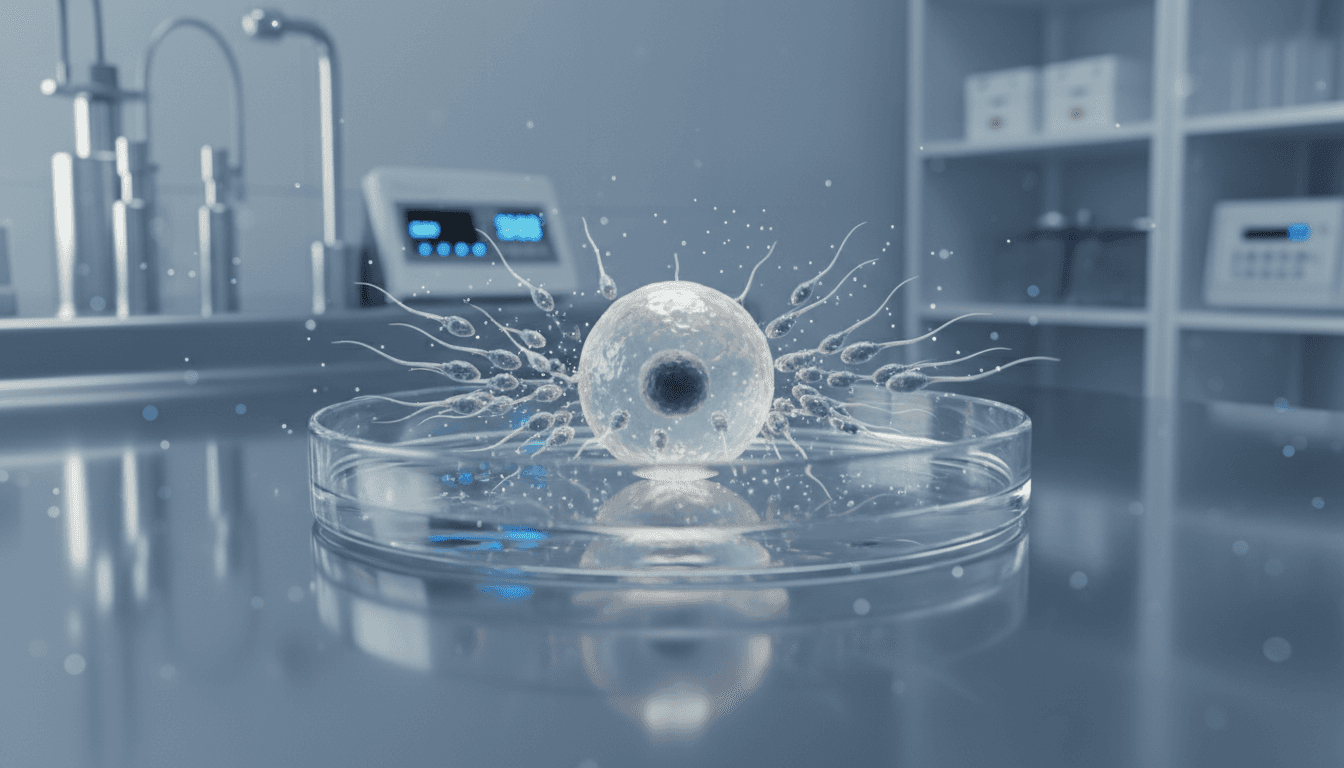
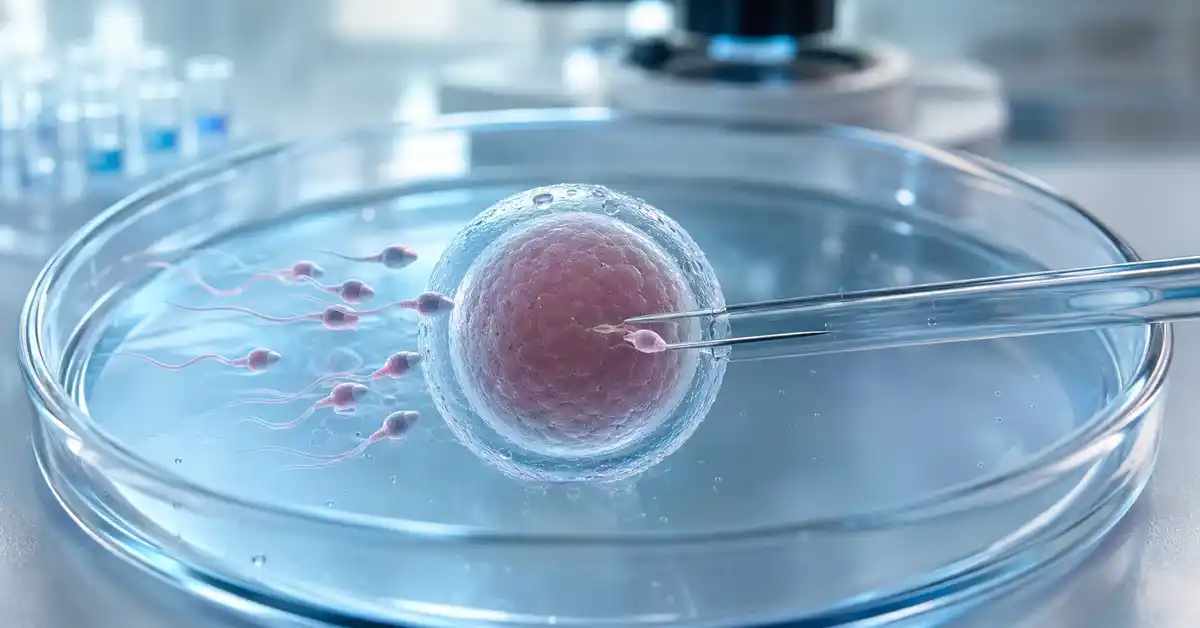
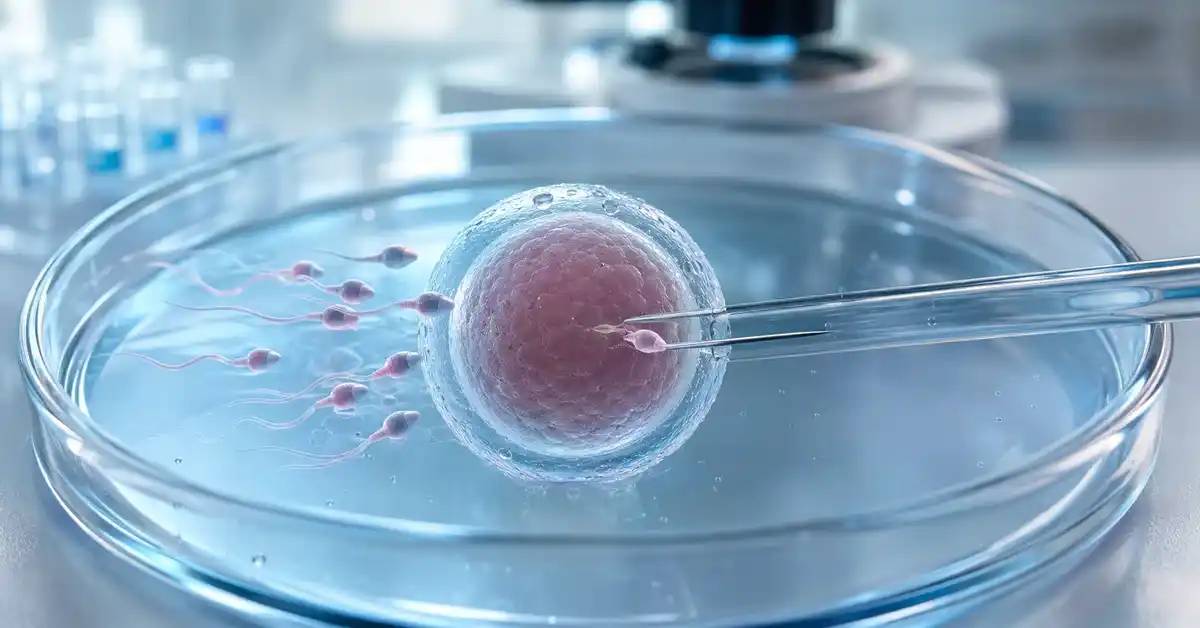
In conventional IVF, eggs and sperm are placed together in a laboratory dish, allowing sperm to fertilize the egg naturally. In ICSI, one sperm is selected and injected directly into a mature egg using a very fine microscopic needle. This makes ICSI especially useful in cases of male factor infertility, previous fertilization failure, surgically retrieved sperm, or frozen eggs.
At Safemedigo, the decision between IVF and ICSI is made according to the couple’s diagnosis, not because one technique is always better than the other. Age, ovarian reserve, sperm quality, previous treatment history, egg number, and fertilization risk all matter. This article explains IVF vs ICSI procedure steps, success rate, cost factors, risks, male infertility indications, frozen eggs, embryo quality, and when combined techniques may be recommended.
Differences Between IVF and ICSI Fertilization Techniques
Differences between IVF and ICSI fertilization techniques mainly appear during the laboratory fertilization stage. Before that point, both treatments are very similar. The woman usually receives ovarian stimulation medications, undergoes ultrasound monitoring, has eggs retrieved, and the male partner provides a sperm sample or sperm is prepared according to the medical plan.
In IVF, sperm are placed around the eggs and fertilization depends on the sperm’s ability to reach and penetrate the egg. In ICSI, the embryologist directly injects one sperm into one mature egg. This bypasses several barriers that may prevent fertilization in cases of poor sperm count, poor motility, abnormal morphology, or previous fertilization failure.
ICSI is not a completely separate treatment from IVF. It is a fertilization method performed within an IVF cycle. The best choice depends on the reason for infertility. ASRM states that routine ICSI for non-male factor infertility is not recommended, while ICSI may be useful for selected cases such as prior poor or no fertilization, PGT-M cycles, or previously cryopreserved oocytes.
What is IVF (In Vitro Fertilization)?
IVF, or in vitro fertilization, is a fertility treatment in which eggs are fertilized outside the body in a laboratory. The process usually begins with ovarian stimulation to help the ovaries produce more than one mature egg. Once the follicles are ready, eggs are retrieved and then placed with prepared sperm in a laboratory dish.
In conventional IVF, fertilization is not forced by injection. Instead, the sperm must move toward the egg and penetrate it. This method may be suitable when sperm count, motility, and morphology are acceptable, and when there is no known history of fertilization failure.
IVF may be recommended for several fertility issues, including blocked fallopian tubes, some cases of endometriosis, unexplained infertility, ovulation problems, or failed simpler treatments. However, the final decision depends on both partners’ evaluation. IVF success is affected by age, egg quality, sperm health, embryo development, and uterine readiness.
What is ICSI (Intracytoplasmic Sperm Injection)?
ICSI, or intracytoplasmic sperm injection, is a specialized fertilization technique performed as part of IVF. During ICSI, an embryologist selects one sperm and injects it directly into a mature egg. The HFEA explains that ICSI is performed as part of IVF and involves injecting sperm directly into the egg, often when male infertility is present.
ICSI is most commonly used when sperm-related factors may reduce the chance of conventional fertilization. This includes low sperm count, weak motility, severe morphology problems, surgically retrieved sperm, or previous failed fertilization with IVF. It may also be considered when frozen eggs are used, because fertilization needs to be more controlled after thawing.
ICSI helps with the fertilization step, but it does not guarantee pregnancy. After fertilization, embryo development, chromosome health, uterine lining, transfer timing, and female age remain major factors in the final outcome.
Read about: Step-by-Step Guide to the In Vitro Fertilization (IVF) Process
What Is the Process of IVF and ICSI Techniques
The process of IVF and ICSI techniques begins in a similar way. The woman takes medications to stimulate the ovaries, and the response is monitored by ultrasound and sometimes blood tests. When the follicles reach the right size, a trigger injection is given, and egg retrieval is scheduled.
After egg retrieval, the laboratory prepares the eggs and sperm. This is where IVF and ICSI differ. In IVF, eggs and sperm are placed together. In ICSI, the embryologist injects one sperm into each mature egg. After fertilization, embryos are monitored in the laboratory for several days.
Embryos may be transferred fresh, frozen for later use, or tested genetically when medically indicated. The decision depends on the couple’s condition, embryo development, uterine lining, hormone levels, and treatment plan. Understanding IVF vs ICSI procedure steps helps couples know where the techniques are similar and where they differ.
Steps of IVF Procedure
Steps of IVF procedure usually begin with a fertility evaluation for both partners. The doctor reviews ovarian reserve, ultrasound findings, hormone levels, sperm analysis, medical history, and previous pregnancy or treatment attempts. Then a stimulation plan is created.
The woman receives ovarian stimulation medications, and follicle growth is monitored. Once the eggs are ready, egg retrieval is performed. The sperm sample is prepared in the laboratory, and eggs are placed with sperm to allow fertilization to occur.
Typical IVF steps include:
- Fertility evaluation.
- Ovarian stimulation.
- Follicle monitoring.
- Trigger injection.
- Egg retrieval.
- Sperm preparation.
- Conventional insemination in the laboratory.
- Fertilization check.
- Embryo culture.
- Embryo transfer or freezing.
- Pregnancy test after transfer.
IVF may be a good option when sperm quality is suitable and fertilization is expected to occur without direct injection.
Steps of ICSI Procedure
Steps of ICSI procedure are similar to IVF until the fertilization stage. The woman undergoes ovarian stimulation, monitoring, trigger injection, and egg retrieval. After retrieval, the embryology team identifies mature eggs and prepares the sperm sample.
In ICSI, one sperm is selected and injected directly into each mature egg. The eggs are then checked for fertilization and monitored as embryos develop. Embryos may later be transferred, frozen, or tested when medically indicated.
Typical ICSI steps include:
- Ovarian stimulation.
- Egg retrieval.
- Sperm preparation.
- Selection of suitable sperm.
- Injection of one sperm into each mature egg.
- Fertilization assessment.
- Embryo culture.
- Embryo transfer or freezing.
- Pregnancy test.
ICSI requires advanced laboratory skill and equipment. It is particularly useful when sperm cannot reliably fertilize the egg on its own, but it does not replace the importance of egg quality, embryo development, and uterine readiness.
Read about: Key Steps for ICSI Success: Expert Fertility Tips to Improve Outcomes
Which Is Better: IVF or ICSI?
Which is better: IVF or ICSI? The answer depends on the cause of infertility. ICSI is not automatically better for every couple, and IVF is not always enough for every case. The right choice depends on sperm quality, egg number, previous fertilization results, female age, and the couple’s treatment history.
If the sperm analysis is normal and there is no previous fertilization failure, conventional IVF may be appropriate. If there is male factor infertility, previous failed fertilization, frozen eggs, surgically retrieved sperm, or very limited sperm numbers, ICSI may be more suitable.
ASRM’s 2026 committee opinion states that routine ICSI use for non-male factor infertility is not recommended, including unexplained infertility, low oocyte yield, diminished ovarian reserve, advanced maternal age, or PGT-A alone. This reinforces that the best technique is the one that matches the diagnosis.
In Cases of Male Infertility
In cases of male infertility, ICSI is often preferred because it directly addresses fertilization difficulties caused by sperm problems. Conventional IVF depends on sperm being able to reach and penetrate the egg. When sperm count is low, motility is weak, or morphology is severely abnormal, this may not happen reliably.
ICSI can be helpful in male factor infertility because each mature egg needs only one selected sperm for injection. This does not mean sperm quality no longer matters, but it allows the laboratory to overcome the mechanical challenge of sperm entry into the egg.
ICSI may be recommended when there is:
- Low sperm count.
- Poor sperm motility.
- Severe abnormal morphology.
- Prior fertilization failure.
- Surgically retrieved sperm.
- Frozen sperm with limited motility after thawing.
- Severe male factor infertility.
In male factor cases, ICSI may be the more logical choice than conventional IVF, especially when the sperm sample is limited or difficult.
In Cases of Female Infertility or Blocked Tubes
In cases of female infertility or blocked tubes, conventional IVF may be very effective when sperm quality is normal. IVF bypasses the fallopian tubes because eggs are retrieved from the ovaries and fertilized in the laboratory, then embryos are transferred directly into the uterus.
If the main issue is blocked fallopian tubes and semen parameters are good, IVF may be sufficient. However, if blocked tubes are combined with male factor infertility, the doctor may recommend ICSI within the IVF cycle to reduce the risk of poor fertilization.
In female infertility cases, the decision depends on:
- Female age.
- Ovarian reserve.
- Egg quality.
- Uterine health.
- Fallopian tube condition.
- Endometriosis history.
- Sperm analysis.
- Previous IVF outcomes.
The treatment should evaluate both partners together. A female factor diagnosis does not automatically mean IVF only, and a male factor diagnosis does not mean the female partner’s age and ovarian reserve can be ignored.

IVF vs ICSI Success Rate
IVF vs ICSI success rate depends on why each technique is used. ICSI can improve fertilization chances when sperm-related factors are present or when previous IVF fertilization failed. However, ICSI does not always improve live birth rates when there is no male factor infertility.
A key point is the difference between fertilization rate and pregnancy rate. ICSI may increase fertilization in selected cases, but pregnancy requires more than fertilization. The embryo must develop properly, the uterine lining must be receptive, and transfer timing must be appropriate.
Published evidence has shown that ICSI may reduce fertilization failure in some non-male factor cases, but it has not consistently improved live birth outcomes in groups where sperm parameters are normal. For this reason, IVF vs ICSI live birth rate should be discussed according to diagnosis, not only as a general comparison.
Success Rates by Age and Health Condition
Success rates by age and health condition vary widely. Female age is one of the strongest predictors of IVF and ICSI outcome because egg quality declines with age. ICSI can help sperm enter the egg, but it cannot reverse age-related egg quality changes.
Health conditions also affect success. Obesity, smoking, uncontrolled diabetes, thyroid disease, endometriosis, uterine abnormalities, and severe sperm problems may all influence results. Embryo quality and uterine receptivity are also essential.
Important factors include:
- Female age.
- Ovarian reserve.
- Number of mature eggs.
- Sperm quality.
- Cause of infertility.
- Embryo development.
- Uterine lining.
- Previous failed cycles.
- Lifestyle and chronic disease control.
- Laboratory quality.
No single IVF vs ICSI success rate applies to every couple. A personalized estimate is more useful than general statistics.
Recent Studies on Combining IVF and ICSI
Recent studies on combining IVF and ICSI show that ICSI is most useful when there is a clear indication, such as male factor infertility or previous poor/no fertilization. In couples without male factor infertility, routine use of ICSI remains debated because higher fertilization rates do not always translate into higher live birth rates.
Using ICSI with IVF means the couple goes through a full IVF cycle, but fertilization is performed using injection rather than conventional insemination. In selected cases, a clinic may discuss using ICSI for all eggs or using a split approach depending on sperm quality, egg number, and previous history.
A 2024 study comparing conventional IVF and ICSI in couples without male factor infertility evaluated whether ICSI should be preferred in this group, reflecting ongoing debate in the field. The practical conclusion is that combining IVF and ICSI should be medically justified rather than routine for everyone.
Read about: ICSI After Failed IVF: Does It Offer Higher Chances of Success
When to Use ICSI Instead of IVF
When to use ICSI instead of IVF depends on fertilization risk. ICSI is usually chosen when sperm may not fertilize the egg effectively through conventional IVF. Male factor infertility is the most common reason.
ICSI may also be used after previous fertilization failure, with frozen eggs, with surgically retrieved sperm, or when the available sperm sample is very limited. In these cases, direct sperm injection can reduce the risk of having no fertilized eggs.
However, ICSI should not be selected only because it sounds more advanced. In some cases, conventional IVF is adequate and avoids unnecessary micromanipulation. The doctor and embryology team should explain why ICSI is recommended.
In Cases of Low Sperm Count or Abnormal Morphology
In cases of low sperm count or abnormal morphology, ICSI is often preferred because conventional IVF may not provide reliable fertilization. If sperm count is very low, motility is poor, or morphology is severely abnormal, sperm may struggle to reach or penetrate the egg.
With ICSI, the embryologist selects a suitable sperm and injects it directly into the egg. This helps overcome some sperm-related barriers. However, sperm quality can still affect embryo development, especially if DNA fragmentation or severe sperm abnormalities are present.
Male evaluation may include:
- Repeat semen analysis.
- Hormone testing when indicated.
- Assessment for varicocele when relevant.
- Infection evaluation.
- Lifestyle review.
- Sperm DNA fragmentation testing in selected cases.
- Review of previous fertilization results.
In male factor infertility, ICSI may be central to the treatment plan, but male health should still be evaluated carefully.
In Previous IVF Failures or Use of Frozen Eggs
In previous IVF failures or use of frozen eggs, ICSI may be recommended to reduce the risk of poor fertilization. If a previous IVF cycle had no fertilization or a very low fertilization rate, switching to ICSI in the next cycle may help.
Frozen eggs are also commonly fertilized using ICSI because the egg has already gone through freezing and thawing. Direct injection may offer more control in this situation. This does not guarantee pregnancy, but it can help improve the fertilization step.
ICSI may be considered when there is:
- Previous fertilization failure.
- Low fertilization rate in a past cycle.
- Use of frozen eggs.
- Very limited egg number.
- Use of frozen sperm.
- Surgically retrieved sperm.
- History suggesting sperm-egg interaction problems.
The goal is to improve fertilization chances, not to promise a guaranteed pregnancy.
Read about: ICSI Cost in Turkey 2026: Main Factors Affecting Fertility Treatment Pricing
IVF vs ICSI Cost
IVF vs ICSI cost varies depending on country, clinic structure, medications, laboratory services, embryo freezing, testing, follow-up, and support services. It is not appropriate to give one fixed price because every treatment plan is different.
In some programs, ICSI is included in the IVF package. In others, ICSI may be charged separately because it requires additional embryology time, equipment, and expertise. Medications, anesthesia, egg retrieval, embryo culture, embryo transfer, freezing, and storage may also be separate depending on the plan.
Couples should request a clear written estimate showing what is included and what may be added later. IVF vs ICSI cost should be understood as part of the full treatment journey, not only the fertilization method.
Factors Affecting the Cost
Factors affecting the cost include medical and laboratory details. Ovarian stimulation medication is often one of the most variable parts because dosage depends on age, ovarian reserve, body response, and protocol type.
Common cost factors include:
- Female age and ovarian reserve.
- Stimulation medication doses.
- Number of monitoring visits.
- IVF or ICSI fertilization method.
- Egg retrieval and anesthesia.
- Embryo culture duration.
- Embryo freezing.
- Storage duration.
- Additional male fertility tests.
- Medically indicated genetic testing.
- Frozen embryo transfer planning.
- Coordination and support services when included.
A detailed quotation is more useful than a simple package name. Couples should ask exactly what the treatment includes before comparing options.
Estimated Cost Comparison
Estimated cost comparison between IVF and ICSI should remain general because prices change by location, timing, clinic policy, and medical needs. In many settings, ICSI may cost more if it is added as a separate laboratory procedure. This is because each mature egg is individually injected by an embryologist.
However, some treatment programs include ICSI as part of the standard package. This means the apparent cost difference may vary widely. The best comparison is not just the final number, but what is included.
Couples should ask:
- Is conventional IVF or ICSI included?
- Are medications included?
- Is egg retrieval included?
- Is anesthesia included?
- Is embryo transfer included?
- Is embryo freezing included?
- Is storage included?
- Are additional tests separate?
- Is frozen embryo transfer included later?
A transparent plan helps avoid unexpected costs and supports better decision-making.
Read about: IVF Cost in Turkey and the Gulf: Complete Guide for Couples
Risks of IVF and ICSI Procedures
Risks of IVF and ICSI procedures are similar in most treatment stages because both usually involve ovarian stimulation, egg retrieval, embryo culture, and embryo transfer. Possible risks include bloating, discomfort, medication side effects, ovarian hyperstimulation syndrome, bleeding or infection after egg retrieval, and multiple pregnancy if more than one embryo is transferred.
ICSI adds a microscopic injection step to the egg, but it has been used worldwide for many years and is considered an established treatment when medically indicated. The key is to use it appropriately and explain its benefits and limits clearly.
ESHRE’s ovarian stimulation guidance emphasizes individualized stimulation, safety, patient compliance, and prevention of ovarian hyperstimulation syndrome in high responders. This applies to both IVF and ICSI cycles because ovarian stimulation is usually shared by both.
Possible Birth Defects or Maternal Complications
Possible birth defects or maternal complications are common concerns for couples considering IVF or ICSI. Most children born after assisted reproductive treatment are healthy. Some studies discuss slightly increased risks compared with natural conception, but part of that risk may be related to the underlying infertility, parental age, or health conditions rather than the technique alone.
Maternal complications may include:
- Ovarian discomfort.
- Bloating.
- Injection-site bruising.
- Pain after egg retrieval.
- Rare bleeding or infection.
- Ovarian hyperstimulation.
- Multiple pregnancy risk.
- Emotional stress during treatment.
Risk reduction depends on careful stimulation, monitoring, embryo transfer strategy, and medical preparation. Couples should discuss personal risks with their doctor rather than relying on general fears.
Ovarian Hyperstimulation and Other Risks
Ovarian hyperstimulation syndrome is one of the main risks related to ovarian stimulation in IVF and ICSI. It occurs when the ovaries over-respond to medications, causing enlarged ovaries and fluid shifts. Most cases are mild, but severe cases require medical attention.
Risk may be higher in younger women, patients with PCOS, high AMH, high antral follicle count, or strong response during stimulation. The risk can be reduced with personalized medication doses, close monitoring, safer trigger strategies, and freeze-all planning when needed.
Other risks may include:
- Medication side effects.
- Egg retrieval discomfort.
- Rare bleeding.
- Rare infection.
- Cycle cancellation.
- No fertilization.
- No suitable embryos.
- Multiple pregnancy if more than one embryo is transferred.
- Emotional stress.
Safety comes from individualized planning, not a one-size-fits-all protocol.
Read about: Reasons for IVF Failure and Proven Ways to Improve Success Rates
Using ICSI with IVF in the Same Cycle
Using ICSI with IVF in the same cycle means that the couple undergoes an IVF treatment cycle, but fertilization is performed using ICSI. This is common when the laboratory team wants to reduce the risk of fertilization failure, especially in male factor infertility.
Sometimes, a split fertilization approach may be considered, where some eggs are inseminated conventionally and others are injected using ICSI. This may be discussed in selected cases, depending on egg number, sperm quality, prior fertilization history, and laboratory policy.
The purpose of IVF and ICSI combined technique is not to use more technology for every patient. The purpose is to match the fertilization method to the medical need. When ICSI is used for the right indication, it can improve the chance that available eggs fertilize successfully.
When Combined Techniques Are Recommended
Combined techniques are recommended when there is uncertainty about fertilization or a clear risk that conventional IVF may fail. This may happen in male factor infertility, previous fertilization failure, frozen eggs, limited sperm sample, or certain laboratory recommendations.
ICSI within IVF may be recommended for:
- Low sperm count.
- Poor sperm motility.
- Severe morphology problems.
- Previous poor or no fertilization.
- Surgically retrieved sperm.
- Frozen eggs.
- Frozen sperm with limited quality after thawing.
- Very few available eggs.
- Selected cases based on embryology review.
The recommendation should be explained clearly. A couple should know whether ICSI is being used because it is medically needed or simply because it is routinely offered.
How Combining IVF and ICSI Improves Outcomes
Combining IVF and ICSI may improve outcomes by reducing the chance of fertilization failure in selected cases. If sperm cannot reliably penetrate the egg, direct injection can help fertilization occur. This can increase the chance of having embryos available for transfer or freezing.
However, improved fertilization does not always mean improved live birth. After fertilization, success still depends on embryo development, genetic competence, uterine receptivity, and transfer timing.
To improve outcomes, the treatment plan should include:
- Choosing the correct fertilization method.
- Preparing the sperm sample carefully.
- Using an appropriate stimulation protocol.
- Monitoring ovarian response.
- Supporting embryo culture properly.
- Preparing the uterine lining.
- Reviewing previous failure causes.
- Planning transfer timing carefully.
Combining IVF and ICSI helps most when it solves a real fertilization problem.
Read about: Proper Nutrition for Women After IVF
IVF vs ICSI in Male Infertility Cases
IVF vs ICSI in male infertility cases is one of the clearest areas where ICSI can be helpful. Conventional IVF requires sperm to move, bind to, and penetrate the egg. In male infertility, this process may be impaired.
ICSI bypasses many of these steps by injecting one sperm directly into the egg. This makes it especially useful when sperm numbers are low, motility is poor, morphology is abnormal, or sperm is obtained surgically.
Still, male infertility should not be reduced to simply choosing ICSI. A proper male evaluation may identify treatable issues such as infection, hormonal problems, varicocele, lifestyle factors, or ejaculation problems. Improving male health may support better outcomes alongside ICSI.
When the Issue Is in the Sperm
When the issue is in the sperm, the difference between IVF and ICSI becomes very important. If sperm count is low, movement is weak, or morphology is severely abnormal, sperm may not fertilize eggs reliably through conventional IVF. ICSI helps overcome this by placing a selected sperm inside the egg.
However, selecting sperm for injection does not solve every sperm-related issue. DNA damage, severe abnormalities, infections, or oxidative stress may still affect embryo development. This is why male evaluation remains important even when ICSI is planned.
Doctors may evaluate:
- Sperm count.
- Progressive motility.
- Morphology.
- Semen volume.
- Signs of infection.
- Varicocele history.
- Hormone levels.
- Previous fertilization outcomes.
- Sperm DNA fragmentation in selected cases.
In sperm-related infertility, ICSI may be the main fertilization method, but it should be part of a broader treatment strategy.
Benefits of ICSI for Surgically Retrieved or Frozen Sperm
Benefits of ICSI for surgically retrieved or frozen sperm are especially important when the sperm sample is limited. Surgically retrieved sperm may be obtained from the testis or epididymis in certain male infertility cases. These samples may contain fewer sperm, making conventional IVF less practical.
Frozen sperm may also have reduced motility after thawing, depending on sample quality. ICSI allows the embryology team to use available sperm more precisely by injecting one sperm into each mature egg.
Benefits include:
- Ability to use very small sperm numbers.
- Useful for surgically retrieved sperm.
- Helpful with frozen sperm samples.
- Reduced risk of fertilization failure with limited sperm.
- More controlled laboratory fertilization.
- Suitable for severe male factor cases.
In severe male infertility, ICSI is often not just an option; it may be the most appropriate fertilization technique.
Read about: ICSI After Failed IVF: Does It Offer Higher Chances of Success
Conclusion
Differences between IVF and ICSI fertilization techniques are mainly related to how fertilization happens in the laboratory. In IVF, eggs and sperm are placed together and fertilization happens naturally in the dish. In ICSI, one sperm is injected directly into a mature egg. Both techniques are part of assisted reproduction, but the right choice depends on the couple’s diagnosis.
IVF may be suitable when sperm quality is good and the main issue is female factor infertility, blocked tubes, or unexplained infertility. ICSI is often preferred in male factor infertility, previous fertilization failure, frozen eggs, surgically retrieved sperm, or very limited sperm samples. It can improve fertilization chances in the right cases, but it does not guarantee pregnancy or automatically improve live birth rates for every couple.
Frequently Asked Questions: Differences Between IVF and ICSI Fertilization Techniques
What is the main difference between IVF and ICSI?
The main difference between IVF and ICSI is the fertilization method. In IVF, eggs and sperm are placed together in the laboratory. In ICSI, one sperm is injected directly into a mature egg. ICSI is usually used when fertilization may be difficult.
Is ICSI more successful than IVF?
ICSI may improve fertilization in male factor infertility or previous fertilization failure. However, it is not always more successful than IVF in live birth rate when sperm quality is normal. Success depends on age, egg quality, embryo quality, sperm health, and uterine factors.
When should ICSI be used instead of IVF?
ICSI may be used instead of IVF when there is low sperm count, poor motility, abnormal morphology, previous fertilization failure, frozen eggs, frozen sperm, surgically retrieved sperm, or a limited number of eggs where fertilization failure would be a major concern.
Does ICSI improve embryo quality compared with IVF?
ICSI can help fertilization occur, but it does not automatically improve embryo quality. Embryo quality depends on egg quality, sperm health, chromosome factors, laboratory conditions, and age. ICSI mainly supports the fertilization step.
Is ICSI more expensive than IVF?
ICSI may be more expensive than conventional IVF when it is charged as an additional laboratory procedure. However, some treatment plans include ICSI in the package. Costs depend on medication, laboratory services, freezing, testing, and the full treatment plan.