






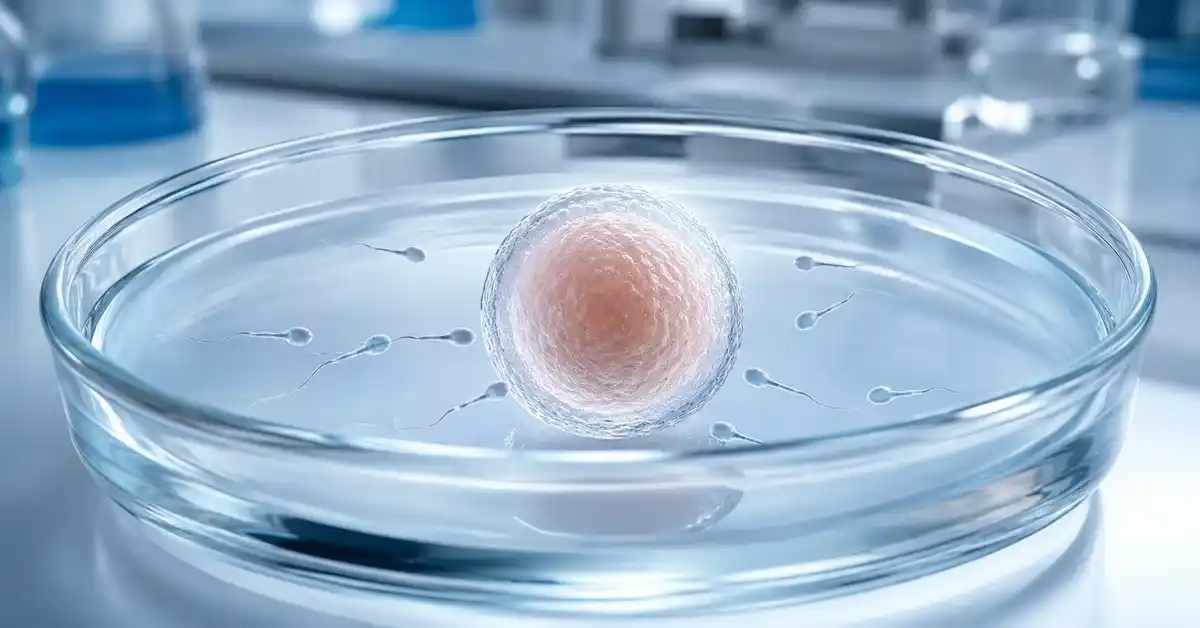
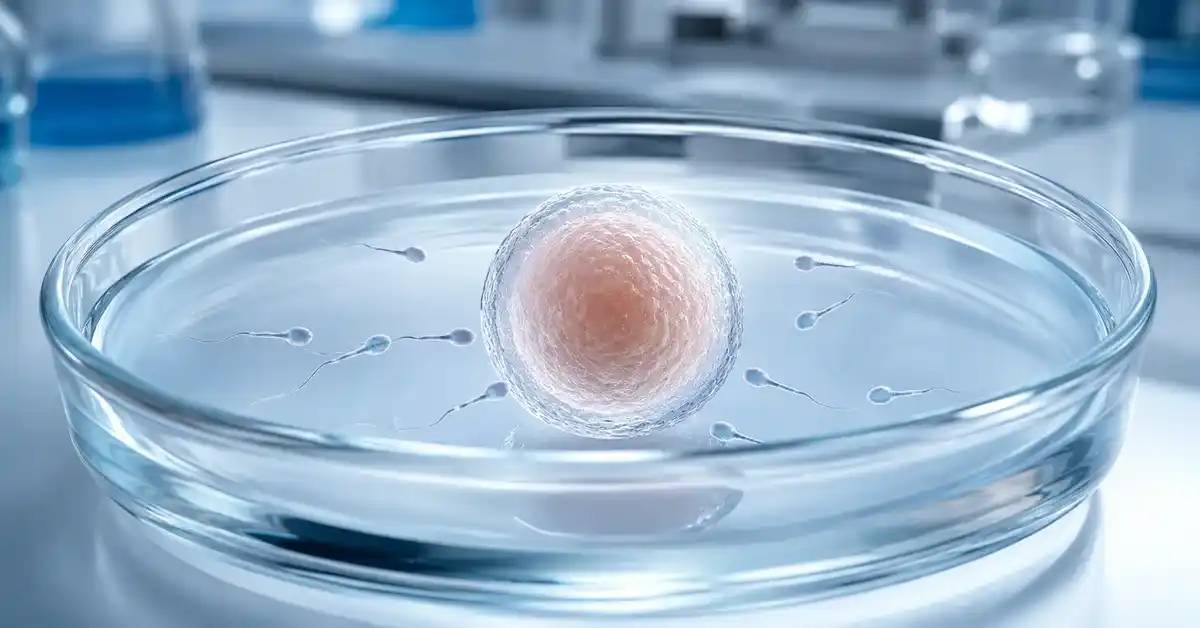
The IVF procedure is one of the most advanced fertility treatments available for couples who face difficulty achieving pregnancy naturally. It may be recommended when infertility is related to blocked fallopian tubes, ovulation disorders, male factor infertility, endometriosis, unexplained infertility, advanced maternal age, or previous unsuccessful fertility treatments. Although many people think of IVF as one procedure, it is actually a step-by-step treatment journey that includes ovarian stimulation, egg retrieval, egg fertilization, embryo development, embryo transfer, and pregnancy testing.
At Safemedigo, couples are guided through IVF stages in a clear and organized way before treatment begins. Understanding the process helps reduce anxiety and allows patients to follow medication schedules, monitoring visits, and medical instructions more confidently. It also helps couples understand the difference between IVF vs ICSI, when embryo freezing may be suggested, and when preimplantation genetic testing may be discussed for selected cases.
This article explains the IVF procedure from fertilization to embryo transfer, including ovarian stimulation drugs, egg retrieval, conventional fertilization, Intracytoplasmic sperm injection (ICSI), embryo freezing, IVF pregnancy test timing, IVF success rate, IVF cost factors, complications, and practical IVF success tips.
Introduction to IVF Procedure
The IVF procedure is a fertility treatment in which eggs are collected from the ovaries and fertilized with sperm in a laboratory. After fertilization, the embryos are monitored as they develop. One embryo, or sometimes more depending on medical and legal guidance, may then be transferred into the uterus. If suitable embryos remain, embryo freezing may be considered for future use.
IVF stages are carefully connected. A strong ovarian stimulation plan can help produce mature eggs. Proper egg retrieval allows the laboratory to work with available eggs safely. Fertilization quality influences embryo development. Embryo transfer timing and uterine preparation can affect implantation. This is why IVF requires a coordinated team, including a fertility specialist, embryology laboratory, nurses, and follow-up coordinators.
The basic IVF treatment cycle usually includes ovarian stimulation, egg retrieval, fertilization, embryo culture, and embryo transfer, and embryo freezing may be used when appropriate.
What is the IVF procedure?
The IVF procedure is a form of assisted reproductive treatment where fertilization happens outside the body. After ovarian stimulation, mature eggs are retrieved from the ovaries and then fertilized in the laboratory using either conventional fertilization or Intracytoplasmic sperm injection (ICSI). The fertilized eggs, called embryos, are then monitored for development.
Once the embryo reaches the appropriate stage, embryo transfer is performed by placing the embryo into the uterus through a thin catheter. If implantation occurs, pregnancy may begin. The IVF pregnancy test is usually done later through a blood test, not immediately after transfer.
IVF does not guarantee pregnancy, but it gives doctors and embryologists the ability to manage several important steps of reproduction more closely. It is often used when natural conception is unlikely or when other fertility treatments have not succeeded.
Why is IVF performed?
IVF is performed when a couple has difficulty conceiving naturally or when simpler treatments are unlikely to be effective. The reason may come from the female partner, male partner, both partners, or may remain unexplained after standard fertility testing.
IVF may be recommended in cases such as:
- Blocked or damaged fallopian tubes.
- Severe ovulation problems.
- Endometriosis.
- Male factor infertility.
- Unexplained infertility.
- Advanced maternal age.
- Low ovarian reserve.
- Previous failed fertility treatments.
- Need for ICSI due to sperm-related factors.
- Need for embryo assessment in the laboratory.
The decision to start IVF should be based on medical evaluation, not only the duration of infertility. A good treatment plan considers age, ovarian reserve, semen analysis, uterine health, previous pregnancies, previous treatments, and the couple’s expectations.
Read about: Differences Between IVF and ICSI Fertilization Techniques
Stage 1: Ovarian Stimulation
Ovarian stimulation is the first active stage of the IVF procedure. In a natural menstrual cycle, usually one egg matures and is released. During IVF, ovarian stimulation drugs are used to encourage the ovaries to develop multiple follicles, with the goal of retrieving more than one mature egg for fertilization.
The stimulation plan is personalized. A woman with low ovarian reserve may need a different protocol than a woman with polycystic ovary syndrome or a high response risk. The doctor monitors follicle growth through ultrasound and may also request hormone blood tests. This helps decide whether medication doses should be adjusted and when the final trigger injection should be given.
ESHRE’s ovarian stimulation guidance for IVF/ICSI covers pre-stimulation assessment, pituitary suppression, gonadotropin stimulation, and response monitoring, reflecting how individualized this stage can be.
Ovarian stimulation drugs
Ovarian stimulation drugs are medications used to help several follicles grow at the same time. These medications are usually given as injections, and the type and dose depend on age, ovarian reserve, previous response, hormone levels, and the risk of over-response.
A stimulation plan may include medications that stimulate follicle growth, medications that prevent premature ovulation, and a final trigger injection that prepares the eggs for retrieval. Timing is very important. If the trigger is too early or too late, egg maturity may be affected.
Patients should follow medication instructions carefully and avoid changing doses without medical guidance. They should also report unusual symptoms such as severe bloating, strong pelvic pain, shortness of breath, or sudden weight gain, because these may suggest complications such as ovarian hyperstimulation syndrome in some cases.
Monitoring egg development
Monitoring egg development is essential during ovarian stimulation. The doctor uses ultrasound to measure follicle size and count the developing follicles. Hormone blood tests may be used to check the body’s response and guide medication adjustments.
Monitoring helps the fertility team decide:
- Whether the ovaries are responding well.
- Whether medication doses need adjustment.
- When the follicles are likely mature.
- When to give the trigger injection.
- Whether there is a risk of over-response.
- Whether the cycle should continue as planned.
- Whether a fresh transfer or freeze-all approach may be safer.
Good monitoring is one of the important IVF success factors because it helps improve timing and reduce avoidable risks. Patients should attend appointments on time and keep the medical team informed about symptoms, missed doses, or concerns.
Read about: Step-by-Step Guide to the In Vitro Fertilization (IVF) Process
Stage 2: Egg Retrieval
Egg retrieval is the procedure in which mature eggs are collected from the ovaries after stimulation. It is usually scheduled after the trigger injection at a carefully chosen time. The timing matters because eggs must be mature enough for fertilization but not released before retrieval.
During egg retrieval, the doctor usually uses ultrasound guidance and a thin needle inserted through the vaginal wall to reach the follicles. Fluid is aspirated from each follicle, and the embryology team checks the fluid for eggs. The number of eggs retrieved varies from patient to patient and depends on age, ovarian reserve, stimulation response, and follicle development.
Egg retrieval is a key step, but it is only one part of the IVF duration. The full cycle includes days of stimulation, monitoring, laboratory work, embryo development, transfer, and pregnancy testing.
Egg retrieval procedure
The egg retrieval procedure is usually performed in a procedure room or operating setting. The patient is positioned comfortably, and ultrasound guidance is used to help the doctor access the follicles. A needle gently removes the follicular fluid, which is immediately examined by the embryology laboratory to identify eggs.
Not every follicle contains an egg, and not every retrieved egg is mature. This is normal. After retrieval, the embryology team assesses how many eggs are suitable for fertilization. The patient usually rests for a short period before going home with aftercare instructions.
Mild symptoms after egg retrieval may include:
- Light cramping.
- Bloating.
- Mild spotting.
- Temporary tiredness.
- Pelvic discomfort.
- Nausea from anesthesia in some patients.
Severe pain, heavy bleeding, fever, fainting, or breathing difficulty should be reported to the medical team immediately.
Anesthesia during egg retrieval
Anesthesia during egg retrieval helps make the procedure more comfortable. Many clinics use light sedation or intravenous anesthesia, but the exact approach depends on the patient’s health, clinic protocol, and anesthesiologist’s evaluation. The goal is to minimize pain and anxiety while keeping the procedure safe.
Before anesthesia, the patient is usually asked about allergies, previous anesthesia experiences, chronic diseases, medications, and fasting status. Following fasting instructions is important for safety. After retrieval, the patient should not drive the same day and should ideally have someone accompany her.
Egg retrieval is generally a short procedure, but anesthesia makes recovery instructions important. Patients should rest, drink fluids if allowed, follow pain medication guidance, and contact the clinic if symptoms become unusual or severe.
Read about: Reasons for IVF Failure and Proven Ways to Improve Success Rates
Stage 3: Egg Fertilization
After egg retrieval, the laboratory begins the egg fertilization stage. Mature eggs are prepared, and the sperm sample is processed. The embryology team then decides, based on the treatment plan, whether to use conventional fertilization or Intracytoplasmic sperm injection (ICSI).
Conventional fertilization places eggs and sperm together in the laboratory, allowing fertilization to occur without direct injection. ICSI involves injecting one sperm directly into a mature egg using a microscopic needle. The choice depends on semen analysis, previous fertilization history, egg number, and the clinic’s laboratory policy.
After fertilization, the eggs are checked to confirm normal fertilization and early embryo development. In selected cases, preimplantation genetic testing may be discussed, but it is not required for every IVF procedure.
Conventional fertilization
Conventional fertilization is the traditional IVF method. Mature eggs are placed with prepared sperm in a laboratory dish under controlled conditions. The sperm must reach and penetrate the egg naturally within the lab environment. The next day, the embryology team checks whether fertilization has occurred.
This method may be suitable when sperm count, motility, and morphology are acceptable and there is no previous history of failed fertilization. However, it may not be ideal when there is significant male factor infertility or when the number of eggs is limited and the team wants to maximize fertilization chances.
IVF vs ICSI becomes especially important at this point. Conventional IVF depends on sperm entering the egg on its own, while ICSI directly assists fertilization by injecting a sperm into the egg.
Intracytoplasmic sperm injection (ICSI)
Intracytoplasmic sperm injection (ICSI) is a laboratory technique in which one selected sperm is injected directly into a mature egg. It is commonly used when sperm count is low, sperm movement is weak, sperm shape is abnormal, previous fertilization failed, or surgically collected sperm is used.
ICSI can help achieve fertilization in cases where conventional IVF may be less effective. However, ICSI does not guarantee embryo quality or pregnancy. Egg quality, sperm DNA integrity, embryo development, laboratory standards, uterine health, and embryo transfer technique remain important.
Couples should ask whether ICSI is included in their IVF package or billed separately, because IVF cost may vary depending on whether ICSI is part of the treatment plan. The decision should be based on medical need, not cost alone.
Preimplantation genetic testing
Preimplantation genetic testing is a laboratory test performed on a small sample of embryo cells before embryo transfer. It may be discussed in selected situations, such as known genetic disease risk, recurrent pregnancy loss, advanced maternal age, or repeated IVF failure, depending on the doctor’s assessment.
Preimplantation genetic testing is not a routine requirement for every IVF cycle. It does not guarantee pregnancy and may not be useful if few embryos are available or if there is no clear medical reason. The decision should be individualized.
Couples should discuss:
- Why the test is being recommended.
- Whether it applies to their case.
- How many embryos may be tested.
- What the test can and cannot detect.
- Whether results will change transfer planning.
- Cost and timing implications.
- Possible emotional impact if no embryo is suitable for transfer.
Used appropriately, preimplantation genetic testing can support decision-making in selected cases.
Read about: IVF Procedure with Egg Freezing: Step-by-Step Explanation
Stage 4: Embryo Development
After fertilization, embryos are monitored in the laboratory as they grow and divide. This stage may last until day 3 or day 5, depending on embryo number, embryo quality, clinic policy, and the medical plan. Some embryos continue to develop well, while others may stop growing naturally.
Embryo development is one of the most important IVF stages because it helps the embryology team select the embryo most suitable for transfer or freezing. Not every fertilized egg becomes a transferable embryo. This is expected and does not automatically mean something went wrong.
Embryo culture requires a high-quality laboratory environment, careful handling, and experienced embryologists. If extra good-quality embryos are available, embryo freezing may be recommended for future use.
Monitoring embryo growth
Monitoring embryo growth involves observing how embryos divide and develop over the days after fertilization. Embryologists assess cell number, symmetry, fragmentation, and progression toward the blastocyst stage. By day 5 or 6, some embryos may reach the blastocyst stage, which can be suitable for transfer or freezing.
Embryo grading helps guide selection, but it is not a perfect prediction of pregnancy. A good-looking embryo may not always implant, and some embryos with moderate grading may still lead to pregnancy. The decision depends on the full clinical picture.
Monitoring embryo growth helps the team:
- Choose the best embryo for transfer.
- Decide whether day 3 or day 5 transfer is better.
- Identify embryos suitable for freezing.
- Understand previous IVF failure factors.
- Plan future cycles if needed.
- Communicate realistic expectations to the couple.
Embryo freezing
Embryo freezing is the process of preserving suitable embryos at very low temperatures for future use. It may be recommended when there are extra good-quality embryos after transfer selection, or when the doctor decides that transfer should be postponed for medical reasons.
Embryo freezing may be considered when:
- There are additional good-quality embryos.
- The patient has a high risk of ovarian hyperstimulation.
- Hormone levels are not ideal for fresh transfer.
- The uterine lining is not ready.
- Preimplantation genetic testing is planned.
- A freeze-all strategy is medically safer.
- Future transfer attempts may be needed.
Embryo freezing can reduce the need to repeat ovarian stimulation and egg retrieval if another transfer is needed. However, it does not guarantee pregnancy. Couples should ask about freezing policy, storage duration, thawing survival rates, and any related IVF cost factors.
Read about: Embryo Freezing in IVF: Key Benefits and Opportunities for Couples
Stage 5: Embryo Transfer
Embryo transfer is the stage in which the selected embryo is placed into the uterus through a thin catheter. It is usually a short and simple procedure that does not require anesthesia in most cases. Timing depends on embryo stage, endometrial preparation, hormone levels, and the doctor’s plan.
Embryo transfer can be fresh or frozen. A fresh transfer is performed in the same cycle as egg retrieval, while a frozen embryo transfer is done later after the embryo has been thawed. Neither approach is best for every patient. The decision depends on ovarian response, uterine lining, hormone levels, risk of complications, and embryo availability.
After embryo transfer, the patient continues prescribed medications and waits until the scheduled IVF pregnancy test. Testing too early can create confusion and unnecessary stress.
Embryo transfer procedure
The embryo transfer procedure is usually performed while the patient is awake. A thin catheter is passed through the cervix into the uterus, and the embryo is gently placed inside the uterine cavity. Ultrasound guidance may be used to help improve placement accuracy.
Most patients feel little or no pain, though mild discomfort or pressure can occur. After the procedure, the patient may rest briefly and then return to normal light activity. Strict bed rest is usually not required unless the doctor gives specific instructions.
After embryo transfer, patients are usually advised to:
- Continue all prescribed medications.
- Avoid intense physical activity.
- Avoid early pregnancy testing.
- Eat a balanced diet.
- Stay hydrated if medically allowed.
- Avoid smoking and alcohol.
- Contact the clinic if severe pain or heavy bleeding occurs.
The goal is to support the body without creating unnecessary fear around normal daily movement.
Number of embryos transferred
The number of embryos transferred depends on age, embryo quality, previous IVF history, local regulations, uterine health, and the risk of multiple pregnancy. Transferring more embryos may increase the chance of twins or higher-order pregnancy, which can carry higher risks for both mother and babies.
In many cases, transferring one good-quality embryo may be the safest choice, especially when the embryo has strong development potential. In other cases, the doctor may discuss transferring more than one embryo based on age, embryo quality, and previous failed attempts.
Factors that affect the decision include:
- Woman’s age.
- Embryo quality.
- Day of embryo development.
- Previous IVF outcomes.
- Availability of frozen embryos.
- Risk of multiple pregnancy.
- Uterine health.
- Medical and legal guidance.
The goal is not only a positive pregnancy test, but a healthy pregnancy and safe outcome.
Read about: IVF Cost in Turkey and the Gulf: Complete Guide for Couples
Stage 6: Pregnancy Test and Follow-up
After embryo transfer, the waiting period before the IVF pregnancy test can feel emotionally intense. Many patients notice symptoms and wonder whether they indicate pregnancy. However, symptoms after transfer are not reliable because progesterone and other medications may cause breast tenderness, bloating, cramps, or fatigue.
The doctor will schedule the pregnancy test at the appropriate time. A blood test measuring beta-hCG is usually preferred because it provides a more accurate result than early home urine testing. If the result is positive, the test may be repeated to check whether the hormone level is rising properly. If negative, the doctor will guide medication changes and discuss next steps.
HFEA notes that after embryo transfer, patients are given a test date and should avoid testing too early because medication can affect the result.
When to perform an IVF pregnancy test?
An IVF pregnancy test should be performed on the date recommended by the fertility clinic. The timing depends on whether the embryo was transferred on day 3 or day 5, the medications used, and clinic protocol. Blood beta-hCG testing is usually more reliable than early home urine testing.
Testing too early may lead to false reassurance or unnecessary anxiety. A very early negative test does not always mean the cycle has failed, and a very early unclear result may need repeat testing. Patients should continue medications until the clinic gives instructions.
During the waiting period, patients should:
- Continue prescribed medications.
- Avoid stopping progesterone early.
- Avoid repeated home testing.
- Avoid overinterpreting symptoms.
- Contact the clinic for heavy bleeding or severe pain.
- Attend the scheduled blood test.
Patience during this period is difficult but important for accurate results.
What to do after test results?
After test results, the next step depends on whether the beta-hCG is positive, negative, or borderline. If positive, the clinic may repeat the blood test to confirm rising levels and later schedule an ultrasound to check the pregnancy location and early development. Medications are usually continued as instructed.
If the result is negative, the patient should not stop medication unless the clinic advises it. The medical team will usually review the cycle details, including stimulation response, egg number, fertilization, embryo quality, transfer procedure, and uterine lining. This review can help guide the next attempt.
If frozen embryos are available, a frozen embryo transfer may be planned later. If not, the doctor may discuss whether a new stimulation cycle is recommended and what changes could improve the next treatment plan.

IVF Success Rate
IVF success rate varies widely between couples because it depends on many medical and laboratory factors. The woman’s age is one of the strongest predictors, but it is not the only one. Egg quality, sperm quality, embryo development, uterine health, laboratory standards, transfer technique, and previous treatment history all influence outcomes.
Couples should understand that IVF success rate is an estimate, not a promise. A younger woman with good-quality embryos and a healthy uterus may have a higher chance, while older age, low ovarian reserve, severe sperm issues, or repeated failure may reduce the likelihood of success.
The most helpful approach is not to rely only on general statistics. Instead, couples should ask for a personalized assessment based on their diagnosis, test results, and previous history.
Factors affecting success
Factors affecting success in IVF include medical, biological, and technical elements. Some cannot be changed, such as age, while others can be improved, such as smoking, weight, thyroid control, diabetes management, and medication adherence.
Important IVF success factors include:
- Woman’s age.
- Ovarian reserve.
- Egg quality.
- Sperm quality.
- Embryo quality.
- Uterine lining.
- Presence of uterine problems.
- Embryology laboratory quality.
- Doctor experience.
- Embryo transfer technique.
- Lifestyle factors.
- Chronic disease control.
- Previous IVF response.
IVF failure factors may include poor embryo quality, uterine issues, chromosomal abnormalities, difficult transfer, inadequate response to stimulation, or uncontrolled medical conditions. Identifying these factors can help improve future planning.
IVF success tips
IVF success tips focus on improving the factors that can be changed while following medical guidance. There is no guaranteed method to ensure pregnancy, but careful preparation can support better treatment conditions.
Helpful IVF success tips include:
- Choose an experienced fertility center.
- Follow ovarian stimulation drugs exactly as prescribed.
- Attend monitoring appointments on time.
- Improve lifestyle before treatment.
- Stop smoking.
- Manage weight, thyroid, diabetes, and other chronic conditions.
- Eat a balanced diet.
- Sleep well.
- Avoid excessive physical strain during sensitive stages.
- Avoid early pregnancy testing.
- Ask the doctor before taking supplements.
- Keep communication clear with the clinic.
Success depends on cooperation between the couple and the medical team. Each IVF stage matters, so small details can support the overall plan.
Read about: Role of Nutrition in Enhancing IVF Success Rates
Cost and Available Options
IVF cost varies depending on country, city, clinic, doctor experience, treatment plan, medications, laboratory services, need for ICSI, embryo freezing, and preimplantation genetic testing when medically indicated. Because every case is different, a single fixed cost cannot apply to all couples.
When asking about IVF cost, couples should request a detailed written explanation of what is included. Some packages include only the basic medical procedure, while medications, freezing, storage, additional tests, transport, or accommodation may be separate. Clear financial planning reduces stress during treatment.
Available treatment options also differ between cases. Some couples may need conventional IVF, while others may require ICSI, frozen embryo transfer, embryo freezing, or uterine treatment before transfer. The right option should be based on medical evaluation.
IVF cost
IVF cost includes more than egg retrieval or embryo transfer. It may include the consultation, baseline tests, ovarian stimulation drugs, monitoring visits, hormone blood tests, egg retrieval, anesthesia, fertilization, embryo culture, embryo transfer, freezing, storage, and follow-up.
Factors that affect IVF cost include:
- Patient age and ovarian response.
- Medication dose.
- Number of monitoring visits.
- Conventional IVF or ICSI.
- Need for embryo freezing.
- Need for preimplantation genetic testing.
- Embryo storage duration.
- Clinic and laboratory standards.
- International patient services.
- Translation, transportation, and accommodation support.
Couples should compare full treatment packages, not only headline prices. A lower starting cost may become higher if essential services are excluded.
Available treatment options
Available treatment options depend on the cause of infertility, previous treatment history, age, ovarian reserve, sperm quality, uterine health, and embryo development. A personalized plan gives couples a better understanding of what is medically suitable.
Options that may be discussed include:
- Conventional IVF.
- Intracytoplasmic sperm injection (ICSI).
- Fresh embryo transfer.
- Frozen embryo transfer.
- Embryo freezing.
- Preimplantation genetic testing when medically justified.
- Modified ovarian stimulation protocol.
- Uterine evaluation before transfer.
- Additional sperm evaluation when needed.
- Careful review after failed attempts.
At Safemedigo, patients are supported in understanding which pathway best fits their case. The goal is not to use every available option, but to choose the option that matches the diagnosis and improves clarity during treatment.
Read about: Proper Nutrition for Women After IVF
Conclusion
The IVF procedure includes several connected stages: ovarian stimulation, egg retrieval, egg fertilization, embryo development, embryo transfer, and pregnancy testing. Each stage contributes to the final outcome, which is why IVF requires careful planning, regular monitoring, and communication between the couple and the fertility team.
Understanding IVF vs ICSI, embryo freezing, preimplantation genetic testing, IVF complications, IVF success rate, IVF failure factors, IVF duration, and IVF cost helps couples make more confident and informed decisions. No step should be rushed, and no additional technique should be used without a clear medical reason.
Frequently Asked Questions: IVF Procedure Explained: From Fertilization to Embryo Transfer
What are the main IVF stages?
The main IVF stages include ovarian stimulation, monitoring egg development, egg retrieval, egg fertilization, embryo development, embryo transfer, and an IVF pregnancy test. Some cases may also include embryo freezing or preimplantation genetic testing when medically appropriate.
What is the difference between IVF and ICSI?
IVF vs ICSI differs mainly in the fertilization method. In conventional IVF, eggs and sperm are placed together in the laboratory. In ICSI, one sperm is injected directly into a mature egg. ICSI is often used when sperm quality is reduced or fertilization problems are expected.
Is anesthesia needed for embryo transfer?
Embryo transfer usually does not require anesthesia because it is a simple procedure performed with a thin catheter through the cervix. Most patients feel little discomfort. Anesthesia is generally used for egg retrieval, not routine embryo transfer.
When should an IVF pregnancy test be done?
An IVF pregnancy test should be done on the date recommended by the clinic. A blood beta-hCG test is usually preferred. Testing too early may give unclear or misleading results, especially because fertility medications can affect symptoms and sometimes early test interpretation.
What are the most important IVF success tips?
Important IVF success tips include choosing an experienced fertility center, following medication instructions, attending monitoring visits, improving lifestyle, avoiding smoking, managing chronic diseases, eating well, avoiding early testing, and discussing all supplements or concerns with the doctor.