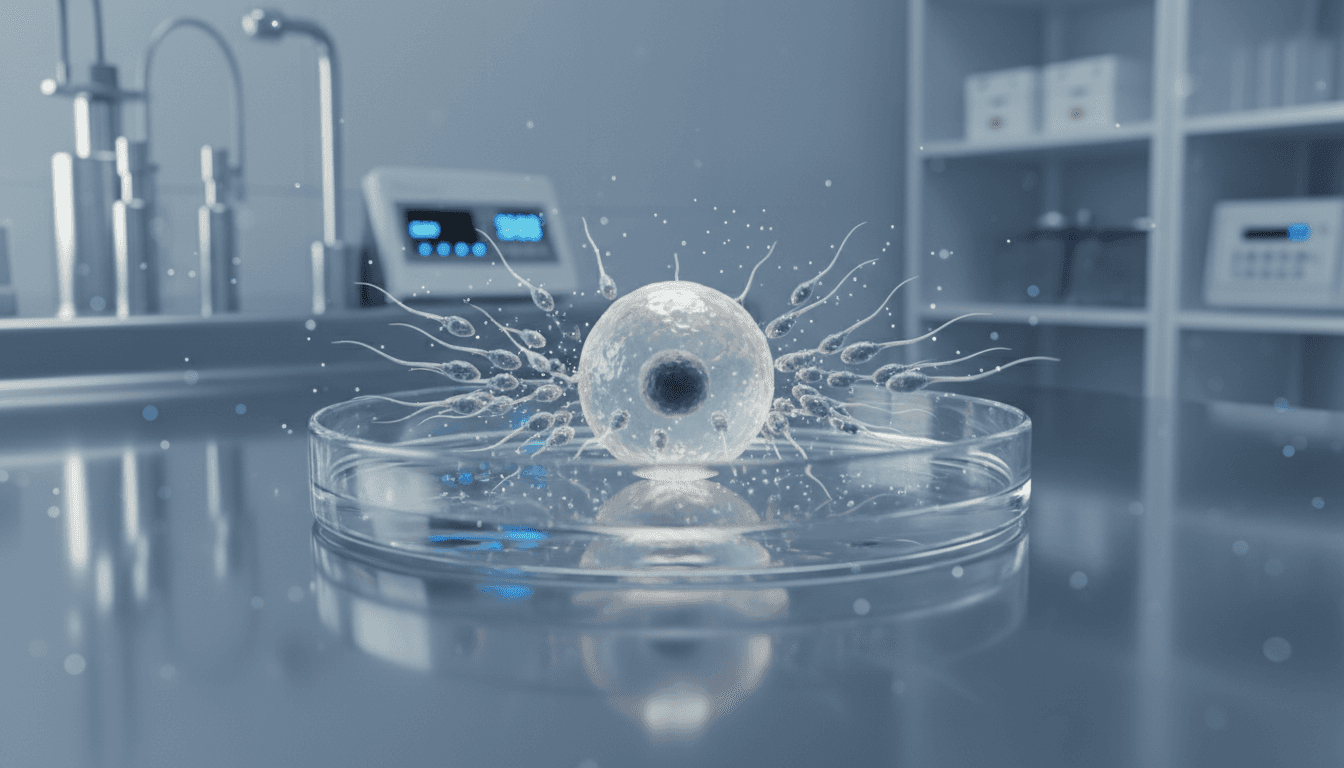






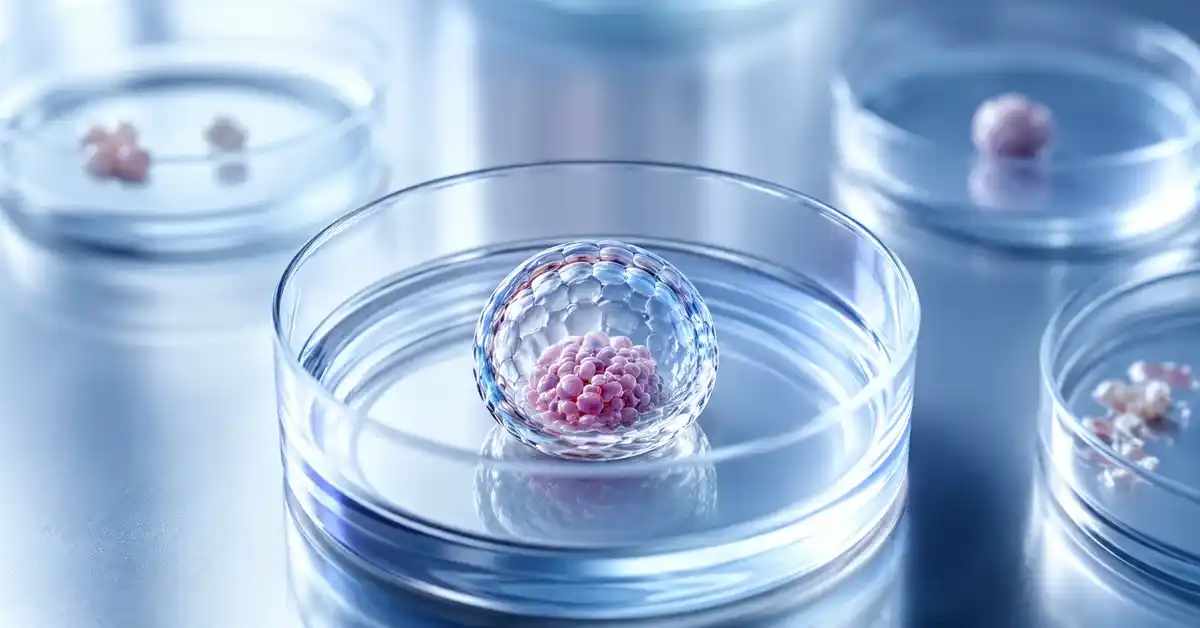
IVF failure can be emotionally painful and medically confusing, especially when couples begin treatment with high hopes. Although IVF and ICSI technologies have advanced significantly, success depends on many connected factors, including the woman’s age, egg and sperm quality, embryo development, uterine health, embryo transfer technique, hormonal balance, lifestyle, and the experience of the fertility team.
At Safemedigo, IVF failure is approached through careful review rather than repeating the same treatment plan without analysis. A previous failed cycle can provide valuable information: ovarian response, number of retrieved eggs, mature egg count, fertilization rate, embryo quality, embryo transfer day, endometrial thickness, hormone levels, sperm quality, and any difficulties during transfer. Understanding these details can help improve IVF success in future attempts.
This article explains the most common IVF failure reasons, ICSI failure reasons, IVF success factors, IVF failure over 40, ways to improve embryo quality in IVF, IVF success after the first failed attempt, and how to cope with IVF failure. The goal is to help couples move from disappointment toward a clearer, more personalized treatment plan.
What are the reasons for IVF failure?
IVF failure reasons are rarely limited to one single cause. Sometimes the problem is related to embryo quality, while in other cases the uterus may not be ready for implantation. Sperm quality, chromosomal abnormalities, hormonal imbalance, immune concerns, embryo transfer timing, or laboratory factors may also contribute. In some cases, all visible results appear good, yet pregnancy does not occur because implantation is a highly complex biological process.
IVF failure does not necessarily mean that treatment is impossible or that the couple cannot succeed in a future attempt. The first cycle often helps doctors understand how the ovaries respond to stimulation, how embryos develop, and whether the uterus is ready for transfer. This information can guide the next plan.
Recurrent implantation failure should be assessed carefully, and the European Society of Human Reproduction and Embryology emphasizes that repeated failure after embryo transfer requires structured evaluation of embryo, uterine, parental, and treatment-related factors rather than one general explanation.
Women’s age and its effect on IVF success
Women’s age is one of the strongest IVF success factors. As age increases, egg number and egg quality gradually decline, especially after the mid-thirties, and the effect becomes more significant after 40. Lower egg quality can lead to fewer embryos, slower embryo development, reduced implantation potential, and a higher chance of miscarriage.
IVF failure over 40 is often linked to reduced ovarian reserve and a higher rate of chromosomal abnormalities in embryos. A woman may still produce eggs, but a higher proportion may not have the correct chromosomal balance needed for normal embryo development and implantation.
This does not mean pregnancy is impossible after 40, but expectations must be realistic. To improve IVF success at this age, the treatment plan should be individualized, time should not be wasted, ovarian reserve should be assessed carefully, and every modifiable factor should be optimized before the cycle begins.
Embryo quality and influencing factors
Embryo quality is central to IVF success. Even when a good number of eggs are retrieved, embryos may differ in their ability to fertilize, divide, reach blastocyst stage, and implant. Therefore, embryo number alone is not enough. Embryo development pattern, grading, laboratory conditions, and the medical history of the couple should all be considered.
Factors that may affect embryo quality include:
- Women’s age and egg quality.
- Sperm quality and DNA integrity.
- Fertilization method.
- Embryology laboratory standards.
- Culture conditions.
- Genetic or chromosomal abnormalities.
- Lifestyle before treatment.
- Chronic inflammation or untreated medical conditions.
Improve embryo quality in IVF begins before the cycle. Couples may need lifestyle optimization, medical evaluation, sperm analysis, infection treatment if present, and a strong embryology laboratory. While no method can guarantee excellent embryos, improving the biological and laboratory environment may increase IVF pregnancy chances.
Uterine problems and their impact on implantation
Uterine problems can contribute to IVF failure even when embryo quality appears good. Implantation requires a healthy uterine lining, suitable timing, good blood flow, and a receptive endometrial environment. If the uterus is not ready, the embryo may fail to implant.
Possible uterine factors include:
- Endometrial polyps.
- Fibroids affecting the uterine cavity.
- Intrauterine adhesions.
- Uterine septum.
- Chronic endometritis.
- Thin endometrium.
- Fluid inside the uterus.
- Hydrosalpinx.
- Poor timing of endometrial preparation.
In repeated IVF failure, the doctor may recommend ultrasound evaluation, hysteroscopy, infection assessment, or other uterine tests depending on the case. Treating a uterine problem before transfer may help improve IVF success rates when the uterus is the limiting factor.
Genetic and chromosomal factors
Genetic and chromosomal factors are important causes of implantation failure and early miscarriage after IVF. An embryo may look good under the microscope, but still carry chromosomal abnormalities that prevent implantation or cause pregnancy loss.
The likelihood of chromosomal errors increases with maternal age, but they can also occur in younger women. In cases of repeated IVF failure, repeated miscarriage, advanced maternal age, or specific family history, the doctor may discuss genetic testing options.
Preimplantation genetic testing can help in selected situations, but it should not be used automatically for every couple. ASRM notes that the value of PGT-A as a routine screening test for all IVF patients has not been demonstrated, so decisions should be individualized rather than applied universally.
Read about: Differences Between IVF and ICSI Fertilization Techniques
How to improve IVF success rates
How to improve IVF success rates starts with accurate diagnosis and personalized planning. Success is not determined only on embryo transfer day. It begins with medical evaluation, ovarian stimulation strategy, sperm assessment, laboratory quality, uterine preparation, embryo selection, and follow-up after transfer.
Improve IVF success does not mean using every available add-on. It means choosing the right intervention for the right patient. One couple may need a different stimulation protocol, another may need uterine treatment, another may need deeper sperm evaluation, and another may benefit from freezing embryos and transferring later in a better-prepared cycle.
At Safemedigo, the focus is on using previous cycle information to improve the next plan. Repeating the same protocol without reviewing IVF failure reasons may reduce the chance of identifying correctable factors.
Choosing the right medical center
Choosing the right medical center is one of the most important IVF success tips. A strong fertility center is not only about the doctor; it includes the embryology laboratory, nursing team, ultrasound monitoring, anesthesia support, and follow-up system. The laboratory, in particular, plays a major role in embryo culture and embryo selection.
When choosing a center after IVF failure or repeated ICSI failure, couples should consider:
- Experience with similar cases.
- Embryology laboratory quality.
- Clear explanation of treatment plans.
- Review of previous IVF records.
- Honest success expectations.
- Individualized ovarian stimulation.
- Careful uterine assessment.
- Communication during and after the cycle.
The best center is not necessarily the most expensive. It is the center that studies the case carefully, explains the plan clearly, and avoids giving unrealistic guarantees.
Proper nutrition and its effect on success
Proper nutrition does not guarantee pregnancy, but it can support general reproductive health. A balanced diet may help improve metabolic health, reduce inflammation, support egg and sperm quality, and prepare the body for treatment.
Helpful nutrition habits include:
- Eating high-quality protein such as eggs, fish, legumes, and lean poultry.
- Increasing vegetables and antioxidant-rich fruits.
- Choosing healthy fats such as olive oil, nuts, and avocado.
- Reducing added sugar and processed foods.
- Drinking enough water.
- Avoiding smoking and alcohol.
- Managing weight before treatment when possible.
IVF success tips should include nutrition as part of a wider medical plan, not as a replacement for fertility care. A healthy diet can support treatment, but medical decisions remain the foundation of improving success.
Mental well-being and its impact on IVF
Mental well-being is important during IVF because the process can be stressful, emotionally intense, and physically demanding. Stress alone is not usually considered the direct cause of IVF failure, but uncontrolled anxiety can affect sleep, medication adherence, communication, and the couple’s ability to continue treatment calmly.
Increase IVF pregnancy chances by supporting emotional stability does not mean the patient must feel positive all the time. It means creating a manageable environment during treatment.
Helpful steps include:
- Understanding treatment stages before starting.
- Asking the medical team clear questions.
- Avoiding comparison with other patients.
- Limiting random online searching.
- Practicing breathing or relaxation exercises.
- Taking light walks if medically allowed.
- Seeking professional psychological support when needed.
Mental well-being helps couples cope with uncertainty and continue treatment with more clarity.
NK cell therapy
NK cell therapy is sometimes discussed in cases of repeated IVF failure, especially when immune factors are suspected. However, it should be approached carefully. The evidence supporting routine immune testing and immune treatments for most fertility patients remains limited.
HFEA lists immunological tests and treatments among fertility add-ons and explains that add-ons require evidence-based evaluation before being promoted as improving the chance of having a baby. For this reason, NK cell therapy should not be used simply because one IVF attempt failed.
Before considering immune treatments, doctors should first review embryo quality, uterine cavity, endometrial preparation, sperm quality, hormonal issues, and previous cycle details. Immune therapy may be discussed only in selected cases with clear medical reasoning, realistic expectations, and full explanation of benefits, risks, and limitations.
Read about: Step-by-Step Guide to the In Vitro Fertilization (IVF) Process
ICSI failure reasons and solutions
ICSI failure reasons may overlap with IVF failure reasons, but ICSI adds special focus on sperm quality, egg quality, fertilization technique, and embryo development after injection. ICSI helps sperm enter the egg, but it does not guarantee normal embryo development or implantation.
ICSI failure reasons and solutions depend on reviewing the previous cycle carefully. Doctors should examine the number of mature eggs, fertilization rate, embryo quality, embryo transfer day, uterine lining, and sperm analysis. In selected cases, sperm DNA fragmentation testing or andrology evaluation may be useful.
Improve ICSI success requires cooperation between the fertility doctor, embryology team, and male fertility specialist when needed. The solution should be based on the reason for failure, not on adding treatments randomly.
Sperm quality and its influence
Sperm quality affects ICSI success in more ways than count and motility. Morphology, DNA integrity, oxidative stress, infections, varicocele, smoking, obesity, heat exposure, and hormonal problems can all affect the sperm’s contribution to embryo development.
Factors that may reduce sperm quality include:
- Smoking.
- Obesity.
- Heat exposure.
- Varicocele.
- Genital infections.
- Certain medications.
- Chronic stress.
- Hormonal imbalance.
- High sperm DNA fragmentation.
Tips to increase ICSI success rates include careful semen analysis, treating infections if present, improving lifestyle, avoiding heat exposure, and seeking andrology consultation if abnormalities are significant. In some cases, improving sperm quality before the cycle may support better embryo development.
Embryo transfer techniques and their effect on success
Embryo transfer technique can affect success because this is the final step where the embryo is placed into the uterus. Even when embryo quality is good, transfer difficulty, poor timing, uterine contractions, fluid in the cavity, or an unsuitable lining may reduce implantation chances.
Important embryo transfer factors include:
- Correct transfer timing.
- Suitable endometrial thickness and pattern.
- Gentle catheter placement.
- Use of ultrasound guidance when needed.
- Avoiding unnecessary uterine manipulation.
- Postponing transfer if the lining is not ideal.
- Considering frozen embryo transfer when medically better.
- Reviewing previous difficult transfers.
Repeated ICSI failure may not always be caused by embryos alone. Sometimes transfer timing, uterine preparation, or technical transfer details need to be improved before the next attempt.
Preimplantation genetic testing (PGT)
Preimplantation genetic testing (PGT) may be considered in selected cases, especially when there is a known inherited condition, repeated pregnancy loss, advanced maternal age, or repeated IVF failure depending on the doctor’s evaluation. It can help assess embryos before transfer in specific situations.
However, PGT is not a universal solution. It does not guarantee pregnancy, and it may not improve live birth chances for every patient. HFEA notes that evidence for PGT-A improving the chance of having a baby in older women is rated grey, meaning there is insufficient moderate or high-quality evidence for that specific outcome.
Couples should ask why PGT is being recommended, whether it will change the treatment plan, how many embryos are available, what the test can and cannot detect, and whether the potential benefit applies to their case.
Read about: IVF Procedure Explained: From Fertilization to Embryo Transfer
Tips to increase ICSI success rates
Tips to increase ICSI success rates begin before egg retrieval and sperm collection. Small details can influence the quality of the sample, the timing of fertilization, and the overall treatment environment. While nothing can guarantee success, good preparation can reduce avoidable problems.
Improve ICSI success by following the medical team’s instructions, managing chronic conditions, avoiding smoking, improving nutrition, and reducing harmful exposures. Couples should not start or stop supplements, medications, or alternative therapies without discussing them with the doctor.
The goal of these tips is not to blame couples for failure. It is to help them optimize factors that can be changed before the next cycle.
Avoid intercourse before sperm collection
Avoiding intercourse before sperm collection helps produce a sample suitable for IVF or ICSI. The recommended abstinence period is usually determined by the clinic because the ideal duration may vary depending on the patient’s sperm profile. Too short a period may reduce sperm count, while too long a period may affect motility or sample quality.
Couples should follow instructions on:
- Abstinence duration.
- Collection method.
- Sample delivery timing.
- Avoiding unsuitable lubricants.
- Informing the lab if collection was incomplete.
- Avoiding heat exposure before treatment.
- Avoiding smoking and alcohol where possible.
This step may seem simple, but it can matter in ICSI failure reasons related to male factor infertility. A well-prepared sample gives the embryology team better conditions for sperm selection.
Manage stress and psychological pressure
Managing stress and psychological pressure is part of good fertility care. IVF and ICSI can be emotionally exhausting, and couples may feel anxious after previous failure. The goal is not to eliminate all stress, but to prevent stress from overwhelming daily function and decision-making.
Helpful strategies include:
- Setting a clear treatment plan.
- Understanding appointment timing.
- Avoiding frightening unverified stories.
- Seeking counseling if needed.
- Practicing breathing exercises.
- Reducing work pressure during key treatment days.
- Avoiding obsessive symptom checking after transfer.
- Keeping communication open between partners.
IVF success tips should include emotional care because couples who feel supported are often better able to continue treatment and follow instructions.
Engage in moderate exercise
Moderate exercise can support general health, circulation, weight management, and emotional well-being before IVF or ICSI. However, activity should be adjusted during ovarian stimulation, after egg retrieval, and after embryo transfer according to medical advice.
Appropriate activities may include:
- Light walking.
- Gentle stretching.
- Breathing exercises.
- Calm yoga if allowed.
- Normal daily movement without strain.
During advanced stimulation, intense workouts, heavy lifting, twisting movements, and high-impact exercise may not be suitable. Improve IVF success by aiming for balance: not complete bed rest unless medically advised, and not excessive physical stress during sensitive treatment stages.
Read about: IVF Procedure with Egg Freezing: Step-by-Step Explanation
IVF failure over 40
IVF failure over 40 is more common because of natural biological changes in fertility. Egg number and quality decline, and the chance of chromosomal abnormalities increases. Ovarian response to stimulation may also become weaker, meaning fewer eggs may be retrieved even with strong medication protocols.
This does not mean IVF after 40 is impossible. It means treatment should be more precise, realistic, and time-conscious. Ovarian reserve testing, embryo development review, uterine evaluation, and sperm assessment become especially important.
How to improve IVF success rates after 40 involves optimizing every controllable factor, avoiding unnecessary delay, and discussing realistic expectations with the fertility team.
Decline in egg quality and its effect
Decline in egg quality is one of the most important IVF failure reasons after 40. The egg is the foundation of embryo development, and reduced egg quality can lead to lower fertilization rates, slower embryo development, fewer embryos suitable for transfer, or higher miscarriage risk.
The effect may appear as:
- Fewer retrieved eggs.
- Lower mature egg count.
- Lower fertilization rate.
- Embryos stopping before blastocyst stage.
- Fewer transferable embryos.
- Reduced implantation potential.
- Higher early pregnancy loss.
There is no guaranteed way to reverse age-related egg quality decline. However, a suitable stimulation protocol, improved health preparation, careful monitoring, and a strong embryology laboratory can help make the best use of the available eggs.
Increased genetic abnormalities with age
Increased genetic abnormalities with age are a major reason why embryos may fail to implant or miscarry early. As maternal age rises, a higher proportion of embryos may carry chromosomal errors, even when they look normal under the microscope.
This explains why IVF failure may occur even after transfer of a visually good embryo. Embryo grading is useful, but it cannot detect every chromosomal issue. In selected cases, doctors may discuss genetic testing, particularly with advanced age, repeated miscarriage, or repeated implantation failure.
However, genetic testing should be individualized. It should be discussed based on embryo number, patient age, previous cycle history, and whether test results would change the treatment decision.
Age-related response to medications
Age-related response to medications can affect ovarian stimulation. Some women over 40 may produce fewer follicles, need protocol adjustments, or show slower response. Increasing medication doses does not always improve egg quality or guarantee more embryos.
Ovarian response depends on:
- Age.
- AMH level.
- Antral follicle count.
- Previous stimulation response.
- Ovarian surgery history.
- PCOS or diminished ovarian reserve.
- Stimulation protocol.
IVF failure over 40 may involve poor response, but previous cycle results can help the doctor adjust the next plan. Sometimes the goal is not a large number of eggs, but a carefully managed cycle that gives the best possible chance with the available ovarian reserve.
Read about: Embryo Freezing in IVF: Key Benefits and Opportunities for Couples
How to improve embryo quality in IVF
Improve embryo quality in IVF begins before the laboratory stage. The lab is essential, but it can only work with the eggs and sperm available. Therefore, the couple’s health, sperm parameters, ovarian stimulation plan, and laboratory environment all matter.
No single method can guarantee high-quality embryos, but several steps may improve the conditions for embryo development. These include healthy nutrition, avoiding harmful exposures, treating medical issues, checking sperm quality, and choosing an experienced fertility laboratory.
Repeated IVF failure or poor embryo development in previous cycles should prompt a detailed review rather than repeating the same plan without changes.
Proper nutrition before and during treatment
Proper nutrition before and during treatment supports general reproductive health and prepares the body for IVF. A fertility-friendly diet does not guarantee success, but it may help support egg and sperm health, hormone balance, and inflammation control.
Helpful nutrition choices include:
- Leafy green vegetables.
- Antioxidant-rich fruits.
- Lean protein sources.
- Whole grains.
- Healthy fats.
- Adequate hydration.
- Reduced sugar intake.
- Reduced processed foods.
Some supplements may be recommended based on individual needs, but they should not be taken randomly. Couples should discuss supplements with the fertility doctor because not every product is useful or safe in every case.
Avoid harmful environmental factors
Avoiding harmful environmental factors may support egg and sperm quality before treatment. Some daily exposures can affect fertility indirectly, especially when they continue over time.
Factors to reduce include:
- Smoking.
- Alcohol.
- Excessive heat exposure.
- Severe obesity or underweight.
- Poor sleep.
- Excessive caffeine.
- Strong chemicals without protection.
- Chronic unmanaged stress.
- Highly processed foods.
- Unnecessary medications without medical advice.
Increase IVF pregnancy chances by improving the overall biological environment before treatment. Small changes may not guarantee success alone, but they can support a better treatment foundation.
Use of preimplantation genetic testing
Use of preimplantation genetic testing may be useful in selected cases, such as advanced maternal age, repeated pregnancy loss, known genetic disease risk, or repeated IVF failure after medical review. It may help identify embryos with a better chromosomal profile for transfer.
However, it is not necessary for every patient and does not guarantee pregnancy. Its value depends on the number of embryos available, the patient’s age, embryo quality, and previous treatment history.
Couples should discuss:
- Why PGT is recommended.
- Whether the case truly needs it.
- Whether it will change embryo transfer decisions.
- How many embryos are available.
- What the test can and cannot detect.
- Potential limitations and emotional impact.
The best use of PGT is targeted, not automatic.

ICSI failure after 40
ICSI failure after 40 is often linked to low egg count, reduced egg quality, increased chromosomal abnormalities, and weaker response to medications. Although ICSI can help overcome certain sperm-related problems, it cannot fully overcome age-related egg factors.
Women over 40 may still benefit from ICSI when male factor infertility is present, but the plan must be realistic. The couple should understand that fertilization may occur, yet embryo development and implantation may still be limited by egg quality or chromosomal issues.
Improve ICSI success after 40 by reviewing previous cycles, optimizing sperm quality, selecting a suitable stimulation protocol, evaluating the uterus, and discussing whether fresh or frozen transfer is better for the case.
Low egg count and quality
Low egg count and quality are common ICSI failure reasons after 40. A woman may retrieve fewer eggs despite stimulation, and not all eggs may be mature, fertilize normally, or develop into transferable embryos.
This does not mean the cycle has no value. It means each egg is important and cycle management must be precise. The doctor may adjust medication, trigger timing, or monitoring strategy based on previous response.
To improve the next attempt, the plan may include:
- Careful ovarian reserve assessment.
- Individualized stimulation protocol.
- Avoiding unnecessary delay.
- Lifestyle optimization.
- Sperm quality evaluation.
- Review of embryo development in previous cycles.
- Better timing of egg retrieval.
These steps cannot remove the effect of age, but they can help use the available reproductive potential more effectively.
Increased miscarriage rates
Increased miscarriage rates after 40 are often related to chromosomal abnormalities in embryos. Pregnancy may occur after ICSI, but early miscarriage may happen if the embryo is not genetically balanced or if there are uterine, hormonal, or medical issues.
After miscarriage following ICSI, the couple should not simply repeat the same plan without review. Doctors may assess:
- Maternal age.
- Embryo quality.
- Timing of pregnancy loss.
- Hormonal support.
- Uterine cavity.
- Thyroid or metabolic status.
- Recurrent miscarriage history.
- Sperm quality and DNA fragmentation if indicated.
ICSI failure reasons and solutions in this situation depend on identifying whether the issue is embryo-related, uterine, hormonal, or systemic.
Age impact on medication response
Age impact on medication response is seen when the ovaries produce fewer follicles, respond more slowly, or require protocol adjustments. However, higher medication doses do not always produce better egg quality.
Doctors may use previous cycle results to refine the next plan. This may include changing the stimulation protocol, adjusting trigger timing, considering embryo freezing, or transferring in a later cycle if the uterine lining is not ideal.
It is important for patients to understand that poor response is not their fault. It is often related to ovarian reserve and age. The right approach is realistic planning, timely treatment, and careful use of each cycle’s information.
Read about: IVF Cost in Turkey and the Gulf: Complete Guide for Couples
IVF success after the first failed attempt
IVF success after the first failed attempt is possible for many couples. A failed first cycle does not mean future cycles will fail. The first attempt often provides important information about ovarian response, egg maturity, fertilization, embryo quality, uterine lining, and transfer process.
The key is not to rush into the next attempt without review. Couples should ask what was learned from the failed cycle and what can be improved. Sometimes only a small adjustment is needed. In other cases, deeper evaluation may be recommended.
IVF success after the first failed attempt depends on using previous results intelligently rather than starting again without change.
Re-evaluate possible failure reasons
Re-evaluating possible failure reasons should be the first step after a negative IVF result. The full cycle should be reviewed, not only the pregnancy test.
Doctors may review:
- Stimulation protocol.
- Number of retrieved eggs.
- Mature egg count.
- Fertilization rate.
- Embryo grading.
- Blastocyst development.
- Embryo transfer day.
- Endometrial thickness and pattern.
- Difficulty during transfer.
- Hormone levels.
- Sperm analysis.
- Whether embryos were frozen.
Reasons for repeated IVF failure may require broader assessment, including uterine evaluation, embryo factors, sperm quality, and protocol review. A structured review helps identify what can be improved.
Adjust treatment plan based on previous results
Adjusting the treatment plan based on previous results can help avoid repeating the same limitations. If ovarian response was poor, the doctor may change the stimulation protocol. If embryo quality was weak, sperm quality, lifestyle, and laboratory factors may be reviewed. If the lining was not suitable, transfer may be postponed or uterine treatment may be recommended.
Possible adjustments include:
- Changing stimulation protocol.
- Adjusting medication doses.
- Reviewing trigger timing.
- Using ICSI when medically appropriate.
- Treating uterine problems before transfer.
- Freezing embryos and transferring later.
- Evaluating sperm quality more deeply.
- Improving preparation before the next cycle.
How to improve IVF success rates depends on learning from the previous attempt instead of repeating the same plan automatically.
Consult with specialized doctors
Consulting with specialized doctors is especially important after repeated failure or complex factors such as advanced maternal age, low ovarian reserve, severe male factor infertility, repeated miscarriage, or uterine abnormalities. A specialist can connect the details and create a more precise plan.
The couple may need consultation with:
- Fertility specialist.
- Embryologist.
- Andrologist.
- Hysteroscopy or uterine specialist.
- Endocrinologist if hormones are abnormal.
- Psychological support specialist if needed.
At Safemedigo, couples are guided toward the right evaluation pathway because IVF failure requires careful case review, not general promises.
Read about: Role of Nutrition in Enhancing IVF Success Rates
How to cope with IVF failure
How to cope with IVF failure is a vital part of fertility care. A failed cycle can cause grief, guilt, anger, fear, or emotional exhaustion. These feelings are normal. Couples often need time before making decisions about another attempt.
After the first emotional reaction, the experience can be turned into useful medical information. What did the cycle show? Did the ovaries respond well? Were embryos formed? Was the lining suitable? Was the transfer smooth? Were sperm parameters optimal?
Healthy coping combines emotional support with medical review. Both are necessary for continuing the journey with clarity.
Psychological support and recovery impact
Psychological support after IVF failure helps couples process disappointment and make better decisions. Grief after a failed cycle should not be dismissed. Emotional pressure may affect communication, sleep, relationships, and willingness to continue treatment.
Support may include:
- Honest conversation between partners.
- Time before making the next decision.
- Counseling when needed.
- Avoiding blame.
- Reducing comparison with others.
- Understanding that failure is not the end.
- Planning the next step with the doctor.
How to cope with IVF failure begins by allowing emotional recovery, then returning to structured medical planning.
Explore alternative treatment options
Exploring alternative treatment options does not always mean leaving IVF. It may mean modifying the IVF plan. This could include changing the stimulation protocol, treating the uterus, using ICSI, adjusting embryo transfer timing, or choosing frozen embryo transfer in a better-prepared cycle.
Possible treatment adjustments include:
- Treating uterine inflammation or polyps.
- Modifying ovarian stimulation.
- Evaluating sperm quality more deeply.
- Improving lifestyle before the next cycle.
- Discussing genetic testing when medically justified.
- Choosing a better transfer timing.
- Reviewing laboratory embryo development.
- Managing thyroid, diabetes, weight, or hormonal issues.
ICSI failure reasons and solutions should be based on the likely cause, not on adding multiple treatments without evidence.
Plan for future IVF attempts
Planning for future IVF attempts should be realistic and organized. After one failed attempt, a simple plan adjustment may be enough. After repeated failure, more detailed testing may be needed.
Before the next attempt, couples should ask:
- What was positive in the previous cycle?
- What needs improvement?
- Are any tests missing?
- Should the uterus be treated before transfer?
- Should sperm quality be assessed further?
- Should medications be adjusted?
- Is fresh or frozen transfer more suitable?
- What are the realistic expectations based on age and diagnosis?
Clear planning helps improve IVF success and reduces the feeling of randomness. Fertility treatment may require patience, but each step should be guided by evidence and case-specific reasoning.
Read about: Proper Nutrition for Women After IVF
Conclusion
IVF failure reasons may include women’s age, embryo quality, uterine problems, genetic or chromosomal abnormalities, sperm quality, embryo transfer technique, and health or lifestyle factors. Therefore, a failed IVF cycle should not be viewed as an unexplained end point, but as a source of information that can guide the next treatment plan.
Improve IVF success and improve ICSI success by starting with accurate diagnosis, choosing the right medical center, reviewing embryo and sperm quality, treating uterine issues when present, supporting healthy lifestyle, and avoiding unnecessary add-ons without clear medical reasoning. Emotional support is also essential, especially after a failed attempt.
Frequently Asked Questions: Reasons for IVF Failure and Proven Ways to Improve Success Rates
What are the most common IVF failure reasons?
The most common IVF failure reasons include advanced maternal age, poor embryo quality, uterine problems, chromosomal abnormalities, sperm quality issues, poor endometrial preparation, or embryo transfer difficulties. Sometimes no single cause is clear after one cycle, so a detailed review is needed.
How can couples improve IVF success?
Couples can improve IVF success by choosing an experienced fertility center, reviewing both partners carefully, improving lifestyle, managing chronic diseases, preparing the uterus properly, using a suitable stimulation protocol, and reviewing embryo and sperm quality before the next transfer.
What causes repeated ICSI failure?
Repeated ICSI failure may be caused by poor egg quality, sperm DNA issues, chromosomal embryo abnormalities, uterine problems, transfer difficulty, or an unsuitable treatment plan. Repeated ICSI failure should be evaluated through a full review of previous cycles.
Is IVF failure over 40 more common?
Yes, IVF failure over 40 is more common because egg quality declines, chromosomal abnormalities increase, and ovarian response to medications may become weaker. However, success may still be possible with early evaluation, realistic planning, and an individualized treatment strategy.
How should couples cope with IVF failure?
Couples should allow time for emotional recovery, avoid blame, and then review the cycle medically with the fertility team. How to cope with IVF failure includes psychological support, understanding possible failure reasons, adjusting the plan, and preparing future attempts more clearly.