





Embryo freezing has emerged as one of the most transformative advances in modern reproductive medicine, offering couples a level of flexibility and security in their fertility journey that was unimaginable just a few decades ago. At Safemedigo, we are committed to helping couples understand every aspect of this powerful technology so they can make informed, confident decisions about their reproductive future.
Embryo freezing in IVF is no longer simply a backup option — it has become a cornerstone of contemporary assisted reproduction. By preserving high-quality embryos from a single stimulation cycle, couples can pursue multiple pregnancy attempts without repeating the physically and emotionally demanding process of ovarian stimulation and egg retrieval. The technology also extends hope to cancer patients, women wishing to delay pregnancy, and couples seeking to maximize their chances of success through genetic screening.
This comprehensive guide covers everything you need to know: the steps of embryo freezing, the benefits of embryo freezing, success rates, potential risks, costs, and the critical question of whether to freeze on day 3 or day 5. Whether you are just beginning to explore your options or are ready to take the next step, this article will serve as your complete reference.
What is Embryo Freezing?
Embryo freezing, or cryopreservation of embryos, is a specialized medical procedure performed as part of IVF treatment in which fertilized embryos are preserved at ultra-low temperatures for future use. The embryos are stored in liquid nitrogen at approximately minus 196 degrees Celsius, a temperature at which all biological activity is completely suspended, allowing the embryos to remain viable for many years.
Embryo freezing in the lab requires highly trained embryologists and state-of-the-art laboratory facilities to ensure the highest possible survival rates after thawing. The process has advanced dramatically over the past two decades, with modern vitrification techniques achieving survival rates that were previously unattainable with older slow-freezing methods.
Steps of Embryo Freezing
The steps of embryo freezing follow a carefully structured sequence that begins well before the embryos are placed in storage:
- Ovarian stimulation: The woman takes hormonal medications to stimulate the ovaries to produce multiple mature eggs.
- Egg retrieval: Mature eggs are collected under light sedation using a minimally invasive ultrasound-guided procedure.
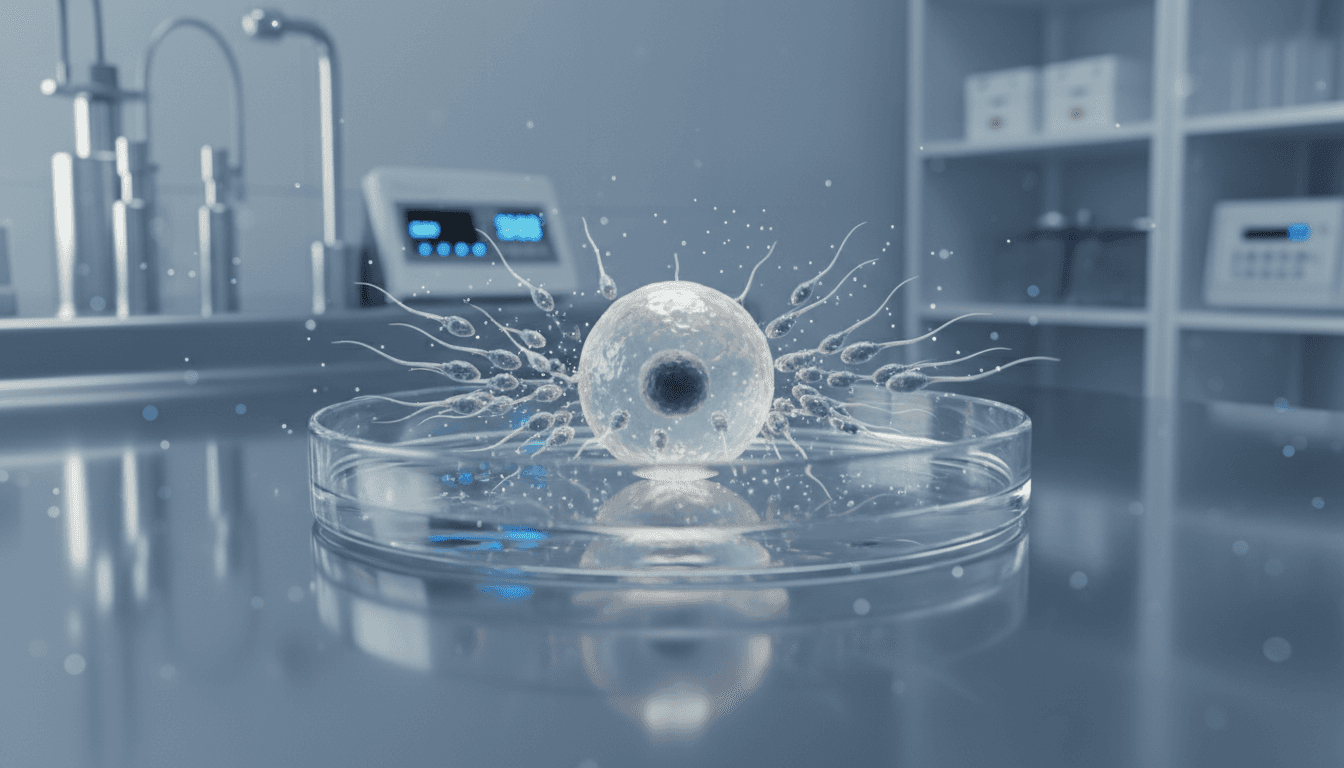
- Fertilization in the lab: Retrieved eggs are fertilized with sperm in the laboratory to create embryos.
- Embryo monitoring: Embryos are observed for several days to assess their quality, development, and grading before freezing.
- Freezing and storage: Selected high-quality embryos are frozen using vitrification and stored in specialized embryo banks.
Cryopreservation vs Vitrification of Embryos
There are two primary methods used for embryo freezing, each with distinct characteristics and outcomes.
Slow-rate cryopreservation of embryos was the standard approach for many years. It involves gradually lowering the temperature of the embryos over several hours. While effective, this method carries a risk of ice crystal formation within the cells, which can damage the embryo's structure and reduce post-thaw survival rates.
Vitrification of embryos is the modern gold-standard technique. It uses an ultra-rapid freezing process that converts the cellular fluid into a glass-like solid state, completely preventing ice crystal formation. Vitrification achieves embryo survival rates of 85 to 95 percent in leading fertility centers and has largely replaced slow-rate cryopreservation as the preferred method worldwide. The superior outcomes associated with vitrification have significantly improved the overall embryo freezing success rate.
Read about: Modern ICSI Steps to Improve Fertility Success
Benefits of Embryo Freezing for Couples
The benefits of embryo freezing extend far beyond simple preservation. For couples undergoing IVF, this technology represents a strategic investment in their reproductive future, offering flexibility, cost efficiency, and expanded opportunities for parenthood.
Pregnancy with Frozen Embryos
One of the most significant benefits of embryo freezing is the ability to achieve pregnancy with frozen embryos from a single stimulation cycle. Rather than repeating the full IVF process for each attempt, couples can use their stored embryos in subsequent frozen embryo transfer cycles, which are less physically demanding and generally less costly than fresh cycles.
Research consistently shows that pregnancy with frozen embryos achieves comparable — and in some cases superior — success rates to fresh embryo transfers, particularly when vitrification is used. Studies suggest that the uterine environment may be more receptive in a frozen embryo transfer cycle, as the body has had time to recover from the effects of ovarian stimulation. This makes embryo freezing in IVF a strategically sound choice for maximizing overall success.
Delaying Pregnancy with Embryo Freezing
Delaying pregnancy with embryo freezing allows women or couples to preserve embryos created at a younger age — when egg quality is at its peak — for use at a later time when they are ready to start or expand their family. This is particularly valuable for women who wish to pursue career goals, personal milestones, or other life priorities before becoming parents.
Delaying pregnancy with embryo freezing is also a medically important option for individuals with chronic conditions that may affect fertility over time. By preserving embryos while reproductive potential is high, couples ensure that they retain a viable path to parenthood regardless of future health changes. Embryo freezing and fertility preservation in this context represent one of the most forward-thinking applications of modern reproductive medicine.
Read about: IVF Preparation Steps: Hormonal Tests and Analysis Guide
Embryo Freezing Success Rate
Understanding the embryo freezing success rate is essential for couples setting realistic expectations. Success depends on a combination of biological, technical, and clinical factors that vary from one patient to another.
Success Rate of Frozen Embryo Transfer
The success rate of frozen embryo transfer in specialized fertility centers typically ranges between 30 and 50 percent per transfer cycle, with higher rates achieved when blastocyst-stage embryos are used alongside genetic screening. These figures are broadly comparable to — and increasingly surpassing — those of fresh embryo transfers.
The embryo freezing success rate is influenced by several key variables:
- The woman's age at the time of freezing
- The quality and grading of the embryos before freezing
- The experience and technology of the laboratory
- The uterine preparation protocol used before frozen embryo transfer
- Whether genetic screening (PGS/PGT-A) was performed prior to transfer
Embryo Quality and Success Rate
Embryo quality is one of the strongest predictors of success in embryo freezing in IVF. Embryos are graded based on the number of cells, regularity of cell division, and the degree of fragmentation. High-grade embryos (Grade A or B) consistently achieve significantly higher implantation rates compared to lower-grade embryos.
Embryo freezing day 5, when embryos have reached the blastocyst stage, is associated with higher success rates because only embryos that have demonstrated the capacity for normal development survive to this stage. This natural selection process means that blastocyst-stage embryos are inherently more viable, contributing to a higher overall embryo freezing success rate.
Read about: IVF Cost Success: Turkey vs USA
Risks of Embryo Freezing
Like any medical procedure, embryo freezing carries certain risks that couples should be aware of before proceeding. Understanding these risks allows for informed decision-making and realistic planning.
Risks During Thawing and Transfer
Among the risks of embryo freezing, the possibility of embryo damage during the thawing process is the most commonly discussed. Not all frozen embryos survive the thawing process intact, meaning that the number of viable embryos available for transfer may be lower than anticipated.
Modern vitrification of embryos has substantially reduced this risk, with survival rates in leading centers exceeding 90 percent. Nevertheless, couples should be prepared for the possibility that some embryos may not survive thawing, and it is advisable to freeze as many high-quality embryos as possible to ensure sufficient options for future transfer cycles.
Possible Medical Complications
The medical complications associated with embryo freezing are primarily linked to the ovarian stimulation phase rather than the freezing process itself. Ovarian hyperstimulation syndrome (OHSS) is the most significant risk, occurring when the ovaries respond too strongly to hormonal stimulation. Symptoms can range from mild bloating and discomfort to more severe fluid accumulation requiring medical attention.
Regarding the embryos themselves, current research does not indicate a significant increase in congenital abnormalities in children born from frozen embryos compared to those born from fresh transfers. Ongoing long-term studies continue to monitor outcomes, and the available evidence is reassuring for couples considering embryo freezing and fertility preservation.

Embryo Freezing Cost
Embryo freezing cost varies considerably depending on the country, the clinic, and the specific protocols involved. The total investment is typically divided into two main components.
Cost of Initial Treatment and Egg Retrieval
The initial phase of embryo freezing encompasses the costs of hormonal medications for ovarian stimulation, monitoring appointments and ultrasound scans, the egg retrieval procedure, laboratory fertilization, embryo culture, and the freezing process itself. These costs vary significantly based on the stimulation protocol used and the number of monitoring sessions required.
Turkey has established itself as one of the most competitive destinations for embryo freezing cost globally, combining high medical standards with pricing that is substantially more accessible than Western Europe or North America. This makes Turkey — and Safemedigo's network of accredited centers — an increasingly popular choice for couples seeking quality fertility care at a reasonable investment.
Annual Embryo Storage Cost
Following the initial freezing procedure, couples are responsible for annual storage fees to maintain their embryos in specialized cryogenic banks. These fees differ from center to center and depend on the duration of storage and the number of embryos being preserved.
Couples are strongly advised to clarify all costs associated with embryo freezing cost before beginning the process, including annual storage fees and the costs of future frozen embryo transfer cycles. Transparent financial planning from the outset helps avoid unexpected expenses and allows couples to budget effectively for their entire fertility journey.
Read about: Modern Egg Freezing Techniques: A Smart Choice to Preserve Fertility
Embryo Freezing for Cancer Patients
Embryo freezing for cancer patients represents one of the most important and life-changing applications of this technology. For individuals facing treatments that may permanently affect their fertility, embryo freezing offers a genuine opportunity to preserve the possibility of parenthood.
Preserving Fertility Before Chemotherapy
Oncologists increasingly recommend preserving fertility before chemotherapy or radiation therapy, as these treatments can cause irreversible damage to the ovaries or testes. Embryo freezing and fertility preservation in this context means that the patient retains fertilized embryos that can be used after recovery, regardless of the impact of cancer treatment on their reproductive organs.
The process requires early coordination between the oncologist and the fertility specialist to ensure that the stimulation and egg retrieval can be completed before cancer treatment begins. Time is often a critical factor, and modern fertility protocols have been adapted to allow rapid stimulation cycles that minimize delays in starting cancer treatment.
Having a Baby After Treatment with Frozen Embryos
After completing cancer treatment and achieving recovery, frozen embryos become the primary pathway to parenthood for many patients. Pregnancy with frozen embryos in this context depends on several factors, including the patient's age at the time of freezing, the quality of the preserved embryos, and the patient's overall health following treatment.
Clinical experience has shown that many cancer survivors who froze embryos before treatment have successfully achieved healthy pregnancies after recovery. This makes embryo freezing for cancer patients not merely a medical option, but a profound investment in hope and in the possibility of a complete life beyond illness.
Read about: Egg Freezing for Single Women: Future Pregnancy Options
Embryo Freezing and Birth Defects
Concerns about embryo freezing and congenital disabilities are among the most common questions raised by couples considering this option. A clear understanding of the current scientific evidence is essential for informed decision-making.
Does Embryo Freezing Increase Birth Defects?
The majority of available scientific studies indicate that embryo freezing does not significantly increase the risk of congenital disabilities compared to fresh embryo transfers or natural conception. Children born from frozen embryos demonstrate health outcomes broadly comparable to those of their peers in most published studies.
It is important to note that IVF itself — whether using fresh or frozen embryos — is associated with a slightly elevated baseline risk of certain conditions compared to natural conception, largely due to the underlying fertility issues in the parent population rather than the IVF process itself. Genetic screening before transfer remains the most effective tool for minimizing these risks.
Genetic Screening Before Transfer (PGS)
Preimplantation genetic screening (PGS), now more precisely termed PGT-A (Preimplantation Genetic Testing for Aneuploidies), is a complementary procedure performed on embryos before freezing or transfer. It identifies chromosomal abnormalities that could lead to implantation failure, miscarriage, or congenital conditions.
By selecting only chromosomally normal embryos for freezing and transfer, PGS significantly improves the embryo freezing success rate and reduces the risk of pregnancy loss. It is particularly recommended for:
- Women over the age of 35
- Couples with a history of recurrent miscarriage
- Individuals with known genetic conditions
- Couples who have experienced repeated IVF failure
Read about: Egg Freezing Before Chemotherapy: Safe Fertility Option
Embryo Freezing Day 3 vs Day 5
The question of whether to freeze embryos on day 3 or day 5 is one of the most clinically significant decisions in the embryo freezing process. The answer depends on the specific circumstances of each patient and the number and quality of embryos available.
Advantages of Freezing on Day 3
On day 3 of development, embryos are at the cleavage stage, typically consisting of 6 to 8 cells. Freezing at this stage preserves a larger number of embryos, since some embryos that appear viable on day 3 may not successfully develop to the blastocyst stage in the laboratory environment.
Day 3 freezing is preferred in specific clinical scenarios, such as when the total number of embryos is limited, when laboratory conditions suggest that extended culture may reduce embryo viability, or when the patient's clinical history indicates that earlier freezing is advisable. In these cases, preserving more embryos at an earlier stage maximizes the options available for future transfer cycles.
Benefits of Freezing on Day 5 (Blastocyst Stage)
Embryo freezing day 5 refers to freezing at the blastocyst stage, when the embryo has undergone several more rounds of cell division and has developed into a more complex structure with distinct cell layers. Embryos that reach this stage have demonstrated their developmental competence, making them inherently more viable candidates for implantation.
The benefits of freezing on day 5 include:
- Significantly higher implantation rates per embryo transferred
- Better natural selection of the most developmentally competent embryos
- Reduced risk of multiple pregnancy, as fewer embryos need to be transferred
- Greater compatibility with genetic screening (PGS/PGT-A)
Most leading fertility centers prefer blastocyst-stage freezing when a sufficient number of good-quality embryos are available, as it consistently delivers the highest embryo freezing success rate.
Read about: Egg Freezing: Steps and Top Tips for Women
Frozen Embryo Transfer: What to Expect
Frozen embryo transfer is the culminating step of the embryo freezing journey — the moment when preserved embryos are given the opportunity to become a pregnancy. This phase requires careful preparation and close medical monitoring to optimize the chances of successful implantation.
Scheduling and Timing of Frozen Embryo Transfer
The timing of frozen embryo transfer depends on the preparation of the uterine lining to receive the embryo. Two main protocols are used: the natural cycle protocol, which follows the woman's natural ovulation, and the hormone replacement protocol, in which estrogen and progesterone are administered to prepare the endometrium artificially.
The physician determines the optimal timing for transfer based on endometrial thickness measurements and hormone levels, ensuring the most receptive uterine environment possible. Careful scheduling of the frozen embryo transfer is a critical factor in achieving the best possible implantation outcomes.
Planning Pregnancy Without Additional Stimulation
One of the most practical benefits of embryo freezing is that couples can plan a second or third pregnancy without undergoing another full cycle of ovarian stimulation and egg retrieval. This spares the woman the physical and emotional demands of repeated hormonal stimulation and significantly reduces the overall cost and complexity of building a family through IVF.
The embryo freezing process transforms what might otherwise be a single, high-stakes attempt into a multi-opportunity journey. Couples who have successfully frozen multiple high-quality embryos enter each transfer cycle with the confidence that additional options remain available, regardless of the outcome of any individual attempt.
Conclusion
Embryo freezing in IVF has fundamentally changed what is possible for couples facing fertility challenges, offering a combination of flexibility, safety, and expanded opportunity that makes it one of the most valuable tools in modern reproductive medicine. Whether the goal is to maximize the outcomes of a current IVF cycle, preserve fertility for the future, or protect reproductive potential before medical treatment, embryo freezing provides a scientifically sound and clinically proven pathway forward.
At Safemedigo, our network of accredited fertility specialists is dedicated to guiding couples through every stage of this journey with expertise, compassion, and transparency. Discover how embryo freezing can expand your path to parenthood and give your family-building journey the best possible foundation with Safemedigo.
Frequently Asked Questions: Embryo Freezing in IVF: Key Benefits and Opportunities for Couples
What is the success rate of frozen embryo transfer?
The embryo freezing success rate for frozen embryo transfer typically ranges between 30 and 50 percent per cycle in specialized fertility centers. This rate is influenced by the woman's age at the time of freezing, embryo quality, the laboratory's expertise, and whether genetic screening was performed. Blastocyst-stage embryos generally achieve higher success rates than day 3 embryos.
Does embryo freezing increase the risk of birth defects?
Current scientific evidence does not indicate that embryo freezing significantly increases the risk of congenital disabilities. Children born from frozen embryos demonstrate health outcomes comparable to those born from fresh transfers in most studies. Genetic screening before transfer (PGS/PGT-A) further reduces the risk of chromosomal abnormalities and is recommended for higher-risk patients.
Can cancer patients freeze embryos before starting treatment?
Yes, embryo freezing for cancer patients before chemotherapy or radiation is strongly recommended by fertility specialists. This process preserves fertilized embryos that can be used after recovery, protecting the patient's reproductive future. Early coordination between the oncologist and fertility specialist is essential to complete the process before cancer treatment begins.
What is the difference between cryopreservation and vitrification of embryos?
Cryopreservation of embryos using the traditional slow-freezing method involves gradually lowering the temperature, which can lead to ice crystal formation that may damage embryo cells. Vitrification of embryos is the modern ultra-rapid technique that converts cellular fluid into a glass-like state without ice crystals, achieving significantly higher post-thaw survival rates and is now the standard method in leading fertility centers.
Is it better to freeze embryos on day 3 or day 5?
Most fertility specialists prefer embryo freezing day 5 (blastocyst stage) when sufficient high-quality embryos are available, as blastocysts achieve higher implantation rates and allow better natural selection of the most viable embryos. Day 3 freezing is preferred when the number of embryos is limited or when extended culture may reduce viability. The decision is made individually based on each patient's specific circumstances.