






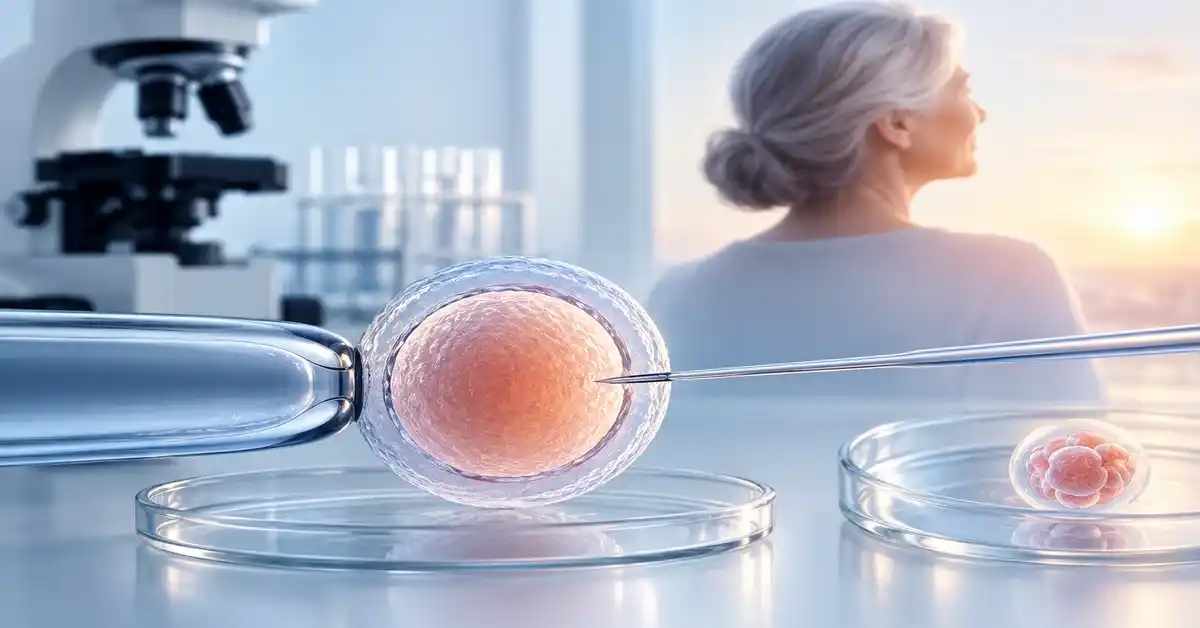
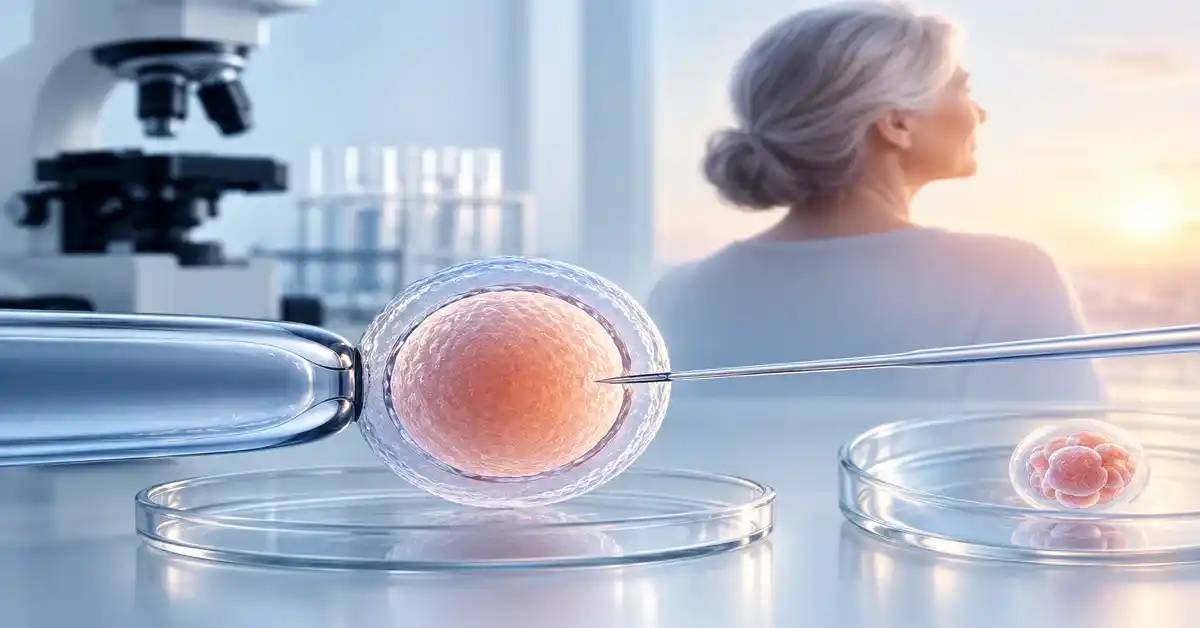
IVF after age 50 is a medically sensitive and complex topic. It is not only about whether pregnancy can happen, but also about maternal safety, fetal health, legal limits, medical ethics, and realistic treatment options. At this age, the chance of pregnancy using a woman’s own eggs is usually extremely low because ovarian reserve and egg quality decline sharply, while the risk of embryo chromosomal abnormalities increases.
With advances in IVF, pregnancy after 50 may be possible in some cases, especially when embryos were frozen at a younger age. In some countries, donor eggs or donor embryos may also be used if legally permitted. However, in Turkey, assisted reproduction must be performed only between spouses using their own reproductive cells. Donor eggs, donor sperm, donor embryos, and surrogacy are not permitted.
For women over 50, the question is not only “Can pregnancy happen?” The more important questions are: “Is pregnancy safe?”, “Is there a realistic chance?”, “Are the risks acceptable?”, and “Which options are legal and ethical?” A careful evaluation by a fertility specialist, high-risk pregnancy doctor, and sometimes a cardiologist or internal medicine specialist is essential.
What Does IVF After Age 50 Mean?
IVF after age 50 means attempting pregnancy through assisted reproductive technology at a very advanced reproductive age. It may involve ovarian stimulation if ovarian activity still exists, transfer of embryos frozen years earlier, or donor eggs in countries where this is legal. Available options depend on the patient’s medical condition and local regulations.
In most women after age 50, the ovaries are already in menopause or near menopause. Obtaining eggs of usable quality is usually very difficult. This is why the first step is to determine whether there is any realistic possibility with the woman’s own eggs or whether treatment would be medically unreasonable.
Can a Woman Get Pregnant After 50?
Yes, pregnancy after 50 can happen in specific circumstances, but it is uncommon and medically high risk. Natural pregnancy at this age is very rare. IVF pregnancy may depend on embryos frozen earlier or donor eggs in countries where donor treatment is legal.
Factors that affect possibility include:
- Whether menstrual cycles are still present.
- AMH level.
- Antral follicle count.
- Expected egg quality.
- Availability of frozen embryos.
- Uterine and endometrial health.
- Chronic medical conditions.
- Heart, blood pressure, and diabetes status.
- Local laws.
- Medical-team decision about safety.
A general promise of pregnancy after 50 is not medically appropriate. Individual evaluation is essential.
Biological Age Versus Uterine Capacity
Ovarian age and uterine capacity are not the same. The ovaries are strongly affected by age because egg number and egg quality decline over time. The uterus may still respond to hormones and support implantation in some cases, but this does not mean pregnancy is safe or advisable for every patient.
This distinction matters because:
- Egg quality declines with age.
- The uterus may respond to hormonal preparation.
- Pregnancy risks rise with age.
- Implantation does not guarantee a safe pregnancy.
- Maternal health becomes a major factor.
- Heart, blood pressure, and diabetes assessment is essential.
- Embryo transfer decisions must be cautious.
A good endometrium does not automatically mean that pregnancy is medically safe.
Read about: Differences Between IVF and ICSI Fertilization Techniques
Chances of IVF Success After Age 50
Success after 50 depends largely on the source of eggs or embryos. If treatment uses the woman’s own eggs at this age, success chances are usually very low because of reduced egg quality and increased embryo chromosomal abnormalities. If embryos were frozen when the woman was younger, the chance may be better because embryo quality reflects the age of the egg at the time the embryo was created.
Even with a good embryo, pregnancy after 50 carries higher maternal and obstetric risks. Therefore, the goal should not be only pregnancy, but a healthy pregnancy and safe delivery.
Using the Woman’s Own Eggs
Using one’s own eggs after 50 is very difficult in most cases. There may be little or no ovarian response to stimulation, very few eggs may be retrieved, and the chance of chromosomally normal embryos is usually low.
Challenges include:
- Very low ovarian reserve.
- Poor response to stimulation.
- Very few eggs.
- Reduced egg quality.
- Higher fertilization failure risk.
- Poor embryo development.
- Higher miscarriage risk.
- Increased chromosomal abnormality risk.
- Multiple attempts without guarantee.
For many women over 50, stimulation with their own eggs may not be a realistic option.
Previously Frozen Embryos
If a woman has embryos frozen from an earlier age, this may be more realistic than trying to collect new eggs after 50. The embryo’s potential depends on the age at which the egg was used, embryo quality, laboratory quality, and freezing method.
Before frozen embryo transfer after 50, doctors should assess:
- Uterine health.
- Endometrial thickness and response.
- Fibroids, polyps, or adhesions.
- Blood pressure.
- Diabetes.
- Heart health.
- Kidney function.
- Weight and BMI.
- Clotting risk.
- Ability to tolerate pregnancy.
- High-risk obstetric clearance.
Having a frozen embryo does not automatically mean transfer is safe.
Read about: Step-by-Step Guide to the In Vitro Fertilization (IVF) Process
Medical Risks of Pregnancy After 50
Pregnancy after 50 is considered high risk, even when IVF is technically possible. The risks involve not only the baby but also the mother’s health during pregnancy, delivery, and the postpartum period. Close care by a high-risk obstetrician is usually necessary.
Risks increase further with hypertension, diabetes, obesity, heart disease, kidney disease, clotting history, or twin pregnancy. For this reason, single embryo transfer is often preferred when treatment is considered.
Risks for the Mother
Pregnancy places major demands on the cardiovascular and metabolic systems. In women over 50, the body may have less reserve to tolerate these changes, especially if chronic conditions are present.
Possible maternal risks include:
- Pregnancy-induced hypertension.
- Preeclampsia.
- Gestational diabetes.
- Blood clots.
- Heart complications.
- Shortness of breath or fluid retention.
- Cesarean delivery.
- Postpartum bleeding.
- Kidney strain.
- Increased medical monitoring.
- Hospitalization during pregnancy.
- Anesthesia and delivery risks.
A full medical assessment is necessary before embryo transfer is considered.
Risks for the Baby and Pregnancy
Fetal and pregnancy risks may increase with advanced maternal age, IVF pregnancy, maternal medical disease, and multiple pregnancy. If the woman’s own eggs are used at advanced age, chromosomal abnormalities are also a major concern.
Possible risks include:
- Miscarriage.
- Preterm birth.
- Low birth weight.
- Placental problems.
- Fetal growth restriction.
- Cesarean delivery.
- Neonatal intensive care admission.
- Chromosomal abnormalities when using older eggs.
- Higher risks with twin pregnancy.
Reducing multiple pregnancy risk and planning close prenatal care are essential.
Read about: IVF Procedure Explained: From Fertilization to Embryo Transfer
Tests Needed Before IVF After 50
Before IVF after age 50, the evaluation must go beyond fertility. The patient needs assessment for pregnancy safety, not only ovarian reserve or endometrial thickness. This helps determine whether treatment is possible, safe, or medically discouraged.
If risk is too high, doctors may advise against embryo transfer to protect the woman’s health.
Fertility and Uterine Evaluation
Fertility evaluation checks whether there is any ovarian activity and whether the uterus can support pregnancy. In many women over 50, the focus may be on the uterus and any existing frozen embryos, because ovarian stimulation may not be realistic.
Tests may include:
- AMH.
- FSH, LH, and estradiol.
- Pelvic ultrasound.
- Antral follicle count.
- Endometrial assessment.
- HSG or hysteroscopy when needed.
- Fibroid or polyp evaluation.
- Uterine cavity assessment.
- Review of previous surgeries.
- Review of frozen embryos if available.
- Review of previous embryo quality.
- Husband’s semen analysis.
Uterine evaluation is especially important after long menopause, abnormal bleeding, fibroids, or previous uterine surgery.
Heart and High-Risk Pregnancy Evaluation
General medical evaluation may be more important than fertility testing in this age group. Pregnancy after 50 can place major stress on the heart, blood vessels, metabolism, and clotting system.
Tests may include:
- Blood pressure assessment.
- Fasting glucose and HbA1c.
- Lipid profile.
- Kidney and liver function tests.
- Complete blood count.
- ECG.
- Echocardiography when needed.
- Thyroid function tests.
- BMI and weight assessment.
- Clotting-risk evaluation.
- Breast and cervical screening as age-appropriate.
- Medication review.
- High-risk obstetric consultation.
- Cardiology or internal medicine consultation when needed.
Uncontrolled medical conditions should be treated before any pregnancy attempt.

Advanced Solutions Available
Advanced solutions after age 50 depend on the medical and legal context. Medically, they may include transfer of previously frozen embryos, genetic testing of embryos in selected cases, careful endometrial preparation, single embryo transfer, and high-risk pregnancy monitoring. In some countries, donor eggs or donor embryos may be legal options, but they are not permitted in Turkey.
The treatment plan must be legally clear: What is allowed in the country where treatment is performed? What is realistic within that legal framework?
Frozen Embryos and Genetic Testing
If the couple has previously frozen embryos, doctors can evaluate embryo stage, quality, freezing date, and whether genetic testing was performed. In selected cases, PGT-A may be discussed if medically appropriate and legally permitted.
Advanced strategies may include:
- Reviewing frozen embryos.
- Careful endometrial preparation.
- Single embryo transfer.
- Avoiding multiple pregnancy.
- Hormonal monitoring.
- Uterine assessment before transfer.
- Embryo testing when appropriate.
- Freeze-all planning in earlier cycles.
- High-risk pregnancy planning.
Genetic testing does not guarantee pregnancy or a healthy baby, but it may reduce the chance of transferring chromosomally abnormal embryos in selected cases.
Legal Options in Turkey
In Turkey, assisted reproductive treatment must use the married couple’s own reproductive cells. Donor eggs, donor sperm, donor embryos, and surrogacy are not permitted. This means that after age 50, legal options inside Turkey are very limited if there are no usable own eggs or frozen embryos created from the couple.
In Turkey, doctors may discuss:
- Ovarian assessment if cycles are still present.
- Use of the woman’s own eggs only if realistic.
- Use of the husband’s sperm only.
- Transfer of previously frozen embryos from the couple if medically accepted.
- Uterine and endometrial evaluation.
- Embryo testing when medically and legally appropriate.
- Declining treatment if risk is too high.
It is important not to promise options that are not legal within Turkey.
Read about: Reasons for IVF Failure and Proven Ways to Improve Success Rates
When IVF After 50 May Not Be Recommended
A doctor or clinic may decline IVF after age 50 if the risks are too high or the chance of success is unrealistic. This is not an emotional judgment; it is a medical decision to protect the patient’s life and health.
Some women are healthy at 50, while others have medical conditions that make pregnancy dangerous. The decision should consider the whole person, not age alone.
Possible Medical Contraindications
Treatment may not be suitable when medical conditions are unstable or pregnancy risk is too high.
Reasons to postpone or avoid treatment may include:
- Unstable heart disease.
- Severe uncontrolled hypertension.
- Poorly controlled diabetes.
- Significant kidney or liver disease.
- High-risk clotting history.
- Severe obesity with high risk.
- Active or recent cancer without specialist clearance.
- Unexplained uterine bleeding.
- Unstable autoimmune disease.
- Inability to tolerate pregnancy or anesthesia.
- Unreassuring high-risk pregnancy assessment.
In these cases, safety may be more important than attempting pregnancy.
When Success Is Not Realistic
Sometimes the main issue is not only risk but the very low chance of obtaining a healthy embryo from the woman’s own eggs. Continuing costly and emotionally exhausting attempts may not be helpful when the chance is nearly zero.
Success may be unrealistic when there is:
- Menopause for several years.
- Extremely low or undetectable AMH.
- No follicles on ultrasound.
- Previous stimulation cycles with no eggs.
- Previous embryos repeatedly abnormal.
- No frozen embryos available.
- No legal option acceptable to the patient.
- High pregnancy risk with very low chance of success.
Clear counseling protects patients from unrealistic expectations and unnecessary treatment burden.
Read about: IVF Procedure with Egg Freezing: Step-by-Step Explanation
How to Improve Safety If Treatment Is Accepted
If the medical team accepts treatment, the goal should be to reduce risk as much as possible. This means planning before pregnancy, single embryo transfer, strict monitoring, and control of chronic diseases.
Pregnancy after 50 should not be treated like a routine pregnancy. It should be managed as high risk from the beginning.
Before Embryo Transfer
Before transfer, the uterus should be ready and the patient’s medical condition should be stable. The follow-up plan after pregnancy should be discussed clearly.
Important steps include:
- Blood pressure control.
- Diabetes control.
- Cardiac assessment.
- Weight optimization when possible.
- Treatment of uterine problems.
- Endometrial assessment.
- Medication review for pregnancy safety.
- Avoiding transfer of more than one embryo.
- High-risk obstetric planning.
- Discussion of pregnancy and delivery risks.
- Clear informed consent.
Single embryo transfer is usually safer than transferring two embryos because twin pregnancy greatly increases risk.
During Pregnancy
If pregnancy occurs, follow-up should begin early and be structured. The patient may need more visits, blood pressure and glucose monitoring, fetal growth checks, placental evaluation, and delivery planning.
Monitoring may include:
- Frequent blood pressure checks.
- Gestational diabetes screening.
- Cardiac follow-up when needed.
- Fetal growth monitoring.
- Placental assessment.
- Regular blood and urine tests.
- Clot prevention when indicated.
- Cervical assessment when needed.
- Early delivery planning.
- Delivery at a hospital equipped for high-risk care.
Safety depends on strict medical follow-up and early response to complications.
Read about: Embryo Freezing in IVF: Key Benefits and Opportunities for Couples
Psychological and Ethical Considerations
IVF after 50 is not only a medical decision. It also has psychological, family, ethical, and practical dimensions. The patient needs to consider pregnancy tolerance, long-term child care, family support, and health risks.
The patient has the right to ask about all options, but the doctor has a duty to explain medical, legal, and ethical limits without exaggeration or false promises.
Realistic Expectations
Realistic expectations protect the patient from emotional harm. IVF cannot reverse the effect of age on egg quality, and it cannot remove pregnancy risks after 50.
Patients should understand that:
- Chances with own eggs are usually extremely low.
- Pregnancy after 50 is high risk.
- A good embryo does not guarantee safe delivery.
- A doctor may decline transfer for medical reasons.
- Legal options vary by country.
- Donor treatment and surrogacy are not allowed in Turkey.
- Medical evaluation may prevent treatment.
- Psychological and family support matter.
Clear expectations support balanced decision-making.
Importance of Multidisciplinary Consultation
At this age, the opinion of a fertility doctor alone is not enough. Pregnancy can affect the heart, blood pressure, diabetes, kidney function, and clotting risk. A multidisciplinary approach is safer.
Consultation may include:
- Fertility specialist.
- High-risk obstetrician.
- Cardiologist.
- Internal medicine specialist.
- Endocrinologist if diabetes or thyroid disease exists.
- Embryologist.
- Psychological support when needed.
- Legal counseling if treatment abroad is considered.
This approach protects the patient and makes the decision more medically responsible.
Read about: IVF Cost in Turkey and the Gulf: Complete Guide for Couples
Conclusion
IVF after age 50 may be medically possible in selected cases, but it is not simple and not suitable for everyone. With the woman’s own eggs, success is usually very low because of poor egg quality and high chromosomal abnormality risk. Previously frozen embryos from a younger age may offer a better chance, but they do not remove the risks of pregnancy at advanced age.
Maternal risks include hypertension, preeclampsia, gestational diabetes, blood clots, heart problems, and cesarean delivery. Pregnancy risks include miscarriage, preterm birth, placental complications, and low birth weight. Therefore, the decision must be based on medical evaluation, not desire alone.
Frequently Asked Questions: IVF After Age 50
Is IVF possible after age 50?
It may be possible in selected cases, especially with previously frozen embryos, but it depends on health status, local law, and medical risk assessment.
Can a woman use her own eggs after 50?
The chance is usually extremely low because ovarian reserve and egg quality are very limited at this age.
Are donor eggs allowed in Turkey?
No. Turkey does not permit donor eggs, donor sperm, donor embryos, or surrogacy in assisted reproduction.
What are the main pregnancy risks after 50?
Risks include hypertension, preeclampsia, gestational diabetes, blood clots, heart complications, cesarean delivery, preterm birth, and placental problems.
Is single embryo transfer safer after 50?
Usually yes. Twin pregnancy greatly increases maternal and fetal risks, especially at advanced age.