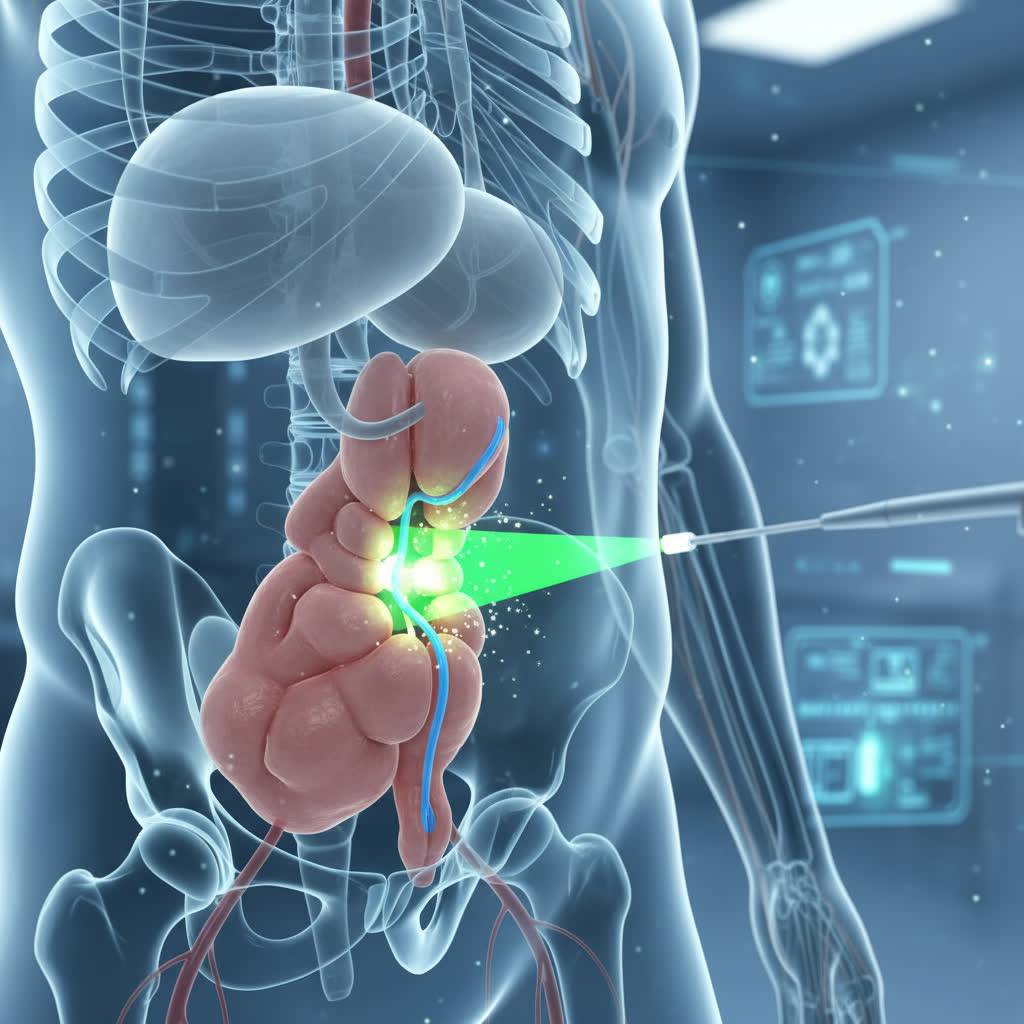






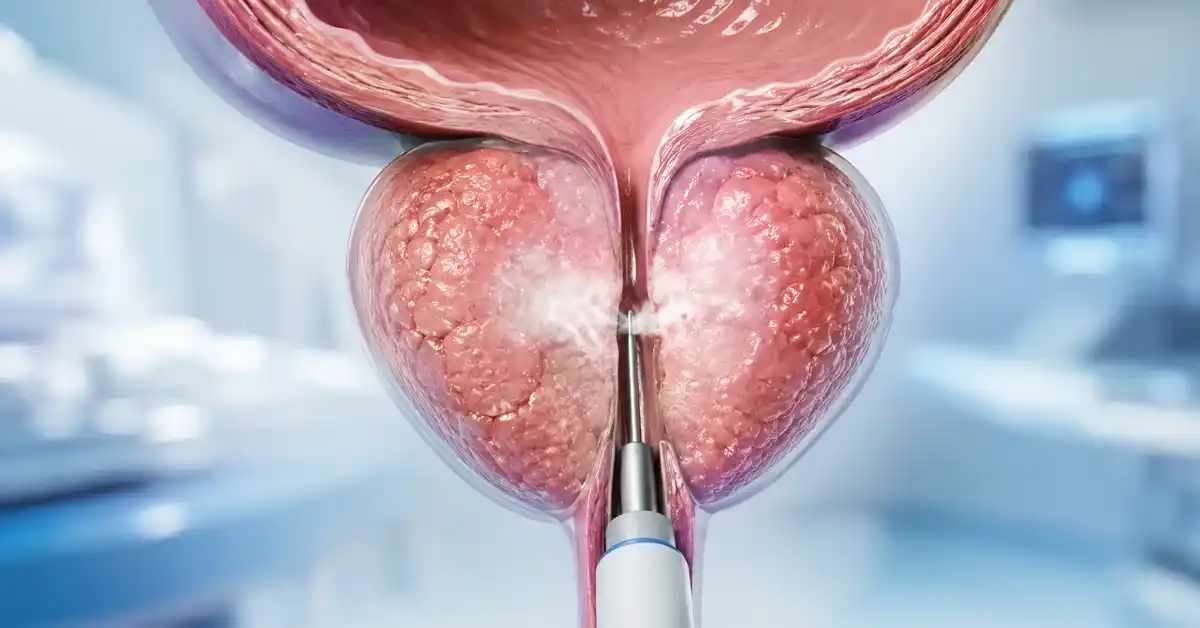
Steam therapy for an enlarged prostate, also known as Rezum therapy prostate treatment, is a minimally invasive option for men suffering from urinary symptoms caused by benign prostatic hyperplasia. It uses controlled water vapor to reduce excess prostate tissue that presses on the urethra, helping improve urine flow and reduce symptoms gradually.
Benign prostatic hyperplasia, or BPH, is one of the most common prostate problems in men as they age. Although it is not prostate cancer, it can cause uncomfortable symptoms such as weak urine stream, frequent urination, nighttime urination, urgency, difficulty starting urination, and incomplete bladder emptying. In more advanced cases, it may contribute to urinary retention, recurrent urinary tract infections, bladder strain, or the need for a catheter.
Rezum therapy prostate treatment offers an important option for men who want a non-surgical prostate treatment or who do not respond well to medications. The procedure is performed through the urethra using a special device that delivers small bursts of steam into the enlarged prostate tissue. Over time, the body absorbs the treated tissue, reducing pressure on the urinary channel.
However, steam therapy for an enlarged prostate is not suitable for every patient. The decision depends on prostate size, type of enlargement, severity of symptoms, bladder function, history of urinary retention, medications, examination findings, and patient expectations. At Safemedigo, each case is reviewed carefully to determine whether Rezum therapy is suitable or whether another treatment such as medication, laser therapy, TURP, HoLEP, or another prostate procedure may be more appropriate.
Steam Therapy for Enlarged Prostate Overview
Steam therapy for enlarged prostate is designed to treat urinary symptoms caused by benign prostate enlargement without traditional open surgery. The procedure uses thermal energy from water vapor to target enlarged prostate tissue. The steam is delivered directly into the obstructive tissue, where it releases heat and causes the tissue to shrink gradually.
This approach is considered minimally invasive because it is performed through the natural urinary passage and does not require external incisions. It may be attractive to men who want to avoid long-term medication, reduce recovery time, and preserve sexual function as much as possible compared with some more invasive procedures.
The purpose of prostate steam treatment is to improve urination, reduce obstruction, and improve quality of life. It does not remove the entire prostate, and results are not usually immediate. Improvement develops gradually as the body clears the treated tissue over weeks and months.
rezum therapy prostate
Rezum therapy prostate treatment uses the natural energy stored in heated water vapor to treat excess prostate tissue. A small device is inserted through the urethra, and the doctor delivers short steam injections into specific parts of the enlarged prostate.
When the steam contacts the tissue, it condenses into water and releases thermal energy. This damages the targeted cells in a controlled way. Over time, the body absorbs the treated tissue, creating more space for urine to pass through.
Rezum may be suitable for selected men with moderate prostate enlargement and urinary symptoms related to BPH. It can also be considered for some patients who are not satisfied with medications or who want to avoid more invasive surgery. A urologist must evaluate prostate size, median lobe presence, bladder function, and overall health before recommending it.
non-surgical prostate treatment
Non-surgical prostate treatment refers to options that reduce BPH symptoms without traditional surgery. Rezum therapy is often described this way because it does not involve external cuts or large tissue removal. Instead, it uses controlled steam energy through the urethra.
Non-surgical prostate treatment may be suitable for men who:
- Have bothersome urinary symptoms.
- Do not improve enough with medication.
- Want to avoid long-term BPH drugs.
- Prefer a minimally invasive option.
- Want shorter recovery than major surgery.
- Are concerned about sexual side effects.
- Have prostate size and shape suitable for Rezum.
- Can attend follow-up after the procedure.
However, non-surgical does not mean risk-free or suitable for everyone. Some men with very large prostates, severe obstruction, bladder damage, or complications may need a stronger procedure.
Is Rezum safe
Is Rezum safe? Rezum can be safe and effective for properly selected patients when performed by an experienced urologist after careful evaluation. Like any medical procedure, it has potential side effects and limitations that should be discussed before treatment.
Temporary symptoms may include burning during urination, frequent urination, urgency, pelvic discomfort, blood in the urine, blood in semen, or difficulty urinating. Some patients need a catheter for a few days after treatment while swelling improves.
Safety depends on correct diagnosis and patient selection. If the prostate is too large, the bladder is weak, there is an untreated infection, or urinary retention is caused by another problem, Rezum may not be the best choice alone.
Read about: Prostate Enlargement Treatments: Medication or Surgery
How Rezum Therapy Works
Rezum therapy works by delivering water vapor into enlarged prostate tissue that blocks urine flow. When steam enters the tissue, it transfers heat directly to the cells. This controlled heat causes the targeted tissue to break down, and the body gradually absorbs it.
The improvement is not instant. In the first days after treatment, swelling and irritation may temporarily increase urinary symptoms. Over time, as the treated tissue shrinks, the urethral channel becomes less compressed, allowing urine to pass more easily.
Patients should understand that symptom relief may take weeks, and full improvement may take several months. This gradual process is normal and should be explained clearly before the procedure.
rezum procedure
The Rezum procedure is usually performed through the urethra using a specialized device. It does not require an external incision. Depending on the patient and clinic, it may be done under local anesthesia, sedation, or another suitable anesthesia plan.
The procedure may include:
- Reviewing symptoms and medical history.
- Measuring prostate size.
- Checking urine flow and residual urine.
- Assessing PSA and urine tests when needed.
- Choosing anesthesia type.
- Inserting the device through the urethra.
- Delivering steam into targeted prostate areas.
- Treating the median lobe if suitable.
- Placing a temporary catheter if needed.
- Giving post-procedure medications and instructions.
- Scheduling follow-up.
The procedure itself is often relatively short, but recovery and improvement continue over time.
urinary retention treatment prostate
Urinary retention treatment prostate planning requires careful evaluation. If a man cannot urinate because of prostate obstruction, Rezum may help in selected cases, especially when the bladder muscle can still contract effectively. However, not every retention case is suitable.
The urologist evaluates:
- Duration of urinary retention.
- Whether the patient already uses a catheter.
- Prostate size and shape.
- Residual urine volume.
- Bladder muscle function.
- Kidney function.
- Urinary infections.
- Bladder stones.
- Urethral narrowing.
- Medication history.
- Need for stronger surgery.
Some patients may become catheter-free after prostate steam therapy, while others may require laser surgery, TURP, HoLEP, or another procedure if obstruction is severe or bladder function is poor.
benign prostatic hyperplasia treatment
Benign prostatic hyperplasia treatment depends on symptom severity, prostate size, bladder condition, and patient priorities. BPH is a non-cancerous enlargement of the prostate that becomes more common with age. Because the prostate surrounds the urethra, enlargement can block urine flow.
Treatment options may include lifestyle changes, medications, minimally invasive procedures such as Rezum, laser procedures, endoscopic surgery, or more advanced surgery for very large prostates. The best choice depends on the individual case.
Rezum is one option within the wider field of BPH treatment. It may be useful for men who want symptom improvement without traditional surgery, but it should be selected after complete urological assessment.
Read about: Latest Non-Surgical Treatments for Enlarged Prostate
Symptoms of Enlarged Prostate
Symptoms of enlarged prostate can vary widely. Some men have a large prostate with mild symptoms, while others experience severe urinary discomfort with only moderate enlargement. Therefore, treatment decisions should be based not only on prostate size but also on symptom severity and bladder function.
BPH symptoms occur because enlarged prostate tissue narrows the urethra and affects bladder emptying. Over time, the bladder may work harder to push urine through the narrowed channel. This can lead to both storage symptoms and emptying symptoms.
Before choosing steam therapy for an enlarged prostate, the doctor must identify which symptoms are present, how severe they are, and whether they are truly caused by BPH.
enlarged prostate symptoms
Enlarged prostate symptoms may include difficulty emptying the bladder, frequent urination, nighttime urination, and weak flow. Symptoms often develop slowly and may become more bothersome with time.
Common symptoms include:
- Weak urine stream.
- Difficulty starting urination.
- Interrupted urine flow.
- Feeling of incomplete emptying.
- Frequent urination.
- Waking at night to urinate.
- Sudden urgency.
- Dribbling after urination.
- Straining to urinate.
- Urinary retention.
- Recurrent urinary tract infections in some cases.
- Leakage in some patients.
Urgent evaluation is needed if the patient cannot urinate, has fever, severe pain, visible blood in urine, or signs of kidney problems.
prostate problems in men
Prostate problems in men are not limited to benign enlargement. They may include prostatitis, chronic pelvic discomfort, urinary difficulty, elevated PSA, urinary infections, or suspicion of other prostate diseases. For this reason, urinary symptoms should not automatically be assumed to be BPH.
Several conditions can mimic enlarged prostate symptoms, including urinary tract infection, urethral stricture, bladder stones, weak bladder muscle, neurological bladder problems, and prostate cancer. Diagnosis is important before starting treatment.
A medical evaluation may include urine analysis, PSA testing when appropriate, prostate ultrasound, uroflowmetry, residual urine measurement, physical examination, and sometimes cystoscopy. Correct diagnosis determines whether Rezum is appropriate.
benign prostatic hyperplasia treatment
Benign prostatic hyperplasia treatment may begin with observation if symptoms are mild. Lifestyle adjustments such as reducing evening fluids, limiting caffeine and alcohol, and bladder training may help some patients.
For moderate symptoms, medications may be used to relax the prostate or reduce prostate size. If medications fail, cause side effects, or are not preferred, minimally invasive treatments such as Rezum may be considered.
More severe cases, very large prostates, repeated urinary retention, bladder stones, or kidney complications may require more invasive treatments. The treatment plan must match the patient’s medical condition, not only his preference.
Read about: Interventional Radiology for Enlarged Prostate Treatment
Results of Steam Therapy for Prostate
Results of steam therapy for prostate enlargement develop gradually. The body needs time to absorb the treated tissue. Some men notice improvement within weeks, while others experience clearer benefits over several months.
Expected improvements may include stronger urine flow, easier urination, fewer nighttime bathroom visits, less urgency, and better bladder emptying. Some patients may be able to reduce or stop BPH medications after recovery, depending on their doctor’s advice.
Results depend heavily on patient selection. If symptoms are caused mainly by weak bladder function rather than obstruction, improvement may be limited. This is why testing before treatment is essential.
rezum procedure results
Rezum procedure results vary by prostate size, obstruction severity, median lobe anatomy, bladder strength, and baseline symptoms. In suitable patients, the procedure may lead to meaningful improvement in urinary comfort and quality of life.
Possible results include:
- Improved urine flow.
- Easier urination.
- Reduced urinary frequency.
- Fewer nighttime urination episodes.
- Less urgency.
- Better bladder emptying.
- Possible reduction in BPH medication.
- Improved daily comfort.
- Lower need for more invasive treatment in selected patients.
- Preservation of sexual function in many men.
Not every patient responds the same way. Some may need additional therapy if symptoms persist or return.
rezum success rate
Rezum success rate is favorable in appropriately selected patients. Success should not be measured only by test numbers; it should also include practical improvements such as better sleep, reduced urgency, easier urination, and less daily disruption.
Factors that support success include:
- Proper patient selection.
- Suitable prostate size.
- Symptoms caused by true obstruction.
- Functional bladder muscle.
- No untreated infection.
- No untreated urethral stricture.
- Accurate steam placement.
- Follow-up after treatment.
- Temporary medication compliance.
- Understanding that improvement is gradual.
Satisfaction may be lower if the patient expects immediate results or has bladder weakness, severe retention, or prostate anatomy unsuitable for the procedure.
best treatment for enlarged prostate
The best treatment for an enlarged prostate is not the same for every man. Mild symptoms may only require monitoring. Moderate symptoms may improve with medications. Some patients may benefit from Rezum, while others may need laser therapy, TURP, HoLEP, or another procedure.
Choosing the best treatment for enlarged prostate depends on:
- Symptom severity.
- Prostate size.
- Prostate shape.
- Median lobe presence.
- Urine flow.
- Residual urine.
- Age.
- Medication tolerance.
- Desire to preserve ejaculation.
- History of urinary retention.
- Bladder and kidney health.
- Patient priorities.
Rezum may be an excellent option for selected men, but it is not a universal replacement for all prostate surgery.

Risks and Side Effects of Rezum Therapy
Risks and side effects of Rezum therapy are often temporary, but they should be explained before treatment. Because the procedure creates a healing reaction inside the prostate, swelling and irritation can temporarily worsen urinary symptoms.
Common temporary symptoms may include burning during urination, urinary frequency, urgency, blood in the urine, blood in semen, pelvic discomfort, and difficulty urinating. Some patients may need a catheter after prostate treatment until swelling decreases.
Less common complications may include urinary tract infection, urinary retention, narrowing, prolonged symptoms, or need for another procedure if the response is inadequate. Careful patient selection and follow-up reduce these risks.
rezum side effects
Rezum side effects can include urinary and pelvic symptoms during the healing period. Most are temporary, but patients should know what to expect and when to contact the doctor.
Possible side effects include:
- Burning or pain during urination.
- Frequent urination.
- Urgency.
- Blood in urine.
- Blood in semen.
- Pelvic discomfort.
- Temporary difficulty urinating.
- Temporary urinary retention.
- Urinary tract infection.
- Catheter need.
- Temporary change in ejaculation in some patients.
- Symptoms worsening before improvement.
- Need for additional treatment in some cases.
The patient should contact the doctor for fever, severe pain, inability to urinate, heavy bleeding, or worsening symptoms.
catheter after prostate treatment
A catheter after prostate treatment may be needed for several days after Rezum therapy. The prostate may swell temporarily after steam treatment, making urination difficult in the early healing phase. A catheter allows the bladder to drain while swelling improves.
Catheter duration varies depending on prostate size, previous urinary retention, baseline symptoms, and physician judgment. Some patients need a short period, while others may require longer catheter use if they had retention before treatment.
Patients should receive clear instructions on catheter care, fluid intake, urine color monitoring, and warning signs. Temporary catheter use does not mean the procedure has failed.
Is Rezum safe
Is Rezum safe? Rezum can be safe for suitable patients when performed by a qualified urologist. The key is proper diagnosis, correct prostate size assessment, and understanding whether symptoms are truly caused by BPH.
Safety planning may include:
- Confirming benign prostate enlargement.
- Excluding other causes of symptoms.
- Measuring prostate size.
- Assessing urine flow.
- Measuring residual urine.
- Checking for infection.
- Evaluating kidney function when needed.
- Discussing catheter possibility.
- Explaining expected recovery.
- Scheduling follow-up.
The more complete the evaluation, the better the chance of a safe and useful result.
Read about: Benign Prostate Enlargement: Latest Non-Surgical Treatments
Recovery After Steam Therapy
Recovery after steam therapy varies between patients. In the first days, urinary burning, frequency, urgency, or temporary difficulty urinating may occur. These symptoms are usually related to swelling and irritation inside the prostate.
Full results are not immediate. Improvement occurs gradually as the body absorbs the treated tissue. Some men notice changes within weeks, while others improve over several months. Patients should avoid judging the outcome too early.
During recovery, the patient should take prescribed medications, drink fluids as advised, avoid strenuous activity for the recommended period, and attend catheter removal or follow-up appointments. Unusual symptoms should be reported promptly.
recovery after rezum therapy
Recovery after Rezum therapy may allow many patients to return to light activity within a short period, but urinary symptoms can take longer to improve. Temporary irritation is expected in many cases.
During recovery, patients may experience:
- Burning with urination.
- Frequent urination.
- Urgency.
- Light blood in urine.
- Mild fatigue.
- Temporary catheter use.
- Fluctuating symptoms.
- Gradual improvement in flow.
- Reduced nighttime urination over time.
- Better bladder emptying.
The early days do not always reflect the final result. Improvement should be assessed over weeks and months.
urinary retention treatment prostate
Urinary retention treatment prostate recovery may be more complex when the patient had a catheter before the procedure. The doctor may create a plan to remove the catheter after swelling decreases and urination improves.
Some patients may not urinate successfully immediately after catheter removal and may need re-catheterization temporarily. This does not automatically mean failure, but it requires monitoring. Chronic retention may weaken the bladder, which can affect final results.
In urinary retention cases, the goal may be catheter independence and gradual improvement in urination, but response depends on both prostate obstruction and bladder strength.
alternatives to prostate surgery
Alternatives to prostate surgery include medications, minimally invasive procedures, laser treatments, prostatic urethral lift, prostate artery embolization, catheter management, and endoscopic procedures. Rezum is one of these alternatives, but not the only one.
Possible alternatives include:
- Lifestyle monitoring.
- Alpha-blocker medications.
- 5-alpha reductase inhibitors.
- Rezum therapy.
- Prostatic urethral lift.
- Laser prostate treatment.
- TURP.
- HoLEP.
- Prostate artery embolization.
- Temporary catheterization.
- Procedures for very large prostates.
The best alternative depends on symptoms, prostate anatomy, patient health, and goals such as preserving sexual function or avoiding long-term medication.
Read about: Benign Prostate Enlargement Laser Treatment: Safe Results
Cost of Steam Therapy for Prostate in Turkey
Cost of steam therapy for prostate in Turkey depends on the hospital, urologist, anesthesia, diagnostic tests, catheter care, follow-up, and patient condition. The price may also vary if the patient needs additional imaging, cystoscopy, urine culture, PSA testing, or infection treatment before the procedure.
Turkey is a popular destination for urology care because it offers modern hospitals, experienced specialists, and support for international patients. However, cost should not be the only decision factor. The most important question is whether Rezum therapy is the right treatment for the patient.
The cost of Rezum may differ from laser prostate surgery, TURP, medication-based treatment, or other procedures. A full medical review is needed before confirming the final treatment plan and cost.
prostate steam therapy cost
Prostate steam therapy cost may include more than the procedure itself. Patients should ask whether the quoted price includes consultation, diagnostic tests, anesthesia, catheter, medications, and follow-up visits.
Cost factors include:
- Urologist experience.
- Hospital or clinic level.
- Type of anesthesia.
- Prostate size.
- Number of steam injections.
- Required tests.
- Urine analysis and culture.
- PSA testing when needed.
- Prostate imaging.
- Uroflowmetry.
- Catheter care.
- Post-treatment medications.
- Follow-up visits.
- Translation and coordination for international patients.
- Additional medical conditions.
A clear quote should be based on reports and examination, because each case is different.
prostate treatment in Turkey
Prostate treatment in Turkey includes several options, such as medication, Rezum therapy, laser treatment, TURP, HoLEP, prostate artery embolization, and other urological procedures depending on the patient’s condition.
Patients may choose prostate treatment in Turkey because of:
- Experienced urologists.
- Modern hospital facilities.
- Availability of advanced technologies.
- International patient coordination.
- Faster scheduling of tests and procedures.
- Translation support.
- Ability to compare treatment options.
- Competitive pricing compared with some countries.
Before planning treatment, patients should share previous reports, PSA results, ultrasound findings, medication list, catheter history, and any previous prostate procedures.
best treatment for enlarged prostate
The best treatment for enlarged prostate in Turkey or anywhere else depends on the individual case. Rezum may be suitable for a man who wants a minimally invasive option and wants to preserve sexual function as much as possible. Laser therapy may be better for larger prostates or more severe obstruction. Medication may be enough for mild symptoms.
Important questions to ask include:
- What is causing my symptoms?
- Is the enlargement benign?
- Is my prostate size suitable for Rezum?
- Do I have a median lobe?
- Is my bladder functioning well?
- Will I need a catheter after treatment?
- When should I expect improvement?
- What alternatives are available?
- What is the chance I need another procedure?
- How may treatment affect ejaculation?
- What is the total cost?
These answers help choose the best treatment based on medical suitability, not advertising.
Read about: Latest Prostate Cancer Treatment Using Interventional Radiology
Conclusion
Steam therapy for enlarged prostate is a modern, minimally invasive option for men with urinary symptoms caused by benign prostatic hyperplasia. Rezum therapy prostate treatment uses water vapor to gradually shrink enlarged tissue, helping improve urine flow and reduce symptoms such as weak stream, nighttime urination, urgency, and incomplete emptying.
However, Rezum therapy is not suitable for every patient. The decision depends on prostate size, prostate shape, bladder function, urinary retention history, previous medications, test results, and patient expectations. Patients should also understand that results develop gradually and that a temporary catheter may be needed during recovery.
Frequently Asked Questions: Steam Therapy for Enlarged Prostate
What is steam therapy for an enlarged prostate?
It is a minimally invasive treatment that uses water vapor to shrink enlarged prostate tissue that blocks urine flow, helping improve urination gradually.
Is Rezum safe?
Rezum can be safe for suitable patients, but temporary symptoms such as burning, frequent urination, blood in urine, or catheter use may occur.
When do Rezum procedure results appear?
Results usually develop gradually over weeks to months as the body absorbs the treated prostate tissue and urine flow improves.
Will I need a catheter after prostate steam therapy?
Some patients need a catheter for several days due to temporary swelling after treatment. The exact duration depends on the patient’s condition.
How much does prostate steam therapy cost in Turkey?
The cost depends on the hospital, urologist, anesthesia, diagnostic tests, catheter care, medications, and follow-up. A final quote requires medical review.