





A herniated disc in athletes is one of the most concerning injuries that directly impacts physical performance and professional careers. Athletes endure immense pressure on their spines due to repetitive motions, heavy lifting, and sudden twists, making them particularly vulnerable to disc problems. The impact of this injury is not limited to physical pain; it extends to the psychological challenges associated with being sidelined from sports. However, modern medical advancements offer multiple options ranging from conservative care to advanced interventions, providing great hope for recovery. In this article, we detail the causes and symptoms of a herniated disc, along with the latest treatment and prevention methods to ensure a safe and strong return to athletic activity.
Understanding Herniated Disc in Athletes
Herniated disc in athletes
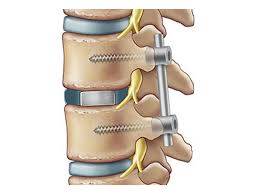
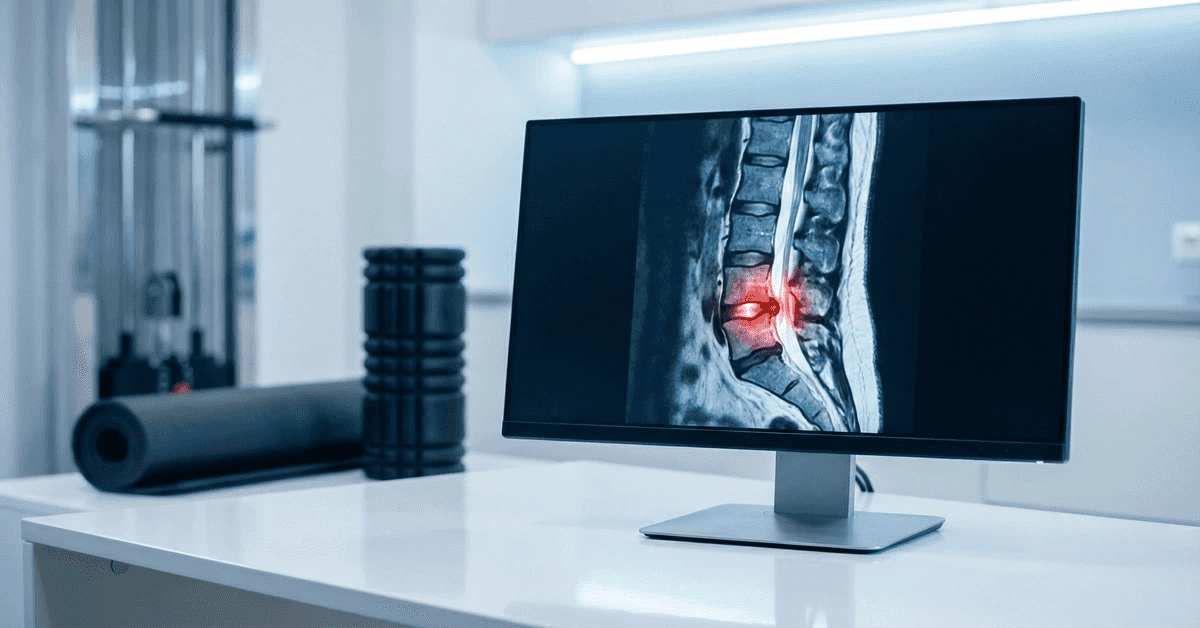
A herniated disc in athletes occurs when the gel-like center of a spinal disc pushes through a tear in its tough outer exterior, leading to pressure on the surrounding spinal nerves. This condition is common among practitioners of high-impact sports such as weightlifting, gymnastics, and football. This pressure causes sharp pain that can hinder the athlete from performing their usual movements, requiring precise medical intervention to evaluate the condition and determine the most appropriate treatment path to prevent the injury from worsening.
Spine injuries in athletes
Spine injuries in athletes are complex medical challenges, as the spine consists of a series of vertebrae and discs that act as shock absorbers. During intense sports, these discs are subjected to continuous stress that can lead to their wear or herniation over time. Understanding the nature of these injuries and how the body responds to them is a crucial step in developing an effective treatment plan that helps the athlete regain their flexibility and strength without putting the spine at further risk.
Causes of a herniated disc in athletes
The causes of a herniated disc in athletes are numerous, ranging from repetitive strain resulting from rigorous training to improper techniques in lifting weights or performing athletic movements. Genetic factors and weakness in the core muscles surrounding the spine also play a role in increasing the likelihood of injury. Additionally, direct trauma and forceful collisions during sports competitions can lead to a sudden tear in the spinal disc, necessitating immediate intervention to limit the damage.
Read about: Herniated Disc Surgery: When Is It Necessary? Full Recovery Guide
Symptoms of Herniated Disc
Herniated disc symptoms
Herniated disc symptoms vary based on the location of the affected disc and the amount of pressure placed on the nerve. Common symptoms include sharp or burning pain that radiates from the back to the extremities, along with feelings of numbness and tingling in the areas supplied by the affected nerve. In some advanced cases, the athlete may experience noticeable muscle weakness that reduces their ability to perform basic movements, requiring a comprehensive medical evaluation to determine the severity of the condition.
Lower back disc herniation
Lower back disc herniation is the most common type among athletes, as it occurs in the lumbar region, which bears the brunt of the body's weight and pressure during movement. This type of herniation leads to pain that typically radiates down to the buttocks and legs, commonly known as sciatica. Managing a lumbar herniation requires extreme caution and specialized rehabilitation programs to strengthen the lower back muscles and relieve pressure on the damaged discs.
Back pain treatment for athletes
Back pain treatment for athletes relies on accurately identifying the root cause of the pain. In cases of a herniated disc, initial treatment focuses on reducing inflammation and pain through relative rest, the use of cold and hot compresses, and taking anti-inflammatory medications. Controlling the pain is a necessary first step before beginning any rehabilitation programs or therapeutic exercises to ensure the body responds positively.
Read about: Chronic Disc Herniation: When Is Surgical Intervention Needed?
Herniated Disc Treatment Options
Herniated disc treatment
Herniated disc treatment involves a multidisciplinary approach aimed at relieving pain, restoring motor function, and preventing injury recurrence. Treatment usually begins with conservative options, and if there is no response, surgical options may be considered. The choice of treatment path depends on the severity of the symptoms, their impact on the athlete's quality of life, and their response to initial therapies, always focusing on maintaining long-term spinal health.
Non-surgical herniated disc treatment
Doctors always prefer to start with non-surgical herniated disc treatment, especially for athletes seeking to avoid the long recovery periods associated with surgeries. This approach includes the use of medications, localized injections to reduce inflammation, and intensive physical therapy programs. These methods have proven effective in a large percentage of cases, helping to gradually and safely reduce the size of the herniated portion of the disc and relieve pressure on the nerves.
Read about: Endoscopic Spine Surgery: Safety and Key Advantages
Disc herniation recovery time
Disc herniation recovery time varies significantly from one athlete to another based on the severity of the injury and the type of treatment followed. In mild cases that respond to conservative treatment, the athlete may notice significant improvement within a few weeks. However, in more complex cases or those requiring surgical intervention, the recovery and rehabilitation period may extend for several months. Adherence to the treatment plan and the medical team's instructions is a crucial factor in accelerating the healing process.
Read about: Lumbar Disc Herniation: Best Treatment Options
Physical Therapy and Exercises
Physical therapy for a herniated disc
Physical therapy for a herniated disc plays a pivotal role in the recovery plan, aiming to restore flexibility and strengthen the muscles supporting the spine. A physical therapist designs a customized program tailored to the athlete's needs and the type of sport they practice. The program includes manual techniques, stretching exercises, and the use of specialized equipment to relieve pain and improve blood circulation in the affected area, thereby enhancing the natural healing process.
Herniated disc exercises
Herniated disc exercises are an essential part of treatment and prevention. These exercises focus on improving spinal flexibility and strengthening the core muscles (abdomen and back) that act as a natural support for the vertebrae. It is important that these exercises are performed under professional supervision to ensure the correct technique is applied and to avoid any movements that might increase pressure on the affected disc. Gradually increasing the intensity of the exercises ensures strength is built safely and effectively.
Strengthening back exercises
Strengthening back exercises are considered the first line of defense against spine injuries in athletes. By building a strong and balanced muscle mass around the spine, pressure is distributed evenly, reducing the burden on the spinal discs. These exercises include movements targeting both the deep and superficial muscles of the back and are an integral part of the training routine for any athlete striving to maintain high performance and minimize injury risks.

Natural and Preventive Care
Natural treatment for a herniated disc
Many athletes look for natural treatment for a herniated disc to avoid complex medical interventions. This approach includes lifestyle modifications, such as improving posture while sitting and standing, maintaining a healthy weight to reduce the load on the spine, and following a diet rich in anti-inflammatory foods. Additionally, relaxation and stress management techniques can contribute to relieving muscle spasms associated with disc pain.
Preventing a herniated disc
Preventing a herniated disc is a fundamental strategy for every athlete. Prevention begins with an awareness of the importance of a proper warm-up before any physical activity and using correct techniques in weightlifting and training. It is also crucial to pay attention to the body's signals and not ignore minor pains that could be an early warning of a larger problem. Maintaining good muscle balance and high flexibility significantly reduces the chances of spinal discs sustaining an injury.
Read about: Minimally Invasive Herniated Disc Treatment: Safe Results
Athletic Recovery Strategies
Athlete back injury recovery
Athlete back injury recovery requires careful planning and patience. The return must be gradual and based on a medical evaluation confirming tissue healing and the restoration of sufficient strength and flexibility. The athlete begins with light, specific exercises, then gradually increases the training intensity while monitoring for any signs of returning pain. Rushing the return can lead to a serious relapse, so adhering to the medical and rehabilitation team's guidelines is the key to success.
Best exercises for a herniated disc
The best exercises for a herniated disc include those that promote spinal stability without placing excessive stress on it. Swimming, water walking, and yoga are excellent choices because they provide gentle resistance and support the joints. Gentle stretching exercises also help maintain adequate space between the vertebrae, reducing the likelihood of disc compression. Incorporating these exercises into a daily routine contributes significantly to long-term cartilage health.
Read about: Herniated Disc Treatment: Turkey vs USA
Returning to Sports Safely
Return to sports after a herniated disc
The return to sports after a herniated disc does not end once the pain disappears; it extends to include a comprehensive rehabilitation phase to ensure the injury does not recur. This involves continuous assessment of movement and correcting any mechanical imbalances in the body. The use of medical braces or belts may be helpful in the early stages of returning to sports, but the ultimate goal is to rely on natural muscle strength to support and protect the spine.
Read about: Recovery Steps After Spinal Surgery to Avoid Complications
Lower back disc herniation
When dealing with lower back disc herniation during the return phase, the approach must be proactive. This means continuing to perform preventive exercises and attending regular physical therapy sessions even after full recovery. Listening to the body and adjusting training intensity when feeling any abnormal strain in the back area ensures the positive results of the treatment are maintained and allows the athlete to continue their career safely and confidently.
Back pain treatment for athletes
In the final stages of recovery, back pain treatment for athletes shifts from acute care to long-term management. Athletes must integrate core strengthening and flexibility routines into their permanent training schedules. Regular check-ins with sports medicine professionals can help identify potential issues before they develop into serious injuries, ensuring that the athlete remains at peak performance while safeguarding their spinal health.
Read about: Endoscopic Spine Surgery: Turkey vs Germany
Conclusion
In conclusion, a herniated disc in athletes is a significant challenge, but it is not the end of the road. Through a deep understanding of the causes and symptoms, and adherence to appropriate treatment and rehabilitation plans, athletes can overcome this injury and return to outstanding performance levels. Prevention always remains better than cure, so investing in strengthening core muscles and following proper athletic techniques is the most important protective shield. At Safemedigo, we understand the importance of a swift and safe return to your athletic passion, and we provide you with the latest therapeutic and rehabilitation options to ensure your full recovery. Contact us today via WhatsApp to start your recovery journey and regain your strength.
FAQ: Herniated Disc in Athletes
Can an athlete return to their favorite sport after a herniated disc?
Yes, in most cases, an athlete can return to their sport after completing the appropriate treatment and rehabilitation period. This depends on the severity of the injury and the athlete's commitment to the physical therapy program and prescribed exercises to strengthen the muscles supporting the spine.
What are the best exercises to prevent a herniated disc in athletes?
Core strengthening exercises (abdomen and lower back) are considered among the best for prevention. These exercises include planks, swimming, and gentle stretching, which help maintain spinal flexibility and relieve pressure on the spinal discs.
Is surgery the only solution for an advanced herniated disc?
No, surgery is not the only solution. Many advanced cases respond well to intensive conservative treatments such as physical therapy, localized injections, and medications. Surgery is only resorted to when these methods fail to relieve pain or when there is severe pressure threatening nerve function.
How long does it take to recover from a herniated disc for athletes?
Recovery time varies based on the type of treatment and the severity of the injury. Conservative treatment may take from several weeks to a few months to show significant improvement, while surgery may require a longer rehabilitation period of up to 6 months before a full return to rigorous athletic activities.
Does weightlifting always cause a herniated disc?
Weightlifting in itself does not cause a herniated disc if practiced with correct technique and weights appropriate for the athlete's capacity. The danger lies in lifting very heavy weights with improper technique or without sufficient warm-up, which places immense and sudden pressure on the spinal discs.