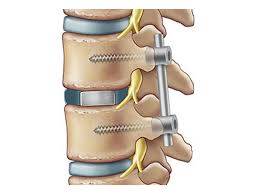






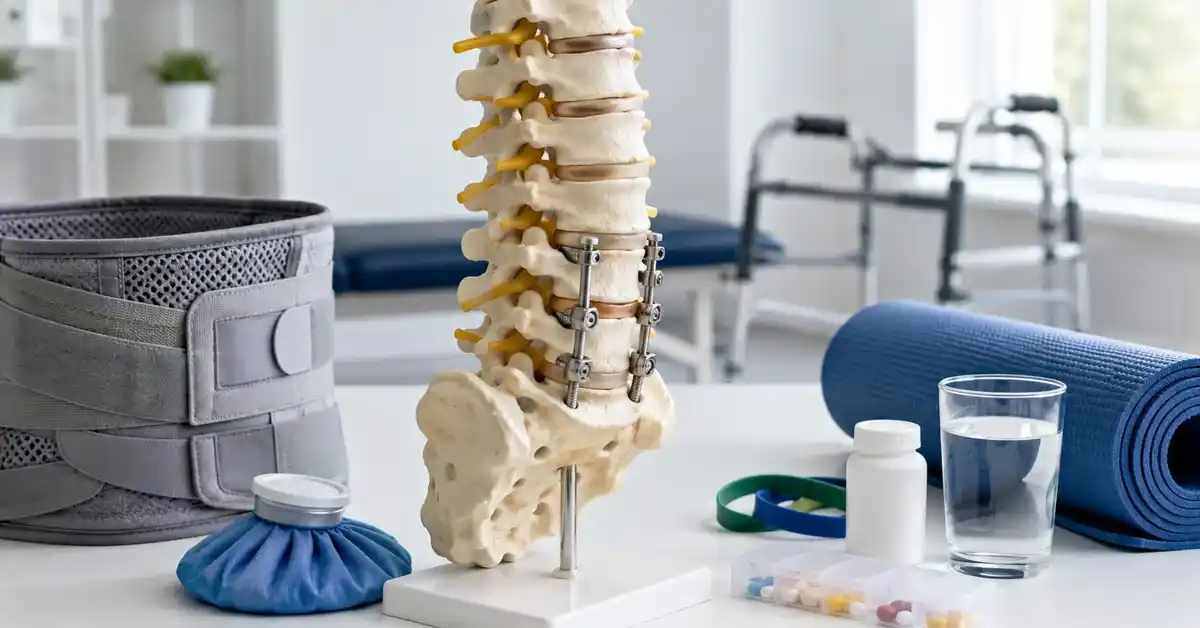
Making the decision to undergo spinal surgery is a major step toward relieving pain and reclaiming your quality of life. However, the success of the surgery isn't just determined by what happens in the operating room; it heavily relies on your commitment to the recovery plan that follows. Understanding and diligently following the steps to healing is the protective shield that guards you against complications and ensures you achieve the best possible outcome. It is a journey that requires patience, knowledge, and dedication.
In this comprehensive guide, we will walk you through the recovery stages after spinal surgery, step by step. From the critical first few days to your gradual return to daily activities, you will find everything you need to know here. At Safemedigo, we believe that empowering patients with the right information is an integral part of outstanding medical care, and our goal is to make your healing journey smooth, successful, and safe.
Recovery After Spinal Surgery and Its Importance
Recovery After Spinal Surgery
The journey of recovery after spinal surgery begins the moment the procedure is over. The primary goal of this phase is to manage pain, protect the surgical site, and initiate safe, gradual movement. This is a crucial period that lays the foundation for a successful long-term healing process. Adhering to the medical team's instructions is paramount for a successful spinal surgery recovery and minimizing the risk of issues like infection or blood clots.
Spinal Surgery Recovery Time
The spinal surgery recovery time varies significantly among patients and depends on several factors, including:
- The type of surgery performed (e.g., spinal fusion or discectomy).
- The patient's age and overall health condition.
- The level of adherence to the spinal surgery rehabilitation and physical therapy program.
In general, a full recovery can take several months to a year. However, most patients experience a significant improvement in the first few weeks and months, marking the beginning of their long-term spine surgery recovery.
Successful Spinal Surgery Recovery
A successful spinal surgery recovery is measured by achieving the desired goals, which are typically pain relief, improved function, and increased mobility. The patient plays an active role in achieving this success by strictly following the recovery plan, which includes physical therapy, activity restrictions, and lifestyle modifications. This commitment is key to a positive outcome.
First Days After Spinal Surgery
Pain After Spinal Surgery
It is normal to experience some pain after spinal surgery, particularly at the incision site. The medical team will prescribe pain medication to help manage it. It is important to take these medications as directed to maintain your comfort, which allows you to start moving and participating in physical therapy early on, a key part of your back surgery recovery.
Post Spinal Surgery Care
Effective post spinal surgery care in the initial days involves monitoring vital signs, caring for the surgical wound, and assisting with initial movements. The nursing team will provide detailed post-back-surgery guidelines, teaching you how to care for the wound and keep it clean and dry.
Preventing Infection After Spinal Surgery
Preventing infection after spinal surgery is a top priority. Preventive measures include regular hand washing, keeping the wound clean, and taking any prescribed antibiotics. You should monitor for signs of infection such as redness, swelling, discharge from the wound, or fever, and report them to your doctor immediately.
Read about: Is Spine Surgery Safe? Recovery Stages and Post-Op Care
Movement and Sitting After Spinal Surgery
Movement After Spinal Surgery
The medical team will encourage you to begin movement after spinal surgery as soon as it is safe. This usually starts with short, assisted walks in the hospital hallways. Early movement is crucial for avoiding spinal surgery complications like blood clots, pneumonia, and muscle stiffness.
Sitting After Spinal Surgery
Sitting after spinal surgery should be limited initially. It is advisable to sit in firm chairs with a straight back and avoid low sofas or chairs that you sink into. You should avoid sitting for long periods (more than 20-30 minutes at a time) in the first few weeks to protect your healing spine.
Sleeping After Spinal Surgery
Finding a comfortable position for sleeping after spinal surgery can be a challenge. It is usually recommended to sleep on your back with a pillow under your knees, or on your side with a pillow between your knees. These positions help maintain spinal alignment and reduce pressure. Sleeping on your stomach should be avoided.
Physical Therapy After Back Surgery
Physical Therapy After Back Surgery
Physical therapy after back surgery is an essential component of the healing process. A physical therapist will work with you to develop an individualized plan aimed at safely restoring strength, flexibility, and movement. Therapy begins with gentle exercises and gradually increases in intensity as you heal.
Exercises After Spinal Surgery
The initial exercises after spinal surgery focus on walking and gentle stretching. Over time, exercises to strengthen the core muscles (abdomen and back) and legs will be added. It is crucial to follow the prescribed exercise program precisely and avoid any movements that cause sharp pain.
Spinal Surgery Rehabilitation
Spinal surgery rehabilitation is a comprehensive process that goes beyond just exercises. It also includes learning proper body mechanics (how to bend, lift, and sit correctly) and lifestyle modifications to protect your back in the future. The goal is to empower you to return to your activities with confidence and safety.

Nutrition and Its Role in Recovery
Nutrition After Spinal Surgery
Proper nutrition after spinal surgery plays a vital role in healing. Your body needs extra calories, protein, vitamins, and minerals to repair tissues and fight infection. Focus on a balanced diet rich in lean proteins (like chicken, fish, and beans), fruits, vegetables, and whole grains.
Faster Healing After Surgery
Certain nutrients can promote faster healing after surgery. Vitamin C is essential for collagen production and tissue repair, while zinc aids in wound healing. Drinking enough water is also crucial to stay hydrated and support all healing functions, contributing to a smoother back surgery recovery.
Bone and Muscle Health Support
To ensure proper bone fusion (in fusion surgeries) and maintain muscle strength, it is important to get enough calcium and vitamin D. Your doctor may recommend supplements if necessary. Protein is also essential for rebuilding muscles that may have weakened due to inactivity.
Read about: Endoscopic Spine Surgery: Safety and Key Advantages
Avoiding Spinal Surgery Complications
Spinal Surgery Complications
Although spinal surgeries are generally safe, potential spinal surgery complications exist, such as infection, blood clots, spinal fluid leaks, and problems with wound healing. Following post-operative instructions is the best way to minimize these risks.
Avoiding Back Surgery Complications
For avoiding back surgery complications, you should:
- Adhere to activity restrictions (no bending, no twisting, no heavy lifting).
- Take all prescribed medications, including blood thinners if necessary.
- Attend all follow-up appointments with your surgeon.
- Quit smoking, as it significantly impairs bone and tissue healing.
When to See a Doctor
You should contact your doctor immediately if you experience any of the following symptoms: fever, chills, increased redness, swelling, or pain at the incision site, discharge from the wound, severe leg pain or swelling, shortness of breath, or any new neurological symptoms like weakness or numbness.
Read about: Endoscopic Spine Surgery: Turkey vs Germany
Returning to Normal Life After Spinal Surgery
Returning to Work After Spinal Surgery
The timeline for returning to work after spinal surgery depends on the nature of your job. Patients with office jobs may be able to return within 4-6 weeks, while those whose jobs require physical labor may need 3-6 months or more.
Daily Activities After Surgery
You will be able to gradually resume most light daily activities. Your physical therapist will provide guidance on how to perform tasks like dressing, bathing, and driving safely. High-impact activities such as running and contact sports should be avoided until your doctor permits it.
Maintaining Surgery Results
To ensure a long-term spine surgery recovery, it is important to adopt a healthy lifestyle. This includes maintaining a healthy weight, exercising regularly, avoiding smoking, and practicing good body mechanics in all your activities. These habits not only protect the results of your current surgery but also reduce the risk of future spinal problems.
Read about: Chronic Disc Herniation: When Is Surgical Intervention Needed?
Conclusion
In conclusion, the recovery journey after spinal surgery is a partnership between you and your medical team. While the surgeon corrects the structural problem, it is your commitment to the steps outlined in this guide that ensures a full recovery and the avoidance of complications. Remember that every step, no matter how small, is progress toward your ultimate goal: a life free from pain and full of movement and activity. Start your journey to a safe recovery today. Contact the expert team at Safemedigo via WhatsApp for a personalized recovery plan and continuous support.
Frequently Asked Questions: Recovery After Spinal Surgery
When can I shower after spine surgery?
This depends on the type of wound closure. Your surgeon will tell you when it is safe to get the incision wet. Generally, the wound must be kept dry until the stitches or staples are removed, or until the incision has fully healed.
Will I need to wear a back brace?
Some surgeons may recommend a back brace after certain types of surgery, especially spinal fusions, to provide extra support and limit motion while the bones heal. Your surgeon will tell you if you need a brace and for how long to wear it.
When can I drive again?
You must be off narcotic pain medication and be able to sit comfortably and have full control of your vehicle before resuming driving. This is usually after 2-4 weeks, but you should always get your surgeon's approval first.
Is it normal to have intermittent pain or numbness after surgery?
Yes, compressed nerves can take time to heal. It is common to experience intermittent pain, tingling, or numbness in the weeks or even months following surgery. These symptoms usually improve over time. However, if the symptoms are worsening, you should contact your doctor.
How can I make sure I don't hurt my back again?
The best way is to stick to the exercise program from your physical therapy after spinal surgery to strengthen your core muscles, maintain a healthy weight, and use the proper lifting and moving techniques you learned during rehabilitation.