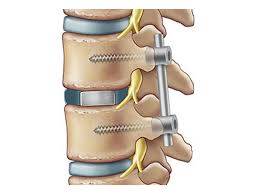






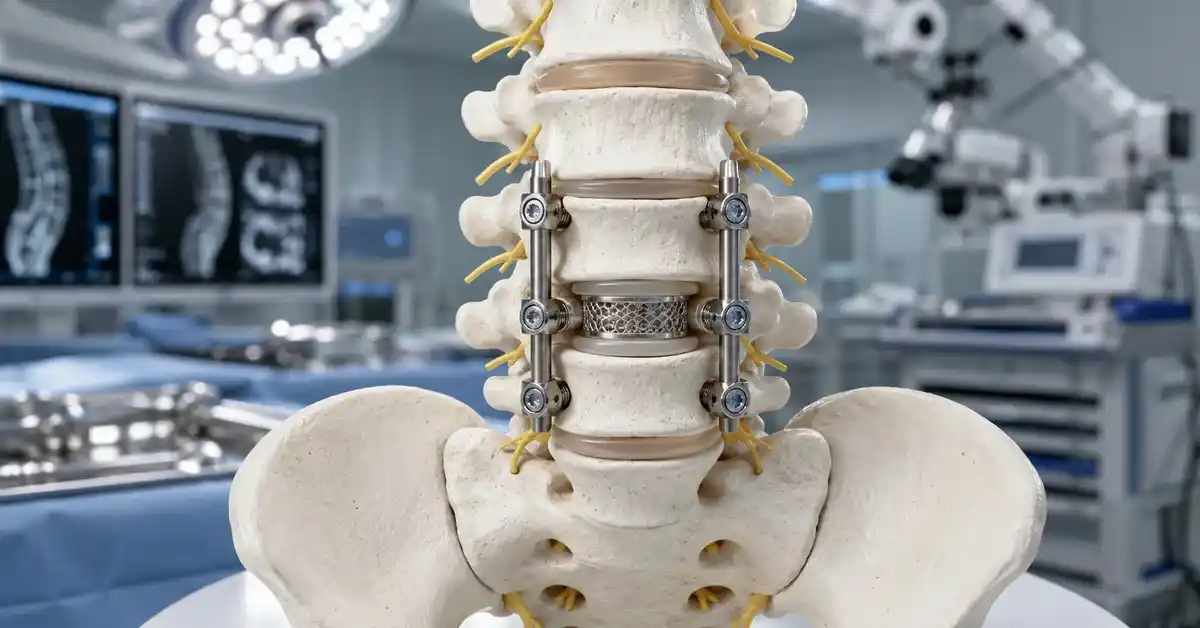
Spine surgery can be safe and effective when it is performed for the right reason, on the right patient, by an experienced surgical team. However, “spine surgery” is not one single procedure. It may refer to discectomy, microdiscectomy, lumbar decompression, laminectomy, spinal fusion, cervical disc surgery, fracture fixation, scoliosis correction, or revision surgery. Each procedure has different goals, risks, recovery stages, and post-op care needs.
Patients often ask, “Is spine surgery safe?” The realistic answer is that modern spine surgery has become more advanced, precise, and safer in properly selected patients, but it still carries risks like any operation. Safety depends on diagnosis, surgical indication, patient health, imaging findings, surgical technique, hospital standards, and adherence to rehabilitation instructions.
Spine surgery may be recommended when there is clear nerve compression, spinal instability, severe stenosis, persistent disabling pain despite conservative treatment, progressive weakness, or urgent neurological symptoms such as bladder or bowel dysfunction. If symptoms are mild or improving with physical therapy and medication, surgery may not be the first option.
At Safemedigo, spine surgery planning includes reviewing MRI or CT images, matching symptoms with imaging findings, explaining the spine surgery success rate realistically, discussing complications of spine surgery, and organizing recovery after spine surgery, physical therapy, safe movement, and long-term rehabilitation.
Is Spine Surgery Safe?
Spine surgery can be safe when the diagnosis is clear, the surgical goal is realistic, and the patient is medically prepared. The purpose may be to remove pressure from a nerve, stabilize unstable vertebrae, correct deformity, or repair damage after trauma. The level of safety depends heavily on the type and complexity of the operation.
A simple lumbar discectomy is not the same as multi-level spinal fusion. A cervical decompression near the spinal cord has different considerations from a lumbar decompression. First-time surgery may also differ from revision surgery after a previous operation.
Safety improves when medical conditions are controlled before surgery. Diabetes, smoking, obesity, poor nutrition, osteoporosis, blood-thinning medication, and active infection can increase surgical risks. Proper preparation reduces these risks and helps improve recovery.
Spine Surgery Success Rate
Spine surgery success rate varies by procedure, diagnosis, and patient selection. A discectomy for leg pain caused by a clearly compressed nerve may have a high chance of relieving radiating pain. A spinal fusion for instability may help selected patients, but recovery is longer and results depend on bone healing, alignment, and rehabilitation.
Success is more likely when:
- Symptoms match MRI or CT findings.
- The surgical indication is clear.
- Nerve compression is confirmed.
- Pain is related to a surgically treatable problem.
- Neurological damage is not too long-standing.
- The patient stops smoking.
- Diabetes and blood pressure are controlled.
- Weight is managed when needed.
- The correct procedure is selected.
- Rehabilitation instructions are followed.
- Expectations are realistic.
- Follow-up visits are completed.
Success should not be measured only by pain relief. In some cases, the goal is to prevent neurological deterioration, improve walking, stabilize the spine, or reduce nerve pain rather than eliminate every back symptom.
Is Back Surgery Dangerous
Is back surgery dangerous? It can carry risks, but it is not automatically dangerous when properly indicated and performed in the right setting. The risk level depends on the type of back surgery, the patient’s general health, and the complexity of the spine condition.
Back surgery may be more complex when there is:
- Multi-level disease.
- Previous spine surgery.
- Severe spinal stenosis.
- Spinal instability.
- Osteoporosis.
- Obesity.
- Uncontrolled diabetes.
- Smoking.
- Infection risk.
- Spinal deformity.
- Nerve damage before surgery.
- Need for fusion or implants.
Possible risks include infection, bleeding, blood clots, nerve injury, dural tear, spinal fluid leak, persistent pain, failed fusion, implant problems, or need for another operation. These risks should be discussed clearly before surgery, but they do not mean surgery should always be avoided.
Read about: Endoscopic Spine Surgery: Safety and Key Advantages
How Long Does Spine Surgery Take?
How long does spine surgery take? The answer depends on the procedure. A single-level discectomy or decompression may take a shorter time, while spinal fusion, deformity correction, tumor surgery, or revision surgery may take several hours. The time in the operating room also includes anesthesia preparation, positioning, imaging checks, and safe closure.
Patients should not judge the seriousness of surgery only by duration. Some shorter procedures are very delicate because they are close to nerves, while longer operations may be carefully planned stabilizing procedures.
The better question is: what exact operation is being performed, what is the goal, how many levels are involved, will implants be used, and what recovery restrictions are expected?
Cost of Spine Surgery
Cost of spine surgery varies widely depending on the country, hospital, surgeon experience, type of procedure, implants, number of spinal levels, anesthesia, imaging, hospital stay, medications, physical therapy, and post-op follow-up. A simple discectomy usually costs less than a fusion with screws, rods, cages, and longer hospitalization.
Cost factors include:
- Type of spine surgery.
- Cervical, thoracic, or lumbar level.
- Number of levels treated.
- Use of microscope or endoscope.
- Use of implants.
- Fusion vs decompression only.
- Standard or complex case.
- First surgery or revision surgery.
- Hospital stay duration.
- Intensive care need.
- Preoperative tests.
- Surgeon and anesthesia fees.
- Postoperative physical therapy.
- International patient services.
- Management plan if complications occur.
Patients comparing prices should ask what is included: consultation, MRI review, blood tests, implant costs, hospital stay, anesthesia, medications, follow-up visits, physiotherapy, and translation or coordination services.
Spine Surgery Recovery Time
Spine surgery recovery time differs by procedure. After a simple discectomy, some patients walk early and return to light activities within a few weeks. After spinal fusion, recovery is usually longer because the bone needs time to heal and fuse. Cervical procedures may also have specific restrictions depending on the technique used.
General recovery expectations may include:
- First days: pain control, short walking, wound care.
- First 2 weeks: light home activity and avoiding strain.
- 4–6 weeks: possible return to light work in selected cases.
- 6–12 weeks: gradual increase in activity and therapy.
- 3–6 months: strengthening and improved endurance.
- 6–12 months: continued improvement, especially after fusion.
The timeline must be individualized. A patient with a desk job may return earlier than someone whose work involves lifting, bending, driving long hours, or heavy physical labor.
Read about: Endoscopic Spine Surgery: Turkey vs Germany
Complications of Spine Surgery
Complications of spine surgery are possible, although many patients recover without major problems. Understanding risks helps patients prepare, recognize warning signs, and follow prevention instructions. Risks vary by surgery type, surgical level, medical condition, and whether implants are used.
Possible complications include infection, bleeding, blood clots, spinal fluid leak, nerve injury, persistent pain, recurrent disc herniation, failed fusion, implant loosening, poor wound healing, adjacent segment disease, or need for revision surgery. Some symptoms may improve slowly if nerve compression existed for a long time before surgery.
Higher-risk patients include those with uncontrolled diabetes, smoking, obesity, poor nutrition, osteoporosis, immune suppression, or previous spine surgery. Preparation and follow-up reduce risk.
Preventing Spine Surgery Complications
Preventing spine surgery complications begins before the operation and continues through recovery. Not every complication can be prevented, but many risks can be reduced through good planning and patient cooperation.
Prevention strategies include:
- Control diabetes.
- Stop smoking.
- Treat infections before surgery.
- Review blood thinners.
- Optimize blood pressure.
- Improve nutrition.
- Manage weight when possible.
- Check bone quality when needed.
- Follow fasting instructions.
- Use sterile wound care.
- Walk early when allowed.
- Take clot-prevention medication if prescribed.
- Avoid bending, lifting, and twisting too early.
- Attend follow-up visits.
- Start physical therapy when approved.
- Report new weakness or bladder changes quickly.
Warning signs such as fever, wound drainage, sudden severe pain, new weakness, loss of bladder or bowel control, calf swelling, chest pain, or shortness of breath require urgent medical attention.
Long-Term Effects of Complications
Long-term effects of complications depend on the type and severity of the problem. A superficial wound issue may resolve quickly, while deep infection, nerve injury, failed fusion, or implant failure may require longer treatment or another operation.
Potential long-term effects may include:
- Persistent back or neck pain.
- Residual numbness.
- Ongoing weakness.
- Reduced walking tolerance.
- Need for revision surgery.
- Activity limitations.
- Delayed return to work.
- Chronic nerve pain.
- Implant-related discomfort.
- Adjacent segment stress after fusion.
- Reduced spinal flexibility.
- Emotional stress from prolonged recovery.
Early detection improves outcomes. This is why post-op monitoring and honest communication with the surgical team are essential.

How Long to Walk After Spine Surgery?
How long to walk after spine surgery? In many common spine procedures, patients are encouraged to begin walking with assistance on the same day or the day after surgery, depending on the procedure and medical condition. Early walking helps circulation, breathing, confidence, and clot prevention.
However, early walking does not mean long-distance walking. At first, walking may be short and assisted. The distance increases gradually based on pain, balance, strength, and surgeon instructions. Some fusion or complex surgeries may require special precautions or a brace.
Patients should avoid two extremes: staying in bed too long without medical reason, or walking excessively too early because pain has improved.
Movement After Spine Surgery
Movement after spine surgery should be safe, controlled, and progressive. The goal is to restore mobility without straining the healing tissues. Walking is often the first and most important movement exercise.
Movement tips include:
- Start with assisted walking.
- Take short steps at first.
- Avoid sudden twisting.
- Use the log-roll method to get out of bed if advised.
- Avoid bending forward.
- Avoid lifting heavy objects.
- Wear stable shoes.
- Avoid slippery floors.
- Sit for short periods.
- Change position often.
- Use a brace if prescribed.
- Stop if severe radiating pain or weakness appears.
Safe movement is a core part of recovery after spine surgery. It protects the spine while reducing stiffness and clot risk.
Rest After Spine Surgery
Rest after spine surgery is necessary, but complete bed rest is usually not the goal. Too much rest can increase stiffness, muscle weakness, constipation, and blood clot risk. A better plan is alternating rest with short, frequent walks and gentle approved movement.
Healthy rest includes:
- Adequate sleep.
- Short rest periods when tired.
- Avoiding prolonged sitting.
- Gentle walking several times daily.
- Using supportive pillows.
- Avoiding painful positions.
- Taking medication as prescribed.
- Protecting the wound.
- Avoiding heavy housework.
- Asking for help in the first days.
- Avoiding driving until cleared.
- Following lifting restrictions.
If pain increases after a certain activity, the activity may be too much too early. The answer is usually to adjust intensity, not to stop all movement.
Read about: Chronic Disc Herniation: When Is Surgical Intervention Needed?
When Can I Return to Normal After Spine Surgery?
When can I return to normal after spine surgery? The answer depends on the procedure, job type, pain control, wound healing, and neurological recovery. Some patients return to light activities within a few weeks, while others need months, especially after spinal fusion or complex surgery.
Returning to office work is different from returning to heavy labor. Driving, travel, sports, housework, and sexual activity may all have different timelines. A patient should ask the surgeon about each specific activity rather than expecting one general date.
The safest return is gradual. Pain relief does not always mean the spine is fully healed. Muscles, ligaments, bone, and nerves may still need time.
Sleeping After Spine Surgery
Sleeping after spine surgery can be difficult in the first days because of pain, fear of movement, or difficulty finding a comfortable position. Good sleep is important for healing, so positioning matters.
Sleeping tips may include:
- Sleep on the back with support if comfortable.
- Place a pillow under the knees for some lower back surgeries.
- Sleep on the side with a pillow between the knees if allowed.
- Avoid stomach sleeping early in most cases.
- Use the log-roll technique when getting up.
- Avoid sudden twisting in bed.
- Use a supportive mattress.
- Take pain medication as prescribed.
- Keep the wound clean and dry.
- Maintain a regular sleep routine.
- Avoid long daytime naps if they disturb night sleep.
If pain prevents sleep despite medication, the medical team should be informed so the plan can be adjusted.
Daily Activities and Restrictions
Daily activities and restrictions after spine surgery should be clear before discharge. In the early phase, patients may be allowed to walk, use the bathroom, eat normally, and perform light self-care. Other activities must wait until healing progresses.
Activities that may be allowed gradually include:
- Walking indoors.
- Using stairs carefully when approved.
- Showering according to wound instructions.
- Sitting for short periods.
- Light desk tasks.
- Gentle approved exercises.
- Short outdoor walks.
- Driving after medical clearance.
- Gradual return to work.
- Low-impact exercise later.
Activities often restricted early include:
- Heavy lifting.
- Repeated bending.
- Twisting.
- Prolonged sitting.
- High-impact sports.
- Heavy housework.
- Driving while taking strong pain medication.
- Smoking.
- Sudden return to gym training.
- Carrying children or heavy bags.
Restrictions are not punishment. They protect the healing spine and reduce complication risk.
Read about: Herniated Disc Surgery: When Is It Necessary? Full Recovery Guide
Recovery After Spine Surgery
Recovery after spine surgery is a gradual process that includes wound healing, pain reduction, improved movement, nerve recovery, and rebuilding strength. Some patients notice quick improvement in leg or arm pain after nerve decompression, while numbness or weakness may take longer.
The first days after surgery are not the final measure of success. Incision pain, muscle soreness, fatigue, and stiffness are common. The important trend should be gradual improvement and no new neurological warning signs.
Recovery should be monitored through follow-up appointments, physical examination, symptom tracking, and sometimes imaging depending on the procedure.
Stages of Spine Surgery Recovery
Stages of spine surgery recovery vary, but many patients pass through early and later phases. The early stage focuses on pain control and safe movement. The later stage focuses on strength, endurance, and return to function.
General stages may include:
- First 24–48 hours: waking from anesthesia, pain control, short walking, nerve checks.
- First week: wound care, light home activity, avoid bending and lifting.
- Weeks 2–6: walking progress, less pain, follow-up visit.
- Weeks 6–12: physical therapy begins or intensifies if approved.
- Months 3–6: strengthening, conditioning, wider return to activity.
- Months 6–12: continued improvement, especially after fusion or complex surgery.
Some people recover faster; others need more time due to age, preoperative weakness, nerve damage, or medical conditions.
Factors Affecting Recovery Speed
Factors affecting recovery speed include both surgical and patient-related factors. Some can be improved before surgery, while others require realistic planning.
Important factors include:
- Type of procedure.
- Number of spinal levels.
- Use of fusion or implants.
- Age.
- Weight.
- Smoking.
- Diabetes control.
- Osteoporosis.
- Muscle strength before surgery.
- Duration of nerve compression.
- Previous spine surgery.
- Rehab adherence.
- Nutrition.
- Sleep quality.
- Home support.
- Job demands.
- Mental health and expectations.
Patients can improve recovery chances by stopping smoking, walking regularly, controlling chronic disease, eating well, and following restrictions.
Read about: Lumbar Disc Herniation: Best Treatment Options
Rehabilitation After Spine Surgery
Rehabilitation after spine surgery helps patients move safely and rebuild strength. It is not only about exercises. It includes learning how to get out of bed, sit, walk, lift, bend safely, protect the spine, and return gradually to normal life.
Rehabilitation may begin with simple walking and breathing exercises, then progress to core activation, hip strengthening, posture work, and functional training. After fusion, the program may move more slowly because the bone needs time to heal.
A good rehab program reduces pain, improves balance, restores confidence, and lowers the chance of recurring symptoms caused by poor movement patterns or weakness.
Physical Therapy After Spine Surgery
Physical therapy after spine surgery should be customized to the procedure. A program after discectomy is not always appropriate after spinal fusion. The surgeon or physiotherapist should decide timing, intensity, and restrictions.
Physical therapy may include:
- Gradual walking.
- Breathing exercises.
- Circulation exercises.
- Safe bed mobility training.
- Gentle flexibility work.
- Deep core activation.
- Hip strengthening.
- Balance exercises.
- Sitting posture education.
- Safe lifting mechanics.
- Neck exercises after cervical surgery when approved.
- Gradual return-to-work training.
- Long-term home exercise planning.
Physical therapy should improve function. It should not cause new radiating pain, increasing weakness, or worsening neurological symptoms.
Exercises After Spine Surgery
Exercises after spine surgery help rebuild support around the spine, reduce stiffness, and prevent recurrence. In early recovery, walking is often the main exercise. Later, the therapist may add core, hip, glute, and back strengthening.
The role of exercises includes:
- Improve circulation.
- Reduce stiffness.
- Support the spine.
- Build core strength.
- Improve walking pattern.
- Improve balance.
- Reduce clot risk.
- Improve posture.
- Increase endurance.
- Reduce muscle spasm.
- Prepare for work.
- Prevent future strain.
Exercises should start simple and progress gradually. Any exercise that increases radiating leg or arm pain should be stopped until reviewed.
Read about: Minimally Invasive Herniated Disc Treatment: Safe Results
Exercises After Spine Surgery
Exercises after spine surgery must be appropriate for the healing stage. Not all exercises are safe after surgery, and some movements may be restricted temporarily, especially bending, twisting, heavy lifting, aggressive stretching, or intense abdominal exercises.
The first exercise is often walking. After that, gentle activation exercises may be introduced. Later, core strengthening, hip work, balance training, and low-impact conditioning may be added.
The goal is not to do many exercises, but to do the right exercises consistently.
Safe Exercises Post-Op
Safe exercises post-op may include gentle movements that do not overload the spine. These should be started only after approval from the surgeon or physiotherapist, especially after fusion or cervical surgery.
Examples may include:
- Short frequent walking.
- Ankle pumps.
- Deep breathing.
- Gentle abdominal bracing.
- Glute squeezes.
- Pelvic tilts if approved.
- Gentle leg stretches.
- Hip strengthening.
- Balance exercises near support.
- Shoulder and neck mobility after cervical surgery when cleared.
- Posture drills.
- Safe sit-to-stand practice.
- Low-impact aerobic activity later.
The patient should stop any exercise that causes new numbness, increasing weakness, severe back pain, or pain radiating down the leg or arm.
Common Mistakes to Avoid
Common mistakes after spine surgery can delay recovery or increase the risk of returning pain. Some patients move too little because they are afraid, while others do too much because pain improves quickly. Both can be harmful.
Mistakes to avoid include:
- Staying in bed all day.
- Walking too far too soon.
- Lifting bags or heavy objects.
- Bending to pick things up.
- Twisting suddenly.
- Sitting for hours.
- Driving before clearance.
- Stopping medication without advice.
- Ignoring wound care.
- Smoking after surgery.
- Starting intense exercise too early.
- Ignoring new nerve pain.
- Missing follow-up appointments.
- Comparing recovery with other patients.
Successful recovery requires balance: enough movement to heal, enough rest to protect the spine.
Read about: Recovery Steps After Spinal Surgery to Avoid Complications
Post-Op Care Tips for Spine Surgery Patients
Post-op care tips for spine surgery patients help protect the surgical area and support healing. Key instructions usually include taking medication as prescribed, walking gradually, caring for the wound, avoiding smoking, following lifting restrictions, and attending follow-up visits.
Patients should understand which symptoms are expected and which are not. Incision pain and muscle soreness can be normal. However, new weakness, loss of bladder or bowel control, fever, wound drainage, severe sudden pain, calf swelling, chest pain, or shortness of breath require urgent attention.
Preparing the home before surgery also helps. Remove floor obstacles, keep essential items within reach, use a supportive chair, and arrange help during the first days.
Nutrition and Healing
Nutrition and healing are closely linked after spine surgery. The body needs protein, vitamins, minerals, and hydration to repair tissues, support immune function, and rebuild strength. Poor nutrition may delay wound healing, especially in older adults or patients with chronic disease.
Helpful nutrition tips include:
- Eat enough protein.
- Drink water if medically allowed.
- Include fruits and vegetables.
- Use fiber to reduce constipation.
- Limit excess sugar.
- Control blood glucose.
- Take iron only if prescribed.
- Check vitamin D and calcium if recommended.
- Avoid smoking and alcohol.
- Eat balanced small meals if appetite is low.
- Prevent constipation from pain medication.
- Follow medical advice about supplements.
After spinal fusion, bone health is especially important. Some patients may need evaluation for osteoporosis, vitamin D deficiency, or calcium intake.
Follow-Up Visits and Monitoring Recovery
Follow-up visits and monitoring recovery are essential after spine surgery. These visits allow the surgeon to check the wound, evaluate pain, monitor nerve recovery, adjust medications, decide when to start physical therapy, and clear the patient for activities.
Urgent medical review is needed if there is:
- Fever.
- Worsening redness around the wound.
- Drainage from the incision.
- Sudden severe pain.
- New weakness in the leg or arm.
- Increasing numbness.
- Loss of bladder or bowel control.
- Difficulty urinating.
- Shortness of breath.
- Chest pain.
- Severe calf pain or swelling.
- Wound opening.
- Severe headache after surgery with possible spinal fluid leak.
Regular monitoring gives the patient confidence and allows the medical team to guide recovery at the right pace.
Read about: Herniated Disc Treatment: Turkey vs USA
Conclusion
Spine surgery can be safe and effective when it is performed for a clear medical reason and supported by proper preparation, experienced care, and structured rehabilitation. However, safety and recovery vary greatly depending on whether the surgery is a discectomy, decompression, fusion, cervical procedure, or complex revision surgery.
Recovery after spine surgery requires a balance between movement and rest. Early walking, wound care, avoiding bending and lifting, safe sleeping positions, good nutrition, physical therapy, and follow-up visits all support better healing. Warning signs such as new weakness, bladder or bowel changes, fever, wound drainage, chest pain, or sudden severe pain should never be ignored.
Frequently Asked Questions: Spine Surgery
Is spine surgery safe?
Spine surgery can be safe when properly indicated and performed by an experienced team, but risks vary by procedure, patient health, and surgical complexity.
How long does spine surgery take?
It depends on the operation. A simple discectomy may take much less time than multi-level fusion or complex revision surgery, which can take several hours.
How long to walk after spine surgery?
Many patients begin walking with assistance on the same day or the day after surgery, but this depends on the procedure and surgeon’s instructions.
When can I return to normal after spine surgery?
Some patients return to light activities within weeks, while others need months, especially after fusion or complex surgery. The exact timeline depends on the procedure and job demands.
What are the main complications of spine surgery?
Possible complications include infection, bleeding, blood clots, spinal fluid leak, nerve injury, persistent pain, failed fusion, implant problems, or need for another operation.