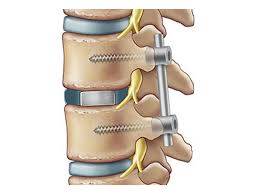






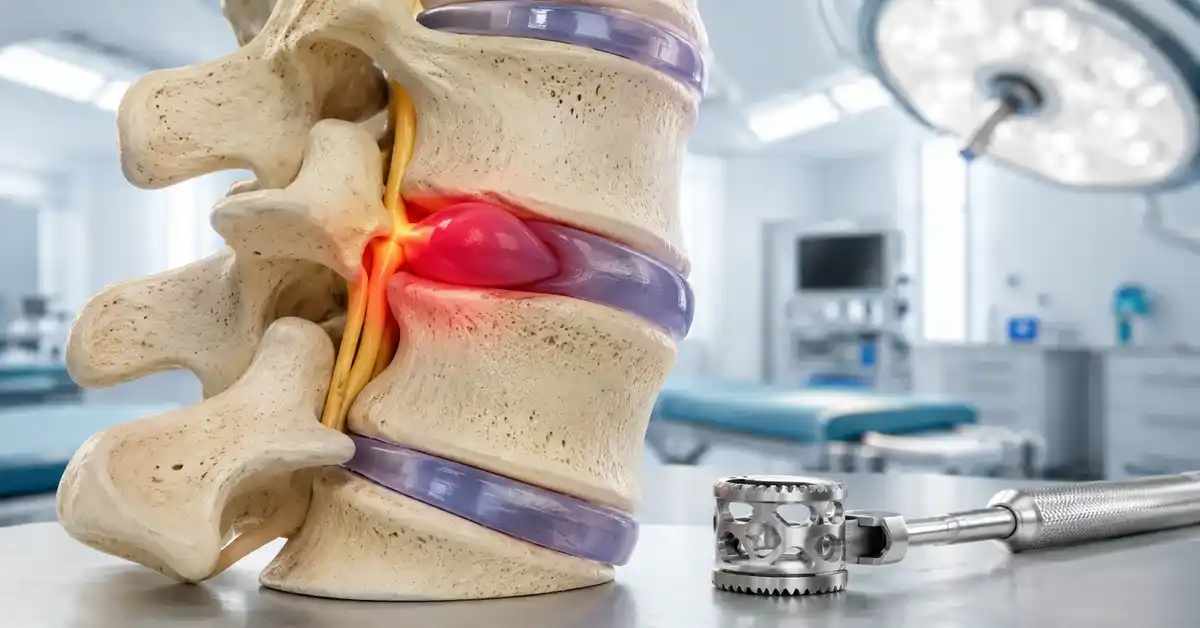
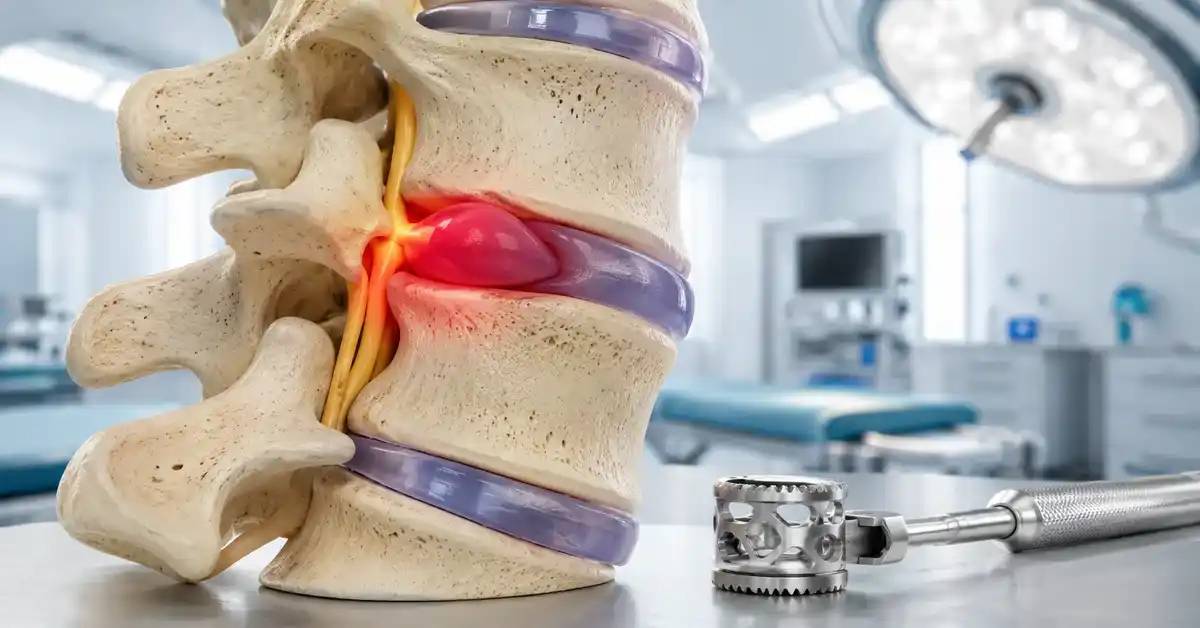
Herniated disc surgery is a treatment option for selected patients whose disc herniation causes persistent nerve compression, severe radiating pain, progressive weakness, or emergency neurological symptoms. A herniated disc occurs when part of the soft inner material of a spinal disc pushes through its outer layer and irritates or compresses nearby nerves. This may cause back pain, neck pain, sciatica, arm pain, numbness, tingling, or muscle weakness.
Many patients with a herniated disc improve without surgery. Conservative treatment may include medication, physical therapy, activity modification, injections, posture correction, and guided exercises. Surgery becomes more relevant when symptoms do not improve after a suitable period of treatment, or when neurological warning signs suggest that waiting may risk permanent nerve damage.
The key question is not only whether an MRI shows a herniated disc. The more important questions are: does the disc match the patient’s symptoms? Is there clear nerve compression? Is there progressive weakness? Are bladder or bowel functions affected? Is the pain severe enough to prevent walking, sleeping, or working despite treatment?
At Safemedigo, herniated disc surgical indications are evaluated through symptoms, neurological examination, MRI findings, duration of pain, previous treatments, and the patient’s general health. The goal is to avoid unnecessary surgery while also preventing dangerous delays when surgery is truly needed.
What Is a Herniated Disc?
A herniated disc is a condition in which part of the spinal disc moves beyond its normal boundary. The disc normally works as a cushion between vertebrae. It has a tougher outer ring and a softer inner core. When the outer ring weakens or tears, the inner material can bulge or leak outward and press on a nerve root.
A herniated disc may occur in the lumbar spine, cervical spine, or less commonly the thoracic spine. Lumbar disc herniation often causes symptoms in the lower back, buttock, leg, or foot. Cervical disc herniation often causes symptoms in the neck, shoulder, arm, or hand.
Not every disc herniation causes symptoms. Some people have disc changes on MRI without pain or nerve problems. Therefore, treatment decisions must connect imaging results with the patient’s real symptoms and physical examination.
Difference between lumbar disc herniation surgery and cervical disc herniation surgery
Lumbar disc herniation surgery and cervical disc herniation surgery differ because the affected nerves and surgical goals are different. Lumbar disc herniation surgery usually aims to relieve pressure on the nerve roots that travel to the legs. Patients often complain of sciatica, leg pain, numbness, tingling, or foot weakness.
Cervical disc herniation surgery treats nerve compression in the neck. Symptoms may include neck pain, shoulder pain, arm pain, hand numbness, reduced grip strength, or weakness in the arm. In more serious cervical cases, the spinal cord may be compressed, causing balance problems, hand clumsiness, walking difficulty, or signs of cervical myelopathy.
Key differences include:
- Lumbar herniation commonly affects the leg or foot.
- Cervical herniation commonly affects the shoulder, arm, or hand.
- Lumbar surgery often involves microdiscectomy or endoscopic discectomy.
- Cervical surgery may require anterior cervical discectomy and fusion or disc replacement in selected cases.
- Cervical spinal cord compression may be more urgent than simple nerve root irritation.
- Both regions may improve with conservative care in many cases.
- Surgery is considered when symptoms are severe, persistent, or neurologically dangerous.
The surgical choice depends on the location, nerve compression pattern, spinal stability, and patient factors.
Types and common causes of disc herniation
Disc herniation can vary in shape and severity. Some discs bulge slightly, while others rupture more clearly or release a fragment into the spinal canal. The size of the herniation matters, but the location and nerve pressure are often more important.
Common types include:
- Disc bulge.
- Disc protrusion.
- Disc extrusion.
- Sequestered disc fragment.
- Central herniation.
- Paracentral herniation.
- Foraminal herniation.
- Far-lateral herniation.
- Recurrent herniation after previous surgery.
Common causes and risk factors include:
- Aging and disc degeneration.
- Repeated bending or lifting.
- Sudden twisting injury.
- Heavy manual work.
- Poor lifting technique.
- Prolonged sitting.
- Smoking.
- Obesity.
- Weak core muscles.
- Genetic tendency.
- Previous spine injury.
- Sedentary lifestyle.
A herniated disc can happen suddenly, but it often develops on a background of gradual disc weakening.
Read about: Is Spine Surgery Safe? Recovery Stages and Post-Op Care
When Is Herniated Disc Surgery Necessary?
Herniated disc surgery is necessary when nerve compression causes emergency symptoms, progressive neurological loss, or persistent disabling pain that does not improve with conservative care. Surgery is not usually recommended only because an MRI shows a disc herniation.
In many cases, doctors first recommend conservative treatment unless there are red flags. This may include medications, physical therapy, guided exercise, injections, and lifestyle modifications. If symptoms improve, surgery may not be needed. If symptoms persist or worsen, surgery becomes more reasonable.
Surgery is especially urgent when there are symptoms of cauda equina syndrome, loss of bladder or bowel control, severe progressive weakness, or spinal cord compression signs in cervical disc herniation.
Symptomatic herniated disc with persistent neurological signs
A symptomatic herniated disc with persistent neurological signs means the disc is not only visible on MRI, but also causing nerve-related symptoms that match the affected level. These symptoms may include radiating pain, numbness, tingling, weakness, or reduced reflexes.
Surgery may be considered when there is:
- Severe leg pain or arm pain.
- Persistent sciatica.
- Numbness that does not improve.
- Muscle weakness.
- Foot drop.
- Reduced grip strength.
- Difficulty walking or standing.
- Pain preventing sleep.
- Pain preventing work.
- MRI-confirmed nerve compression.
- Failure of conservative treatment.
- Symptoms lasting several weeks with no improvement.
- Worsening neurological signs.
The strongest surgical candidates are patients whose symptoms, physical examination, and MRI findings all point to the same compressed nerve.
Symptoms requiring herniated disc surgery: cauda equina, bladder, or bowel dysfunction
Some symptoms requiring herniated disc surgery are urgent because they may indicate severe nerve compression. Cauda equina syndrome is one of the most serious emergencies associated with lumbar disc herniation. It occurs when the nerves at the lower end of the spinal canal are compressed.
Emergency warning signs include:
- Loss of bladder control.
- Loss of bowel control.
- Difficulty starting urination.
- Inability to urinate despite a full bladder.
- Saddle anesthesia.
- Numbness around the inner thighs.
- Numbness around the genitals or anus.
- Severe or progressive leg weakness.
- Sudden difficulty walking.
- Sexual dysfunction with new neurological symptoms.
- Numbness in both legs.
- Severe back pain with neurological deterioration.
These symptoms should not be treated with home exercises or delayed appointments. They require urgent medical assessment and often urgent decompression surgery.
Read about: Endoscopic Spine Surgery: Safety and Key Advantages
Herniated Disc Surgical Indications
Herniated disc surgical indications depend on the location of the disc, severity of nerve compression, duration of symptoms, neurological findings, and response to conservative treatment. The goal of surgery is usually to remove pressure from a nerve root or spinal cord, not to treat every form of back or neck pain.
Surgery is more likely to help when the main complaint is nerve pain traveling down the leg or arm rather than general back pain alone. For lumbar herniation, this may mean sciatica. For cervical herniation, this may mean arm pain, numbness, or weakness.
The decision should be individualized. A small disc in a narrow canal may cause severe symptoms, while a larger disc may cause fewer symptoms if it does not compress a sensitive nerve.
Herniated disc surgical indications in the lumbar spine
Herniated disc surgical indications in the lumbar spine usually involve nerve root compression causing sciatica, weakness, or severe functional limitation. Lumbar disc herniation surgery is most commonly considered when leg symptoms are more severe than back pain and imaging confirms compression of the matching nerve.
Lumbar indications may include:
- Persistent sciatica despite treatment.
- Severe leg pain lasting 6 to 12 weeks.
- Foot drop.
- Progressive leg weakness.
- Numbness with functional loss.
- Difficulty walking or standing.
- Pain that prevents sleep.
- MRI-confirmed nerve compression.
- Recurrent severe attacks.
- Failure of physical therapy and medication.
- Cauda equina syndrome.
- Bladder or bowel dysfunction.
- Severe pain that cannot be controlled.
In emergency cases, surgery may be needed quickly. In non-emergency cases, a trial of conservative treatment is often appropriate.
Cervical disc herniation surgery indications after failed conservative care
Cervical disc herniation surgery indications after failed conservative care include persistent arm pain, weakness, numbness, or signs of spinal cord compression. Many cervical disc cases improve with medication, physical therapy, posture correction, and time. Surgery is considered when symptoms remain disabling or neurologically concerning.
Cervical surgery may be discussed when there is:
- Persistent arm pain.
- Hand numbness.
- Weak grip strength.
- Progressive arm weakness.
- Loss of fine hand coordination.
- MRI-confirmed nerve compression.
- Failure of conservative treatment.
- Severe pain affecting sleep and work.
- Spinal cord compression.
- Balance problems.
- Difficulty walking.
- Hyperreflexia or myelopathy signs.
- Cervical disc herniation causing neurological decline.
When cervical spinal cord compression is present, the urgency and surgical plan may differ from simple nerve root compression.
Read about: Endoscopic Spine Surgery: Turkey vs Germany
Herniated Disc Surgery vs Conservative Treatment
Herniated disc surgery vs conservative treatment is one of the most important decisions for patients. Conservative treatment is often the first step because many herniated discs improve over time. Surgery may provide faster relief for selected patients with persistent nerve pain, but it is not always necessary.
Conservative care may include medications, activity modification, physiotherapy, spinal stabilization exercises, anti-inflammatory treatment, injections, and education. It works best when symptoms are improving, weakness is absent or mild, and there are no emergency signs.
Surgery becomes more appropriate when conservative treatment fails, pain remains severe, neurological deficits progress, or urgent symptoms appear.
When is herniated disc surgery necessary compared to physical therapy
Herniated disc surgery becomes necessary compared to physical therapy when physical therapy and other conservative measures cannot control symptoms, or when the nerve is at risk. Physical therapy is useful for many patients, but it cannot always remove a large disc fragment compressing a nerve.
Surgery may be favored when:
- Pain remains severe after 6 to 12 weeks.
- Leg or arm pain is disabling.
- Weakness is progressing.
- Foot drop develops.
- Walking becomes difficult.
- Bladder or bowel control changes.
- Saddle numbness appears.
- MRI shows clear nerve compression.
- Pain prevents sleep or work.
- Conservative treatment repeatedly fails.
Physical therapy may remain appropriate when pain is improving, strength is stable, and there are no red flags.
Success rates of herniated disc surgery vs conservative treatment
Success rates of herniated disc surgery vs conservative treatment depend on patient selection and outcome timing. Surgery may provide faster relief of nerve pain in selected patients, especially when leg pain or arm pain clearly matches nerve compression. Conservative treatment can also lead to improvement, but it may take longer.
Surgery tends to work best when:
- Symptoms match MRI findings.
- Nerve pain is the main symptom.
- There is clear compression.
- Symptoms have not been present for too long.
- There is no severe chronic pain syndrome.
- The patient follows rehabilitation advice.
- Smoking and obesity are addressed.
- Expectations are realistic.
Conservative treatment works best when:
- Symptoms are mild or moderate.
- Pain is improving.
- Strength is stable.
- No emergency signs exist.
- The patient can participate in rehab.
- Daily function is not severely limited.
The decision should focus on safety, function, and the patient’s specific symptoms rather than a single success percentage.

Types of Herniated Disc Surgery
Types of herniated disc surgery include microdiscectomy, endoscopic discectomy, open discectomy, laminectomy, foraminotomy, cervical discectomy, disc replacement, and spinal fusion in selected cases. The goal is to relieve pressure on nerves while preserving spinal stability whenever possible.
Minimally invasive herniated disc surgery uses smaller incisions and less tissue disruption in suitable patients. However, “minimally invasive” does not automatically mean better for every case. Some patients need a more extensive procedure because of spinal instability, severe stenosis, recurrent herniation, or multiple-level disease.
The best technique depends on anatomy, disc location, surgeon experience, and the reason for surgery.
Overview of minimally invasive herniated disc surgery: endoscopic discectomy, microdiscectomy
Minimally invasive herniated disc surgery includes procedures designed to remove the disc fragment through smaller access routes. The two common terms patients hear are microdiscectomy and endoscopic discectomy.
Microdiscectomy uses magnification or a microscope to remove the herniated part pressing on the nerve. It is commonly used for lumbar disc herniation causing sciatica. Endoscopic discectomy uses a small camera and specialized instruments, often through a very small incision, for selected disc herniations.
Potential advantages may include:
- Smaller incision.
- Less muscle disruption in selected cases.
- Shorter hospital stay in some patients.
- Faster early mobility.
- Direct nerve decompression.
- Effective relief of leg pain in suitable lumbar cases.
- Lower tissue trauma compared with larger open procedures.
Limitations may include:
- Not suitable for all disc locations.
- Requires specialized expertise.
- May not address instability.
- May not be enough for severe stenosis.
- Recurrent herniation can still occur.
The surgical method should be chosen for medical suitability, not only because it sounds modern.
Conditions requiring more extensive procedures
Some herniated disc cases require more extensive procedures than a simple discectomy. This happens when there is spinal instability, severe spinal canal narrowing, deformity, recurrent herniation, or combined bone and disc compression.
More extensive procedures may include:
- Laminectomy.
- Laminotomy.
- Foraminotomy.
- Spinal fusion.
- Anterior cervical discectomy and fusion.
- Cervical disc replacement in selected cases.
- Revision surgery.
- Multi-level decompression.
- Decompression with stabilization.
These may be considered in cases such as:
- Severe spinal stenosis.
- Recurrent disc herniation.
- Spondylolisthesis.
- Spinal instability.
- Cervical spinal cord compression.
- Severe degenerative changes.
- Multiple-level compression.
- Previous failed surgery.
- Deformity or collapse.
More extensive surgery may require longer recovery and more detailed planning.
Read about: Chronic Disc Herniation: When Is Surgical Intervention Needed?
Herniated Disc Surgery Recovery Timeline
Herniated disc surgery recovery timeline varies depending on the procedure, spinal level, patient health, job demands, and preoperative nerve damage. Many patients walk early after discectomy, but return to full activity must be gradual.
Recovery after microdiscectomy may be faster than recovery after fusion, but even minimally invasive surgery requires tissue healing and careful movement. The patient should avoid bending, lifting, and twisting too early unless the surgeon gives different instructions.
A good recovery plan includes wound care, pain control, walking, physical therapy, progressive strengthening, and prevention of recurrent injury.
Post-surgery rehabilitation and early recovery
Post-surgery rehabilitation and early recovery usually focus on walking, wound care, pain control, and avoiding risky movements. Many patients are encouraged to walk soon after surgery, but the amount and timing depend on the procedure and surgeon’s protocol.
Early recovery may include:
- Short walks.
- Wound monitoring.
- Pain medication as prescribed.
- Avoiding heavy lifting.
- Avoiding bending and twisting.
- Gradual return to sitting.
- Proper sleep positioning.
- Light mobility exercises.
- Nerve symptom monitoring.
- Follow-up appointments.
- Education about safe movement.
- Avoiding smoking.
- Hydration and nutrition support.
Leg or arm pain may improve quickly after nerve decompression, but numbness and weakness may take longer, especially if the nerve was compressed for a long time.
Long-term phases in herniated disc surgery recovery and full recovery guide
Long-term phases in herniated disc surgery recovery focus on rebuilding strength, flexibility, endurance, and safe movement habits. A full recovery guide should not only aim to remove pain, but also reduce the risk of recurrence.
A general recovery pattern may include:
- First days: walking and wound care.
- First 2 weeks: gentle activity, avoid strain, attend follow-up if scheduled.
- Weeks 2–6: gradual walking increase, light mobility, begin therapy if approved.
- Weeks 6–12: core strengthening, posture training, return to more daily activities.
- Months 3–6: stronger rehabilitation, work conditioning if needed.
- After 6 months: long-term fitness, prevention, and lifestyle maintenance.
This timeline may be shorter or longer depending on whether the operation was microdiscectomy, endoscopic surgery, cervical surgery, or fusion.
Read about: Lumbar Disc Herniation: Best Treatment Options
Herniated Disc Surgery Risks and Success Rate
Herniated disc surgery risks and success rate should be discussed before treatment. Surgery can be very effective in selected patients, but it is still a medical procedure with possible complications. Understanding both benefits and risks helps patients make informed decisions.
Surgery is usually most successful when the main problem is nerve compression causing leg or arm pain. It may be less predictable when the main complaint is chronic back pain without clear nerve compression.
Success also depends on timing, nerve condition, patient health, rehabilitation, and prevention of recurrence.
Common herniated disc surgery risks and how to mitigate them
Common herniated disc surgery risks include infection, bleeding, nerve injury, spinal fluid leak, recurrent herniation, persistent pain, scar tissue, and anesthesia-related complications. In fusion surgery, additional risks may include non-union, hardware problems, or adjacent segment stress.
Possible risks include:
- Wound infection.
- Bleeding.
- Dural tear or spinal fluid leak.
- Nerve irritation or injury.
- Persistent numbness.
- Persistent weakness.
- Recurrent disc herniation.
- Back or neck pain.
- Scar tissue around the nerve.
- Blood clots.
- Anesthesia risks.
- Need for revision surgery.
- Implant-related problems in fusion.
- Failure to improve chronic pain.
Risk reduction may involve good patient selection, smoking cessation, diabetes control, weight management, sterile surgical technique, careful rehabilitation, and following post-surgery restrictions.
Herniated disc surgery success rate statistics
Herniated disc surgery success rate statistics vary by procedure and patient selection. In properly selected patients undergoing lumbar microdiscectomy for sciatica, improvement rates are often reported around 80% to 90%, especially for leg pain relief. However, this is a general estimate, not a guarantee for every patient.
Success is more likely when:
- Leg or arm pain is the main complaint.
- MRI clearly matches symptoms.
- Nerve compression is confirmed.
- Symptoms are not long-standing with permanent nerve damage.
- The patient does not smoke.
- Rehabilitation is followed.
- There is no severe untreated instability.
- Expectations are realistic.
- The correct surgical method is chosen.
- General health is optimized.
Pain relief may be faster than recovery of numbness or weakness. Nerve healing can take months, and some deficits may not fully recover if compression was severe or prolonged.
Read about: Minimally Invasive Herniated Disc Treatment: Safe Results
Herniated Disc Recovery Exercises
Herniated disc recovery exercises after surgery should be introduced gradually and under medical or physiotherapy guidance. The goal is to restore mobility, strengthen the core, improve posture, and reduce recurrence risk without irritating the healing tissues.
Exercises depend on the procedure and spinal level. Lumbar surgery rehab often emphasizes walking, core activation, hip strength, and safe lifting mechanics. Cervical surgery rehab may focus on posture, shoulder blade control, neck mobility, and arm strength when allowed.
No exercise should produce worsening radiating pain, new numbness, or increasing weakness.
Essential herniated disc recovery exercises post-surgery
Essential herniated disc recovery exercises post-surgery may include simple movements early, followed by more structured strengthening later. The exact plan should be approved by the surgeon or physiotherapist.
Exercises may include:
- Short frequent walking.
- Gentle ankle pumps.
- Deep breathing.
- Pelvic tilts when approved.
- Transverse abdominal activation.
- Glute squeezes.
- Gentle hamstring stretching.
- Hip strengthening.
- Bird-dog progression later.
- Wall-supported posture drills.
- Gentle nerve glides when prescribed.
- Cervical retraction for neck cases when allowed.
- Shoulder blade strengthening.
- Low-impact aerobic exercise later.
- Safe sit-to-stand practice.
The patient should avoid aggressive stretching, heavy lifting, twisting, or high-impact activity during early healing unless cleared by the medical team.
Tips for safe and effective progression
Tips for safe and effective progression focus on gradual loading. Recovery is not improved by forcing the spine too early. The best progress usually comes from consistent, controlled activity.
Helpful tips include:
- Walk daily in short sessions.
- Increase distance gradually.
- Avoid long sitting early.
- Keep the spine neutral during movement.
- Use proper lifting technique.
- Avoid bending and twisting together.
- Stop exercises that increase radiating pain.
- Follow weight-lifting restrictions.
- Sleep in a comfortable supported position.
- Strengthen hips and core progressively.
- Return to work according to job demands.
- Do not smoke.
- Maintain healthy weight.
- Attend follow-up visits.
If pain suddenly worsens or new neurological symptoms appear, the exercise program should pause until medical review.
Read about: Recovery Steps After Spinal Surgery to Avoid Complications
Full Recovery Guide After Herniated Disc Surgery
A full recovery guide after herniated disc surgery includes medical follow-up, wound care, pain control, rehabilitation, work planning, posture education, and prevention strategies. Recovery does not end when pain improves. Long-term spine protection is essential.
Some patients feel major relief quickly, especially from leg pain after lumbar decompression. Others need more time for nerve symptoms to settle. Numbness and weakness can recover slowly, and sometimes not completely if the nerve was compressed for too long.
A realistic recovery plan helps patients avoid both fear of movement and overconfidence too early.
Long-term outcomes in herniated disc full recovery guide
Long-term outcomes in herniated disc full recovery guide depend on diagnosis, surgery type, nerve condition, lifestyle, and rehabilitation. Many patients return to normal daily life after surgery, especially when the surgical indication was clear and the decompression was successful.
Good long-term outcomes may include:
- Reduced leg or arm pain.
- Better walking ability.
- Improved sleep.
- Return to work.
- Less need for pain medication.
- Better function.
- Improved confidence with movement.
- Gradual return to exercise.
- Reduced nerve irritation.
- Improved quality of life.
Possible ongoing issues may include:
- Mild back or neck pain.
- Residual numbness.
- Slow nerve recovery.
- Recurrent disc herniation.
- Scar-related nerve irritation.
- Need for long-term strengthening.
- Activity restrictions after fusion.
Follow-up helps identify whether symptoms are improving normally or require further evaluation.
Lifestyle changes and prevention strategies post-recovery
Lifestyle changes and prevention strategies post-recovery help reduce the risk of recurrence and protect the spine. A disc surgery can remove pressure from a nerve, but it does not make the entire spine immune to future strain or degeneration.
Prevention strategies include:
- Maintain healthy weight.
- Stop smoking.
- Strengthen core muscles.
- Strengthen hip and glute muscles.
- Walk regularly.
- Avoid prolonged sitting.
- Use proper desk ergonomics.
- Lift with the legs, not the back.
- Avoid twisting while carrying weight.
- Take movement breaks at work.
- Sleep on a supportive mattress.
- Return to sports gradually.
- Choose low-impact exercise.
- Manage diabetes or inflammatory disease.
- Continue home exercises long term.
The best prevention plan is simple, consistent, and sustainable. Protecting the spine becomes a long-term habit, not only a temporary post-surgery rule.
Read about: Herniated Disc Treatment: Turkey vs USA
Conclusion
Herniated disc surgery is not necessary for every patient. Many herniated discs improve with conservative treatment, physical therapy, medications, injections, and guided exercises. However, surgery becomes necessary when symptoms are severe and persistent, when neurological weakness progresses, or when emergency signs such as cauda equina syndrome, bladder or bowel dysfunction, or saddle anesthesia appear.
The most effective surgical results are usually seen when nerve pain in the leg or arm clearly matches MRI-confirmed nerve compression. Microdiscectomy, endoscopic discectomy, and other minimally invasive approaches may help selected patients, while more extensive procedures are reserved for instability, stenosis, recurrent herniation, or cervical spinal cord compression.
Frequently Asked Questions: Herniated Disc Surgery
When is herniated disc surgery necessary?
Herniated disc surgery is necessary when there is cauda equina syndrome, bladder or bowel dysfunction, progressive weakness, or severe persistent nerve pain that does not improve with conservative treatment.
Is herniated disc surgery always required?
No. Many herniated discs improve without surgery through medication, physical therapy, activity modification, and guided exercises.
What are symptoms requiring herniated disc surgery urgently?
Urgent symptoms include loss of bladder or bowel control, difficulty urinating, saddle anesthesia, severe progressive weakness, and sudden difficulty walking.
How long is herniated disc surgery recovery?
Recovery varies by procedure. Many patients walk early after microdiscectomy, while full recovery and strengthening may continue for several months. Fusion surgery usually requires a longer recovery.
What is the success rate of herniated disc surgery?
In well-selected lumbar microdiscectomy patients, improvement in leg pain is often estimated around 80% to 90%, but results depend on diagnosis, nerve condition, timing, and rehabilitation.