





Chronic disc herniation is a spine condition that can cause persistent back pain, neck pain, sciatica, radiculopathy, numbness, tingling, or weakness in the arms or legs. It happens when part of an intervertebral disc moves out of its normal position and irritates or compresses a nearby nerve. When symptoms continue for weeks or months, recur frequently, or significantly affect walking, sleep, work, and daily activities, the condition may be described as chronic.
A diagnosis of chronic disc herniation does not automatically mean that surgery is required. Many patients improve with non-surgical treatment for disc herniation, including physical therapy, medications, lifestyle modification, epidural steroid injection, and guided rehabilitation. However, disc herniation surgery may become necessary when conservative treatment fails, when nerve compression causes progressive neurological deficits, or when severe pain continues despite a well-structured treatment plan.
The most important question is not only whether an MRI shows a herniated disc. The real question is whether the disc herniation matches the patient’s symptoms, compresses a specific nerve root, causes radiculopathy or sciatica, and affects nerve function. A small herniation in the wrong location can cause severe symptoms, while a larger herniation may sometimes be seen on imaging without major complaints.
At Safemedigo, chronic disc herniation is evaluated through medical history, neurological examination, MRI findings, previous treatments, symptom duration, and the patient’s daily limitations. The goal is to avoid unnecessary surgery while also avoiding dangerous delays when surgical decompression is needed to protect nerve function and improve quality of life.
What Is Chronic Disc Herniation?
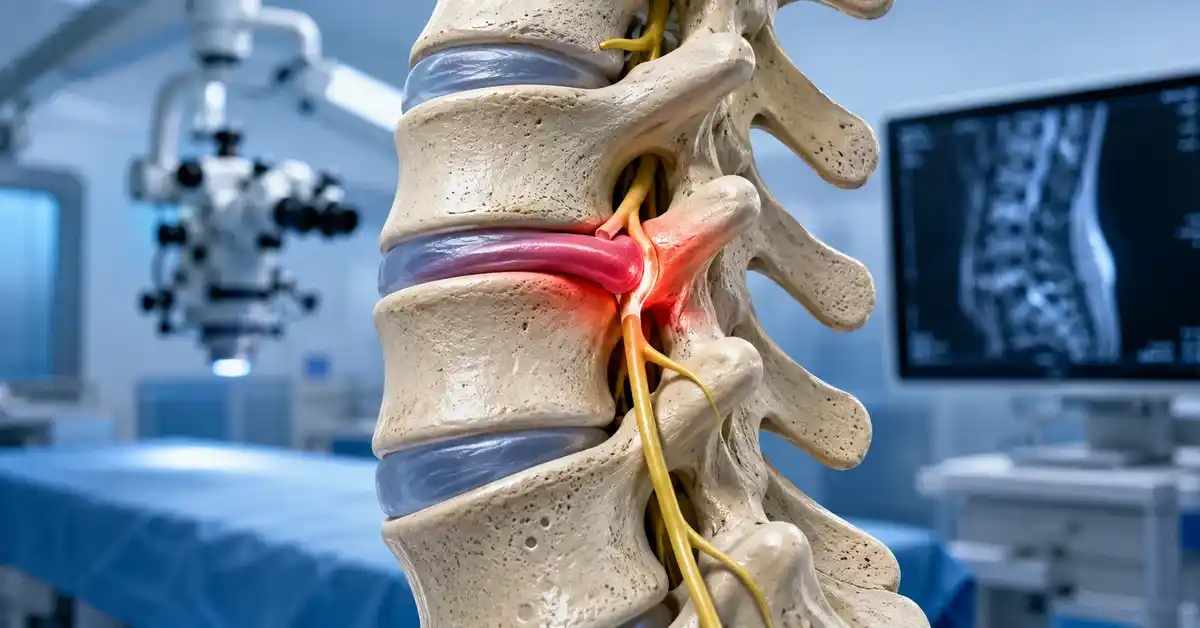
Chronic disc herniation occurs when a disc between the vertebrae bulges, protrudes, or ruptures and symptoms persist or recur over time. The disc normally acts as a cushion between the bones of the spine. It has a tougher outer layer and a softer inner center. When the outer layer weakens or tears, the inner material can move outward and press on nearby nerves.
The condition may begin suddenly after lifting, twisting, or injury, or it may develop gradually because of age-related disc degeneration. Chronic symptoms may result from ongoing nerve irritation, persistent inflammation, repeated flare-ups, or mechanical compression that does not improve.
Some patients have disc herniation on MRI but only mild symptoms. Others have clear nerve pain, weakness, or numbness because the herniated disc is pressing on a sensitive nerve root. This is why diagnosis should always connect imaging findings with symptoms and examination.
Understanding the Basics of Disc Herniation
Disc herniation means that part of the disc has moved beyond its normal boundary. If it touches or compresses a nerve, it may cause pain that travels from the spine into the arm or leg. The symptoms depend on the spinal level and the nerve involved.
Common causes and risk factors include:
- Age-related disc degeneration.
- Repeated bending or lifting.
- Poor lifting technique.
- Sudden twisting movement.
- Prolonged sitting.
- Weak core muscles.
- Obesity.
- Smoking.
- Sedentary lifestyle.
- Physically demanding work.
- Repetitive vibration exposure.
- Previous spine injury.
- Genetic tendency.
- Poor posture.
- Reduced flexibility and conditioning.
Disc herniation is not always caused by one event. In many patients, it develops from years of disc stress, followed by a movement that triggers symptoms.
Difference Between Lumbar and Cervical Disc Herniation
Lumbar disc herniation occurs in the lower back and is the most common type. It may cause low back pain, buttock pain, sciatica, leg pain, numbness, tingling, or weakness in the foot or leg. Pain often follows the path of a compressed nerve root.
Cervical disc herniation occurs in the neck and may cause neck pain, shoulder pain, arm pain, numbness, tingling, or weakness in the hand or arm. In more serious cases, cervical nerve or spinal cord compression can affect balance, coordination, or walking.
The main differences include:
- Lumbar herniation usually affects the leg.
- Cervical herniation usually affects the arm.
- Lumbar herniation may cause sciatica.
- Cervical herniation may cause arm radiculopathy.
- Cervical disease can sometimes involve the spinal cord.
- Lumbar disease can rarely cause cauda equina syndrome.
- Surgical techniques differ by location.
- Recovery instructions may differ after surgery.
The location of the herniation determines symptoms, treatment options, and the type of surgery that may be considered.
Read about: Is Spine Surgery Safe? Recovery Stages and Post-Op Care
Symptoms of Chronic Disc Herniation
Symptoms of chronic disc herniation vary depending on whether the problem is in the lumbar spine, cervical spine, or less commonly the thoracic spine. Some patients mainly have back pain or neck pain, while others have nerve pain that radiates into a limb. Chronic symptoms may become physically and emotionally exhausting.
Common symptoms include persistent back pain, neck pain, sciatica, radiculopathy, numbness, tingling, burning pain, electric-shock pain, weakness, difficulty walking, difficulty sitting, and pain that worsens with coughing, sneezing, bending, or prolonged sitting.
Not all pain from a disc herniation requires surgery. Surgery is usually more effective for nerve compression symptoms such as leg pain or arm pain than for general mechanical back pain alone.
Persistent Back Pain
Persistent back pain may occur when the disc itself is inflamed, when surrounding muscles are irritated, or when nerve compression creates pain in the lower back and leg. In lumbar disc herniation, pain may start in the lower back and travel to the buttock, thigh, calf, or foot.
Back pain related to disc herniation may be:
- Worse with sitting.
- Worse with bending forward.
- Worse with lifting.
- Worse with coughing or sneezing.
- Associated with leg pain.
- Burning, sharp, or electric.
- Improved by lying in certain positions.
- Recurrent after activity.
- Associated with muscle spasm.
- Limiting walking, sleep, or work.
If pain is only in the back without leg symptoms or nerve compression, surgery may be less predictable. If the main symptom is radiating nerve pain that matches MRI findings, surgical outcomes may be more favorable when conservative care fails.
Numbness and Weakness in Limbs
Numbness and weakness in the limbs can occur when a herniated disc compresses a nerve root. In lumbar disc herniation, this may affect the leg, foot, or toes. In cervical disc herniation, it may affect the arm, hand, or fingers.
Signs of nerve compression may include:
- Persistent numbness.
- Tingling or pins and needles.
- Burning nerve pain.
- Weakness lifting the foot.
- Foot drop.
- Difficulty walking on heels or toes.
- Weak grip.
- Dropping objects.
- Trouble climbing stairs.
- Reduced sensation in a specific pattern.
- Reduced reflexes.
- Muscle wasting in long-standing cases.
Progressive weakness is an important warning sign. If the patient is losing strength in the foot, hand, arm, or leg, urgent specialist evaluation may be needed because prolonged nerve compression can sometimes lead to incomplete recovery.
Sciatica and Radiculopathy
Sciatica is pain that travels along the sciatic nerve pathway, usually from the lower back or buttock down the leg. It is often caused by lumbar disc herniation compressing a nerve root. Radiculopathy is the broader medical term for symptoms caused by irritation or compression of a spinal nerve root.
Symptoms of sciatica and radiculopathy may include:
- Pain traveling down one leg or arm.
- Electric or burning pain.
- Pain worse with sitting.
- Pain triggered by coughing or sneezing.
- Numbness in a nerve distribution.
- Tingling in the foot or hand.
- Weakness in a specific muscle group.
- Reduced reflexes.
- Difficulty walking.
- Pain that is stronger in the limb than in the back or neck.
Radiculopathy is important because surgery for disc herniation is usually aimed at relieving nerve compression. When the main complaint is nerve pain rather than general back pain, surgical decompression may have a clearer goal.
Read about: Endoscopic Spine Surgery: Safety and Key Advantages
Non-Surgical Treatment Options
Non-surgical treatment for disc herniation is usually the first approach when there are no emergency signs and no progressive neurological deficits. The goal is to reduce inflammation, relieve pain, improve movement, strengthen supporting muscles, and allow the irritated nerve to recover.
Non-surgical options may include physical therapy for a disc herniation, medications, activity modification, posture correction, weight management, epidural steroid injection, and guided exercise. Treatment should be individualized because not every exercise or injection is suitable for every patient.
Conservative care should be monitored carefully. Improvement in pain, walking, sleep, and nerve symptoms suggests that non-surgical treatment may continue. Worsening weakness, increasing numbness, or bladder and bowel symptoms require urgent reassessment.
Physical Therapy Techniques
Physical therapy for a disc herniation is one of the most important non-surgical treatments. It should not be limited to massage or passive devices. A good program includes education, pain control, mobility work, core strengthening, posture training, and gradual return to activity.
Physical therapy may include:
- Gentle mobility exercises.
- Core stabilization.
- Deep abdominal strengthening.
- Back extensor strengthening.
- Hip and glute strengthening.
- McKenzie-based exercises in selected cases.
- Nerve gliding exercises.
- Walking progression.
- Posture correction.
- Ergonomic training.
- Safe lifting education.
- Neck strengthening for cervical cases.
- Home exercise program.
- Gradual functional training.
Exercises should not significantly increase leg or arm pain. The right physical therapy program reduces fear of movement and helps the patient return to daily function safely.
Epidural Steroid Injections
Epidural steroid injection may be considered when nerve pain from disc herniation remains significant despite initial treatment. The goal is to deliver anti-inflammatory medication near the irritated nerve root to reduce pain and improve participation in physical therapy.
Epidural steroid injections may help with:
- Sciatica.
- Radiculopathy.
- Nerve inflammation.
- Pain limiting rehabilitation.
- Short-term pain control.
- Reducing reliance on oral medications.
- Improving walking tolerance.
- Delaying or avoiding surgery in selected cases.
However, injections do not remove the herniated disc. Their benefit varies, and they are not appropriate for every patient. They also should not delay urgent surgery if there is progressive weakness, cauda equina symptoms, or severe nerve compression with neurological deterioration.
Medications for Pain Management
Medications for pain management may help reduce symptoms and allow the patient to move and participate in rehabilitation. Medication choice depends on pain severity, medical history, kidney function, stomach risk, heart disease, and other medications.
Medication options may include:
- Acetaminophen or simple pain relievers.
- Nonsteroidal anti-inflammatory drugs.
- Short-term muscle relaxants.
- Nerve pain medications in selected cases.
- Short courses of stronger medication when appropriate.
- Topical pain treatments.
- Medication for sleep disruption if needed.
- Gastroprotection when using anti-inflammatory drugs.
Medications can reduce pain and inflammation, but they do not always solve mechanical nerve compression. Long-term unsupervised use should be avoided, especially in patients with kidney disease, stomach ulcers, heart disease, high blood pressure, or blood thinner use.
Read about: Endoscopic Spine Surgery: Turkey vs Germany
When Is Surgery Necessary?
Surgery for chronic disc herniation becomes necessary when the expected benefit of relieving nerve compression outweighs the risks of surgery. It may be recommended urgently when there are emergency symptoms, or electively when severe symptoms continue despite proper non-surgical care.
Surgical intervention may be considered when there is:
- Persistent severe sciatica.
- Persistent arm radiculopathy.
- Failure of conservative treatments.
- Progressive neurological deficits.
- Foot drop.
- Weakness affecting walking.
- Severe pain preventing sleep or work.
- MRI-confirmed nerve compression matching symptoms.
- Recurrent disabling episodes.
- Cauda equina symptoms.
- Declining quality of life despite treatment.
Surgery usually aims to decompress the nerve. It is not always intended to eliminate every type of chronic back pain.
Failure of Conservative Treatments
Failure of conservative treatments means the patient has tried an appropriate non-surgical plan for a reasonable period without meaningful improvement. This plan may include physical therapy, medications, activity modification, and sometimes epidural steroid injection.
Conservative treatment may be considered unsuccessful when:
- Severe leg or arm pain continues.
- Walking tolerance remains poor.
- Sleep remains disturbed.
- Work becomes impossible.
- Pain medication dependence continues.
- Numbness does not improve or worsens.
- Weakness appears or progresses.
- MRI confirms nerve compression.
- Symptoms match the compressed nerve level.
- Quality of life remains significantly limited.
In this setting, disc herniation surgery may be a logical next step if the symptoms and imaging match and the patient understands realistic goals.
Progressive Neurological Deficits
Progressive neurological deficits are one of the strongest reasons to consider surgery. A neurological deficit means that the nerve is not functioning normally. This may appear as weakness, loss of reflexes, reduced sensation, or loss of control of certain movements.
Urgent evaluation is needed when there is:
- New or worsening foot drop.
- Increasing leg weakness.
- Increasing arm or hand weakness.
- Loss of grip strength.
- Difficulty climbing stairs.
- Difficulty walking.
- Numbness spreading or worsening.
- Saddle anesthesia.
- Bladder or bowel control problems.
- Difficulty urinating despite a full bladder.
- Weakness affecting both legs.
These symptoms should not be managed only with pain medication or exercises. If nerve function is deteriorating, delaying treatment may reduce the chance of full recovery.
Persistent Severe Pain
Persistent severe pain may justify surgery when it clearly results from nerve compression and does not improve after non-surgical care. The decision depends on pain intensity, duration, MRI findings, neurological examination, and the effect on daily life.
Surgery may be considered when pain:
- Persists beyond several weeks despite treatment.
- Prevents sleep.
- Prevents work.
- Prevents walking.
- Requires frequent medication.
- Is mainly radiating nerve pain.
- Matches a compressed nerve root.
- Returns repeatedly despite therapy.
- Causes major disability.
- Is unacceptable to the patient after informed discussion.
Some patients can continue conservative treatment if symptoms are improving. Others may choose surgery sooner when pain is severe and clearly linked to a surgically treatable nerve compression.
Read about: Herniated Disc Surgery: When Is It Necessary? Full Recovery Guide
Surgical Treatment Options
Surgical treatment options for chronic disc herniation depend on the location of the herniation, degree of nerve compression, spinal stability, disc degeneration, previous surgery, and whether the problem is lumbar or cervical. The most common goal is to remove the part of the disc compressing the nerve.
Common options include microdiscectomy, endoscopic discectomy, spinal fusion, and artificial disc replacement in selected cases. The best technique is not simply the smallest incision or newest name. It is the technique that safely addresses the patient’s specific problem.
The surgeon should explain what structure is being treated, why surgery is recommended, what the expected benefit is, and what symptoms may or may not improve.
Microdiscectomy
Microdiscectomy is one of the most common operations for lumbar disc herniation with sciatica. The surgeon uses a small incision and magnification to remove the herniated disc fragment pressing on the nerve. The goal is to relieve nerve compression while preserving as much normal tissue as possible.
Microdiscectomy may be suitable when:
- Leg pain is stronger than back pain.
- MRI shows nerve root compression.
- Symptoms match the compressed nerve.
- Conservative treatment has failed.
- There is significant sciatica.
- Weakness is present or developing.
- There is no major spinal instability.
- The herniation is surgically accessible.
Potential advantages include reliable nerve decompression, good relief of leg pain in selected patients, and relatively faster recovery compared with larger spine procedures. However, it still carries risks such as infection, bleeding, dural tear, recurrent disc herniation, and persistent pain.
Endoscopic Discectomy
Endoscopic discectomy is a minimally invasive technique that uses a small camera and specialized instruments to remove the herniated disc material. It may be performed through a small incision and may reduce tissue disruption in selected patients.
Potential advantages may include:
- Smaller incision.
- Less muscle disruption.
- Less postoperative pain in selected cases.
- Shorter hospital stay in some protocols.
- Faster early mobility.
- Direct visualization with endoscope.
- Useful for selected foraminal or lateral herniations.
Endoscopic discectomy is not suitable for every disc herniation. It may not be ideal for severe spinal stenosis, marked instability, large complex herniations, heavy scarring from previous surgery, or cases requiring fusion. Surgeon experience is extremely important.
Spinal Fusion
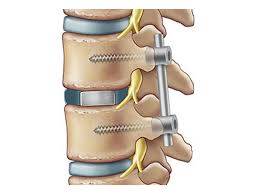
Spinal fusion is a procedure that joins two or more vertebrae together to stop movement at a painful or unstable spinal level. It is not usually required for a simple disc herniation. It may be considered when there is spinal instability, spondylolisthesis, severe degeneration, recurrent disc herniation with instability, or the need for wider decompression that may destabilize the spine.
Spinal fusion may be discussed when there is:
- Spinal instability.
- Spondylolisthesis.
- Severe disc degeneration with mechanical pain.
- Recurrent herniation after previous surgery.
- Revision surgery.
- Spinal deformity.
- Severe stenosis with instability.
- Significant collapse of disc space.
- Need for stabilization after decompression.
- Selected cervical disc cases.
Fusion is a larger operation than discectomy and usually requires longer recovery. It should be chosen only when the expected benefit justifies the added complexity.
Artificial Disc Replacement
Artificial disc replacement is a motion-preserving surgery in which a damaged disc is removed and replaced with an artificial disc. It is more commonly considered in selected cervical disc cases and less commonly in lumbar cases, depending on patient anatomy and surgeon judgment.
Artificial disc replacement may be considered when:
- The disease is at a suitable level.
- There is no major spinal instability.
- Facet joints are not severely arthritic.
- Bone quality is adequate.
- There is no active infection.
- The patient is medically suitable.
- Motion preservation is a treatment goal.
- The disc problem is clearly responsible for symptoms.
It is not appropriate for every patient with disc herniation. Severe arthritis, instability, osteoporosis, deformity, or multi-level complex disease may make fusion or another approach more suitable.

Risks and Complications of Surgery
Risks and complications of disc herniation surgery are possible, even when the procedure is performed by an experienced team. Understanding risks helps patients make informed decisions. The risk level depends on the surgical technique, spinal level, patient health, previous surgery, and complexity of nerve compression.
Possible risks include infection, bleeding, dural tear, spinal fluid leak, nerve injury, persistent pain, recurrent disc herniation, scar tissue, failed back surgery syndrome, implant problems in fusion or disc replacement, and need for another operation.
Complication prevention starts with proper diagnosis, patient preparation, experienced surgery, infection control, and careful post-surgical rehabilitation.
Infection and Bleeding
Infection and bleeding are possible after spine surgery, although they are not common in routine discectomy when proper protocols are followed. Infection may be superficial or deeper. Bleeding is usually controlled during surgery, but patients using blood thinners may need special preparation.
Risk factors may include:
- Poorly controlled diabetes.
- Smoking.
- Obesity.
- Immune suppression.
- Poor nutrition.
- Blood thinner use.
- Active infection before surgery.
- Revision surgery.
- Longer and more complex operations.
Warning signs after surgery include fever, increasing wound redness, drainage, severe swelling, worsening pain, unusual bleeding, or foul-smelling discharge. Early reporting helps prevent serious complications.
Nerve Damage
Nerve damage is uncommon but important because disc herniation surgery is performed near nerve roots or the spinal cord in cervical cases. The goal is to relieve nerve compression, but the nerve may already be irritated or damaged before surgery.
Possible nerve-related problems include:
- Persistent numbness.
- New or worsening weakness.
- Continued nerve pain.
- Nerve root irritation.
- Dural tear.
- Spinal fluid leak.
- Scar tissue around the nerve.
- Delayed nerve recovery.
- Incomplete improvement if compression was long-standing.
The risk can be reduced by careful technique and correct patient selection, but it cannot be eliminated entirely. Patients should understand that pain may improve faster than numbness or weakness.
Recurrent Disc Herniation
Recurrent disc herniation means the disc herniates again at the same level after surgery. It may happen weeks, months, or years later. Recurrence risk depends on disc condition, activity, body weight, smoking, genetics, and surgical factors.
Recurrent disc herniation may cause:
- Return of sciatica.
- New radiculopathy.
- Back pain.
- Numbness.
- Weakness.
- Reduced walking ability.
- Need for repeat imaging.
- Possible revision surgery.
A 2015 study reported that same-level disc herniation requiring reoperation occurred in about 6% after lumbar discectomy, while recurrent low back pain at 2 years varied depending on definition. This shows why long-term care, strengthening, and safe movement remain important after surgery.
Read about: Lumbar Disc Herniation: Best Treatment Options
Post-Surgical Rehabilitation
Post-surgical rehabilitation is essential after disc herniation surgery. Even if nerve pain improves quickly, the spine, muscles, and movement patterns still need recovery. Rehabilitation helps restore strength, confidence, flexibility, and safe function.
Rehabilitation may include early walking, wound care, pain control, gradual mobility exercises, posture correction, core strengthening, and return-to-work planning. The timing depends on the operation type and surgeon instructions.
For lumbar decompression surgery, the NHS notes that return to work may be possible around 4 to 6 weeks depending on the type of work and doctor advice, while return to all usual activities may take up to 12 weeks.
Importance of Physical Therapy
Physical therapy after surgery helps the patient move safely and rebuild the muscles that support the spine. It also reduces fear of movement, improves posture, and teaches safe lifting and sitting habits.
Post-surgical physical therapy may include:
- Walking progression.
- Gentle mobility exercises.
- Core activation.
- Hip strengthening.
- Back strengthening.
- Neck strengthening after cervical surgery.
- Nerve mobility exercises when appropriate.
- Posture training.
- Safe bending education.
- Gradual lifting practice.
- Balance exercises.
- Return-to-work conditioning.
- Long-term home program.
Therapy should be progressive. Pain at the incision or muscles can be expected early, but new radiating nerve pain, weakness, or loss of bladder or bowel control needs urgent medical attention.
Lifestyle Modifications
Lifestyle modifications reduce the chance of recurrent pain and help protect the spine after surgery. Surgery may remove nerve pressure, but it does not make the spine immune to future strain.
Important lifestyle changes include:
- Stop smoking.
- Maintain a healthy weight.
- Walk regularly.
- Strengthen core muscles.
- Avoid prolonged sitting.
- Improve workstation ergonomics.
- Use proper lifting technique.
- Sleep on a supportive surface.
- Manage diabetes.
- Improve nutrition.
- Avoid sudden twisting with heavy loads.
- Continue home exercises.
- Build activity gradually.
- Avoid returning to heavy work too early.
The goal is not temporary rest only, but long-term spine protection.
Return to Normal Activities
Return to normal activities depends on the type of surgery, job demands, pain level, neurological recovery, and surgeon instructions. A desk worker may return earlier than someone who lifts heavy objects, drives long hours, or does physical labor.
Return may include:
- Early short walks.
- Light household activity.
- Gradual sitting tolerance.
- Driving after clearance.
- Desk work when comfortable.
- Physiotherapy progression.
- Low-impact exercise.
- Later return to lifting if allowed.
- Gradual return to sports.
- Long-term strengthening.
Patients should avoid comparing recovery with others. Nerve recovery may take time, especially if symptoms were present for months before surgery.
Read about: Minimally Invasive Herniated Disc Treatment: Safe Results
Preventing Disc Herniation
Preventing disc herniation is not always possible because age, genetics, and natural disc degeneration play a role. However, many risk factors can be reduced through posture, exercise, weight management, safer lifting, and avoiding smoking.
Prevention is especially important after treatment or surgery because recurrent disc herniation and chronic back pain can occur. A long-term plan should focus on movement quality, strength, flexibility, and lifestyle.
Prevention is not one exercise or one device. It is a consistent pattern of spine-friendly habits.
Proper Posture and Ergonomics
Proper posture and ergonomics help reduce repeated stress on spinal discs. This is especially important for people who sit for long hours, work on computers, drive frequently, or lift at work.
Useful habits include:
- Keep the screen at eye level.
- Use a chair that supports the lower back.
- Keep feet flat on the floor.
- Avoid slouching.
- Take movement breaks.
- Avoid sitting for hours without standing.
- Keep objects close when lifting.
- Bend at the knees, not the waist.
- Avoid twisting while carrying weight.
- Use both hands for heavy objects.
- Adjust car seat support.
- Avoid carrying heavy bags on one side.
Small daily habits can reduce repeated disc stress over time.
Regular Exercise and Strengthening
Regular exercise and strengthening help support the spine and reduce future flare-ups. The best program usually combines walking, core strengthening, hip strength, flexibility, and low-impact aerobic activity.
Helpful exercises may include:
- Walking.
- Swimming.
- Stationary cycling.
- Deep core activation.
- Back extensor strengthening.
- Hip and glute exercises.
- Gentle stretching.
- Balance training.
- Neck strengthening for cervical cases.
- Supervised Pilates or therapeutic exercise.
- Progressive resistance training when safe.
Exercise should be gradual. Sudden intense workouts after a long period of inactivity can trigger symptoms. A physical therapist can help design a safe plan.
Weight Management
Weight management reduces the load on the lower back and may improve mobility, inflammation, and tolerance for exercise. Excess weight does not cause every disc herniation, but it can increase mechanical stress and make recovery more difficult.
Benefits of weight management include:
- Reduced lumbar spine load.
- Better walking tolerance.
- Improved exercise capacity.
- Less inflammation.
- Lower surgical risk if surgery is needed.
- Better physical therapy outcomes.
- Improved blood pressure and diabetes control.
- Less reliance on pain medications.
- Better long-term function.
Healthy weight management should combine nutrition, movement, sleep, and treatment of metabolic conditions when present.
Read about: Recovery Steps After Spinal Surgery to Avoid Complications
Long-Term Outlook and Prognosis
The long-term outlook for chronic disc herniation depends on the severity of nerve compression, duration of symptoms, treatment response, lifestyle, and whether neurological deficits are present. Many patients improve without surgery, while others benefit significantly from surgical decompression.
A good prognosis is more likely when symptoms and MRI findings match, treatment is started early, neurological deficits are not severe or long-standing, the patient follows rehabilitation, and lifestyle risk factors are addressed.
Even after successful surgery, long-term care remains important because back pain, recurrent disc herniation, or adjacent-level degeneration can occur.
Success Rates of Surgical Treatments
Success rates of surgical treatments vary by procedure and patient selection. Microdiscectomy often has good results for leg pain caused by lumbar nerve compression. Cervical disc surgery may also be effective when arm pain or neurological symptoms match imaging findings.
Surgery tends to work best when:
- Nerve pain is the main symptom.
- MRI confirms nerve compression.
- Symptoms match the compressed level.
- Weakness is not long-standing.
- There is no major untreated instability.
- Expectations are realistic.
- Rehabilitation is followed.
- Smoking is stopped.
- Weight and chronic diseases are managed.
Surgery may be less predictable when the main complaint is chronic non-specific back pain without clear nerve compression.
Chances of Recurrence
Chances of recurrence depend on disc condition, activity, smoking, weight, genetics, and whether the patient continues spine-safe habits. Recurrent disc herniation can happen even after technically successful surgery.
Recurrence risk may be reduced by:
- Avoiding smoking.
- Maintaining healthy weight.
- Building core strength.
- Avoiding early heavy lifting.
- Learning proper movement.
- Following post-op restrictions.
- Continuing physical therapy exercises.
- Avoiding sudden twisting.
- Managing work ergonomics.
- Returning to activity gradually.
If symptoms return, the patient may need repeat MRI and evaluation to distinguish recurrent herniation, scar tissue, muscle pain, or another spinal level problem.
Impact on Quality of Life
Chronic disc herniation can significantly affect quality of life by limiting walking, sleep, work, travel, exercise, and emotional well-being. Successful treatment should aim not only to reduce pain, but also to restore function and confidence.
Improvement may include:
- Less sciatica or arm pain.
- Better walking.
- Better sleep.
- Reduced medication use.
- Improved work capacity.
- Better mood.
- More confidence in movement.
- Improved independence.
- Safer return to exercise.
- Better daily function.
At Safemedigo, the treatment plan focuses on choosing the right level of care: non-surgical treatment when safe, injections when appropriate, and surgery when nerve compression or persistent severe symptoms make intervention necessary.
Read about: Herniated Disc Treatment: Turkey vs USA
Conclusion
Chronic disc herniation does not always require surgery. Many patients improve with non-surgical treatment, including physical therapy, medications, activity modification, and epidural steroid injection. However, surgical intervention may be needed when conservative care fails, when severe radiculopathy or sciatica persists, or when nerve compression causes progressive weakness, numbness, walking difficulty, or bladder and bowel symptoms.
Surgical options such as microdiscectomy, endoscopic discectomy, spinal fusion, or artificial disc replacement should be selected according to the patient’s diagnosis, MRI findings, spinal stability, and neurological condition. The goal of surgery is usually to relieve nerve compression, not to guarantee the disappearance of every type of back pain.
Frequently Asked Questions: Chronic Disc Herniation
Does chronic disc herniation always need surgery?
No. Many cases improve with physical therapy, medication, activity modification, and injections. Surgery is considered when symptoms persist, worsen, or cause neurological deficits.
When is disc herniation surgery necessary?
Surgery may be necessary when conservative treatment fails, severe nerve pain continues, weakness progresses, walking becomes difficult, or bladder and bowel symptoms appear.
What is the difference between microdiscectomy and endoscopic discectomy?
Microdiscectomy uses a small incision and magnification to remove the herniated fragment. Endoscopic discectomy uses a camera and smaller instruments in selected cases.
Can epidural steroid injection cure disc herniation?
Epidural steroid injection may reduce nerve inflammation and pain, but it does not remove the herniated disc. It is useful in selected patients.
What is recurrent disc herniation?
Recurrent disc herniation means the disc herniates again at the same level after surgery. It may require repeat evaluation and sometimes revision treatment.