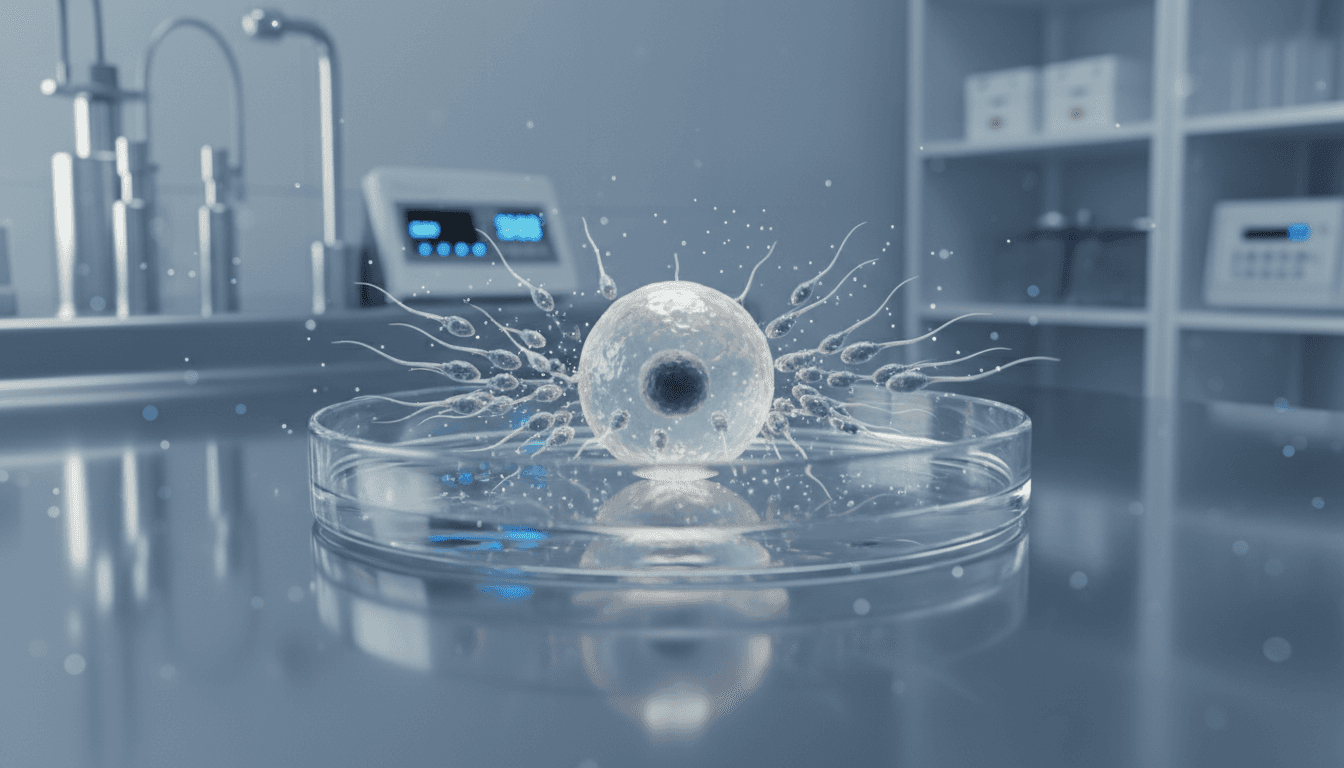






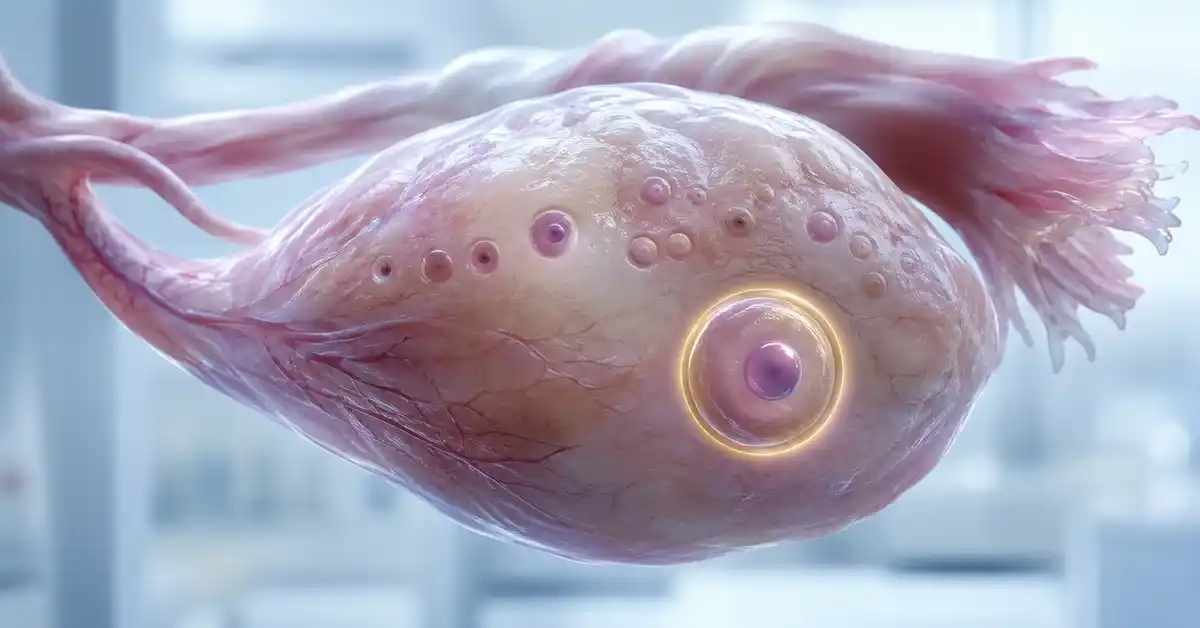
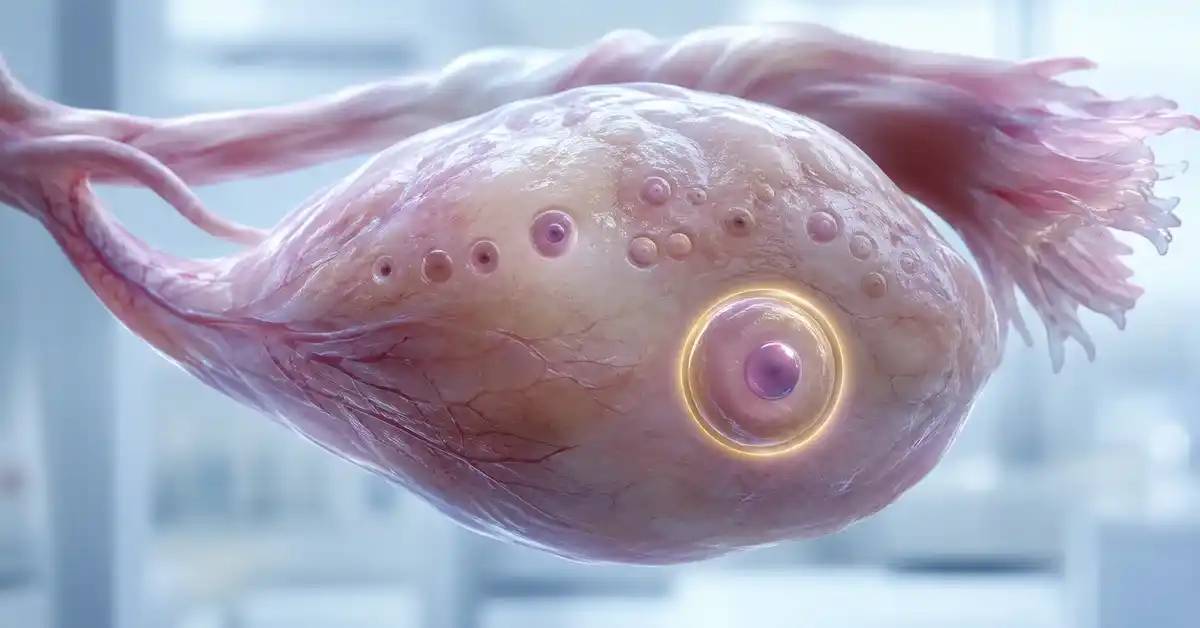
Weak ovulation is one of the common reasons behind irregular cycles, delayed pregnancy, and difficulty identifying fertile days. It occurs when ovulation does not happen regularly, does not occur at all in some cycles, or happens in a way that may not fully support the chance of conception. For many women, weak ovulation is first suspected when periods become irregular, cycles become too long, or pregnancy does not happen despite regular attempts.
Ovulation is a coordinated process involving the brain, pituitary gland, ovaries, and several reproductive hormones. When this balance is disrupted, follicle development and egg release may be affected. This is why weak ovulation should not be judged by symptoms alone. It often requires cycle history, hormone testing, ovulation tracking methods, ultrasound monitoring, and evaluation for possible causes such as PCOS, thyroid problems, high prolactin, weight changes, stress, or reduced ovarian reserve.
Weak ovulation does not mean pregnancy is impossible. Many ovulation disorders can be treated once the cause is understood. Some women improve with lifestyle changes and natural ovulation support, while others need medical ovulation treatment options such as fertility drugs ovulation, monitored stimulation, or assisted reproductive treatments when additional fertility factors are present.
At Safemedigo, weak ovulation is approached as part of a full fertility evaluation, not as an isolated issue. The goal is not to stimulate the ovaries randomly, but to identify the reason, choose the right treatment, track response safely, and improve the fertility of women in a way that supports realistic pregnancy planning.
Weak Ovulation Causes and Symptoms
Weak ovulation means that the ovary does not release a mature egg regularly or that ovulation does not occur at the expected time. Some women may ovulate only occasionally, while others may go through several cycles without ovulation. In some cases, bleeding may still happen, but the cycle may not include confirmed ovulation.
Ovulation problems cause different symptoms depending on the underlying issue. A woman with PCOS may have irregular cycles, acne, increased facial hair, or weight difficulty. Another woman with thyroid dysfunction may have fatigue, cycle changes, or heavier bleeding. A woman with reduced ovarian reserve may still have periods but experience less predictable ovulation.
Symptoms of weak ovulation are useful clues, but they are not enough for diagnosis. A woman may have regular-looking periods and still have ovulation cycle issues, while another may have irregular periods for reasons unrelated to ovulation. This is why proper medical testing is important before choosing treatment.
Weak Ovulation
Weak ovulation refers to irregular, delayed, or absent egg release from the ovary. In a normal cycle, a follicle grows, the egg matures, and ovulation occurs when the egg is released. If the follicle does not mature properly or the hormonal signal is disrupted, ovulation may be weak, delayed, or absent.
Weak ovulation can be temporary or persistent. Temporary changes may happen after stress, travel, illness, weight change, or sleep disruption. Persistent weak ovulation may be linked to PCOS, hormonal imbalance ovulation, thyroid disorders, high prolactin, low body weight, obesity, or ovarian reserve changes.
The condition is important because ovulation and fertility are closely connected. Without predictable ovulation, it becomes harder to time intercourse and harder for the egg and sperm to meet. Still, many women with weak ovulation can improve their chances of pregnancy with the right diagnosis and treatment plan.
Ovulation Problems Cause
Ovulation problems cause may vary widely from one woman to another. The most common causes are hormonal or metabolic, but lifestyle and medical factors can also affect the cycle. A careful evaluation helps avoid using fertility drugs before understanding the reason.
Possible causes include:
- PCOS ovulation problems.
- Thyroid dysfunction.
- High prolactin.
- Weight gain or obesity.
- Very low body weight.
- Rapid weight change.
- Stress and sleep disruption.
- Excessive exercise.
- Insulin resistance.
- Reduced ovarian reserve.
- Pituitary gland disorders.
- Certain medications.
- Chronic illness.
- Approaching perimenopause.
The cause matters because treatment differs. For example, PCOS-related irregular ovulation is managed differently from ovulation problems caused by thyroid disease, high prolactin, or reduced ovarian reserve.
Symptoms of Weak Ovulation
Symptoms of weak ovulation may be obvious or subtle. The most common sign is an irregular menstrual cycle, but some women only discover the problem after trying to conceive for several months without success.
Possible symptoms include:
- Irregular periods.
- Long menstrual cycles.
- Missed periods.
- Very short or unpredictable cycles.
- Difficulty getting pregnant.
- Unclear fertile window.
- Lack of typical ovulation signs.
- Acne or increased hair growth in PCOS.
- Weight changes.
- Spotting or unusual bleeding.
- Reduced premenstrual symptoms in some cycles.
- Repeated negative ovulation tests.
Symptoms should be interpreted with testing. Home signs, apps, and cycle predictions may be helpful, but they cannot always confirm whether ovulation happened or whether the egg matured properly.
Read about: Modern Fertility Treatments for Men and Women You Should Know
Diagnosing Ovulation Issues
Diagnosing ovulation issues involves confirming whether ovulation occurs, when it occurs, and why it may be irregular. The process usually starts with cycle history and medical background, followed by hormone testing, ultrasound evaluation, and ovulation tracking methods when needed.
A fertility evaluation may include blood tests on specific cycle days, progesterone testing after expected ovulation, ultrasound monitoring of follicle growth, and assessment of other fertility factors. This is important because pregnancy depends not only on ovulation, but also on sperm quality, fallopian tubes, uterine health, and timing.
Ovulation test results at home can support tracking, but they do not replace medical diagnosis. In women with PCOS or irregular cycles, ovulation predictor kits may sometimes be confusing because hormone patterns can be abnormal. Medical interpretation helps prevent wrong timing or unnecessary treatment.
Diagnosing Ovulation Issues
Diagnosing ovulation issues begins with questions about cycle length, cycle regularity, bleeding pattern, pregnancy attempts, previous pregnancies, weight changes, medications, acne, hair growth, thyroid symptoms, and stress. These details help guide which tests are needed.
The doctor may then recommend hormone tests, ultrasound, and sometimes a broader fertility evaluation. If the woman has been trying to conceive for a long time, or if age is an important factor, evaluation of the male partner and fallopian tubes may also be needed.
Accurate diagnosis protects the patient from random ovulation stimulation. Fertility drugs should not be used repeatedly without knowing whether the ovaries are responding, whether ovulation is occurring, and whether other fertility barriers exist.
Ovulation Test
An ovulation test may refer to a home urine test that detects the LH surge before ovulation. These tests can help identify fertile days in women with regular cycles, but they may be less reliable in irregular cycles or PCOS.
Medical ovulation testing may include:
- Mid-luteal progesterone blood test.
- Ultrasound follicle tracking.
- LH testing.
- Estradiol monitoring.
- Cycle day 2 or 3 hormone tests.
- Endometrial thickness assessment.
- Basal body temperature charting.
- Cervical mucus observation.
- Digital ovulation tracking tools.
Progesterone testing is usually timed after expected ovulation, not on the same calendar day for every woman. In longer or irregular cycles, the timing must be adjusted to avoid misleading results.
Ovulation Tracking Methods
Ovulation tracking methods help estimate the fertile window and confirm whether ovulation may be occurring. Some methods are simple and home-based, while others are medical and more accurate.
Common ovulation tracking methods include:
- Menstrual cycle tracking.
- Ovulation predictor kits.
- Basal body temperature.
- Cervical mucus changes.
- Ultrasound monitoring.
- Progesterone blood testing.
- Fertility apps.
- Hormonal monitoring.
- Tracking ovulation symptoms.
For women with regular cycles, home tracking may be enough to support timing. For women with irregular ovulation, fertility treatment, PCOS, or delayed pregnancy, ultrasound tracking and blood tests may provide more reliable information.
Read about: Do Natural Fertility Vitamins Really Help with Conception?
Hormonal Imbalance and Ovulation
Hormonal imbalance ovulation issues occur when the signals that regulate follicle development and egg release are disrupted. Ovulation depends on a sequence of hormones, including FSH, LH, estrogen, and progesterone, along with thyroid and prolactin balance.
FSH helps follicles grow, estrogen rises as the follicle matures, LH triggers ovulation, and progesterone rises after ovulation to support the uterine lining. If one part of this system is disturbed, ovulation may become irregular or absent.
Hormonal imbalance can come from PCOS, thyroid disorders, high prolactin, insulin resistance, pituitary problems, low body weight, excessive exercise, stress, or ovarian aging. Identifying the specific imbalance helps the doctor choose the right treatment rather than simply increasing stimulation.
Hormonal Imbalance Ovulation
Hormonal imbalance ovulation problems may show up as long cycles, missed periods, unpredictable ovulation, or difficulty conceiving. The imbalance may affect follicle growth, prevent the LH surge, or reduce progesterone after ovulation.
Important hormones often checked include:
- FSH.
- LH.
- Estradiol.
- Progesterone.
- AMH.
- TSH.
- Prolactin.
- Testosterone.
- DHEA-S when needed.
- HbA1c or insulin-related markers.
Each test gives part of the picture. For example, AMH may help assess ovarian reserve or PCOS patterns, while progesterone helps confirm whether ovulation likely occurred. Results should be interpreted together with ultrasound and symptoms.
Irregular Ovulation
Irregular ovulation means that ovulation does not happen predictably from cycle to cycle. A woman may ovulate late, skip ovulation in some months, or have cycles that vary widely in length. This can make it difficult to identify the fertile window.
Irregular ovulation may be temporary, especially after stress, illness, travel, sleep disruption, or weight change. However, if it repeats often or is associated with delayed pregnancy, it should be evaluated medically.
Treatment depends on the cause. Some women improve with lifestyle changes, while others need hormonal correction, PCOS management, or fertility drugs ovulation under monitoring. The key is to treat the reason, not only the symptom.
Read about: How Hormones Affect Fertility: Key Tests Couples Should Consider
PCOS and Ovulation Problems
PCOS ovulation problems are among the most common causes of irregular ovulation. In PCOS, multiple small follicles may start developing, but one may not mature and release an egg consistently. This can cause long cycles, missed periods, or unpredictable ovulation.
PCOS may also be associated with increased androgens, acne, excess hair growth, weight difficulty, insulin resistance, and metabolic concerns. However, PCOS varies widely. Some women have many symptoms, while others have mild signs and only discover the issue during fertility evaluation.
Ovulation cycle issues related to PCOS can often be managed. Treatment may include lifestyle support, weight management when needed, insulin resistance evaluation, ovulation induction medications, and ultrasound monitoring. If other fertility factors are present, the plan may need to include IUI or IVF.
PCOS Ovulation Problems
PCOS ovulation problems happen because the hormonal environment may prevent a follicle from maturing and ovulating regularly. LH, insulin, and androgen patterns may contribute to cycle irregularity and difficulty predicting fertile days.
Not every woman with polycystic-looking ovaries has PCOS. Diagnosis usually considers cycle irregularity, clinical or biochemical androgen excess, and ultrasound findings, while excluding other causes. This is why proper diagnosis is important before treatment.
In PCOS-related weak ovulation, treatment may begin with lifestyle changes if weight or insulin resistance is a factor. Ovulation induction medication may then be used when pregnancy is desired. Monitoring helps reduce risks such as multiple follicle development or excessive ovarian response.
Ovulation Cycle Issues
Ovulation cycle issues may include cycles that are too long, too short, unpredictable, or absent. Some women may bleed without ovulating, while others may ovulate late in the cycle. This makes it harder to time intercourse and interpret ovulation tests.
In PCOS, cycle length may vary widely. A woman may have a period every 40, 60, or more days, meaning ovulation is not occurring regularly. In other cases, cycle changes may be related to thyroid imbalance, high prolactin, stress, or ovarian reserve changes.
Tracking the cycle is useful, but cycle apps can be inaccurate when ovulation is irregular. Medical tracking with ultrasound and hormone testing may be more helpful when trying to conceive or when treatment is being planned.

Medical Treatment Options
Ovulation treatment options depend on the cause of weak ovulation, the woman’s age, how long pregnancy has been delayed, test results, and whether other fertility factors exist. There is no single treatment that fits everyone.
Some women need correction of thyroid disease or high prolactin. Some need PCOS treatment and ovulation induction. Others may need injectable fertility drugs, monitored cycles, IUI, or IVF if additional factors are present. The goal is to create a mature follicle, confirm ovulation, and time conception properly.
Medical treatment should be supervised. Repeated use of fertility drugs without ultrasound or a clear plan may increase risks such as ovarian cysts, multiple pregnancy, excessive response, or missed timing.
Ovulation Treatment Options
Ovulation treatment options may include lifestyle changes, treatment of hormonal causes, oral ovulation induction medications, injectable gonadotropins, trigger injections, monitored intercourse, IUI, or IVF depending on the case.
Possible options include:
- Weight and lifestyle management.
- Thyroid treatment.
- High prolactin treatment.
- PCOS management.
- Oral ovulation induction drugs.
- Injectable fertility medications.
- Ultrasound monitoring.
- Trigger injection when appropriate.
- Timed intercourse.
- IUI in selected cases.
- IVF when needed.
The right treatment plan should be individualized. A woman with PCOS may need a different approach from a woman with low ovarian reserve or irregular ovulation caused by thyroid imbalance.
Fertility Drugs Ovulation
Fertility drugs ovulation treatments are used to stimulate the ovary to grow and release a mature egg. They may be oral tablets or injectable hormones. The choice depends on diagnosis, ovarian reserve, previous response, age, and treatment goal.
Oral medications may be used in many cases of ovulatory dysfunction, especially when the ovaries need gentle stimulation. Injectable medications may be used when response is poor, when oral medications fail, or as part of IUI or IVF protocols.
Monitoring is important during fertility drug use. Ultrasound helps assess follicle number and size, while hormone testing may be used when needed. This reduces the risk of over-response and helps time ovulation or the trigger injection correctly.
Read about: Natural Fertility Treatments: Effective Ways to Boost Conception
Natural Ways to Boost Ovulation
Natural ovulation support may help improve hormonal balance and support fertility, especially when lifestyle factors contribute to ovulation problems. It does not replace medical treatment in all cases, but it can be a useful part of the plan.
Nutrition, weight balance, physical activity, sleep, and stress management can influence ovulation. This is especially important in PCOS, insulin resistance, obesity, very low body weight, and irregular lifestyle patterns.
Boost ovulation naturally should be understood realistically. No natural method guarantees ovulation or pregnancy. If cycles are very irregular, pregnancy has been delayed, or there are known medical issues, evaluation should not be postponed.
Natural Ovulation Support
Natural ovulation support focuses on creating a healthier hormonal environment. For some women, even modest weight improvement can support more regular ovulation. For others, reducing stress, improving sleep, or correcting nutritional gaps may help.
Supportive steps may include:
- Maintaining a healthy weight.
- Eating enough protein.
- Choosing high-fiber carbohydrates.
- Reducing excess sugar.
- Exercising moderately.
- Sleeping regularly.
- Managing stress.
- Avoiding smoking.
- Limiting excessive caffeine.
- Treating insulin resistance when present.
- Taking folic acid before pregnancy.
- Avoiding unproven herbal treatments without medical advice.
These steps can support fertility, but they should be combined with medical evaluation when cycles are irregular or pregnancy is delayed.
Boost Ovulation Naturally
Boost ovulation naturally may be possible when lifestyle factors are contributing to irregular cycles. Balanced meals, stable blood sugar, moderate movement, and good sleep can support endocrine function. In PCOS, lifestyle changes may improve cycle patterns for some women.
However, natural methods have limits. If the cause is high prolactin, thyroid disease, severe PCOS, ovarian reserve decline, or another medical issue, lifestyle alone may not be enough. Medical treatment may be needed to restore ovulation or improve pregnancy chances.
The safest approach is to combine healthy habits with proper diagnosis. This avoids wasting time on unsupported remedies while still improving the body’s overall fertility environment.
Read about: Best Foods to Naturally Boost Fertility in Men and Women
Improving Fertility Outcomes
Improving fertility outcomes requires looking beyond ovulation alone. Pregnancy depends on egg release, sperm quality, fallopian tube function, uterine health, timing, and age. If only ovulation is treated while another factor is missed, pregnancy may still not occur.
When weak ovulation is the main issue, treatment can significantly increase pregnancy chances. But if sperm parameters are low, tubes are blocked, or age-related egg quality is reduced, a broader fertility plan may be needed.
Ovulation and fertility are closely linked, but the best results come from a complete evaluation and a realistic plan. This may include cycle tracking, timed intercourse, medication, IUI, IVF, or other treatment depending on the couple’s situation.
Improve the Fertility of Women
Improve the fertility of women starts with identifying what is affecting fertility. In weak ovulation, this means evaluating hormones, cycle pattern, ovarian reserve, ultrasound findings, and lifestyle factors. It also means checking whether the male partner and fallopian tubes have been assessed when needed.
Helpful steps may include:
- Tracking cycles accurately.
- Confirming ovulation.
- Treating thyroid imbalance.
- Treating high prolactin.
- Managing PCOS.
- Supporting healthy weight.
- Taking folic acid.
- Avoiding smoking.
- Improving sleep.
- Timing intercourse correctly.
- Evaluating sperm quality.
- Checking tubes when indicated.
A clear diagnosis helps avoid delays and allows the treatment plan to match the actual cause of infertility.
Increase Pregnancy Chances
Increase pregnancy chances in weak ovulation depends on achieving predictable ovulation and timing intercourse or treatment properly. If ovulation is irregular, guessing fertile days may be difficult and frustrating.
Pregnancy chances may improve with:
- Confirmed ovulation.
- Properly timed intercourse.
- Ultrasound monitoring in treatment cycles.
- Correct medication choice.
- Healthy weight and lifestyle.
- Treating PCOS or hormone problems.
- Evaluating male fertility.
- Checking fallopian tubes when needed.
- Avoiding repeated unmonitored stimulation.
- Moving to IUI or IVF when appropriate.
If pregnancy does not occur after several well-monitored ovulatory cycles, the doctor may reassess the full fertility picture rather than simply increasing medication doses.
Ovulation and Fertility
Ovulation and fertility are strongly connected because pregnancy usually requires the release of a mature egg. If ovulation is absent or unpredictable, the fertile window becomes difficult to identify and conception becomes less likely.
In a regular 28-day cycle, ovulation often occurs around day 14, but this is not true for every woman. Ovulation usually happens about 14 days before the next period, so women with longer cycles may ovulate later. In irregular cycles, prediction is much harder.
Understanding ovulation timing helps improve natural pregnancy chances, but it is not enough when ovulation is weak or irregular. In those cases, diagnosis and treatment are needed to improve the chance of a healthy and well-timed ovulation.
Read about: How Hormones Affect Fertility: Essential Tests for Couples
Conclusion
Weak ovulation is a treatable condition in many cases, but it needs proper diagnosis before treatment begins. The cause may be temporary or related to PCOS, hormonal imbalance, thyroid disease, high prolactin, weight changes, stress, ovarian reserve, or other fertility factors.
Diagnosis may include cycle review, hormone tests, ovulation test methods, ultrasound tracking, and a broader fertility evaluation when pregnancy has been delayed. Treatment may include lifestyle support, correction of hormonal causes, fertility drugs ovulation, monitored cycles, or assisted reproduction when needed.
Frequently Asked Questions: Weak Ovulation
What is weak ovulation?
Weak ovulation means ovulation is irregular, delayed, absent in some cycles, or not strong enough to support predictable fertility and pregnancy timing.
What are the symptoms of weak ovulation?
Symptoms may include irregular periods, missed cycles, long cycles, unclear fertile days, repeated negative ovulation tests, or difficulty getting pregnant.
How are ovulation issues diagnosed?
Diagnosis may include cycle history, hormone tests, progesterone testing after expected ovulation, ultrasound follicle tracking, and evaluation of other fertility factors.
Can weak ovulation be treated?
Yes, many cases can be treated once the cause is known. Treatment may include lifestyle changes, hormone correction, fertility drugs, or assisted reproduction.
Does PCOS cause weak ovulation?
Yes, PCOS is one of the common causes of irregular or weak ovulation. It can disrupt follicle growth and make cycles unpredictable.