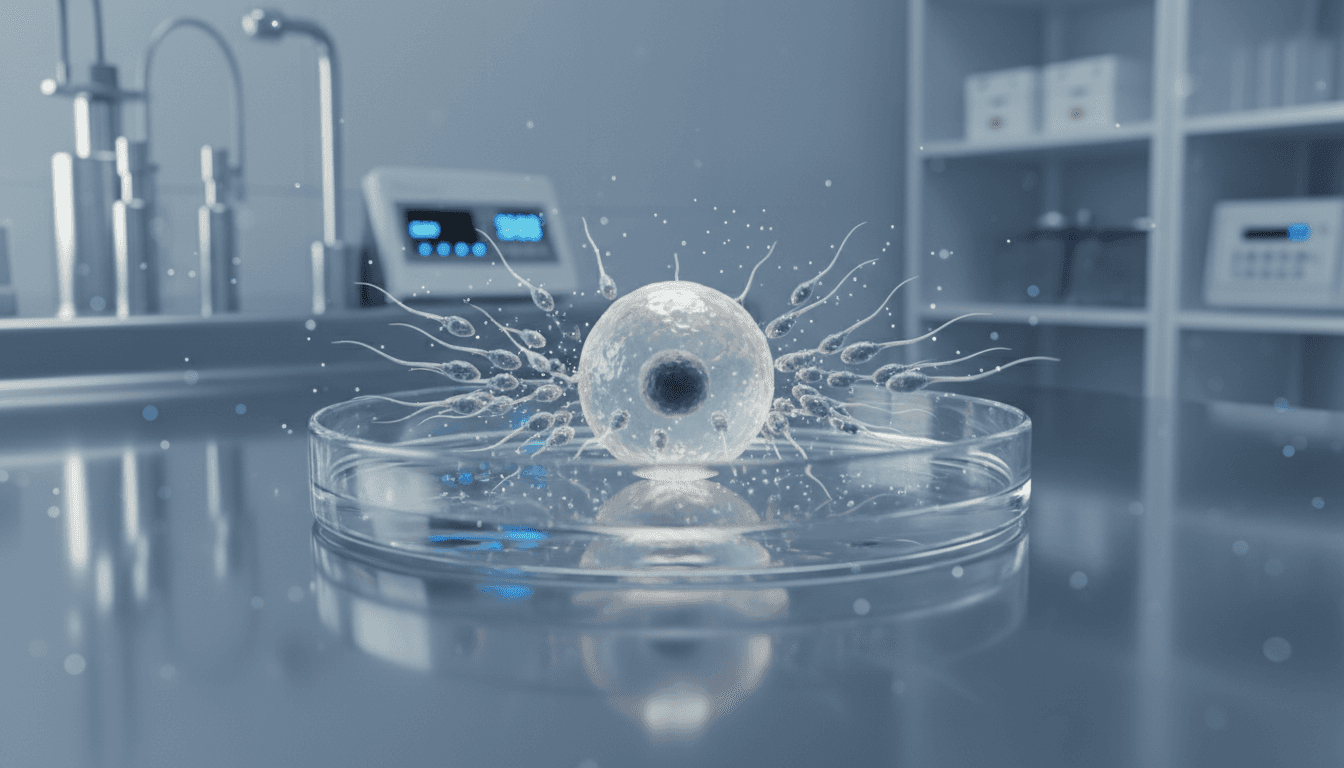






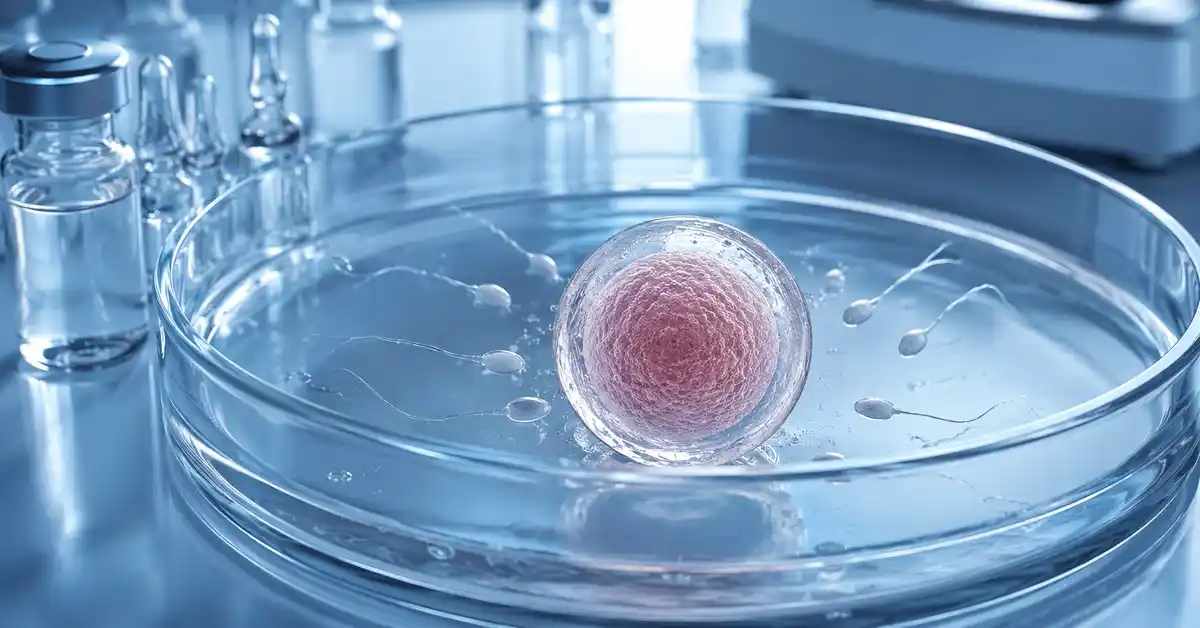
Modern fertility treatments have changed the way couples approach infertility. Today, treatment is no longer limited to one standard option. Instead, doctors can use medical testing, hormone therapy, ovulation induction, IUI fertility treatment, IVF fertility treatment, ICSI fertility treatment, sperm quality improvement treatment, and other assisted reproductive technology methods to create a plan based on the couple’s specific diagnosis.
At Safemedigo, fertility treatments for women and fertility treatments for men are approached as one shared journey. A woman may need ovulation support, ovarian reserve evaluation, or uterine assessment, while the male partner may need semen analysis, hormone testing, varicocele evaluation, or male fertility enhancement strategies. Treating only one partner without evaluating the other can delay the correct solution.
The most effective plan depends on age, ovarian reserve, sperm quality, ovulation pattern, fallopian tube status, uterine health, previous pregnancy history, and how long the couple has been trying. This article explains advanced fertility techniques, fertility medications for women, fertility medication men may use in selected cases, IUI, IVF, ICSI, sperm quality improvement, female fertility optimization, low-cost IVF options, and how to compare fertility treatment success rates responsibly.
Modern fertility treatments for men and women
Modern fertility treatments for men and women begin with diagnosis. A couple may face infertility because of ovulation problems, blocked fallopian tubes, endometriosis, low ovarian reserve, sperm abnormalities, varicocele, hormone imbalance, unexplained infertility, or a combination of factors. The correct treatment depends on identifying the main barriers to pregnancy.
For women, treatment may include ovulation induction treatments, fertility medications for women, lifestyle support, hormone correction, IUI, IVF, or ICSI. For men, treatment may include lifestyle improvement, sperm quality improvement treatment, infection treatment, hormone medication in selected cases, varicocele treatment, or assisted reproductive technology when sperm factors are more severe.
The goal is not always to jump directly to IVF. Some couples may benefit from simpler steps such as ovulation induction or IUI, while others need IVF fertility treatment or ICSI fertility treatment sooner. ASRM guidance on unexplained infertility includes treatment pathways such as ovulation medication with IUI and IVF depending on the couple’s situation.
advanced fertility techniques for men
Advanced fertility techniques for men focus on identifying why sperm may not be supporting pregnancy effectively. The first step is usually semen analysis, which evaluates sperm count, movement, shape, volume, and other parameters. In some cases, repeat testing is needed because sperm results can vary.
Male fertility enhancement may include:
- Improving lifestyle and reducing smoking.
- Treating infections when present.
- Correcting hormone abnormalities when medically indicated.
- Evaluating varicocele.
- Using selected antioxidants or supplements under medical guidance.
- Considering ICSI when sperm count or motility is severely reduced.
- Planning sperm retrieval in certain azoospermia cases when appropriate.
The AUA/ASRM male infertility guideline explains that IUI places processed sperm directly into the uterus around ovulation, but men with very low total motile sperm count after processing have limited pregnancy chances with IUI. This is why severe male factor infertility may need ICSI rather than repeated IUI.
advanced fertility techniques for women
Advanced fertility techniques for women include both medical and laboratory-based solutions. The treatment depends on whether the problem is related to ovulation, egg quality, ovarian reserve, fallopian tubes, uterine lining, endometriosis, PCOS, or unexplained infertility. A clear diagnosis helps avoid unnecessary delay.
Common options include:
- Ovulation induction treatments.
- Ultrasound monitoring.
- Hormone correction.
- IUI fertility treatment.
- IVF fertility treatment.
- ICSI when fertilization support is needed.
- Embryo freezing when medically appropriate.
- Uterine evaluation before transfer.
ASRM’s fertility evaluation guidance for women emphasizes systematic evaluation of ovulation, anatomy, imaging, laboratory testing, and individualized diagnostic planning. In practice, this means female fertility optimization should not be based only on age or symptoms; it should be based on a structured medical review.
Read about: Do Natural Fertility Vitamins Really Help with Conception?
Fertility treatments for women: protocols and medications
Fertility treatments for women may involve simple ovulation support or advanced assisted reproductive technology methods. If a woman is not ovulating regularly, the first goal may be to restore ovulation. If fallopian tubes are blocked, IVF may be more suitable. If ovarian reserve is low or age is advanced, time-sensitive planning becomes more important.
Fertility medications for women are used to stimulate follicle growth, regulate ovulation, prepare the uterine lining, or support the luteal phase after ovulation or embryo transfer. These medications must be selected carefully because the same drug can have different effects depending on age, ovarian reserve, PCOS, body weight, and previous response.
The best protocol is personalized. Some women respond well to oral medication. Others need injectable gonadotropins. Some need IVF stimulation, while others may need a lower-dose plan to avoid ovarian hyperstimulation. ESHRE’s ovarian stimulation guideline covers pre-stimulation management, gonadotropin stimulation, and pituitary suppression for IVF/ICSI.
Ovulation induction treatments for women
Ovulation induction treatments for women are used when ovulation is irregular, weak, or absent. The purpose is to help the ovary develop a mature follicle and release an egg at the right time. This may be used with timed intercourse, IUI, or as part of a broader fertility plan.
Common ovulation induction options include:
- Letrozole in selected ovulation disorders.
- Clomiphene citrate in suitable cases.
- Injectable gonadotropins when stronger stimulation is needed.
- Trigger injection to time ovulation.
- Ultrasound monitoring to track follicle growth.
- Hormone blood tests when needed.
Monitoring is important because ovulation stimulation drugs can sometimes produce more than one follicle. This may increase the chance of multiple pregnancy. The goal is safe ovulation, not uncontrolled stimulation. A responsible plan balances pregnancy chances with maternal and fetal safety.
Fertility medications for women explained
Fertility medications for women are not all the same. Some stimulate ovulation, some prevent premature ovulation, some support the uterine lining, and some help control hormone-related conditions before treatment. The medication plan depends on the diagnosis and treatment type.
Examples include:
- Letrozole or clomiphene for ovulation induction.
- FSH or hMG injections for controlled ovarian stimulation.
- GnRH antagonist medications to prevent early ovulation in IVF cycles.
- Trigger injections to mature eggs before retrieval or ovulation.
- Progesterone support after ovulation, IUI, or embryo transfer.
- Metformin in selected PCOS or insulin resistance cases.
Medications should not be copied from another patient’s plan. A woman with PCOS may need a different approach from a woman with low ovarian reserve. The same dose may be too strong for one patient and too weak for another.
Read about: How Hormones Affect Fertility: Key Tests Couples Should Consider
Fertility treatments for men: diagnostics and enhancement
Fertility treatments for men begin with proper testing. Male infertility can involve low sperm count, weak motility, abnormal morphology, hormonal imbalance, varicocele, infection, ejaculation problems, lifestyle factors, or unexplained sperm dysfunction. A single semen analysis can be helpful, but repeat testing may be needed.
Diagnostics may include semen analysis, hormone tests, physical examination, ultrasound when varicocele is suspected, infection screening, and review of lifestyle or medications. In selected cases, sperm DNA fragmentation or genetic testing may be discussed, especially with severe sperm problems or repeated IVF/ICSI failure.
Fertility treatment for men may improve sperm quality in some cases, but improvement takes time because sperm production occurs over several weeks. In more severe cases, assisted reproductive technology methods such as ICSI may be recommended rather than waiting too long.
male fertility enhancement strategies
Male fertility enhancement strategies should target the cause. General advice is useful, but it cannot replace diagnosis. For example, a man with varicocele may need a different plan from a man with hormone imbalance or infection.
Helpful strategies may include:
- Stop smoking.
- Avoid heat exposure to the testes.
- Improve sleep and weight.
- Treat genital infections.
- Review medications that may affect sperm.
- Evaluate varicocele when semen parameters are abnormal.
- Use supplements only when medically appropriate.
- Manage chronic diseases such as diabetes.
- Repeat semen analysis after treatment.
Male fertility enhancement is not only about increasing sperm count. Motility, morphology, DNA quality, and the ability of sperm to fertilize the egg may also matter. When sperm quality is severely reduced, ICSI fertility treatment can help by injecting a selected sperm directly into a mature egg.
fertility medication men: what works
Fertility medication men may use depends on the hormonal and clinical diagnosis. Not every man with low sperm count benefits from medication. If hormone levels are abnormal, selected medications may help improve internal hormone signals that support sperm production. If hormones are normal, medication may not always help.
Options may include:
- Hormonal medications in selected endocrine cases.
- Aromatase inhibitors in selected men with specific hormonal patterns.
- Treatment for infection when present.
- Antioxidants or supplements in carefully selected cases.
- Medication review if current drugs affect fertility.
- Treatment of underlying medical conditions.
Men should avoid self-prescribing testosterone for fertility. External testosterone can suppress sperm production and worsen fertility in many cases. Any fertility medication for men should be prescribed after hormone testing and specialist evaluation.
Read about: Best Foods to Naturally Boost Fertility in Men and Women
Assisted reproductive technology methods
Assisted reproductive technology methods include treatments that help eggs, sperm, and embryos achieve pregnancy with medical or laboratory support. The most common methods include IUI, IVF, and ICSI. Each has a different role, complexity, cost, and success rate.
IUI fertility treatment is less invasive and places prepared sperm directly into the uterus around ovulation. IVF fertility treatment involves retrieving eggs and fertilizing them in the laboratory. ICSI fertility treatment is a laboratory technique within IVF where one sperm is injected directly into a mature egg.
ART selection depends on diagnosis. IUI may be reasonable for mild male factor, ovulation issues, or unexplained infertility with open tubes. IVF or ICSI may be better for blocked tubes, advanced age, severe male factor, failed IUI, or previous fertilization problems. Patient education resources from ASRM describe IVF and ART as accepted medical treatments for infertility.
IUI fertility treatment: step-by-step
IUI fertility treatment is a simpler assisted fertility option. It requires ovulation timing and prepared sperm. The goal is to place a concentrated sample of motile sperm directly inside the uterus, closer to the egg, around the time of ovulation.
The steps usually include:
- Fertility evaluation.
- Confirming open fallopian tubes when needed.
- Natural or stimulated ovulation cycle.
- Ultrasound monitoring.
- Trigger injection if planned.
- Semen collection.
- Sperm washing and preparation.
- Insemination inside the uterus.
- Luteal support if prescribed.
- Pregnancy test after the waiting period.
IUI is usually less invasive than IVF, but it is not ideal for every case. If sperm count is very low after processing, tubes are blocked, age is advanced, or several IUI attempts have failed, IVF or ICSI may be more appropriate.
IVF fertility treatment versus ICSI fertility treatment
IVF fertility treatment and ICSI fertility treatment share many steps. Both usually involve ovarian stimulation, egg retrieval, sperm preparation, fertilization in the laboratory, embryo culture, and embryo transfer. The difference is how fertilization happens.
In conventional IVF, eggs and sperm are placed together in the laboratory and sperm fertilizes the egg naturally. In ICSI, one sperm is selected and injected directly into the mature egg. ICSI is often used in male factor infertility, previous fertilization failure, limited sperm samples, or frozen eggs.
IVF may be suitable when sperm quality is good and the main problem is blocked tubes or certain female factors. ICSI may be better when sperm cannot reliably fertilize the egg without laboratory injection. The choice should be explained clearly so the couple understands why one method is being recommended.

Ovulation stimulation and induction techniques
Ovulation stimulation and induction techniques help women produce and release eggs in a controlled way. These methods may be used for women who do not ovulate regularly, women preparing for IUI, or women undergoing IVF/ICSI where multiple follicles are needed.
The type of stimulation depends on the goal. Simple ovulation induction often aims for one or a small number of follicles. IVF stimulation aims to produce multiple mature eggs for retrieval. Because the goals differ, medications and monitoring differ as well.
A good stimulation plan should be safe, effective, and individualized. Over-response may increase the risk of ovarian hyperstimulation or multiple pregnancy. Under-response may reduce the number of eggs available. This is why monitoring is part of modern fertility care.
benefits of ovulation stimulation drugs
The benefits of ovulation stimulation drugs include restoring ovulation, improving timing, increasing the chance of egg availability, and supporting treatment plans such as IUI or IVF. For women with irregular ovulation, these medications can make cycles more predictable.
Benefits may include:
- Helping the ovary develop a mature follicle.
- Improving ovulation timing.
- Supporting timed intercourse or IUI.
- Increasing egg number in IVF cycles.
- Helping doctors monitor response.
- Supporting treatment in PCOS or ovulatory disorders.
- Reducing delays caused by irregular cycles.
However, ovulation stimulation drugs must be used carefully. Too strong a response can increase the risk of twins or ovarian hyperstimulation. The safest approach is ultrasound monitoring and individualized dosing.
controlled ovarian hyperstimulation in IVF techniques
Controlled ovarian hyperstimulation in IVF techniques is used to produce multiple mature eggs for retrieval. This improves the chance of creating embryos and allows the medical team to select the most suitable embryo for transfer or freezing. The plan is controlled through medication dosing, ultrasound monitoring, and timing of the trigger injection.
Controlled stimulation may include FSH, hMG, LH-containing medications, GnRH antagonists, and trigger injections. The exact combination depends on ovarian reserve, age, PCOS risk, previous response, and treatment goals.
The goal is a balanced response. Too few eggs may limit embryo options, while too many follicles may increase safety risks. ESHRE guidance on ovarian stimulation for IVF/ICSI focuses on best practices across stimulation steps and safety planning.
Read about:Natural Fertility Treatments: Effective Ways to Boost Conception
Sperm quality improvement treatment for male fertility
Sperm quality improvement treatment for male fertility should begin with diagnosis. A semen analysis can show low count, poor motility, abnormal morphology, or other abnormalities. The next step is understanding why these changes exist and whether they can be improved.
Common causes may include varicocele, smoking, obesity, infection, heat exposure, hormonal imbalance, certain medications, chronic disease, or unexplained factors. Some changes can improve with treatment, but improvement usually takes time.
If sperm quality remains severely abnormal, assisted reproductive technology methods may be needed. ICSI can be especially helpful in severe male factor cases because it requires fewer sperm than conventional IVF or IUI. However, improving male health before treatment may still support better outcomes.
improving sperm motility and count
Improving sperm motility and count depends on the cause. General measures can help many men, but targeted treatment is more effective when a specific issue is found. For example, infection requires medical treatment, while varicocele may need surgical or interventional evaluation.
Helpful steps may include:
- Stop smoking.
- Reduce heat exposure.
- Improve weight and metabolic health.
- Treat infections.
- Check hormones when indicated.
- Evaluate varicocele.
- Reduce alcohol and toxins.
- Improve sleep and stress.
- Use supplements only with medical advice.
- Repeat semen analysis after an appropriate interval.
Sperm quality improvement treatment is not instant. Since sperm production takes time, doctors often reassess after several weeks or months depending on the plan.
Read about: How Hormones Affect Fertility: Essential Tests for Couples
Lifestyle and medical options for sperm quality improvement treatment
Lifestyle and medical options for sperm quality improvement treatment can work together. Lifestyle supports the body’s reproductive environment, while medical treatment targets specific conditions. The best plan depends on semen analysis, physical examination, hormones, and history.
Medical options may include:
- Antibiotics for confirmed infection.
- Hormonal medication in selected cases.
- Varicocele treatment when indicated.
- Management of diabetes or chronic disease.
- Review of medications that affect fertility.
- Assisted reproductive techniques when severe sperm problems remain.
Lifestyle options may include exercise, healthy diet, sleep improvement, weight management, and avoiding smoking or heat exposure. These steps may also improve general health, which is important before pregnancy and fertility treatment.
In vitro fertilization techniques and protocols
In vitro fertilization techniques and protocols vary according to the couple’s diagnosis. IVF may be conventional, where eggs and sperm fertilize in the laboratory dish, or combined with ICSI when direct sperm injection is needed. Protocols also differ in ovarian stimulation medication, trigger type, embryo culture duration, and transfer timing.
The IVF plan should consider age, AMH, antral follicle count, previous response, sperm quality, uterine lining, and risk of ovarian hyperstimulation. Some patients may be suitable for fresh transfer, while others benefit from freezing embryos and transferring later.
Assisted reproductive technology methods should not be selected randomly. IVF is more complex than IUI and may be more appropriate when tubes are blocked, age is a concern, sperm issues are significant, or previous simpler treatments failed. ICSI is selected when fertilization support is needed.
In vitro fertilization techniques overview
In vitro fertilization techniques overview includes several core steps: ovarian stimulation, egg retrieval, sperm preparation, laboratory fertilization, embryo development, and embryo transfer. These steps may be adjusted according to medical needs.
Main IVF-related techniques include:
- Conventional IVF fertilization.
- ICSI fertilization.
- Fresh embryo transfer.
- Frozen embryo transfer.
- Embryo freezing.
- Extended embryo culture when appropriate.
- Individualized ovarian stimulation.
- Freeze-all strategy in selected cases.
IVF is not just one procedure. It is a complete treatment cycle involving medical and laboratory decisions. Good communication helps patients understand why each step is chosen.
choosing between IVF fertility treatment and ICSI fertility treatment
Choosing between IVF fertility treatment and ICSI fertility treatment depends mainly on sperm quality, previous fertilization history, egg number, and the laboratory plan. If semen analysis is normal and there is no history of fertilization failure, conventional IVF may be suitable. If sperm factors are significant, ICSI may be recommended.
ICSI may be preferred in:
- Low sperm count.
- Poor sperm motility.
- Severe morphology abnormalities.
- Previous IVF fertilization failure.
- Surgically retrieved sperm.
- Frozen sperm with limited motility.
- Frozen eggs.
- Very limited egg number.
The goal is not to choose the most advanced technique automatically. The goal is to choose the technique that best solves the couple’s specific fertility problem.
Read about: Fertility Treatments: Turkey vs USA
Female fertility optimization: holistic and medical approaches
Female fertility optimization combines medical care and lifestyle improvement. Medical care identifies ovulation, ovarian reserve, uterine factors, hormones, and fallopian tube status. Lifestyle improvement supports general reproductive health and may improve response to treatment.
A complete plan may include fertility medications for women, ovulation induction treatments, thyroid or prolactin correction, PCOS management, insulin resistance treatment, and uterine evaluation. Lifestyle steps may include nutrition, weight management, sleep, physical activity, and stopping smoking.
Holistic care does not replace medical treatment. It supports it. A woman with blocked tubes may still need IVF. A woman with severe ovulation disorder may still need medication. A woman with low ovarian reserve may need timely treatment rather than prolonged lifestyle-only attempts.
combining lifestyle and fertility medications for women
Combining lifestyle and fertility medications for women can improve treatment readiness. For example, in PCOS, weight optimization and insulin resistance management may improve ovulation response. In thyroid imbalance, correcting hormone levels may support safer fertility planning.
Helpful combined strategies include:
- Balanced nutrition with adequate protein.
- Weight management when needed.
- Moderate exercise.
- Sleep improvement.
- Smoking cessation.
- Folic acid or prenatal vitamins as advised.
- Letrozole or clomiphene when medically indicated.
- Injectable medications in monitored cycles.
- Metformin in selected insulin resistance cases.
- Progesterone support when prescribed.
Lifestyle should not delay treatment when age or ovarian reserve makes time important. The plan should balance preparation with timely medical action.
Fertility treatment success rate in female fertility optimization
Fertility treatment success rate in female fertility optimization depends on age, diagnosis, ovarian reserve, treatment type, sperm quality, uterine health, and embryo quality. A woman with an ovulation disorder may respond well to ovulation induction, while a woman with blocked tubes may need IVF.
Success rates should be explained carefully. Patients often compare numbers online, but those numbers may be based on different age groups, different treatment types, or different outcome measures. A pregnancy rate is not always the same as a live birth rate.
To understand success, patients should ask:
- What outcome is being measured?
- Is the success rate for my age group?
- Does it apply to my diagnosis?
- Is it per cycle, per transfer, or cumulative?
- Are male factors included?
- Does the plan include IUI, IVF, or ICSI?
Personalized counseling is more useful than general statistics.
Read about: Hormone Fertility Support: Turkey vs Germany
Low-cost IVF options and treatment success rates
Low-cost IVF options can help make treatment more accessible, but lower cost should not mean unclear care, poor monitoring, or incomplete information. A safe low-cost plan should still include proper diagnosis, ovarian monitoring, laboratory quality, and transparent communication.
Cost varies depending on medications, tests, anesthesia, IVF or ICSI method, embryo freezing, transfer, storage, and follow-up. Some packages may appear affordable but exclude medications or essential tests. Others may include more services but cost more initially.
The best approach is to compare what is included, not only the headline price. Patients should understand the difference between basic IVF, IVF with ICSI, fresh transfer, frozen transfer, embryo freezing, and medication costs.
Understanding IVF fertility treatment cost
Understanding IVF fertility treatment cost requires reviewing every part of the plan. The base treatment may include some services but not others. Medication is often one of the most variable parts because ovarian stimulation doses differ from patient to patient.
Cost factors may include:
- Initial consultation and tests.
- Ovarian stimulation medications.
- Ultrasound monitoring.
- Blood tests.
- Egg retrieval.
- Anesthesia.
- Sperm preparation.
- IVF or ICSI fertilization.
- Embryo culture.
- Embryo transfer.
- Embryo freezing.
- Storage.
- Future frozen embryo transfer.
Low-cost IVF options may be useful for selected patients, but the plan should remain medically appropriate. Patients should avoid choosing only by price if the treatment details are unclear.
How to compare fertility treatment success rates across clinics
How to compare fertility treatment success rates across clinics is an important question, but it must be done carefully. Clinics may report success differently. Some report pregnancy rates, others live birth rates, and some report success per transfer instead of per started cycle. Patient age and diagnosis also strongly affect results.
When comparing success rates, ask:
- Is it pregnancy rate or live birth rate?
- Is it per cycle start, retrieval, or transfer?
- What age group is included?
- Are high-risk or low-prognosis patients included?
- Does the rate apply to IUI, IVF, or ICSI?
- Are frozen transfers included?
- How many embryos are transferred?
- Are complications reported?
- Is counseling realistic?
- Is the laboratory quality explained?
A clinic with honest, transparent counseling may be more valuable than one that presents impressive numbers without context. Safemedigo helps patients organize questions and compare plans more clearly.
Read about: Male Sperm Weakness: Main Causes and Modern Fertility Treatment Options
Conclusion
Modern fertility treatments for men and women offer many options, from ovulation induction treatments and fertility medications for women to male fertility enhancement, sperm quality improvement treatment, IUI fertility treatment, IVF fertility treatment, and ICSI fertility treatment. The right choice depends on diagnosis, age, ovarian reserve, sperm quality, uterine health, and previous treatment history.
Fertility care works best when both partners are evaluated together. Women may need ovulation support, hormone correction, or assisted reproductive technology methods, while men may need sperm evaluation, lifestyle improvement, hormone review, varicocele assessment, or ICSI in severe sperm cases. Cost and success rates should also be understood clearly, with attention to what is included and how statistics are reported.
Frequently Asked Questions: Modern Fertility Treatments for Men and Women You Should Know
What are the most common modern fertility treatments?
Modern fertility treatments include ovulation induction, fertility medications, IUI, IVF, ICSI, sperm quality improvement treatment, hormone correction, PCOS management, varicocele treatment when indicated, embryo freezing when medically appropriate, and lifestyle-based fertility optimization.
What fertility treatments are available for women?
Fertility treatments for women may include ovulation induction treatments, fertility medications for women, hormone correction, treatment of PCOS or insulin resistance, IUI fertility treatment, IVF fertility treatment, ICSI when needed, and uterine evaluation before embryo transfer.
What fertility treatments are available for men?
Fertility treatments for men may include semen analysis, lifestyle improvement, treatment of infections, hormone medication in selected cases, varicocele evaluation, sperm quality improvement treatment, and ICSI fertility treatment when sperm count, motility, or morphology is severely affected.
Is IUI better than IVF or ICSI?
IUI is simpler and less invasive, but it is not better for every couple. It may be suitable for mild cases with open tubes and acceptable sperm quality. IVF or ICSI may be more suitable for blocked tubes, advanced age, severe male factor infertility, or failed IUI attempts.
How can couples compare fertility treatment success rates?
Couples should compare success rates by age group, diagnosis, treatment type, and outcome measure. A live birth rate is more meaningful than a general pregnancy rate. It is also important to know whether the number is per cycle, retrieval, or transfer.