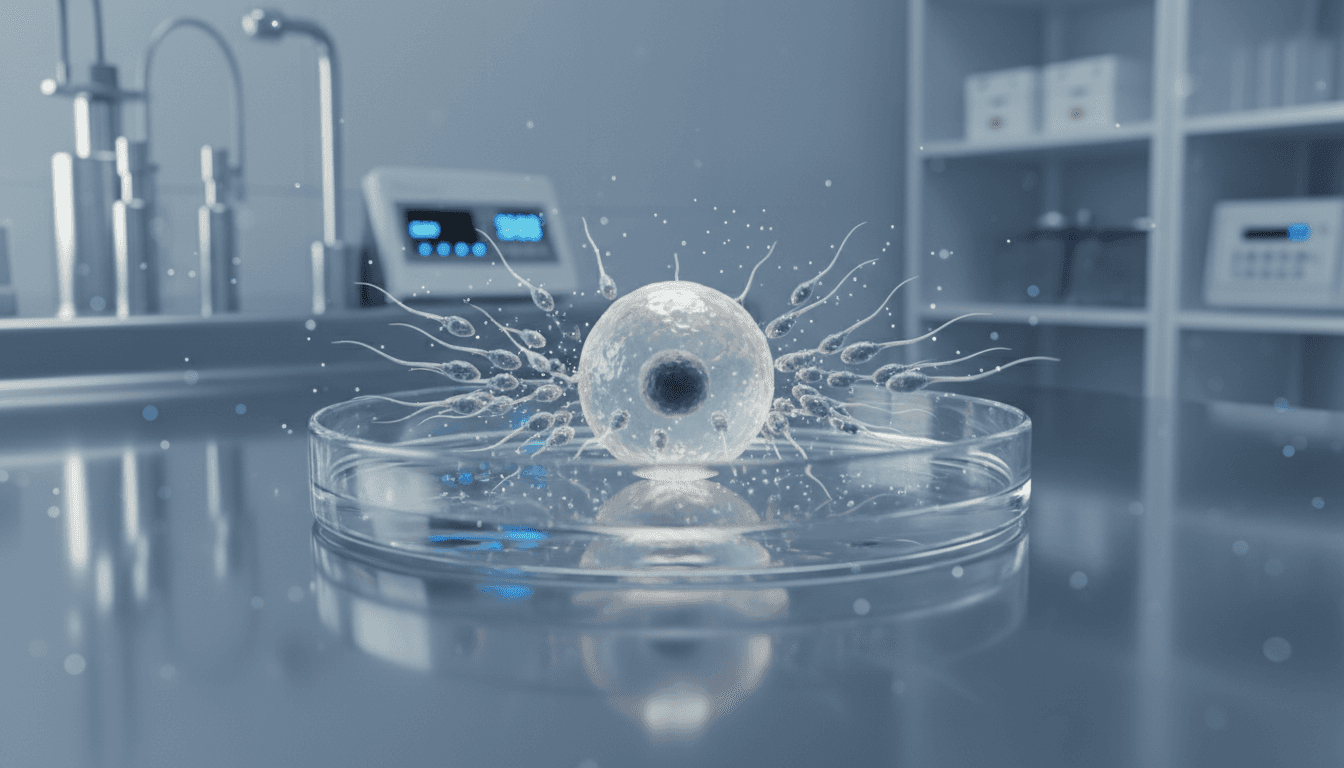






Hormones act as the invisible conductors orchestrating the vital processes within the human body, and when it comes to reproduction, their role becomes absolutely central. Understanding how hormones affect fertility is the first step for couples striving to achieve their dream of parenthood. The delicate balance of these chemical messengers ensures the production of mature eggs and healthy sperm, and even a minor disruption can lead to delayed conception. Therefore, the importance of key fertility tests for couples emerges as an effective diagnostic tool to identify the causes of infertility and develop an appropriate treatment plan.
At Safemedigo, we fully comprehend the psychological and physical challenges that accompany the journey of seeking parenthood. Thus, we are dedicated to guiding you toward the best specialized medical centers that offer comprehensive evaluations, including the FSH test for fertility and the AMH test for fertility, among other precise diagnostics. We are here to ensure you receive integrated healthcare based on modern scientific foundations, to overcome obstacles and increase your chances of successfully building a happy family.
Introduction to How Hormones Affect Fertility
What Are the Hormones That Influence Fertility?
A specific group of hormones plays a fundamental role in regulating the reproductive systems of both men and women. Prominent among these are Follicle-Stimulating Hormone (FSH) and Luteinizing Hormone (LH), which control the functions of the ovaries and testes. Additionally, testosterone is essential for men, while estrogen and progesterone play vital roles in women. Other hormones, such as prolactin and thyroid hormones, also have a direct impact on reproductive capacity, making their evaluation an integral part of the necessary tests for couples.
How Hormonal Balance Impacts Reproductive Health
Hormonal balance is the key to ensuring the reproductive system operates efficiently. In women, this balance ensures regular menstrual cycles and normal ovulation, in addition to preparing the uterine lining to receive a fertilized egg. For men, hormonal balance is necessary to produce sperm of sufficient quality and quantity. Any disturbance in this delicate system can hinder the fertilization process, highlighting the importance of conducting a thyroid function test for fertility and other analyses to pinpoint the exact location of the imbalance.
Read about: Modern Fertility Treatments for Men and Women You Should Know
Key Hormonal Tests for Men
Testosterone Test for Fertility: Significance and Insights
The testosterone test is one of the most important evaluations for male fertility. This hormone is responsible for the development of secondary sexual characteristics and stimulating sperm production. Low testosterone levels can lead to decreased libido and erectile dysfunction, as well as a reduction in the quality and quantity of sperm. Therefore, this test is requested as an initial step when evaluating cases of delayed conception in men.
FSH Test for Fertility: Assessing Testicular Function
The FSH test for fertility is used to evaluate the efficiency of the testes in producing sperm. This hormone is secreted by the pituitary gland and stimulates the cells responsible for spermatogenesis. High FSH levels and fertility issues are often linked, indicating a failure in testicular function, while low levels might suggest a problem in the pituitary gland. This analysis provides the doctor with a clear picture of the causes of male infertility.
LH Test for Fertility: Role in Sperm Production
Luteinizing Hormone (LH) works alongside FSH to regulate testicular functions. The LH test for fertility measures the level of this hormone, which stimulates the Leydig cells in the testes to produce testosterone. Any abnormality in LH levels can negatively affect testosterone production and, consequently, sperm formation, making it an essential test within a comprehensive hormonal evaluation for men.
Prolactin Test for Fertility: Impact on Male Fertility
Although prolactin is known as the milk hormone, it also affects men. The prolactin test for fertility is conducted for men because elevated levels (hyperprolactinemia) can suppress the secretion of FSH and LH, leading to low testosterone levels and poor sperm production. This elevation may be caused by benign tumors in the pituitary gland or the use of certain medications.
Read about: Do Natural Fertility Vitamins Really Help with Conception?
Key Hormonal Tests for Women
AMH Test for Fertility: Evaluating Ovarian Reserve
The AMH test for fertility (Anti-Müllerian Hormone) is considered the most accurate indicator for evaluating ovarian reserve. This hormone is secreted by small follicles in the ovaries, and its level reflects the number of remaining eggs. Understanding AMH levels and fertility helps the doctor predict how well the ovaries will respond to stimulation medications in cases of artificial insemination or ICSI, and it is a test that can be performed on any day of the menstrual cycle.
FSH Test for Fertility: Indicator of Ovarian Function
The FSH test for fertility in women is usually performed on the second or third day of the menstrual cycle to evaluate ovarian function. High levels of this hormone indicate a low ovarian reserve or approaching menopause, as the body tries to compensate for the lack of eggs by increasing FSH secretion. This analysis is one of the basic tests for evaluating a woman's fertility.
LH Test for Fertility: Role in Ovulation
Luteinizing Hormone plays a crucial role in triggering the release of a mature egg from the ovary (ovulation). The LH test for fertility in women is used to determine the time of ovulation and evaluate menstrual cycle disorders. In cases of Polycystic Ovary Syndrome (PCOS), an elevated LH to FSH ratio is often observed, which hinders normal ovulation and affects fertility. Monitoring the LH surge and ovulation is vital for timing conception efforts.
Estradiol Test for Fertility: Effect on Menstrual Cycle
Estrogen is the primary female hormone responsible for the growth of the uterine lining and the regulation of the menstrual cycle. The estradiol test for fertility (specifically estradiol E2) is conducted to evaluate ovarian function and monitor the body's response to fertility treatments. Abnormal estradiol and egg quality issues can affect the uterus's ability to receive an embryo.
Progesterone Test for Fertility: Significance in Pregnancy
Progesterone is secreted after ovulation to prepare the uterine lining for the implantation of a fertilized egg and to support pregnancy in its early stages. The progesterone test for fertility is usually performed in the middle of the second half of the menstrual cycle (around day 21) to confirm ovulation and evaluate the efficiency of the corpus luteum. Low levels can lead to difficulty maintaining a pregnancy, highlighting the link between progesterone and implantation.

Additional Essential Fertility Tests
Semen Analysis for Fertility: Assessing Sperm Quality
Alongside hormonal tests, semen analysis for fertility is the most important diagnostic step for evaluating male fertility. This test measures semen volume, sperm count, motility, and morphology (shape). The results of this test provide direct evidence of a man's reproductive capacity and help guide the appropriate treatment plan, as semen quality and fertility are directly correlated.
Ultrasound for Fertility: Detecting Uterus and Ovary Issues
Ultrasound for fertility is used to accurately evaluate the female reproductive organs. This examination helps detect fibroids, uterine polyps, and polycystic ovaries, in addition to monitoring follicle growth and endometrial thickness during treatment cycles. It is an indispensable diagnostic tool in fertility evaluation.
Thyroid Function Test for Fertility: Its Impact
The thyroid gland plays an important role in regulating metabolism and overall hormonal balance. A thyroid function test for fertility includes measuring TSH, T3, and T4 levels. Hypothyroidism or hyperthyroidism can lead to menstrual irregularities and ovulation problems in women, and negative effects on sperm quality in men. Therefore, ensuring thyroid health and fertility is a fundamental part of the evaluation.
Read about: Best Foods to Naturally Boost Fertility in Men and Women
How to Prepare for Fertility Tests
Preparing for Hormonal Tests for Men
Male fertility tests require simple preparation. It is preferable to perform the testosterone test early in the morning when hormone levels are at their peak. The patient may be asked to fast for several hours before blood is drawn for some other tests. It is important to inform the doctor about any medications or nutritional supplements being taken, as they may affect the results of the hormonal analysis.
Preparing for Hormonal Tests for Women
The accuracy of hormonal tests for women depends heavily on the timing of their execution during the menstrual cycle. The FSH test for fertility and the LH test for fertility are usually performed on the second or third day of the cycle. Meanwhile, the progesterone test for fertility is performed on day 21. The AMH test for fertility can be done at any time. Doctor's instructions must be followed strictly to ensure reliable results.
Tips Before Semen Analysis
To obtain accurate results in a semen analysis for fertility, it is recommended to abstain from ejaculation for a period ranging from two to five days before providing the sample. The sample must be collected in a sterile container, avoiding the use of lubricants that may affect sperm motility. It is also preferable to deliver the sample to the laboratory as quickly as possible, keeping it at room temperature.
Read about:Natural Fertility Treatments: Effective Ways to Boost Conception
When Should Fertility Tests Be Conducted?
Importance of Timing Hormonal Tests for Men
It is recommended to conduct male fertility tests, including the FSH test for fertility and the LH test for fertility, after a year of regular attempts to conceive without success. However, if the man has previous testicular problems, has undergone surgery in the genital area, or suffers from erectile dysfunction, tests should be conducted earlier to evaluate the condition and develop a treatment plan.
Importance of Timing Hormonal Tests for Women
For women, it is recommended to conduct tests after a year of trying if the wife is under 35, and after six months if she is over 35. The exact timing for conducting the estradiol test for fertility and other tests during the menstrual cycle is crucial to ensure the accuracy of the results. Early intervention helps identify hormonal problems and treat them effectively.
Role of Fertility Tests in Early Diagnosis of Reproductive Issues
Early tests, such as pituitary hormone tests and the AMH test for fertility, contribute to detecting hidden problems that may not have obvious symptoms. Early diagnosis allows doctors to offer broader and more effective treatment options, increasing the chances of a successful pregnancy and reducing the psychological stress and financial burden on the couple.
Read about: How Hormones Affect Fertility: Essential Tests for Couples
Understanding Fertility Test Results
Interpreting Testosterone Test Results
Interpreting the results of a testosterone test requires a comprehensive evaluation of health status. Normal levels indicate good testicular function, while low levels may indicate hypogonadism, which requires additional tests such as a prolactin test for fertility to determine the root cause and initiate appropriate treatment.
Interpreting FSH and LH Test Results
High levels of FSH and LH in women may indicate low ovarian reserve or premature ovarian failure. In men, a high FSH test for fertility often indicates testicular damage. Conversely, low levels of these hormones in both sexes may indicate a dysfunction in the pituitary gland or hypothalamus, requiring careful neurological and hormonal evaluation.
Interpreting AMH Test Results
The results of the AMH test for fertility provide an estimate of the remaining egg count. High levels may be associated with polycystic ovary syndrome, while low levels indicate a diminished ovarian reserve. This test helps guide couples toward appropriate reproductive options, such as egg freezing or resorting to assisted reproductive technologies early on.
Interpreting Semen Analysis Results
Interpreting the results of a semen analysis for fertility relies on World Health Organization criteria. The test evaluates volume, total count, percentage of motile sperm, and percentage of normal forms. Any abnormality in these criteria may require additional hormonal tests or an evaluation for varicocele to determine the cause of the weakness and treat it.
Read about: Fertility Treatments: Turkey vs USA
Treating Hormonal Imbalances to Improve Fertility
Medication for Testosterone Imbalance
In cases of low testosterone, hormone replacement therapy may be recommended, but caution is needed because exogenous testosterone can suppress sperm production. Instead, medications like clomiphene or gonadotropins are used to stimulate the body to produce testosterone naturally and improve fertility.
Medication for FSH and LH Imbalances
When there is a deficiency in the secretion of FSH and LH from the pituitary gland, alternative hormonal injections (gonadotropins) can be used to stimulate the ovaries in women to produce eggs, and stimulate the testes in men to produce sperm. This treatment requires careful monitoring to ensure optimal response and avoid complications.
Medication for AMH Imbalance
There is no medical treatment to increase AMH levels or increase the number of eggs, as the ovarian reserve is determined from birth. However, knowing the level of the AMH test for fertility helps the doctor choose the appropriate stimulation protocol to increase the chances of obtaining good quality eggs during IVF cycles.
Medication for Prolactin Imbalance
Treatment for high prolactin depends on the cause. Medications such as cabergoline or bromocriptine are often used to lower hormone levels and restore hormonal balance. This treatment usually leads to the restoration of regular ovulation in women and improves testosterone levels and sperm production in men, highlighting the link between prolactin and ovulation.
Read about: Hormone Fertility Support: Turkey vs Germany
Tips to Improve Hormonal Balance and Fertility
Importance of Nutrition for Hormonal Balance
Nutrition plays a vital role in supporting hormonal balance. It is recommended to consume a diet rich in antioxidants, vitamins, minerals, and healthy fats like Omega-3. Avoiding refined sugars and processed foods helps improve insulin sensitivity, which positively reflects on hormone levels and fertility for the couple.
Role of Exercise in Enhancing Fertility
Exercising regularly and in moderation contributes to maintaining a healthy weight and reducing stress, which supports hormonal balance. However, excessive strenuous exercise should be avoided, as it can lead to menstrual irregularities in women and low testosterone levels in men.
Effects of Sleep and Rest on Hormonal Balance
Getting enough good quality sleep at night is essential for regulating hormone secretion, including fertility hormones. Lack of sleep or sleep disturbances can negatively affect cortisol and melatonin levels, leading to hormonal imbalances that hinder reproductive capacity.
Importance of Reducing Stress and Anxiety
Chronic stress leads to elevated cortisol levels, which can interfere with the production of reproductive hormones. Practicing relaxation techniques such as yoga, meditation, and deep breathing helps manage stress and improve hormonal balance, thereby enhancing the chances of conception.
Read about: Male Sperm Weakness: Main Causes and Modern Fertility Treatment Options
Importance of Early Fertility Testing
Role of Tests in Preventing Fertility Issues
Conducting early tests, such as a thyroid function test for fertility and an ultrasound for the uterus and ovaries, contributes to detecting health problems before they worsen. This preventive approach allows couples to take proactive steps to preserve their fertility and avoid future complications.
Importance of Early Medical Consultation
Early medical consultation provides couples with a clear understanding of their health status and guides them toward the necessary tests. A specialist doctor can evaluate personal and family medical history and request appropriate analyses, such as ovulation predictor kits or other tests, to develop a customized plan to enhance fertility.
Planning for a Healthy Reproductive Life
Advance planning and regular check-ups give couples confidence and reassurance on their journey toward parenthood. By understanding how hormones affect fertility and addressing any imbalances early on, couples can improve their chances of building a healthy and happy family.
Read about: Male Infertility Causes: Tests and Modern Treatments
Conclusion
Understanding the impact of hormones on fertility and conducting the necessary tests are the cornerstones of the infertility treatment journey. Through accurate evaluation and appropriate medical intervention, many hormonal challenges can be overcome to achieve the dream of parenthood.
At Safemedigo, we are committed to providing full support and guiding you toward the best available medical options. Our team is ready to assist you at every step of your treatment journey to ensure you receive optimal care. Do not hesitate to take the first step toward realizing your dream; contact us today for a specialized consultation and start your treatment path with confidence.
FAQ: How Hormones Affect Fertility: Key Tests Couples Should Consider
Can stress affect the results of hormonal tests?
Yes, severe stress can affect the levels of certain hormones like prolactin and cortisol, which may yield inaccurate results. It is advisable to relax before taking the tests.
Does the AMH test accurately determine the chances of pregnancy?
The AMH test for fertility provides an indication of the ovarian reserve, but it does not determine egg quality or guarantee pregnancy. It must be evaluated alongside other tests.
Can low testosterone be treated without affecting fertility?
Yes, medications can be used to stimulate the body to produce testosterone naturally instead of using exogenous testosterone, which suppresses sperm production.
What is the ideal time to perform a semen analysis?
It is preferable to perform a semen analysis for fertility after abstaining from ejaculation for a period ranging from two to five days to ensure an accurate evaluation of count and motility.
Do thyroid disorders permanently prevent pregnancy?
Thyroid disorders may delay pregnancy or increase the risk of miscarriage, but with appropriate medical treatment and the restoration of hormonal balance, a healthy pregnancy can be achieved.