



Some men begin testosterone therapy because of confirmed testosterone deficiency, fatigue, reduced libido or other symptoms, only to discover later that they want children or that their semen analysis has deteriorated.
This creates an important paradox:
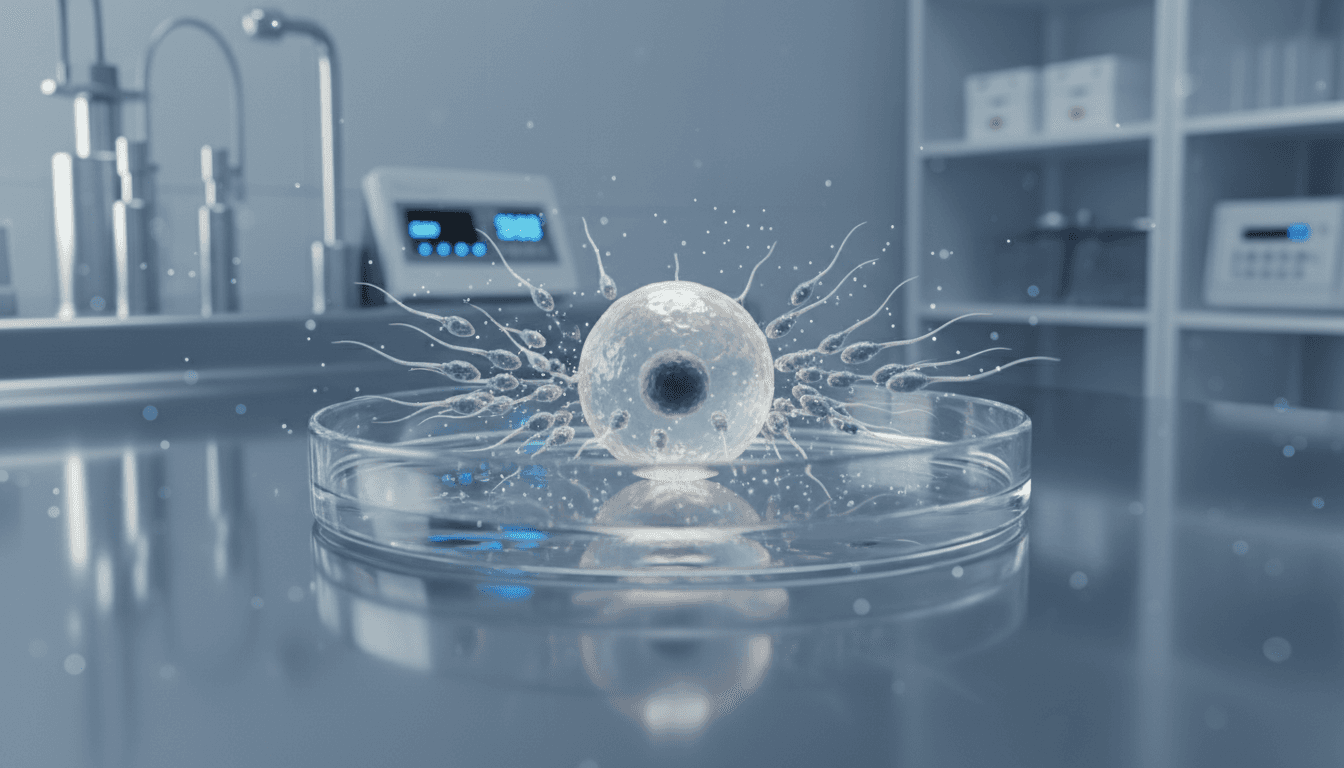
Testosterone is essential for sperm production inside the testes, yet taking testosterone from outside the body can suppress sperm production.
External testosterone can reduce pituitary FSH and LH signals. As these hormones fall, testosterone production inside the testes drops, even when blood testosterone appears normal or high.
For men who want biological children, fertility should therefore be considered before testosterone therapy is started.
What Is Testosterone Therapy?
Testosterone therapy provides testosterone from an external source to men with appropriately diagnosed testosterone deficiency.
It may be administered as:
Injections.
Gels.
Patches.
Other formulations depending on the clinical setting.
It is often called Testosterone Replacement Therapy, or TRT.
Symptoms alone are not enough to diagnose testosterone deficiency. Appropriate testing and evaluation of the underlying cause are important before treatment.
For a detailed explanation of the hormonal system, read Male Fertility Hormone Tests: FSH, LH, Testosterone and Prolactin.
How Does the Body Control Testosterone and Sperm Production?
Male reproductive function depends on communication between the brain, pituitary gland and testes.
The pituitary releases:
LH, which stimulates Leydig cells to produce testosterone.
FSH, which supports Sertoli cells and sperm production.
This creates the high intratesticular testosterone concentration required for normal spermatogenesis.
Why Can External Testosterone Reduce Sperm Production?
When testosterone enters the body from an external source, the brain detects adequate androgen levels and reduces its own hormonal stimulation.
FSH and LH fall.
Lower LH means the testes produce less of their own testosterone.
As a result, a man may have a normal or high testosterone blood test while the testosterone concentration inside the testes becomes too low to support normal sperm production.
A good blood testosterone result therefore does not mean fertility has improved.
Can Testosterone Therapy Cause Azoospermia?
It can in some men.
Sperm concentration may decline significantly and, in certain individuals, no sperm may be detected in the ejaculate.
The degree of suppression varies according to factors such as:
Treatment duration.
Dose and formulation.
Baseline testicular function.
Age.
Previous fertility.
Other hormonal or anabolic substances.
Not every man using testosterone develops azoospermia.
Is Testosterone a Reliable Contraceptive?
No.
External androgens have been studied for hormonal male contraception because they can suppress spermatogenesis.
However, testosterone therapy is not a reliable contraceptive method because suppression varies between men and sperm may remain present.
Can Fertility Recover After Stopping Testosterone?
In many men, sperm production can recover after suppression is removed.
However, recovery is not immediate and cannot be predicted precisely for an individual patient.
Improvement may begin over several months, while some men take substantially longer.
Research from hormonal male-contraception studies demonstrates that spermatogenesis commonly recovers with time, but those results should not be used as a guarantee for every man treated with TRT.
Can Recovery Take a Year or Longer?
Yes.
Sperm production itself takes time, and the hypothalamic-pituitary-testicular axis also needs to recover from suppression.
Longer treatment duration, older age, baseline fertility problems and additional anabolic-steroid exposure may affect the recovery pattern.
This is why men planning children should discuss fertility before starting long-term therapy.
Should I Stop Testosterone Immediately If I Want a Child?
Do not stop or alter prescribed medication without medical guidance.
A fertility specialist or andrologist should first review:
Why testosterone was prescribed.
Whether deficiency was properly confirmed.
Treatment type and duration.
Previous semen analyses.
Current fertility timeline.
Symptoms that may return if treatment is changed.
Management must be individualized.
What Tests Are Useful?
Evaluation commonly begins with medical history, medication review and semen analysis.
Hormonal testing may include:
Total testosterone.
FSH.
LH.
Prolactin.
Estradiol in selected cases.
SHBG or free testosterone when indicated.
These results should be interpreted together rather than individually.
For a broader male-factor assessment, see Male Infertility: Causes, Tests and Modern Treatments.
Should Semen Analysis Be Done Before Testosterone Treatment?
If future fertility is important, discussing baseline fertility assessment before starting testosterone can be useful.
A baseline semen analysis may later help determine whether impaired sperm production existed before treatment or developed after hormonal suppression.
Sperm cryopreservation can also be discussed in selected men before prolonged treatment.
What If My Semen Analysis Shows No Sperm?
Azoospermia during testosterone treatment does not automatically mean permanent testicular failure.
The clinician should consider whether hormonal suppression is the likely explanation.
Assessment can include:
Testosterone exposure and duration.
FSH and LH.
Testicular examination.
Repeat semen analysis at an appropriate time.
Investigation for other causes when necessary.
Surgical sperm retrieval should not automatically be the first step.
Do I Immediately Need Micro-TESE?
Usually not when reversible hormonal suppression is strongly suspected.
Micro-TESE is primarily considered in selected men with severe non-obstructive azoospermia in whom sperm production inside the testes is significantly impaired.
If external testosterone is the likely cause of suppression, recovery of the hormonal axis may need to be evaluated first.
For more information, read Surgical Sperm Retrieval Micro-TESE.
Are Medications Used to Help Fertility Recover?
In selected cases, male-fertility specialists may discuss treatments intended to stimulate endogenous hormonal signaling and intratesticular testosterone rather than simply supplying external testosterone.
Depending on the diagnosis, options can include:
hCG.
FSH or other gonadotropins.
Medications that stimulate endogenous gonadotropin production in selected men.
Aromatase inhibitors in particular clinical situations.
These therapies are not universal recovery protocols and should not be self-prescribed.

What Does hCG Do?
hCG has LH-like activity and can stimulate Leydig cells in the testes to produce testosterone.
It may therefore be incorporated into selected fertility-preservation or recovery strategies.
Whether it is appropriate, at what dose and whether additional FSH is needed depends on the individual hormonal pattern and fertility goal.
Can Clomiphene Be Used Instead of Testosterone?
In selected men with low testosterone who wish to preserve fertility, clinicians may discuss medications that stimulate the body's own FSH and LH rather than replacing testosterone directly.
However, this approach is not suitable for every cause of hypogonadism.
The underlying diagnosis matters.
What About Anabolic Steroids?
Anabolic-androgenic steroids can suppress the same reproductive axis and may cause profound reductions in FSH, LH and sperm production.
Effects can include:
Reduced testicular size.
Severe oligospermia.
Azoospermia.
Delayed recovery after discontinuation.
Patients should tell their doctor about all anabolic products used, including non-prescribed compounds.
Does Low Testosterone Always Mean Low Sperm Count?
No.
Blood testosterone does not directly measure sperm number.
A man can have low serum testosterone without severe sperm impairment, and another man can have a relatively acceptable serum testosterone level while having severe spermatogenic dysfunction.
Semen analysis therefore remains essential.
Can Natural Pregnancy Occur After Sperm Production Returns?
Yes, in some couples.
Natural pregnancy may be possible when sperm count and motility recover sufficiently and no major fertility factors are present in either partner.
The decision depends on:
Semen results.
Female partner's age.
Ovarian reserve.
Duration of infertility.
Other reproductive factors.
When Are IUI, IVF or ICSI Considered?
If sperm return but remain limited in number or movement, assisted reproduction may be discussed.
Depending on severity, options may include:
Natural attempts.
IUI in selected situations.
IVF.
ICSI for more significant male-factor infertility or very limited sperm availability.
Read IVF vs ICSI: The Main Differences for a detailed comparison.
Should We Wait for Recovery or Proceed With ICSI?
There is no universal answer.
Waiting may be reasonable when:
The female partner is relatively young.
Ovarian reserve is reassuring.
Infertility duration is limited.
Sperm recovery is reasonably expected.
A faster reproductive strategy may be more appropriate when time is important—for example, with advanced maternal age or reduced ovarian reserve.
The couple should therefore be evaluated together.
Can Sperm Be Frozen Before Testosterone Treatment?
Yes.
Sperm cryopreservation can be discussed before treatment when future fertility is important.
Whether it is necessary depends on the fertility plan, baseline semen quality, underlying diagnosis and expected duration of treatment.
What If I Have Used Testosterone for Years?
Long-term exposure does not automatically mean fertility cannot recover.
However, the timeline becomes more difficult to predict.
Assessment should review:
Duration of use.
Dosage.
Formulation.
Other anabolic compounds.
Testicular size.
FSH and LH.
Testosterone.
Semen analysis.
The goal is to create a monitoring and fertility strategy rather than promise a fixed recovery date.
Common Mistakes to Avoid
Common problems include:
Starting testosterone after a single low result without confirming the diagnosis.
Failing to ask about future fertility plans.
Assuming higher blood testosterone means more sperm.
Self-starting hCG or other hormonal medications.
Proceeding directly to ICSI or Micro-TESE without evaluating reversible suppression.
Waiting indefinitely without considering the female partner's reproductive timeline.
Conclusion
Testosterone is essential to normal male reproduction, but external testosterone can suppress FSH and LH, reduce intratesticular testosterone and substantially decrease sperm production.
Some men may develop azoospermia.
Sperm production can recover in many men after hormonal suppression is removed, but recovery takes time and varies between individuals.
Men who want biological children should therefore discuss fertility before beginning testosterone treatment or seek evaluation if fertility concerns develop during treatment.
If you currently use testosterone or have used it previously and are planning a pregnancy, contact Safemedigo on WhatsApp to arrange a preliminary review of your hormone and semen results and discuss the appropriate next step with a fertility specialist.
Frequently Asked Questions
Does testosterone therapy cause permanent infertility?
Not necessarily. It can suppress sperm production, and many men recover after suppression is removed, but recovery time and extent vary.
How long does sperm recovery take after testosterone?
Recovery often takes months and may take longer in some men. No single timeline applies to everyone.
Can I use testosterone while trying to conceive?
This should be discussed with a male-fertility specialist. Medical guidelines advise against starting testosterone therapy in men planning fertility in the near term.
Can hCG restore sperm production after testosterone?
It may form part of treatment in selected cases, but it does not guarantee recovery and requires specialist supervision.
Does azoospermia during TRT mean I need Micro-TESE?
No. Reversible hormonal suppression should be evaluated before surgical sperm retrieval is considered.