










Parenthood is a shared journey that many couples aspire to, but this path can sometimes present challenges, one of the most significant being male infertility. This topic is no longer taboo; instead, it has become essential to understand its deep-rooted causes and seek effective solutions. Infertility not only affects the ability to conceive but can also extend its impact to a man's psychological state and self-confidence. Therefore, shedding light on this subject and providing accurate information is a crucial step toward restoring hope and achieving the dream of fatherhood.
In this comprehensive guide, we will explore the world of male infertility together, starting from medical and lifestyle causes, moving through the latest diagnostic methods and precise tests, and arriving at the innovative treatments offered by modern medical technology. At Safemedigo, we believe that knowledge is the first step toward treatment, and we strive to provide you with all the information you need to make informed decisions. Our goal is to be your partner on this journey, offering support and hope by reviewing the available solutions that can bring fertility back on track.
Male Infertility Causes
Male Fertility Problems
Male fertility problems are diverse and can be complex. They can be categorized into three main areas:
- Pre-testicular issues: These relate to hormonal disorders that affect sperm production, such as pituitary gland dysfunction.
- Testicular issues: These relate to the testicles' ability to produce healthy sperm, such as varicoceles or congenital defects.
- Post-testicular issues: These relate to blockages in the ducts that transport sperm or problems with ejaculation.
Low Sperm Count
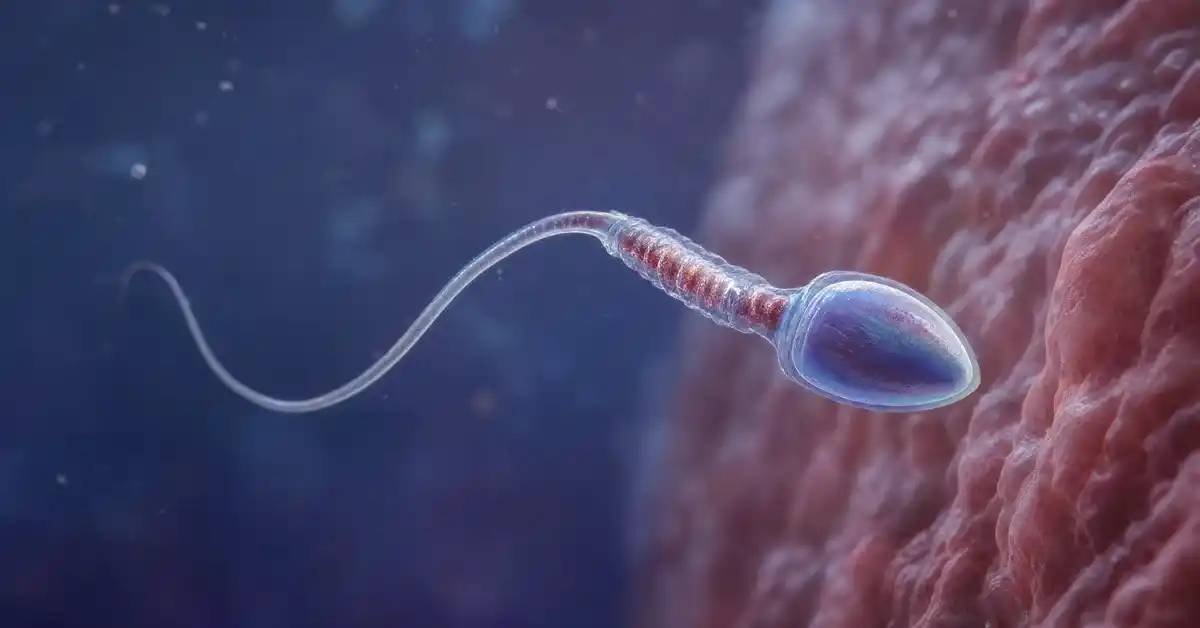
A low sperm count (Oligospermia) is a primary cause of infertility. It means the fluid (semen) you ejaculate during an orgasm contains fewer sperm than normal. This reduces the odds of one of your sperm fertilizing your partner's egg, resulting in pregnancy. Various factors, including genetics, medical conditions, and lifestyle choices, can contribute to a low sperm count.
Sperm Motility Issues
Sperm motility issues (Asthenozoospermia) refer to the sperm's ability to move efficiently. For fertilization to occur, sperm must be able to swim through the female reproductive tract to reach and penetrate the egg. Poor motility can significantly decrease the chances of conception. This can be caused by testicular damage, certain medications, or lifestyle factors.
Read about: Male Sperm Weakness: Main Causes and Modern Fertility Treatment Options
Male Infertility Diagnosis
Male Fertility Tests
The journey to diagnosing male infertility begins with a series of male fertility tests. This usually starts with a physical examination and a detailed medical history. Your doctor may also order blood tests to assess hormone levels, as well as other tests to identify any underlying issues that could be causing infertility.
Semen Analysis
Semen analysis remains the cornerstone of evaluating male fertility. This test assesses several key parameters:
- Semen Volume: The amount of fluid ejaculated.
- Sperm Count: The concentration of sperm per milliliter.
- Sperm Motility: The percentage of sperm that are moving effectively.
- Sperm Morphology: The percentage of sperm with a normal shape.
This analysis provides a clear picture of semen quality and its potential for fertilization.
Male Infertility Diagnosis
A comprehensive male infertility diagnosis relies on a thorough approach. In addition to semen analysis, other tests may include scrotal ultrasound to detect structural abnormalities like varicoceles, or genetic testing to identify any hereditary disorders that might affect fertility. An accurate diagnosis is key to developing a personalized treatment plan that maximizes the chances of success.
Read about: Latest Male Infertility Treatments: From Medications to Innovative Techniques
Male Infertility Symptoms
Male Infertility Symptoms
The main sign of male infertility is the inability to conceive a child. There might be no other obvious signs or symptoms. In some cases, however, an underlying problem such as an inherited disorder, a hormonal imbalance, or a condition that blocks the passage of sperm may cause signs and symptoms. These can include issues with sexual function, pain or swelling in the testicle area, or recurrent respiratory infections.
Male Reproductive Health
Overall male reproductive health is crucial for fertility. Factors that can affect it include chronic illnesses, lifestyle choices like smoking and excessive alcohol consumption, and exposure to environmental toxins. Maintaining a healthy lifestyle is a fundamental step in preserving and improving reproductive health.
Male Fertility Problems
Facing male fertility problems can be a stressful experience. Psychological support and accurate information play a vital role in this journey. It is important for couples to remember that they are not alone in this and that there are many available options that can help them achieve their dream of parenthood.
Read about: Hormone Fertility Support: Turkey vs Germany
Modern Infertility Treatments
Modern Infertility Treatments
The field of infertility treatment has seen tremendous advancements. Modern infertility treatments include hormonal medications to improve sperm production, microsurgical procedures to repair varicoceles or remove blockages, and advanced assisted reproductive technologies that have revolutionized the field.
Assisted Reproductive Techniques
Assisted Reproductive Techniques (ART) are among the most prominent solutions. These techniques include:
- Intrauterine Insemination (IUI): Where sperm is injected directly into the woman's uterus.
- In Vitro Fertilization (IVF): Where the egg is fertilized with sperm in a lab, and the resulting embryo is transferred to the uterus.
- Intracytoplasmic Sperm Injection (ICSI): An advanced technique where a single sperm is injected directly into the egg, considered an effective solution for severe male factor infertility.
Infertility Treatment Success Rate
The infertility treatment success rate varies significantly depending on the cause of the problem, the couple's age, and the technique used. Thanks to modern advancements, especially in the field of ICSI, success rates have increased markedly, giving hope to many couples who were facing significant difficulties in conceiving.

Male Infertility Treatment
Male Infertility Treatment
Male infertility treatment depends on the underlying cause. Treatment may involve lifestyle changes such as improving nutrition and exercising, taking medications to boost hormones, or undergoing surgery to correct an anatomical problem. In many cases, a combination of several treatments is the most effective approach.
Male Infertility Solutions
Finding the right male infertility solutions requires a personalized approach. There is no one-size-fits-all solution. Specialized doctors work to evaluate each case individually to determine the best course of treatment, whether through medical, surgical, or assisted reproductive techniques.
Fertility Treatment for Men
Fertility treatment for men has evolved to offer a wide range of options. From simple lifestyle adjustments to complex surgical procedures and advanced lab techniques, the goal is always to address the root cause and improve the chances of conception. The journey requires patience, but modern medicine offers more hope than ever before.
Read about: Fertility Treatments: Turkey vs USA
Sperm Quality Improvement
Sperm Quality Improvement
A key focus in treating male infertility is sperm quality improvement. This can be achieved through a healthy diet rich in antioxidants, regular exercise, avoiding toxins, and taking specific supplements. These changes can enhance sperm count, motility, and morphology, thereby increasing the natural chances of conception.
Low Sperm Count
Addressing a low sperm count involves a thorough investigation of its causes. Sometimes, the cause can be simple and reversible, such as avoiding hot tubs or wearing looser underwear. At other times, it may require more complex medical intervention. A comprehensive examination is the first step to determining the right direction.
Male Reproductive Health
Maintaining good male reproductive health is a lifelong commitment. It involves being mindful of diet, exercise, stress levels, and environmental exposures. Proactive care and regular check-ups can help prevent many fertility issues before they become significant problems.
Read about: How Hormones Affect Fertility: Essential Tests for Couples
Male Infertility in Turkey
Male Infertility in Turkey
Turkey has become a leading destination for infertility treatment thanks to a combination of high medical expertise, advanced technology, and affordable costs. Male infertility in Turkey is addressed with comprehensive solutions for couples from all over the world, providing high-quality medical care in a supportive environment.
Modern Infertility Treatments
By embracing the latest modern infertility treatments, Turkey positions itself at the forefront of fertility medicine. Doctors have extensive experience in handling complex cases, and laboratories are constantly updated with the latest equipment to ensure the highest standards of quality and care.
Assisted Reproductive Techniques
Medical centers in Turkey use the latest assisted reproductive techniques, including the most advanced IVF and ICSI protocols, as well as advanced embryo selection techniques. This ensures that patients receive the best possible chance of success.
Read about:Natural Fertility Treatments: Effective Ways to Boost Conception
Conclusion
In conclusion, male infertility is no longer the end of the road to fatherhood. Thanks to tremendous progress in diagnosis and treatment, there is real hope and increasing opportunities to achieve the dream of having a child. From understanding the underlying causes of the problem to exploring the latest available treatments, the treatment journey has become clearer and more effective than ever. Taking the first step toward diagnosis is an investment in your future and the future of your family. Always remember that seeking help is a sign of strength and that there are innovative solutions that can make a huge difference. Are you ready to start your journey to fatherhood? Contact the expert team at Safemedigo via WhatsApp today for a confidential and comprehensive consultation and to explore the best options available to you.
Frequently Asked Questions: Male Infertility Causes: Modern Tests and Treatments
Can Lifestyle Really Affect Male Fertility?
Yes, significantly. Factors such as smoking, obesity, stress, poor nutrition, and lack of sleep can negatively affect sperm production and quality. Making positive lifestyle changes can have a notable impact on improving fertility.
What is Semen Analysis, and Is It Painful?
Semen analysis is a simple laboratory test in which a semen sample is evaluated. The procedure is not painful at all and only requires providing a sample that is usually collected through masturbation into a sterile container.
Does Varicocele Always Cause Infertility?
Not always. Many men have varicocele without it affecting their fertility. However, in some cases, varicocele can lead to increased testicular temperature, which affects sperm production and quality. Surgery can often fix the problem and improve fertility.
What is ICSI (Intracytoplasmic Sperm Injection)?
ICSI is an advanced assisted reproductive technology technique in which a single sperm is selected and injected directly into the egg using a fine microscopic needle. This technique is highly effective in cases of severe sperm defects.
Are Fertility Treatments Guaranteed to Succeed?
No medical treatment is 100% guaranteed to succeed. The success rate of fertility treatment depends on several factors, including the cause of infertility, the age of the couple, overall health, and the technique used. However, modern techniques have significantly increased the chances of success.
.png&w=1920&q=70)