









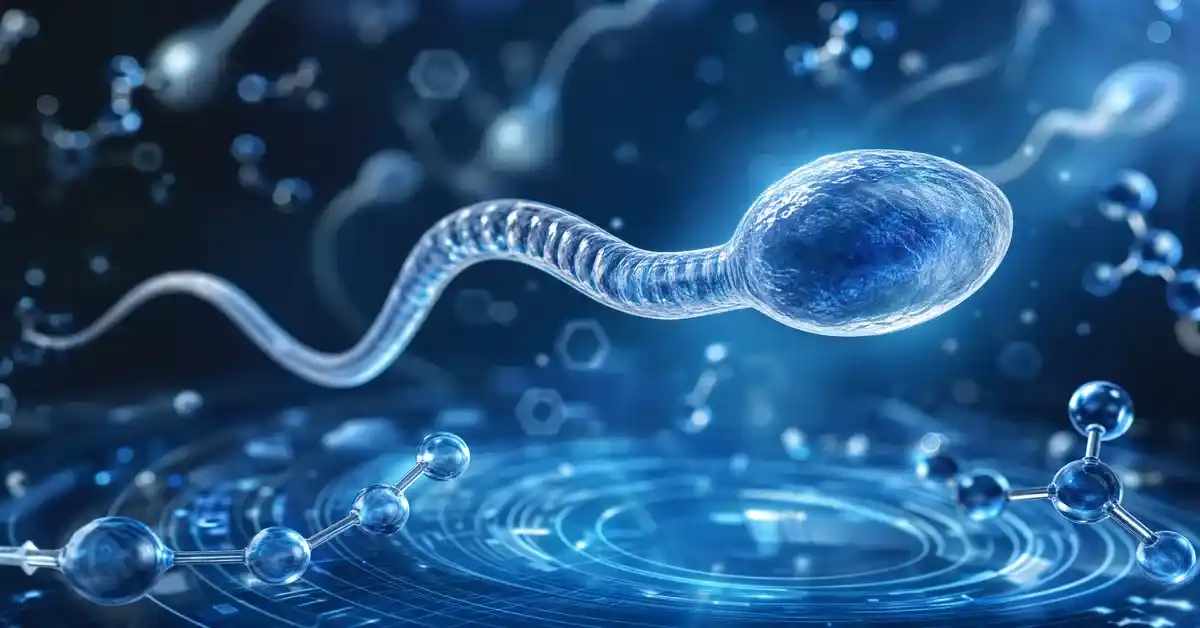
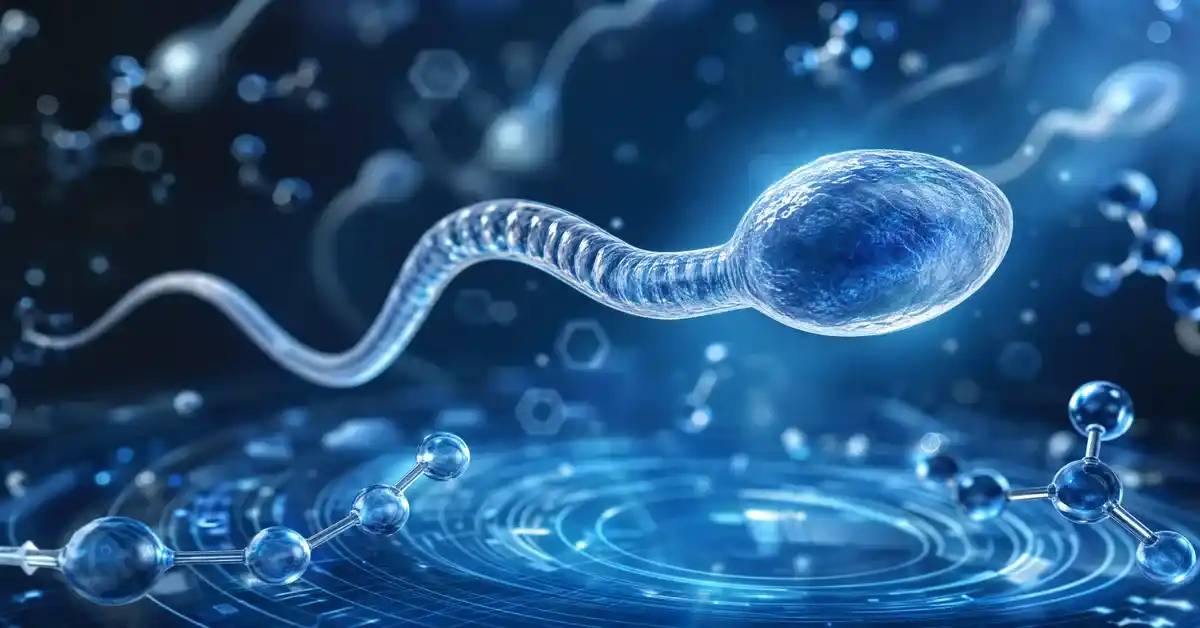
Male sperm weakness is one of the most common yet underdiagnosed contributors to infertility worldwide. When couples face challenges conceiving, the focus often shifts exclusively to the female partner, yet male factors — particularly poor sperm quality and low sperm motility — account for a significant proportion of fertility difficulties. At Safemedigo, we believe that understanding the root causes of male infertility is the first step toward finding effective, personalized solutions.
This article explores the medical and scientific dimensions of asthenozoospermia, its causes, and the full spectrum of modern fertility treatments for men available today. Whether you are seeking information about hormonal treatment for sperm weakness, natural remedies for low sperm count, or advanced assisted reproductive technologies, this comprehensive guide will provide the clarity you need.
What Is Male Sperm Weakness (Asthenozoospermia)?
Asthenozoospermia refers to a condition in which sperm cells fail to swim with adequate speed or direction, significantly reducing the chances of natural fertilization. Understanding this condition requires a closer look at how sperm motility is classified and assessed.
Definition of Male Sperm Weakness
Male sperm weakness, or asthenozoospermia, is clinically defined as a reduction in the percentage of motile sperm in a semen sample below the threshold established by the World Health Organization. In a healthy semen sample, at least 40% of sperm should demonstrate some form of movement, with at least 32% showing progressive motility. When these values fall below the accepted range, the diagnosis of low sperm motility is confirmed. Sperm analysis for motility is the primary tool used to identify this condition and guide subsequent treatment decisions.
Difference Between Progressive and Non-Progressive Motility
Sperm motility is divided into two main categories: progressive motility, where sperm move forward in a straight line or in large circles, and non-progressive motility, where sperm move but without meaningful forward advancement. For natural fertilization to occur, progressive motility is essential, as sperm must travel through the female reproductive tract to reach the egg. Poor sperm quality often manifests as a high proportion of non-progressive or immotile sperm, making improving sperm motility a central goal of treatment.
Read about: Male Infertility Causes: Tests and Modern Treatments
Causes of Male Sperm Weakness
The causes of male infertility are diverse, ranging from anatomical abnormalities to genetic and hormonal disorders. Identifying the underlying cause is critical for selecting the most appropriate treatment strategy.
Varicocele and Sperm Health
Varicocele — the abnormal enlargement of veins within the scrotum — is the most common surgically correctable cause of male sperm weakness. This condition raises the temperature inside the testicles, creating an environment that is hostile to sperm production and function. Varicocele and sperm health are closely linked, as the elevated scrotal temperature impairs sperm DNA integrity, reduces sperm count, and diminishes motility. Surgical correction of varicocele has been shown to significantly improve sperm parameters in many patients, making it a key intervention for causes of male infertility.
Medical and Genetic Factors Affecting Sperm Quality
Beyond varicocele, a range of medical and genetic conditions can impair poor sperm quality. Hormonal imbalances — particularly deficiencies in testosterone, FSH, or LH — disrupt the process of sperm production. Genetic disorders such as Klinefelter syndrome or Y-chromosome microdeletions can affect testicular health and sperm quality at a fundamental level. Infections of the reproductive tract, autoimmune conditions, and certain medications also contribute to asthenozoospermia. A thorough medical evaluation, including sperm analysis for motility and hormonal profiling, is essential for identifying these underlying causes.
Read about: Latest Male Infertility Treatments: From Medications to Innovative Techniques
Environmental and Lifestyle Factors Impacting Sperm Motility
Modern living exposes men to a wide range of environmental and behavioral factors that can negatively affect sperm health. Addressing these factors is an important component of any fertility improvement plan.
Exposure to Chemicals, Heat, and Radiation
Occupational exposure to pesticides, heavy metals, industrial solvents, and other toxic chemicals is a well-documented contributor to low sperm motility. Similarly, prolonged exposure to heat — whether from hot baths, saunas, or sedentary work environments — raises scrotal temperature and impairs sperm production. Radiation exposure, including from medical treatments or certain occupational settings, can damage the cells responsible for sperm generation. Lifestyle changes for sperm health must include minimizing exposure to these environmental hazards wherever possible.
Lifestyle Changes for Sperm Health (Smoking, Alcohol, Obesity, Stress)
Smoking introduces toxic compounds into the bloodstream that directly damage sperm DNA and reduce motility. Excessive alcohol consumption disrupts hormonal balance, lowering testosterone levels and impairing sperm production. Obesity is associated with elevated estrogen levels and reduced testosterone, both of which contribute to male sperm weakness. Chronic psychological stress elevates cortisol, which suppresses reproductive hormones. Implementing meaningful lifestyle changes for sperm health — including smoking cessation, moderation of alcohol, weight management, and stress reduction — can lead to measurable improvements in sperm parameters.
Read about: Hormone Fertility Support: Turkey vs Germany
Symptoms and Diagnosis of Sperm Weakness
Male sperm weakness is often a silent condition, with no obvious physical symptoms in many cases. Diagnosis typically requires targeted laboratory testing.
Symptoms of Low Sperm Count
In most cases, symptoms of low sperm count are not directly observable, and the primary indication is difficulty conceiving after regular unprotected intercourse. However, some men may experience indirect symptoms related to the underlying cause, such as pain or swelling in the testicular area due to varicocele, reduced libido or sexual dysfunction associated with hormonal imbalances, or changes in hair growth and body composition. Testicular health and sperm quality are closely interrelated, and any physical changes in the testicles warrant prompt medical evaluation.
Sperm Analysis for Motility Assessment
Sperm analysis for motility — also known as a semen analysis — is the cornerstone of diagnosing asthenozoospermia. This test measures sperm concentration, morphology, and motility, providing a comprehensive picture of male reproductive health. Results are interpreted against standardized reference values, and if low sperm motility is confirmed, further tests such as hormonal assays, genetic screening, and scrotal ultrasound may be recommended to identify the root cause and guide treatment planning.

Medical Treatments for Male Sperm Weakness
Medical treatment for male sperm weakness is tailored to the specific underlying cause, and a range of effective interventions are available.
Hormonal Treatment for Sperm Weakness
When hormonal imbalances are identified as the cause of poor sperm quality, hormonal treatment for sperm weakness can be highly effective. Medications that stimulate the pituitary gland to produce FSH and LH can restore normal sperm production. In cases of testosterone deficiency, careful hormonal management is required, as exogenous testosterone can paradoxically suppress sperm production. Hormonal treatment for sperm weakness must therefore be carefully monitored by a reproductive endocrinologist to achieve optimal results.
Surgical Intervention for Varicocele
Varicocelectomy — the surgical repair of varicocele — is one of the most effective treatments for improving sperm motility and overall sperm parameters. By ligating the dilated veins, the procedure reduces scrotal temperature and restores a healthier environment for sperm production. Many men experience significant improvements in sperm count, motility, and morphology within several months of surgery. This intervention directly addresses the relationship between varicocele and sperm health, and is often recommended before considering assisted reproductive technologies.
Read about: Fertility Treatments: Turkey vs USA
Natural Remedies and Supplements for Improving Sperm Motility
Alongside medical treatments, a range of natural approaches can support and enhance sperm health, particularly when combined with positive lifestyle modifications.
Supplements for Sperm Motility (Vitamins, Antioxidants)
Supplements for sperm motility that contain antioxidants play a key role in protecting sperm from oxidative damage. Nutrients such as selenium, zinc, vitamin C, vitamin E, and coenzyme Q10 have been studied for their beneficial effects on sperm motility and morphology. These supplements work by neutralizing reactive oxygen species that can damage sperm DNA and impair function. Natural remedies for low sperm count often incorporate these micronutrients as part of a comprehensive approach to improving sperm motility under medical supervision.
Herbal Treatment for Male Infertility
Herbal treatment for male infertility has been explored in various traditional medicine systems. Herbs such as ashwagandha, maca root, and tribulus terrestris have been associated with improvements in sperm parameters in some studies. While herbal treatment for male infertility may serve as a complementary approach, it should not replace evidence-based medical treatment. Men considering herbal remedies should consult their physician to ensure safety and avoid potential interactions with prescribed medications.
Lifestyle Changes to Improve Sperm Health
Lifestyle changes for sperm health represent one of the most accessible and impactful strategies for improving sperm motility. Regular moderate exercise improves circulation and hormonal balance, while a diet rich in fruits, vegetables, lean proteins, and healthy fats provides the micronutrients essential for sperm production. Reducing sedentary behavior, maintaining a healthy body weight, and prioritizing adequate sleep all contribute to better testicular health and sperm quality over time.
Read about: How Hormones Affect Fertility: Essential Tests for Couples
Assisted Reproductive Technologies for Male Infertility
When natural conception remains elusive despite treatment, assisted reproductive technologies offer highly effective pathways to parenthood for couples affected by male sperm weakness.
IUI for Low Sperm Motility
Intrauterine insemination (IUI for low sperm motility) is a minimally invasive procedure in which prepared sperm are placed directly into the uterus at the time of ovulation. Prior to insemination, the semen sample undergoes a washing and concentration process to select the most motile sperm, bypassing the natural barriers that poorly motile sperm cannot overcome. IUI for low sperm motility is typically recommended in mild to moderate cases of asthenozoospermia and is often the first assisted reproductive intervention considered.
IVF for Male Infertility and ICSI
In more severe cases of male sperm weakness, IVF for male infertility combined with intracytoplasmic sperm injection (ICSI) offers an advanced solution. ICSI involves the direct injection of a single sperm cell into a mature egg, completely bypassing the need for sperm to swim independently. This technique has revolutionized modern fertility treatments for men with severe asthenozoospermia, enabling successful fertilization even when sperm motility is extremely poor. IVF for male infertility with ICSI is performed at specialized fertility centers and requires careful medical preparation and monitoring.
Read about:Natural Fertility Treatments: Effective Ways to Boost Conception
Daily Habits to Enhance Sperm Motility
Simple daily habits can make a meaningful difference in sperm health over time, complementing medical treatments and supporting long-term fertility.
Loose-Fitting Underwear and Avoiding Heat Exposure
One of the most straightforward lifestyle changes for sperm health is switching to loose-fitting underwear, which allows the testicles to remain at an optimal temperature slightly below core body temperature. Tight underwear, hot baths, and prolonged laptop use on the lap can all raise scrotal temperature and contribute to low sperm motility. Avoiding heat exposure in daily life is a simple yet effective strategy for testicular health and sperm quality.
Nutritional Diet and Regular Exercise
A diet rich in antioxidants, zinc, selenium, folate, and omega-3 fatty acids provides the building blocks necessary for healthy sperm production. Foods such as leafy greens, nuts, seeds, fish, and whole grains support improving sperm motility through nutritional means. Regular moderate exercise — such as brisk walking, swimming, or cycling — enhances blood flow to the reproductive organs and supports hormonal balance. Together, these habits form the foundation of a lifestyle that promotes male reproductive health.
Read about: Best Foods to Naturally Boost Fertility in Men and Women
When to Consult a Specialist for Male Infertility
Knowing when to seek professional guidance is essential for timely diagnosis and treatment of male sperm weakness.
After One Year of Unsuccessful Conception Attempts
Medical guidelines recommend that couples who have been trying to conceive for one year without success seek a fertility evaluation. For men, this evaluation should include sperm analysis for motility as a first step. Early consultation allows for prompt identification of causes of male infertility and enables timely initiation of appropriate treatment, whether medical, surgical, or through assisted reproductive technologies.
Testicular Health and Symptoms Requiring Medical Attention
Men should seek medical attention promptly if they notice any changes in testicular health and sperm quality, including pain, swelling, lumps, or changes in testicular size. These symptoms may indicate varicocele, infection, or other conditions that can impair sperm production if left untreated. Symptoms of low sperm count are often indirect, making proactive health monitoring and regular check-ups an important part of male reproductive health care.
Conclusion
In conclusion, low sperm quality is a condition that can often be effectively managed with early diagnosis and the right treatment plan. With the advancement of male fertility diagnosis and treatment technologies, improving sperm quality and increasing pregnancy chances has become more achievable than ever. Understanding the causes of low sperm quality and following the appropriate medical recommendations are essential steps toward a clearer and more successful fertility journey.
If you are looking for an accurate diagnosis or want to explore the best treatment options for your case, contact safemedigo today and let our team help you find the right medical solutions to support your journey toward fatherhood.
Frequently Asked Questions: Male Sperm Weakness: Main Causes and Modern Fertility Treatment Options
Can male sperm weakness be permanently cured?
In many cases, male sperm weakness can be effectively treated, particularly when the underlying cause is identifiable and addressable. Conditions such as varicocele respond well to surgical treatment, and hormonal imbalances can often be corrected with appropriate medical therapy. Lifestyle changes for sperm health also contribute significantly to long-term improvement in sperm motility and overall poor sperm quality.
What are the best supplements for sperm motility?
Supplements for sperm motility that are most commonly recommended include antioxidants such as vitamin C, vitamin E, selenium, zinc, and coenzyme Q10. These nutrients protect sperm from oxidative damage and support healthy sperm function. Natural remedies for low sperm count often incorporate these supplements as part of a broader fertility support plan, ideally under the guidance of a reproductive specialist.
Is herbal treatment for male infertility effective?
Herbal treatment for male infertility may offer supportive benefits in some cases, particularly for mild forms of asthenozoospermia. Herbs such as ashwagandha and maca have shown promising results in preliminary studies. However, herbal remedies should be used as a complement to, not a replacement for, evidence-based medical treatments. Always consult a physician before starting any herbal regimen.
How does IUI for low sperm motility work?
IUI for low sperm motility involves processing a semen sample to concentrate the most active sperm, then introducing them directly into the uterus during the ovulation window. This procedure reduces the distance sperm must travel and increases the likelihood of fertilization. It is typically recommended for mild to moderate cases of low sperm motility where other causes of infertility have been excluded.
When is IVF for male infertility recommended over IUI?
IVF for male infertility is recommended when sperm motility is severely impaired, when IUI has not resulted in pregnancy after several attempts, or when additional female fertility factors are present. The ICSI technique used alongside IVF allows fertilization to occur even with very poor sperm motility, making it one of the most powerful modern fertility treatments for men available today.
.png&w=1920&q=70)