








Micro-TESE, or microsurgical testicular sperm extraction, is one of the most advanced surgical options for selected cases of severe male infertility. It is most often discussed when no sperm are found in the semen, a condition known as azoospermia. In these cases, the medical question is not only whether sperm appear in the semen, but whether small areas inside the testicle may still produce enough sperm for use in intracytoplasmic sperm injection, or ICSI.
Micro-TESE is usually considered when simpler options are not suitable or when tests suggest that the problem is poor sperm production inside the testicle rather than only a blockage. For this reason, it is often described as a last option for male infertility. However, it should not be seen as a random final attempt. It requires careful evaluation, including semen analysis, hormone tests, physical examination, testicular size assessment, genetic tests, and review of previous surgeries, infections, chemotherapy, or hormone use.
A successful Micro-TESE procedure means that sperm are found and can potentially be used for ICSI. It does not automatically guarantee fertilization, embryo development, pregnancy, or live birth. Therefore, planning should involve a male infertility specialist, fertility doctor, embryology laboratory, and the couple together.
What Is Micro-TESE?
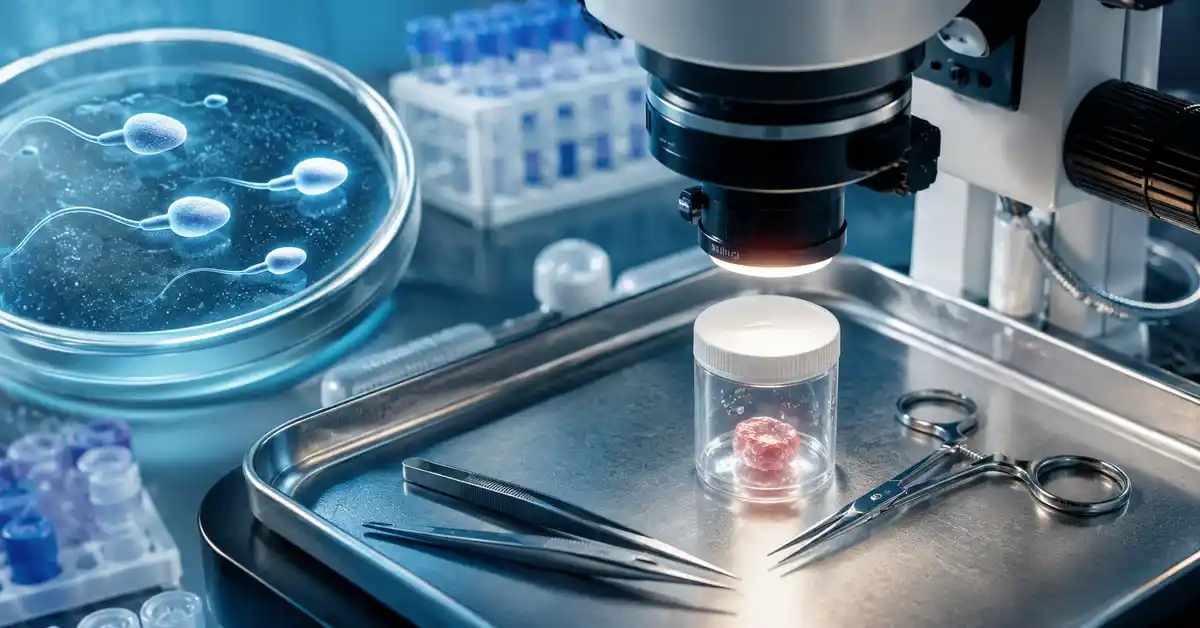
Micro-TESE is a microsurgical operation in which the testicle is opened and examined under an operating microscope to identify seminiferous tubules that may be more likely to contain sperm. Instead of taking random tissue samples, the surgeon uses magnification to search carefully for areas that look more promising.
The procedure is usually performed under anesthesia. During the operation, small tissue samples are sent to the laboratory, where specialists search for sperm. If sperm are found, they may be used fresh in an ICSI cycle or frozen for future use, depending on the treatment plan and laboratory findings.
Definition of Surgical Sperm Retrieval
Surgical sperm retrieval refers to medical procedures used to obtain sperm directly from the male reproductive tract when sperm are absent from the ejaculate. Sperm may be collected from the epididymis or directly from the testicle, depending on the cause of azoospermia.
Methods may include PESA, MESA, TESE, and Micro-TESE. The right method depends on whether azoospermia is obstructive or non-obstructive. In obstructive azoospermia, sperm production is often present, but a blockage prevents sperm from reaching the semen. In non-obstructive azoospermia, sperm production itself is severely reduced or absent in most areas of the testicle.
Micro-TESE is especially important in non-obstructive azoospermia because sperm production may exist only in small, scattered areas.
Difference Between TESE and Micro-TESE
The main difference between TESE and Micro-TESE is how the testicular tissue is selected. In conventional TESE, tissue samples are taken from the testicle without detailed microscopic selection of tubules during surgery. In Micro-TESE, the surgeon uses an operating microscope to identify tubules that may have a higher chance of containing sperm.
Micro-TESE may be more suitable for non-obstructive azoospermia because it allows targeted searching rather than random sampling. It may also reduce the amount of tissue removed in some cases, although this depends on the surgeon’s technique and the patient’s condition.
However, Micro-TESE is not a guarantee. Even with advanced microsurgery, sperm may not be found if the testicle has no active sperm production.
Read about: Male Sperm Weakness: Main Causes and Modern Fertility Treatment Options
When Is Micro-TESE Used in Male Infertility?
Micro-TESE is mainly used in men with azoospermia, especially non-obstructive azoospermia. It is considered when semen analyses repeatedly show no sperm and other tests suggest that sperm production inside the testicles is severely limited.
Before surgery, the diagnosis should be confirmed and the cause should be investigated. In some patients, hormonal issues or medication-related suppression may need treatment before surgical retrieval is considered. For example, previous testosterone use can suppress sperm production and requires specialist evaluation.
Non-Obstructive Azoospermia
Non-obstructive azoospermia means that the testicles are not producing enough sperm to appear in the semen. In some men, sperm production is nearly absent. In others, it may occur only in tiny isolated areas within the testicle.
Possible causes include:
- Severe impairment of sperm production.
- High FSH levels.
- Small testicular volume.
- Genetic conditions.
- Klinefelter syndrome.
- Y-chromosome microdeletions.
- Previous chemotherapy.
- Previous radiation.
- History of undescended testicle.
- Severe infection.
- Severe varicocele in selected cases.
- Unknown causes.
Micro-TESE may help search for sperm in these small areas, but success depends on the underlying diagnosis and testicular condition.
Why Micro-TESE Is Considered a Last Option
Micro-TESE is considered a last option because it is usually discussed after confirming that sperm are not present in the semen and after evaluating whether simpler or reversible causes exist. It is not usually the first step in male infertility care.
It may be considered after:
- Two or more semen analyses confirm azoospermia.
- Hormonal tests are reviewed.
- Physical examination is completed.
- Obstruction is considered or excluded.
- Genetic testing is performed when indicated.
- The female partner’s fertility plan is assessed.
- The couple understands that sperm may not be found.
- ICSI planning is discussed.
Calling it a last option does not mean it has no value. It means it is a specialized procedure used when the couple’s chance of using the man’s sperm depends on finding sperm directly inside the testicle.
Tests Needed Before Micro-TESE
A full evaluation before Micro-TESE is essential. The goal is to understand the cause of azoospermia, estimate the chance of sperm retrieval, detect genetic risks, and plan the timing with ICSI.
The female partner’s evaluation is also important because surgically retrieved sperm are usually used with IVF and ICSI. If the couple plans to use fresh sperm, Micro-TESE must be coordinated with egg retrieval. If sperm are frozen, timing may be more flexible.
Semen Analysis and Hormone Testing
Semen analysis should usually be repeated to confirm azoospermia. The sample may need careful laboratory processing, including centrifugation, because very rare sperm can sometimes be missed in a basic analysis.
Hormone testing may include:
- FSH.
- LH.
- Total testosterone.
- Prolactin.
- Estradiol.
- TSH when needed.
High FSH can suggest impaired sperm production, but it does not always mean sperm cannot be found. Low testosterone or hormonal imbalance may need treatment before surgery in selected cases.
These tests help the specialist decide whether Micro-TESE is appropriate or whether another treatment should be attempted first.
Genetic Testing and Testicular Evaluation
Genetic testing is important in many men with non-obstructive azoospermia. It can identify causes that affect sperm retrieval chances and may have implications for future male children if sperm are used.
Testing may include:
- Karyotype analysis.
- Y-chromosome microdeletion testing.
- CFTR testing when congenital obstruction is suspected.
- Testicular examination.
- Testicular volume assessment.
- Varicocele evaluation.
- Scrotal ultrasound in selected cases.
- Review of previous testicular surgery.
Some genetic findings may strongly reduce the chance of sperm retrieval. This is why testing and counseling should be done before surgery when indicated.

How Is Micro-TESE Performed?
Micro-TESE is performed in an operating room by a specialist trained in male infertility surgery. It also requires coordination with a laboratory that can examine the tissue and identify sperm.
The surgeon opens the testicle and uses an operating microscope to examine the seminiferous tubules. Tubules that appear more promising are sampled and sent to the laboratory. If sperm are found, they can be prepared for ICSI or frozen.
Steps During the Procedure
The procedure begins with anesthesia and surgical preparation. The surgeon makes a small incision in the scrotum, accesses the testicle, and opens the outer covering. Under magnification, the testicular tissue is carefully examined.
General steps include:
- Patient preparation and anesthesia.
- Scrotal incision.
- Access to the testicle.
- Use of the operating microscope.
- Examination of seminiferous tubules.
- Targeted tissue sampling.
- Laboratory examination of tissue.
- Closure of the testicle and incision.
- Recovery monitoring after surgery.
The duration varies depending on whether one or both testicles are examined and whether the patient has had previous retrieval attempts.
Role of the Embryology Laboratory
The embryology or andrology laboratory is central to the success of the treatment plan. Finding sperm depends not only on the surgical technique, but also on careful tissue processing and sperm search under laboratory conditions.
If sperm are found, they may be used for ICSI. In ICSI, one sperm is injected directly into one mature egg. The sperm may be used fresh if the female partner’s eggs are retrieved at the same time, or it may be frozen for later use.
The decision between fresh and frozen sperm depends on sperm number, sperm quality, laboratory experience, and the couple’s IVF plan.
Success Rates and Limitations of Micro-TESE
Micro-TESE success rates vary widely because patients have different causes of azoospermia. There is no single percentage that applies to every case. Results depend on the diagnosis, hormone profile, genetic findings, testicular volume, previous surgeries, surgeon experience, and laboratory quality.
It is important to define success correctly. The first success is finding sperm. The next steps—fertilization, embryo development, pregnancy, and live birth—depend on many other factors, especially egg quality and female age.
Factors Affecting Sperm Retrieval
Several factors may influence the chance of finding sperm, but none can guarantee the result. Some men with unfavorable hormone values may still have sperm found, while others with better-looking indicators may not.
Important factors include:
- Cause of azoospermia.
- Testicular volume.
- FSH level.
- Testosterone level.
- Genetic test results.
- Klinefelter syndrome.
- Y-chromosome microdeletions.
- Previous chemotherapy.
- Previous testicular surgery.
- Previous TESE attempt.
- Surgeon experience.
- Laboratory expertise.
- Whether the procedure is first or repeated.
Each case must be evaluated individually. Comparing with another patient’s experience can be misleading.
What If No Sperm Are Found?
If no sperm are found, the result can be emotionally difficult for the couple. This possibility should be discussed clearly before surgery. The next step may include reviewing the pathology report, hormone levels, genetic testing, and the details of the surgical attempt.
Possible next steps may include:
- Rechecking the diagnosis.
- Reviewing hormone treatment options if appropriate.
- Discussing whether repeat Micro-TESE is reasonable.
- Considering timing before any repeat attempt.
- Reviewing legal and ethical alternatives by country.
- Emotional support for the couple.
- Reassessing the full fertility plan.
In some countries, including Turkey, fertility treatment options are regulated by law, so legal limits should be understood before making decisions.
Read about: Male Infertility Causes: Tests and Modern Treatments
Risks and Complications of Micro-TESE
Micro-TESE is a precise surgical procedure, but it is still an operation and carries possible risks. Most complications are manageable when the procedure is performed by an experienced team, but patients should understand them before surgery.
Possible risks include pain, swelling, bruising, bleeding, infection, and temporary changes in testicular function. Rarely, there may be more significant injury to testicular tissue, especially in men with very small testicles or previous surgery.
Pain, Swelling, and Bleeding
After surgery, patients may feel discomfort, heaviness, swelling, or bruising in the scrotal area. These symptoms are usually controlled with pain medication, rest, and scrotal support.
Warning signs include:
- Severe pain that does not improve.
- Rapidly increasing swelling.
- Persistent bleeding.
- Fever.
- Significant redness.
- Wound discharge.
- Severe pain in one testicle.
- Dizziness or unusual fatigue.
Following post-operative instructions helps reduce the risk of complications and supports recovery.
Effect on Testicular Function and Testosterone
Micro-TESE is designed to minimize unnecessary tissue removal by using magnification. Still, some men may experience temporary changes in testicular function. In selected cases, doctors may monitor testosterone levels after surgery.
Men with small testicles, very poor sperm production, previous operations, or hormonal concerns may need closer follow-up. Symptoms such as severe fatigue, low libido, or significant hormonal changes should be discussed with the doctor.
The decision to proceed should balance the possible benefit of finding sperm with the surgical risks.
Recovery After Micro-TESE
Recovery after Micro-TESE usually requires several days of relative rest. Patients are generally advised to avoid strenuous activity, heavy lifting, sports, and sexual activity for a period determined by the surgeon.
Most men can return to light activities within a short time, but physically demanding work may require longer rest. Wound care is important to reduce infection risk.
First Days After Surgery
The first days focus on rest, pain control, swelling reduction, and wound care. The doctor may recommend scrotal support and avoiding long standing or excessive movement.
General instructions may include:
- Rest for the first days.
- Use prescribed pain medication.
- Wear scrotal support.
- Avoid sports.
- Avoid heavy lifting.
- Avoid sexual activity temporarily.
- Keep the wound clean and dry.
- Monitor swelling and bruising.
- Contact the doctor if infection signs appear.
Instructions may differ by patient, so the surgeon’s advice should always be followed.
Returning to Activity and Follow-Up
Return to activity should be gradual. Men with desk work may return earlier, while those with physical jobs may need more time. Any activity that increases pain or swelling should be avoided.
Follow-up may include:
- Wound check.
- Review of laboratory findings.
- Confirmation of whether sperm were frozen.
- Discussion of further treatment.
- Hormone follow-up when needed.
- ICSI planning.
- Review of the couple’s next step.
Good recovery depends on surgery, laboratory coordination, and clear communication with the couple.
Read about: Latest Male Infertility Treatments: From Medications to Innovative Techniques
Micro-TESE and ICSI
Micro-TESE is usually part of an IVF-ICSI plan. Since sperm retrieved from the testicle may be very few in number, they are generally not used for regular insemination. Instead, ICSI allows a single sperm to be injected into each mature egg.
This makes coordination with the fertility team essential. If fresh sperm will be used, the timing should match egg retrieval. If sperm are frozen, treatment timing may be more flexible.
Using Retrieved Sperm for ICSI
ICSI allows fertilization using very small numbers of sperm. This is why Micro-TESE can be meaningful even when only a few sperm are found.
ICSI success after Micro-TESE depends on:
- Finding usable sperm.
- Egg quality.
- Female partner’s age.
- Embryology laboratory quality.
- Embryo development.
- Uterine factors.
- Overall fertility plan.
- Additional female infertility factors.
Micro-TESE is important, but it is only one part of the full fertility pathway.
Fresh Use or Freezing
Sperm found during Micro-TESE may be used fresh or frozen. Fresh use requires coordination with egg retrieval. Freezing gives more flexibility and may reduce the need for another surgery if enough sperm are preserved.
Potential advantages of freezing include:
- Preserving sperm for future use.
- Reducing repeat surgery.
- Allowing more flexible IVF planning.
- Reducing timing pressure.
- Supporting future ICSI attempts if enough sperm are stored.
The decision depends on sperm number, quality, laboratory capability, and the couple’s plan.
Micro-TESE Cost and Influencing Factors
Micro-TESE cost varies by country, hospital, surgeon experience, anesthesia, laboratory work, freezing, and whether the procedure is part of a full IVF-ICSI package. The price should always be understood in detail before treatment begins.
Cost should not be evaluated separately from quality. Micro-TESE requires surgical skill and a strong laboratory. A low price without experienced microsurgery and laboratory support may not be a good value.
What Is Included in the Cost?
The included services can vary between centers. Some packages include surgery only, while others include anesthesia, laboratory search, medication, or freezing.
Possible cost components include:
- Surgeon fees.
- Operating room fees.
- Anesthesia.
- Laboratory tissue examination.
- Medications.
- Preoperative tests.
- Ultrasound when needed.
- Sperm freezing.
- Annual storage fees.
- Post-operative follow-up.
- ICSI coordination.
Patients should compare packages with clear details, not only final numbers.
Micro-TESE in Turkey
Turkey is considered by some international patients for male infertility and fertility procedures because of specialized doctors, fertility laboratories, and medical travel coordination. However, the center should be selected based on experience, laboratory quality, legal clarity, and transparent planning.
When considering Micro-TESE in Turkey, patients should ask about:
- Male infertility surgeon experience.
- Availability of an operating microscope.
- Laboratory support during surgery.
- Sperm freezing options.
- ICSI planning.
- Required genetic tests.
- Fertility treatment regulations.
- Full cost details.
- Follow-up after surgery.
With Safemedigo, the evaluation pathway can be organized more clearly, helping patients understand the medical steps and available options.
Conclusion
Micro-TESE is not the first step for every male infertility case, but it may become an important option when no sperm are found in the semen and the problem is related to severely reduced sperm production inside the testicle. It is called a last option because it is usually considered after proper evaluation and when simpler approaches are not enough.
The first goal of Micro-TESE is to find sperm that can be used for ICSI. It does not guarantee pregnancy by itself. A complete plan should include male evaluation, female fertility assessment, laboratory readiness, freezing strategy, and realistic expectations.
Frequently Asked Questions: Micro-TESE
Is Micro-TESE suitable for every male infertility case?
No. It is mainly used in selected azoospermia cases, especially non-obstructive azoospermia after full evaluation.
Does Micro-TESE guarantee sperm retrieval?
No. Sperm may or may not be found. The result depends on diagnosis, genetics, hormones, testicular condition, surgeon experience, and laboratory quality.
Can retrieved sperm be used immediately?
Yes. If timing matches egg retrieval, sperm may be used fresh for ICSI. It may also be frozen for future use.
Is Micro-TESE painful?
The procedure is done under anesthesia. Some pain, swelling, or bruising may occur afterward and is usually managed with medication and rest.
Can Micro-TESE be repeated?
In selected cases, repeat Micro-TESE may be discussed, but the decision depends on the first result, diagnosis, hormones, and genetic findings.
.png&w=1920&q=70)