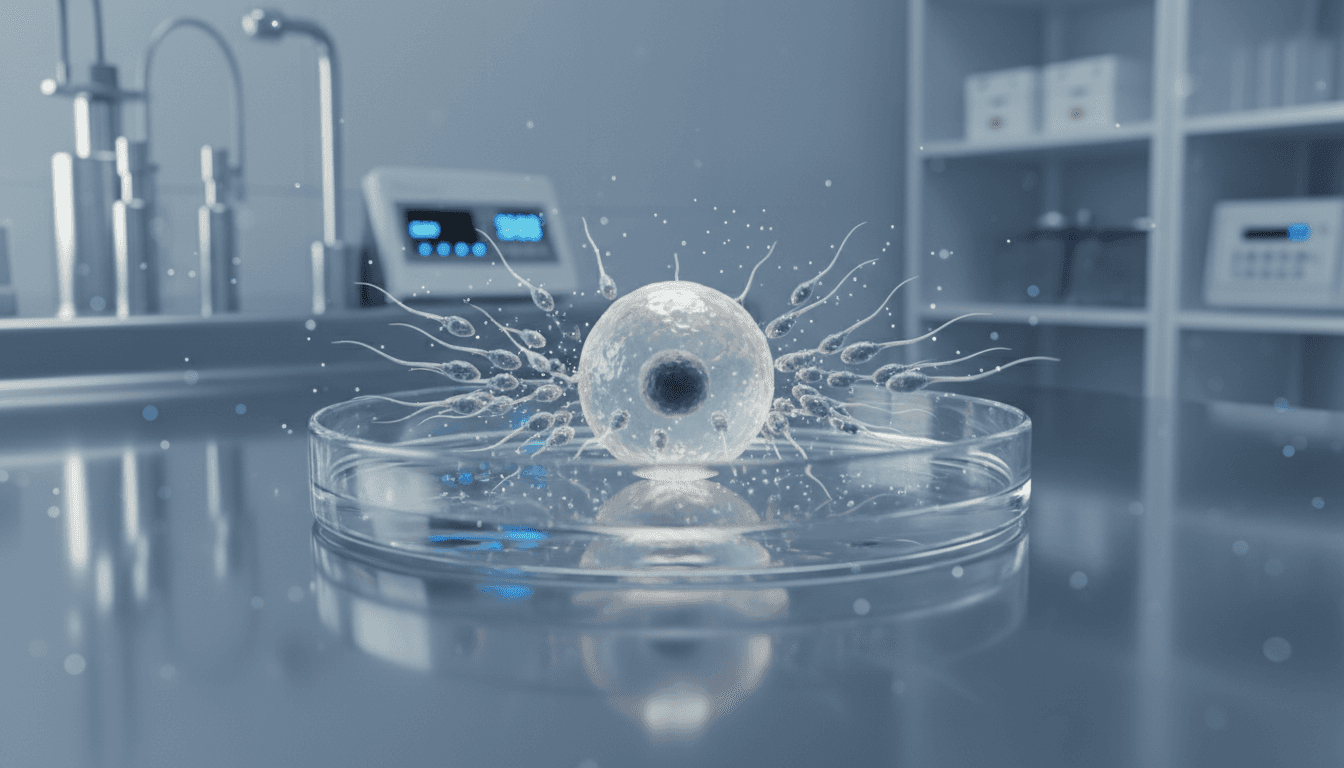






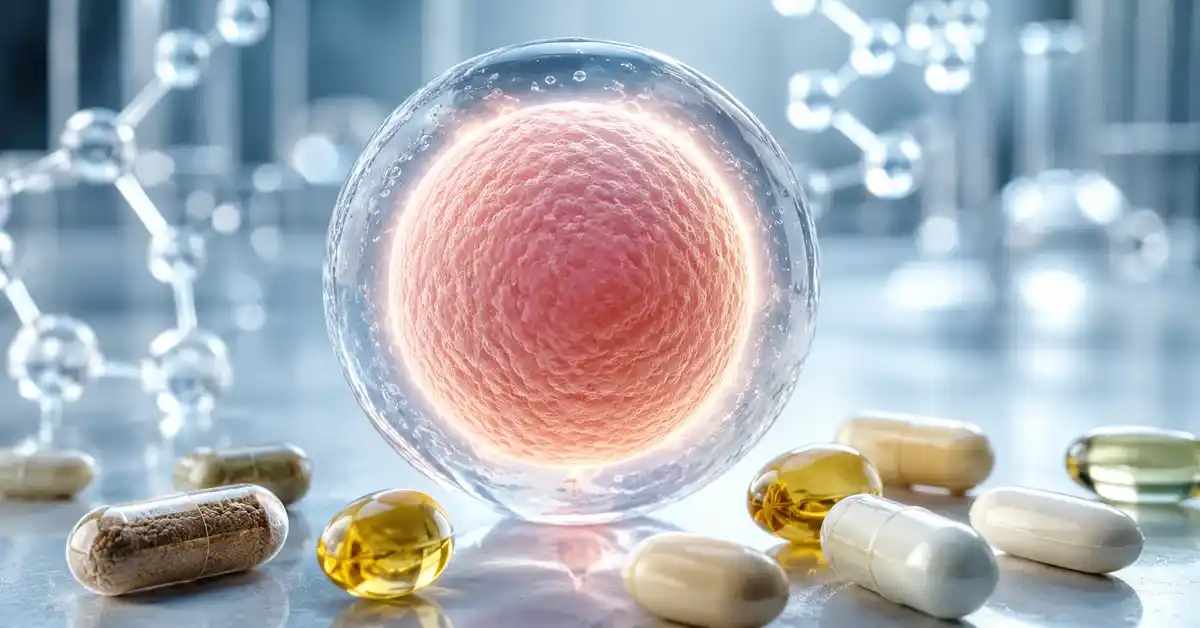
Supplements for egg quality are often discussed by women who are preparing for pregnancy, trying to conceive naturally, or planning fertility treatment such as IVF. Egg quality plays an important role in fertilization, embryo development, implantation, and early pregnancy health. When egg quality is reduced, pregnancy may take longer, embryo quality may be lower, and the risk of miscarriage may increase, especially with advancing age.
Many women search for ways to improve egg quality naturally through diet, lifestyle changes, prenatal supplements, antioxidants, CoQ10, omega-3, folic acid, and female fertility vitamins. These tools may support the body’s reproductive environment, reduce oxidative stress, and correct nutritional deficiencies. However, they cannot fully reverse age-related egg changes or guarantee pregnancy.
It is important to understand the difference between egg quality and ovarian reserve. Egg quality refers to the biological ability of an egg to fertilize and develop normally. Ovarian reserve refers to the estimated quantity of remaining eggs. Supplements may support the health of the body and possibly the environment around developing follicles, but they cannot truly increase the number of eggs a woman was born with.
At Safemedigo, women who want to increase chances of pregnancy are evaluated through age, cycle history, ovulation pattern, AMH, ultrasound follicle count, hormone testing, thyroid function, lifestyle factors, and partner sperm analysis when needed. This helps determine whether supplements, medical treatment, ovulation support, IVF, or another fertility plan is most appropriate.
Best Supplements for Egg Quality
Best supplements for egg quality are usually those that support cell energy, antioxidant protection, hormone balance, and preconception nutrition. They may include CoQ10, omega-3, folic acid, vitamin D, vitamin C, vitamin E, zinc, selenium, iron when needed, B vitamins, and prenatal supplements for women.
No single supplement works for every woman. The right choice depends on age, diet, ovarian reserve, hormone results, cycle regularity, medical history, and fertility goals. A woman over 35 may need a different plan than a younger woman with PCOS, thyroid imbalance, endometriosis, or vitamin deficiency.
Supplements should be used as supportive tools, not as a replacement for fertility evaluation. If pregnancy is delayed, especially after age 35, relying on supplements alone may waste valuable time.
supplements for egg quality
Supplements for egg quality aim to support the environment in which eggs grow and mature. Eggs develop within follicles over several months, and this process may be affected by oxidative stress, inflammation, nutrition, smoking, sleep, body weight, hormone imbalance, and age.
Common supplements for egg quality may include:
- CoQ10.
- Omega-3.
- Folic acid or folate.
- Vitamin D when deficient.
- Vitamin C.
- Vitamin E.
- Zinc.
- Selenium.
- Iron when deficient.
- B vitamins.
- Prenatal multivitamins.
- Antioxidant formulas.
- Inositol in selected PCOS cases.
Before taking multiple supplements, women should check labels carefully to avoid duplicate ingredients or excessive doses.
CoQ10 egg quality
CoQ10 egg quality support is one of the most common topics in fertility nutrition. CoQ10 is involved in cellular energy production and antioxidant defense. Since egg maturation requires high energy, CoQ10 is often discussed for women with age-related fertility concerns, reduced ovarian reserve, or poor response during IVF.
Some fertility specialists may suggest CoQ10 before IVF or conception attempts, particularly for women over 35 or those with reduced ovarian reserve. However, CoQ10 does not guarantee pregnancy, and research is still evolving regarding its effect on live birth outcomes.
CoQ10 may interact with some medications, including blood thinners, so women should discuss use with a healthcare professional before starting it, especially if they have chronic conditions or take regular medication.
Omega-3 fertility in women
Omega-3 fertility in women may support general reproductive health by helping reduce inflammation, supporting cell membrane function, and contributing to overall metabolic balance. Omega-3 fatty acids are found in fatty fish, fish oil, algae oil, and some plant-based sources.
Omega-3 may be included in a preconception plan, especially when dietary intake is low. It may also support cardiovascular health and general pregnancy preparation. However, it should not be viewed as a direct treatment for poor egg quality.
Women trying to conceive should choose low-mercury fish sources and reputable supplement brands. Those taking blood-thinning medications or having bleeding disorders should ask their doctor before using high-dose omega-3 supplements.
Read about: Modern Fertility Treatments for Men and Women You Should Know
Essential Fertility Vitamins
Essential fertility vitamins help prepare the body before pregnancy and correct nutritional gaps that may affect general reproductive health. The most important preconception supplement for most women is folic acid, which supports early fetal neural tube development.
Other fertility supplements for women may include vitamin D, B12, iron, iodine, omega-3, zinc, selenium, and prenatal multivitamins depending on diet and blood results. For example, women with low vitamin D may need correction, women with anemia may need iron, and women following vegan diets may need B12 assessment.
Female fertility vitamins should be chosen carefully. More vitamins do not always mean better fertility, and high doses may be unsafe during early pregnancy or may interact with medications.
fertility supplements for women
Fertility supplements for women are designed to support preconception health, hormone-related nutrition, antioxidant defense, and early pregnancy preparation. Some are general prenatal formulas, while others focus on ovarian support, egg quality, or ovulation.
Common ingredients may include:
- Folic acid or folate.
- Vitamin D.
- Vitamin B12.
- Iron when needed.
- Iodine when appropriate.
- Omega-3.
- Zinc.
- Selenium.
- CoQ10.
- Vitamin C.
- Vitamin E.
- Inositol for selected PCOS cases.
- Prenatal multivitamins.
The best supplement depends on the woman’s medical situation. It is better to choose a targeted supplement plan than to take many products randomly.
folic acid fertility
Folic acid fertility support is essential before pregnancy because folic acid helps reduce the risk of neural tube defects in early fetal development. Many women do not know they are pregnant during the first weeks, so starting folic acid before conception is important.
For most women, 400 mcg daily is commonly recommended before pregnancy. Some women may need higher doses under medical supervision, such as those with a previous pregnancy affected by a neural tube defect, certain seizure medications, or specific medical conditions.
Folic acid does not directly “fix” poor egg quality, but it is one of the most important prenatal supplements for women and should usually be included in preconception planning.
Read about: Do Natural Fertility Vitamins Really Help with Conception?
Natural Ways to Improve Egg Quality
Natural ways to improve egg quality focus on reducing avoidable stress on the reproductive system and supporting the body’s overall health. This includes nutrition, sleep, weight control, exercise, stopping smoking, managing stress, and correcting deficiencies.
Egg quality is strongly influenced by age, and no natural method can fully reverse the biological effect of aging. However, improving the body’s internal environment may support better fertility health, especially before natural conception or IVF.
Natural fertility boosters should be realistic. They may improve general health and support reproductive function, but they cannot replace medical treatment when there is blocked tubes, severe male factor infertility, endometriosis, advanced ovarian aging, or major ovulation disorders.
improve egg quality naturally
Improve egg quality naturally by focusing on modifiable factors. While age cannot be changed, lifestyle and nutrition can influence oxidative stress, inflammation, insulin balance, and hormone health.
Helpful steps include:
- Stop smoking.
- Avoid recreational drugs.
- Limit alcohol.
- Sleep well.
- Maintain a healthy weight.
- Eat a nutrient-rich diet.
- Exercise moderately.
- Manage stress.
- Correct vitamin D or iron deficiency.
- Treat thyroid disorders.
- Manage PCOS if present.
- Reduce exposure to toxins.
- Use supplements when appropriate.
- Avoid crash dieting.
- Seek fertility evaluation when pregnancy is delayed.
These steps may support egg environment and overall fertility, but they do not guarantee pregnancy.
diet for egg quality
Diet for egg quality should focus on whole foods, antioxidants, healthy fats, protein, fiber, and stable blood sugar. A fertility-supportive diet is not extreme; it is balanced, sustainable, and rich in nutrients.
Helpful foods may include:
- Leafy green vegetables.
- Berries and colorful fruits.
- Avocado.
- Olive oil.
- Eggs.
- Low-mercury fish.
- Legumes.
- Lentils.
- Chickpeas.
- Nuts.
- Seeds.
- Whole grains.
- Yogurt or suitable dairy.
- Lean proteins.
- Folate-rich foods.
- Iron-rich foods.
Women with PCOS or insulin resistance may benefit from a plan that supports blood sugar balance. Women with digestive disorders or restrictive diets may need more careful nutritional assessment.
Read about: How Hormones Affect Fertility: Key Tests Couples Should Consider
Causes of Poor Egg Quality
Causes of poor egg quality are varied, but age is the strongest factor. Women are born with a finite number of eggs, and both egg quantity and quality decline over time. This becomes more noticeable after the mid-30s and accelerates later.
Poor egg quality may also be associated with smoking, obesity, poor diet, oxidative stress, endometriosis, PCOS, chronic inflammation, certain medical treatments, toxins, sleep disruption, and some genetic or unexplained factors.
Understanding the cause is important because treatment differs. A woman with PCOS-related ovulation problems needs a different plan than a woman with reduced ovarian reserve, endometriosis, or age-related fertility decline.
Poor egg quality causes
Poor egg quality causes may include both biological and lifestyle-related factors. Some are modifiable, while others are not. The goal is to improve what can be improved and avoid delaying fertility care when time is important.
Possible causes include:
- Advancing age.
- Reduced ovarian reserve.
- Smoking.
- Obesity.
- Poor nutrition.
- Oxidative stress.
- Endometriosis.
- PCOS in some cases.
- Hormonal imbalance.
- Thyroid disorders.
- Poor sleep.
- Chronic illness.
- Previous chemotherapy or radiation.
- Environmental toxin exposure.
- Genetic factors.
- Unexplained fertility problems.
Supplements may support cellular health, but they cannot convert all eggs into chromosomally normal eggs.
egg quality over 35
Egg quality over 35 becomes a major fertility consideration. After 35, egg quantity and quality decline more clearly, and the risk of chromosomal abnormalities increases. This can lead to delayed pregnancy, fewer good embryos in IVF, or higher miscarriage risk.
Improving egg quality over 35 should focus on early evaluation, avoiding delays, optimizing health, and choosing the right fertility strategy. Supplements such as CoQ10, omega-3, vitamin D when deficient, and prenatal vitamins may support health, but time remains a critical factor.
Women aged 35 or older should consider fertility evaluation if pregnancy does not occur after 6 months of trying. Earlier evaluation may be appropriate if cycles are irregular, AMH is low, there is known endometriosis, or there has been previous ovarian surgery.

Improving Ovarian Reserve
Improving ovarian reserve is a phrase that needs careful explanation. Ovarian reserve refers to the estimated number of eggs remaining in the ovaries. Supplements cannot truly create new eggs or significantly increase the original egg pool. However, they may support the health of the remaining follicles and improve the body’s readiness for fertility treatment.
Ovarian reserve is commonly assessed using AMH, antral follicle count by ultrasound, FSH, estradiol, age, and response to stimulation if IVF is performed. A low ovarian reserve does not always mean pregnancy is impossible, but it does mean time and strategy are important.
Women with reduced ovarian reserve should avoid relying on supplements alone for long periods. A fertility specialist can help decide whether natural attempts, ovulation tracking, IVF, embryo freezing, or another plan is appropriate.
improve ovarian reserve
Improve ovarian reserve does not mean increasing the true number of eggs. Instead, it means supporting the best possible function of the remaining follicles, reducing harmful exposures, correcting deficiencies, and acting at the right time.
Supportive steps may include:
- Checking AMH and ultrasound follicle count.
- Avoiding treatment delay.
- Stopping smoking.
- Correcting vitamin D deficiency.
- Using selected supplements if appropriate.
- Supporting sleep and nutrition.
- Managing thyroid disease.
- Treating PCOS when present.
- Reducing inflammation.
- Choosing the right fertility treatment.
- Considering IVF when indicated.
- Discussing embryo or egg freezing when relevant.
The most important step is timely evaluation, especially after age 35 or when AMH is low.
female fertility vitamins
Female fertility vitamins may help support preconception health and correct nutritional deficiencies. They may include folic acid, vitamin D, B vitamins, iron, iodine, zinc, selenium, omega-3, and antioxidants.
Female fertility vitamins may be useful for:
- Preconception preparation.
- Correcting nutrient gaps.
- Supporting early pregnancy health.
- Supporting women with restricted diets.
- Supporting women with low vitamin D.
- Supporting women with anemia.
- Providing folic acid before pregnancy.
- Supporting antioxidant defense.
- Preparing for fertility treatment.
Women should avoid taking multiple fertility vitamins together unless advised because ingredients may overlap.
Read about: Best Foods to Naturally Boost Fertility in Men and Women
Ovulation Support
Ovulation support may include lifestyle changes, nutrition, supplements, and medical treatment depending on the cause. Ovulation is the release of a mature egg from the ovary. If ovulation is irregular or absent, pregnancy may be difficult even if egg quality is reasonable.
Supplements may support ovulation indirectly by correcting deficiencies or supporting metabolic health. However, true ovulation disorders may require medical treatment such as ovulation induction medications, thyroid treatment, prolactin control, or PCOS management.
If cycles are irregular, very long, very short, or absent, a fertility evaluation is important. Ovulation support supplements should not replace diagnosis.
ovulation support supplements
Ovulation support supplements may be helpful in selected cases, especially when poor nutrition, vitamin deficiency, insulin resistance, or PCOS-related metabolic issues are present. They do not work the same way as fertility medications.
Possible ovulation support supplements may include:
- Folic acid.
- Vitamin D when deficient.
- Inositol in selected PCOS cases.
- Omega-3.
- CoQ10.
- B vitamins.
- Zinc.
- Selenium.
- Iron when deficient.
- Prenatal vitamins.
Before using ovulation support supplements, women should understand why ovulation is irregular. The cause may be PCOS, thyroid disease, high prolactin, low ovarian reserve, stress, weight changes, excessive exercise, or pituitary-related conditions.
boost ovulation naturally
Boost ovulation naturally by improving the body’s hormonal and metabolic environment. Some women can improve ovulation through weight balance, better sleep, stress reduction, and correction of deficiencies. This is especially relevant in PCOS or lifestyle-related cycle disturbance.
Helpful strategies include:
- Maintain a healthy weight.
- Avoid extreme dieting.
- Eat balanced meals.
- Exercise moderately.
- Improve sleep.
- Reduce stress.
- Stop smoking.
- Check thyroid function.
- Check prolactin when cycles are irregular.
- Correct vitamin D deficiency.
- Manage insulin resistance.
- Track ovulation.
- Seek medical care if cycles remain irregular.
When natural methods are not enough, ovulation induction medications may be needed.
Read about: Natural Fertility Treatments: Effective Ways to Boost Conception
Increasing Pregnancy Chances
Increasing pregnancy chances requires more than supplements. Pregnancy depends on ovulation, egg quality, sperm quality, open fallopian tubes, a healthy uterus, proper timing, and hormone balance. If one of these factors is affected, supplements alone may not be enough.
A woman may improve fertility naturally by tracking ovulation, having intercourse during the fertile window, correcting deficiencies, improving diet, stopping smoking, and managing medical conditions. However, delayed pregnancy should trigger evaluation.
If a woman is under 35 and has been trying for 12 months without pregnancy, or 35 or older and trying for 6 months, fertility assessment is recommended. Earlier evaluation is advised if there are irregular cycles, known endometriosis, recurrent miscarriage, pelvic surgery, or abnormal semen analysis.
increase chances of pregnancy
Increase chances of pregnancy by focusing on timing, health, and early diagnosis when needed. The fertile window includes the days before ovulation and the day of ovulation. Intercourse during this period improves the chance of conception.
Helpful steps include:
- Track menstrual cycles.
- Identify the fertile window.
- Have intercourse regularly around ovulation.
- Take folic acid before pregnancy.
- Eat a balanced diet.
- Maintain healthy weight.
- Sleep well.
- Stop smoking.
- Limit alcohol.
- Treat thyroid or prolactin issues.
- Correct nutrient deficiencies.
- Check semen quality if pregnancy is delayed.
- Do not postpone evaluation after 35.
The goal is to support natural conception while avoiding unnecessary delay.
improve fertility naturally
Improve fertility naturally by combining healthy lifestyle, nutrition, supplement support, and medical awareness. Natural methods work best when there is no major underlying fertility barrier.
A complete natural fertility plan may include:
- Healthy diet.
- Moderate exercise.
- Weight management.
- Stress reduction.
- Sleep improvement.
- Avoiding smoking and toxins.
- Folic acid supplementation.
- Vitamin D correction if deficient.
- Omega-3 intake.
- CoQ10 when appropriate.
- Ovulation tracking.
- Treating chronic conditions.
- Partner sperm evaluation when needed.
Natural support should be practical, safe, and time-conscious. If pregnancy is not occurring, medical evaluation can prevent months or years of uncertainty.
Read about: How Hormones Affect Fertility: Essential Tests for Couples
Conclusion
Supplements that improve egg quality may support fertility by improving nutrition, reducing oxidative stress, supporting cellular energy, and preparing the body for pregnancy. Common options include CoQ10, omega-3, folic acid, vitamin D when deficient, prenatal supplements for women, and selected antioxidants.
However, supplements cannot truly increase ovarian reserve, reverse age-related egg changes completely, or treat all infertility causes. Poor egg quality, low ovarian reserve, irregular ovulation, endometriosis, PCOS, tubal disease, uterine factors, and male fertility problems all require proper evaluation.
Frequently Asked Questions: Supplements That Improve Egg Quality
Can supplements improve egg quality?
Supplements may support cellular health, nutrition, and antioxidant defense, but they cannot guarantee pregnancy or fully reverse age-related egg changes.
What are the best supplements for egg quality?
Common options include folic acid, CoQ10, omega-3, vitamin D when deficient, prenatal vitamins, and selected antioxidants depending on the woman’s case.
Is CoQ10 good for egg quality?
CoQ10 may support cellular energy and antioxidant protection and is sometimes used before IVF or after age 35, but it is not guaranteed to work for everyone.
Can supplements improve ovarian reserve?
Supplements cannot truly increase the number of eggs. They may support the health of remaining follicles and improve general readiness for pregnancy or treatment.
When should I see a fertility specialist?
Seek evaluation after 12 months of trying if under 35, after 6 months if 35 or older, or sooner with irregular cycles, recurrent miscarriage, endometriosis, or abnormal semen analysis.