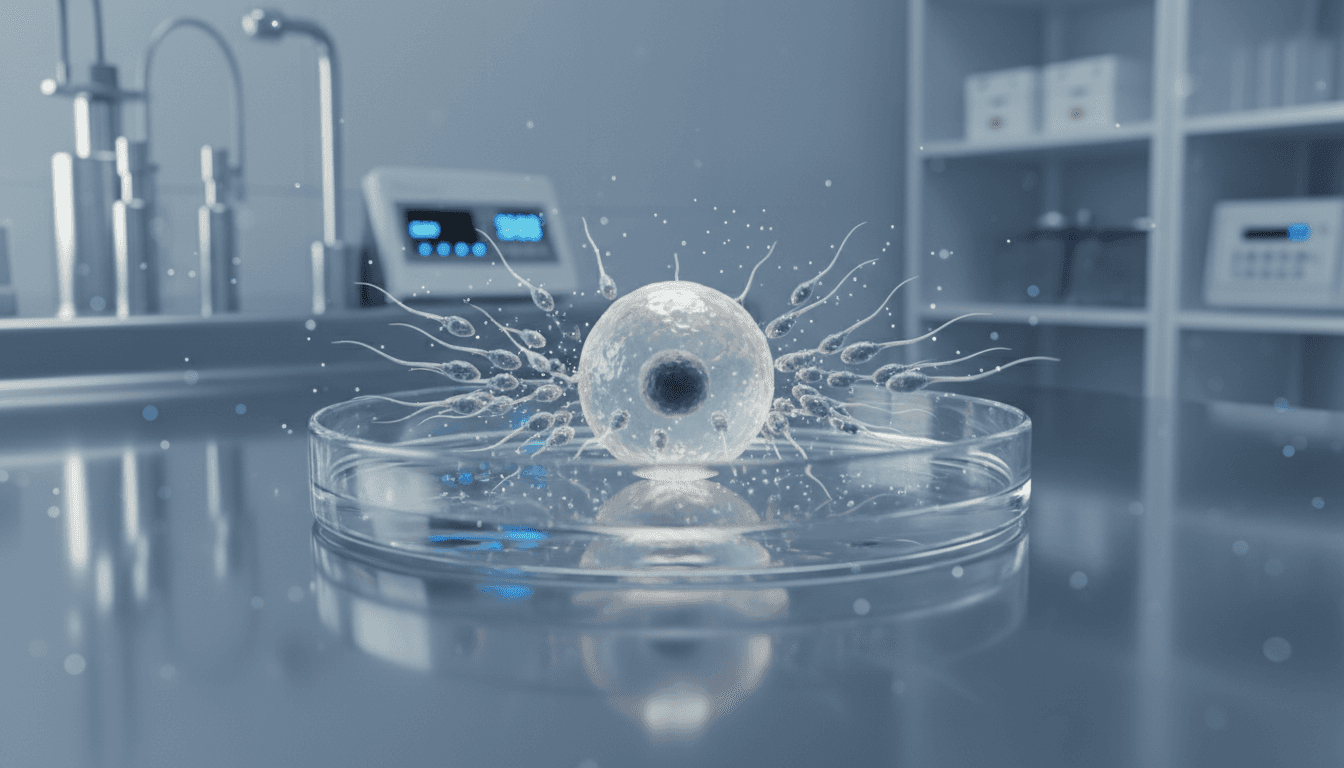






PCOS treatment to improve fertility is one of the most important topics for women who experience irregular periods, delayed pregnancy, acne, excess hair growth, weight gain, insulin resistance, or ovulation problems. Polycystic ovary syndrome is not only an ovarian condition. It is a hormonal and metabolic disorder that may affect ovulation, menstrual regularity, egg development, insulin sensitivity, weight, and fertility.
When discussing PCOS treatment, it is important to understand that PCOS is usually managed rather than “cured” in a permanent one-time way. The realistic goal is to regulate hormones, improve ovulation, reduce insulin resistance, support healthy weight, manage symptoms, and increase the chance of pregnancy safely.
PCOS and fertility are closely connected because many women with PCOS have irregular or absent ovulation. This may lead to difficulty predicting fertile days and may reduce the number of natural pregnancy opportunities each year. However, PCOS does not mean pregnancy is impossible. Many women with PCOS conceive naturally or with simple ovulation induction when the right plan is used.
The best treatment for PCOS depends on the woman’s goal. A woman who wants to reduce acne or regulate periods may need a different plan from a woman actively trying to conceive. For fertility, treatment may include lifestyle changes, insulin resistance PCOS treatment, ovulation induction PCOS protocols, ultrasound monitoring, timed intercourse, intrauterine insemination, or IVF when needed.
At Safemedigo, PCOS infertility treatment begins with a complete evaluation. This may include menstrual history, ultrasound, hormone testing, insulin resistance assessment, weight and metabolic profile, ovarian reserve, thyroid and prolactin evaluation, and semen analysis for the partner when pregnancy is delayed. The goal is to create a personalized plan for improving fertility with PCOS, not to use one general protocol for every patient.
What is PCOS Treatment and Fertility Improvement
PCOS treatment and fertility improvement means creating a medical, nutritional, and hormonal plan that helps restore more regular ovulation and improves the environment in which eggs develop. In many women with PCOS, the main problem is irregular ovulation. When ovulation does not occur regularly, pregnancy becomes harder because the fertile window is unpredictable.
Treatment does not rely on one medication alone. Some women may need PCOS lifestyle changes, weight management, a PCOS diet plan, insulin resistance treatment, or ovulation induction. Others may need more advanced fertility support if there are additional factors such as blocked tubes, low sperm quality, endometriosis, older reproductive age, or repeated treatment failure.
Managing PCOS for fertility requires a full view of the couple’s reproductive health. A woman may have clear PCOS features but still respond very well to a simple fertility plan. Another woman may need a more specialized plan if PCOS is combined with male factor infertility, tubal disease, or reduced time due to age.
PCOS symptoms and treatment
PCOS symptoms and treatment vary from one woman to another. Some women have very clear symptoms, while others discover PCOS only during fertility evaluation or ultrasound. The treatment plan should match the symptoms and the fertility goal.
Common PCOS symptoms include:
- Irregular menstrual cycles.
- Delayed or absent periods.
- Irregular or absent ovulation.
- Difficulty getting pregnant.
- Acne.
- Excess facial or body hair.
- Hormonal hair thinning.
- Weight gain or difficulty losing weight.
- Insulin resistance.
- Oily skin.
- Multiple small follicles on ultrasound.
- High androgen levels.
- Darkened skin patches in some cases.
Treatment depends on the main concern. If pregnancy is not desired, treatment may focus on cycle regulation and androgen symptoms. If pregnancy is desired, the focus shifts to restoring ovulation and improving fertility.
PCOS and fertility
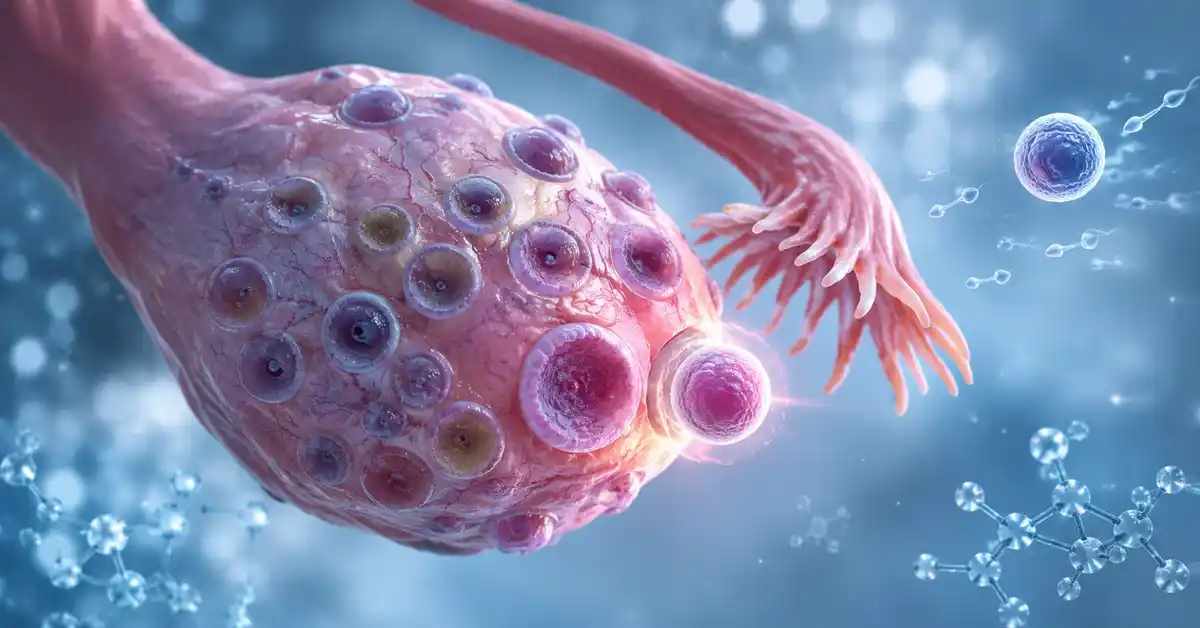
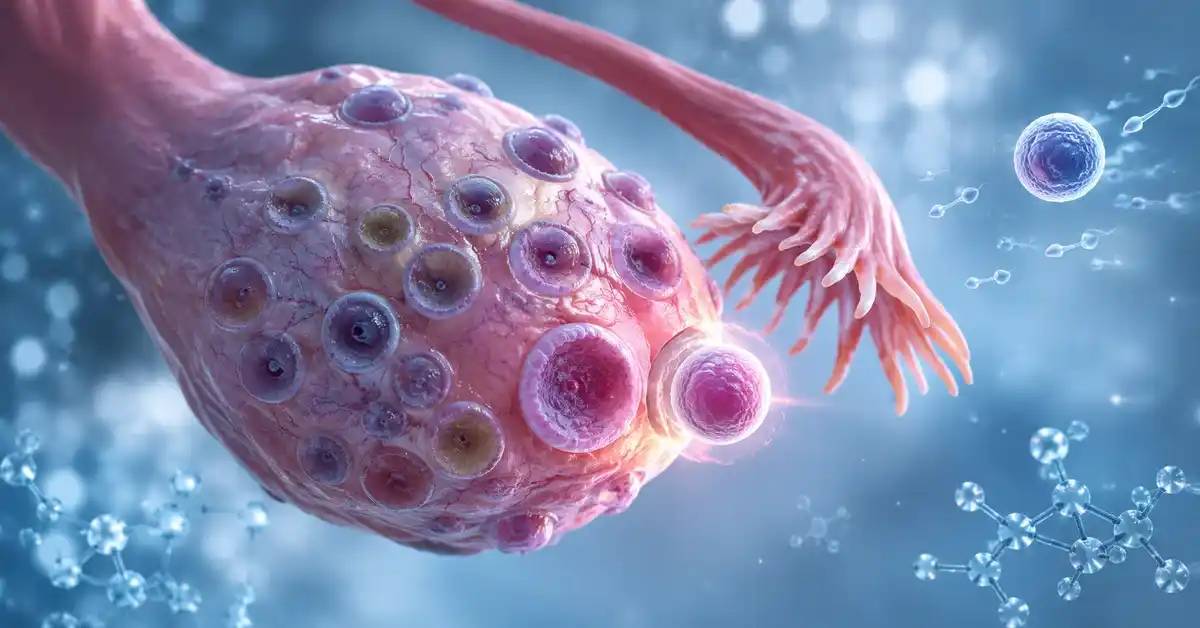
PCOS and fertility are connected mainly through ovulation. In a typical cycle, one follicle becomes dominant and releases an egg. In PCOS, multiple small follicles may begin to develop but may not mature and release an egg regularly. This can cause delayed ovulation or no ovulation.
This does not mean that women with PCOS cannot get pregnant. Many women with PCOS conceive after lifestyle improvement, ovulation tracking, or ovulation induction. The main challenge is often timing and regularity.
PCOS may also affect fertility through insulin resistance, weight gain, inflammation, and high androgen levels. These factors may influence egg development and response to fertility medication. Therefore, improving fertility with PCOS should include hormonal, metabolic, and reproductive evaluation.
PCOS infertility treatment
PCOS infertility treatment begins with identifying whether ovulation is occurring. If ovulation is irregular or absent, the doctor may recommend lifestyle measures, insulin resistance treatment, and medications to stimulate ovulation. If ovulation is present but pregnancy has not occurred, other causes should be investigated.
A complete fertility evaluation may include:
- Menstrual cycle history.
- Ovulation assessment.
- Hormone testing.
- Thyroid and prolactin evaluation.
- Insulin resistance evaluation.
- Ultrasound of ovaries and uterus.
- Ovarian reserve assessment when needed.
- Semen analysis for the partner.
- Tubal evaluation when indicated.
- Review of age and duration of infertility.
- History of miscarriage.
- Assessment of weight and metabolic health.
PCOS infertility treatment should be structured, monitored, and personalized. Random use of fertility medication without follow-up may increase risks such as multiple pregnancy or ovarian over-response.
Read about: Modern Fertility Treatments for Men and Women You Should Know
Best PCOS Treatment Options
Best PCOS treatment options depend on the woman’s symptoms, fertility goal, age, body weight, insulin resistance, hormone profile, and duration of trying to conceive. There is no single best treatment for PCOS that works for every woman.
For fertility, the treatment plan often includes lifestyle support, PCOS weight loss treatment when needed, insulin resistance management, and ovulation induction. If simple ovulation induction does not result in pregnancy, more advanced options such as injectable stimulation, intrauterine insemination, or IVF may be considered.
The best treatment for PCOS is not always the strongest treatment. It is the safest and most appropriate treatment for the patient’s situation. For some women, small lifestyle changes and oral ovulation medication are enough. For others, a more comprehensive fertility plan is needed.
best treatment for PCOS
The best treatment for PCOS is personalized. A woman trying to conceive needs a fertility-focused plan, while a woman not trying to conceive may need cycle regulation, androgen symptom control, and long-term metabolic prevention.
A fertility-focused PCOS plan may include:
- Hormone assessment.
- Insulin resistance screening.
- PCOS diet plan.
- Physical activity.
- Weight reduction if needed.
- Ovulation tracking.
- Ovulation induction medication.
- Ultrasound monitoring.
- Timed intercourse.
- Semen analysis for the partner.
- Tubal evaluation when appropriate.
- Advanced fertility treatment if needed.
The most effective plan is one that treats the cause of ovulation problems and avoids unnecessary delay.
PCOS medication
PCOS medication depends on the goal. Some medications are used to regulate cycles or reduce androgen symptoms, while others are used specifically to induce ovulation and improve pregnancy chances. Medications should be prescribed by a doctor, especially when pregnancy is desired.
PCOS medication may include:
- Ovulation induction medication.
- Letrozole in suitable anovulatory infertility cases.
- Clomiphene citrate in selected cases.
- Metformin when insulin resistance is present or clinically indicated.
- Injectable gonadotropins when oral medication fails.
- Progesterone for cycle management in some cases.
- Medications for acne or excess hair when pregnancy is not being attempted.
- Supplements only when deficiency or indication exists.
- Thyroid or prolactin treatment if abnormal.
- Luteal support when needed.
Fertility medication should not be used casually. Monitoring helps reduce risks and improves treatment timing.
PCOS lifestyle changes
PCOS lifestyle changes are a foundation of treatment. They can improve insulin sensitivity, hormonal balance, ovulation, and response to fertility medication. Even modest weight loss may improve cycle regularity in women with excess weight.
Helpful lifestyle changes include:
- Balanced meals with protein and fiber.
- Reduced intake of refined sugar.
- Regular physical activity.
- Resistance training.
- Better sleep routine.
- Stress management.
- Avoiding smoking.
- Reducing sugary drinks.
- Maintaining stable meal timing.
- Treating vitamin deficiencies if confirmed.
- Long-term weight control.
- Regular follow-up.
Lifestyle changes are not a punishment or a temporary diet. They are part of long-term hormonal and fertility management.
Read about: Do Natural Fertility Vitamins Really Help with Conception?
Natural PCOS Treatment Methods
Natural PCOS treatment methods include nutrition, exercise, sleep improvement, stress management, and weight optimization. These methods can be very helpful, especially when insulin resistance and excess weight contribute to PCOS symptoms.
However, “natural” does not always mean enough or medically proven. Natural remedies for PCOS should not delay proper fertility evaluation if pregnancy is taking time. If periods are absent for months or pregnancy has not occurred after a reasonable period, medical assessment is necessary.
A combined approach often works best. Lifestyle and natural methods support the body, while medication or fertility treatment may be added when ovulation remains irregular or when time is important.
natural remedies for PCOS
Natural remedies for PCOS are widely discussed, but they should be approached carefully. Some women try herbs, teas, cinnamon, spearmint, supplements, or alternative protocols. While some may have limited supportive evidence, they are not guaranteed treatments and may interact with medications.
Concerns with unmonitored natural remedies include:
- Possible interaction with fertility medication.
- Unknown effects during early pregnancy.
- Variable product quality.
- Hormonal effects that are difficult to predict.
- Delay of effective treatment.
- Side effects such as stomach upset or allergy.
- Unsuitable use with liver, kidney, or metabolic disease.
- False reassurance during infertility.
Women trying to conceive should tell their doctor about any herbs or supplements they use.
How to treat PCOS naturally
How to treat PCOS naturally starts with improving the body’s metabolic and hormonal environment. This may help ovulation become more regular and may improve response to medical treatment.
Natural PCOS support may include:
- Eating low-glycemic meals.
- Increasing protein and vegetables.
- Reducing refined carbohydrates.
- Walking regularly.
- Adding strength training.
- Improving sleep quality.
- Managing stress.
- Losing weight if needed.
- Avoiding crash diets.
- Tracking menstrual cycles.
- Treating proven deficiencies.
- Reducing processed foods.
If ovulation does not improve despite these measures, medical ovulation induction may be needed.
PCOS weight loss treatment
PCOS weight loss treatment is useful for women who have excess weight and insulin resistance, but it should be realistic and respectful. Not all women with PCOS are overweight, and thin women with PCOS can still have ovulation problems.
For women who do need weight reduction, even modest loss may improve hormone balance and ovulation. The plan should focus on sustainable habits rather than extreme dieting.
PCOS weight loss treatment may include:
- Nutrition planning.
- Calorie awareness without starvation.
- Protein-rich meals.
- Fiber-rich foods.
- Strength training.
- Walking or aerobic activity.
- Insulin resistance treatment.
- Sleep improvement.
- Stress reduction.
- Monitoring waist circumference.
- Medical support when needed.
Weight management should support fertility, not create stress or nutritional deficiency.
Read about: How Hormones Affect Fertility: Key Tests Couples Should Consider
PCOS Diet and Nutrition
PCOS diet and nutrition play an important role in fertility because insulin resistance is common in PCOS. A PCOS diet plan aims to reduce rapid blood sugar spikes, improve insulin sensitivity, support hormone balance, and improve ovulation.
A good plan usually includes lean protein, vegetables, fiber, healthy fats, and controlled portions of complex carbohydrates. It limits refined sugar, sweet drinks, white flour products, and highly processed foods. The goal is not a harsh diet but a sustainable way of eating.
There is no single PCOS diet plan that fits every woman. Some women benefit from a low-glycemic plan, others from moderate carbohydrate reduction, and others from working with a dietitian to address weight, cravings, insulin resistance, or fertility goals.
PCOS diet plan
A PCOS diet plan should be practical and long-term. Strict diets often fail because they are hard to maintain. A balanced approach is usually better for hormones and fertility.
Useful PCOS diet principles include:
- Add protein to each meal.
- Choose whole grains when tolerated.
- Increase vegetables.
- Eat enough fiber.
- Use healthy fats such as olive oil.
- Reduce sugar and sweet drinks.
- Limit white bread and pastries.
- Avoid frequent ultra-processed foods.
- Control portion sizes.
- Eat regular meals if helpful.
- Stay hydrated.
- Avoid extreme fasting if it worsens symptoms.
- Personalize the plan to the patient.
Diet alone may not solve infertility, but it can improve treatment response and overall health.
insulin resistance PCOS treatment
Insulin resistance PCOS treatment is important because high insulin levels can worsen androgen excess and ovulation problems. Many women with PCOS have some degree of insulin resistance even if they do not have diabetes.
Treatment may include:
- Reducing refined carbohydrates.
- Increasing physical activity.
- Resistance training.
- Weight loss if needed.
- Improving sleep.
- Metformin in selected cases.
- Monitoring glucose and insulin markers.
- Checking lipid profile.
- Managing blood pressure.
- Reducing waist circumference.
- Long-term metabolic follow-up.
Improving insulin resistance may help regulate cycles and improve ovulation induction response.
Managing PCOS for fertility
Managing PCOS for fertility means creating a plan that improves ovulation while also checking for other infertility factors. It is not enough to assume PCOS is the only problem.
A fertility management plan may include:
- Cycle monitoring.
- Ovulation assessment.
- PCOS diet and lifestyle changes.
- Insulin resistance treatment.
- Weight management if needed.
- Partner semen analysis.
- Tubal evaluation when indicated.
- Ovulation induction.
- Ultrasound monitoring.
- Timed intercourse or IUI.
- IVF when needed.
- Treatment of thyroid or prolactin issues.
This structured approach helps reduce wasted time and increases the chance of choosing the right treatment.

PCOS and Pregnancy
PCOS and pregnancy can absolutely go together, but many women need guidance to improve ovulation and timing. Irregular ovulation can make it hard to know when fertile days occur. This is one of the main reasons pregnancy may be delayed.
For some women, lifestyle changes and ovulation tracking are enough. Others need ovulation induction medication. If there are additional factors such as blocked tubes, male factor infertility, advanced maternal age, or repeated failed cycles, advanced fertility treatment may be recommended.
Women with PCOS should not wait indefinitely if pregnancy is not happening. A complete fertility evaluation is recommended after 12 months of trying, or after 6 months if the woman is 35 or older.
How to get pregnant with PCOS
How to get pregnant with PCOS depends on whether the woman is ovulating. If ovulation is irregular, the doctor may use medication to help the ovary release an egg. If ovulation is occurring but pregnancy does not happen, other causes must be checked.
Steps may include:
- Track menstrual cycles.
- Confirm ovulation.
- Improve nutrition and lifestyle.
- Treat insulin resistance.
- Use ovulation induction when needed.
- Monitor follicle growth.
- Time intercourse around ovulation.
- Check semen analysis.
- Evaluate fallopian tubes if needed.
- Treat thyroid or prolactin abnormalities.
- Consider IUI or IVF if simple steps fail.
The plan should match age, duration of infertility, and test results.
PCOS ovulation problems
PCOS ovulation problems occur when follicles do not mature and release an egg regularly. This may cause long cycles, skipped periods, unpredictable fertile windows, and delayed pregnancy.
Signs of ovulation problems may include:
- Irregular periods.
- Very long cycles.
- No periods for months.
- No positive ovulation tests.
- Low progesterone after expected ovulation.
- Ultrasound showing many small follicles.
- Difficulty timing intercourse.
- Repeated unsuccessful attempts.
Ovulation problems are treatable in many women with PCOS. The key is to induce ovulation safely and monitor response when needed.
improving fertility with PCOS
Improving fertility with PCOS requires a step-by-step plan. The first goal is to identify whether ovulation is happening. The second is to improve the metabolic and hormonal environment. The third is to choose the correct fertility treatment if natural attempts are not successful.
Important steps include:
- Improve insulin sensitivity.
- Manage weight if needed.
- Correct hormone abnormalities.
- Induce ovulation if needed.
- Monitor cycles.
- Time intercourse.
- Check the partner.
- Evaluate tubes when indicated.
- Avoid random fertility medication.
- Move to advanced treatment at the right time.
This approach improves pregnancy chances while reducing unnecessary risk.
Read about: Best Foods to Naturally Boost Fertility in Men and Women
Hormonal Balance in PCOS
Hormonal balance in PCOS is central to fertility. PCOS may involve high androgen levels, irregular LH and FSH patterns, insulin resistance, thyroid abnormalities, or elevated prolactin in some women. These factors can disrupt ovulation and cycle regularity.
Before treatment, the doctor should identify which hormonal issues are present. For example, if thyroid function or prolactin is abnormal, correcting those issues may improve cycles and fertility. If insulin resistance is significant, treating it may improve ovulation response.
Hormonal balance does not happen instantly. It requires testing, follow-up, and an individualized plan.
PCOS hormone imbalance treatment
PCOS hormone imbalance treatment depends on which hormones are affected and whether the woman is trying to conceive. Treatment for a woman seeking pregnancy is different from treatment for someone focused only on cycle regulation or acne.
Evaluation may include:
- LH and FSH.
- Androgen levels.
- Prolactin.
- TSH for thyroid function.
- AMH when needed.
- Glucose and insulin markers.
- Vitamin D if indicated.
- Lipid profile.
- Pelvic ultrasound.
- Menstrual pattern.
- Acne and hair growth assessment.
- Weight and waist circumference.
Treatment may involve lifestyle change, insulin resistance therapy, ovulation induction, thyroid or prolactin treatment, or cycle regulation depending on the diagnosis.
Ovulation induction PCOS
Ovulation induction PCOS treatment helps the ovary release an egg when natural ovulation is irregular or absent. It is one of the most important fertility treatments for women with PCOS-related infertility.
Ovulation induction may include oral medications first, and injectable medications if needed. Ultrasound monitoring may be used to check follicle growth and reduce the risk of multiple pregnancy or over-response.
The doctor may monitor:
- Follicle size.
- Endometrial thickness.
- Number of developing follicles.
- Timing of ovulation trigger if used.
- Progesterone after ovulation.
- Risk of multiple pregnancy.
- Need to adjust dose.
Ovulation induction should be medically supervised to improve safety and success.
Read about: Natural Fertility Treatments: Effective Ways to Boost Conception
Long-Term Fertility Strategies
Long-term fertility strategies for PCOS focus on sustainable hormone and metabolic health. Pregnancy may occur quickly in some women, while others need months of treatment. A long-term plan helps avoid delays and unnecessary repeated cycles.
PCOS can also be associated with pregnancy-related risks in some women, such as gestational diabetes, especially when insulin resistance is present. Therefore, managing PCOS before pregnancy may support both fertility and future pregnancy health.
A long-term strategy may include lifestyle management, insulin resistance treatment, ovulation support, partner evaluation, and moving to more advanced fertility treatment when appropriate. The plan should change according to age, response, and test results.
improving fertility with PCOS
Improving fertility with PCOS over the long term requires consistency. It is not only about one cycle of medication. It involves cycle tracking, metabolic management, safe ovulation induction, and timely evaluation of other fertility factors.
A long-term fertility approach may include:
- Regular cycle review.
- Metabolic follow-up.
- Weight management if needed.
- Ovulation confirmation.
- Medication adjustment.
- Ultrasound monitoring.
- Semen analysis.
- Tubal testing when needed.
- Avoiding repeated unmonitored cycles.
- Moving to IUI or IVF when indicated.
This helps reduce frustration and increases the chance of choosing the right treatment at the right time.
Managing PCOS for fertility
Managing PCOS for fertility means balancing natural methods, medical treatment, and timing. It also means recognizing when a simple plan is enough and when more advanced fertility treatment is needed.
Good management includes:
- Setting a realistic timeline.
- Monitoring ovulation.
- Treating insulin resistance.
- Supporting healthy weight.
- Checking male factor fertility.
- Reviewing fallopian tubes.
- Avoiding unnecessary delays.
- Adjusting treatment after failed cycles.
- Considering IVF when needed.
- Supporting emotional wellbeing.
A successful plan is not always the most aggressive plan. It is the plan that matches the patient’s condition and goals.
PCOS and fertility
PCOS and fertility should be understood with hope and realism. PCOS may delay pregnancy, but it is one of the more treatable causes of ovulation-related infertility. Many women with PCOS have good ovarian reserve and can respond well to ovulation induction.
Medical support should be considered when:
- Periods are very irregular.
- No ovulation is detected.
- Pregnancy has not occurred after 12 months.
- The woman is 35 or older and has tried for 6 months.
- There is recurrent miscarriage.
- There are other fertility factors.
- Semen analysis is abnormal.
- Tubal problems are suspected.
- Ovulation induction has failed.
- PCOS symptoms are severe.
You can contact the Safemedigo team to evaluate PCOS, review fertility tests, and create a personalized treatment plan to improve pregnancy chances safely and confidently.
Read about: How Hormones Affect Fertility: Essential Tests for Couples
Conclusion
PCOS treatment to improve fertility requires a complete understanding of the condition. PCOS is not only a finding on ultrasound; it is a hormonal and metabolic disorder that can affect ovulation, menstrual cycles, insulin resistance, and pregnancy chances. Therefore, one treatment does not fit all women.
The best treatment for PCOS depends on the woman’s goal. For fertility, the plan may include lifestyle changes, insulin resistance treatment, ovulation induction, ultrasound monitoring, partner evaluation, and tubal assessment when needed. Natural methods can support treatment, but they should not replace proper medical evaluation when pregnancy is delayed.
Frequently Asked Questions: PCOS Treatment to Improve Fertility
Can PCOS be cured permanently?
PCOS is usually a long-term condition that can be managed effectively. The goal is to regulate hormones, improve ovulation, reduce symptoms, and support fertility.
Does PCOS cause infertility?
PCOS can cause infertility by disrupting ovulation, but it does not always prevent pregnancy. Many women conceive naturally or with ovulation induction.
What is the best treatment for PCOS infertility?
The best treatment depends on the case, but it often includes lifestyle management, insulin resistance treatment, and medically supervised ovulation induction.
Can natural remedies treat PCOS?
Natural methods such as diet, exercise, and weight management can help, but herbs and supplements should not replace medical care, especially when pregnancy is delayed.
How can I improve fertility with PCOS?
Improving fertility may involve weight and insulin management, ovulation tracking, ovulation induction, partner testing, tubal evaluation, and timely fertility treatment.