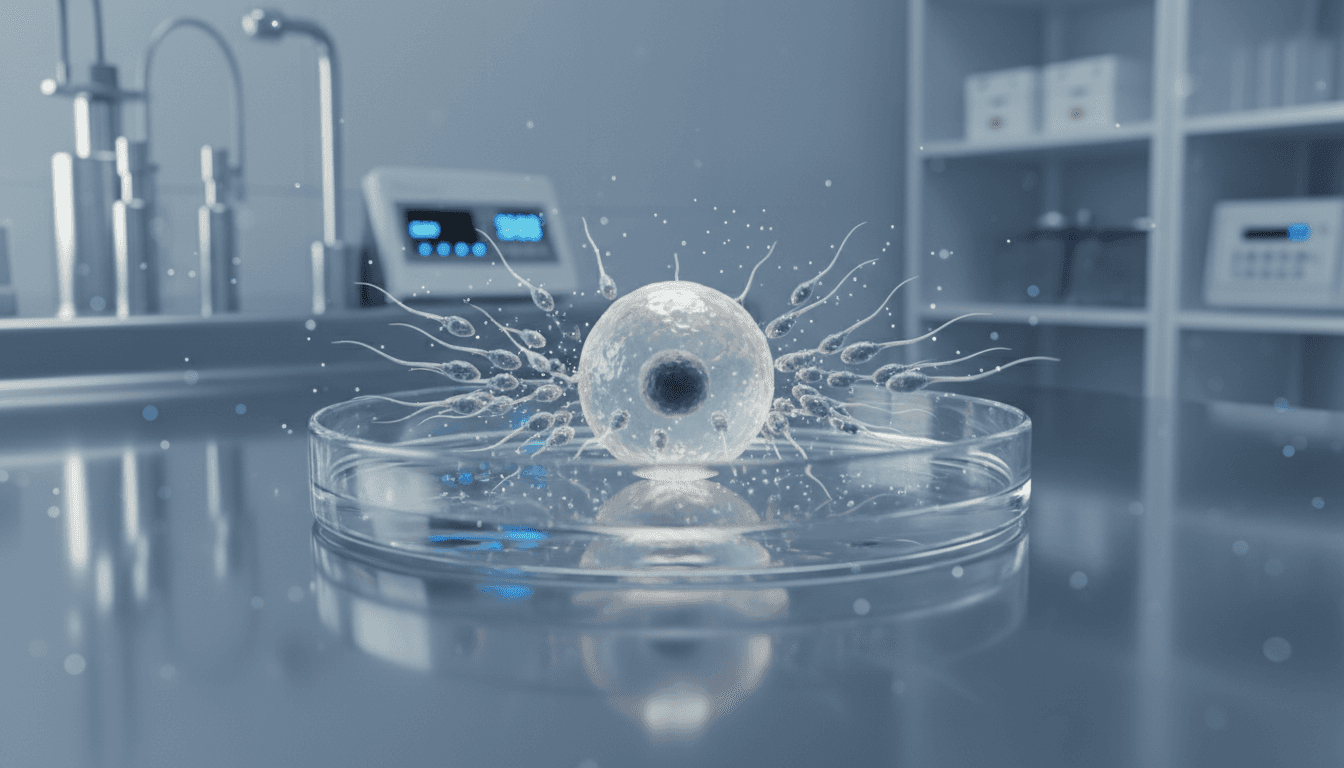






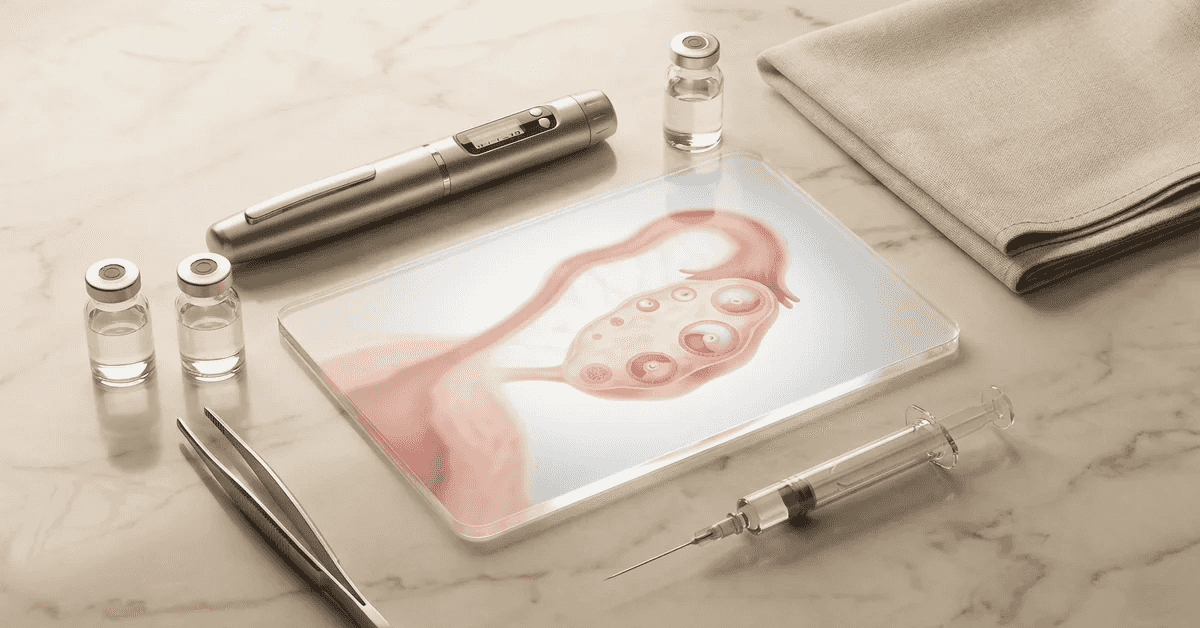
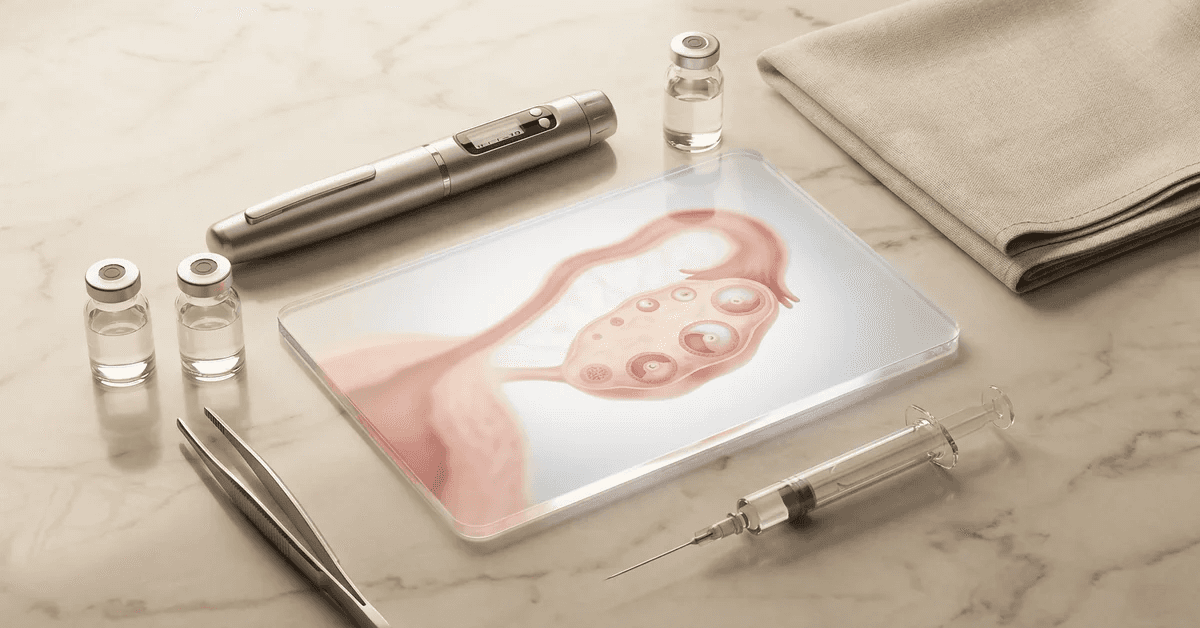
The dream of motherhood is one of the most profound desires for many women, yet some may face fertility challenges, most notably ovulation issues. Fortunately, modern medicine has witnessed tremendous advancements in reproductive health, making fertility treatment for women an effective and accessible option to help many couples achieve their dream. These medications work by stimulating the ovaries to produce mature eggs ready for fertilization, thereby addressing one of the most common causes of infertility. In this article, we will explore the world of ovulation stimulation drugs in detail, from their types and benefits to potential risks and how to use them safely to ensure the best possible outcomes.
Ovulation Stimulation Drugs Overview
Pharmacological treatments are considered the first and most common step in the journey of treating infertility related to ovulatory disorders.
ovulation stimulation drugs
Ovulation stimulation drugs are a group of medical treatments specifically designed to prompt the ovaries to produce and release mature eggs. These medications are primarily used for women who experience irregular menstrual cycles or a complete absence of ovulation, a condition known as anovulation. These drugs work by mimicking or regulating the natural hormones in the body responsible for the reproductive cycle. By restoring hormonal balance, these treatments help stimulate the growth of follicles in the ovary, ultimately leading to the release of one or more eggs, thereby significantly increasing the chances of conception.
fertility drugs for ovulation
Oral fertility drugs for ovulation are typically the first-line treatment prescribed by doctors due to their ease of use and affordability compared to injectables. Taken orally, these pills work indirectly to stimulate the pituitary gland in the brain to increase the secretion of follicle-stimulating hormone (FSH) and luteinizing hormone (LH). These hormones are responsible for directing the ovaries to begin developing eggs. These pills are highly effective for women suffering from Polycystic Ovary Syndrome (PCOS) or other mild hormonal imbalances that hinder the natural ovulation process.
Read about: Modern Fertility Treatments for Men and Women You Should Know
Types of Ovulation Drugs
There are multiple pharmacological options available, and the most appropriate type is selected based on the patient's precise diagnosis.
clomid ovulation
Clomid ovulation (clomiphene citrate) is one of the oldest and most well-known medications used in this field. Clomid works by tricking the brain into believing that estrogen levels in the body are low. In response, the pituitary gland increases the production of FSH, which stimulates the ovaries to produce eggs. Clomid is usually prescribed for five days at the beginning of the menstrual cycle. Despite its high efficacy, it may cause some side effects such as hot flashes and mood swings, and it must be used under strict medical supervision to avoid complications.
letrozole ovulation
In recent years, letrozole ovulation has emerged as a strong and effective alternative to Clomid, especially for women with PCOS. Letrozole is originally a medication used to treat breast cancer, but it acts as an aromatase inhibitor, reducing estrogen production in the body. This decrease prompts the brain to secrete more FSH to stimulate the ovaries. Studies have shown that letrozole may achieve higher ovulation and pregnancy rates in PCOS patients compared to Clomid, and it is also associated with a lower rate of multiple pregnancies (twins) and better endometrial thickness.
Read about: Do Natural Fertility Vitamins Really Help with Conception?
Benefits of Ovulation Drugs
These treatments offer real hope and practical solutions to many of the challenges women face on their reproductive journey.
benefits of ovulation drugs
The benefits of ovulation drugs are evident in their ability to restore normal ovarian function in women suffering from ovulatory disorders. Not only do they help in producing eggs, but they also contribute to regulating the menstrual cycle, making it easier for couples to accurately pinpoint fertile days. Furthermore, these medications are used as an essential component of assisted reproductive technologies, such as Intrauterine Insemination (IUI) or In Vitro Fertilization (IVF), where they are utilized to produce multiple eggs in a single cycle to increase the success rates of these advanced procedures.
Read about: Best Foods to Naturally Boost Fertility in Men and Women
increase pregnancy chances
The ultimate and most important goal of these treatments is to increase pregnancy chances. For women who do not ovulate naturally, these medications transform the chance of pregnancy from nearly non-existent to a very realistic probability. Statistics indicate that a large percentage of women who use ovulation stimulation drugs successfully ovulate, and many of them achieve pregnancy during the initial treatment cycles. The ability to precisely control the timing of ovulation allows doctors to guide couples on the best time for intercourse or insemination, thereby maximizing the likelihood of successful fertilization.

Risks and Side Effects
As with any medical intervention, the expected benefits must be weighed against the potential risks associated with using these medications.
risks of ovulation drugs
Despite their general safety when used under medical supervision, there are risks of ovulation drugs that must be considered. The most common risk is multiple pregnancies (twins or more), which carries additional health risks for both the mother and the fetuses, such as premature birth and low birth weight. Additionally, there is a slight risk of ectopic pregnancy. Therefore, it is essential to conduct careful monitoring using ultrasound and blood tests during the treatment period to evaluate the ovarian response and adjust dosages if necessary to avoid these risks.
Read about: How Hormones Affect Fertility: Key Tests Couples Should Consider
side effects of fertility drugs
The side effects of fertility drugs vary from woman to woman and depend on the type of medication used. Common side effects of oral stimulation pills like Clomid and Letrozole include hot flashes, headaches, mood swings, breast tenderness or bloating, and temporary visual disturbances. As for injectable medications, side effects may include pain or redness at the injection site, as well as a feeling of bloating and discomfort in the pelvic area due to enlarged ovaries. These effects are usually temporary and subside once the medication is discontinued.
ovarian hyperstimulation syndrome
Ovarian hyperstimulation syndrome (OHSS) is one of the rare but serious complications that can occur as a result of using fertility drugs, especially injectables. This syndrome happens when the ovaries overreact to the medications, causing them to swell and fluid to accumulate in the abdominal and chest cavities. Mild symptoms include abdominal pain and bloating, while severe cases can lead to shortness of breath, rapid weight gain, and kidney problems. Treating this condition requires immediate medical intervention and may involve stopping the treatment and administering intravenous fluids.
Read about: Role of Nutrition in Enhancing IVF Success Rates
How to Use These Medications
Strict adherence to the treatment protocol is the key to success and avoiding complications in the ovarian stimulation journey.
dosage of ovulation drugs
Determining the appropriate dosage of ovulation drugs is a precise process that depends on several factors, including the patient's age, weight, medical diagnosis, and her previous response to treatments. The doctor usually starts with the lowest effective dose to minimize the risks of side effects and multiple pregnancies. The pills are typically taken for five consecutive days at the beginning of the menstrual cycle. If there is an insufficient response, the doctor may gradually increase the dose in subsequent cycles. It is absolutely crucial not to change the dose or stop the medication without consulting the treating physician.
ovulation induction medications
In cases where the patient does not respond to pills, or when undergoing advanced insemination techniques, injectable ovulation induction medications (gonadotropins) are utilized. These injections contain FSH and LH hormones that directly stimulate the ovaries to produce multiple eggs. The use of these hormones requires intensive and continuous monitoring by the doctor using vaginal ultrasound and daily blood tests to ensure proper egg development and avoid hyperstimulation syndrome. A final injection (trigger shot) is given to stimulate the final release of the mature eggs.
Read about: How Hormones Affect Fertility: Essential Tests for Couples
Results and Success Rate
The response to treatment varies from case to case, but understanding expectations helps in psychological preparation for the journey.
Ovulation drugs' success rate
The ovulation drugs' success rate depends on the underlying cause of infertility and the woman's age. Generally, a large percentage of women successfully achieve ovulation using these medications. However, the occurrence of ovulation does not necessarily guarantee pregnancy in the same cycle. It may take several treatment cycles to achieve a successful pregnancy. It is important for couples to have realistic expectations and to realize that the best ovulation stimulation drugs are those prescribed by the doctor based on an individual assessment of the case, and that patience and continuous follow-up are the keys to success.
ovulation treatment options
Experiences with ovulation treatment options vary significantly among women. Some may achieve pregnancy easily and from the first cycle without notable side effects, while others may face challenges that require adjusting the treatment plan or moving to more advanced techniques. Listening to the experiences of others can provide psychological support, but it must be remembered that every body reacts differently. Psychological and emotional support from the partner and family, along with open communication with the medical team, plays a crucial role in alleviating the stress and anxiety associated with the fertility treatment journey.
Read about:Natural Fertility Treatments: Effective Ways to Boost Conception
Natural Alternatives
Alongside medical interventions, certain lifestyle changes can support overall fertility health.
natural ovulation alternatives
Many people look for natural ovulation alternatives as a first step or as an adjunct to medical treatment. This includes maintaining a healthy weight, as obesity or extreme thinness can negatively affect hormonal balance. Engaging in regular moderate exercise and following a balanced diet rich in vitamins, minerals, and antioxidants can improve egg quality. Furthermore, reducing and managing stress through relaxation techniques such as yoga and meditation plays an important role in supporting the health of the reproductive system.
ovulation support medication
Treating weak ovulation requires a comprehensive approach that combines accurate medical assessment and lifestyle modifications. In some cases, treating underlying medical conditions, such as thyroid disorders or high prolactin levels, may be sufficient to restore normal ovulation without the need for an ovulation support medication. It is essential to consult a fertility specialist to conduct the necessary tests and determine the root cause of the problem, and then develop a customized treatment plan that meets individual needs and increases the chances of achieving the dream of motherhood safely and effectively.
Read about: Fertility Treatments: Turkey vs USA
Conclusion
In conclusion, ovulation stimulation drugs represent a powerful and effective medical tool in treating infertility issues related to ovulatory disorders. Through a deep understanding of the types of these medications, their benefits, and the potential risks associated with them, couples can make informed decisions in collaboration with their treating physician. Adherence to the treatment protocol and careful medical follow-up are the primary guarantees for achieving the best results and avoiding complications. Always remember that the fertility journey may require patience and time, but with appropriate medical care and psychological support, the dream of motherhood becomes closer to reality. For specialized consultation and to start your journey towards motherhood safely, contact the experts at Safemedigo today.
Frequently Asked Questions: Ovulation Stimulation Drugs: Benefits Risks
When should I start taking ovulation stimulation drugs?
You typically start taking stimulation drugs in the early days of your menstrual cycle (often the second or third day), based on your doctor's instructions and the specific treatment protocol for your case.
Do ovulation drugs increase the chances of having twins?
Yes, these medications increase the likelihood of a multiple pregnancy (twins or more) because they stimulate the ovaries to produce more than one egg in a single cycle, and the rate varies depending on the type of drug used.
How long can I use stimulation drugs?
Doctors usually recommend not using drugs like Clomid for more than 3 to 6 treatment cycles. If pregnancy does not occur, the situation is re-evaluated, and moving to other treatment options may be suggested.
Can I use ovulation drugs without consulting a doctor?
It is strictly forbidden to use ovulation stimulation drugs without careful medical supervision. Indiscriminate use can lead to serious complications such as ovarian hyperstimulation syndrome or ovarian cysts.
Do ovulation drugs affect my future egg reserve?
No, stimulation drugs do not deplete your egg reserve faster than normal. They only help mature the eggs that would have naturally degenerated and been lost during that specific menstrual cycle.