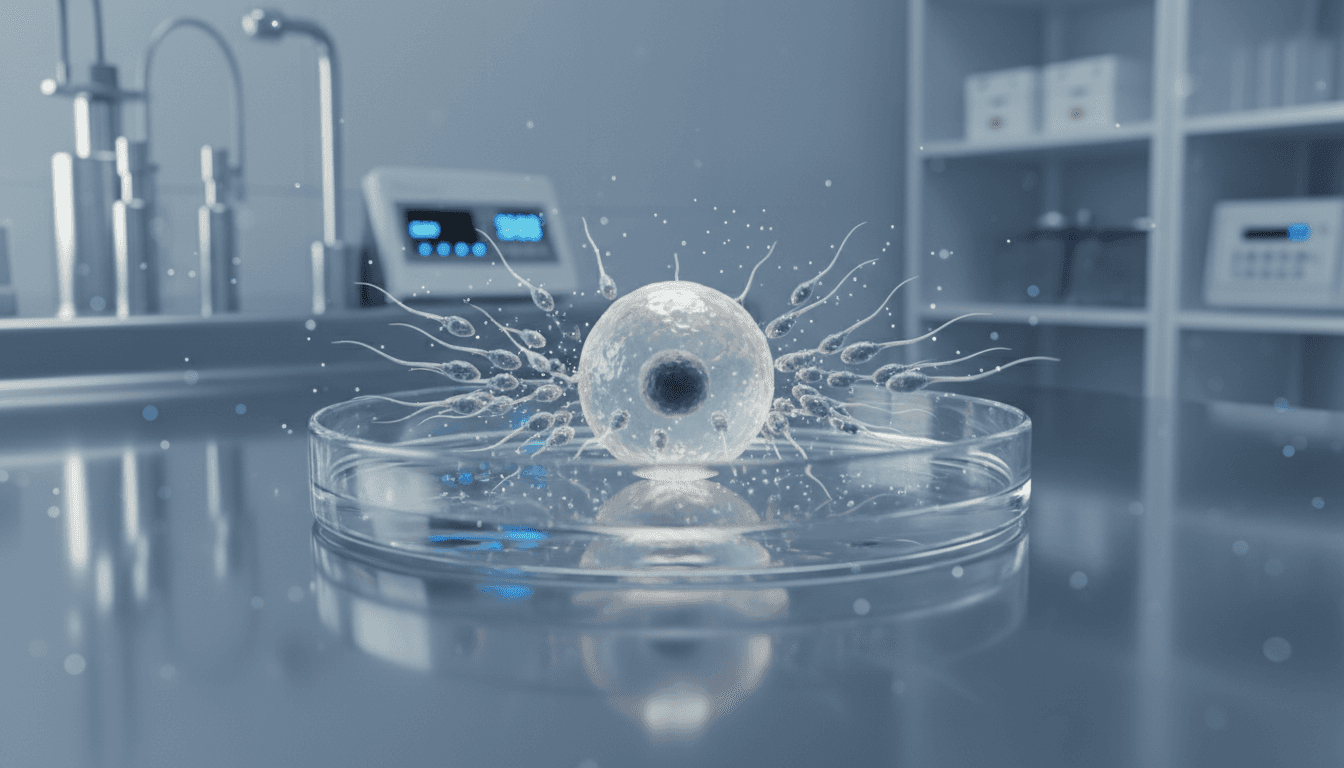








Lifestyle habits that affect fertility are important for every couple planning pregnancy or facing delayed conception. Fertility is not influenced only by age, hormones, ovulation, or semen analysis results. Daily habits such as diet, body weight, exercise, sleep, smoking, alcohol, stress, sugar intake, and supplement use may also affect reproductive health in both women and men.
Improving fertility through lifestyle does not mean that lifestyle changes alone can treat every fertility problem. Some causes of infertility require medical evaluation and treatment, such as blocked fallopian tubes, severe male factor infertility, endometriosis, PCOS, thyroid disease, reduced ovarian reserve, or advanced maternal age. However, healthy daily habits can support the body and may improve readiness for natural conception or fertility treatment.
Habits that influence fertility often work quietly over time. Excess sugar, obesity, poor sleep, smoking, chronic stress, sedentary routines, heavy alcohol use, or excessive exercise may affect hormone balance, ovulation, egg quality, sperm quality, inflammation, and oxidative stress. These factors can influence both female fertility lifestyle and male fertility lifestyle.
At Safemedigo, lifestyle is considered an important part of fertility assessment. A complete review may include diet, weight, sleep, activity level, smoking, alcohol use, stress, chronic disease, semen analysis, ovulation pattern, hormones, ovarian reserve, and medical history. This helps create a realistic plan that combines healthy habits with proper medical evaluation when needed.
How Lifestyle Habits Affect Fertility
Lifestyle habits affect fertility by influencing hormones, metabolism, inflammation, oxidative stress, reproductive cell quality, and general health. Some effects are direct, such as smoking fertility effects on sperm and egg health. Others are indirect, such as weight affecting ovulation or insulin resistance affecting cycle regularity.
Fertility requires several factors to work together: regular ovulation, healthy eggs, healthy sperm, open fallopian tubes, a receptive uterus, balanced hormones, and correct timing of intercourse. Lifestyle habits can support these factors or create additional obstacles.
Results from lifestyle changes usually take time. Sperm production develops over weeks, and follicles also grow over a period before ovulation. This means lifestyle improvements should be consistent for several months when possible, especially before fertility treatment.
Lifestyle Habits That Affect Fertility
Lifestyle habits that affect fertility include the everyday routines that shape physical, hormonal, and reproductive health. These habits include nutrition, movement, sleep, stress management, smoking, alcohol, body weight, environmental exposure, and the way supplements or medications are used.
Lifestyle does not explain every case of infertility, but it can be an important contributing factor. For example, excess weight may affect ovulation, smoking may reduce semen quality, poor sleep may disturb hormonal balance, and chronic stress may affect sexual health and treatment adherence.
The goal of lifestyle improvement is not perfection. It is to reduce avoidable harm, support reproductive health, and prepare the body for pregnancy. These changes may help natural conception and may also support better preparation before IVF, ICSI, or other fertility treatments.
Key Daily Influences on Fertility
Key daily influences on fertility include factors that may seem small individually but become important when repeated over time. Diet, sleep, movement, stress, and smoking can all shape the reproductive environment.
Important daily influences include:
- Diet quality.
- Sugar intake.
- Processed food intake.
- Body weight.
- Physical activity.
- Smoking.
- Alcohol intake.
- Chronic stress.
- Sleep duration and quality.
- Heat exposure in men.
- Chronic disease control.
- Vitamin and mineral deficiencies.
- Unsupervised hormone or supplement use.
- Timing intercourse around ovulation.
- Exposure to toxins or pesticides.
Reviewing these factors can reveal practical changes that support fertility before or during treatment.
Measuring Lifestyle Impact
Measuring lifestyle impact means reviewing daily habits together with medical testing. It is not enough to say someone “eats well” or “is active.” Details matter: meal quality, weight changes, sleep routine, cycle regularity, stress level, smoking history, and semen analysis results can all guide the plan.
Assessment may include:
- Weight and BMI.
- Waist circumference when relevant.
- Diet review.
- Physical activity level.
- Smoking and alcohol history.
- Sleep pattern.
- Stress level.
- Vitamin D, iron, or B12 testing when needed.
- Thyroid testing.
- Ovulation and cycle assessment.
- Semen analysis.
- Chronic disease review.
- Medication and supplement review.
After this review, the couple can identify what can be improved through lifestyle and what needs direct medical care.
Read about: Modern Fertility Treatments for Men and Women You Should Know
Diet and Fertility Health
Diet and fertility health are strongly connected because the body needs energy, protein, healthy fats, vitamins, minerals, and antioxidants to support hormones and reproductive cells. Poor diet may contribute to nutrient deficiencies, weight imbalance, insulin resistance, inflammation, and oxidative stress.
In women, diet may affect ovulation, menstrual regularity, hormone balance, and the uterine environment. In men, diet may affect semen quality, sperm motility, and antioxidant protection. Good nutrition is especially important before pregnancy because early fetal development begins before many women realize they are pregnant.
A fertility-supportive diet is not an extreme diet. It is a balanced eating pattern rich in vegetables, fruits, whole grains, quality proteins, healthy fats, water, and key micronutrients. It also limits refined sugar, trans fats, and highly processed foods.
Diet and Fertility Health
Diet and fertility health interact through metabolism, hormones, inflammation, and reproductive cell development. A diet rich in whole foods may support blood sugar balance, healthy weight, and antioxidant intake, all of which are relevant to fertility.
For women, very low-calorie diets or inadequate protein may disturb menstrual cycles and ovulation. High sugar intake and weight gain may worsen insulin resistance, especially in women with PCOS. For men, low intake of antioxidants and minerals may affect some semen parameters.
Good diet before pregnancy also supports early pregnancy health. Folic acid, iron, iodine, vitamin D, B12, omega-3, and other nutrients may be important depending on the woman’s needs and test results.
Fertility Diet Tips
Fertility diet tips should focus on balanced, sustainable habits rather than strict rules. No single food guarantees pregnancy, but a healthy dietary pattern may support the body’s reproductive environment.
Helpful fertility diet tips include:
- Eat vegetables daily.
- Choose colorful fruits.
- Include whole grains.
- Add beans, lentils, and chickpeas.
- Eat enough protein.
- Choose low-mercury fish.
- Use olive oil or other healthy fats.
- Include nuts and seeds in moderation.
- Drink enough water.
- Reduce ultra-processed foods.
- Limit sugary drinks.
- Avoid crash dieting.
- Correct deficiencies when present.
- Use folic acid before pregnancy when advised.
A good fertility diet should be practical and maintainable for both partners.
Sugar Intake and Fertility
Sugar intake and fertility are especially important when there is PCOS, insulin resistance, weight gain, or irregular cycles. Frequent sugary drinks, desserts, and refined carbohydrates may cause blood sugar spikes and contribute to metabolic imbalance.
Reducing sugar does not mean eliminating all carbohydrates. It means choosing better sources, such as whole grains, legumes, vegetables, and whole fruits instead of repeated sweets, juices, and processed snacks. Balanced meals can support energy and hormone stability.
In men, high sugar intake may contribute to weight gain, inflammation, and poorer general health, which can indirectly affect sperm quality. Reducing sugar is often beneficial for both partners when trying to conceive.
Read about: Do Natural Fertility Vitamins Really Help with Conception?
Weight and Exercise Effects
Weight and exercise effects on fertility can be significant. Excess weight may affect ovulation, menstrual cycles, egg quality, pregnancy risks, and fertility treatment outcomes. In men, excess weight may affect testosterone, sexual function, and semen quality. On the other hand, being underweight or exercising excessively may disturb ovulation.
Exercise and fertility are connected through balance. Moderate physical activity can support healthy weight, insulin sensitivity, mood, sleep, and cardiovascular health. Excessive exercise combined with low calorie intake may disrupt hormones, especially in women.
The goal is not rapid weight change. Sustainable improvement is more valuable. Even modest weight improvement in people with clear excess weight may help ovulation and metabolic health in some cases.
Weight and Fertility
Weight and fertility are connected in both women and men. Excess weight may increase insulin resistance, inflammation, and hormonal imbalance. This may affect ovulation and cycle regularity in women, especially when PCOS is present.
In men, excess weight may be linked with lower testosterone, poorer semen parameters, and reduced sexual function in some cases. It may also increase scrotal heat and affect overall metabolic health.
Low body weight can also be a problem. When the body does not receive enough energy, reproductive function may slow down. Women may develop irregular periods or stop ovulating. A healthy balance is the goal.
Exercise and Fertility
Exercise and fertility have a positive relationship when activity is moderate and consistent. Physical activity can improve insulin sensitivity, mood, sleep, weight control, and cardiovascular health. These changes may support reproductive health.
Helpful activities may include:
- Brisk walking.
- Swimming.
- Moderate cycling.
- Light to moderate resistance training.
- Yoga.
- Stretching.
- Breathing exercises.
- Daily movement breaks.
- Low-impact cardio.
- Gentle strength training.
Very intense exercise without enough rest or food may disrupt the menstrual cycle. Men should also avoid frequent heat exposure around the testes, such as repeated hot baths, saunas, or very tight clothing when sperm quality is a concern.
Balancing Activity and Rest
Balancing activity and rest is important because the body benefits from movement but also needs recovery. Heavy daily exercise without enough nutrition or sleep may increase physical stress and interfere with hormones.
To balance exercise and recovery:
- Choose exercise you can maintain.
- Start gradually.
- Keep most sessions moderate.
- Include rest days.
- Eat enough protein and calories.
- Stay hydrated.
- Watch cycle regularity.
- Reduce intensity if exhaustion appears.
- Avoid overtraining.
- Improve sleep.
- Consider medical advice if cycles stop.
- Adjust activity during fertility treatment if advised.
Exercise should improve health, not exhaust the body.

Negative Habits That Influence Fertility
Negative habits that influence fertility are often modifiable. Smoking, alcohol, chronic stress, poor sleep, excess sugar, and toxin exposure may affect female fertility lifestyle and male fertility lifestyle. These habits can influence hormones, inflammation, oxidative stress, sexual health, and treatment outcomes.
Stopping harmful habits before pregnancy can improve general health and may support reproductive potential. For men, changes often need time because sperm production develops over weeks. For women, lifestyle improvements may support cycle health, metabolic balance, and pregnancy preparation.
The goal is not to blame patients for infertility. Many fertility problems are medical and not caused by lifestyle. However, improving harmful habits can remove additional barriers and support the treatment plan.
Smoking Fertility Effects
Smoking fertility effects are important for both women and men. In women, smoking may affect ovarian reserve, egg quality, fallopian tube function, uterine environment, miscarriage risk, and pregnancy health. In men, smoking may affect sperm count, motility, morphology, and oxidative stress.
Secondhand smoke may also be harmful, so both partners benefit from a smoke-free environment. Quitting smoking before pregnancy supports fertility and also protects the future baby’s health.
Some people need medical or behavioral support to quit. Seeking help is a positive step, especially before fertility treatment or pregnancy.
Alcohol Impact on Fertility
Alcohol impact on fertility depends on amount and frequency, but heavy or regular use may affect hormones, sleep, liver health, weight, and nutrition. In men, excessive alcohol may affect testosterone and semen quality. In women, alcohol may affect reproductive health and pregnancy safety.
Women trying to conceive are often advised to avoid alcohol or minimize it because pregnancy can occur before it is recognized. Alcohol exposure during pregnancy carries known risks for fetal development.
If reducing alcohol is difficult, medical or psychological support may be helpful before starting a fertility journey.
Stress and Fertility
Stress and fertility have a complex relationship. Stress alone does not explain every case of infertility, and patients should not be told that infertility is simply because they are “thinking too much.” However, chronic stress can affect sleep, appetite, hormones, sexual desire, relationship timing, and treatment adherence.
In some women, severe stress may be associated with cycle disturbance. In men, stress may affect sexual function, sleep, and habits such as smoking or overeating. Stress can also make the fertility journey emotionally harder.
Reducing stress does not mean ignoring the desire for pregnancy. It means building coping tools such as walking, breathing exercises, counseling, sleep routines, emotional support, and clear communication between partners.
Read about: How Hormones Affect Fertility: Key Tests Couples Should Consider
Sleep and Fertility Quality
Sleep and fertility quality are connected through hormones, metabolism, immune function, stress response, appetite, and energy regulation. Poor sleep or irregular sleep timing may affect the body’s overall balance, which may indirectly influence reproductive health.
Good sleep supports cortisol regulation, insulin balance, mood stability, and recovery. It may also support better lifestyle choices because tired people are more likely to crave sugar, skip exercise, and feel emotionally overwhelmed.
Sleep should not be treated as a minor factor. Chronic insomnia, night-shift work, interrupted sleep, or heavy screen use late at night may affect general health and should be addressed during preconception planning.
Sleep Quality Fertility
Sleep quality fertility connections involve the body’s circadian rhythm and hormonal regulation. When sleep is consistently poor, stress hormones may increase, blood sugar regulation may worsen, and mood and energy may decline.
In women, poor sleep may be associated with cycle irregularity or increased stress symptoms. In men, poor sleep may affect energy, libido, and some hormonal factors.
The goal is not perfect sleep every night. The goal is a stable routine, enough rest, and reduced sleep-disrupting habits.
Tips to Improve Sleep
Tips to improve sleep can support general health and fertility preparation. Sleep often improves when daily habits and sleep environment are consistent.
Helpful tips include:
- Keep a regular sleep schedule.
- Reduce caffeine late in the day.
- Stop screens before bed.
- Keep the room dark and quiet.
- Avoid heavy meals late at night.
- Exercise earlier in the day.
- Use a calming bedtime routine.
- Avoid long late naps.
- Get morning sunlight.
- Treat loud snoring or suspected sleep apnea.
- Write worries down before bed.
- Seek help if insomnia persists.
Improving sleep often starts with routine changes rather than sleep supplements.
Hormonal Impact of Poor Sleep
Hormonal impact of poor sleep may include changes in cortisol, insulin, appetite hormones, and reproductive hormone balance indirectly. Poor sleep can make weight management harder and increase cravings for sugar and processed foods.
These changes can be especially important for people with PCOS, insulin resistance, obesity, irregular cycles, or chronic stress. Poor sleep may also reduce motivation for exercise and healthy eating.
If insomnia is severe or linked to anxiety, depression, night-shift strain, or sleep apnea, medical help may be needed. Treating sleep problems can improve quality of life and support fertility planning.
Read about: Best Foods to Naturally Boost Fertility in Men and Women
Vitamins and Fertility Support
Vitamins and fertility support can be useful when they correct deficiencies or prepare the body for pregnancy. Supplements are not a replacement for diet or medical evaluation, but they may support a complete lifestyle fertility plan.
Vitamins for fertility may include folic acid, vitamin D, B12, iron, omega-3, zinc, selenium, CoQ10, or antioxidant formulas depending on the case. The correct choice is different for men and women.
Excess supplements can be harmful. Taking several products together may duplicate ingredients and increase the risk of excessive dosing. Supplements should be selected based on needs, test results, and safety.
Vitamins for Fertility
Vitamins for fertility may support reproductive health by correcting deficiencies, supporting energy, and preparing the body before pregnancy. For women, folic acid is one of the most important preconception supplements. Vitamin D, iron, B12, and iodine may also be relevant depending on test results and diet.
For men, vitamins and antioxidants may be considered when semen quality is mildly affected or dietary intake is poor. These may include zinc, selenium, vitamin C, vitamin E, CoQ10, or other nutrients, depending on medical advice.
“Fertility booster” supplements should not be used randomly, especially if they contain unclear herbal ingredients, hormones, or high doses.
Omega-3 Fertility Benefits
Omega-3 fertility benefits may include support for general health, inflammation balance, cell membrane function, and metabolic wellness. Omega-3 fatty acids are found in low-mercury fatty fish, fish oil, algae oil, flaxseeds, and chia seeds.
Omega-3 may be part of a balanced preconception diet, but it does not directly treat infertility. Women planning pregnancy should choose low-mercury fish and reputable supplement sources.
People taking blood thinners or those with bleeding disorders should ask a doctor before using high-dose omega-3 supplements.
Supplements for Men and Women
Supplements for men and women should be chosen according to individual needs. There is no single supplement that is ideal for every couple. Women may need folic acid, vitamin D, iron, or prenatal vitamins, while men may need semen-quality support or correction of specific deficiencies.
Possible supplements may include:
- Folic acid before pregnancy.
- Vitamin D when deficient.
- Iron when anemia is present.
- B12 when needed.
- Omega-3.
- Zinc and selenium in safe doses.
- CoQ10 in selected plans.
- Antioxidants for men when semen quality is affected.
- Inositol in selected PCOS cases.
- Balanced prenatal vitamins.
- Targeted supplements after medical review.
Patients should inform their doctor about all supplements to avoid overlap and medication interactions.
Read about: Natural Fertility Treatments: Effective Ways to Boost Conception
Practical Lifestyle Tips for Better Fertility
Practical lifestyle tips for better fertility should be realistic and sustainable. The goal is not to change everything in one day, but to build habits that can be maintained. Consistency is more important than short-term intensity.
Improving fertility through lifestyle should involve both partners. Male fertility lifestyle is important because sperm quality can be affected by smoking, heat, diet, weight, sleep, and stress. Female fertility lifestyle is also important because ovulation, hormones, weight, and pregnancy preparation are influenced by daily habits.
When pregnancy is delayed, lifestyle changes can be started alongside medical testing, not instead of testing. This saves time and makes treatment more precise.
Daily Habits Fertility Guide
Daily habits fertility guide should begin with the most important and realistic changes for the couple. One person may need smoking cessation, another may need sleep improvement, and another may need weight or ovulation evaluation.
Practical steps include:
- Start with one or two habits.
- Set realistic goals.
- Reduce sugar gradually.
- Add protein to meals.
- Walk regularly.
- Keep a stable sleep schedule.
- Stop smoking or seek help to quit.
- Reduce evening caffeine.
- Drink enough water.
- Track cycles and ovulation.
- Do semen analysis if pregnancy is delayed.
- Review chronic medications with a doctor.
- Treat thyroid or prolactin issues if present.
- Avoid extreme diets.
Small consistent changes are often more effective than strict plans that cannot be maintained.
Lifestyle Fertility Recommendations
Lifestyle fertility recommendations should be balanced and practical. Fertility does not improve by fearing every food or habit. It improves by reducing clear harmful factors and building healthy routines.
Key recommendations include:
- Time intercourse around the fertile window.
- Take folic acid before pregnancy.
- Maintain a healthy weight.
- Reduce sugar intake.
- Eat whole foods.
- Exercise moderately.
- Sleep consistently.
- Stop smoking.
- Avoid or minimize alcohol when trying to conceive.
- Manage stress.
- Treat chronic disease.
- Check thyroid function if cycles are irregular.
- Evaluate semen quality early when pregnancy is delayed.
- Do not delay care after age 35.
- Use supplements wisely.
These recommendations may support natural conception and preparation before fertility treatment.
Monitoring Progress Over Time
Monitoring progress over time is important so lifestyle changes do not become random attempts. Couples should decide what they are tracking: cycle regularity, ovulation, weight, sleep, semen analysis, lab results, or months of trying.
Progress can be monitored by:
- Tracking menstrual cycles.
- Identifying ovulation days.
- Recording sleep patterns.
- Reviewing diet changes.
- Repeating semen analysis after an appropriate interval.
- Rechecking vitamin D or iron when treated.
- Monitoring weight gradually.
- Reviewing stress levels.
- Scheduling follow-up with a doctor.
- Adjusting the plan based on results.
- Avoiding endless supplement use without a goal.
If pregnancy does not occur after 12 months of trying, or after 6 months if the woman is 35 or older, a full fertility evaluation is recommended.
Read about: How Hormones Affect Fertility: Essential Tests for Couples
Conclusion
Lifestyle habits that affect fertility include diet, weight, exercise, sleep, smoking, alcohol, stress, sugar intake, vitamins, and daily routines. Improving these habits may support ovulation, egg quality, sperm quality, hormone balance, and overall pregnancy readiness.
However, improving fertility through lifestyle does not replace medical evaluation. If there are blocked tubes, severe sperm abnormalities, ovulation disorders, endometriosis, reduced ovarian reserve, thyroid disease, recurrent miscarriage, or age-related fertility concerns, medical care may be needed alongside lifestyle improvement.
Frequently Asked Questions: Lifestyle Habits That Affect Fertility
Do lifestyle habits really affect fertility?
Yes. Lifestyle habits may affect ovulation, sperm quality, hormones, weight, sleep, and stress, but they do not explain every case of infertility.
What habits most commonly harm fertility?
Smoking, excess weight, poor sleep, chronic stress, heavy alcohol use, high sugar intake, sedentary lifestyle, and extreme exercise may affect fertility.
Can exercise improve fertility?
Moderate exercise may support fertility by improving weight, insulin balance, mood, and sleep. Excessive exercise with poor nutrition may harm ovulation.
What is a good fertility diet?
A fertility-supportive diet includes vegetables, fruits, whole grains, legumes, low-mercury fish, olive oil, nuts, eggs, and folate- or iron-rich foods.
When should couples seek fertility evaluation?
After 12 months of trying if the woman is under 35, after 6 months if she is 35 or older, or earlier with irregular cycles, miscarriage, pain, or abnormal semen analysis.