









Intracytoplasmic Sperm Injection (ICSI) stands as one of the most significant medical breakthroughs in the field of infertility treatment, offering hope to millions of couples worldwide. With continuous advancements in medical research, the latest ICSI protocols have emerged, aiming to enhance egg quality and significantly boost the chances of a successful procedure. These protocols rely on customizing the treatment for each case based on ovarian response and the couple's medical history, thereby minimizing risks and maximizing healthy pregnancy rates.
At Safemedigo, we understand the profound importance of providing advanced, personalized medical care to every couple striving to achieve their dream of parenthood. Through this article, we will shed light on the most recent techniques and protocols utilized in ICSI, from ovarian stimulation to embryo transfer. Together, we will explore how these advancements contribute to elevating ICSI success rates and ensuring a safe, effective treatment journey.
Understanding the Latest ICSI Protocols
What is ICSI and How Does It Differ from IVF?
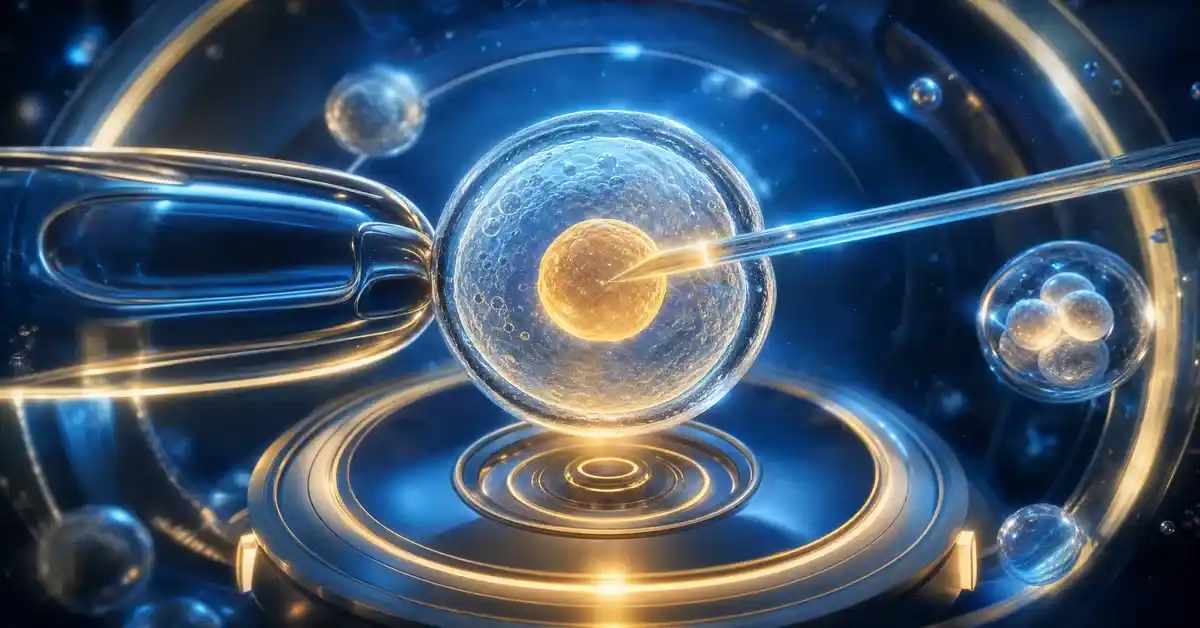
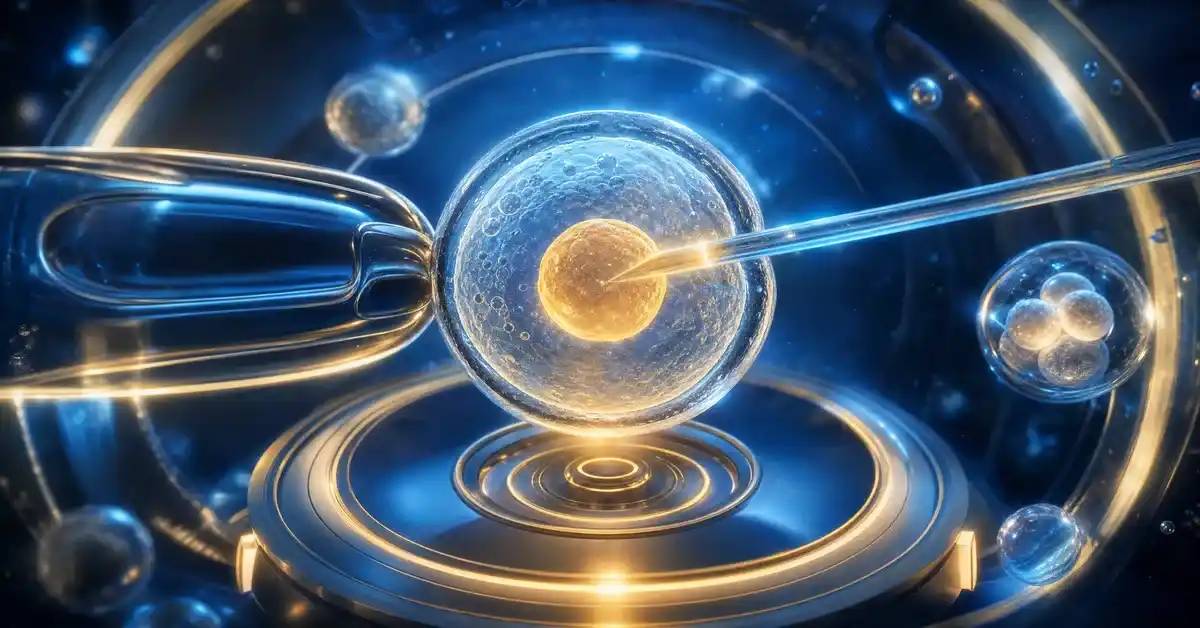
To fully grasp the latest ICSI protocols, it is essential to understand the core difference between ICSI and traditional IVF. While both are assisted reproductive technologies, the ICSI IVF comparison reveals a distinct approach to fertilization. In IVF, sperm and eggs are placed together in a laboratory dish, allowing fertilization to occur naturally. Conversely, ICSI fertilization techniques involve the direct injection of a single, carefully selected sperm into a mature egg. This precise method is particularly beneficial for overcoming severe male infertility issues, ensuring a higher probability of successful fertilization.
Overview of ICSI Protocols
The landscape of fertility treatment is constantly evolving, and modern ICSI protocols reflect this progress. These protocols encompass a range of strategies, including tailored ICSI ovarian stimulation regimens and advanced laboratory procedures like ICSI blastocyst culture. By moving away from a one-size-fits-all approach, fertility specialists can now optimize every stage of the cycle. This individualized care is crucial for maximizing the number of high-quality embryos available for transfer, ultimately leading to improved ICSI pregnancy rates.
Read about: Key Steps for ICSI Success: Expert Fertility Tips to Improve Outcomes
Enhancing ICSI Success Rates
Factors Influencing ICSI Success
Several critical factors influence ICSI success rates, making each patient's journey unique. Maternal age remains a primary determinant, as egg quality naturally declines over time. Additionally, the quality of both the sperm and the egg plays a vital role. The specific cause of infertility, whether male-factor, female-factor, or unexplained, also impacts the outcome. By carefully evaluating these variables, medical teams can select the most appropriate ICSI protocols to optimize the chances of a successful pregnancy while minimizing ICSI miscarriage rates.
Recent Advances in ICSI Techniques
Recent advances in ICSI techniques have revolutionized the field, offering new hope for couples facing complex fertility challenges. Innovations such as high-magnification sperm selection and time-lapse embryo monitoring allow embryologists to make more informed decisions. Furthermore, the integration of ICSI genetic testing helps identify chromosomally normal embryos, significantly reducing the risk of implantation failure and early pregnancy loss. These cutting-edge technologies, combined with refined ICSI protocols, are instrumental in driving up overall success rates.
Read about: ICSI After Failed IVF: Does It Offer Higher Chances of Success
ICSI Sperm Selection Methods
Traditional vs. Modern Sperm Selection Techniques
The evolution of ICSI sperm selection methods has been pivotal in improving treatment outcomes. Traditional methods primarily relied on assessing sperm motility and morphology under standard magnification. However, modern techniques, such as IMSI (Intracytoplasmic Morphologically Selected Sperm Injection) and microfluidic sperm sorting, offer a much more detailed evaluation. These advanced methods allow embryologists to select sperm with the highest structural integrity, thereby enhancing the chances of successful fertilization and healthy embryo development.
Impact of Sperm Quality on ICSI Outcomes
The impact of sperm quality on ICSI outcomes cannot be overstated. Issues such as high ICSI sperm DNA fragmentation can severely compromise embryo development and increase the likelihood of miscarriage. By utilizing advanced ICSI sperm selection methods, clinics can effectively mitigate these risks. Selecting the healthiest sperm not only improves fertilization rates but also contributes to the formation of robust embryos, which are more likely to implant successfully and result in a healthy, full-term pregnancy.
Read about: Essential Pre-ICSI Tests: Why They Are Crucial for Fertility Treatment Success
ICSI Embryo Transfer Protocols
Timing and Techniques for Embryo Transfer
The success of an IVF cycle heavily relies on meticulous ICSI embryo transfer protocols. The timing of the transfer is critical, with many clinics now favoring Day 5 transfers, known as ICSI blastocyst culture. This extended culture period allows embryologists to select the most viable embryos that have demonstrated strong developmental potential. The transfer technique itself is performed with extreme care, using a soft catheter under ultrasound guidance to ensure precise placement within the uterine cavity, maximizing the chances of implantation.
Single vs. Multiple Embryo Transfer
A key consideration in ICSI embryo transfer protocols is deciding between single and multiple embryo transfers. While transferring multiple embryos was once common to boost ICSI pregnancy rates, it significantly increases the risk of multiple pregnancies, which carry higher maternal and fetal complications. Today, the trend strongly favors elective single embryo transfer (eSET), especially when utilizing high-quality blastocysts or embryos that have undergone ICSI genetic testing. This approach maintains high success rates while prioritizing the safety of both the mother and the baby.
Read about: Modern ICSI Steps to Improve Fertility Success
Optimizing Ovarian Stimulation in ICSI
Protocols for Ovarian Stimulation
Effective ICSI ovarian stimulation is the foundation of a successful treatment cycle. The goal is to encourage the ovaries to produce multiple mature eggs without causing Ovarian Hyperstimulation Syndrome (OHSS). Various protocols exist, including the long agonist and short antagonist protocols. The choice of protocol is highly individualized, based on the patient's age, ovarian reserve, and previous response to fertility medications. Tailoring the stimulation protocol ensures the retrieval of an optimal number of high-quality eggs, which is essential for the subsequent ICSI fertilization techniques.
Monitoring and Adjusting Stimulation Protocols
Continuous monitoring is a vital component of ICSI ovarian stimulation. Through regular ultrasound scans and blood hormone tests, fertility specialists track the growth of ovarian follicles and the body's response to the medications. This close observation allows for real-time adjustments to the medication dosage, ensuring safe and effective stimulation. Proper monitoring not only maximizes the yield of mature eggs during the ICSI egg retrieval techniques but also significantly reduces the risk of complications, contributing to a smoother and safer treatment experience.

Luteal Phase Support in ICSI Cycles
Importance of Luteal Phase Support
ICSI luteal phase support is a critical, yet sometimes overlooked, aspect of the fertility treatment process. Following egg retrieval, the body's natural hormone production may be insufficient to prepare and maintain the uterine lining for embryo implantation. Luteal phase support involves supplementing the body with essential hormones, primarily progesterone, to create an optimal environment for the embryo to attach and grow. This support is vital for sustaining early pregnancy and reducing ICSI miscarriage rates.
Common Medications Used in Luteal Phase Support
The medications used for ICSI luteal phase support are carefully selected to mimic the body's natural hormonal balance. Progesterone is the most commonly prescribed medication, available in various forms such as vaginal suppositories, intramuscular injections, or oral pills. In some cases, estrogen supplementation may also be included. The specific regimen is tailored to the individual patient's needs and the clinic's established ICSI protocols, ensuring the uterine lining remains receptive and supportive throughout the critical early stages of pregnancy.
Read about: IVF Preparation Steps: Hormonal Tests and Analysis Guide
ICSI Pregnancy Rates and Outcomes
Factors Affecting Pregnancy Rates
When evaluating ICSI pregnancy rates, it is important to consider the multitude of factors that influence the final outcome. Beyond maternal age and embryo quality, lifestyle factors such as BMI, smoking, and stress levels can play a significant role. Additionally, the underlying cause of infertility, particularly severe cases requiring ICSI male infertility treatment, can impact success. By addressing these factors comprehensively and utilizing the latest ICSI protocols, clinics strive to provide patients with the most accurate prognosis and the highest possible chance of success.
Comparing ICSI Pregnancy Rates to IVF
In the ICSI IVF comparison, pregnancy rates are often a primary point of interest for patients. Generally, ICSI pregnancy rates are comparable to those of traditional IVF when used for appropriate indications. ICSI excels in cases of severe male factor infertility, where traditional IVF might fail to achieve fertilization. However, for couples with unexplained infertility or female-factor issues, both methods offer excellent success rates. The choice between the two depends entirely on the specific medical diagnosis and the personalized treatment plan developed by the fertility specialist.
Read about: IVF Cost Success: Turkey vs USA
Blastocyst Culture in ICSI
Benefits of Blastocyst Culture
The shift towards ICSI blastocyst culture represents a major advancement in embryo selection. Culturing embryos in the laboratory for five to six days allows them to reach the blastocyst stage, a critical milestone in development. This extended culture period acts as a natural selection process, as only the most robust embryos survive to this stage. Consequently, ICSI blastocyst culture provides embryologists with superior information regarding embryo viability, leading to more accurate selection for transfer and improved overall outcomes.
Impact on Implantation and Pregnancy Rates
The impact of ICSI blastocyst culture on implantation and pregnancy rates is highly positive. Because blastocysts have demonstrated significant developmental competence, they have a higher probability of implanting successfully in the uterine lining compared to cleavage-stage (Day 3) embryos. This increased implantation potential allows for the confident use of single embryo transfer, reducing the risk of multiple pregnancies while maintaining excellent ICSI pregnancy rates. Furthermore, blastocyst transfer aligns more closely with the natural timing of an embryo entering the uterus, further enhancing the chances of success.
Read about: IVF Protocols: Turkey vs Germany
Egg Retrieval Techniques in ICSI
Methods of Egg Retrieval
The ICSI egg retrieval techniques are designed to be minimally invasive while maximizing the collection of mature eggs. The procedure is typically performed under light sedation or anesthesia to ensure patient comfort. Using ultrasound guidance, a thin needle is passed through the vaginal wall into the ovarian follicles to aspirate the fluid containing the eggs. This precise method allows the fertility specialist to safely and efficiently retrieve the eggs that have developed as a result of the ICSI ovarian stimulation protocols.
Optimizing Egg Retrieval for ICSI
Optimizing ICSI egg retrieval techniques is crucial for the success of the entire cycle. The timing of the "trigger shot," which induces final egg maturation, must be perfectly coordinated with the retrieval procedure. Careful handling of the eggs immediately after retrieval is also essential to maintain their quality before they undergo ICSI fertilization techniques. By employing meticulous techniques and advanced laboratory protocols, clinics ensure that the maximum number of viable eggs is available for fertilization, setting the stage for a successful outcome.
Read about: ICSI Cost in Turkey 2026: Main Factors Affecting Fertility Treatment Pricing
Addressing Male Infertility with ICSI
Indications for ICSI in Male Infertility
ICSI was primarily developed as a revolutionary ICSI male infertility treatment, and it remains the gold standard for addressing severe male factor issues. Indications for ICSI include low sperm count (oligospermia), poor sperm motility (asthenospermia), and abnormal sperm shape (teratospermia). It is also highly effective in cases where sperm must be surgically extracted from the testicles due to blockages or prior vasectomies. By bypassing the natural barriers to fertilization, ICSI offers men with severe infertility a realistic pathway to biological fatherhood.
Success Rates of ICSI in Male Infertility Cases
The success rates of ICSI in male infertility cases are remarkably high, transforming the prognosis for couples who previously had few options. Even in situations involving high ICSI sperm DNA fragmentation or surgically retrieved sperm, ICSI fertilization techniques consistently achieve excellent fertilization rates. When combined with advanced ICSI sperm selection methods and optimal ICSI embryo transfer protocols, the resulting ICSI pregnancy rates offer immense hope and a high probability of success for couples facing significant male infertility challenges.
Read about:IVF After 50: Pregnancy Chances and Important Advice
Conclusion
The continuous evolution of the latest ICSI protocols and the integration of advanced assisted technologies have truly revolutionized the treatment of delayed conception, significantly increasing ICSI success rates and offering renewed hope to countless couples. By meticulously understanding and optimizing every step of the process, from ICSI ovarian stimulation to precise ICSI embryo transfer protocols, medical teams can achieve the best possible outcomes and successfully navigate complex fertility challenges.
At Safemedigo, we are deeply committed to providing the latest technologies and personalized medical care to ensure a safe and successful treatment journey. Our specialized medical team is always ready to support you at every step toward realizing your dream. Contact us today to consult our experts and begin your journey toward parenthood with confidence and peace of mind.
FAQ: Latest ICSI Protocols to Improve Fertility Success
What is the success rate of ICSI on the first attempt?
The success rate of ICSI on the first attempt varies based on several factors, most notably the mother's age and embryo quality. Generally, the rate ranges between 40% and 60%, and it increases with the use of the latest ICSI protocols and advanced assisted technologies.
Can the gender of the baby be accurately determined with ICSI?
Yes, the gender of the baby can be determined with high accuracy, up to 99%, using Preimplantation Genetic Testing (PGT) in conjunction with ICSI. This technique is primarily used to ensure the selection of a healthy embryo and to avoid sex-linked genetic diseases.
What are the main causes of ICSI failure?
The causes of ICSI failure can include poor egg or sperm quality, issues with the uterine lining that prevent implantation, or genetic abnormalities in the embryos. A thorough evaluation of the case helps in overcoming these issues in subsequent attempts.
Does freezing embryos affect their quality?
No, freezing embryos in ICSI using modern techniques (vitrification) excellently preserves their quality. In fact, the success rate of ICSI in frozen cycles may be higher in some cases due to better preparation of the uterine environment.
How can Ovarian Hyperstimulation Syndrome (OHSS) be avoided in ICSI?
OHSS can be avoided in ICSI by utilizing the latest ICSI protocols that allow for precise adjustment of medication dosages, along with continuous monitoring of follicular growth and hormone levels during the stimulation phase.