





IVF failure can be one of the most emotionally difficult experiences for couples trying to conceive. After going through ovarian stimulation, egg retrieval, fertilization, embryo development, and embryo transfer, a negative result may feel confusing and discouraging. However, a failed IVF attempt does not mean the journey is over. In many cases, it becomes an important opportunity to review what happened and improve the next treatment plan.
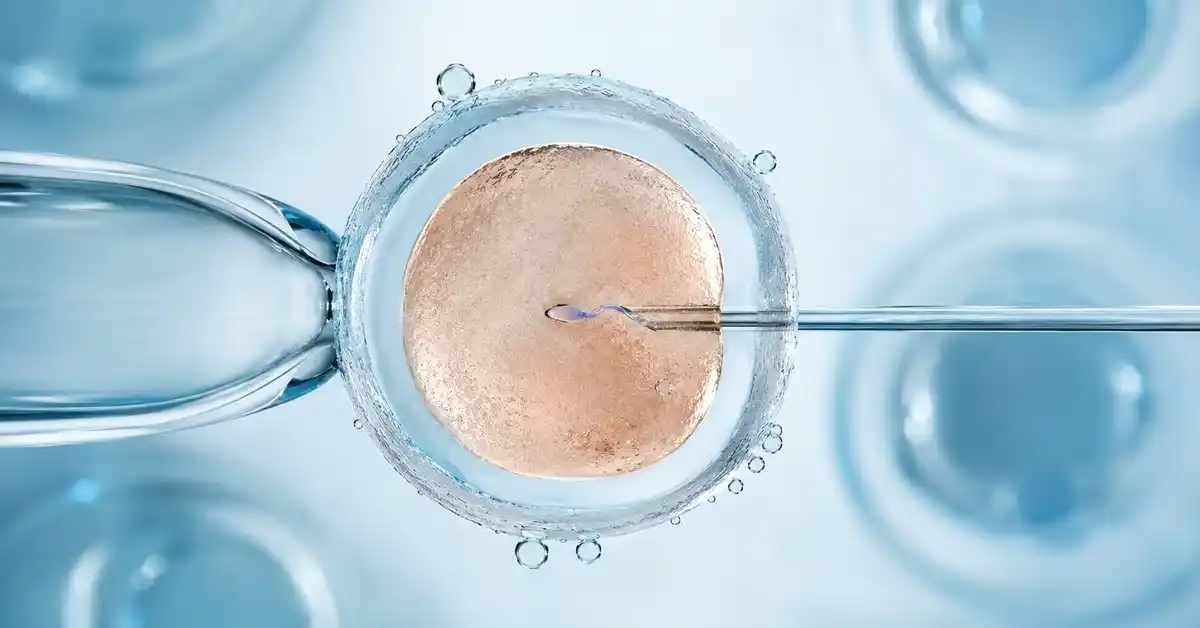
ICSI after failed IVF may be recommended in specific situations, especially when the previous IVF cycle showed poor fertilization, no fertilization, or a clear male factor issue. ICSI is a specialized laboratory technique in which one sperm is injected directly into an egg. It shares many steps with IVF, but the main difference is how fertilization happens in the laboratory.
At Safemedigo, the decision to use ICSI after failed IVF is made after reviewing the complete cycle: egg number, mature eggs, fertilization rate, embryo quality, sperm analysis, uterine lining, embryo transfer details, and previous medical history. The goal is not simply to repeat treatment with a different name, but to understand whether ICSI can truly improve the chance of pregnancy for that specific couple.
What is ICSI and How Does It Differ from IVF?
ICSI and IVF are both assisted reproductive techniques used to help couples achieve pregnancy when natural conception is difficult. In both treatments, the ovaries are stimulated with medication, eggs are retrieved, sperm is prepared, embryos are monitored in the laboratory, and one or more embryos may be transferred into the uterus depending on medical guidance and local rules.
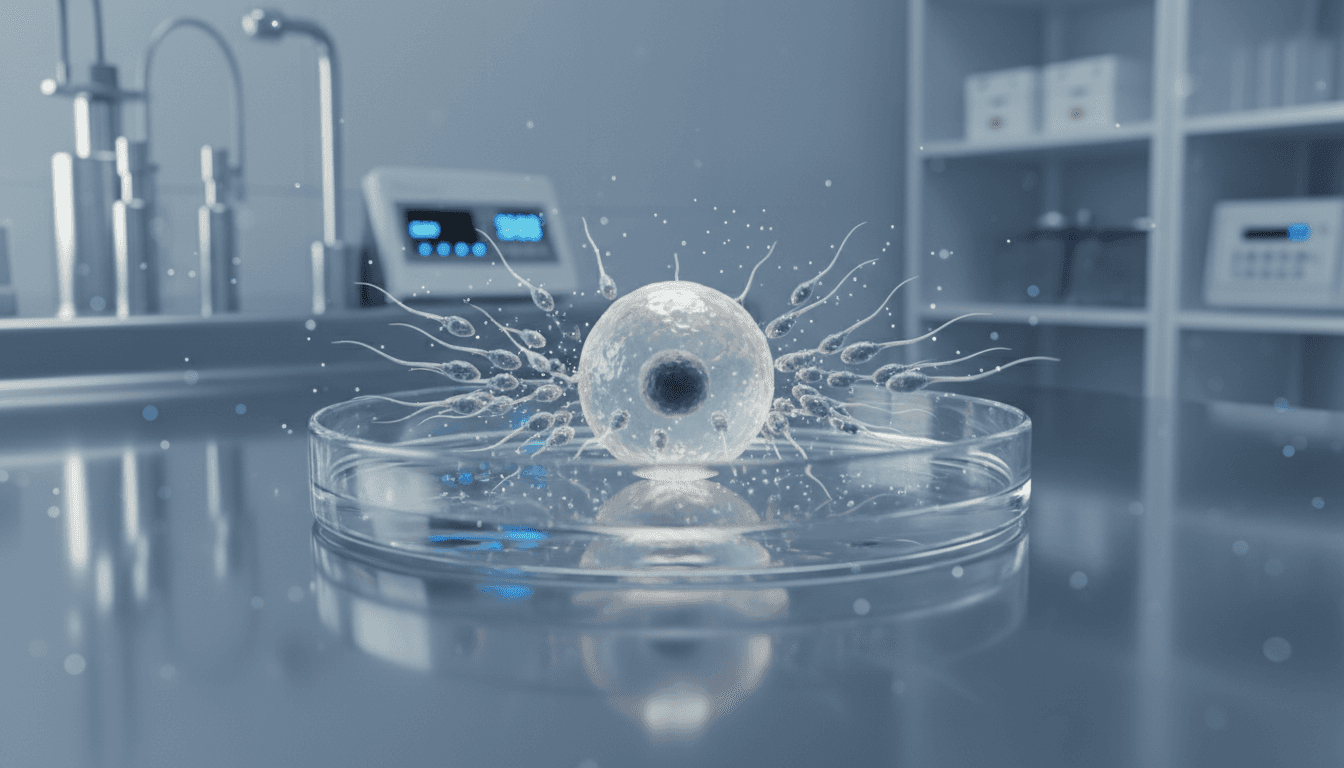
The main difference is the fertilization method. In conventional IVF, eggs and sperm are placed together in a laboratory dish, allowing sperm to penetrate the egg naturally. In ICSI, an embryologist selects a sperm and injects it directly into a mature egg using a fine microscopic needle. HFEA describes ICSI as part of IVF and explains that it involves injecting sperm directly into the egg, commonly used for sperm-related infertility.
This difference can make ICSI valuable when fertilization is the problem. However, if IVF failure happened after embryos were already formed, the solution may require broader evaluation beyond changing the fertilization method.
ICSI vs IVF
ICSI vs IVF differs mainly in how the egg is fertilized. With IVF, the sperm must reach and enter the egg by itself inside the laboratory environment. With ICSI, the embryologist directly assists fertilization by injecting a sperm into the egg.
ICSI may be more useful in situations such as:
- Low sperm count.
- Poor sperm motility.
- Severe sperm morphology problems.
- Previous failed or poor fertilization with conventional IVF.
- Surgically retrieved sperm.
- Very limited egg number when the clinic wants to reduce the risk of fertilization failure.
However, ICSI is not automatically better for every couple. ASRM’s 2026 committee opinion states that routine ICSI use for non-male factor infertility is not recommended, and that ICSI may benefit selected patients with prior poor or no fertilization using conventional insemination.
Therefore, ICSI vs IVF should be decided based on medical evidence from the couple’s case, not only because a previous IVF cycle failed.
Step-by-Step ICSI Procedure
The Step-by-Step ICSI procedure begins in a similar way to IVF. The female partner undergoes ovarian stimulation with medications, followed by ultrasound and hormone monitoring. When follicles are ready, a trigger injection is given, and egg retrieval is scheduled.
After egg retrieval, the embryology team evaluates egg maturity and prepares the sperm sample. In ICSI, one sperm is selected and injected directly into each mature egg. The eggs are then checked for fertilization, and embryos are monitored over the following days. Depending on embryo development and uterine readiness, embryo transfer may be performed or embryos may be frozen for a later transfer.
The Step-by-Step ICSI procedure usually includes:
- Fertility assessment for both partners.
- Ovarian stimulation.
- Monitoring follicle growth.
- Trigger injection.
- Egg retrieval.
- Sperm preparation.
- Sperm injection into mature eggs.
- Fertilization check.
- Embryo culture.
- Embryo transfer or embryo freezing.
- Pregnancy test after transfer.
Understanding each step helps couples see where the previous IVF cycle may have failed and where ICSI may or may not improve the next attempt.
Read about: Key Steps for ICSI Success: Expert Fertility Tips to Improve Outcomes
Why Does IVF Fail in Some Cases?
IVF failure can happen for many reasons. Sometimes the issue is fertilization failure, where eggs do not fertilize properly with conventional IVF. In such cases, ICSI after failed IVF may be helpful. In other cases, fertilization occurs and embryos develop, but pregnancy does not happen because of embryo quality, uterine lining issues, chromosomal abnormalities, transfer timing, or implantation failure.
A common mistake is assuming that ICSI will solve every failed IVF case. In reality, ICSI mainly helps with fertilization. It does not automatically correct poor egg quality, embryo chromosomal problems, uterine abnormalities, or age-related fertility decline.
This is why a failed IVF cycle should be reviewed stage by stage. Did the eggs mature? Did fertilization happen? Did embryos develop normally? Was transfer easy? Was the uterine lining suitable? Was sperm quality fully evaluated? The answers guide whether ICSI is the right next step.
Reasons for IVF Failure
Reasons for IVF failure may involve eggs, sperm, embryos, the uterus, hormones, or the treatment process. Sometimes the cause is clear, such as no fertilization. In other cases, the failure may be unexplained after one cycle, especially if embryo quality and uterine lining appeared acceptable.
Common Reasons for IVF Failure include:
- Poor egg quality.
- Low mature egg count.
- Poor fertilization rate.
- Severe male factor infertility.
- Poor embryo development.
- Chromosomal abnormalities in embryos.
- Uterine lining problems.
- Polyps, adhesions, or fluid in the uterus.
- Difficult embryo transfer.
- Incorrect timing of transfer.
- Thyroid, prolactin, or metabolic imbalance.
- Smoking, obesity, or untreated inflammation.
If the main issue was fertilization, ICSI may offer a more logical next step. If the main issue was implantation, the treatment plan may need uterine evaluation, embryo review, or hormonal optimization rather than ICSI alone.
The Effect of Age on IVF Success Rates
Age has a major effect on IVF success rates because egg quantity and egg quality decline over time. After the mid-thirties, this effect becomes more noticeable, and after 40 it may become more significant. As egg quality declines, the chance of chromosomal abnormalities in embryos increases, which may reduce implantation rates and increase miscarriage risk.
ICSI can help sperm enter the egg, but it cannot reverse age-related egg quality decline. This means that ICSI after failed IVF may improve fertilization in some cases, but it may not significantly improve pregnancy chances if the main challenge is embryo chromosomal quality related to age.
When considering ICSI after failed IVF, couples should review:
- Female partner’s age.
- AMH and ovarian reserve.
- Number of eggs retrieved.
- Number of mature eggs.
- Fertilization rate.
- Embryo quality.
- Whether embryos reached blastocyst stage.
- Previous transfer outcome.
A realistic plan should consider both the laboratory technique and the biological factors that affect pregnancy.

Does ICSI Offer Higher Success Rates After Failed IVF?
ICSI may offer higher success rates after failed IVF when the previous cycle failed because of poor fertilization or no fertilization. In this situation, injecting sperm directly into the egg can overcome a fertilization barrier and may increase the number of fertilized eggs and embryos available for transfer.
However, ICSI does not always offer higher success rates after failed IVF. If conventional IVF already produced good fertilization and good embryos, but implantation did not occur, the next step may need to focus on embryo quality, uterine evaluation, transfer technique, or endometrial preparation.
A large 2024 analysis reported that ICSI may be associated with higher fertilization rates and lower cycle cancellation rates compared with IVF in certain data, but success in terms of pregnancy and birth depends on more than fertilization alone. This is why ICSI success rate after failed IVF should be personalized rather than assumed.
ICSI Success Rates Compared to IVF
ICSI success rates compared to IVF depend strongly on the reason for infertility. In male factor infertility or prior fertilization failure, ICSI can be valuable because it directly addresses the fertilization step. For couples without sperm-related problems, ICSI may not automatically improve live birth chances compared with conventional IVF.
ASRM’s 2026 opinion specifically notes that routine ICSI for non-male factor indications is not recommended, including unexplained infertility, low oocyte yield, diminished ovarian reserve, advanced maternal age, or PGT-A alone. This means ICSI should be used when there is a clear reason, not as a universal upgrade.
A practical comparison is:
- IVF may be suitable when semen parameters are good.
- ICSI may be suitable with male factor infertility.
- ICSI may be useful after failed fertilization.
- ICSI improves fertilization support, not every later stage.
- Pregnancy still depends on embryo quality and uterine readiness.
The best method is the one that matches the reason for failure.
ICSI Success Rate After Failed IVF
ICSI success rate after failed IVF varies from couple to couple. It may be higher when the previous IVF cycle showed no fertilization, low fertilization rate, or sperm-related difficulty. It may not be significantly higher if fertilization was normal and the failure occurred at implantation or early pregnancy stage.
Important factors affecting ICSI success rate after failed IVF include:
- Female age.
- Ovarian reserve.
- Egg maturity.
- Previous fertilization rate.
- Sperm count, motility, and morphology.
- Sperm DNA quality when indicated.
- Embryo development.
- Uterine lining quality.
- Transfer technique.
- Previous miscarriage or implantation failure history.
For this reason, no single percentage can apply to all couples. The most useful step is to review the previous IVF cycle and identify what can be improved before the next attempt.
Read about: Essential Pre-ICSI Tests: Why They Are Crucial for Fertility Treatment Success
Factors That Influence ICSI Success
ICSI success depends on several connected factors. Even when sperm injection into the egg is technically successful, the embryo must fertilize normally, divide properly, develop into a suitable stage, be transferred into a receptive uterus, and implant successfully.
Important factors include female age, egg quality, sperm quality, embryo quality, embryology laboratory standards, uterine health, hormonal balance, transfer technique, and lifestyle. Previous IVF failure also provides important data that can guide changes in the ICSI plan.
Couples should avoid focusing only on the word “ICSI.” A successful treatment plan requires strong diagnosis, good laboratory work, uterine readiness, and careful follow-up. Sometimes correcting a thyroid disorder, treating inflammation, improving sperm preparation, or changing transfer timing may be as important as the fertilization method.
Repeated ICSI Failure and Causes
Repeated ICSI failure can happen when underlying factors remain unresolved. ICSI helps with fertilization, but it does not prevent every possible cause of failure. If repeated ICSI failure occurs, the full cycle should be reviewed carefully.
Possible causes of repeated ICSI failure include:
- Poor egg quality.
- Low number of mature eggs.
- Severe sperm abnormalities.
- Sperm DNA fragmentation in selected cases.
- Poor embryo development.
- Chromosomal abnormalities.
- Uterine lining problems.
- Polyps, adhesions, or uterine fluid.
- Transfer difficulty.
- Hormonal imbalance.
- Uncontrolled diabetes or thyroid disease.
- Smoking, obesity, or unhealthy lifestyle.
Repeated ICSI failure should not lead to repeating the same plan automatically. It should trigger a structured review of ovarian response, fertilization, embryo development, uterine factors, and sperm quality.
Tips for ICSI Success
Tips for ICSI success are most useful when they are connected to the couple’s diagnosis. General advice can help, but the strongest plan comes from understanding why previous IVF or ICSI failed.
Helpful Tips for ICSI Success include:
- Choose a fertility center with a strong embryology laboratory.
- Review the previous IVF cycle in detail.
- Assess semen quality before egg retrieval day.
- Treat infections if present.
- Stop smoking.
- Improve weight when medically needed.
- Control thyroid, diabetes, and prolactin problems.
- Follow stimulation medications exactly.
- Avoid unapproved supplements or medications.
- Follow embryo transfer instructions.
- Avoid early pregnancy testing.
- Communicate clearly with the clinic.
These steps do not guarantee pregnancy, but they improve the quality of planning and reduce avoidable problems.
Read about: Latest ICSI Protocols to Improve Fertility Success
Pregnancy Chances After ICSI
Pregnancy chances after ICSI depend on egg quality, sperm quality, embryo quality, uterine health, age, and previous treatment history. If IVF failure happened because the eggs did not fertilize, ICSI may improve the chance of creating embryos. If embryos were already created but did not implant, pregnancy chances depend on a wider set of factors.
It is important to understand that symptoms after embryo transfer are not reliable proof of pregnancy. Hormone medications used after transfer can cause bloating, breast tenderness, fatigue, mood changes, or mild cramping. Some women feel many symptoms and are not pregnant; others feel no symptoms and have a positive pregnancy test.
Pregnancy after ICSI should be confirmed through a blood beta-hCG test at the time recommended by the clinic.
Pregnancy After ICSI
Pregnancy after ICSI can occur when a normally fertilized embryo develops, is transferred into a prepared uterus, and implants successfully. The chance depends on both the embryo and the uterine environment. Good fertilization is an important first step, but it is not the final outcome.
Factors that may support Pregnancy After ICSI include:
- Good-quality mature eggs.
- Suitable sperm selected for injection.
- Normal fertilization.
- Good embryo development.
- Healthy uterine lining.
- Appropriate embryo transfer timing.
- Careful transfer technique.
- Correct luteal phase support.
- Patient adherence to medications.
If the previous IVF cycle failed because of fertilization, pregnancy after ICSI may become more likely because embryos may be created more reliably. If the previous failure was due to implantation, the plan should also focus on uterine and embryo factors.
Read about: Modern ICSI Steps to Improve Fertility Success
Symptoms of Successful ICSI
Symptoms of successful ICSI are not dependable before the pregnancy test. Many symptoms after embryo transfer are caused by progesterone or other fertility medications, not necessarily pregnancy. This is why patients should avoid judging the result based on body sensations.
Possible symptoms after embryo transfer may include:
- Mild cramping.
- Bloating.
- Breast tenderness.
- Fatigue.
- Sleepiness.
- Mood changes.
- Mild spotting.
- Pelvic heaviness.
- Nausea.
These symptoms do not confirm success or failure. The most accurate way to know the result is a blood pregnancy test at the correct time. Patients should continue medications as prescribed and should not stop treatment because symptoms are absent or because mild spotting appears.
Read about: IVF Preparation Steps: Hormonal Tests and Analysis Guide
ICSI Success Stories After Failed IVF
ICSI success stories after failed IVF can give couples hope, but they should be interpreted carefully. Some couples succeed after switching from IVF to ICSI because the previous problem was fertilization failure. Others succeed after multiple changes, such as adjusting stimulation, improving sperm preparation, treating uterine issues, or transferring embryos in a later cycle.
Real-life ICSI success stories after failed IVF do not mean the same strategy will work for everyone. Each couple has different age, ovarian reserve, sperm quality, embryo quality, and uterine condition. A story can be encouraging, but medical planning must be individualized.
The most useful question is not “Did ICSI work for someone else?” but “Was the reason for their IVF failure similar to ours?”
Real-Life ICSI Success Stories After Failed IVF
Real-life ICSI success stories after failed IVF often begin with a detailed review of the first failed cycle. For example, if the previous IVF attempt produced mature eggs but no fertilization, switching to ICSI may help overcome that specific problem in the next cycle.
In other cases, success may follow several changes, such as:
- Changing the stimulation protocol.
- Improving egg retrieval timing.
- Switching from IVF to ICSI.
- Treating male infection or inflammation.
- Improving sperm preparation.
- Evaluating the uterine cavity.
- Freezing embryos and transferring later.
- Adjusting hormone support.
- Improving lifestyle before treatment.
This means success is often not due to ICSI alone, but to a more accurate treatment plan. A well-reviewed failed IVF cycle can guide a stronger next attempt.
Does ICSI Work After Failed IVF?
Does ICSI work after failed IVF? Yes, it can work in selected cases, especially when the failed IVF cycle involved no fertilization or poor fertilization. It may also be useful when semen quality is poor or when there is a history suggesting fertilization difficulty.
However, ICSI may not solve every failed IVF case. If the previous cycle had good fertilization and good embryo development, but no implantation, the next plan may need to investigate other areas, such as embryo chromosomal factors, uterine lining, transfer technique, or hormonal preparation.
ICSI works best when it targets the correct problem. The decision should be based on evidence from the previous cycle, not only on emotional pressure after a negative result.
Read about: IVF Cost Success: Turkey vs USA
The Cost of ICSI Treatment
ICSI cost varies depending on the country, clinic, doctor experience, laboratory policy, medications, ovarian stimulation plan, embryo freezing, additional tests, and support services such as translation, transport, or accommodation for international patients. Because each case is different, one fixed cost cannot apply to all couples.
When comparing ICSI cost with IVF cost, couples should ask whether ICSI is included in the package or listed as an additional laboratory service. Some clinics include it routinely, while others add it only when medically needed. Medication, embryo freezing, storage, and special tests may also be separate.
The best approach is to request a written offer that explains exactly what is included and what may be added later. A lower starting price may become higher if essential services are excluded.
ICSI Cost Compared to IVF
ICSI cost compared to IVF may be higher in some clinics because ICSI requires an additional laboratory procedure. An embryologist must prepare the eggs, select sperm, and inject each mature egg individually using specialized equipment and expertise.
Couples should ask:
- Is ICSI included in the treatment package?
- Are ovarian stimulation drugs included?
- Is egg retrieval included?
- Is anesthesia included?
- Is embryo culture included?
- Is embryo transfer included?
- Is embryo freezing included?
- Is storage included?
- Are additional tests separate?
- Are international patient services included?
Cost should not be the only reason to choose ICSI. The technique should be selected because it fits the medical situation, especially male factor infertility or previous fertilization failure.
Read about: IVF Protocols: Turkey vs Germany
Factors That Determine ICSI Cost
Factors that determine ICSI cost include medical, laboratory, and service-related details. Medication needs can differ significantly between patients. Some couples need additional semen evaluation, embryo freezing, or later frozen embryo transfer, while others need a simpler plan.
Common cost factors include:
- Female age and ovarian reserve.
- Ovarian stimulation medication dose.
- Number of monitoring visits.
- Egg retrieval and anesthesia.
- Laboratory fertilization method.
- Embryo culture duration.
- Embryo freezing.
- Storage period.
- Additional male fertility tests.
- Genetic testing when medically indicated.
- Translation or coordination services.
- Travel and accommodation support.
Because prices change over time and differ by country, ICSI cost should be discussed through a personalized treatment plan rather than general numbers.
Doctors’ Recommendations to Improve ICSI Success Rates
Doctors’ recommendations to improve ICSI success rates usually focus on optimizing the factors that can be changed before treatment begins. Some factors, such as age, cannot be changed, but other areas can be improved, including lifestyle, hormone balance, infection treatment, sperm health, and medication planning.
The most important recommendation is to avoid a one-size-fits-all plan. A couple with fertilization failure needs a different strategy from a couple with repeated implantation failure. A couple with male factor infertility needs a different plan from a couple with unexplained IVF failure.
Improving ICSI success rates requires a full review, clear diagnosis, careful stimulation, strong embryology work, uterine preparation, and realistic expectations.
Healthy Lifestyle Before ICSI
A healthy lifestyle before ICSI can support fertility treatment by improving general health, hormone balance, sperm quality, and treatment readiness. Lifestyle changes do not guarantee pregnancy, but they can improve the biological environment before the cycle.
Helpful steps include:
- Stop smoking.
- Avoid alcohol.
- Reduce excessive caffeine.
- Maintain a healthy weight when possible.
- Eat a balanced diet.
- Sleep well.
- Engage in moderate exercise.
- Avoid overheating the testicles.
- Treat infections if present.
- Control diabetes and thyroid disease.
- Reduce stress where possible.
Both partners should participate in lifestyle preparation. Male fertility matters in ICSI, and sperm quality may be affected by smoking, heat, inflammation, obesity, and oxidative stress.
Supplements to Boost Fertility for ICSI
Supplements to boost fertility for ICSI should be used under medical guidance. Some patients may need folic acid, vitamin D correction, or targeted antioxidant support, but not every supplement is necessary for every couple. More supplements do not always mean better outcomes.
Doctors may discuss supplements related to:
- Folic acid.
- Vitamin D if deficient.
- Antioxidants for selected male factor cases.
- General nutritional support.
- Specific supplements based on blood tests.
- Lifestyle and diet correction before adding products.
Couples should avoid starting high-dose supplements without telling the doctor. Some products may interact with medications, be unnecessary, or create false expectations. Supplements can support a plan, but they do not replace medical evaluation, laboratory quality, or the correct treatment protocol.
Read about: ICSI Cost in Turkey 2026: Main Factors Affecting Fertility Treatment Pricing
Is ICSI the Right Solution After IVF Failure?
ICSI may be the right solution after IVF failure when the previous cycle showed fertilization problems or when male factor infertility is present. It may also be considered when sperm quality is poor, egg number is limited, or previous conventional insemination failed to fertilize the eggs.
However, ICSI is not the right solution for every failed IVF case. If fertilization and embryo development were good but implantation failed, the next step may be uterine assessment, embryo review, frozen embryo transfer planning, hormone adjustment, or further investigation of repeated implantation failure.
At Safemedigo, the focus is on choosing the right solution for the case, not applying the same answer to every couple. The previous IVF cycle should guide the next decision.
When to Consider ICSI After Failed IVF
ICSI after failed IVF may be considered when there is a clear medical reason to improve fertilization. This may include no fertilization, low fertilization rate, severe male factor infertility, very limited sperm sample, or a history suggesting sperm-egg interaction problems.
ICSI may be considered in cases such as:
- Previous failed fertilization with conventional IVF.
- Very low sperm count.
- Poor sperm motility.
- Severe sperm morphology problems.
- Surgically retrieved sperm.
- Limited egg number with fertilization concern.
- Laboratory recommendation based on the previous cycle.
- Prior poor fertilization rate.
If semen results were normal and fertilization was already good, ICSI alone may not change the outcome. In that case, the doctor should look more closely at embryo quality, uterine factors, and transfer strategy.
Best Fertility Clinics for ICSI Success
Best fertility clinics for ICSI success are clinics that combine experienced fertility doctors with a strong embryology laboratory and structured patient follow-up. ICSI success depends on many people and steps, not only the injection technique itself.
When choosing a clinic after failed IVF, couples should look for:
- Experience with previous IVF failure cases.
- Strong embryology laboratory.
- Clear review of the failed cycle.
- Detailed semen evaluation.
- Individualized ovarian stimulation.
- Uterine assessment when needed.
- Transparent treatment planning.
- Honest discussion of success expectations.
- Clear cost explanation.
- Organized support for international patients.
- Good communication after embryo transfer.
The best clinic does not simply say “we will do ICSI.” It explains why ICSI is suitable, what will change from the previous IVF attempt, and how the next cycle will be optimized.
Read about:IVF After 50: Pregnancy Chances and Important Advice
Conclusion
ICSI after failed IVF can offer higher chances of success in selected cases, especially when the previous IVF failure involved poor fertilization, no fertilization, or male factor infertility. In these situations, ICSI may help create embryos more reliably by injecting sperm directly into the egg.
However, ICSI is not a guaranteed solution for all failed IVF cases. If the previous failure was related to egg quality, embryo chromosomal problems, uterine lining issues, transfer timing, or implantation failure, the plan must address those factors as well. The key is to understand where the previous cycle failed before deciding the next step.
For couples who want to know whether ICSI after failed IVF is suitable for their case, Safemedigo can help organize medical reports, review previous treatment details, and guide the next discussion through WhatsApp in a clear and supportive way.
Frequently Asked Questions: ICSI After Failed IVF: Does It Offer Higher Chances of Success
Does ICSI work after failed IVF?
Yes, ICSI can work after failed IVF in selected cases, especially when the previous IVF cycle had poor fertilization or no fertilization. It may also help when male factor infertility is present. If fertilization was already normal, other causes of failure should be reviewed.
What is the difference between ICSI and IVF?
ICSI vs IVF differs in the fertilization method. In IVF, eggs and sperm are placed together in the laboratory. In ICSI, one sperm is injected directly into a mature egg. ICSI is mainly useful for male factor infertility or previous fertilization failure.
Is the ICSI success rate after failed IVF always higher?
No, ICSI success rate after failed IVF is not always higher. It may be better if the previous issue was fertilization failure. If the problem was embryo quality, uterine receptivity, age-related egg quality, or implantation failure, ICSI alone may not improve the outcome.
What are common causes of repeated ICSI failure?
Repeated ICSI failure may be caused by poor egg quality, sperm DNA issues, chromosomal abnormalities, poor embryo development, uterine problems, transfer difficulty, hormonal imbalance, or uncontrolled health conditions. A detailed cycle review is needed before repeating treatment.
What are the best tips for ICSI success after failed IVF?
The best tips for ICSI success after failed IVF include reviewing the previous cycle, choosing a strong fertility clinic, assessing sperm quality, evaluating the uterus when needed, controlling hormones and chronic diseases, improving lifestyle, and avoiding the same plan without clear changes.