









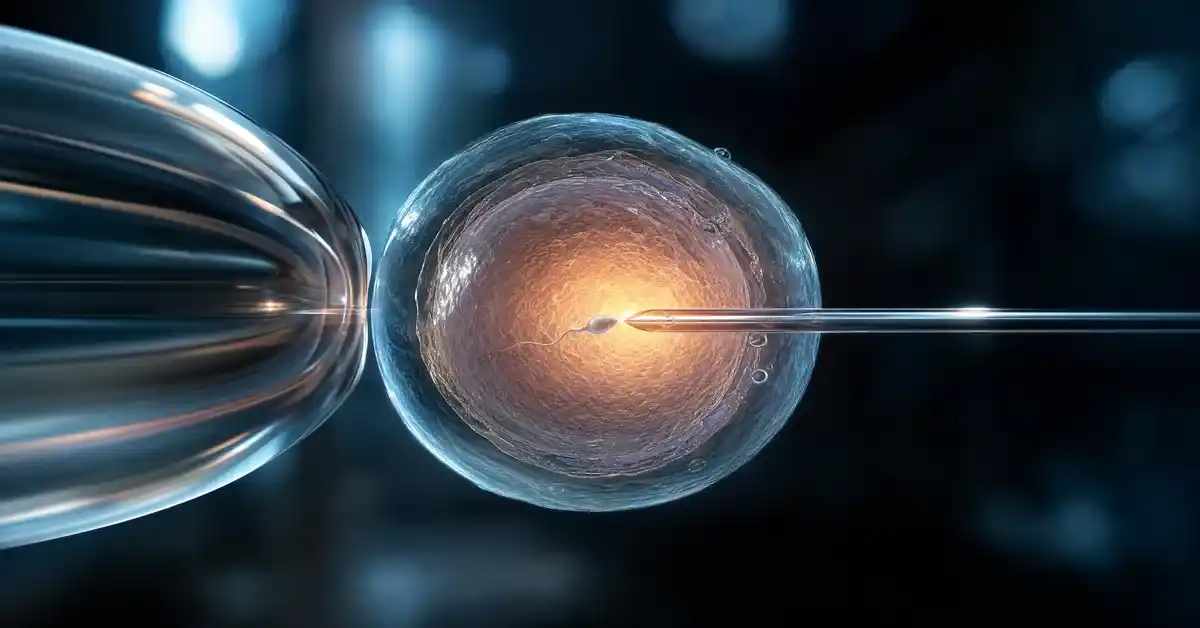
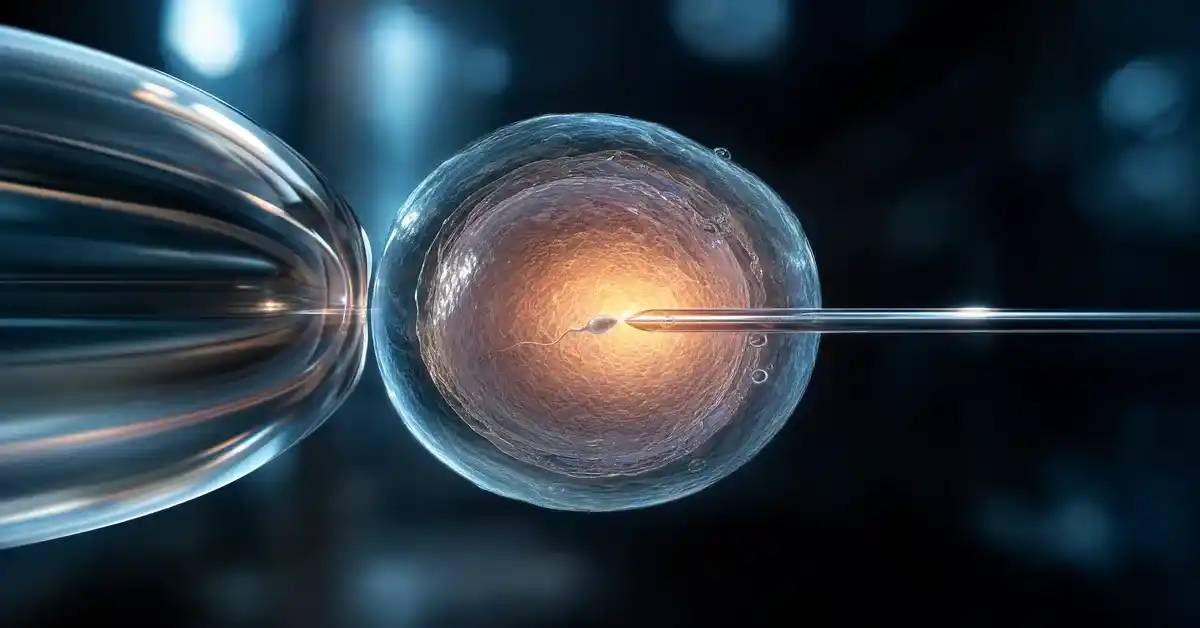
Delayed pregnancy is one of the most emotionally and psychologically challenging issues facing couples worldwide, casting a shadow over their family stability and affecting their quality of life. When natural attempts do not succeed, hope emerges in assisted reproductive technologies, chief among them Intracytoplasmic Sperm Injection (ICSI), which has become a beacon of hope for millions of families dreaming of hearing the words "father" or "mother".
Making the decision to undergo the ICSI journey is not easy; it requires a deep understanding of the medical condition, precise knowledge of the steps and challenges, and full awareness of the available opportunities and potential risks. This decision represents a turning point in the couple's life, promising them a real chance to achieve the dream of parenthood.
In this comprehensive guide, we will elaborate on everything related to the ICSI process, from its modern steps to the factors that increase its success rate, to new techniques and costs. At Safemedigo, we aim to provide you with all the information you need to make an informed decision about your journey towards achieving the dream of a family.
Modern ICSI Steps
The modern ICSI procedure steps are a precise and organized process aimed at maximizing the chances of pregnancy. The journey begins with a series of preparatory and therapeutic procedures conducted under the supervision of a specialized medical team. Each step is carefully designed to ensure the best results, from stimulating the ovaries to produce a sufficient number of eggs, to selecting the best embryos for transfer to the uterus and monitoring the pregnancy thereafter.
Ovulation stimulation for ICSI
The first actual step of ICSI begins with the ovulation stimulation phase. In this stage, the woman is given hormonal medications (usually by injection) to stimulate the ovaries to produce a large number of mature eggs in a single menstrual cycle, instead of just one egg as occurs naturally. The response of the ovaries is closely monitored through blood tests and ultrasound scans to determine the optimal time for egg retrieval. This step is crucial as it increases the number of potential embryos, thereby raising the ICSI success rate.
Choosing embryos for ICSI
After egg retrieval and fertilization with sperm in the laboratory, another critical phase begins: choosing the right embryos for ICSI. The embryos are left to grow in a special laboratory environment for 3 to 5 days, during which embryologists monitor their division and morphology. The best quality embryos are selected based on precise morphological criteria. In some cases, Preimplantation Genetic Testing (PGT) techniques can be used to rule out embryos with chromosomal abnormalities, increasing the chances of a healthy embryo implanting and the pregnancy continuing.
Pregnancy monitoring after ICSI
After the embryos are transferred to the uterus, the waiting period begins. About 10 to 14 days later, a blood test is performed to measure the level of the pregnancy hormone (hCG) and confirm pregnancy. If the result is positive, the pregnancy monitoring after ICSI phase begins. This follow-up is more intensive in the first few weeks, with early ultrasound scans performed to confirm the presence of the gestational sac and fetal heartbeat. After that, the pregnancy can proceed normally like any other, with adherence to the doctor's instructions and regular follow-ups.
Read about: Key Steps for ICSI Success: Expert Fertility Tips to Improve Outcomes
ICSI Success Rate
The ICSI success rate is one of the most pressing questions for couples embarking on this journey. It is important to understand that the success rate is not a fixed number but varies depending on a wide range of factors. Global success rates range from 30% to 50% per treatment cycle, but these figures can increase or decrease significantly based on the individual circumstances of each case and the techniques used at the medical center.
Factors affecting success rate
The ICSI success rate is influenced by several key factors, the most important of which are:
- Woman's age: The woman's age is the most influential factor, as the quality and quantity of eggs naturally decline with age, especially after 35.
- Sperm and egg quality: The quality of the gametes plays a crucial role in forming healthy embryos.
- Cause of infertility: Some causes of infertility may be more complex and affect the chances of success.
- Uterine health: The uterine lining must be healthy and receptive to the embryo.
- Experience of the medical center and team: The expertise of the doctors and the laboratory techniques play a major role in the outcomes.
Advanced ICSI success techniques
Fortunately, there are many advanced ICSI success techniques that significantly help improve outcomes. These include:
- Preimplantation Genetic Testing (PGT): Helps in selecting only chromosomally normal embryos.
- Time-Lapse Technology: Allows for round-the-clock monitoring of embryo development without removing them from the incubator.
- Calcium Ionophore Activation: A technique that helps improve fertilization rates in cases of severe male infertility.
Read about: ICSI After Failed IVF: Does It Offer Higher Chances of Success
ICSI Cost
Turkey has become a leading destination for fertility treatments thanks to its high-quality medical services and competitive prices. The ICSI cost in Turkey is significantly lower compared to many European countries and the United States, while maintaining world-class quality standards. This balance between cost and quality has made ICSI in Turkey an attractive option for many couples around the world.
Price comparison between clinics
The cost of ICSI varies from one center to another within Turkey based on several factors, including the center's reputation, the experience of the medical team, the techniques used, and the additional services included in the treatment package. When comparing prices, it is important not to focus only on the number, but on what the cost includes. Some centers offer comprehensive packages that cover medications, tests, and procedures, while others may have additional costs. Therefore, a detailed and transparent price quote should be requested.
Cost versus success rate
When evaluating the ICSI cost, it is wise to link it to the center's success rate. A center may be slightly cheaper but use older techniques or have lower success rates, which could lead to the need for repeated attempts and thus increase the overall cost. Investing in a center with a high success rate and modern techniques may be more cost-effective in the long run. Choosing one of the best ICSI clinics ensures you get the best value for your investment in the dream of parenthood.
Read about: ICSI Cost in Turkey 2026: Main Factors Affecting Fertility Treatment Pricing
Preparation Before ICSI
Preparation before ICSI is an integral part of the process's success. This stage is not limited to medical procedures but also includes adopting a healthy lifestyle and preparing mentally and physically for the journey ahead. Adhering to the doctor's instructions during this period can improve the quality of eggs and sperm and prepare the uterus to receive the embryo, thus increasing the chances of success.
Nutritional and health tips before ICSI
It is advisable to follow a healthy, balanced diet rich in fruits, vegetables, lean proteins, and whole grains. It is also important to take prenatal vitamins containing folic acid. Smoking, alcohol, and excessive caffeine should be avoided, a healthy weight should be maintained, and exercise should be done regularly but in moderation. These post-ICSI tips and pre-ICSI preparations help create an ideal environment for pregnancy.
Necessary medical tests before procedure
Before starting the ICSI cycle, the doctor will request a series of medical tests for both partners to fully assess the situation. These tests include:
- Blood tests to assess hormone levels and ovarian reserve.
- Semen analysis to evaluate sperm count, morphology, and motility.
- Screening for infectious diseases for both partners.
- An ultrasound scan to assess the health of the uterus and ovaries.

Modern ICSI Techniques
The field of infertility treatment is constantly evolving, and new ICSI techniques are always emerging to improve outcomes and increase success rates. These techniques focus on the finest details of the fertilization process and embryo development, giving hope to cases that were considered difficult in the past. The use of these techniques reflects the advancement of the medical center you choose.
Using microscopes and advanced tools
The ICSI process relies heavily on precision. Microscopes with immense magnification power (IMSI) are used to select the best sperm in terms of morphology and motility to be injected directly into the egg. Extremely fine tools and microscopic glass needles controlled by specialized devices are also used to ensure no damage is done to the egg during the injection process. These modern tools are the foundation of the success of the IVF ICSI procedure.
IVF ICSI procedure methods
Intracytoplasmic Sperm Injection (ICSI) is essentially an advanced form of In Vitro Fertilization (IVF). In traditional IVF, the sperm are placed with the egg in a laboratory dish and left to fertilize it naturally. In ICSI, this step is bypassed, and a single sperm is injected directly into the egg. This technique is particularly useful in cases of severe male infertility. Therefore, the IVF ICSI procedure methods are the same, but ICSI provides a more targeted and precise solution.
Read about: Latest ICSI Protocols to Improve Fertility Success
ICSI for Twin Pregnancy
Some couples seek ICSI for twin pregnancy, which is a possible outcome in fertility treatments. This usually happens as a result of transferring more than one embryo to the uterus to increase the chances of at least one embryo implanting. However, it is important to understand that a twin pregnancy carries a set of risks and benefits that must be carefully discussed with the doctor.
Risks and benefits
The obvious benefit is achieving the dream of having two children in one pregnancy. As for the risks, they include an increased likelihood of premature birth, low birth weight, gestational hypertension (preeclampsia), and gestational diabetes. These risks require more careful medical monitoring and special care during pregnancy to ensure the health of the mother and twins.
Medical follow-up tips during pregnancy
In the case of a twin pregnancy, medical follow-up will be more frequent. Regular ultrasound scans will be performed to monitor the growth and health of the embryos. The mother may need more visits to the doctor, and possibly a consultation with a maternal-fetal medicine specialist. Adequate rest, proper nutrition, and strict adherence to the doctor's instructions are vital for a safe pregnancy.
Read about: IVF Preparation Steps: Hormonal Tests and Analysis Guide
ICSI Side Effects
Like any medical procedure, the ICSI process may be accompanied by some side effects. Most of these symptoms are mild and temporary, but it is important to be aware of them to manage them correctly and inform your doctor if any concerning symptoms appear. Prior knowledge helps reduce anxiety and makes the experience less stressful.
Potential complications after procedure
Common side effects of ovulation-stimulating drugs include bloating, mood swings, headaches, and mild abdominal pain. A rare but serious complication is Ovarian Hyperstimulation Syndrome (OHSS), which requires medical intervention. After egg retrieval, you may feel some cramping or light bleeding. It is important to know that there are options for a nearly painless ICSI using appropriate anesthesia.
How to manage side effects
To manage mild symptoms, rest and plenty of fluids are recommended. Simple pain relievers like paracetamol can be used after consulting your doctor. In case of severe symptoms such as sharp abdominal pain, rapid weight gain, or difficulty breathing, you should contact your doctor immediately. Constant communication with your medical team is the key to safety during this period.
Read about: IVF Cost Success: Turkey vs USA
Best ICSI Clinics
Choosing the right medical center is one of the most important decisions you will make on your ICSI journey. The best ICSI clinics are distinguished not only by their high success rates but also by the quality of care they provide, the modern techniques they use, and the experience of their medical team. Careful research and proper evaluation will ensure you get the best possible chance of success.
Features of advanced medical centers
Advanced centers feature state-of-the-art embryology labs equipped with the latest technologies, such as Time-Lapse incubators and Preimplantation Genetic Testing. They also have multidisciplinary medical teams including fertility doctors, embryologists, and specialized nurses. Transparency in presenting success rates and costs, and providing psychological support to patients are also hallmarks of leading centers. These features make the experience of ICSI for women over 40 and other cases safer and more successful.
Evaluating doctors and techniques used
When evaluating a center, look for the doctors' experience and qualifications. Do they have a subspecialty in infertility treatment? How many ICSI cases do they perform annually? Ask about the techniques they use routinely.
Read about: IVF Protocols: Turkey vs Germany
Post-ICSI Tips
The stage following embryo transfer is no less important than the steps that preceded it. The "two-week wait" is the most psychologically challenging period. Following some post-ICSI tips can help support the chances of embryo implantation and make this period calmer and more comfortable, paving the way for a positive outcome.
Home care after procedure
After the embryo transfer procedure, it is advisable to rest for the remainder of the day. In the following days, you can return to your light daily activities, but you should avoid strenuous physical exertion, heavy lifting, and vigorous exercise. Continue to take the medications prescribed by your doctor (usually progesterone) to support the uterine lining. Try to relax and avoid stress as much as possible.
Follow-up tests and monitoring
As mentioned, the blood pregnancy test is performed about two weeks after embryo transfer. It is important not to take home pregnancy tests early as they can give inaccurate results. If the result is positive, your doctor will schedule the necessary tests to monitor the development of the pregnancy. If the result is negative, do not lose hope. Your doctor will review the treatment cycle with you and discuss the next steps.
Read about:IVF After 50: Pregnancy Chances and Important Advice
Conclusion
ICSI represents an effective and reliable solution for couples facing challenges in conceiving, opening the door of hope to achieve the dream of a family. Making the decision to undergo this journey is a big step towards achieving parenthood. By understanding the modern steps, the available techniques to increase success rates, and preparing well, you can achieve excellent results.
Success in this journey depends on a strong partnership between you and your medical team. Knowledge and good preparation are the keys to confidence and success. Don't let delayed pregnancy control your life anymore.
Are you ready to take the first step towards achieving the dream of parenthood? Contact our expert team at Safemedigo today via WhatsApp for a personal consultation and a comprehensive evaluation of your case. We are here to help you every step of the way.
Frequently Asked Questions: Modern ICSI Steps to Increase Pregnancy Success Rates
What is the Success Rate of ICSI on the First Try?
The success rate depends greatly on the woman's age, embryo quality, and other factors, but it generally ranges between 30% and 50% in advanced centers. Good preparation and choosing the right center increase these chances.
Is the ICSI Procedure Painful?
Most ICSI steps are painless. The egg retrieval process is performed under light anesthesia, so you will not feel any pain during it. The embryo transfer process is similar to a regular gynecological examination and is completely painless.
How Long Does a Complete ICSI Cycle Take?
The complete cycle from the beginning of stimulation medications to the pregnancy test takes approximately 4 to 6 weeks. This period requires commitment to appointments and prescribed medications.
Can You Choose the Baby's Gender in ICSI?
Yes, you can determine the baby's gender through preimplantation genetic testing (PGT) before transferring the embryos to the uterus. This technique is available in many advanced centers and is performed with high accuracy.
What is the Main Difference Between IVF and ICSI?
The main difference lies in the fertilization method. In IVF (in vitro fertilization), sperm are left to fertilize the egg naturally in a laboratory dish. In ICSI (intracytoplasmic sperm injection), a single sperm is injected directly into the egg, making it the best option for male factor infertility cases.