









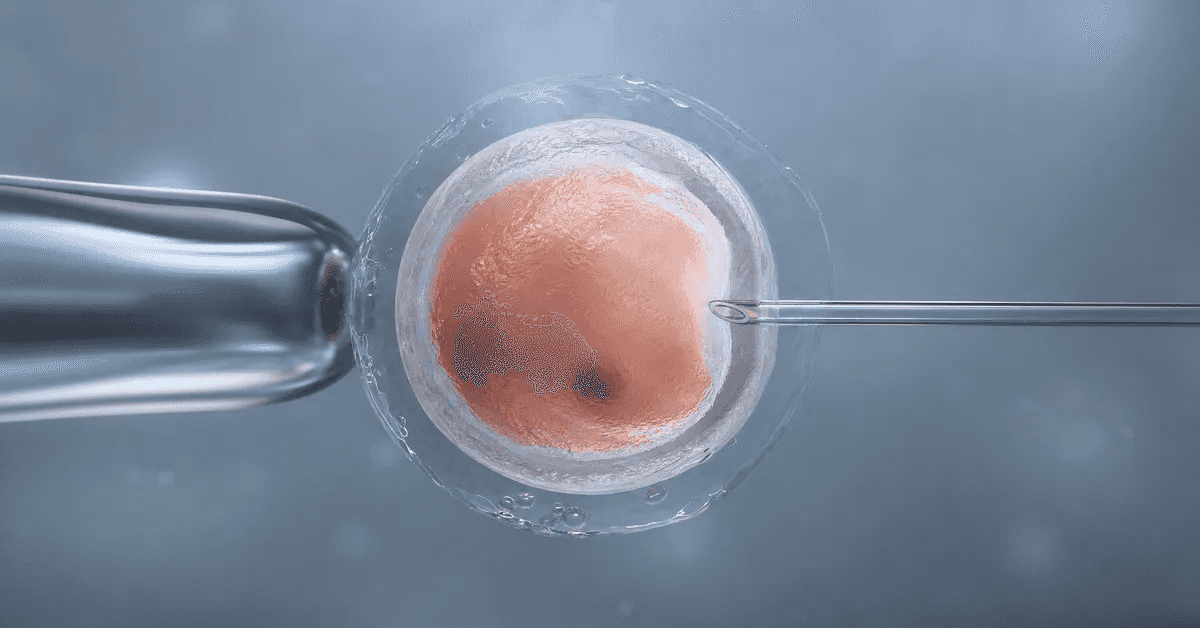
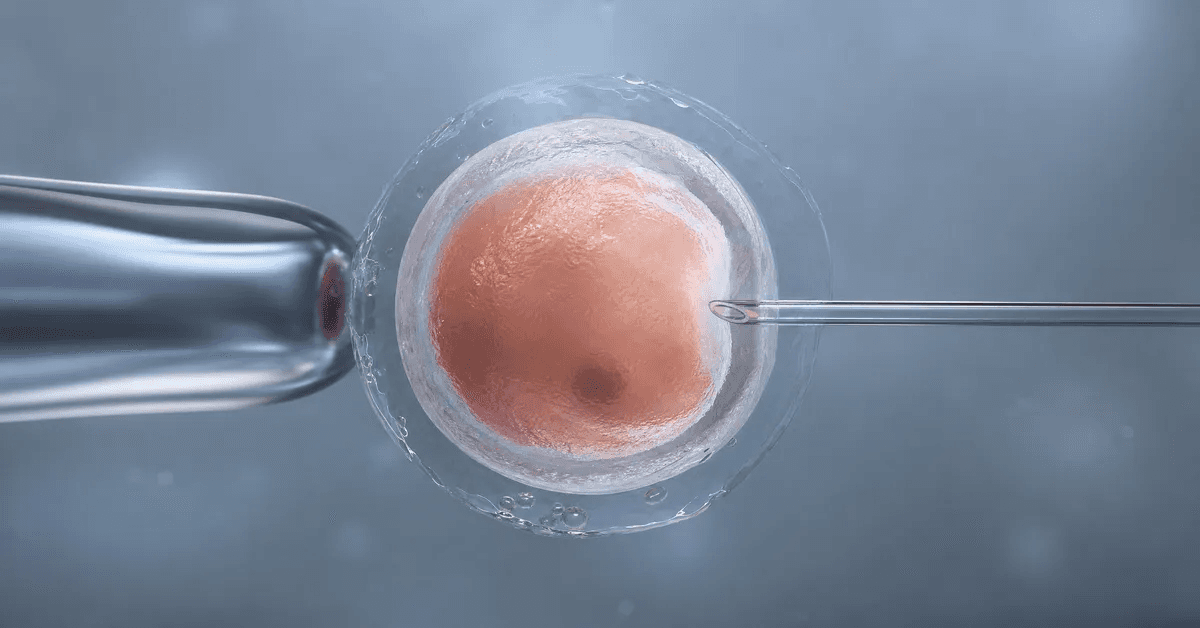
The dream of motherhood is a timeless, powerful desire that knows no age. With breathtaking medical advancements, age is no longer the definitive barrier it once was. IVF after 50 opens a new window of hope, transforming what was once considered impossible into a tangible reality. The concept of pregnancy at an advanced age with IVF is no longer a fantasy but an emotional and scientific journey many are bravely and optimistically undertaking. This revolutionary technology offers a precious opportunity to fulfill the dream of motherhood, even after the chances of pregnancy after 50 naturally begin to diminish significantly.
Deciding to undergo IVF treatment over 50 is a decision that requires a deep understanding of both the opportunities and the challenges. At Safemedigo, we fully recognize the emotional and physical dimensions of this unique journey. Therefore, we are committed to providing a comprehensive guide that illuminates the path for anyone considering this option. In this article, we will explore the IVF success rate after 50, offer crucial advice, and discuss everything related to this experience, empowering you with the knowledge and confidence to take the next step toward your dream.
IVF after 50
IVF success after age 50
The success of IVF after age 50 is heavily dependent on several factors, the most critical being egg quality. As a woman ages, her ovarian reserve and egg quality naturally decline. Therefore, using frozen eggs that were preserved at a younger age is the most realistic and successful option for achieving pregnancy. When using these high-quality eggs, success rates can be comparable to those of younger women, making the dream of motherhood a viable and tangible possibility.
IVF for women over 50
There are stringent conditions for IVF for women over 50 to ensure the safety of both the mother and the baby. The woman must be in excellent overall health, with no serious chronic diseases such as heart conditions or uncontrolled diabetes. A thorough medical evaluation is conducted, including an assessment of uterine, cardiovascular, and overall health. Psychological stability and strong social support are also important factors that doctors consider before approving the procedure.
Best age for IVF treatment
While there is no single "magic age," the best age for IVF treatment is generally considered to be in a woman's 20s and 30s, when egg quality is at its peak. However, the question is not just about age but about overall reproductive health. For older women, especially those considering IVF after 50, using eggs that were frozen at a younger age becomes the most realistic and successful option for achieving pregnancy.
Read about: IVF Success Rates by Age: What You Need to Understand
Chances of pregnancy after 50
IVF success rate after 50
The IVF success rate after 50 is directly influenced by the source of the eggs. When using a woman's own eggs at this age, the rate is very low, potentially not exceeding 1-2% per cycle. However, when using frozen eggs preserved at a younger age, the success rate increases dramatically, reaching 50% or more per embryo transfer. This completely changes the equation and offers genuine hope.
Getting pregnant after 50 with IVF
Getting pregnant after 50 with IVF makes the impossible possible. Using assisted reproductive technologies, especially with high-quality frozen eggs, a woman can carry and deliver a healthy baby even after menopause. This requires careful preparation of the uterus with hormonal treatments to make it receptive to the embryo, as well as intensive medical monitoring throughout the pregnancy to ensure a safe pregnancy after 50.
Pregnancy at advanced age IVF
A pregnancy at an advanced age through IVF is a testament to modern medicine. It allows women to experience motherhood later in life. The process involves meticulous planning and a dedicated medical team. The focus is not only on achieving pregnancy but also on maintaining the health of the mother and baby throughout the nine months, managing any potential age-related complications proactively.
Read about: ICSI Success Rates After 40: Everything You Should Know
Risks of IVF after 50
IVF risks after 50
The IVF risks after 50 are similar to the general risks of pregnancy at this age. There is an increased likelihood of complications such as gestational diabetes, high blood pressure (preeclampsia), and the need for a Cesarean section. There is also a higher risk of premature birth and low birth weight. Therefore, close monitoring by a specialized medical team is essential to manage these risks.
IVF failure after 50
IVF failure after 50 can occur for several reasons. If a woman's own eggs are used, the most common cause is poor egg quality leading to non-viable embryos. Even with high-quality frozen eggs, implantation failure can occur, or the mother's health issues might prevent the pregnancy from continuing. Thorough preparation and a comprehensive health assessment can reduce the chances of failure.
Menopause IVF pregnancy
A menopause IVF pregnancy presents a unique challenge, as the ovaries have stopped producing eggs and the hormones necessary for pregnancy. However, the uterus remains capable of carrying a fetus. Through hormone replacement therapy, the uterine lining can be prepared to receive an embryo created from a previously frozen egg. This opens the door to the possibility of pregnancy even years after menopause has occurred.
Read about: Key Steps for ICSI Success: Expert Fertility Tips to Improve Outcomes
Important advice for IVF after 50
Safe pregnancy after 50
To ensure a safe pregnancy after 50, medical supervision must be your top priority. You will need frequent visits to the doctor to monitor blood pressure, sugar levels, and the baby's health. Your doctor may recommend additional tests to detect any potential complications early. Adhering to your doctor's instructions is the key to a safe and successful pregnancy journey.
Fertility treatment after 50
Fertility treatment after 50 almost exclusively involves the use of eggs frozen at a younger age. The focus shifts from stimulating the ovaries to preparing the uterus. This involves a course of estrogen and progesterone to create a receptive uterine environment for the embryo. The health of the woman is paramount, and a full medical workup is mandatory before starting any treatment.
Medical preparation for IVF
Medical preparation for IVF after 50 typically involves hormone therapy with estrogen and progesterone. These hormones work to prepare the uterine lining, making it thick and receptive to the embryo, just as it would in a natural cycle. The response of the uterine lining is closely monitored through ultrasound before scheduling the embryo transfer.

IVF treatment options for women over 50
IVF with frozen eggs over 50
IVF with frozen eggs preserved at a younger age is the most viable and successful path to pregnancy for women over 50. It involves fertilizing these high-quality eggs with sperm from the partner . The resulting embryo is then transferred to the recipient's uterus. This approach bypasses the issue of declining egg quality and offers a significantly higher chance of success.
Read about: Modern ICSI Steps to Improve Fertility Success
Late age pregnancy IVF
Late age pregnancy IVF has become a reality for many. The process is carefully managed to mitigate risks associated with advanced maternal age. This includes comprehensive screening of the mother's health, meticulous preparation of the uterus, and high-risk obstetric care throughout the pregnancy to ensure the best possible outcome for both mother and child.
IVF treatment over 50
The protocol for IVF treatment over 50 is tailored to the individual's health status. It focuses on creating an optimal uterine environment and ensuring the mother is physically prepared for the demands of pregnancy. The emotional and psychological aspects are also addressed, with counseling and support groups often recommended as part of the treatment plan.
Read about: ICSI After Failed IVF: Does It Offer Higher Chances of Success
IVF success factors after 50
IVF success after age 50
Beyond egg quality, other factors influence IVF success after age 50. These include the health of the uterus, the overall health of the mother, lifestyle factors (such as smoking and weight), the quality of the partner's sperm, and the expertise of the fertility clinic. Addressing all these factors comprehensively can maximize the chances of achieving a healthy and successful pregnancy.
Chances of pregnancy after 50
While the natural chances of pregnancy after 50 are nearly zero, IVF with high-quality frozen eggs dramatically changes the outlook. Success rates can be high, but it's important to have realistic expectations. Success is not guaranteed in any single cycle, and sometimes multiple attempts are needed. A thorough discussion with a fertility specialist will provide a personalized assessment of your chances.
Read about: Essential Pre-ICSI Tests: Why They Are Crucial for Fertility Treatment Success
Advanced age fertility factors
Advanced age fertility factors primarily revolve around oocyte (egg) quality and quantity. However, the uterine environment and overall systemic health also play a crucial role. Conditions like fibroids, polyps, or a thin uterine lining can affect implantation. A comprehensive evaluation is necessary to identify and address any factors that could hinder a successful pregnancy.
Read about: ICSI Cost in Turkey 2026: Main Factors Affecting Fertility Treatment Pricing
IVF cost and procedures after 50
IVF cost after 50
The IVF cost after 50 can be substantial, especially when considering the costs of previous egg freezing and subsequent use. Costs typically include the IVF cycle fee itself, hormonal medications, medical screenings, and fees for thawing and transferring the embryos. It is important to discuss all potential costs with the fertility clinic upfront to get a clear financial picture.
IVF treatment timeline
A full treatment cycle usually takes 4 to 6 weeks, from preparing the uterine lining to the pregnancy test. After a confirmed pregnancy, the phase of intensive medical follow-up begins. You will need regular visits to your obstetrician, and possibly a maternal-fetal medicine specialist, to closely monitor your health and the baby's development throughout the pregnancy.
Choosing an IVF clinic after 50
Choosing the right clinic is crucial to the success of your journey. Look for a center with extensive experience in treating older women and a successful program for using frozen eggs. Ensure the clinic has a good reputation, offers psychological support, and communicates transparently about success rates and costs. Feeling comfortable and confident with your medical team is invaluable.
Read about: Latest ICSI Protocols to Improve Fertility Success
Conclusion
In conclusion, IVF after 50 stands as a remarkable testament to the power of science and its ability to fulfill dreams. Despite the potential challenges and risks, the chances of pregnancy become real and achievable, especially with the use of frozen eggs preserved at a younger age and a commitment to meticulous medical care. It is a journey that requires courage, patience, and preparation, but the reward—the joy of motherhood—is immeasurable. Age is no longer a final verdict on the dream of starting a family.
Taking this step is a deeply personal decision, and at Safemedigo, we are here to support you with the expertise, compassion, and information you need. We believe every woman deserves the chance to explore her options for motherhood. If you feel inspired to begin a new chapter in your life, we invite you to learn more about how we can help you achieve this dream. To discuss your personal journey, you can contact Safemedigo via WhatsApp.
Frequently Asked Questions: ICSI After Age 50: Pregnancy Chances and Important Tips
Is Pregnancy Possible After Menopause?
Yes, pregnancy is possible after menopause using ICSI technology with frozen eggs that were preserved at a younger age. The uterus is prepared hormonally to receive the embryo, making pregnancy possible even if the ovaries have stopped functioning.
What is the Biggest Obstacle to Pregnancy After Age 50?
The biggest obstacle is the sharp decline in the quality and quantity of available eggs at this age. This is why using frozen eggs that were preserved at a younger age is the most successful option and is strongly recommended.
How Long Should I Wait Between ICSI Attempts?
Doctors typically recommend waiting at least one menstrual cycle (or 4-6 weeks) between attempts to allow the body to recover and prepare for the next cycle, especially if hormonal stimulation is needed.
Can a Man Also Be Too Old for ICSI?
While men continue to produce sperm throughout their lives, sperm quality can decline with age, which may affect fertilization success rates and fetal health. Additional sperm testing may be recommended.