









In today's fast-paced world, modern egg freezing techniques have emerged as a beacon of hope for many women seeking to preserve their fertility for medical or social reasons. Egg freezing is no longer just a complex medical procedure; it has become a strategic choice that empowers women to take control of their reproductive future. With the continuous advancement of science, these techniques have evolved significantly, leading to higher egg freezing success rates and greatly improving the chances of pregnancy compared to previous years.
At Safemedigo, we understand the profound importance of this decision in every woman's life. Therefore, we are dedicated to guiding you to the best medical centers that utilize the latest vitrification egg freezing technology, providing comprehensive care that ensures your physical and emotional comfort. We are here to accompany you every step of the way, from the initial consultation until you achieve your dream of motherhood at the time you choose.
Egg Freezing: What It Is and How It Works
Egg Freezing
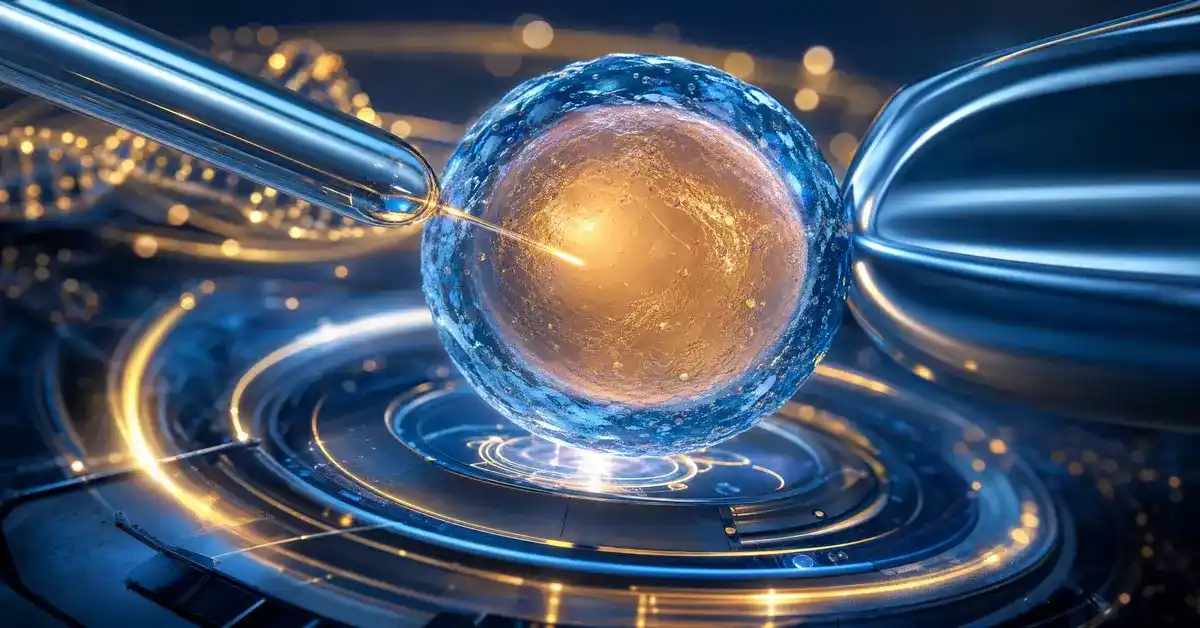
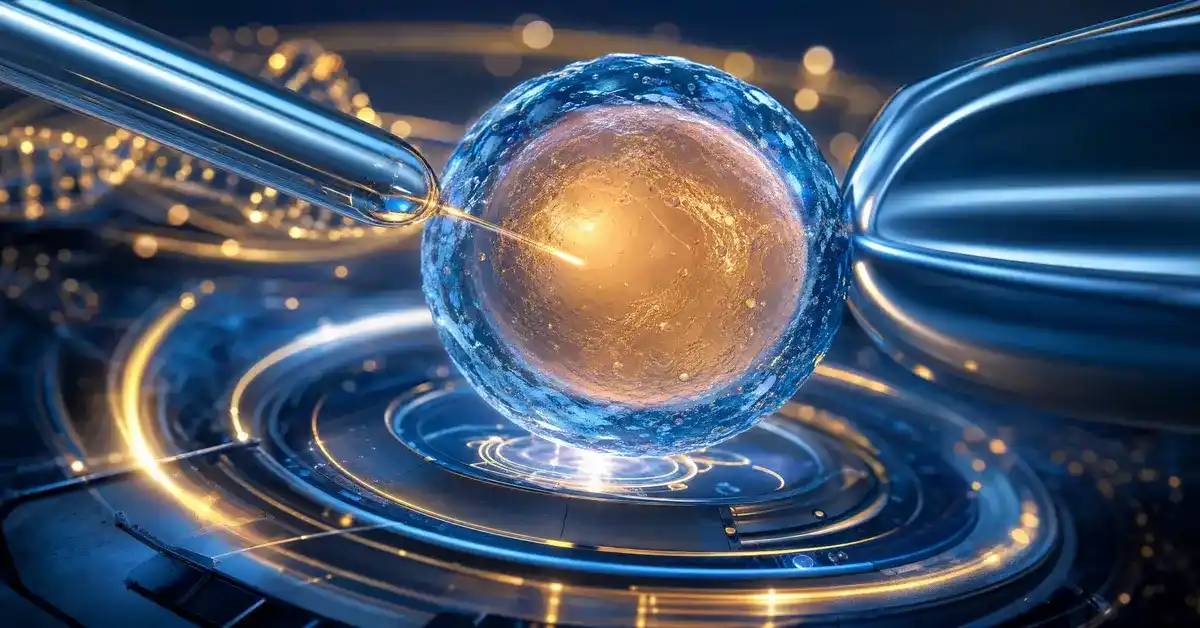
Egg freezing, also known as oocyte cryopreservation, is a medical procedure designed to extract a woman's eggs, freeze them, and store them for future use. This process is an effective method for egg preservation, as it pauses the biological clock of the eggs at the moment of freezing, maintaining their quality and viability until the woman decides to use them later in an IVF cycle.
Egg Retrieval Process
The egg retrieval process begins with a comprehensive fertility assessment, including blood tests and ultrasounds. Following this, the woman undergoes ovarian stimulation using hormonal medications to produce multiple eggs in a single cycle. The growth of the eggs is carefully monitored, and once mature, they are extracted through a minor surgical procedure under local anesthesia. Finally, the eggs are transferred to the laboratory for freezing and storage in liquid nitrogen.
Slow Freezing vs Vitrification Egg Survival
Historically, slow freezing was the standard method, but it sometimes led to the formation of ice crystals that could damage the egg. Today, vitrification egg freezing is considered the gold standard. When comparing slow freezing vs vitrification egg survival, vitrification completely prevents the formation of ice crystals, thereby preserving the integrity of the egg and significantly increasing its survival rate after thawing.
Read about: Egg Freezing for Single Women: Future Pregnancy Options
Ideal Candidates for Egg Preservation
Optimal Age for Egg Freezing
The optimal age for egg freezing is a crucial factor in the success of the procedure. Doctors generally recommend egg freezing in the late twenties or early thirties, when eggs are at their highest quality and quantity. The younger the age at freezing, the higher the chances of a future pregnancy, as egg quality naturally declines with age.
Egg Freezing After Cancer Treatment
Women facing medical treatments that may affect fertility, such as chemotherapy or radiation, are prime candidates for this procedure. Egg freezing after cancer treatment requires rapid coordination with the oncologist and fertility specialist to perform the egg retrieval process before treatment begins, ensuring the preservation of healthy eggs unaffected by strong medications.
Egg Freezing for Social Reasons
In addition to medical reasons, many women opt for egg preservation for social reasons. This could be due to a desire to focus on their career, a delay in finding the right partner, or a lack of emotional and financial readiness for motherhood at the present time. Egg freezing for social reasons provides women with greater flexibility in planning their lives without the anxiety of declining fertility.
Read about: Egg Freezing Before Chemotherapy: Safe Fertility Option
Modern Egg Freezing Techniques
Vitrification Egg Freezing
Vitrification egg freezing has revolutionized the field of fertility preservation. This technique relies on ultra-rapid cooling of the eggs using special solutions that prevent water crystallization within the cell. This method ensures the preservation of the egg's delicate structure, raising the egg freezing success rate and making it comparable to the success rates of using fresh eggs in IVF procedures.
Fertility Preservation Techniques in Modern Methods
Fertility preservation techniques in modern methods involve advanced ovarian stimulation protocols tailored to each patient to ensure an optimal response while minimizing the risk of ovarian hyperstimulation syndrome. The response is closely monitored via ultrasound to ensure the extraction of mature, high-quality eggs.
Read about: Egg Freezing: Steps and Top Tips for Women
Pregnancy Chances After Egg Freezing
Risks of Egg Freezing for Women Over 35
Age at the time of freezing plays a pivotal role in determining pregnancy chances. The risks of egg freezing for women over 35 include a lower yield of high-quality eggs and a reduced overall success rate compared to younger women. However, the egg retains its age at the time of freezing, meaning a woman who uses her frozen eggs later will have pregnancy chances equivalent to her age when she froze them.
How Many Eggs Should You Freeze for a Future Pregnancy
A common question is how many eggs should you freeze for a future pregnancy. The answer depends largely on the woman's age at the time of freezing. Generally, doctors recommend freezing 15 to 20 eggs for women under 35 to secure a high probability of at least one live birth. For women over 35, a higher number of eggs may be required to achieve the same probability.
Read about: Egg Freezing Steps: Turkey vs Germany
Risks and Complications of Egg Freezing
Thawing Frozen Eggs and IVF Outcomes
Despite technological advancements, there are some risks associated with egg freezing. One of the main concerns is the possibility that not all eggs will survive the thawing process. However, the use of vitrification egg freezing has significantly mitigated these risks, with survival rates often exceeding 90% in advanced centers, leading to positive thawing frozen eggs and IVF outcomes.
Egg Preservation
Other risks related to egg preservation involve the ovarian stimulation phase, which may cause some discomfort, bloating, and in rare cases, ovarian hyperstimulation syndrome. Regarding long-term effects on children born from frozen eggs, current studies indicate no increase in the rates of congenital anomalies compared to natural conception or traditional IVF.

Egg Freezing Cost and Clinics
Egg Freezing Cost
The egg freezing cost varies based on several factors, including the medical center, the techniques used, and the number of stimulation cycles required. Generally, the egg freezing cost in regions like Turkey and the Middle East is competitive and affordable compared to European and American countries, while maintaining the highest standards of medical quality and utilizing the latest technologies.
Choosing the Best Egg Freezing Clinic
Choosing the best egg freezing clinic is a critical step to ensure the success of the procedure. The best clinics feature advanced embryology laboratories and a medical team with extensive experience in vitrification egg freezing. At Safemedigo, we assist you in accessing these prestigious centers to ensure you receive the best possible care.
Read about: IVF Success Rates by Age: What You Need to Understand
Ethical and Legal Considerations in Egg Freezing
Ethical Issues in Egg Freezing
Fertility preservation techniques raise some ethical and legal questions, particularly regarding the duration of storage and the fate of unused eggs. Ethical issues in egg freezing are addressed by top clinics through strict protocols to ensure the confidentiality and safety of the samples, providing clear contracts that define the patient's rights and ensure ethical handling of the frozen eggs.
Egg Preservation
From a religious perspective, egg preservation aligns with the principles of preserving lineage and seeking medical treatment. Many religious authorities permit egg freezing for women, whether for medical or social reasons, provided that these eggs are later fertilized with sperm from the legal husband within a valid marriage, strictly adhering to guidelines that prevent the mixing of lineages.
Read about: ICSI Success Rates After 40: Everything You Should Know
Thawing Frozen Eggs and IVF
Oocyte Cryopreservation
The care of eggs undergoing oocyte cryopreservation requires advanced storage systems that rely on liquid nitrogen at extremely low temperatures. These systems are continuously monitored around the clock to ensure no malfunctions occur that could affect the quality of the eggs, ensuring they remain viable for use for many years.
Thawing Frozen Eggs and IVF Outcomes
When a woman decides to conceive, the phase of thawing frozen eggs and IVF begins. The eggs are carefully thawed, and then each healthy egg is injected with a single sperm using Intracytoplasmic Sperm Injection (ICSI). After the eggs are fertilized and develop into embryos, a healthy embryo is transferred to the woman's uterus to achieve pregnancy, aiming for successful thawing frozen eggs and IVF outcomes.
Read about:IVF After 50: Pregnancy Chances and Important Advice
Success Stories of Egg Freezing
Vitrification Egg Freezing
Clinics are filled with success stories of women who achieved their dream of motherhood years after freezing their eggs using vitrification egg freezing. These inspiring experiences confirm the effectiveness of this rapid freezing technique and provide hope to many women considering this step to preserve their fertility.
Egg Freezing Success Rate
The egg freezing success rate depends on multiple factors, most importantly the optimal age for egg freezing, the quality of the extracted eggs, and the efficiency of the embryology laboratory in the freezing and thawing processes. Additionally, the health of the uterus and its readiness to receive the embryo play a significant role in the success of the implantation and the continuation of the pregnancy.
Read about: ICSI Cost in Turkey 2026: Main Factors Affecting Fertility Treatment Pricing
Conclusion
Modern egg freezing techniques, particularly vitrification egg freezing, represent a medical breakthrough that gives women a real opportunity to preserve their fertility and secure their reproductive future. By understanding the egg retrieval process and choosing the right time and place, a woman can make an informed decision that enhances her chances of a future pregnancy.
At Safemedigo, we are committed to providing you with full support on this important journey. Our team is ready to guide you to the best clinics, ensuring you receive outstanding and safe medical care. Do not hesitate to take the first step towards securing your future; contact us today for a specialized consultation and start planning your reproductive life with confidence.
FAQ: Modern Egg Freezing Techniques: A Smart Choice to Preserve Fertility
Does egg freezing deplete my natural ovarian reserve?
No, the ovarian stimulation process for egg freezing only matures the eggs that would have naturally been lost during that menstrual cycle, and it does not decrease your future ovarian reserve.
How long can frozen eggs be stored?
Thanks to vitrification egg freezing technology, eggs can be kept frozen for many years, even decades, without their quality deteriorating or the egg freezing success rate decreasing.
Is the egg retrieval process painful?
The egg retrieval process is performed under local or light anesthesia, so it is not painful. A woman may feel some mild cramping after the procedure, which usually subsides quickly.
Does egg freezing guarantee a future pregnancy 100%?
While egg freezing significantly increases the chances of a future pregnancy, it does not guarantee pregnancy 100%, as success depends on several factors including egg quality and uterine health.
Are there any health differences in children born from frozen eggs?
Medical studies and research do not indicate any differences in the health or development of children born as a result of thawing frozen eggs and IVF compared to children conceived naturally.