









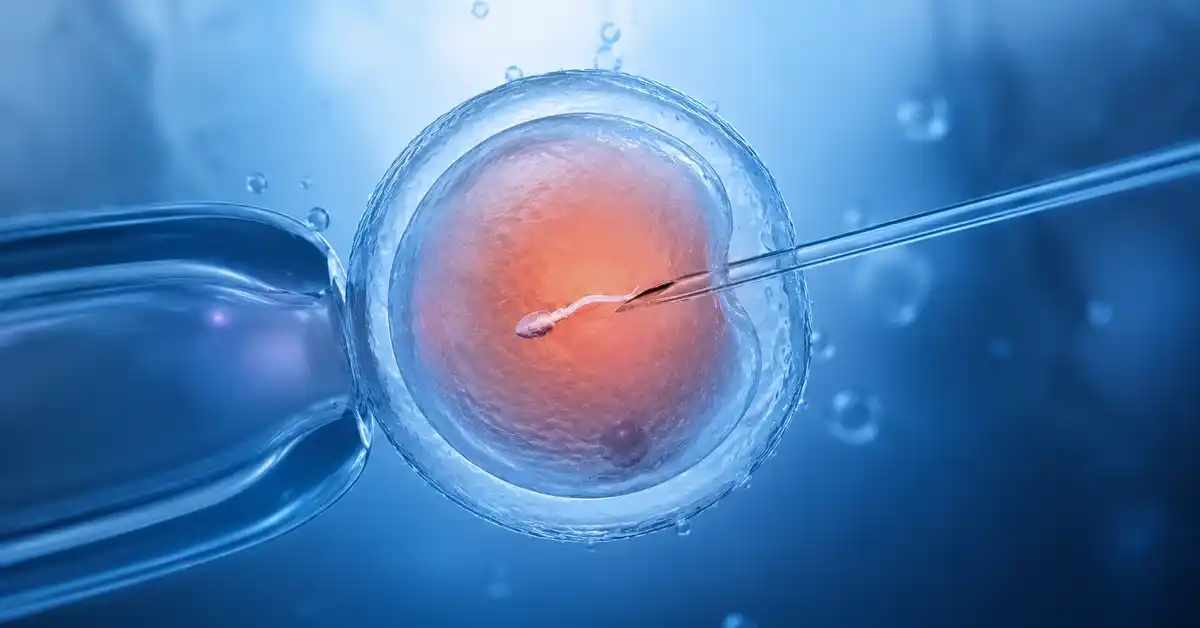
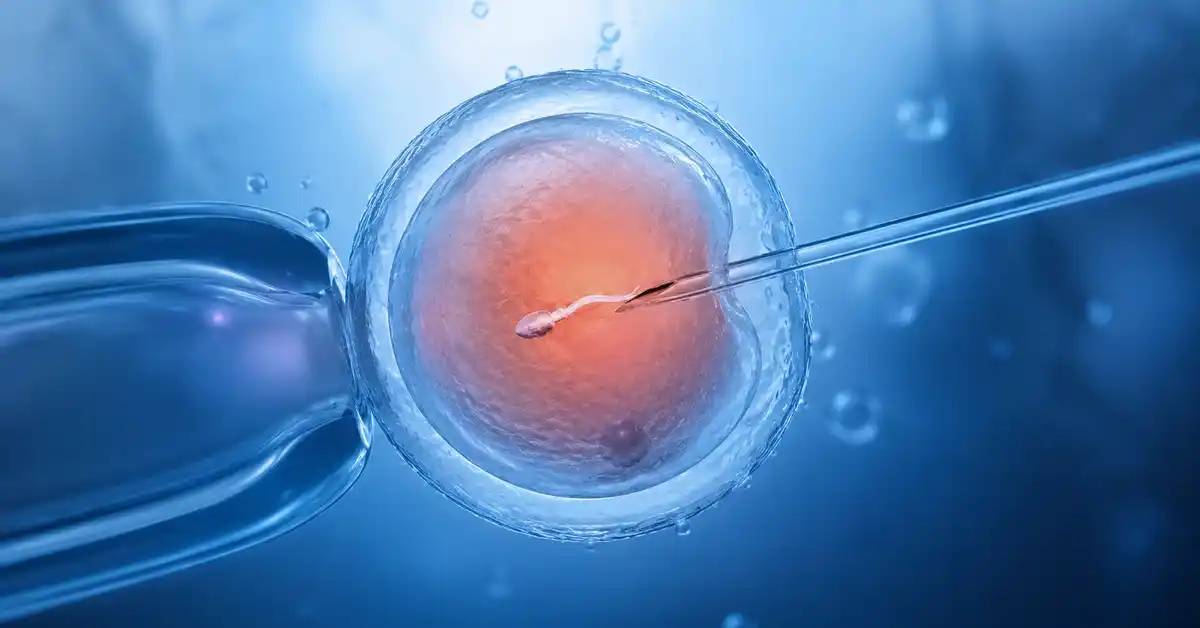
ICSI success rates after 40 are among the most important questions couples ask when considering fertility treatment at an advanced reproductive age. Intracytoplasmic sperm injection, known as ICSI, is an advanced laboratory technique in which one sperm is injected directly into a mature egg. It can be especially helpful when sperm quality is reduced, previous fertilization has failed, or the medical team wants more control over the fertilization step.
However, ICSI success after age 40 depends on more than the injection technique itself. Female age has a strong effect on egg quality, embryo development, implantation, miscarriage risk, and pregnancy success. This means that ICSI may help the sperm fertilize the egg, but it cannot completely reverse age-related changes in the eggs.
At Safemedigo, ICSI and advanced maternal age are explained with realistic medical guidance. The goal is to help couples understand their personal chances, not to rely on general promises. A woman aged 40 may have a different outlook from a woman aged 43 or 45, depending on ovarian reserve, egg number, embryo quality, uterine health, sperm analysis, and previous fertility history.
This article explains ICSI success rates after 40, factors affecting ICSI success after 40, ICSI failure reasons after 40, how to increase ICSI success after 40, pregnancy risks, treatment preparation, and how to choose the right fertility support.
Understanding ICSI Success Rates After 40
Understanding ICSI success rates after 40 requires a clear view of what ICSI can and cannot do. ICSI can improve the chance of fertilization when sperm has difficulty entering the egg naturally. It is commonly used in male factor infertility, previous failed fertilization, limited sperm samples, or selected cases where fertilization risk is high.
After 40, the main challenge is often not only fertilization. The bigger issue is usually egg quality. As maternal age increases, the chance of chromosomal abnormalities in eggs rises, and this may reduce embryo quality, lower implantation rates, and increase miscarriage risk. Therefore, ICSI pregnancy rates after 40 must be discussed carefully and personally.
ICSI success rate over 40 years varies from woman to woman. Some women may produce several mature eggs and usable embryos, while others may respond poorly to stimulation. The most accurate estimate comes from reviewing AMH, antral follicle count, previous ovarian response, semen analysis, uterine evaluation, and overall health.
ICSI success rates after 40 and the impact of age
ICSI success rates after 40 are strongly affected by maternal age. The age of the woman providing the eggs is one of the most important predictors of treatment outcome. ICSI can support fertilization by injecting sperm directly into the egg, but the resulting embryo still depends heavily on the biological quality of that egg.
Age may affect:
- Number of eggs retrieved.
- Percentage of mature eggs.
- Fertilization potential.
- Embryo development.
- Chromosomal health.
- Implantation chances.
- Miscarriage risk.
- Need for multiple cycles.
- Pregnancy and birth safety.
This is why ICSI fertility treatment success after 40 should not be reduced to one number. A woman aged 40 with reasonable ovarian reserve and good uterine health may have a different prognosis from a woman aged 44 with very low ovarian reserve. Personal evaluation is essential.
Comparing the ICSI success rate over 40 years with younger ages
Comparing the ICSI success rate over 40 years with younger ages shows why age matters so much in fertility treatment. In younger women, egg quality is usually better, the percentage of chromosomally healthy embryos is higher, and implantation potential is generally stronger. In women over 40, egg quality and embryo potential become more variable.
The main differences often include:
- Fewer eggs retrieved after 40.
- Lower proportion of high-quality embryos.
- Higher risk of embryo arrest.
- Higher miscarriage risk.
- More frequent need for treatment adjustment.
- Lower chance of success per cycle compared with younger ages.
- Greater importance of medical preparation before pregnancy.
This does not mean pregnancy after 40 is impossible. It means treatment planning should be realistic, timely, and medically precise. The comparison should help couples prepare, not discourage them.
Read about: Key Steps for ICSI Success: Expert Fertility Tips to Improve Outcomes
Factors Affecting ICSI Success After Age 40
Factors affecting ICSI success after 40 include egg quality, ovarian reserve, sperm quality, uterine health, general health, lifestyle, previous treatment results, and laboratory performance. Age is a central factor, but it is not the only one. Two women of the same age may have very different outcomes depending on their ovarian reserve and embryo development.
Important factors include:
- AMH level.
- Antral follicle count.
- Previous response to stimulation.
- Number of mature eggs.
- Sperm count, motility, and morphology.
- Embryo development pattern.
- Uterine lining quality.
- Thyroid, diabetes, and metabolic health.
- Body weight and smoking status.
- Previous miscarriage or failed cycles.
ICSI outcomes in women over 40 are best understood through a full couple-based evaluation. Focusing only on the woman’s age may miss treatable factors in the uterus, hormones, or sperm.
Role of egg quality in ICSI outcomes in women over 40
The role of egg quality in ICSI outcomes in women over 40 is critical. The egg provides most of the early biological machinery needed for embryo development. As women age, eggs are more likely to have chromosomal division errors, which can affect embryo growth, implantation, and pregnancy continuation.
ICSI can inject sperm into the egg, but it cannot fully correct age-related egg changes. This is why fertilization may occur, yet the embryo may stop developing or fail to implant. In other cases, pregnancy may start but not continue because of chromosomal problems.
Egg quality after 40 is assessed indirectly through:
- Number of eggs retrieved.
- Number of mature eggs.
- Fertilization rate.
- Embryo development.
- Blastocyst formation.
- Previous cycle history.
- Miscarriage history.
- Age and ovarian reserve markers.
A realistic plan after 40 should explain that the challenge is not only creating fertilization, but obtaining an embryo with strong developmental potential.
Impact of overall health and lifestyle on ICSI success after 40
The impact of overall health and lifestyle on ICSI success after 40 can be significant. General health does not erase the effect of age, but it can influence ovarian response, uterine readiness, pregnancy safety, and recovery during treatment. Conditions such as uncontrolled diabetes, thyroid imbalance, obesity, smoking, high blood pressure, and insulin resistance may affect treatment and pregnancy.
Helpful steps may include:
- Stop smoking.
- Improve sleep quality.
- Maintain a healthy weight when possible.
- Control blood sugar.
- Check thyroid function.
- Treat infections before treatment.
- Review chronic medications with a doctor.
- Follow a balanced diet.
- Exercise moderately.
- Avoid random supplements without medical advice.
Lifestyle improvement should support treatment, not delay it for too long. After 40, time is important. The best approach is focused preparation and timely medical action.
Read about: ICSI After Failed IVF: Does It Offer Higher Chances of Success
Tips to Increase ICSI Success After 40
Tips to increase ICSI success after 40 should be practical and medically realistic. There is no single food, supplement, or technique that guarantees pregnancy. However, several steps can reduce avoidable problems and help the medical team use the available reproductive potential more effectively.
Couples should start with a complete evaluation. The woman needs ovarian reserve testing, ultrasound, uterine evaluation, and hormone review. The male partner needs semen analysis and additional testing if there is a sperm factor. Previous failed cycles should also be reviewed before repeating treatment.
Useful steps include:
- Do not delay evaluation.
- Review AMH and antral follicle count.
- Check sperm quality carefully.
- Treat uterine problems before transfer.
- Correct thyroid or metabolic issues.
- Use a personalized stimulation protocol.
- Follow medication timing strictly.
- Discuss fresh versus frozen transfer.
- Avoid unrealistic promises.
- Prepare emotionally for possible adjustments.
Importance of nutrition for improving ICSI success rates after 40
The importance of nutrition for improving ICSI success rates after 40 lies in supporting overall health, hormone balance, and pregnancy readiness. Nutrition cannot reverse age-related egg changes, but it can help the body prepare for treatment and may support better metabolic health.
A helpful nutrition approach may include:
- Lean protein such as eggs, fish, poultry, or legumes.
- Vegetables and fruits in balanced amounts.
- Whole grains.
- Healthy fats such as olive oil, avocado, and nuts.
- Adequate water intake.
- Reduced added sugar.
- Reduced ultra-processed foods.
- Moderate caffeine.
- Avoiding smoking and alcohol.
- Using supplements only when prescribed.
After embryo transfer, patients should continue balanced eating without extreme restrictions. No specific food guarantees implantation. Medication adherence, medical follow-up, and emotional balance are more important than strict food myths.
Psychological support and stress reduction for better ICSI outcomes
Psychological support and stress reduction for better ICSI outcomes can help patients manage the emotional pressure of treatment after 40. Stress alone does not automatically cause ICSI failure, but intense anxiety can affect sleep, appetite, communication, medication adherence, and the ability to make calm decisions.
Women over 40 may feel extra pressure because time feels limited. Support from the partner, medical team, family, or a counselor can make the process more manageable. Emotional stability helps patients continue treatment with clearer expectations.
Helpful strategies include:
- Understand the treatment plan before starting.
- Avoid comparing your case with others.
- Reduce exposure to negative online stories.
- Ask the medical team direct questions.
- Practice breathing or relaxation exercises.
- Maintain light physical activity when allowed.
- Sleep regularly.
- Seek counseling if anxiety becomes overwhelming.
- Focus on one treatment stage at a time.
- Accept that plans may need adjustment.
Hope is important, but it should be supported by accurate information and a clear medical plan.
Read about: Essential Pre-ICSI Tests: Why They Are Crucial for Fertility Treatment Success
Reasons for ICSI Failure After 40 and How to Avoid Them
Reasons for ICSI failure after 40 may involve egg quality, sperm quality, embryo development, uterine factors, hormone imbalance, transfer timing, or general health. In many cases, age-related egg quality is the main challenge, but it should not be assumed to be the only cause.
Common ICSI failure reasons after 40 include:
- Low number of eggs.
- Poor egg maturity.
- Reduced embryo development.
- Chromosomal abnormalities.
- Poor uterine lining.
- Uterine polyps, fibroids, or adhesions.
- Sperm abnormalities.
- Uncontrolled thyroid or diabetes.
- Inflammation or infection.
- Poor timing of transfer.
- Repeating the same plan without review.
Not every failure can be avoided. However, careful diagnosis, review of previous cycles, uterine evaluation, sperm assessment, and personalized protocols can help reduce avoidable risks.
Common failure reasons in ICSI after age 40
Common failure reasons in ICSI after age 40 are often related to the biological effect of age on eggs and embryos. A cycle may produce eggs, and fertilization may occur, but embryo development may be limited. Some embryos may stop growing before transfer, while others may fail to implant.
Common reasons include:
- Fewer mature eggs.
- Poor egg quality.
- Low fertilization in some cycles.
- Embryo arrest.
- Embryos with low implantation potential.
- Uterine lining problems.
- Hormonal imbalance.
- Sperm DNA or severe sperm factors.
- Medical conditions affecting pregnancy.
- Inadequate review of previous failures.
After a failed cycle, the next step should be analysis, not blame. The doctor should review what happened at each stage: stimulation, egg retrieval, fertilization, embryo development, transfer, and luteal support.
Importance of accurate diagnosis and medical consultations
The importance of accurate diagnosis and medical consultations becomes even greater after 40. Starting treatment quickly is important, but starting with an incomplete plan can waste valuable time. Accurate diagnosis helps identify whether the main challenge is ovarian reserve, egg quality, sperm, the uterus, hormones, or previous treatment planning.
A good consultation should include:
- Review of age and fertility history.
- AMH and ultrasound assessment.
- Semen analysis.
- Review of previous IVF or ICSI attempts.
- Uterine evaluation.
- Thyroid and metabolic review.
- Discussion of fresh versus frozen transfer.
- Explanation of realistic chances.
- Review of pregnancy risks after 40.
- A clear plan for what happens if response is low.
Medical consultation should also explain what ICSI can achieve. It can help fertilization, but it does not guarantee embryo quality, implantation, or live birth.
Read about: Latest ICSI Protocols to Improve Fertility Success
ICSI and Advanced Maternal Age
ICSI and advanced maternal age must be discussed with sensitivity and clarity. Many women over 40 seek ICSI because they want the most advanced option available. ICSI can be very useful when fertilization is a concern, but advanced maternal age still affects the quality of eggs and embryos.
The success rate of ICSI for women over 40 depends on ovarian reserve, egg number, sperm quality, uterine health, and embryo development. A woman with good ovarian response may have a more hopeful plan than a woman with very low reserve, but both still need realistic counseling.
Advanced maternal age also affects pregnancy safety. If pregnancy occurs, monitoring should be more careful because the risks of gestational diabetes, high blood pressure, miscarriage, and other complications may be higher than in younger women.
Does ICSI success change with age over 40?
Yes, ICSI success changes with age over 40. Results at age 40 are not the same as results at 42, 43, or 45. As age increases, ovarian response may decline, egg quality may decrease, and the chance of embryo chromosomal problems may rise.
Age may change:
- Expected egg number.
- Mature egg percentage.
- Embryo formation.
- Blastocyst development.
- Implantation potential.
- Miscarriage risk.
- Need for more than one cycle.
- Pregnancy monitoring needs.
This does not mean treatment is pointless. It means the plan should be faster, more personalized, and more transparent. Women over 40 should receive counseling that respects both hope and biology.
ICSI success stories after 40
ICSI success stories after 40 can give hope, but they should be interpreted carefully. Some women do achieve pregnancy after 40 through ICSI, while others may need more than one attempt, and some may not succeed despite good medical care. Every case is different.
When reading ICSI success stories after 40, it is important to consider:
- Exact age of the woman.
- Ovarian reserve results.
- Number of eggs retrieved.
- Number and quality of embryos.
- Sperm analysis.
- Uterine condition.
- Previous failures or miscarriages.
- General health.
- Whether the story involved one cycle or several cycles.
- What medical adjustments were made.
Stories can be emotionally encouraging, but they should not replace personal medical evaluation. Your own test results matter more than someone else’s outcome.
Read about: Modern ICSI Steps to Improve Fertility Success
Preparation and Treatment to Improve ICSI Success After 40
Preparation and treatment to improve ICSI success after 40 should be focused and efficient. The goal is to prepare the body and treatment plan without delaying unnecessarily. Because time matters after 40, preparation should be targeted rather than prolonged.
Preparation may involve ovarian reserve tests, ultrasound, semen analysis, uterine evaluation, thyroid screening, diabetes or insulin resistance review, and treatment of infections or uterine abnormalities when present. The medical team should also review previous treatment history.
Treatment may include a personalized stimulation protocol, careful monitoring, ICSI fertilization, embryo culture, embryo freezing when medically appropriate, and transfer timing based on uterine readiness. The plan should be tailored rather than copied from another patient.
Medical preparation for ICSI in women over 40
Medical preparation for ICSI in women over 40 should evaluate both fertility potential and pregnancy safety. The doctor needs to understand ovarian reserve, uterine condition, hormone balance, sperm quality, and overall health before starting.
Preparation may include:
- AMH testing.
- Antral follicle count.
- Ultrasound of the uterus and ovaries.
- Thyroid function review.
- Blood sugar and insulin resistance assessment.
- Semen analysis.
- Review of prior cycles.
- Treatment of uterine polyps or cavity problems if present.
- Medication review.
- Blood pressure and general health assessment.
This preparation helps avoid preventable mistakes. After 40, every cycle matters, so treatment should begin with the best possible information.
Latest techniques for improving ICSI outcomes after 40
Latest techniques for improving ICSI outcomes after 40 are mainly about better personalization, not guaranteed success. Advanced care may include individualized ovarian stimulation, careful trigger timing, improved sperm preparation, embryo monitoring, uterine evaluation before transfer, and frozen embryo transfer when the uterus is not ready.
Possible strategies include:
- Personalized stimulation protocols.
- Dose adjustment based on response.
- ICSI for fertilization support.
- Careful embryo culture and monitoring.
- Embryo freezing when medically appropriate.
- Delayed transfer if the uterine lining is not ideal.
- Review of previous failed cycles.
- Optimizing thyroid and metabolic health.
- Treating uterine abnormalities before transfer.
- Early pregnancy monitoring after a positive test.
A technique should be used because it solves a specific problem, not simply because it sounds advanced. The best plan is the one that fits the patient’s diagnosis.

Pregnancy and Birth After ICSI at 40+
Pregnancy and birth after ICSI at 40+ require careful medical follow-up. Achieving a positive pregnancy test is an important step, but it is not the end of care. Women over 40 may need closer monitoring because pregnancy risks can be higher than in younger patients.
Possible concerns include miscarriage risk, high blood pressure, gestational diabetes, placental problems, preterm birth, and the need for closer fetal growth monitoring. These risks do not occur in every pregnancy, but they should be discussed before treatment begins.
A safe plan includes pre-pregnancy health assessment, controlled embryo transfer decisions, early ultrasound confirmation, hormone follow-up when needed, and ongoing obstetric care. The goal is not only pregnancy, but a healthy pregnancy and birth whenever possible.
Pregnancy success rates after ICSI at 40 and above
Pregnancy success rates after ICSI at 40 and above vary according to exact age, ovarian reserve, egg quality, embryo quality, uterine health, and sperm factors. A 40-year-old patient may have different chances from a 44-year-old patient. This is why personal counseling is more meaningful than general numbers.
It is also important to distinguish between:
- Fertilization rate.
- Embryo development rate.
- Positive pregnancy test.
- Clinical pregnancy.
- Ongoing pregnancy.
- Live birth.
A positive pregnancy test does not always mean the pregnancy will continue, especially after 40. The medical team should explain each stage clearly so the couple understands the difference between early success and final outcome.
Possible health risks and how to manage them
Possible health risks after ICSI pregnancy at 40+ include miscarriage, gestational diabetes, high blood pressure, preterm birth, placental complications, and increased need for medical monitoring. The risk level depends on the woman’s health, weight, blood pressure, sugar control, and pregnancy history.
Risk management may include:
- Controlling blood sugar before pregnancy.
- Checking blood pressure.
- Reviewing thyroid function.
- Optimizing weight when possible.
- Avoiding smoking.
- Choosing an appropriate number of embryos for transfer.
- Early pregnancy ultrasound.
- Regular obstetric follow-up.
- Monitoring fetal growth.
- Reporting bleeding, severe pain, or concerning symptoms promptly.
The focus should be on safe planning, not only achieving pregnancy. Good preparation reduces preventable risks and improves confidence during the pregnancy journey.
Read about: IVF Preparation Steps: Hormonal Tests and Analysis Guide
Details About ICSI Success After 40
Details about ICSI success after 40 should include both possibilities and limitations. Many couples ask whether ICSI is the best option after 40. It may be the right option when fertilization support is needed, especially with male factor infertility or previous fertilization failure. However, it is not a guarantee of pregnancy.
Fertility options after 40 with ICSI should be discussed after reviewing the couple’s full medical file. The plan may include ICSI, embryo freezing, uterine preparation, adjustment of stimulation protocol, sperm quality improvement, or treatment of medical issues before transfer.
The best approach after 40 is to avoid both extremes: neither unrealistic optimism nor immediate discouragement. A balanced medical plan gives couples the clearest view of their chances and choices.
Is ICSI always successful after 40?
No, ICSI is not always successful after 40. No fertility treatment can guarantee pregnancy, especially when age affects egg quality. ICSI improves fertilization control, but it does not guarantee embryo quality, implantation, or live birth.
If a cycle fails, the medical team should review:
- Ovarian response.
- Number of eggs retrieved.
- Number of mature eggs.
- Fertilization rate.
- Embryo development.
- Uterine lining.
- Transfer timing.
- Sperm quality.
- Hormonal support.
- Any medical conditions that may affect pregnancy.
Failure should lead to careful review rather than simply repeating the same plan. Each cycle can provide useful information for the next decision.
Best clinics and treatment options for ICSI over 40
Best clinics and treatment options for ICSI over 40 should be evaluated by medical standards, not by advertising or outside clinic names. A strong fertility center should provide honest counseling, individualized protocols, good laboratory support, clear cost details, and realistic success expectations.
Important selection criteria include:
- Experience with women over 40.
- Careful ovarian reserve assessment.
- Strong embryology laboratory organization.
- Clear explanation of ICSI and alternatives.
- Honest discussion of success and limitations.
- Uterine evaluation before transfer.
- Review of male fertility factors.
- Transparent treatment planning.
- Follow-up after transfer.
- Emotional and communication support.
Treatment options may include ICSI, personalized stimulation, frozen embryo transfer planning, sperm improvement strategies, uterine preparation, and medical optimization before pregnancy. The right plan depends on the patient’s diagnosis.
Read about: IVF Cost Success: Turkey vs USA
Conclusion and Final Tips on ICSI Success After 40
Conclusion and final tips on ICSI success after 40 should focus on realistic hope. ICSI can be a valuable fertility treatment for women over 40, especially when fertilization support is needed. However, success depends on egg quality, ovarian reserve, sperm health, embryo development, uterine readiness, and overall medical planning.
Couples should avoid relying only on general success stories or online statistics. Instead, they should request a personalized evaluation and ask clear questions about expected egg number, fertilization chances, embryo development, transfer timing, and pregnancy risks. After 40, treatment should be efficient, well-prepared, and medically transparent.
Maintaining hope is important, but hope works best when supported by accurate diagnosis and a practical plan. The best journey is not necessarily the fastest one; it is the one built on careful evaluation and clear decisions.
Importance of medical follow-up and personalized treatment plans
The importance of medical follow-up and personalized treatment plans is especially high after 40. A general protocol may not be suitable for every woman. Medication dose, stimulation length, trigger timing, embryo transfer planning, and luteal support should be adjusted according to the patient’s response.
Medical follow-up helps with:
- Monitoring follicle growth.
- Adjusting medications.
- Preventing premature ovulation.
- Reducing safety risks.
- Timing egg retrieval.
- Reviewing embryo development.
- Preparing the uterine lining.
- Planning fresh or frozen transfer.
- Supporting early pregnancy.
- Reviewing failed cycles if needed.
A personalized plan gives patients a clearer understanding of what is happening and why. This improves confidence and reduces confusion during treatment.
Maintaining hope for a successful pregnancy after 40
Maintaining hope for a successful pregnancy after 40 is important, but it should be balanced with medical reality. Some women do become pregnant after 40 with ICSI, while others need multiple attempts or a revised plan. Emotional strength matters because the journey can be demanding.
Helpful reminders include:
- Focus on your own medical results.
- Avoid comparing your case with others.
- Ask for realistic explanations.
- Follow medication instructions carefully.
- Take care of sleep and nutrition.
- Seek emotional support when needed.
- Review each cycle before repeating.
- Stay open to treatment adjustments.
- Discuss risks honestly.
- Keep communication clear with the medical team.
Hope is not about ignoring challenges. It is about moving forward with knowledge, preparation, and a plan that respects both your goal and your health.
Read about: IVF Protocols: Turkey vs Germany
Conclusion
ICSI success rates after 40 depend on many factors, including exact age, ovarian reserve, egg quality, sperm quality, embryo development, uterine health, lifestyle, and medical preparation. ICSI can help with fertilization, especially when sperm factors or previous fertilization problems are present, but it cannot fully remove the effect of advanced maternal age on egg quality.
For women over 40, the most important step is a personalized fertility evaluation. This helps clarify expected response, possible embryo development, pregnancy chances, and health risks. Nutrition, lifestyle, medical preparation, emotional support, and a carefully selected treatment protocol may all help improve the chances of a better outcome.
Frequently Asked Questions: ICSI Success Rates After 40
Is ICSI successful after 40?
ICSI can be successful after 40 in some cases, but success rates are usually lower than in younger women because egg quality declines with age. The outcome depends on ovarian reserve, egg quality, embryo development, uterine health, and sperm factors.
What affects ICSI success rates after 40?
ICSI success rates after 40 are affected by exact age, AMH level, antral follicle count, number of mature eggs, sperm quality, embryo development, uterine lining, lifestyle, and chronic health conditions such as thyroid disease or diabetes.
How can I increase ICSI success after 40?
You can improve ICSI planning by completing fertility tests early, checking ovarian reserve, reviewing sperm quality, treating uterine or hormonal problems, improving lifestyle, avoiding smoking, following medication instructions, and using a personalized treatment protocol.
What are common ICSI failure reasons after 40?
Common ICSI failure reasons after 40 include poor egg quality, low egg number, embryo arrest, chromosomal abnormalities, poor uterine lining, sperm issues, uncontrolled medical conditions, and repeating the same treatment plan without reviewing previous results.
Is pregnancy after ICSI at 40+ risky?
Pregnancy after ICSI at 40+ can carry higher risks, including miscarriage, gestational diabetes, high blood pressure, placental complications, and preterm birth. Careful pre-pregnancy evaluation and regular pregnancy follow-up help manage these risks.