









ICSI success depends on much more than injecting a sperm into an egg under the microscope. Intracytoplasmic sperm injection, known as ICSI, is an advanced fertilization technique used within an IVF cycle, especially when sperm quality is reduced, fertilization has failed before, or the embryology team needs more control over the fertilization step. However, successful ICSI treatment requires accurate diagnosis, proper preparation, good timing, egg and sperm quality, uterine readiness, and realistic expectations.
At Safemedigo, ICSI preparation is approached as a complete journey for both partners. The process begins with reviewing the couple’s fertility history, hormone tests, ovarian reserve, ultrasound findings, semen analysis, previous treatment attempts, and any medical conditions that may affect outcomes. Only after this review can the medical team recommend a personalized plan.
This article explains ICSI procedure steps, expert fertility tips for ICSI, after the ICSI procedure instructions, conditions for ICSI success, factors affecting ICSI success, how to improve ICSI success, and the best tips for ICSI success from experts. The goal is to help couples understand what can be optimized while remembering that no fertility treatment can guarantee pregnancy.
Detailed Steps for ICSI Success
Detailed steps for ICSI success begin with diagnosis, not with injections. Before treatment starts, both partners should be evaluated. The female partner may need ovarian reserve testing, hormone evaluation, and ultrasound assessment, while the male partner needs semen analysis and sometimes further male fertility evaluation. A complete diagnosis helps the doctor decide whether ICSI is truly needed and how the cycle should be planned.
ICSI treatment usually includes ovarian stimulation, monitoring follicle growth, trigger injection, egg retrieval, sperm preparation, microinjection of sperm into mature eggs, embryo culture, embryo transfer, and pregnancy testing. Each step affects the next one. A good stimulation cycle may produce mature eggs, but sperm quality, laboratory handling, embryo development, and uterine lining also matter.
ICSI is most often useful in male factor infertility, previous fertilization failure, limited sperm samples, or selected cases where fertilization risk is high. It is not automatically better for every couple, so the reason for choosing ICSI should be clearly explained.
What are the main ICSI procedure steps?
The main ICSI procedure steps include medical evaluation, ovarian stimulation, egg retrieval, sperm preparation, fertilization through microinjection, embryo development, embryo transfer, and pregnancy confirmation. Each step requires timing and coordination between the patient, doctor, and laboratory.
The typical steps are:
- Complete fertility assessment for both partners.
- Ovarian stimulation with medication.
- Ultrasound monitoring of follicles.
- Trigger injection for final egg maturation.
- Egg retrieval under sedation or anesthesia.
- Semen collection and sperm preparation.
- Injection of one sperm into each mature egg.
- Embryo culture and monitoring.
- Embryo transfer or embryo freezing when appropriate.
- Luteal phase support after transfer.
- Blood pregnancy test at the correct time.
- Early pregnancy follow-up if positive.
The success of ICSI is not determined by one step alone. It depends on the quality and timing of the full process.
Ovarian stimulation and egg retrieval process
Ovarian stimulation and the egg retrieval process are essential parts of ICSI treatment. During stimulation, fertility medications are used to help the ovaries develop multiple follicles instead of the single follicle usually produced in a natural cycle. The doctor adjusts the medication dose based on age, ovarian reserve, AMH level, antral follicle count, body weight, previous response, and risk of ovarian hyperstimulation.
Monitoring is performed with ultrasound and sometimes hormone blood tests. Once the follicles reach the correct size, a trigger injection is given to help the eggs complete maturation. Egg retrieval is then scheduled at a precise time after the trigger.
During retrieval, the doctor uses ultrasound guidance to collect fluid from the follicles. The laboratory then identifies the eggs and evaluates maturity. Usually, only mature eggs can be injected through ICSI. This is why careful stimulation and accurate trigger timing are important for ICSI success.
Preparing sperm and fertilization in ICSI
Preparing sperm and fertilization in ICSI are laboratory-focused steps. The semen sample is processed to select sperm with better movement and appearance. If sperm quality is severely reduced, the embryology team may need more careful selection. In some cases, sperm may have been frozen or surgically retrieved, depending on the male partner’s condition.
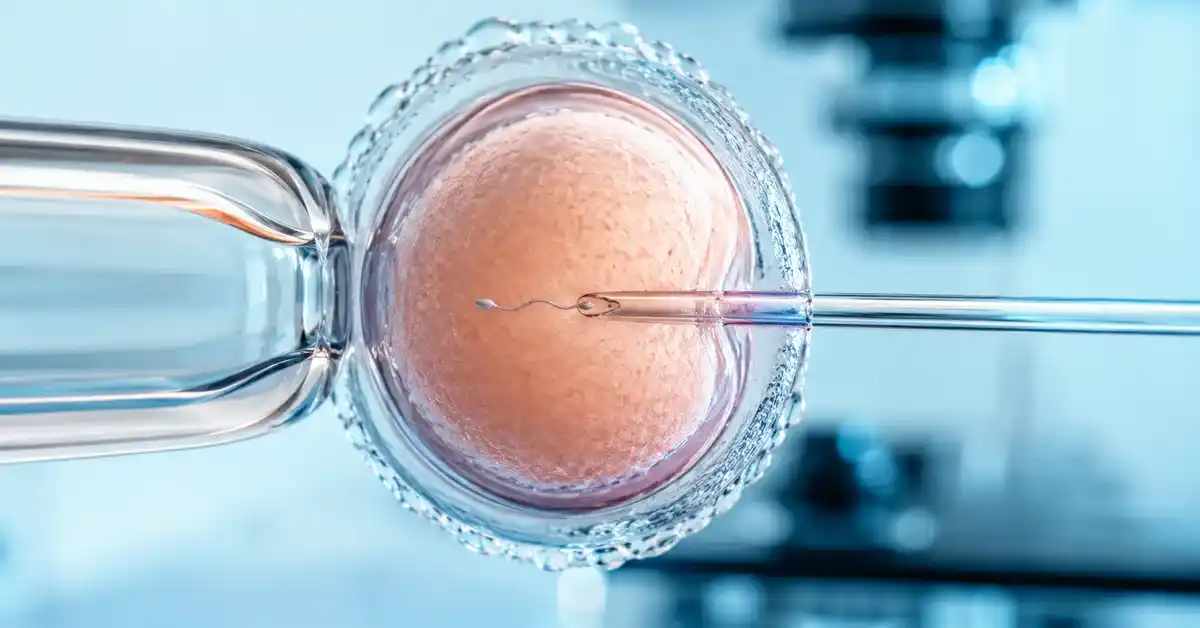
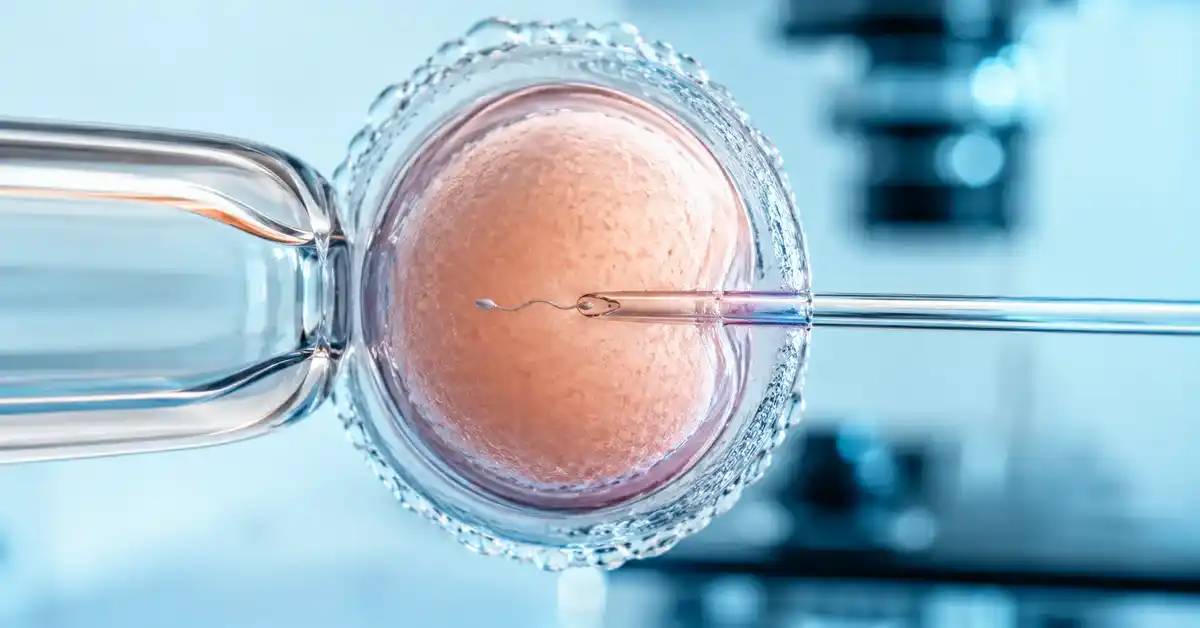
During ICSI, an embryologist uses specialized micromanipulation equipment to inject a single sperm directly into a mature egg. This technique helps bypass some sperm-related barriers to fertilization, especially when sperm count, motility, or morphology is poor.
However, fertilization is only one stage. After injection, the laboratory monitors whether fertilization occurs and whether embryos continue to develop. Some eggs may not fertilize, and some embryos may stop growing. Therefore, sperm preparation, egg maturity, laboratory quality, and embryo monitoring all contribute to the final outcome.
Read about: ICSI After Failed IVF: Does It Offer Higher Chances of Success
Expert Fertility Tips Before and After ICSI
Expert fertility tips before and after ICSI focus on preparation, safety, realistic expectations, and avoiding common mistakes. Before ICSI, couples should complete necessary testing, review medical history, understand medication instructions, and ask clear questions about the plan. After ICSI, the focus shifts to recovery, medication adherence, embryo transfer care, and waiting for the pregnancy test without unnecessary stress.
Good preparation can reduce preventable problems. For example, uncontrolled thyroid disease, untreated infections, poor semen quality, uterine cavity problems, smoking, and missed medication timing can all affect the cycle. Addressing these issues before starting may improve the quality of the attempt.
After the ICSI procedure, patients should not rely on symptoms alone. Cramping, bloating, breast tenderness, and mood changes may be caused by progesterone or stimulation medications. The most reliable way to confirm pregnancy is a blood test at the time recommended by the fertility team.
Essential ICSI tips before the procedure
Essential ICSI tips before the procedure begin with organizing the medical file. Couples should provide previous test results, ultrasound reports, semen analysis results, surgical history, medication history, and any previous IVF or ICSI cycle details. This helps the fertility team avoid repeating the same plan without learning from earlier outcomes.
Helpful tips before ICSI include:
- Complete evaluation for both partners.
- Review ovarian reserve and semen analysis.
- Treat infections if present.
- Check thyroid and metabolic health when indicated.
- Stop smoking.
- Avoid unapproved supplements or herbs.
- Follow medication timing exactly.
- Maintain healthy sleep and nutrition.
- Ask about the expected stimulation plan.
- Understand fresh versus frozen transfer options.
- Discuss what happens if response is low.
- Prepare emotionally for possible adjustments.
ICSI preparation is not about fear or perfection. It is about entering treatment with clear information and a coordinated plan.
What to expect after an ICSI procedure?
After an ICSI procedure, expectations depend on the stage being discussed. After egg retrieval, the woman may experience mild cramping, bloating, spotting, or tiredness. These symptoms are usually temporary. Severe pain, heavy bleeding, fever, shortness of breath, or increasing abdominal swelling should be reported immediately.
After embryo transfer, the patient enters the waiting period before the pregnancy test. Progesterone or other supportive medications may continue. Some women feel symptoms; others feel nothing. Neither situation confirms success or failure.
Patients should avoid early home pregnancy tests because they can be misleading. A blood pregnancy test should be done on the date advised by the clinic. If positive, the medical team may repeat the hormone test and schedule ultrasound follow-up. If negative, the cycle should be reviewed before deciding the next step.
Lifestyle and medical advice to improve outcomes
Lifestyle and medical advice to improve outcomes should focus on what can reasonably be controlled. No diet, sleeping position, or supplement can guarantee implantation. However, healthy habits can support general reproductive health and treatment readiness.
Useful advice includes:
- Take medications exactly as prescribed.
- Avoid smoking.
- Limit alcohol.
- Maintain a balanced diet.
- Stay hydrated.
- Sleep regularly.
- Avoid intense exercise during stimulation and after transfer.
- Avoid unnecessary medications.
- Manage chronic diseases.
- Keep communication open with the clinic.
- Reduce extreme stress where possible.
- Avoid comparing symptoms with other patients.
These steps support the treatment environment but do not replace medical expertise or laboratory quality.
Read about: Essential Pre-ICSI Tests: Why They Are Crucial for Fertility Treatment Success
Conditions and Factors Affecting ICSI Success
Conditions and factors affecting ICSI success include female age, egg quality, ovarian reserve, sperm quality, embryo development, uterine health, lifestyle, medical history, and laboratory performance. ICSI can improve the fertilization step, but it cannot fully overcome all biological or uterine factors.
Female age is one of the strongest predictors of outcome because egg quality generally declines with age. Sperm quality also matters, especially in severe male factor infertility. Uterine readiness is essential because even a good embryo needs a receptive uterine lining for implantation.
Conditions for ICSI success should be understood as supportive requirements, not guarantees. Even when every step is done correctly, pregnancy may not occur. A failed cycle can still provide valuable information about ovarian response, fertilization, embryo development, and transfer planning.
Key conditions for ICSI success
Key conditions for ICSI success include proper diagnosis, individualized stimulation, mature eggs, suitable sperm, good laboratory handling, healthy embryo development, an appropriate uterine environment, and correct luteal support after transfer. The couple must also understand and follow medication instructions carefully.
Important conditions include:
- Updated semen analysis.
- Ovarian reserve evaluation.
- Appropriate stimulation protocol.
- Correct trigger timing.
- Mature egg retrieval.
- Skilled embryology laboratory.
- Careful sperm preparation.
- Uterine evaluation when needed.
- Proper embryo transfer technique.
- Medication adherence after transfer.
- Realistic expectations.
- Review of previous failed cycles.
These conditions support the chance of success, but they do not guarantee pregnancy.
Role of female age and egg quality
The role of female age and egg quality is central in ICSI success. ICSI helps fertilization by placing sperm directly inside the egg, but the egg still provides much of the early biological foundation for embryo development. As female age increases, egg number and quality may decline, and chromosomal abnormalities become more common.
This means a cycle can show good fertilization but still have limited embryo development or reduced implantation potential. Age also affects miscarriage risk and the chance of ongoing pregnancy.
To assess egg-related prognosis, doctors may review:
- Female age.
- AMH level.
- Antral follicle count.
- Previous ovarian response.
- Number of eggs retrieved.
- Number of mature eggs.
- Fertilization rate.
- Embryo development.
- Previous miscarriage or failed cycles.
No supplement or technique can fully reverse age-related egg changes. This is why timely evaluation and realistic counseling are important.
Impact of sperm quality and uterine health
The impact of sperm quality and uterine health is also important. ICSI is often selected because sperm count, motility, or morphology is reduced. Although ICSI helps overcome some fertilization barriers, sperm quality may still influence embryo development in some cases, especially when severe sperm abnormalities or DNA-related issues are suspected.
Uterine health is equally important. A good embryo still needs an appropriate environment for implantation. Uterine polyps, adhesions, fibroids affecting the cavity, chronic inflammation, or poor lining development may reduce implantation chances. These issues should be evaluated, especially after failed transfers.
A strong ICSI plan evaluates both partners and the uterus. Focusing only on the eggs or only on the sperm may miss a treatable factor.

How to Improve ICSI Success Rate: Practical Advice
How to improve ICSI success rate starts with understanding which factors are adjustable. Age cannot be changed, but many factors can be optimized: medical conditions, smoking, weight, timing, uterine problems, semen quality, medication adherence, and treatment planning.
Couples should avoid delaying fertility care when the woman is older or ovarian reserve is low. Time-sensitive planning can be important. At the same time, rushing into treatment without proper evaluation may reduce the quality of the attempt.
Every ICSI cycle produces useful data: number of follicles, eggs retrieved, mature eggs, fertilization rate, embryo quality, uterine lining, and pregnancy result. If the cycle does not succeed, these details should be reviewed before repeating treatment. This review can help the doctor adjust the next plan.
How to improve ICSI success effectively
To improve ICSI success effectively, couples should begin with a complete medical evaluation. This includes ovarian reserve, semen analysis, uterine assessment when indicated, and review of previous treatment history. A personalized plan is more useful than general advice.
Practical steps include:
- Start with accurate diagnosis.
- Do not ignore male fertility testing.
- Treat uterine problems before transfer when needed.
- Follow medication schedules exactly.
- Stop smoking.
- Improve sleep and nutrition.
- Manage thyroid, diabetes, or metabolic conditions.
- Avoid unapproved herbal products.
- Ask whether fresh or frozen transfer is better.
- Wait for the correct pregnancy test date.
- Review failed cycles before repeating.
- Keep realistic expectations.
Improving success means reducing avoidable risks and choosing the right plan, not trying random remedies.
Factors affecting ICSI success beyond medical issues
Factors affecting ICSI success beyond medical issues include lifestyle, emotional support, communication, and treatment adherence. Stress does not automatically cause ICSI failure, but extreme stress can affect sleep, appetite, communication, and the ability to follow instructions.
Lifestyle factors that may help include:
- Balanced diet.
- Moderate activity when allowed.
- Avoiding smoking.
- Limiting alcohol.
- Maintaining healthy weight.
- Good sleep.
- Reducing excessive caffeine.
- Avoiding heat exposure for the male partner.
- Keeping appointments.
- Asking questions early.
Emotional support matters because ICSI can be mentally demanding. Couples should discuss expectations, financial planning, timing, and possible outcomes before starting. A supportive medical team can make the journey clearer and less overwhelming.
Choosing the right fertility clinic and technology
Choosing the right fertility clinic and technology is important because ICSI success depends on both medical management and embryology laboratory quality. A good clinic should provide clear counseling, individualized protocols, careful monitoring, transparent communication, and realistic expectations.
Technology may include advanced sperm preparation, embryo culture systems, embryo freezing, personalized stimulation protocols, and uterine evaluation before transfer. However, technology should be used for a clear medical reason, not as a marketing promise.
When choosing a clinic, couples should ask:
- How is the treatment plan personalized?
- Why is ICSI recommended in our case?
- What is the laboratory experience?
- How are embryos monitored?
- What happens if no mature eggs are retrieved?
- What happens if fertilization is low?
- Is fresh or frozen transfer recommended?
- How are risks explained?
- How are results reviewed after failure?
- How is communication handled during treatment?
Safemedigo helps patients organize their reports, understand treatment options, and prepare the right questions before starting.
Read about: Latest ICSI Protocols to Improve Fertility Success
ICSI vs IVF: Which Is Better for Success?
ICSI vs IVF is a common question, but the answer depends on the diagnosis. IVF is the broader treatment process in which eggs are retrieved and fertilized in the laboratory. ICSI is a fertilization method used within an IVF cycle, where one sperm is injected directly into one mature egg.
In conventional IVF, eggs and sperm are placed together in the laboratory, allowing sperm to fertilize the egg without direct injection. In ICSI, the embryologist performs the fertilization step manually using specialized equipment. This can be helpful when sperm is unlikely to fertilize the egg on its own.
ICSI is not automatically better for every couple. It is most useful in male factor infertility, previous fertilization failure, very limited sperm samples, or selected special cases.
Difference between ICSI treatment and IVF
The difference between ICSI treatment and IVF is mainly the fertilization method. IVF is the full treatment cycle: ovarian stimulation, egg retrieval, fertilization, embryo development, and embryo transfer. ICSI is one method of fertilization inside the IVF laboratory.
In conventional IVF:
- Eggs and sperm are placed together.
- Fertilization occurs without direct injection.
- It may be suitable when sperm quality is good.
In ICSI:
- One sperm is selected.
- The sperm is injected directly into the egg.
- It is often used for male factor infertility or previous fertilization issues.
Both treatments still depend on egg quality, embryo development, uterine receptivity, and age. ICSI improves control over fertilization but does not guarantee pregnancy.
Comparing ICSI success rate with IVF outcomes
Comparing ICSI success rate with IVF outcomes requires context. ICSI may improve fertilization in cases where sperm cannot fertilize the egg effectively. However, when sperm parameters are normal and there is no previous fertilization failure, ICSI may not always improve live birth outcomes.
Success should be assessed through several stages:
- Fertilization rate.
- Embryo development.
- Blastocyst formation when applicable.
- Embryo transfer.
- Implantation.
- Clinical pregnancy.
- Ongoing pregnancy.
- Live birth.
A higher fertilization rate does not always mean a higher live birth rate. The best method depends on the couple’s medical situation.
Why experts recommend ICSI in specific cases
Experts recommend ICSI in specific cases when conventional fertilization may have a higher risk of failure. The most common reason is male factor infertility. ICSI may also be recommended after previous IVF fertilization failure or when sperm samples are limited.
ICSI may be preferred in:
- Low sperm count.
- Poor sperm motility.
- Severe morphology abnormalities.
- Previous fertilization failure.
- Surgically retrieved sperm.
- Frozen sperm with limited quality.
- Very low egg number in selected cases.
- Specific laboratory concerns about fertilization.
The decision should be individualized. ICSI is a powerful tool, but it should be used for a clear reason and explained honestly to the couple.
Read about: Modern ICSI Steps to Improve Fertility Success
Step-by-Step Guide for ICSI Success
A step-by-step guide for ICSI success helps couples understand the full journey rather than focusing only on embryo transfer. ICSI begins with diagnosis and planning, then moves through stimulation, retrieval, fertilization, embryo culture, transfer, and pregnancy testing.
A well-organized plan reduces confusion. Couples should know why ICSI is recommended, what the expected ovarian response is, how sperm quality will be managed, whether the uterus is ready, and what happens if the cycle does not succeed.
ICSI treatment may require flexibility. Some cycles produce fewer eggs than expected. Some embryos may not develop. Sometimes the doctor may recommend freezing embryos and transferring later. A successful approach is one that adapts to the patient’s real response.
Detailed steps for ICSI success explained
Detailed steps for ICSI success explained include both medical and practical preparation. The couple should understand each stage and the goal of each decision.
The steps include:
- Diagnosis of infertility cause.
- Ovarian reserve testing.
- Semen analysis.
- Uterine evaluation when needed.
- Personalized stimulation protocol.
- Follicle monitoring.
- Trigger injection.
- Egg retrieval.
- Sperm preparation.
- ICSI fertilization.
- Embryo culture.
- Transfer planning.
- Luteal support.
- Pregnancy test.
- Cycle review if needed.
This does not guarantee pregnancy, but it ensures that the attempt is structured and easier to evaluate afterward.
Medical and psychological preparation for couples
Medical and psychological preparation for couples is a major part of ICSI success planning. Medical preparation includes testing, treatment of correctable problems, medication review, and understanding the timeline. Psychological preparation includes managing expectations, understanding uncertainty, and preparing for the waiting period.
Medical preparation may include:
- Hormone tests.
- Ultrasound.
- Semen analysis.
- Uterine cavity evaluation if indicated.
- Thyroid and metabolic review.
- Infection treatment.
- Medication review.
- Lifestyle improvement.
Psychological preparation includes accepting that ICSI may work on the first attempt or may require more than one cycle. Couples should avoid comparing themselves to others. Each case has different biology, diagnosis, and treatment response.
Monitoring embryo transfer and pregnancy confirmation
Monitoring embryo transfer and pregnancy confirmation is the final stage of an ICSI cycle. Embryo transfer should be performed at the right time, with attention to uterine lining, embryo stage, and technical transfer conditions.
After transfer, the patient continues prescribed medications and waits for the blood pregnancy test. Symptoms cannot reliably confirm success. A blood test is the proper method for confirmation.
If the test is positive, follow-up may include repeat hormone testing and ultrasound. If the test is negative, the cycle should be reviewed carefully. Reviewing the data helps identify whether changes are needed in stimulation, sperm preparation, embryo culture, uterine preparation, or transfer timing.
Read about: IVF Preparation Steps: Hormonal Tests and Analysis Guide
Real Cases: Expert Fertility Tips for ICSI Success
Real cases and expert fertility tips for ICSI success can provide hope, but they should not be used as direct predictions. Each couple’s situation is different. Age, ovarian reserve, sperm quality, uterine health, embryo development, and previous treatment history all affect outcomes.
Expert fertility tips for ICSI usually focus on preparation, not shortcuts. Couples should complete testing, follow medication instructions, avoid unnecessary supplements, stop smoking, understand the treatment timeline, and ask questions before each stage.
Success stories can be encouraging, but the best decisions come from the couple’s own medical data. Safemedigo helps patients organize these details and understand what should be reviewed with the medical team.
Patient stories achieving ICSI success
Patient stories achieving ICSI success often share common themes: clear diagnosis, consistent monitoring, good communication, and willingness to adjust the plan when needed. Some couples succeed in the first cycle, while others need more than one attempt.
When reading success stories, consider:
- Female age.
- Infertility diagnosis.
- Ovarian reserve.
- Number of eggs retrieved.
- Sperm quality.
- Embryo development.
- Fresh or frozen transfer.
- Uterine evaluation.
- Previous failed cycles.
- Changes made before success.
A story can inspire, but it should not replace medical counseling. Your own test results are the most relevant guide.
Insights from expert fertility tips for ICSI
Insights from expert fertility tips for ICSI often emphasize realistic control. Couples cannot control every biological factor, but they can control preparation, adherence, communication, and decision-making.
Expert insights include:
- Understand why ICSI is recommended.
- Do not skip semen analysis.
- Review ovarian reserve early.
- Treat uterine problems before transfer when needed.
- Follow injection timing carefully.
- Avoid random herbs before treatment.
- Do not stop progesterone without advice.
- Wait for the correct pregnancy test date.
- Review failed cycles before repeating.
- Protect emotional health during the process.
These tips help couples move through treatment with more confidence and less confusion.
Common mistakes to avoid during the process
Common mistakes during ICSI can create avoidable stress or reduce treatment quality. One major mistake is starting without a complete evaluation. Another is repeating the same plan after a failed cycle without reviewing the data.
Mistakes to avoid include:
- Ignoring male factor evaluation.
- Missing injection times.
- Changing medication doses without approval.
- Using unapproved supplements.
- Smoking during treatment.
- Taking a pregnancy test too early.
- Stopping medications due to mild symptoms.
- Assuming symptoms confirm success or failure.
- Skipping uterine evaluation after repeated failure.
- Comparing your cycle with another patient’s cycle.
- Delaying care when age or ovarian reserve is a concern.
Avoiding these mistakes does not guarantee success, but it protects the cycle from preventable problems.
Read about: IVF Cost Success: Turkey vs USA
Signs and Expectations After ICSI Success
Signs and expectations after ICSI success should be explained carefully. Many symptoms after embryo transfer are caused by progesterone, stimulation hormones, or normal body changes. They may include bloating, breast tenderness, mild cramping, fatigue, or mood changes. These symptoms do not confirm pregnancy.
The correct way to confirm pregnancy is a blood test at the recommended time. If positive, the medical team may repeat the test and schedule an ultrasound. A positive test is an important step, but early pregnancy still needs follow-up.
Patients should also know when to contact the clinic. Heavy bleeding, severe pain, dizziness, fever, or concerning symptoms should not be ignored. Clear instructions reduce anxiety and help patients respond appropriately.
Early pregnancy signs after ICSI success
Early pregnancy signs after ICSI success may include mild cramps, breast tenderness, fatigue, bloating, light spotting, or nausea. However, these signs are not reliable because similar symptoms may occur from progesterone or other medications.
Some women have no symptoms and still become pregnant. Others have many symptoms but the pregnancy test is negative. Therefore, symptoms should not be used as the main indicator.
The waiting period can be emotionally difficult. The best approach is to continue medications, avoid early testing, and follow the clinic’s timeline. The blood pregnancy test gives the most reliable answer.
When to confirm pregnancy after ICSI
When to confirm pregnancy after ICSI depends on the embryo stage at transfer and the clinic’s protocol. The medical team will usually schedule a blood beta-hCG test several days after embryo transfer. Testing too early can lead to confusion, false reassurance, or unnecessary anxiety.
After a positive test, the clinic may recommend:
- Repeating beta-hCG.
- Continuing medications.
- Scheduling ultrasound.
- Watching for concerning symptoms.
- Avoiding unapproved medications.
- Following early pregnancy instructions.
Pregnancy confirmation is a step-by-step process. A positive blood test is followed by hormone monitoring when needed and ultrasound confirmation of pregnancy location and development.
Important tips after ICSI treatment to ensure stability
Important tips after ICSI treatment to ensure stability should be realistic. No specific sleeping position, food, or rest pattern can guarantee implantation. However, medication adherence and safe habits are important.
Helpful tips include:
- Continue progesterone and other medications as prescribed.
- Do not stop medication without the clinic’s advice.
- Avoid heavy lifting.
- Avoid intense exercise.
- Eat balanced meals.
- Stay hydrated.
- Avoid smoking.
- Avoid alcohol.
- Do not use herbs or new supplements without approval.
- Wait for the blood test date.
- Contact the clinic for severe symptoms.
- Keep stress as manageable as possible.
These steps support the body during the waiting period, but they cannot fully control implantation.
Read about: IVF Protocols: Turkey vs Germany
Comprehensive Guide: Best Tips for ICSI Success from Experts
A comprehensive guide to the best tips for ICSI success from experts should focus on individualized care. Special cases such as advanced age, low ovarian reserve, PCOS, severe male factor infertility, previous fertilization failure, repeated implantation failure, or uterine problems need tailored plans.
Conditions for successful ICSI for couples vary. A younger woman with male factor infertility may need a different plan from a woman over 40 with low ovarian reserve. A couple with previous fertilization failure needs different counseling from a couple trying ICSI for the first time.
The best expert advice is to avoid generic treatment. Start with diagnosis, personalize the protocol, review results, and stay realistic. ICSI success is a process, not a single procedure.
Special conditions for successful ICSI for couples
Special conditions for successful ICSI for couples may include cases where one or both partners need additional evaluation. For example, severe sperm problems may require male fertility specialist input. Repeated embryo transfer failure may require uterine evaluation. Low ovarian reserve may require careful stimulation planning.
Special situations include:
- Advanced female age.
- Low ovarian reserve.
- PCOS and high response risk.
- Severe male factor infertility.
- Previous fertilization failure.
- Previous failed embryo transfers.
- Uterine cavity abnormalities.
- Endometriosis or adenomyosis.
- Recurrent miscarriage history.
- Chronic medical conditions.
These cases should not be treated with a one-size-fits-all protocol. The plan should reflect the exact diagnosis and previous results.
Best tips for ICSI success from experts
Best tips for ICSI success from experts focus on preparation, timing, and clear decision-making. They do not promise a guaranteed pregnancy, but they help couples improve the quality of the attempt.
Key tips include:
- Get a complete diagnosis before starting.
- Evaluate both partners.
- Understand why ICSI is recommended.
- Choose a personalized stimulation plan.
- Treat uterine problems before transfer.
- Follow medication timing carefully.
- Stop smoking.
- Review supplements with the doctor.
- Avoid early pregnancy testing.
- Continue medications after transfer.
- Review every failed cycle before repeating.
- Ask for realistic success expectations.
- Protect emotional well-being.
- Stay in close communication with the clinic.
These expert tips make the process clearer and reduce preventable mistakes.
Key questions to ask your fertility doctor before ICSI
Key questions to ask your fertility doctor before ICSI can help couples understand the treatment plan and feel more confident. Clear answers prevent confusion and improve adherence.
Important questions include:
- Why is ICSI recommended for us?
- What is the main cause of infertility in our case?
- What is my ovarian reserve?
- What does the semen analysis show?
- How many eggs are expected?
- What stimulation protocol will be used?
- What are the risks of ovarian stimulation?
- Will transfer be fresh or frozen?
- How many embryos should be transferred?
- What medications will I use after transfer?
- When should I take the pregnancy test?
- What happens if fertilization is low?
- What happens if the cycle fails?
- What is our expected ICSI success rate based on our case?
A well-informed couple can participate more actively in treatment decisions and manage expectations better.
Read about: ICSI Cost in Turkey 2026: Main Factors Affecting Fertility Treatment Pricing
Conclusion
Key steps for ICSI success begin with accurate diagnosis, evaluation of both partners, personalized ovarian stimulation, well-timed egg retrieval, careful sperm preparation, skilled laboratory fertilization, embryo monitoring, appropriate embryo transfer, and medication adherence after transfer. Each stage affects the next, so success cannot be reduced to one tip or one procedure.
ICSI success rate depends on female age, egg quality, sperm quality, ovarian reserve, embryo development, uterine health, lifestyle, medical conditions, and laboratory performance. ICSI can improve fertilization in selected cases, especially with male factor infertility or previous fertilization failure, but it does not guarantee pregnancy.
Frequently Asked Questions: Key Steps for ICSI Success
What are the key steps for ICSI success?
The key steps for ICSI success include full evaluation of both partners, personalized ovarian stimulation, correct trigger timing, egg retrieval, sperm preparation, ICSI fertilization, embryo monitoring, appropriate embryo transfer, luteal support, and pregnancy testing at the right time.
How can I improve ICSI success?
You can improve ICSI planning by completing fertility tests, treating uterine or hormonal problems, improving lifestyle, stopping smoking, following medication timing, reviewing semen quality, choosing a personalized protocol, and reviewing failed cycles before repeating treatment.
What should I do before ICSI treatment?
Before ICSI treatment, prepare your medical file, complete hormone and ultrasound tests, update semen analysis, review medications, treat infections if present, improve sleep and nutrition, avoid unapproved supplements, and ask your doctor clear questions about the plan.
What happens after the ICSI procedure?
After egg retrieval, mild cramping or bloating may occur. After embryo transfer, you continue prescribed medications and wait for the blood pregnancy test. Symptoms are not reliable proof of success, so testing should be done at the clinic’s recommended time.
Does ICSI guarantee pregnancy?
No, ICSI does not guarantee pregnancy. It can improve fertilization in selected cases, especially male factor infertility or previous fertilization failure, but pregnancy also depends on egg quality, embryo development, uterine health, female age, and overall medical factors.