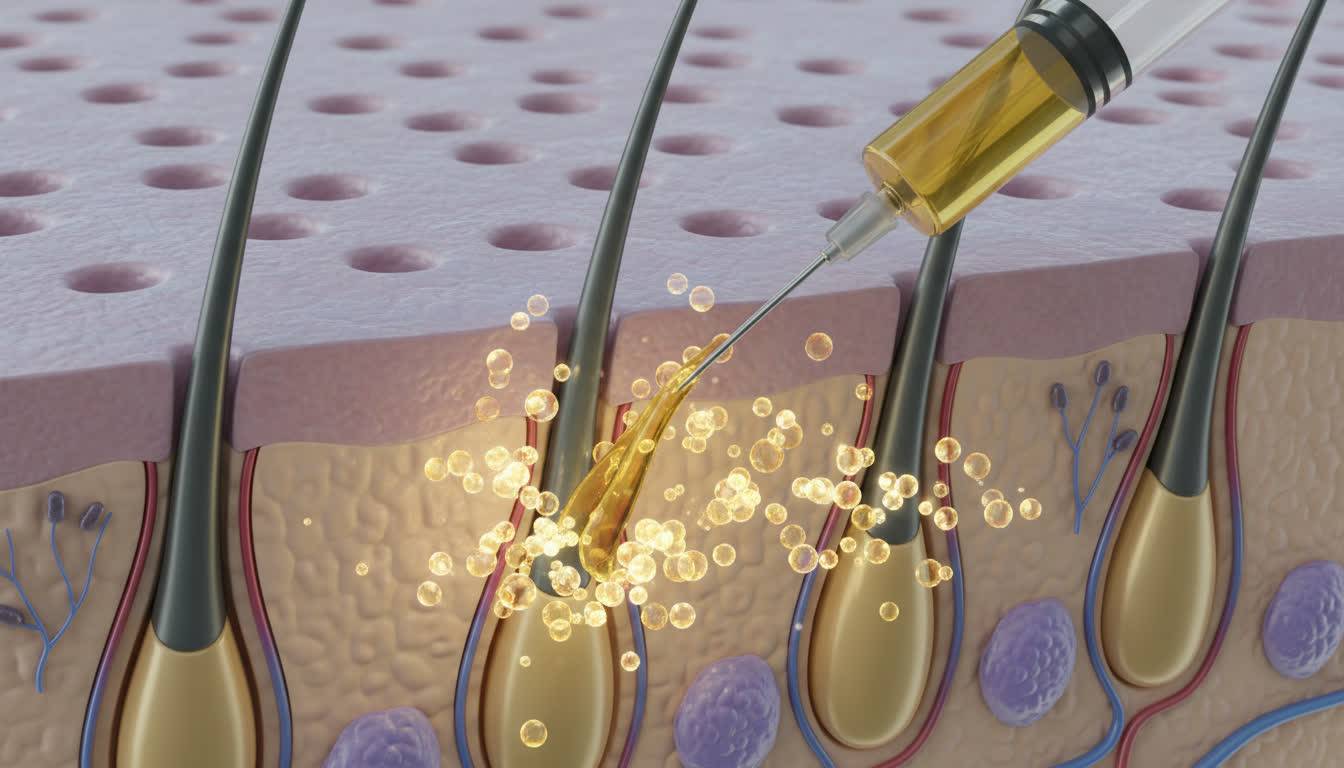





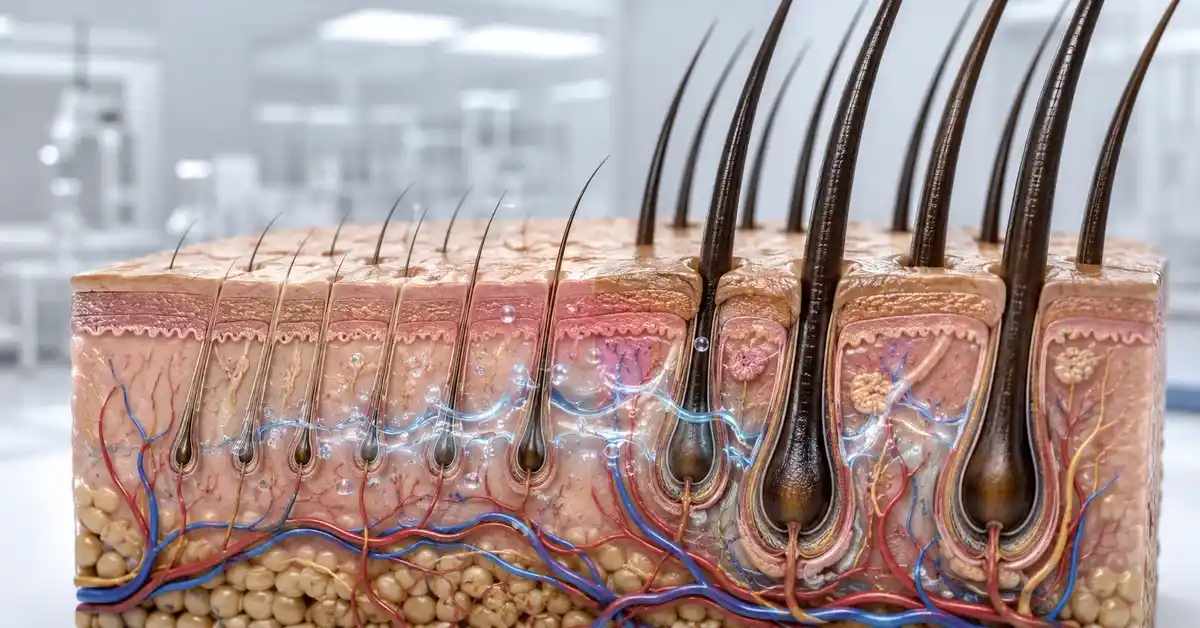
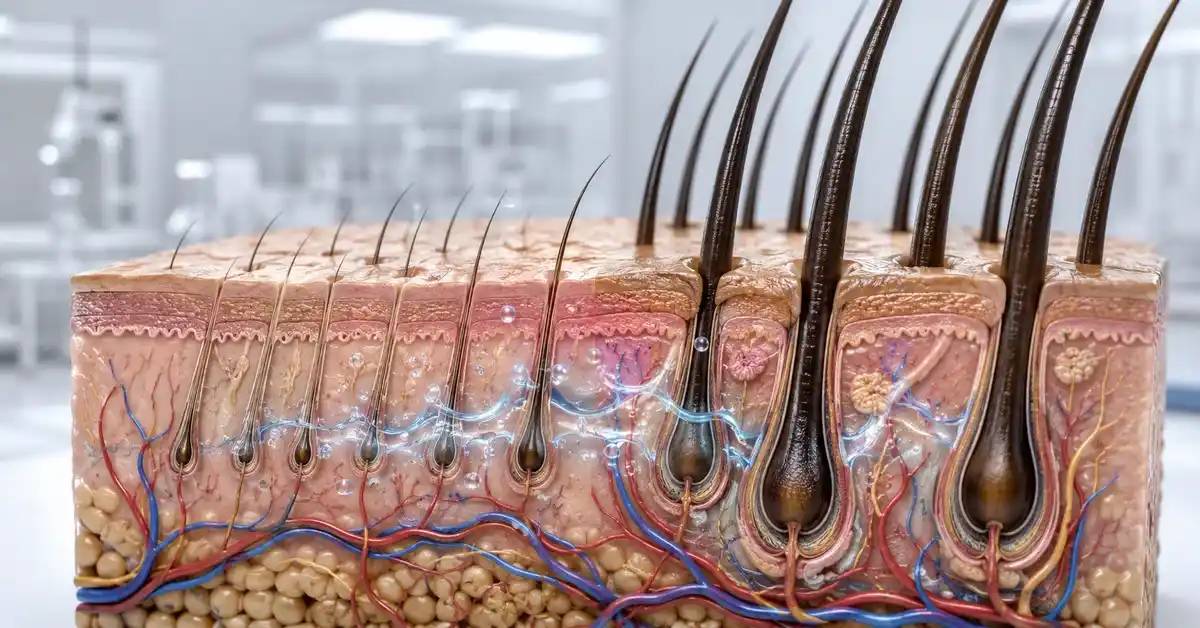
Hormonal hair loss treatment for women begins with understanding the cause behind the shedding, thinning, or visible scalp gaps. Hair growth is affected by many internal factors, including reproductive hormones, thyroid function, iron stores, pregnancy, childbirth, PCOS, menopause, genetics, medications, stress, nutrition, and scalp health. This means that two women may have similar hair loss patterns but need completely different treatment plans.
Hormonal hair loss in women may appear as diffuse shedding across the scalp, gradual thinning along the part line, reduced density at the crown, visible hair gaps, or sudden shedding after pregnancy or medication changes. It can be temporary, as with hair loss after pregnancy, or long-term, as with female pattern hair loss and androgenetic alopecia. It can also be linked to treatable causes such as thyroid imbalance, iron deficiency, PCOS, or birth control changes.
Because the causes are different, treatment should not begin randomly. Topical minoxidil for women may help in female pattern hair loss and thinning hair, while spironolactone for hair loss may be considered in selected women when androgen influence is suspected. However, hormonal medications require medical guidance and may not be suitable during pregnancy, breastfeeding, or when pregnancy is being planned.
At Safemedigo, female hormonal hair loss treatment is approached as a complete medical assessment. The plan may include identifying the hair loss pattern, reviewing hormonal history, checking iron and thyroid levels, evaluating PCOS signs when needed, and choosing treatment based on cause, stage, safety, and expectations. The goal is to reduce shedding, support regrowth, protect existing follicles, and improve hair density in a realistic and medically safe way.
Hormonal Hair Loss Treatment For Women
Hormonal hair loss treatment for women depends on when and why the hormonal change occurred. Hair loss may begin after pregnancy due to sudden hormone shifts, appear with PCOS because of androgen effects, or become more noticeable during menopause as estrogen levels decline and genetic sensitivity becomes more visible. This is why treatment should be based on medical history, symptoms, and examination—not only on the name of the condition.
The first step is to identify the type of shedding. Is it diffuse? Is the part line widening? Are there patches or visible gaps? Did it start suddenly or gradually? Is there itching, flaking, or scalp inflammation? Are there irregular periods, acne, unwanted facial hair, weight changes, or thyroid symptoms? These details help distinguish hair loss caused by hormones from iron deficiency, thyroid disease, telogen effluvium, androgenetic alopecia, traction alopecia, or autoimmune hair loss.
Treatment may include topical minoxidil, correction of iron deficiency, thyroid treatment, PCOS management, medication review, changing birth control when appropriate, or anti-androgen therapy such as spironolactone in selected cases. Supportive treatments such as PRP, low-level laser therapy, or scalp procedures may be added depending on the diagnosis, but the foundation is always identifying the cause.
Treatment For Hair Loss After Pregnancy
Treatment for hair loss after pregnancy often begins with reassurance. Postpartum shedding is usually temporary and occurs because many hairs remain in the growth phase during pregnancy, then enter the shedding phase after delivery as hormone levels shift. This shedding commonly becomes noticeable a few months after childbirth.
In many women, postpartum hair loss improves gradually over several months. However, evaluation is important if shedding is very severe, lasts too long, or is associated with fatigue, dizziness, mood changes, weight changes, palpitations, heavy bleeding, or symptoms suggesting anemia or thyroid dysfunction.
A supportive plan may include:
- Checking ferritin and blood count.
- Evaluating thyroid function when needed.
- Reviewing vitamin D or nutritional status.
- Supporting nutrition during breastfeeding.
- Avoiding crash diets.
- Using gentle hair care.
- Avoiding tight hairstyles.
- Reducing heat styling and harsh coloring.
- Treating scalp inflammation if present.
- Asking a doctor before using medications while breastfeeding.
Topical minoxidil or hormonal medication should not be started during pregnancy or breastfeeding without medical advice, because safety depends on timing, dosage, and the patient’s situation.
Hair Loss Treatment for PCOS Women
Hair loss treatment for PCOS women focuses on the effect of androgens on hair follicles. In PCOS, androgen levels may be elevated, or hair follicles may be more sensitive to androgen influence. This can lead to thinning at the crown or widening of the part line, often along with acne, irregular cycles, increased facial hair, or weight difficulty.
Treatment should not focus only on the scalp. PCOS-related hair loss may require evaluation of menstrual cycle patterns, insulin resistance, weight, hormone levels, and pregnancy plans. Some medications used for hormonal hair loss are not suitable for women actively trying to conceive, so the plan must match reproductive goals.
Treatment options may include:
- Medical management of PCOS.
- Weight and insulin resistance support when needed.
- Topical minoxidil for thinning hair.
- Spironolactone in selected cases under medical supervision.
- Birth control adjustment if suitable.
- Treatment of acne or unwanted hair when present.
- Scalp assessment and photographic follow-up.
- Nutritional and metabolic support.
Early treatment may help protect follicles before thinning becomes advanced and harder to reverse.
Hair Loss Treatment During Menopause
Hair loss treatment during menopause is often related to hormonal changes that occur in this stage. As estrogen levels decline, androgen effects and genetic predisposition may become more noticeable. Many women observe gradual thinning on the top of the scalp, widening of the part line, or reduced hair volume.
Menopause-related hair thinning may occur alongside dry skin, sleep disturbance, hot flashes, mood changes, weight shifts, or changes in scalp quality. Therefore, evaluation should include overall health, not only the hair. Thyroid problems, iron deficiency, vitamin deficiencies, and female pattern hair loss should also be considered.
Topical minoxidil for women may be an important option when the pattern suggests female pattern hair loss. In selected cases, doctors may discuss hormonal or anti-androgen treatments, but the decision depends on medical history, blood pressure, clotting risk, breast cancer history, current medications, and overall safety.
Read about: Advantages and Expected Results of DHI Hair Transplant Technique
Hair Loss Caused By Hormones
Hair loss caused by hormones does not always mean that one hormone is high. It may result from a sudden estrogen drop after childbirth, androgen sensitivity in female pattern hair loss, PCOS-related hormone imbalance, thyroid dysfunction, high prolactin, birth control changes, or menopause-related shifts.
Hormones influence the hair growth cycle. A healthy hair follicle moves through growth, transition, and shedding phases. When hormonal or physical stress disrupts this balance, many hairs may enter the shedding phase at the same time, causing sudden or noticeable hair loss.
Testing helps identify the cause, but tests should be targeted. Not every woman needs the same panel. Depending on symptoms, the doctor may assess thyroid function, ferritin, vitamin levels, androgen hormones, pregnancy status, PCOS markers, and medication history.
Hair Loss Treatment For Thyroid In Women
Hair loss treatment for thyroid in women begins with diagnosing whether the thyroid is overactive or underactive. Both hyperthyroidism and hypothyroidism may cause diffuse shedding, brittle hair, and changes in hair texture. Symptoms may include fatigue, weight changes, palpitations, cold sensitivity, dry skin, irregular periods, or mood changes.
Common tests may include TSH and free T4, and sometimes free T3 or thyroid antibodies depending on the situation. If thyroid disease is confirmed, treating the thyroid condition is the priority. Hair products alone will not correct hair loss caused by uncontrolled thyroid imbalance.
Hair recovery may take several months after thyroid levels stabilize because the hair cycle is slow. If shedding continues despite proper thyroid control, other causes such as iron deficiency, female pattern hair loss, stress, scalp disease, or medication effects should be evaluated.
Iron Deficiency Hair Loss Treatment
Iron deficiency hair loss treatment is important because low iron stores can contribute to diffuse shedding in women, even before severe anemia develops in some cases. Iron is involved in healthy hair growth, and deficiency is common in women with heavy periods, pregnancy, childbirth, restrictive diets, or absorption problems.
Ferritin is often used to assess iron stores, usually along with a complete blood count and additional tests when needed. Iron should not be taken randomly without testing because excess iron can be harmful, and the cause of deficiency should be identified.
If iron deficiency is present, the doctor may recommend iron supplementation, dietary adjustments, and investigation of heavy bleeding or absorption issues. Hair improvement is gradual and may require months after iron stores improve, especially if another cause such as androgenetic alopecia is also present.
Birth Control Hair Loss Treatment
Birth control hair loss treatment depends on the relationship between the contraceptive method and the timing of shedding. Some birth control pills may help reduce androgen effects and improve acne or hair thinning in selected women. Others may contribute to shedding in women who are genetically sensitive, especially after starting, changing, or stopping hormonal contraception.
Hair loss may appear weeks or months after a new pill is started or stopped. In some women, birth control changes reveal an underlying tendency toward female pattern hair loss rather than causing the entire problem.
Women should not stop or change birth control without medical guidance, especially if it is being used for contraception, PCOS management, or cycle regulation. A doctor can help choose a more suitable option if a clear relationship with hair loss is suspected.

Details of Topical Minoxidil For Women
Topical minoxidil for women is one of the most common treatments for female pattern hair loss and thinning hair. It works by supporting hair follicles and prolonging the growth phase, helping reduce shedding and improve density gradually when used consistently.
Minoxidil requires patience. Results do not appear within days. Many women need several months of regular use before improvement becomes visible. Some may notice temporary increased shedding at the beginning as weaker hairs shift out and new growth cycles begin. This can be stressful, but it does not always mean the treatment is failing.
Correct use matters. Minoxidil should be applied to the scalp, not just the hair strands. It should also be used under medical guidance in women who are pregnant, breastfeeding, planning pregnancy, or have scalp irritation. In female pattern hair loss, stopping treatment after improvement may lead to gradual loss of the benefit.
Topical Minoxidil For Women
Topical minoxidil for women is usually applied directly to thinning areas of the scalp. Its goal is to support existing follicles, improve hair thickness, and slow progression. It is more effective when follicles are still active and less effective in areas where follicles have been inactive for many years.
It may be suitable for:
- Female pattern hair loss.
- Thinning hair at the crown.
- Widening part line.
- Some chronic shedding cases after evaluation.
- Hair gaps related to miniaturized follicles.
- Combined plans with hormonal treatment when appropriate.
- Long-term maintenance in genetic hair loss.
Possible side effects may include scalp irritation, itching, dryness, flaking, or unwanted facial hair growth if the product spreads to the face. It should be applied carefully, and hands should be washed after use.
Thinning Hair Treatment For Women
Thinning hair treatment for women depends on the cause. If thinning appears mainly along the part line or crown with a family history, it may be female pattern hair loss. If shedding is diffuse after childbirth, illness, stress, or dieting, it may be telogen effluvium. If irregular periods or acne are present, hormones or PCOS may be involved.
Treatment options may include:
- Topical minoxidil.
- Iron deficiency correction.
- Thyroid treatment.
- PCOS management.
- Spironolactone in selected cases.
- PRP therapy.
- Low-level laser therapy.
- Nutritional correction.
- Treatment of scalp inflammation.
- Gentle hair care.
- Avoiding traction hairstyles.
- Photographic monitoring.
Hair treatment should be evaluated over months, not days or weeks. Hair growth is slow, and visible improvement often requires consistent treatment.
Best Hair Loss Treatment For Women
The best hair loss treatment for women is the treatment that addresses the true cause. Topical minoxidil may be highly useful for female pattern hair loss, but it will not fully correct hair loss caused by untreated iron deficiency or thyroid disease. Spironolactone may help selected hormone-related cases, but it is not suitable for every woman.
Treatment choice depends on:
- Hair loss pattern.
- Age.
- Pregnancy or pregnancy planning.
- Breastfeeding.
- Menstrual cycle history.
- PCOS signs.
- Iron and thyroid results.
- Family history.
- Current medications.
- Severity of thinning.
- Patient expectations.
- Ability to maintain treatment.
A successful plan often combines internal correction, scalp treatment, follicle support, and regular follow-up.
Read about: Detailed Comparison Between FUE and DHI Hair Transplant Methods
Spironolactone For Hair Loss
Spironolactone for hair loss may be used in selected women with hormone-related thinning, especially when androgen influence is suspected. This may include women with PCOS, acne, unwanted facial hair, irregular periods, or female pattern hair loss with signs of androgen sensitivity.
Spironolactone is not suitable for everyone and should not be used without medical supervision. The doctor may consider blood pressure, kidney function, potassium levels, other medications, pregnancy possibility, and reproductive plans. It is generally not suitable during pregnancy, and reliable contraception may be required if prescribed.
The effect of spironolactone is gradual. It may take several months before shedding decreases or density improves. In some cases, it is combined with topical minoxidil. Possible side effects may include dizziness, menstrual changes, breast tenderness, increased urination, or changes in potassium levels.
Hormonal Hair Loss Treatment For Women
Hormonal hair loss treatment for women may include spironolactone when androgen effects are part of the problem. However, it is not always the first step. The doctor must first identify whether the hair loss is due to female pattern hair loss, PCOS, postpartum shedding, menopause, thyroid disease, iron deficiency, or another scalp condition.
If signs of androgen excess are present, testing may include testosterone, DHEA-S, and PCOS evaluation. Pregnancy status and pregnancy plans should be reviewed before prescribing hormonal medication.
Hormonal treatment may be combined with topical minoxidil, correction of iron deficiency, thyroid treatment, or scalp therapies depending on the cause. The aim is to reduce follicle miniaturization and slow ongoing thinning.
Androgenetic Alopecia Treatment For Women
Androgenetic alopecia treatment for women focuses on slowing hair thinning and improving density where possible. The condition often appears as widening of the part line or thinning at the crown while the frontal hairline is relatively preserved. It may be influenced by genetics, hormones, age, and androgen sensitivity.
Topical minoxidil is commonly used as a key treatment. Spironolactone may be considered in selected women, especially when androgen influence or PCOS features are present. Supportive therapies such as PRP or low-level laser therapy may also be discussed.
Early treatment is important. When follicles remain active, treatment may help preserve and strengthen them. In long-standing areas with severe follicle loss, response may be limited, and other options such as hair transplantation may be considered only after proper evaluation and stabilization.
Hair Regrowth Treatment For Women
Hair regrowth treatment for women depends on whether the follicles are still active. If the hair is thin but follicles remain present, treatments such as minoxidil, hormonal support, correction of deficiencies, and scalp procedures may help. If follicles are scarred or permanently lost, regrowth may be limited.
Possible regrowth options include:
- Topical minoxidil.
- Treating iron deficiency.
- Treating thyroid disorders.
- Managing PCOS.
- Spironolactone in selected cases.
- PRP therapy.
- Low-level laser therapy.
- Scalp inflammation treatment.
- Hair transplantation in selected stable cases.
- Avoiding traction and chemical damage.
A hair regrowth plan should be realistic. The first goal is often to reduce shedding, then improve thickness over time.
Read about: When Do Hair Transplant Results Appear? Complete Timeline Explained
Female Pattern Hair Loss Treatment
Female pattern hair loss treatment requires a long-term strategy. This condition is linked to genetic and hormonal sensitivity of hair follicles, causing gradual miniaturization. Over time, hair strands become finer, the growth phase becomes shorter, and scalp visibility increases.
Female pattern hair loss does not usually cause complete baldness like some male cases. It often appears as diffuse thinning over the top of the scalp, widening of the central part, and reduced density while the frontal hairline remains partly preserved. It may become more noticeable after pregnancy, PCOS changes, or menopause.
Early treatment is important because the goal is to protect follicles before they become too weak. A plan may include topical minoxidil, anti-androgen therapy in selected cases, correction of iron or thyroid issues, improved scalp care, and long-term monitoring.
Female Hormonal Hair Loss Treatment
Female hormonal hair loss treatment should be tailored to the trigger. Postpartum shedding, PCOS-related hair loss, menopause-related thinning, thyroid-related shedding, and female pattern hair loss all require different approaches.
The evaluation may include medical history, scalp examination, dermoscopy, blood tests, cycle review, and medication review. If the pattern suggests androgenetic alopecia, the treatment may focus on follicle support and hormone influence. If the shedding is sudden and diffuse, the doctor may investigate stress, illness, postpartum changes, or deficiency.
A complete treatment plan may include medical therapy, topical treatment, nutritional correction, lifestyle support, and follow-up photos. The goal is to measure improvement objectively instead of relying only on daily shedding impressions.
Genetic Hair Loss Treatment For Women
Genetic hair loss treatment for women aims to slow progression and strengthen remaining hair. Topical minoxidil is often an important option, especially when started early and used consistently. It may help improve hair diameter and reduce visible scalp thinning.
Additional treatments may be considered when other factors worsen the condition, such as iron deficiency, thyroid imbalance, PCOS, or menopause-related changes. Spironolactone or other physician-directed treatments may be used in selected women.
Genetic hair loss usually requires ongoing maintenance. Stopping treatment too early or switching products frequently may prevent results. Improvement is often assessed through scalp photographs, hair density changes, and reduced shedding over several months.
Hormonal Hair Loss In Women
Hormonal hair loss in women may be temporary or chronic. Temporary shedding can happen after childbirth, stopping birth control, severe illness, major stress, or rapid weight loss. Chronic hormonal hair loss may be linked to female pattern hair loss, PCOS, menopause, or ongoing endocrine imbalance.
Signs suggesting hormonal influence include irregular periods, acne, unwanted facial hair, weight difficulty, thyroid symptoms, or shedding that begins after pregnancy or medication changes. These clues guide the doctor toward the right tests.
Treatment works best when the underlying trigger is treated while the scalp and follicles are supported directly. Relying only on shampoos is usually not enough for true hormonal hair loss.
Read about: Robotic Hair Transplant: How It Works and Is It Guaranteed?
Best Hair Loss Treatment For Women
Best hair loss treatment for women cannot be chosen from an advertisement or another person’s experience. Hair loss after pregnancy is different from PCOS-related hair loss, and both are different from genetic thinning, iron deficiency, or thyroid disease. The best treatment is the one that matches the diagnosis.
Some women need simple correction of iron deficiency or thyroid imbalance. Others need topical minoxidil, spironolactone, PCOS treatment, or supportive procedures. In some cases, the realistic goal is controlling shedding and preventing progression rather than restoring every lost hair.
Women should expect treatment to take months. Hair grows slowly, and progress is often gradual. Scalp photography can help track improvement more accurately than judging daily shedding alone.
Topical Minoxidil For Women
Topical minoxidil for women may be an important option when there is pattern thinning or reduced density at the crown. It is applied to the scalp, not only to the hair, and requires long-term consistency.
For best results, it should be used exactly as directed. Applying more than recommended does not necessarily improve results and may increase irritation or unwanted hair growth on the face.
If severe irritation, dizziness, palpitations, or allergy occurs, the doctor should be contacted. Medical guidance is also important during pregnancy, breastfeeding, or pregnancy planning.
Spironolactone For Hair Loss
Spironolactone for hair loss may help selected women with androgen-related thinning or female pattern hair loss. It is a prescription medication and should not be used without medical review.
Before prescribing it, the doctor may review blood pressure, kidney function, potassium levels, current medications, and pregnancy plans. Women who may become pregnant need clear guidance because spironolactone may not be suitable during pregnancy.
Its effect is measured over months, not weeks. It may be more useful when part of a complete plan that includes scalp treatment and correction of internal factors.
Thinning Hair Treatment For Women
Thinning hair treatment for women may include topical, medical, nutritional, and procedural options depending on the cause. If thinning is caused by temporary shedding, removing the trigger may allow recovery. If it is due to female pattern hair loss, ongoing treatment may be needed.
Supportive options may include:
- Topical minoxidil.
- Iron correction.
- Thyroid treatment.
- PCOS management.
- Spironolactone in selected cases.
- PRP therapy.
- Low-level laser therapy.
- Better hair care.
- Reducing traction and heat.
- Treating dandruff or scalp inflammation.
- Nutrition support.
- Regular follow-up.
Early evaluation can help prevent mild thinning from progressing into more visible scalp gaps.
Read about: Best Modern Treatments for Female Hair Loss
Hair Regrowth Treatment For Women
Hair regrowth treatment for women begins with determining whether the gap, thinning, or shedding is reversible. Some women have active follicles that can respond to treatment, while others may have scarring or long-standing follicle loss that limits regrowth.
Visible hair gaps may result from genetic thinning, traction hairstyles, alopecia areata, scarring alopecia, iron deficiency, thyroid disease, or hormonal hair loss. The pattern of loss helps guide diagnosis.
Treatment may include topical minoxidil, correction of hormonal or nutritional causes, anti-inflammatory treatment for scalp disease, stopping tight hairstyles, PRP, low-level laser therapy, or hair transplantation in selected stable cases. The plan must be personalized.
Treatment For Hair Loss After Pregnancy
Treatment for hair loss after pregnancy in the context of visible thinning should confirm whether the shedding is temporary or whether pregnancy revealed underlying female pattern hair loss. Sometimes postpartum shedding is diffuse but makes the part line look wider for a few months.
If the mother is breastfeeding, medication choices require caution. The plan often focuses on nutrition, iron and thyroid testing, gentle hair care, and avoiding traction. If shedding persists or visible gaps increase, scalp evaluation is recommended.
Postpartum shedding often improves, but persistent thinning may indicate another factor such as genetic hair loss or iron deficiency. In that case, the treatment plan should be adjusted based on diagnosis.
Hair Loss Treatment for PCOS Women
Hair loss treatment for PCOS women with visible thinning should control androgen influence and support follicles. The thinning may appear at the crown or part line and may be associated with acne, irregular periods, unwanted hair growth, or weight difficulty.
The plan may include PCOS management, insulin resistance support, topical minoxidil, spironolactone in selected cases, or birth control adjustment when appropriate. Pregnancy plans are very important because some medications are not suitable for women trying to conceive.
Results take time. The first goal is often to reduce shedding, then improve density gradually. Follow-up photos help measure improvement because changes may be slow.
Hair Loss Treatment During Menopause
Hair loss treatment during menopause with visible thinning should assess female pattern hair loss, hormones, nutritional deficiencies, and scalp health. In this stage, hair may become finer, slower-growing, and less dense, especially along the part line.
Topical minoxidil may be suitable for many postmenopausal women when the pattern suggests genetic thinning. Additional treatments may be discussed depending on medical history, but hormonal or anti-androgen therapy must be selected carefully.
Maintaining hair health during menopause requires a realistic plan: treat the cause, reduce hair damage, support the scalp, and monitor response. If thinning is advanced and stable, cosmetic options or hair transplantation may be discussed in selected patients.
Read about: Hair PRP Injections: Is It Worth Trying
Conclusion
Hormonal hair loss treatment for women should begin with diagnosis, not with a random shampoo or supplement. The cause may be postpartum hormone changes, PCOS, menopause, thyroid disease, iron deficiency, birth control changes, or female pattern hair loss. Each cause needs a different plan.
The right treatment may include topical minoxidil for women, spironolactone in selected cases, iron correction, thyroid treatment, PCOS management, medication adjustment, PRP, low-level laser therapy, or other supportive options. The safest plan also considers pregnancy, breastfeeding, medical history, and long-term expectations.
Frequently Asked Questions: Hormonal Hair Loss Treatment for Women
What is hormonal hair loss in women?
Hormonal hair loss is shedding or thinning related to pregnancy, childbirth, PCOS, menopause, thyroid disease, birth control changes, or androgen sensitivity.
Is topical minoxidil suitable for women?
Yes, topical minoxidil may help women with female pattern hair loss or thinning hair, but it should be used consistently and with medical advice when needed.
Does spironolactone help hair loss?
Spironolactone may help selected women with androgen-related hair loss, but it is a prescription medication and is not suitable for everyone.
Is hair loss after pregnancy normal?
Postpartum hair loss is often temporary due to hormonal changes, but evaluation is needed if it is severe, prolonged, or linked to other symptoms.
What is the best hair loss treatment for women?
The best treatment depends on the cause. Options may include minoxidil, thyroid treatment, iron correction, PCOS care, spironolactone, or combined therapy.