









Are you struggling with hair loss and searching for an effective, safe solution that delivers natural-looking results? Hair loss can significantly impact your confidence and quality of life, but modern medical advancements have made restoration possible. DHI hair transplant represents a revolutionary approach in hair restoration technology, combining precision, comfort, and exceptional outcomes. At Safemedigo, we understand how important your appearance is to you, which is why we offer state-of-the-art DHI hair transplant procedures performed by experienced specialists.
This comprehensive guide will walk you through everything you need to know about DHI hair transplant technique, its advantages, expected results, and why it's considered one of the best hair transplant techniques available today. Whether you're considering this procedure or simply want to learn more, this article will provide you with all the information necessary to make an informed decision about your hair restoration journey.
Introduction to DHI Hair Transplant Technique
DHI hair transplant has revolutionized the field of hair restoration, offering patients a minimally invasive solution with remarkable precision. This advanced technique combines cutting-edge technology with surgical expertise to achieve natural-looking results that blend seamlessly with existing hair. Understanding the fundamentals of DHI hair transplant is essential for anyone considering hair restoration options.
What is DHI hair transplant?
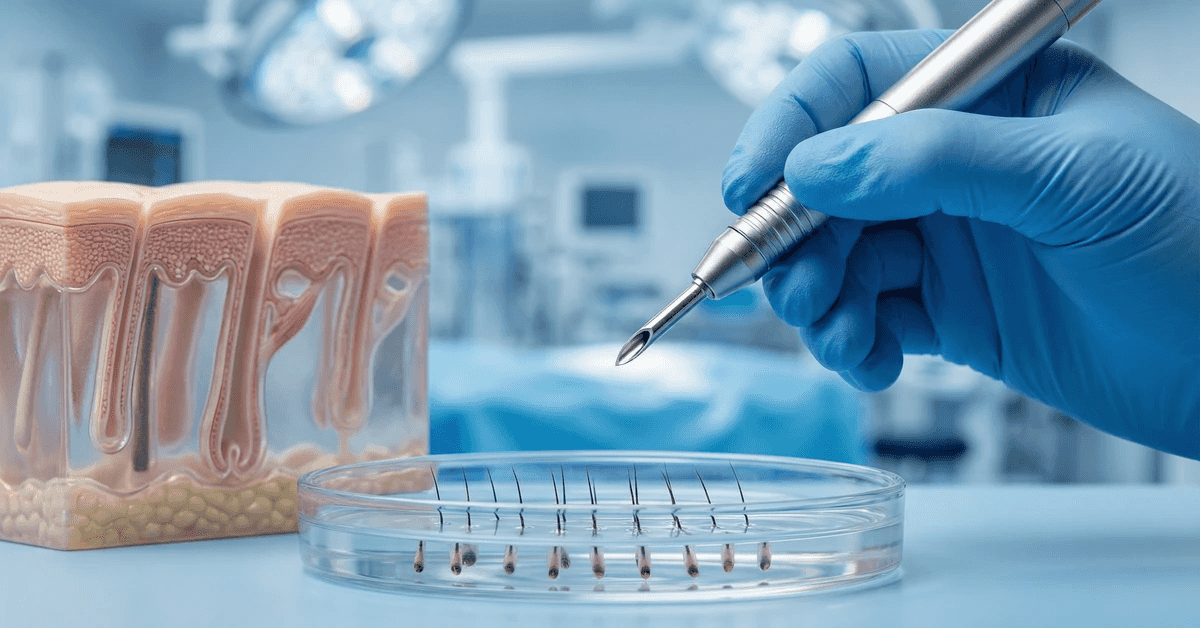
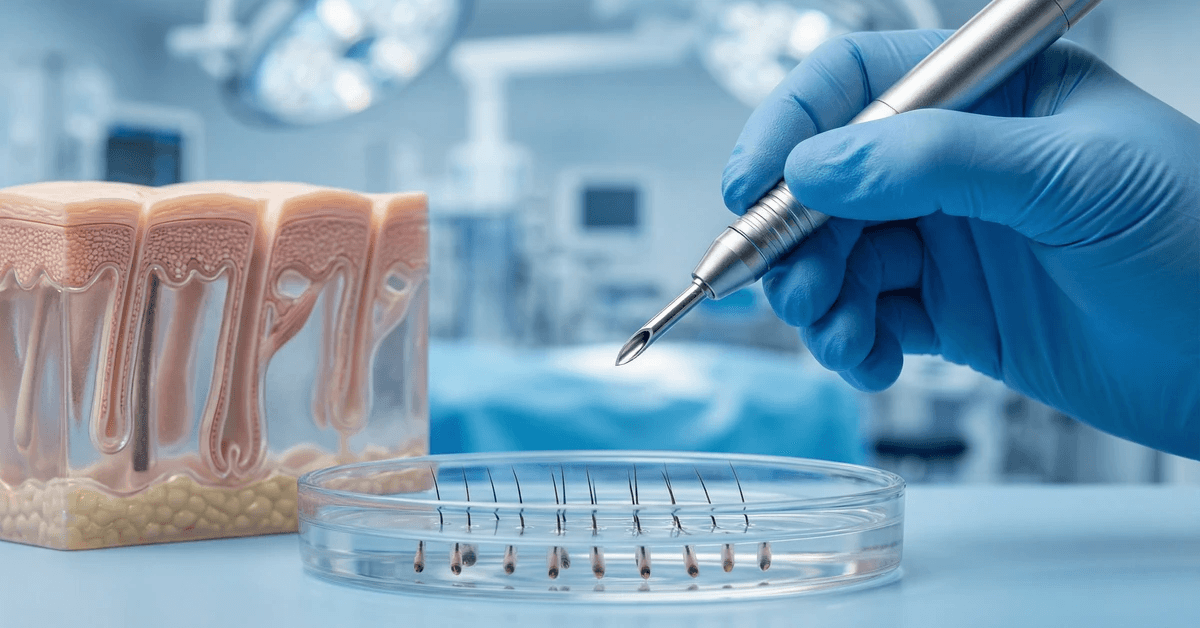
DHI (Direct Hair Implantation) is an advanced hair restoration procedure that utilizes a specialized medical instrument called the Choi Implanter Pen. This innovative tool allows surgeons to extract individual hair follicles directly from the donor area and implant them immediately into the recipient area with exceptional accuracy. Unlike traditional methods, direct hair implantation eliminates the need for creating recipient sites beforehand, as the implanter pen simultaneously creates the channel and places the follicle in one seamless motion.
The DHI technique hair transplant process ensures that follicles remain outside the body for the shortest possible time, maintaining their vitality and increasing survival rates significantly. This direct approach to hair implantation has made DHI hair transplant one of the most sought-after procedures for individuals experiencing hair loss. The precision of this technique allows surgeons to control the exact angle, depth, and direction of each transplanted hair, resulting in outcomes that appear completely natural.
Read about: Latest Hair Transplant Techniques for Men and Women in Turkey
How does DHI differ from other hair transplant methods?
The primary distinction between DHI hair transplant and other hair restoration methods lies in the implantation process itself. While traditional FUE (Follicular Unit Extraction) requires extracting follicles and storing them in a preservation solution before implantation, DHI hair transplant performs extraction and implantation simultaneously. This fundamental difference means that DHI hair follicles experience minimal time outside the body, preserving their natural characteristics and improving survival rates substantially.
When comparing DHI vs FUE hair transplant, several key differences emerge. DHI hair transplant offers superior precision in determining the angle, depth, and direction of each implanted follicle, resulting in hair that grows in the most natural direction. Another significant advantage is that DHI hair transplant requires minimal or no head shaving, making it an ideal choice for individuals who prefer to maintain their existing hair during the recovery period. The direct hair implantation technique also results in less trauma to the scalp, leading to faster healing and reduced post-operative discomfort compared to traditional methods.

Key Advantages of DHI Hair Transplant
The benefits of DHI hair transplant extend far beyond simple hair restoration. This technique offers a comprehensive solution that addresses both the physical and aesthetic aspects of hair loss treatment, making it an excellent investment in your appearance and confidence.
High precision and natural results
One of the most compelling advantages of DHI hair transplant is the exceptional precision it provides. The Choi Implanter Pen allows surgeons to control the exact angle, depth, and direction of each hair follicle implantation, resulting in DHI hair transplant results that look remarkably natural and indistinguishable from original hair.
This level of precision ensures that the transplanted hair blends seamlessly with existing hair, creating an undetectable restoration that maintains your natural appearance. The DHI hair transplant advantages include the ability to create natural hairlines and restore hair density in a way that appears completely authentic and aesthetically pleasing.
Patients consistently report satisfaction with the natural appearance of their results, with many stating that even close friends and family cannot detect that they've had a procedure. The precision of the DHI technique is particularly beneficial for creating hairlines, as each hair can be positioned at the exact angle that matches the surrounding hair growth pattern.
Painless hair transplant experience
The painless hair transplant experience is one of the most appreciated benefits of DHI hair transplant. The procedure is performed under local anesthesia, meaning patients experience no pain during the extraction or implantation phases. While patients may feel slight pressure or vibration, these sensations are minimal and not uncomfortable.
The DHI hair transplant technique's design minimizes trauma to the scalp, reducing post-operative pain and discomfort significantly compared to traditional methods. This pain-free approach makes the procedure more tolerable for patients and allows them to remain relaxed throughout the session.
Many patients report that the DHI hair transplant experience was far more comfortable than they anticipated, contributing to their overall satisfaction with the procedure. If you're concerned about discomfort during hair restoration, contact Safemedigo to learn how our DHI specialists ensure your comfort throughout the entire process.
No need to shave the entire head
A significant advantage that sets DHI apart from many other techniques is that it requires minimal or no head shaving. In DHI hair transplant, only the donor area needs to be trimmed slightly, while the recipient area can often remain unshaved. This is particularly beneficial for patients with short hair or those who prefer to maintain their current hairstyle during recovery.
The ability to avoid complete head shaving makes DHI hair transplant an attractive option for individuals concerned about their appearance during the healing process. This advantage also means that patients can return to work and social activities more confidently, as their hair loss or transplant procedure is not immediately obvious to others.
Read about: Best Modern Treatments for Female Hair Loss
Step-by-Step Process of the DHI Technique
Understanding the DHI hair transplant procedure helps patients know what to expect and reinforces why this technique delivers such excellent results. The process involves several carefully planned stages, each crucial to achieving optimal outcomes.
Preparing the recipient area
The first step in the DHI hair transplant procedure involves careful preparation of the recipient area. The surgeon meticulously examines the balding region, determining the optimal placement for each follicle to achieve natural-looking density and hairline restoration.
This planning phase is crucial, as it determines the aesthetic outcome of the entire procedure. The surgeon considers factors such as hair direction, angle, and density to create a restoration that appears completely natural and harmonious with existing hair.
Advanced imaging technology may be used to map out the recipient area precisely, ensuring that every implanted follicle contributes to the overall aesthetic goal. The surgeon also discusses with the patient the desired hairline shape and density to ensure the results meet their expectations.
Extracting hair follicles with the implanter pen
Once the recipient area is prepared, the surgeon uses the Choi Implanter Pen to extract hair follicles from the donor area. This specialized instrument allows for precise extraction of individual follicles without damaging surrounding tissue.
Each follicle is carefully selected based on its quality and characteristics, ensuring that only the healthiest follicles are used for transplantation. The DHI hair transplant technique's extraction process is remarkably efficient, allowing surgeons to harvest a large number of follicles while minimizing trauma to the donor area.
The extracted follicles are immediately ready for implantation, maintaining their vitality throughout the process. This immediate availability eliminates the storage period required in other techniques, preserving the follicles' natural characteristics and improving their survival rate significantly.
Direct hair implantation process
The final step involves the direct implantation of extracted follicles into the recipient area using the same Choi Implanter Pen. This innovative tool simultaneously creates a micro-channel and places the follicle at the precise angle and depth determined during the planning phase.
The direct hair implantation process ensures that each follicle is positioned optimally for natural growth and appearance. Because follicles are implanted immediately after extraction, they experience minimal time outside the body, significantly improving their survival rate compared to other techniques.
This seamless extraction-to-implantation process is what makes DHI hair transplant results so consistently excellent and why patients achieve such natural-looking outcomes. The efficiency of this approach also means that procedures can be completed in a single session, allowing patients to resume their normal activities sooner.
DHI vs FUE Hair Transplant Comparison
When considering hair transplant options, many patients wonder about the differences between DHI and FUE techniques. Understanding these distinctions can help you make an informed decision about which method is best for your specific situation and goals.
Technique and implantation differences
The primary difference between DHI and FUE lies in the implantation methodology. In FUE, follicles are extracted and stored in a preservation solution before being implanted into pre-made recipient sites. DHI hair transplant, conversely, performs extraction and implantation simultaneously, with no storage period between these two critical steps.
This fundamental difference means that DHI hair follicles maintain superior vitality compared to FUE follicles. Additionally, DHI vs FUE hair transplant comparison shows that DHI allows for more precise control over implantation angles and depths, resulting in more natural-looking hair growth patterns.
The DHI technique also requires less scalp trauma during the implantation phase, as the implanter pen creates channels while simultaneously placing follicles. This minimally invasive approach reduces bleeding, swelling, and post-operative discomfort significantly.
Results comparison: DHI vs FUE
When comparing DHI hair transplant results with FUE outcomes, several key differences emerge that favor the DHI approach. DHI hair transplant results typically show higher survival rates due to the minimal time follicles spend outside the body.
The DHI hair transplant advantages include superior graft survival rates, often exceeding 95%, compared to FUE's typical 85-90% range. Additionally, DHI hair transplant results demonstrate more natural hairline restoration and better density in the recipient area.
The precision of the Choi Implanter Pen allows for more accurate placement of follicles at the correct angle and depth, resulting in hair that grows in the most natural direction. Patients often report greater satisfaction with DHI results, particularly regarding the naturalness of their restored hairline and overall appearance.
Read about: Detailed Comparison Between FUE and DHI Hair Transplant Methods
Cost and effectiveness analysis
While DHI hair transplant cost may be slightly higher than FUE, the superior results often justify the additional investment. The DHI hair transplant cost varies depending on factors such as the number of grafts needed, surgeon experience, and geographic location.
When analyzing cost-effectiveness, it's important to consider not just the initial price but also the likelihood of achieving desired results on the first attempt. DHI hair transplant is often more cost-effective in the long run, as its higher success rate means fewer patients require revision procedures.
The benefits of DHI hair transplant—including faster recovery, less post-operative discomfort, and superior aesthetic results—add significant value beyond the initial procedure cost. For a detailed cost analysis tailored to your specific needs, we encourage you to consult with Safemedigo's specialists who can provide transparent pricing and financing options.
Read about: Hair Transplant Cost in Turkey for 2026: What to Expect
Expected Results After DHI Hair Transplant
Understanding the timeline for DHI hair transplant results helps patients maintain realistic expectations and appreciate the gradual transformation that occurs after the procedure. The DHI hair growth timeline follows a predictable pattern that most patients experience.
Hair growth timeline after DHI
The DHI hair growth timeline follows a predictable pattern that most patients experience. Immediately after the procedure, transplanted hairs remain in place but may appear slightly red or swollen around the implantation sites.
Within the first two weeks, the transplanted hairs typically shed—a completely normal process called "shock loss." This shedding can be disconcerting for patients, but it's important to understand that the follicles remain viable beneath the scalp and will continue to grow.
Around three months post-procedure, new hair begins to emerge from the transplanted follicles. This new growth is typically fine and light in color initially. By six months, the DHI hair growth becomes more noticeable, with fuller, darker hair emerging that better matches the characteristics of surrounding hair.
The DHI hair growth timeline continues to improve through month twelve, when most patients see the majority of their final results. The hair continues to thicken and darken throughout this period, creating a fuller appearance.
How long to see final results
The complete DHI hair transplant results timeline extends to approximately 12-18 months post-procedure. While initial results become visible around the six-month mark, the most dramatic improvements typically occur between months 9-12.
By 18 months, patients can expect to see their final DHI hair transplant results, with the transplanted hair fully integrated with existing hair and achieving its maximum density and appearance. This extended timeline is important to understand, as it allows the transplanted follicles time to establish themselves and produce hair that matches the characteristics of surrounding hair.
Patience during this period is essential, as premature assessment of results may lead to unnecessary concern. Most patients find that the wait is well worth it, as the final DHI hair transplant results exceed their expectations and provide lasting satisfaction.
Factors that affect hair transplant success
Several factors influence the success of DHI hair transplant procedures. The quality and quantity of the donor area significantly impact outcomes, as only healthy follicles can be successfully transplanted.
The surgeon's experience and skill are paramount, as precise implantation angles and depths directly affect hair growth direction and naturalness. Patient compliance with post-operative care instructions is crucial, as proper wound care and lifestyle modifications during recovery promote optimal healing and follicle establishment.
Additionally, individual factors such as age, overall health, and genetic predisposition to hair loss can influence results. Patients who follow pre- and post-operative guidelines carefully typically experience the best outcomes and achieve the most natural-looking results.
Read about: When Do Hair Transplant Results Appear? Complete Timeline Explained
DHI Hair Transplant Cost Breakdown
Understanding the financial aspects of DHI hair transplant helps patients plan accordingly and make informed decisions about their investment in hair restoration. The DHI hair transplant cost is determined by multiple factors that vary based on individual circumstances.
Factors influencing DHI transplant cost
The DHI hair transplant cost is determined by multiple factors. The primary cost driver is the number of grafts required, which depends on the extent of hair loss and the desired density in the recipient area.
Surgeon experience and reputation also significantly influence pricing, as highly skilled surgeons with excellent track records typically charge premium fees for their expertise. Geographic location plays a role, with procedures in major metropolitan areas or developed countries generally costing more than in other regions.
The specific clinic or hospital facility, including its equipment and amenities, also affects the overall DHI hair transplant cost. Additionally, the complexity of the case—such as achieving a natural hairline or restoring significant hair loss—may increase the procedure cost.
Read about: Hair Transplant Results: Turkey vs Germany
Comparing DHI cost with other techniques
When comparing DHI hair transplant cost with other techniques, it's important to consider the value proposition of each method. While DHI hair transplant cost may be slightly higher than FUE, the superior results and higher success rates often make it more cost-effective overall.
The DHI hair transplant advantages—including faster recovery, less post-operative discomfort, and higher graft survival rates—provide significant value that justifies the additional expense. Many patients find that investing in DHI hair transplant eliminates the need for revision procedures, ultimately resulting in lower total costs compared to choosing a less expensive technique that may require additional work.
Read about: Hair Transplant Cost: Turkey vs USA and Germany
Who Is a Suitable Candidate for DHI?
Not all patients are ideal candidates for DHI hair transplant, but most individuals experiencing hair loss can benefit from this advanced technique. Understanding whether you're a good candidate is an important first step in your hair restoration journey.
Types of hair loss that respond well to DHI
DHI hair transplant is effective for various types of hair loss, including male pattern baldness, female pattern hair loss, and hair loss resulting from injury or medical procedures. The technique works particularly well for patients seeking to restore a natural hairline or increase density in specific areas.
DHI for hair loss is especially beneficial for individuals with limited donor areas, as the technique's efficiency allows surgeons to achieve excellent results with fewer grafts. Patients experiencing early to moderate hair loss typically see the most dramatic improvements, though DHI can also benefit those with more advanced hair loss when sufficient donor hair is available.
Ideal patient profile for DHI
The ideal candidate for DHI hair transplant is someone in good overall health with realistic expectations about the procedure and results. Patients should have an adequate donor area with healthy, permanent hair that won't be affected by future hair loss.
The best candidates are those committed to following pre- and post-operative care instructions carefully, as compliance significantly impacts outcomes. Additionally, ideal candidates are individuals who understand the DHI hair transplant timeline and can wait patiently for final results to develop over 12-18 months.
Patients with stable hair loss—meaning their hair loss has plateaued rather than actively progressing—are better candidates than those still experiencing rapid hair loss. If you believe you may be a good candidate for DHI hair transplant, reach out to Safemedigo for a professional evaluation and personalized recommendations.
Pre- and Post-Procedure Tips for DHI Transplant
Preparing for your DHI hair transplant
Proper preparation before your DHI hair transplant significantly impacts the success of your procedure. Begin by scheduling a comprehensive consultation with your surgeon to discuss your goals and expectations in detail.
In the weeks leading up to your procedure, maintain good overall health through proper nutrition, regular exercise, and adequate sleep. Avoid smoking and alcohol consumption for at least one week before surgery, as these substances can impair healing and increase bleeding during the procedure.
Discontinue any blood-thinning medications or supplements as directed by your surgeon. On the day of your procedure, wear comfortable, loose-fitting clothing and arrange for transportation home, as you won't be able to drive immediately after the procedure. Follow all pre-operative instructions provided by your surgical team carefully to ensure optimal results.
Aftercare and maintenance tips
Post-operative care is crucial for optimal DHI hair transplant results. During the first week, avoid washing your hair or touching the transplant area unnecessarily. When you do wash your hair, use gentle motions and lukewarm water with a mild shampoo recommended by your surgeon.
Avoid direct sun exposure for at least two weeks, and wear a protective hat if you must go outside. Refrain from strenuous exercise and heavy lifting for approximately two weeks to prevent increased blood pressure that could affect graft survival.
Sleep with your head elevated on extra pillows for the first few nights to minimize swelling and promote healing. Follow your surgeon's medication regimen, including any prescribed antibiotics or anti-inflammatory medications. Attend all scheduled follow-up appointments to ensure proper healing and address any concerns that may arise during recovery.
Long-term maintenance involves protecting your transplanted hair from sun damage, maintaining a healthy lifestyle, and following your surgeon's recommendations for hair care products. With proper care, your DHI hair transplant results will continue to improve and provide lasting satisfaction.
Read about: Hair Care Tips After DHI Transplant to Ensure Best Results
The DHI hair transplant technique represents a significant advancement in hair restoration, offering patients an exceptional combination of precision, comfort, and outstanding results. The key advantages of DHI hair transplant—including high precision, painless procedure, minimal recovery time, and no need for complete head shaving—make it an increasingly popular choice for individuals seeking to address hair loss and restore their confidence.
The DHI hair transplant results speak for themselves, with thousands of satisfied patients worldwide enjoying natural-looking, permanent hair restoration that enhances their appearance and quality of life. Whether you're in the early stages of considering hair transplant options or ready to take action, DHI hair transplant offers a compelling solution that delivers on its promises of natural, lasting results.
At Safemedigo, we are committed to providing you with the highest quality DHI hair transplant procedures performed by experienced specialists who understand your unique needs and goals. We encourage you to consult with our qualified DHI specialists to discuss your specific situation and determine whether this transformative procedure is right for you. Contact Safemedigo today to schedule your consultation and take the first step toward renewed confidence and a fuller head of hair. Our team is ready to help you embark on your journey toward hair restoration and renewed self-confidence.