









In a world where the pace of life is accelerating, planning for the future has become indispensable, especially regarding life-changing decisions like starting a family. Egg freezing technology has revolutionized the field of fertility preservation for women, giving them the ability to postpone motherhood for personal, professional, or health reasons. As awareness of this procedure grows, an important question arises about the best destination to undergo it. Two leading countries stand out in this field: Germany, with its long-standing medical history, and Turkey, which has emerged as a rising star in fertility medical tourism. The Turkey vs Germany egg freezing comparison is not limited to the egg freezing cost; it extends to the quality of the best egg freezing clinic in Turkey, the expertise of fertility doctors in Turkey, and the egg freezing success rate. This article aims to provide a comprehensive guide to help you understand the key differences, evaluate the crucial factors, and make the most informed decision on your journey to preserving the dream of motherhood.
Egg Freezing in Turkey vs Germany
Egg freezing represents a strategic choice for the modern woman, and both Turkey and Germany offer advanced services in this field, but with varying characteristics.
What Is Egg Freezing
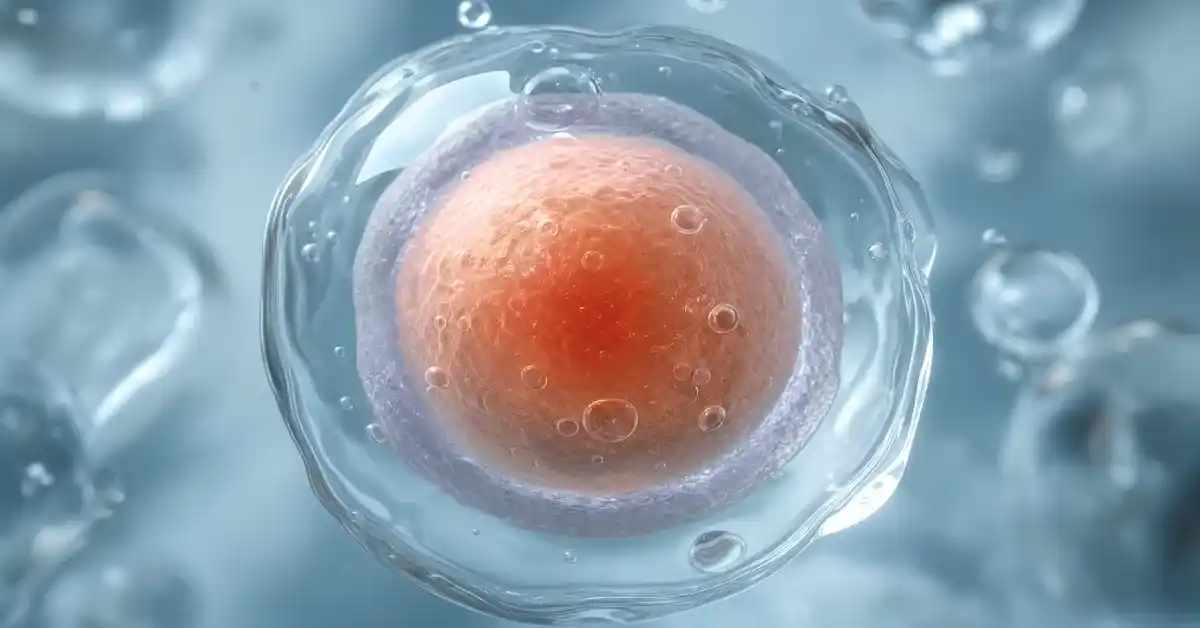
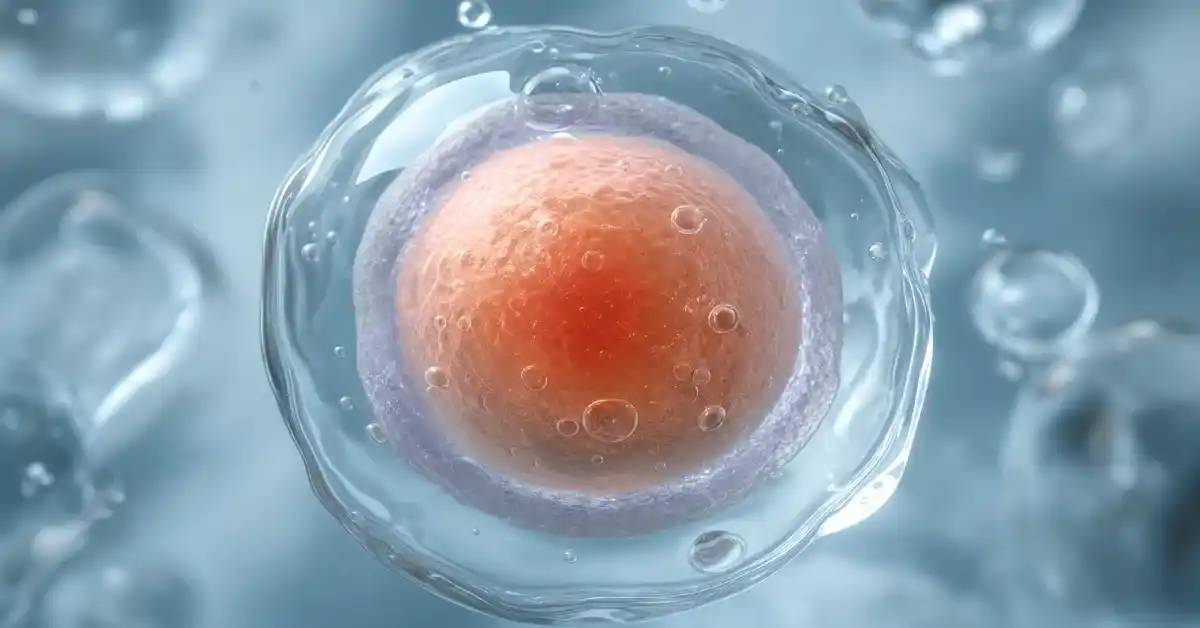
Egg freezing, scientifically known as oocyte cryopreservation, is a medical procedure aimed at retrieving a woman's eggs from her ovaries and freezing them using advanced techniques to preserve their current quality for future use. This technology allows a woman the chance to get pregnant later in life when circumstances are more favorable, giving her greater control over her reproductive future. This procedure is considered one of the most important modern fertility preservation techniques.
Who Should Consider Egg Freezing
There are many reasons why women choose to freeze their eggs. Ideal candidates include:
- Women who wish to delay pregnancy for social or professional reasons, such as focusing on education or a career path (often called social egg freezing).
- Women who are about to undergo medical treatments that may affect their fertility, such as chemotherapy or radiation for cancer.
- Women with a family history of premature menopause.
- Women who prefer freezing eggs over embryo freezing for personal or ethical reasons.
Read about: Differences Between IVF and ICSI Fertilization Techniques
Egg Freezing Cost
Cost is a critical factor in the decision-making process, and there is a clear disparity between the two countries.
Egg Freezing Cost in Turkey
Turkey offers a very competitive fertility preservation cost. The egg freezing cost in Turkey is significantly lower compared to Germany and most European countries and the United States. This cost difference by no means implies a compromise on quality. It is a direct result of the local economy, lower operating costs for medical centers, and government support for the medical tourism sector. Turkish centers often provide comprehensive packages covering all stages of the procedure, from medications and tests to the retrieval and freezing process, offering transparency and peace of mind for women seeking high quality at an affordable cost.
Egg Freezing Cost in Germany
In contrast, the cost of egg freezing in Germany is among the highest in Europe. The German healthcare system, with its high operational costs and expensive medication prices, makes fertility preservation a significant financial burden for many, especially since health insurance coverage for the procedure is limited to very specific medical cases. When comparing, the cost of a single cycle in Germany can be several times its cost in Turkey, making Turkey a very attractive option.
Read about: IVF Success Rates by Age: What You Need to Understand
Egg Freezing Steps
The egg freezing journey requires commitment and careful planning, as it involves several essential stages.
Egg Freezing Procedure
The egg freezing steps consist of the following stages:
- Evaluation and Ovarian Stimulation: The process begins with an assessment of the ovarian reserve. Then, the woman is given hormonal medications to stimulate the ovaries to produce a large number of mature eggs.
- Monitoring: The growth of the eggs is closely monitored through blood tests and ultrasound scans.
- Egg Retrieval: When the eggs reach the appropriate size, they are retrieved from the ovaries through a simple procedure performed under light sedation.
- Freezing (Vitrification): The retrieved eggs are evaluated in the lab, and the high-quality mature eggs are frozen using vitrification, an ultra-rapid freezing technique that prevents the formation of damaging ice crystals.
- Storage: The frozen eggs are stored in special liquid nitrogen tanks at very low temperatures.
For a detailed explanation of these steps, you can consult the expert team at Safemedigo.
Read about: Step-by-Step Guide to the In Vitro Fertilization (IVF) Process
Treatment Duration
The treatment duration varies from one woman to another, but generally:
- Ovarian Stimulation Phase: Takes about 10 to 14 days.
- Egg Retrieval Procedure: Is done in one day and is a quick procedure that takes no more than 20-30 minutes.
- Recovery: A woman can return to her normal activities the day after the procedure.
In total, a full egg freezing cycle takes about two to three weeks.

Success Rates
Success rates are one of the most important criteria when evaluating fertility centers.
Egg Freezing Success Rate
The egg freezing success rate depends mainly on the woman's age at the time of freezing and the number of eggs frozen. Thanks to modern vitrification technology, the survival rate of eggs after thawing exceeds 90%. Leading centers in Turkey achieve high pregnancy success rates using frozen eggs, comparable to success rates using fresh eggs, making it a reliable destination for achieving the postponed dream of motherhood.
Factors Affecting Results
The egg freezing results are influenced by several factors, the most important of which are:
- Woman's Age at Freezing: This is the most influential factor, as the quality and quantity of eggs are better at a younger age.
- Number of Frozen Eggs: Freezing an adequate number of eggs (usually 15-20) increases the chances of future pregnancy.
- Lab Quality and Experience of the Medical Team: They play a crucial role in every step of the procedure.
- Freezing Technique Used: Vitrification is currently the gold standard.
Read about: Modern Fertility Treatments for Men and Women You Should Know
Best Age for Egg Freezing
The timing of the freezing procedure plays a pivotal role in future outcomes.
Ideal Age for Freezing Eggs
The best age for egg freezing is ideally in a woman's late twenties and early thirties. During this period, the ovarian reserve and egg quality are at their peak, allowing for the freezing of a large number of high-quality eggs, thus increasing the chances of success in the future. Freezing can also be done in the late thirties, but it may require more than one cycle to obtain a sufficient number of eggs.
Age Impact on Success
As a woman ages, the number and quality of her eggs naturally decline. Eggs frozen at a younger age have a higher chance of surviving the thawing process, being successfully fertilized, and developing into a healthy embryo capable of implanting in the uterus. Therefore, making the decision for social egg freezing at a young age is a smart investment in one's reproductive future.
Risks Side Effects
It is important for a woman to be aware of the potential risks and side effects.
Egg Freezing Risks
Egg freezing is generally a safe procedure, but it may involve some rare risks:
- Ovarian Hyperstimulation Syndrome (OHSS): An excessive response to fertility drugs, but it has become very rare with modern protocols.
- Risks associated with egg retrieval: Such as bleeding or infection, which are extremely rare.
- Emotional Aspect: The procedure may give a false sense of hope, as freezing does not guarantee pregnancy 100%.
Read about: ICSI Success Rates After 40: Everything You Should Know
Possible Side Effects
The side effects of stimulation medications are usually mild and temporary, including bloating, headaches, mood swings, and mild abdominal pain. After the egg retrieval procedure, a woman may feel some cramping or fatigue for a few days. It is important to discuss all potential risks and side effects with the specialist doctor before starting.
Choosing the Right Clinic
The success of your journey largely depends on choosing the right medical center.
Best Fertility Clinics in Turkey
The best egg freezing clinic in Turkey is characterized by having embryology labs equipped with the latest modern fertility preservation techniques, and an integrated medical team of highly experienced fertility doctors and embryologists. These centers are internationally accredited and follow the highest standards of quality and safety, ensuring the best possible care. To learn about the best available options, you can request a consultation from the Safemedigo team.
Turkey vs Germany Comparison
When making a Turkey vs Germany egg freezing comparison, we find that Germany has a strong reputation for medical quality, but at a high cost and with long waiting lists. On the other hand, Turkey has succeeded in attracting top expertise, applying the latest global technologies, and offering them at an affordable cost, while maintaining success rates that rival the best centers in the world. For the woman looking for the best chance to preserve her fertility without a huge financial burden, Turkey offers the perfect balance of quality, cost, and results.
Read about: IVF Procedure with Egg Freezing: Step-by-Step Explanation
Conclusion
The decision to freeze your eggs is a proactive and smart step towards securing your reproductive future. When it comes to choosing a destination, Turkey stands out as an ideal choice that combines advanced technology, superior medical expertise, and affordable cost. Traveling for fertility medical tourism is no longer just an option to save money, but a smart investment in getting the best possible care to increase the chances of success. Don't let financial or geographical barriers stand in the way of your dream. Start your fertility preservation journey with confidence and contact the Safemedigo team today for a personalized treatment plan.
Frequently Asked Questions: Egg Freezing: Turkey vs Germany
What is the Difference Between Embryo Freezing and Egg Freezing?
Egg freezing is the preservation of a woman's unfertilized eggs, giving her greater flexibility in the future to use them with her life partner. Embryo freezing, on the other hand, requires fertilizing the eggs with the partner's sperm and freezing the resulting embryos. Egg freezing is an ideal option for single women or those who have not yet decided who their future partner will be, giving them complete independence in their reproductive decisions.
How Long Can Frozen Eggs Be Stored?
Thanks to vitrification technology, frozen eggs can be stored for many years, theoretically indefinitely, without affecting their quality. They are stored in liquid nitrogen at a temperature of -196 degrees Celsius, which stops all biological activities within the egg. Local laws in each country may set a maximum storage duration, but scientifically, there is no expiration date for properly frozen eggs.
Does Egg Freezing Affect Natural Ovarian Reserve?
No, the procedure of egg freezing does not negatively affect a woman's natural ovarian reserve or reduce her chances of natural pregnancy in the future. The medications used in the stimulation process work to "rescue" a group of eggs that would have been naturally lost in that menstrual cycle. In other words, eggs that the body would have disposed of anyway are utilized, without affecting the future reserve.
Are There Any Risks to Children Born from Frozen Eggs?
Extensive studies and research conducted over years have shown no increase in the risk of birth defects or developmental problems in children born from frozen eggs compared to children born through natural pregnancy or IVF using fresh eggs. This technology is very safe and has helped in the birth of thousands of healthy children around the world.
Why is Turkey a Better Option Than Germany for Fertility Preservation?
Turkey outperforms Germany in several key aspects. First, the cost is significantly lower while maintaining world-class quality. Second, there are no long waiting lists, allowing treatment to begin quickly, which is crucial especially in urgent medical cases. Third, Turkish centers offer integrated services for international patients including assistance with travel and accommodation, making the entire experience smoother and more comfortable.