









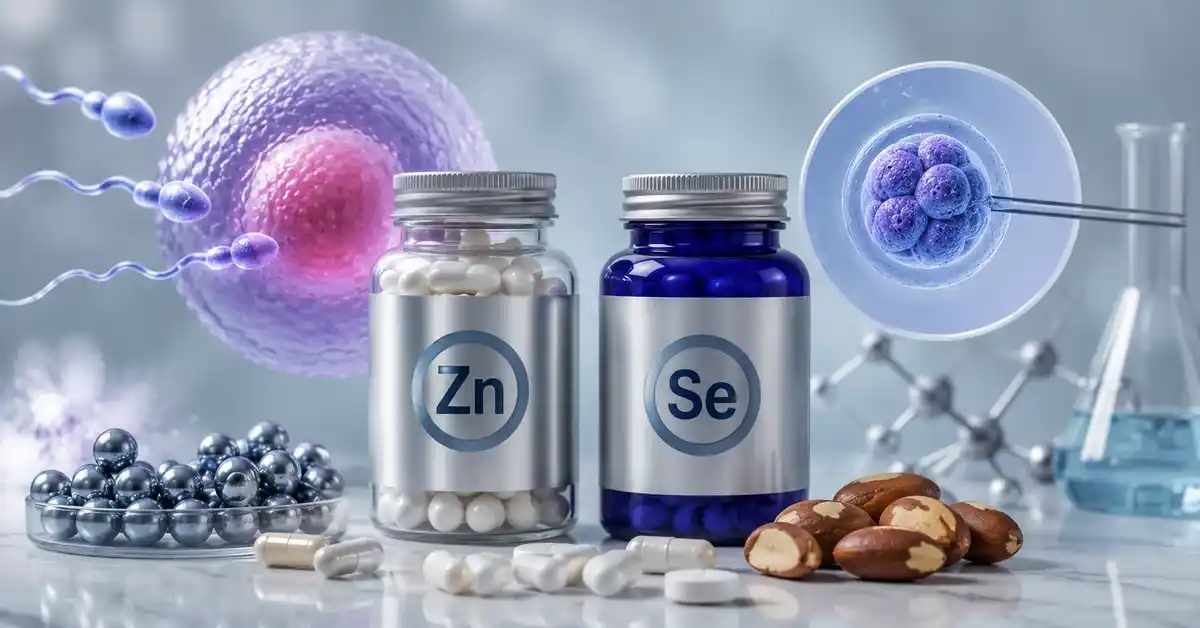
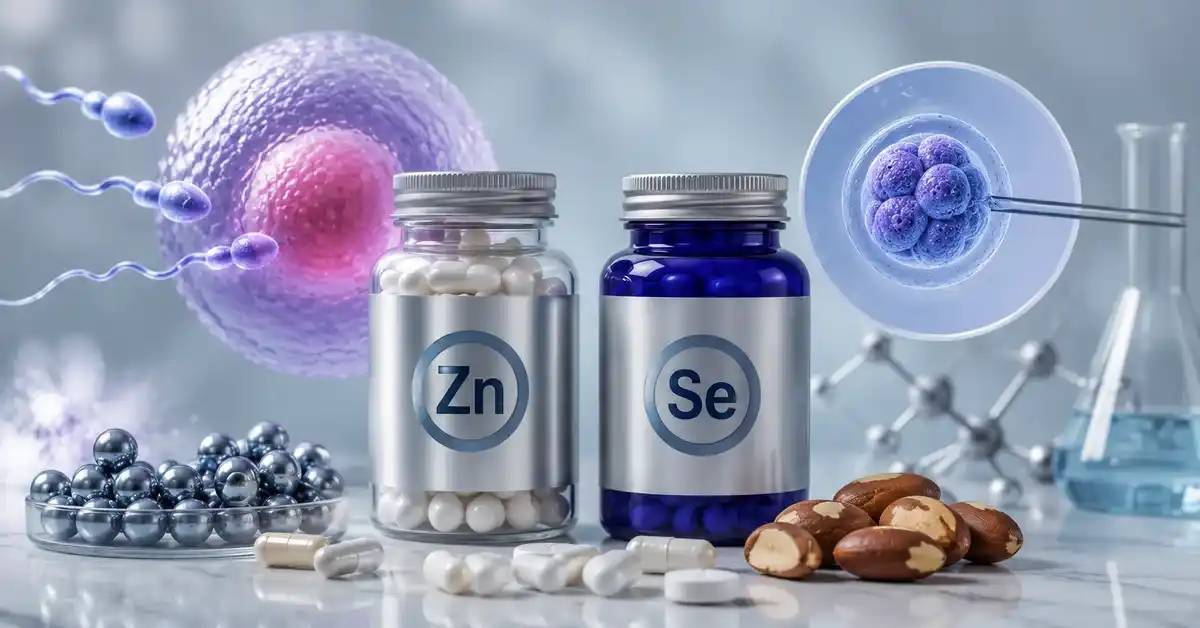
Zinc and selenium for fertility support are among the most commonly discussed nutrients for couples who are trying to conceive. These trace minerals are needed in small amounts, but they play important roles in immune function, antioxidant defense, hormone regulation, reproductive cell health, and overall metabolic balance. Because fertility depends on many biological systems working together, good nutrition can be an important part of preparing the body for pregnancy.
For men, zinc is often linked to sperm production, sperm count, sperm movement, testosterone balance, and semen quality. Selenium is also important because it supports antioxidant enzymes that help protect cells from oxidative stress, including reproductive cells. Oxidative stress may affect sperm motility, sperm DNA integrity, and general reproductive health.
For women, selenium and zinc may support hormone balance, thyroid function, immune health, ovarian environment, and preconception wellness. Selenium for female fertility is often discussed because thyroid health is closely connected to ovulation, menstrual regularity, and early pregnancy support. Zinc may also support cell division and hormone-related processes that are important before conception.
However, natural fertility supplements are not a cure for every cause of infertility. Zinc and selenium cannot open blocked fallopian tubes, reverse advanced age-related egg decline, treat severe male factor infertility alone, or correct complex ovulation disorders without proper medical care. They may be helpful as part of a structured plan, especially when deficiency, poor diet, oxidative stress, or mild semen abnormalities are present.
At Safemedigo, fertility supplements are considered supportive tools, not stand-alone treatment. A complete evaluation may include semen analysis, hormone testing, ovulation assessment, ovarian reserve testing, thyroid evaluation, lifestyle review, and medical history. This helps determine whether zinc, selenium, male fertility vitamins, female fertility vitamins, or other supplements for trying to conceive are appropriate.
Zinc And Selenium For Fertility Support
Zinc and selenium for fertility support may be useful when there is nutritional deficiency, poor dietary intake, oxidative stress, mild sperm quality concerns, or increased reproductive preparation needs. These minerals may be included in formulas for men and women, often alongside vitamins C, E, D, folate, omega-3, CoQ10, and other antioxidants.
Fertility is influenced by sperm quality, egg quality, ovulation, fallopian tube health, uterine factors, age, body weight, sleep, smoking, stress, chronic disease, and hormonal balance. This means minerals for fertility health should be understood as part of a wider fertility plan rather than a single solution.
The benefit of supplementation is usually greatest when it corrects a deficiency or supports a documented need. Taking high doses without guidance is not recommended because both zinc and selenium can cause side effects if used excessively.
Role Of Zinc In Fertility
The role of zinc in fertility is connected to cell division, immune function, protein production, hormone regulation, and reproductive tissue health. Zinc is involved in many enzymes and cellular processes, making it important for both male and female reproductive systems.
In men, zinc may support spermatogenesis, semen quality, testosterone-related functions, and protection of sperm cell membranes. Zinc deficiency and fertility concerns may be linked in some cases, especially when deficiency is significant or when poor diet, smoking, inflammation, or chronic illness are present.
In women, zinc may support general hormone-related processes, immune balance, and healthy cell development. It may also be relevant during preconception because early embryo development depends on accurate cell division. Still, zinc alone should not be viewed as a complete fertility treatment.
Importance Of Selenium In Reproduction
The importance of selenium in reproduction is largely related to its role in antioxidant enzymes. Selenium-containing enzymes help protect cells from oxidative damage. Since reproductive cells are sensitive to oxidative stress, selenium may contribute to a healthier reproductive environment.
In men, selenium has been studied in relation to sperm motility and sperm structural function. It is often included in best fertility supplements for men because it may support antioxidant protection and sperm quality.
In women, selenium may support thyroid function and immune health. Since thyroid imbalance can affect ovulation and pregnancy, adequate selenium intake may be part of general preconception care. However, high selenium intake can be harmful, so safe dosing is important.
Benefits Of Natural Supplements
Benefits of natural supplements for fertility are most meaningful when they support a healthy diet, correct deficiencies, and reduce avoidable nutritional gaps. Natural does not automatically mean risk-free, and supplements should be selected carefully.
Potential benefits may include:
- Supporting sperm health.
- Helping antioxidant defense.
- Supporting hormone balance.
- Filling nutritional gaps.
- Supporting immune function.
- Preparing the body before pregnancy.
- Supporting thyroid-related nutrition.
- Improving general wellness.
- Supporting lifestyle-based fertility plans.
- Helping men and women with poor dietary intake.
Supplements should not delay fertility testing when pregnancy is taking longer than expected. If a couple has been trying for 12 months, or 6 months when the woman is 35 or older, medical evaluation is recommended.
Read about: Modern Fertility Treatments for Men and Women You Should Know
Benefits Of Zinc For Fertility
Benefits of zinc for fertility are often discussed because zinc is essential for reproductive cell development, immune function, hormone support, and semen health. It is commonly included in male fertility vitamins and vitamins to boost fertility.
In men, zinc may help support sperm production and semen quality, particularly when dietary intake is low or deficiency exists. In women, zinc may support general reproductive wellness, but it is not a replacement for treating ovulation problems, thyroid imbalance, PCOS, endometriosis, or tubal disease.
The goal of zinc supplementation should be balance. More zinc does not automatically mean better fertility. Excessive intake may cause digestive symptoms and interfere with copper absorption over time.
Zinc For Sperm Count
Zinc for sperm count is commonly used in fertility support plans for men. Zinc is involved in sperm formation and reproductive tissue function, so correcting low zinc levels may help support sperm production in some men.
It is important to understand that sperm production takes time. Improvements, if they occur, usually require several weeks to months. A semen analysis is often repeated after an appropriate interval to assess whether lifestyle changes or supplements have made a difference.
Zinc alone may not be enough if sperm count is severely low or if there is varicocele, hormonal imbalance, infection, blockage, genetic factors, or testicular failure. In such cases, a male fertility evaluation is needed.
Improve Sperm Quality
Improve sperm quality naturally is a common goal among men preparing for pregnancy or fertility treatment. Sperm quality includes count, motility, morphology, volume, concentration, DNA integrity, and the presence of inflammation or infection.
Zinc may support sperm quality as part of a broader plan that includes:
- Stopping smoking.
- Reducing alcohol.
- Managing weight.
- Avoiding heat exposure to the testes.
- Treating infections.
- Evaluating varicocele.
- Sleeping well.
- Eating a nutrient-rich diet.
- Managing stress.
- Exercising moderately.
- Correcting vitamin and mineral deficiencies.
- Reviewing medications with a doctor.
Supplements can support these steps, but they cannot replace diagnosis and treatment of an underlying male fertility problem.
Treat Zinc Deficiency
Treat zinc deficiency by identifying the cause and correcting it safely. Zinc deficiency may result from poor diet, malabsorption, gastrointestinal disease, restrictive diets, chronic illness, or increased nutritional needs.
Food sources of zinc include:
- Red meat.
- Poultry.
- Fish.
- Shellfish.
- Eggs.
- Dairy products.
- Beans.
- Lentils.
- Nuts.
- Seeds.
- Whole grains.
- Fortified foods.
If deficiency is suspected or confirmed, a doctor may recommend a zinc supplement for a specific period. Long-term high-dose zinc should be avoided unless medically supervised because it may affect copper levels and cause side effects.

Selenium For Fertility Health
Selenium for fertility health is important because selenium supports antioxidant systems and thyroid-related processes. The body needs selenium in small amounts, and both deficiency and excess may be harmful.
In male fertility, selenium is often included in antioxidant formulas because it may support sperm motility and protect sperm cells from oxidative damage. In female fertility, selenium may be relevant because thyroid health, immune function, and oxidative balance can influence reproductive wellness.
Selenium should be used carefully. Taking multiple supplements that contain selenium, eating large amounts of selenium-rich foods, and adding high-dose selenium tablets may increase the risk of excessive intake.
Hormonal Balance Support
Hormonal balance support is one reason selenium is discussed in fertility nutrition. Selenium is involved in enzymes related to thyroid hormone metabolism. Thyroid hormones influence menstrual regularity, ovulation, metabolism, and early pregnancy health.
If a woman has irregular cycles, delayed pregnancy, or symptoms of thyroid imbalance, a thyroid evaluation is more important than simply taking supplements. Testing may include TSH and other thyroid-related markers depending on the case.
Selenium can support nutrition when intake is low, but it does not replace medical treatment for thyroid disease, PCOS, high prolactin, or ovulation disorders.
Female Fertility Benefits
Female fertility benefits of selenium may include support for antioxidant defense, thyroid health, and immune balance. These factors may indirectly support ovulation, egg environment, and early pregnancy preparation.
However, female fertility depends on many factors, including age, ovarian reserve, ovulation, uterine health, fallopian tube function, endometriosis, PCOS, thyroid function, body weight, and partner sperm quality. Selenium should not be viewed as a complete fertility solution.
Selenium for female fertility may be useful as part of a preconception supplement when used in safe doses. Women who are already using prenatal vitamins should check whether selenium is already included before adding another product.
Dietary Sources Of Selenium
Dietary sources of selenium vary depending on soil content and food type. Many people can meet their selenium needs through a balanced diet.
Common sources include:
- Brazil nuts.
- Fish.
- Tuna.
- Sardines.
- Eggs.
- Chicken.
- Meat.
- Whole grains.
- Seeds.
- Dairy products.
- Mushrooms.
- Legumes in variable amounts.
Brazil nuts can be extremely high in selenium, so eating large amounts daily is not recommended. Moderate intake is safer.
Read about: Do Natural Fertility Vitamins Really Help with Conception?
Best Fertility Supplements
Best fertility supplements differ for men and women. They also differ according to whether the goal is correcting deficiency, supporting sperm quality, preparing for pregnancy, supporting ovulation, or improving general nutrition.
Common ingredients in fertility supplements may include zinc, selenium, folate, vitamin D, vitamin C, vitamin E, CoQ10, omega-3, iron, B vitamins, and antioxidants. Some formulas are designed for male fertility, while others are designed for women trying to conceive.
The best supplement is not the one with the longest ingredient list. It is the one that matches the patient’s needs, avoids unsafe doses, and fits within a full fertility plan.
Supplements For Men
Best fertility supplements for men often focus on sperm quality, antioxidant support, and correction of nutritional gaps. Zinc and selenium are common ingredients, often combined with vitamin C, vitamin E, CoQ10, folate, L-carnitine, or omega-3 depending on the product.
Supplements for men may be considered when there is:
- Mild or moderate sperm quality concern.
- Low dietary intake.
- Oxidative stress.
- Smoking history.
- High stress.
- Poor sleep.
- Preconception preparation.
- Support before IVF or ICSI.
- Nutrient deficiency.
- Lifestyle-related fertility risk.
However, men with azoospermia, very low sperm count, hormonal abnormalities, varicocele, infections, or genetic concerns should not delay medical evaluation by relying only on supplements.
Supplements For Women
Fertility supplements for women may support preconception health and help correct nutritional deficiencies. They often include folic acid or folate, vitamin D, iron when needed, iodine in some prenatal formulas, zinc, selenium, omega-3, and other nutrients.
Female fertility vitamins may be useful for:
- Preparing before pregnancy.
- Supporting general nutrition.
- Correcting vitamin D deficiency.
- Treating iron deficiency when present.
- Supporting thyroid-related nutrition.
- Supporting antioxidant balance.
- Supporting women with restricted diets.
- Supporting overall reproductive health.
Women trying to conceive should avoid high-dose supplements or hormonal herbs without medical advice. Some ingredients may not be safe during early pregnancy.
Choosing The Right Supplement
Choosing the right supplement depends on the goal. A man with abnormal semen analysis needs a different plan than a woman preparing for pregnancy. A person with deficiency needs a different dose than someone with normal levels.
When choosing a supplement, consider:
- Zinc dose.
- Selenium dose.
- Total daily intake from all supplements.
- Avoiding duplicate ingredients.
- Product quality.
- Clear labeling.
- Pregnancy safety if relevant.
- Medication interactions.
- Liver or kidney disease.
- Duration of use.
- Whether testing is needed.
- Doctor guidance in infertility cases.
A supplement should support a clear plan, not replace diagnosis.
Read about: How Hormones Affect Fertility: Key Tests Couples Should Consider
Daily Zinc And Selenium Dosage
Daily zinc and selenium dosage should be safe and appropriate. These minerals are essential, but the body needs them only in small amounts. High doses do not guarantee better fertility and may cause harm.
The correct dose depends on age, sex, pregnancy status, breastfeeding, diet, deficiency, medical conditions, and whether other supplements are being taken. Many prenatal vitamins and fertility formulas already include zinc or selenium, so combining products may lead to excessive intake.
It is best to avoid long-term high-dose supplementation unless recommended by a healthcare professional.
Recommended Intake
Recommended intake for zinc and selenium is usually achievable through diet or standard-dose supplements. Adult daily requirements are generally small.
Typical adult recommended intakes include:
- Zinc: about 11 mg daily for men.
- Zinc: about 8 mg daily for women.
- Selenium: about 55 mcg daily for adults.
- Pregnancy and breastfeeding may change nutritional needs.
- Higher therapeutic doses should be used only when medically indicated.
- Upper limits should not be exceeded without medical supervision.
If deficiency exists, a doctor may prescribe a temporary treatment dose and later return to a maintenance dose or dietary approach.
Risks Of Overdose
Risks of overdose are important because many people assume that more nutrients mean better fertility. This is not true. Excess zinc and selenium can cause side effects and may interfere with health.
Too much zinc may cause:
- Nausea.
- Vomiting.
- Stomach pain.
- Diarrhea.
- Metallic taste.
- Headache.
- Copper deficiency with long-term use.
- Reduced immune function at excessive doses.
- Medication interactions.
Too much selenium may cause:
- Garlic-like breath odor.
- Hair loss.
- Brittle nails.
- Nausea.
- Diarrhea.
- Skin rash.
- Fatigue.
- Irritability.
- Nerve symptoms in severe cases.
- Selenium toxicity.
Patients should calculate total intake from all supplements and avoid combining multiple high-dose products.
Usage Tips
Usage tips can help reduce side effects and improve safe use. Zinc may upset the stomach if taken on an empty stomach, so taking it with food may help. Selenium should be taken according to the product dose and not combined with high-selenium foods in excess.
Helpful tips include:
- Read the supplement label carefully.
- Do not exceed safe daily limits.
- Avoid duplicate zinc or selenium products.
- Take zinc with food if it causes nausea.
- Separate zinc from certain antibiotics if advised.
- Tell your doctor about all supplements.
- Avoid high-dose selenium long term.
- Recheck semen analysis after an appropriate period when used for male fertility.
- Do not rely on supplements alone for infertility.
- Stop and seek advice if unusual symptoms occur.
- Choose products from reputable manufacturers.
- Use supplements as part of a fertility plan.
Safe use is more important than aggressive dosing.
Read about: Best Foods to Naturally Boost Fertility in Men and Women
Zinc Deficiency And Fertility
Zinc deficiency and fertility may be connected in both men and women, especially when deficiency is significant or associated with poor diet, malabsorption, chronic disease, or high oxidative stress. Zinc is important for cell division, immune function, hormone-related processes, and reproductive tissue health.
In men, zinc deficiency may affect some semen parameters or reproductive function in certain cases. In women, zinc deficiency may affect general health, immunity, and preconception nutrition.
Symptoms of deficiency are not always specific, so diagnosis should not rely only on symptoms. Diet, medical history, risk factors, and testing may be needed.
Symptoms Of Deficiency
Symptoms of zinc deficiency may be mild, gradual, and easy to miss. They may also overlap with many other conditions.
Possible symptoms include:
- Frequent infections.
- Slow wound healing.
- Hair loss.
- Poor appetite.
- Changes in taste or smell.
- Fatigue.
- Skin problems.
- Brittle nails.
- Chronic diarrhea in some cases.
- General weakness.
- Poor growth in children.
- Possible fertility effects when deficiency is significant.
These symptoms do not prove zinc deficiency by themselves, but they may prompt nutritional assessment.
Impact On Reproduction
Impact on reproduction may be more noticeable in men because zinc is involved in sperm development and semen health. Significant or chronic deficiency may contribute to poor sperm quality in some men, especially when combined with smoking, inflammation, poor diet, or chronic illness.
In women, zinc may support preconception health, immunity, and cell division. However, delayed pregnancy usually requires a broader evaluation, including ovulation, tubes, uterus, hormones, ovarian reserve, age, and partner sperm quality.
Correcting deficiency can be useful, but it should not replace treatment of the true cause of infertility.
Treatment Options
Treatment options for zinc deficiency depend on the degree and cause of deficiency. Mild deficiency may improve with diet changes. More significant deficiency may require supplements for a limited period.
Treatment may include:
- Increasing zinc-rich foods.
- Improving protein intake.
- Treating digestive disorders if present.
- Using a suitable zinc supplement.
- Avoiding excessive doses.
- Monitoring copper status during long-term use.
- Rechecking levels when needed.
- Improving overall diet quality.
- Reviewing medications that affect absorption.
- Following up if fertility is delayed.
The goal is to correct deficiency safely without exceeding recommended limits.
Read about: Natural Fertility Treatments: Effective Ways to Boost Conception
Increase Fertility Naturally
Increase fertility naturally by improving the body’s overall reproductive environment. This includes diet, lifestyle, sleep, stress management, weight control, avoiding toxins, and correcting nutritional deficiencies. Zinc and selenium can support this process, but they are only one part of a broader plan.
Natural approaches may improve fertility health, but they do not guarantee pregnancy and cannot treat all causes of infertility. Couples should avoid delaying evaluation if pregnancy does not occur after a reasonable time.
A complete natural fertility plan combines nutrition, healthy habits, medical screening, and targeted supplements when needed.
Healthy Diet
A healthy diet provides the foundation for fertility. Food supplies the minerals, vitamins, antioxidants, protein, healthy fats, and energy needed for reproductive health.
Helpful dietary steps include:
- Eat enough protein.
- Increase vegetables and fruits.
- Choose whole grains.
- Include nuts and seeds in moderation.
- Choose low-mercury fish.
- Limit refined sugar.
- Reduce ultra-processed foods.
- Stay hydrated.
- Avoid crash diets.
- Correct iron or vitamin D deficiency if present.
- Take folic acid before pregnancy when advised.
- Maintain a healthy weight.
Good nutrition is not about taking many supplements. It is about creating a stable foundation for reproductive health.
Lifestyle Changes
Lifestyle changes can strongly influence fertility in both men and women. Even the best fertility supplements may offer limited benefit if smoking, poor sleep, severe stress, obesity, heat exposure, or chronic disease is not addressed.
Useful lifestyle steps include:
- Stop smoking.
- Reduce alcohol.
- Sleep 7–8 hours when possible.
- Exercise moderately.
- Maintain a healthy weight.
- Avoid heat exposure to the testes.
- Manage stress.
- Treat chronic disease.
- Monitor diabetes and thyroid health.
- Avoid non-medical anabolic steroids.
- Reduce exposure to toxins and pesticides.
- Time intercourse around the fertile window.
These steps may support natural fertility and improve the impact of supplements when they are needed.
Supplement Strategies
Supplement strategies should be targeted and safe. Supplements may help when they correct deficiencies, support preconception nutrition, or contribute to an antioxidant plan. They should not be used randomly or at excessive doses.
Possible supplement strategies may include:
- Zinc when intake is low or deficiency is suspected.
- Selenium in safe doses when appropriate.
- Folic acid or folate before pregnancy.
- Vitamin D when deficient.
- Iron when deficiency or anemia is present.
- Vitamin C and E in selected antioxidant plans.
- CoQ10 in some fertility support plans.
- Omega-3 for general health.
- Male fertility vitamins when semen quality is mildly affected.
- Female fertility vitamins for preconception support.
- Prenatal vitamins for women trying to conceive.
If pregnancy has not occurred after 12 months of trying, or after 6 months when the woman is 35 or older, or if semen analysis is abnormal or cycles are irregular, medical evaluation should not be delayed.
Read about: How Hormones Affect Fertility: Essential Tests for Couples
Conclusion
Zinc and selenium for fertility support may be useful as part of a broader reproductive health plan, especially when deficiency, poor diet, oxidative stress, or mild sperm quality concerns are present. Zinc may support sperm production, semen quality, and cell division, while selenium may support antioxidant protection, thyroid-related nutrition, and reproductive wellness.
However, these minerals are not a complete infertility treatment. They cannot replace evaluation for ovulation disorders, blocked tubes, severe male factor infertility, endometriosis, PCOS, low ovarian reserve, age-related egg quality decline, thyroid disease, or uterine factors. Safe dosing and correct selection are essential.
Frequently Asked Questions: Zinc And Selenium For Fertility Support
Can zinc and selenium improve fertility?
They may support fertility when deficiency, poor diet, oxidative stress, or mild sperm quality issues are present, but they do not treat all causes of infertility.
Is zinc useful for sperm count?
Zinc may support sperm production and semen quality, especially if zinc intake is low or deficiency exists. Severe sperm problems need medical evaluation.
Is selenium helpful for female fertility?
Selenium may support antioxidant balance and thyroid-related nutrition, which may indirectly support fertility, but it should be used in safe doses.
What is the daily zinc and selenium dosage?
Typical adult needs are about 11 mg zinc for men, 8 mg zinc for women, and 55 mcg selenium daily. Higher doses should be medically guided.
Can supplements alone treat delayed pregnancy?
No. Supplements may support fertility, but delayed pregnancy needs evaluation of ovulation, tubes, uterus, hormones, ovarian reserve, and sperm quality.