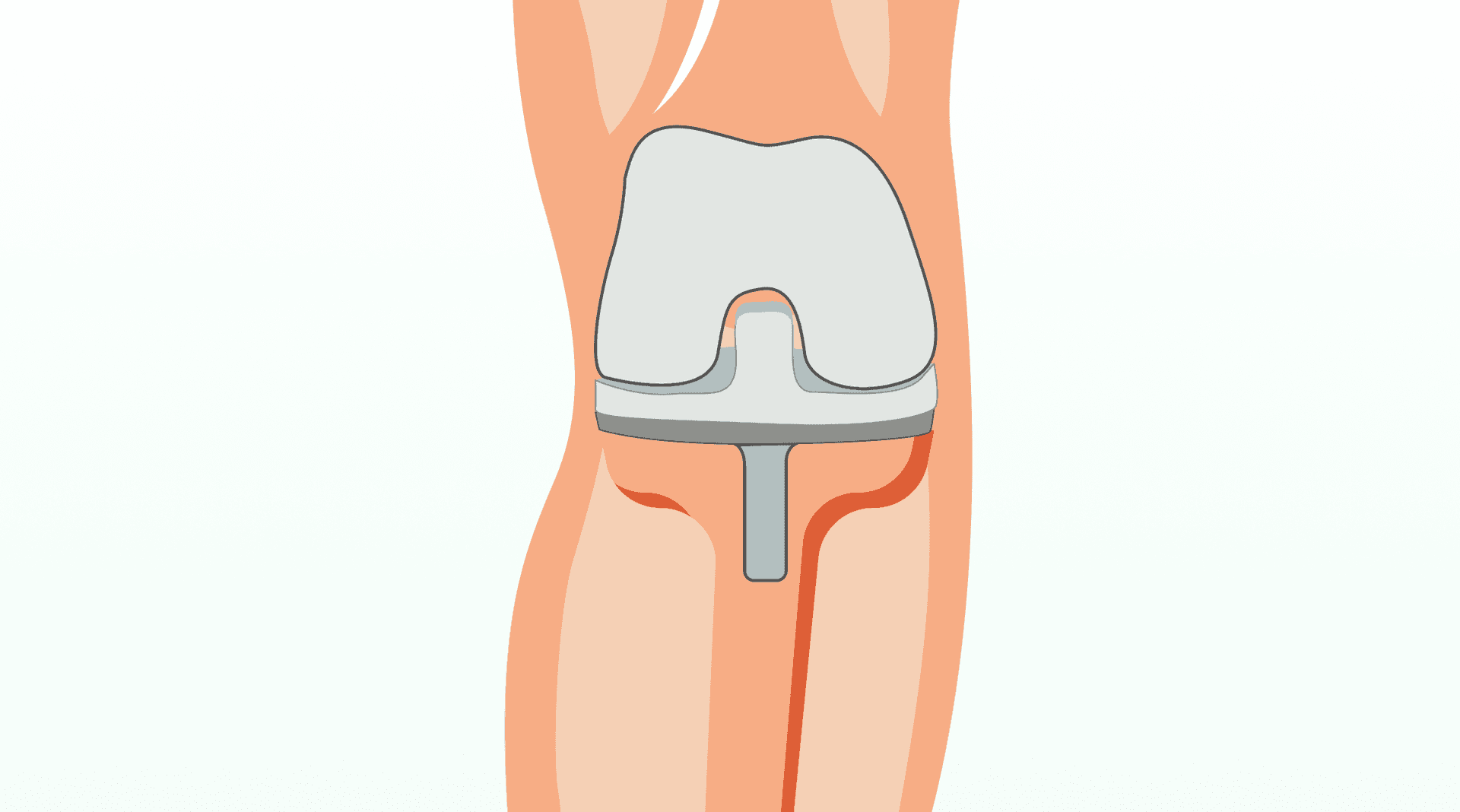






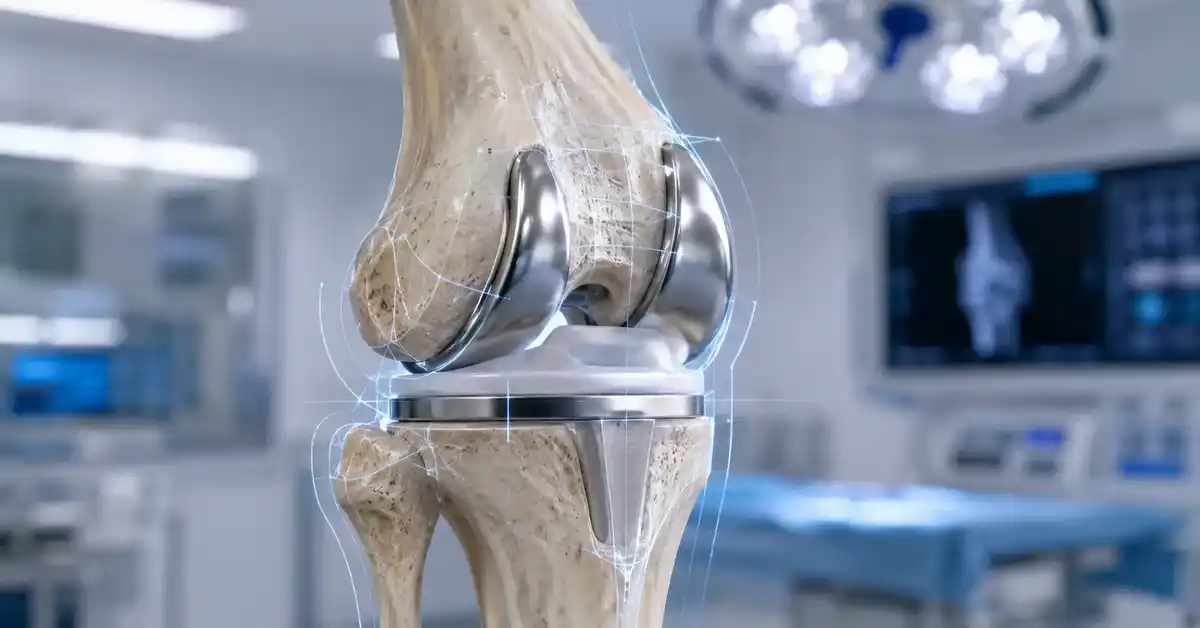
Knee replacement in Turkey has become a popular option for patients who suffer from advanced knee arthritis, chronic pain, walking difficulty, stiffness, deformity, or reduced quality of life despite medications, injections, weight control, and physical therapy. Today, knee arthroplasty in Turkey is not limited to one traditional method. Many hospitals offer several approaches, including total knee replacement, partial knee replacement, minimally invasive techniques, cemented or cementless fixation, computer-assisted planning, and robotic knee replacement in Turkey in selected centers.
When patients search for the best knee replacement in Turkey, they often focus on technology names such as MAKO robotic knee replacement in Turkey, Navio robotic knee surgery in Turkey, Journey II XR knee implant Turkey, bi-cruciate retaining knee replacement in Turkey, or cementless knee replacement in Turkey. These technologies can be useful in the right patient, but the best option depends on the knee condition, bone quality, ligament status, deformity, age, activity level, and surgeon experience.
A modern knee replacement plan should not be based only on the most advanced-sounding technology. The main goals are accurate alignment, stable ligament balance, appropriate implant selection, pain reduction, safe recovery, and long-term function. A well-performed conventional total knee replacement may be better than a poorly selected advanced technology. Likewise, robotic or navigation-assisted surgery may be valuable when used by an experienced team for a suitable patient.
At Safemedigo, knee replacement treatment planning in Turkey includes reviewing medical reports and X-rays, selecting the right hospital and orthopedic surgeon, explaining available technologies, comparing knee replacement in Turkey costs, organizing surgery, and supporting recovery and rehabilitation after discharge.
Introduction to Knee Replacement in Turkey
Knee replacement in Turkey is a surgical procedure used to replace damaged joint surfaces with artificial components. It is commonly performed for advanced osteoarthritis, rheumatoid arthritis, post-traumatic arthritis, severe deformity, or end-stage cartilage loss. The operation aims to reduce pain, improve walking ability, correct deformity, and restore daily function.
Turkey offers different types of knee arthroplasty depending on the patient’s condition. These may include partial knee replacement, total knee replacement, revision knee replacement, robotic-assisted procedures, and minimally invasive surgical approaches in selected cases. Istanbul is one of the most requested cities because it has many private hospitals, international patient departments, and experienced orthopedic teams.
However, knee replacement should not be recommended only because X-rays show arthritis. Surgery is usually considered when symptoms are severe, daily life is limited, and conservative treatments no longer provide enough relief.
Robotic Knee Replacement in Turkey
Robotic knee replacement in Turkey refers to knee arthroplasty performed with robotic-assisted systems that help the surgeon plan bone cuts and implant positioning more accurately. The robot does not operate independently. The surgeon remains in control, while the system provides planning, mapping, guidance, or controlled assistance depending on the specific platform.
Potential advantages of robotic knee replacement may include:
- Patient-specific surgical planning.
- More accurate bone preparation.
- Better implant positioning in selected cases.
- Improved soft tissue balancing support.
- Reduced risk of alignment errors.
- Useful planning for complex anatomy.
- Potentially less tissue disruption in some protocols.
- More consistent execution of the surgical plan.
- Better data for the surgeon during the procedure.
Robotic technology may be especially useful for selected patients, but it does not replace the surgeon’s experience. A skilled orthopedic surgeon remains the most important factor in surgical success.
Knee Replacement in Turkey
Knee replacement in Turkey includes both standard and advanced surgical options. Some patients need a total knee replacement because all compartments of the knee are damaged. Others may be candidates for partial knee replacement if arthritis is limited to one compartment and the ligaments are preserved.
Patients choose Turkey for knee replacement because of:
- Experienced orthopedic surgeons.
- Modern private hospitals.
- Availability of international patient services.
- Competitive treatment packages.
- Access to advanced implants.
- Robotic-assisted surgery in selected hospitals.
- Physical therapy support.
- Shorter waiting times compared with some countries.
- Medical travel coordination.
- Multilingual support.
The key is not only traveling to Turkey, but choosing the right surgeon, hospital, implant type, and rehabilitation plan.
Why Choose Turkey for Knee Arthroplasty?
Turkey is a well-known destination for knee arthroplasty because it combines private hospital infrastructure, orthopedic experience, international patient coordination, and relatively competitive pricing compared with many Western countries. For patients from the Middle East, Europe, Africa, and Central Asia, Turkey is also accessible by direct flights.
Reasons patients consider knee arthroplasty in Turkey include:
- High-volume orthopedic departments.
- Availability of total and partial knee replacement.
- Access to modern imaging and surgical planning.
- Robotic systems in some centers.
- International patient support.
- Translation services.
- Organized airport-hotel-hospital transfers.
- Faster scheduling.
- Rehabilitation coordination.
- Clearer package planning when arranged properly.
Still, Turkey should not be selected based only on price or advertisement. The medical decision must focus on the doctor’s experience, implant quality, hospital standards, infection prevention, and recovery support.
Knee Replacement in Turkish Hospitals
Knee replacement in Turkish hospitals may be performed in private or university-affiliated hospitals depending on the patient’s choice and medical needs. A good hospital should provide a safe surgical environment, proper sterilization, advanced anesthesia care, imaging support, post-op nursing, physiotherapy, and a clear emergency plan.
When comparing hospitals, patients should ask about:
- Orthopedic department experience.
- Number of joint replacement cases.
- Implant brands and models.
- Robotic or navigation availability.
- Infection prevention protocols.
- Blood clot prevention protocol.
- Post-op pain management.
- Physical therapy access.
- Hospital stay duration.
- Intensive care availability if needed.
- International patient coordination.
- Translation services.
- Follow-up after discharge.
A hospital should not only perform the operation. It should support the patient from preoperative evaluation to rehabilitation and safe travel home.
Best Knee Replacement in Turkey
The best knee replacement in Turkey is not defined by one device, one implant brand, or one hospital advertisement. It is the operation that matches the patient’s anatomy, disease severity, lifestyle, and medical condition. For one patient, the best option may be a conventional total knee replacement. For another, it may be partial knee replacement or robotic-assisted surgery.
A strong knee replacement plan includes:
- Accurate diagnosis.
- Weight-bearing X-rays.
- Assessment of deformity.
- Evaluation of ligaments.
- Review of bone quality.
- Selection of suitable implant.
- Clear discussion of technique.
- Surgeon experienced in the chosen method.
- Infection prevention plan.
- Pain control plan.
- Early mobilization.
- Post-op physiotherapy.
- Long-term follow-up.
Patients should ask: Why is this technology right for my knee? What are the alternatives? What are the risks? What recovery plan will I follow?
Read about: Knee Joint Replacement: When to Opt for Surgery
Leading Knee Replacement Technologies in Turkey
Leading knee replacement technologies in Turkey may include robotic-assisted surgery, navigation-assisted systems, modern implant designs, cementless fixation, partial knee replacement, revision implants, and enhanced recovery protocols. These technologies are tools, not guarantees. Their value depends on using the right technology for the right patient.
Technologies may be discussed for:
- Severe deformity.
- Complex anatomy.
- Younger active patients.
- Partial arthritis.
- Revision surgery.
- Bone loss.
- Ligament preservation.
- Desire for more natural knee motion.
- Need for accurate alignment.
- Cementless fixation in selected bone quality.
- Faster recovery protocols.
The most advanced treatment is not always the most expensive. A patient-specific plan is more important than a technology label.
MAKO Robotic Knee Replacement in Turkey
MAKO robotic knee replacement in Turkey refers to procedures performed with the MAKO robotic-arm assisted system, where available. The system uses patient-specific planning and robotic guidance to help the surgeon execute the surgical plan accurately. MAKO may be used for total knee replacement and partial knee replacement depending on the system, hospital, and surgeon.
Potential features of MAKO robotic-assisted surgery include:
- Preoperative planning based on patient anatomy.
- 3D planning in many protocols.
- Robotic-arm assistance.
- Bone resection guidance.
- Implant positioning support.
- Soft tissue balancing assistance.
- Useful planning for partial knee replacement.
- Controlled execution of the surgical plan.
MAKO does not mean the robot performs surgery alone. The orthopedic surgeon plans, controls, and performs the operation using robotic assistance. Patients should confirm whether MAKO is truly available at the hospital, whether their surgeon regularly uses it, and whether it is medically necessary for their case.
Navio Robotic Knee Surgery in Turkey
Navio robotic knee surgery in Turkey refers to robotic-assisted knee procedures using the NAVIO platform, where available. NAVIO is associated with image-free robotic assistance in many settings, meaning it may use intraoperative mapping rather than relying only on a preoperative CT scan, depending on protocol and system version.
Potential features may include:
- Intraoperative knee mapping.
- Surgical planning support.
- Robotic assistance for bone preparation.
- Implant placement guidance.
- Use in selected partial and total knee procedures.
- Real-time data during surgery.
- Support for accurate alignment.
- Assistance with soft tissue balance.
As with all robotic systems, availability varies by hospital. Patients should ask whether the system is active, which implant options are compatible, how often the surgeon uses it, and whether it offers a meaningful advantage in their specific case.
Advanced Implants: Journey II XR Knee Implant Turkey
Journey II XR knee implant Turkey is a term patients may search when looking for advanced implant designs that aim to preserve more natural knee mechanics. JOURNEY II is a knee arthroplasty implant family, and the XR concept is associated with bi-cruciate retaining knee replacement in selected patients. The goal is to preserve both cruciate ligaments when anatomy and disease pattern allow.
Advanced implants are not automatically suitable for every patient. The condition of the anterior cruciate ligament, posterior cruciate ligament, bone surfaces, deformity, arthritis distribution, and surgeon experience are all important. In advanced arthritis, severe deformity, ligament damage, or revision surgery, other implant designs may be more appropriate.
Smith+Nephew describes JOURNEY II as a total knee arthroplasty implant system designed to relieve pain and restore joint function. Implant selection should always be made by the orthopedic surgeon after a full assessment of the knee.
Bi-Cruciate Retaining Knee Replacement Turkey
Bi-cruciate retaining knee replacement in Turkey means a knee replacement approach that aims to preserve both the anterior cruciate ligament and posterior cruciate ligament. The idea is to maintain more natural knee stability and movement in selected patients. However, it is not appropriate if the ligaments are damaged, unstable, or if arthritis is too advanced in a way that prevents proper balancing.
Potential advantages in selected patients may include:
- Preservation of more natural knee mechanics.
- Retention of both cruciate ligaments.
- Potentially improved knee awareness.
- More natural movement feeling for some patients.
- Suitable for carefully selected arthritis patterns.
- May benefit active patients with intact ligaments.
Limitations include:
- Not suitable for all arthritis cases.
- Requires intact and functional ligaments.
- Requires precise surgical technique.
- May not be ideal for severe deformity.
- Not always available in every hospital.
- Surgeon experience is essential.
The decision must be based on examination, X-rays, ligament status, and surgeon judgment.
Journey II XR Knee Implant Turkey
Journey II XR knee implant Turkey may be considered in selected patients who have preserved cruciate ligaments and a disease pattern suitable for this implant philosophy. It is often discussed by patients looking for a more natural-feeling knee replacement.
Questions to ask before choosing this implant include:
- Are both cruciate ligaments intact?
- Is my arthritis pattern suitable?
- Is there severe deformity?
- Is my bone quality adequate?
- Does the surgeon regularly use this implant?
- What are the alternatives?
- Is total knee replacement with another implant more appropriate?
- What is the expected range of motion?
- What are the possible limitations?
- What happens if the ligaments are not suitable during surgery?
The implant name alone should not drive the decision. A standard implant may be better for one patient, while a bi-cruciate retaining option may be valuable for another.
Read about: Knee Replacement: Cost Quality in Turkey vs Germany
Surgical Methods: Partial vs Total Knee Replacement, Turkey
Partial vs total knee replacement in Turkey is one of the most important decisions in knee arthroplasty. Partial knee replacement replaces only the damaged compartment of the knee, while total knee replacement replaces the main joint surfaces of the entire knee. The right choice depends on where arthritis is located and whether the ligaments are healthy.
Partial knee replacement may allow faster recovery and a more natural feeling in selected patients, but it is not suitable for widespread arthritis. Total knee replacement is more appropriate when multiple compartments are damaged or there is significant deformity.
A detailed examination and weight-bearing X-rays are essential before deciding.
Partial Knee Replacement Turkey
Partial knee replacement in Turkey may be appropriate when arthritis is limited to one compartment, most commonly the inner side of the knee, and the rest of the joint is healthy. The cruciate ligaments usually need to be functional, and there should not be severe inflammatory arthritis or major deformity.
Potential benefits include:
- Smaller surgical exposure.
- Preservation of healthy bone.
- Preservation of more normal knee structures.
- Faster early recovery in selected cases.
- More natural knee feeling for some patients.
- Less blood loss in some protocols.
- Easier future conversion to total knee replacement if needed.
Partial knee replacement may not be suitable if there is:
- Arthritis in more than one compartment.
- Severe deformity.
- Significant ligament damage.
- Inflammatory arthritis.
- Severe stiffness.
- Poor bone quality.
- Unclear pain source.
Correct patient selection is critical. A partial replacement done in the wrong patient may fail earlier than expected.
Total Knee Replacement Turkey
Total knee replacement in Turkey is the most common option for advanced arthritis affecting multiple compartments of the knee. During the operation, damaged joint surfaces are removed and replaced with metal and plastic components. The goal is to reduce pain, correct deformity, and improve function.
Total knee replacement may be suitable when there is:
- Advanced osteoarthritis.
- Multiple-compartment cartilage loss.
- Severe pain.
- Night pain.
- Walking limitation.
- Deformity of the leg.
- Failed conservative treatment.
- Severe stiffness.
- Reduced quality of life.
- Arthritis affecting daily independence.
Total knee replacement can be performed using conventional instruments, navigation, robotic assistance, cemented fixation, or cementless fixation depending on the case. The quality of execution and rehabilitation is more important than the label of the technique.
Cementless Minimally Invasive Techniques in Turkey
Cementless and minimally invasive techniques in Turkey are often discussed by patients looking for faster recovery or longer-lasting implants. These methods may be useful in selected patients, but they must be chosen carefully. Cementless fixation relies on bone growing into the implant surface. Minimally invasive surgery aims to reduce tissue disruption, but it should not compromise implant positioning or visibility.
Not every patient is suitable for cementless fixation or a smaller incision. Bone quality, age, body weight, activity level, deformity, and surgeon experience all matter.
Mayo Clinic notes that cementless total knee arthroplasty requires high technical accuracy and relies on precise cuts. This highlights why careful patient selection and surgical expertise are essential.
Cementless Knee Replacement in Turkey
Cementless knee replacement in Turkey uses implants designed for biological fixation, where bone grows into the implant surface over time. It may be considered in selected patients with strong bone quality, often younger or more active individuals, depending on surgeon preference and implant design.
Potential advantages may include:
- Biological bone integration.
- Potential durability in selected patients.
- Avoiding cement-related fixation issues.
- Modern porous implant surfaces.
- Useful for certain younger active patients.
- Compatible with precise surgical planning.
Limitations may include:
- Not ideal for poor bone quality.
- Requires excellent implant fit.
- Requires accurate bone cuts.
- May not be suitable for severe osteoporosis.
- Surgeon experience is important.
- Not automatically better than cemented fixation.
Cemented knee replacement remains a reliable option for many patients. The fixation method should be chosen based on bone quality and surgeon judgment.
Minimally Invasive Knee Replacement in Turkey
Minimally invasive knee replacement in Turkey refers to approaches that use smaller incisions and attempt to reduce soft tissue trauma. The potential goal is less pain, faster early mobility, and shorter hospital stay in selected patients. However, a smaller incision is not always better if it limits surgical accuracy.
Potential advantages in selected cases:
- Smaller incision.
- Less soft tissue disruption.
- Faster early mobility.
- Reduced blood loss in some cases.
- Shorter hospital stay in some protocols.
- Improved cosmetic appearance.
- Faster early rehabilitation.
Limitations include:
- Not suitable for severe deformity.
- Not ideal for very stiff knees.
- May be difficult in obesity.
- Requires experienced surgeon.
- Must not compromise implant alignment.
- Not the main factor in long-term success.
The priority should always be safe and accurate implant placement, not simply a smaller scar.

Costs and Packages for Knee Replacement in Turkey
Knee replacement in Turkey costs vary widely depending on the hospital, surgeon, implant type, technology used, one knee or both knees, length of hospital stay, preoperative tests, anesthesia, physiotherapy, hotel, transfers, and international patient services. Robotic-assisted surgery or advanced implants may increase the cost.
Cost should be evaluated based on what is included, not only the final number. Some packages include only surgery and hospital stay, while others include tests, implant, anesthesia, medications, translation, transfers, hotel accommodation, and early physiotherapy.
A clear package should explain:
- One knee or both knees.
- Total or partial replacement.
- Implant brand and model.
- Cemented or cementless fixation.
- Robotic or conventional technique.
- Surgeon fees.
- Hospital stay duration.
- Anesthesia fees.
- Blood tests and imaging.
- Medications.
- Physiotherapy sessions.
- Transfers and translation.
- Hotel accommodation.
- Follow-up plan.
- Extra costs if complications occur.
Patients should avoid unclear low-cost offers that do not specify implant quality or what happens if the stay is extended.
Knee Replacement Turkey Cost
Knee replacement Turkey cost depends on medical and logistical details. A standard total knee replacement may have a different cost from robotic knee replacement, partial knee replacement, cementless knee replacement, or revision knee replacement. Bilateral surgery also changes the cost and recovery plan.
Factors that influence price include:
- Type of surgery.
- Hospital level.
- Surgeon experience.
- Implant system.
- Use of robotic technology.
- Cemented vs cementless fixation.
- One knee or two knees.
- Length of stay.
- Preoperative evaluation.
- Anesthesia.
- Physical therapy.
- Medical coordination.
- Translation and transfers.
- Hotel package.
- Post-op medication.
- Revision complexity.
Patients should request a written package before travel and send recent weight-bearing X-rays for accurate planning.
Knee Replacement Revision Turkey
Knee replacement revision in Turkey is more complex than first-time knee replacement. Revision surgery may be needed if an old implant loosens, wears out, becomes infected, causes instability, or fails due to bone loss or malalignment. It often requires specialized implants, longer surgery, and an experienced revision surgeon.
Revision cases may involve:
- Implant loosening.
- Polyethylene wear.
- Infection.
- Instability.
- Stiffness.
- Bone loss.
- Malalignment.
- Fracture around the implant.
- Pain after previous surgery.
- Failed partial knee replacement.
- Failed total knee replacement.
Revision surgery usually costs more than primary knee replacement because it may require special implants, additional imaging, infection workup, longer hospital stay, and more complex rehabilitation. Patients should send all previous operation reports, implant information, X-rays, and infection test results before traveling.
Read about: Knee Joint Replacement Rehab: Steps and Pain Management
Recovery and Patient Experiences
Knee replacement recovery in Turkey begins immediately after surgery. Many patients start standing and walking with assistance early, depending on the surgeon’s protocol and medical condition. Early movement helps reduce stiffness and blood clot risk. Physical therapy is a major part of success.
Recovery is usually gradual:
- First days: pain control, swelling management, assisted walking.
- First 2 weeks: wound care, home exercises, walking support.
- Weeks 2–6: improved range of motion and strength.
- Weeks 6–12: better daily function.
- Months 3–6: stronger walking and endurance.
- Months 6–12: continued improvement and final functional gains.
Mayo Clinic notes that many people can go home the same day after knee replacement depending on individual needs, while risks such as blood clots and infection must be managed carefully.
Knee Replacement Recovery in Turkey
Knee replacement recovery in Turkey includes hospital care, pain control, early walking, wound monitoring, clot prevention, and physiotherapy. International patients should also plan hotel recovery time before flying home, especially if they travel long distances.
Recovery support may include:
- Hospital stay.
- Pain management.
- Walking with walker or crutches.
- Ice and swelling control.
- Blood clot prevention.
- Wound dressing care.
- Physiotherapy instruction.
- Range-of-motion exercises.
- Stair training.
- Discharge report.
- Medication plan.
- Flight safety instructions.
- Follow-up communication.
- Continued physiotherapy at home.
Patients should not judge recovery only by the first week. Swelling, stiffness, and discomfort can continue, but they should gradually improve.
Knee Replacement Patient Experiences in Turkey
Knee replacement patient experiences in Turkey vary. Some patients focus on pain relief and improved walking, while others mention the importance of physiotherapy, communication, hotel comfort, and follow-up after returning home. Experiences are useful, but they should not replace medical assessment.
When reviewing patient experiences, consider:
- Was the diagnosis similar to yours?
- Was it partial or total replacement?
- Was robotic technology used?
- Which implant was used?
- Was physiotherapy included?
- Was the review written after months or only days?
- Were complications mentioned honestly?
- Was follow-up available?
- Was the cost clear?
- Was the review independent or promotional?
The best patient experience is usually built through proper planning, realistic expectations, good surgery, and consistent rehabilitation.
Read about: Knee Rehabilitation After Prosthetic Surgery: Exercise Plan
Choosing the Best Knee Arthroplasty Option
Choosing the best knee arthroplasty option requires matching technology to the patient’s knee, not choosing the most famous name. A patient with isolated medial arthritis may benefit from partial knee replacement. A patient with severe multi-compartment arthritis may need total knee replacement. A patient with strong bone may be considered for cementless fixation. A complex revision patient may need specialized revision implants.
The decision should include:
- Symptoms.
- X-ray severity.
- Pain location.
- Deformity.
- Ligament condition.
- Bone quality.
- Age and activity level.
- Previous surgery.
- Medical risks.
- Patient expectations.
- Surgeon experience.
- Implant availability.
- Rehabilitation plan.
- Cost clarity.
Technology supports the surgeon; it does not replace clinical judgment.
Knee Replacement Technologies in Turkey
Knee replacement technologies in Turkey may include conventional total knee arthroplasty, partial knee replacement, robotic-assisted systems such as MAKO or NAVIO where available, advanced implant designs like JOURNEY II, cementless fixation, minimally invasive approaches, and revision implant systems.
Before choosing, ask:
- Is this technology available at the hospital?
- Does my surgeon use it regularly?
- Is it suitable for my knee condition?
- Will it improve my expected result?
- Are there extra costs?
- What implant will be used?
- What are the risks?
- What is the recovery plan?
- What happens if the technology is not suitable during surgery?
- Are there alternatives with similar outcomes?
A transparent answer is a sign of a trustworthy medical plan.
Best Knee Replacement in Turkey
The best knee replacement in Turkey is the one that gives the patient the safest and most functional result. For some patients, that means robotic total knee replacement. For others, it means a carefully performed conventional knee replacement with a proven implant. For selected patients, partial knee replacement or bi-cruciate retaining designs may be considered.
The best plan should provide:
- Correct diagnosis.
- Clear surgical indication.
- Suitable technology.
- Experienced surgeon.
- Quality implant.
- Safe hospital.
- Infection prevention.
- Pain control.
- Early walking.
- Physical therapy.
- Follow-up plan.
- Written cost details.
- Realistic recovery expectations.
Safemedigo helps patients compare options clearly and coordinate the full treatment journey from report review to surgery, recovery, and follow-up.
Read about: Home Exercises After Knee Replacement Surgery Recovery
Conclusion
Top knee replacement technologies available in Turkey include robotic-assisted surgery, MAKO robotic knee replacement, Navio robotic knee surgery, partial knee replacement, total knee replacement, cementless fixation, minimally invasive approaches, advanced implant systems, and revision knee replacement solutions. However, technology alone does not define success.
The best knee replacement in Turkey depends on the patient’s diagnosis, arthritis pattern, ligament condition, bone quality, age, activity level, and surgeon experience. A well-selected conventional operation may be better than an advanced technology used for the wrong case. Robotic systems and advanced implants should be chosen because they add value to the patient’s specific situation, not only because they sound modern.
Frequently Asked Questions: Knee Replacement Technologies in Turkey
Is robotic knee replacement in Turkey better than traditional surgery?
Robotic surgery may improve planning and precision in selected patients, but it is not automatically better for every case. Surgeon experience and correct patient selection remain essential.
What is the difference between partial and total knee replacement?
Partial knee replacement treats only one damaged compartment of the knee, while total knee replacement treats the main surfaces of the whole knee. The choice depends on arthritis distribution and ligament condition.
Is MAKO robotic knee replacement available in Turkey?
MAKO robotic knee replacement may be available in selected hospitals. Patients should confirm availability, surgeon experience, compatible implant options, and whether it is suitable for their case.
How much does knee replacement in Turkey cost?
Knee replacement in Turkey costs vary according to hospital, surgeon, implant type, robotic technology, one or both knees, hospital stay, physiotherapy, and international patient services.
How long is recovery after knee replacement in Turkey?
Many patients begin walking early with assistance. Functional recovery often improves over weeks to months, while full improvement may continue for 6 to 12 months depending on the case.