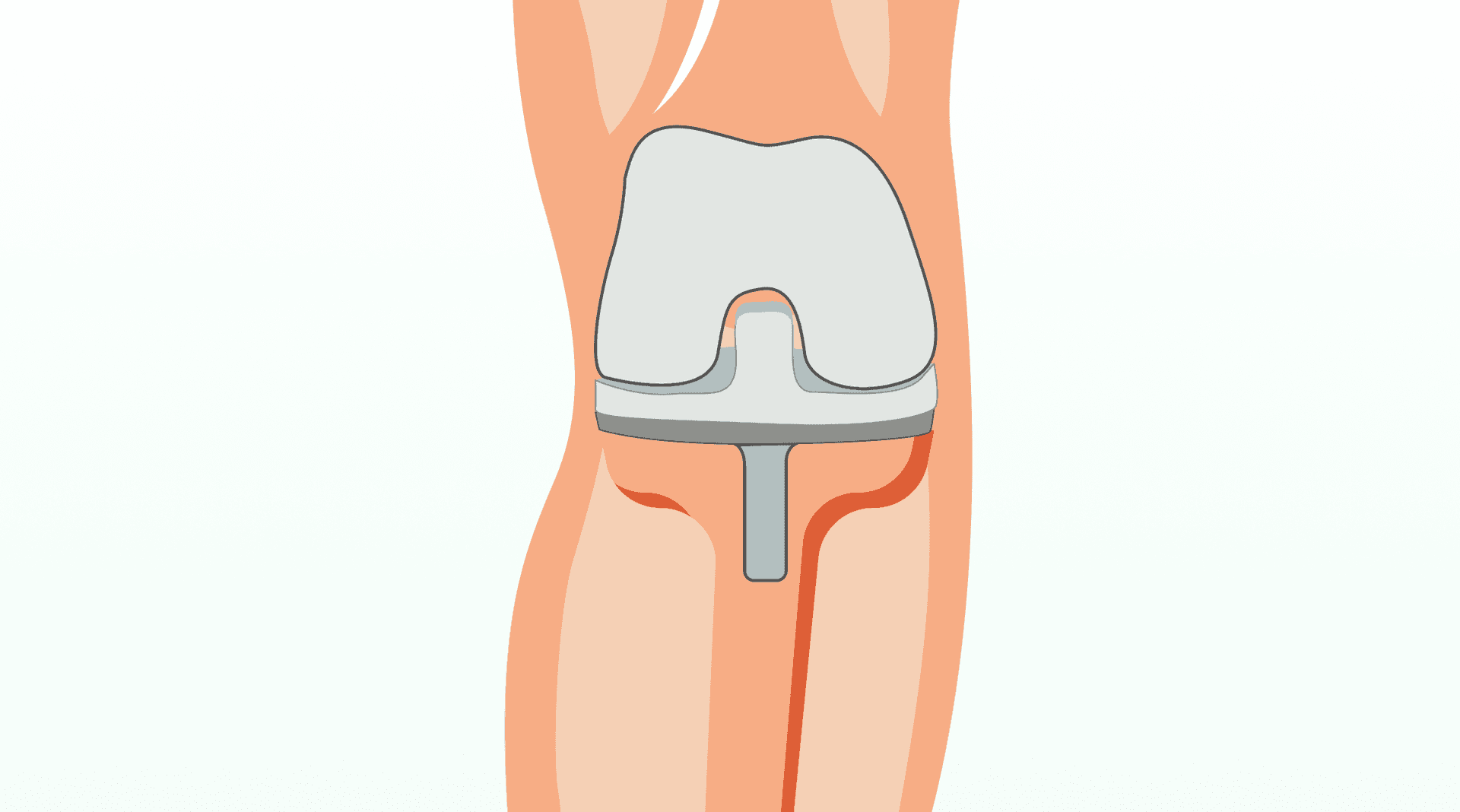






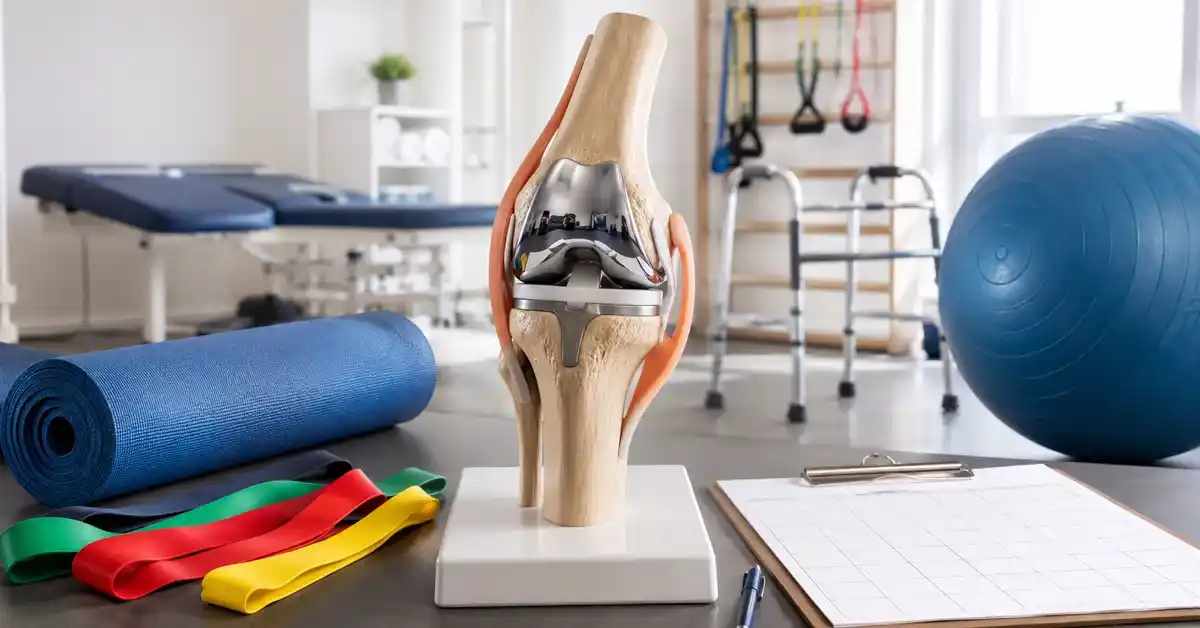
Getting a prosthetic knee joint is the start of a new journey toward a life free from pain and full of movement. But the key to the true success of this operation lies not in the surgery alone, but in committing to a structured knee rehabilitation program. The right exercises, performed at the right time, are what ensure you fully regain your knee's strength and flexibility.
In this article, we provide you with a comprehensive guide and a knee exercise plan to help you successfully navigate every stage of your recovery. At Safemedigo, we believe that empowering you with the right knowledge and tools is the foundation for achieving the best results and returning to your favorite activities with confidence and strength.
Knee Rehabilitation After Prosthetic Surgery
Importance of Knee Rehabilitation
Knee rehabilitation is an integral part of the healing process after knee replacement surgery. This process aims to achieve several vital goals:
- Restore full range of motion in the knee.
- Strengthen the muscles surrounding the knee to support the new joint.
- Reduce pain and swelling after surgery.
- Improve balance and prevent falls.
- Ensure a safe and effective return to daily activities.
Without a proper rehabilitation program, a patient may struggle to achieve the full benefit of the new joint.
Knee Rehabilitation Stages
The stages of knee rehabilitation are typically divided into three main phases, each with its own goals and exercises. The first stage begins immediately after surgery in the hospital, focusing on basic movements and pain control. This is followed by the intermediate stage, which focuses on increasing strength and range of motion, and finally, the advanced stage, which aims for a full return to functional activities.
Knee Rehabilitation Duration
The duration of knee rehabilitation varies from person to person, depending on factors such as age, pre-surgery fitness level, and commitment to the exercise program. In general, a full recovery can take anywhere from 3 to 6 months, and improvements in strength and function can continue for up to a year.
Recovery After Knee Replacement Surgery
Knee Replacement Recovery
The knee replacement recovery begins in the recovery room. You will be encouraged to start moving your foot and knee as soon as possible. The initial recovery involves managing pain and swelling and starting the physical therapy program. Adhering to the medical team's instructions is key to a smooth recovery.
Knee Pain After Surgery
It is normal to experience some pain after knee replacement. This pain will be effectively managed with medication. It is important to inform the medical team if the pain is severe. Using cold packs and elevating the leg can also help reduce pain and swelling at home.
Walking After Knee Replacement
Walking after knee replacement is an essential part of the healing process. You will start by walking short distances with a walker or crutches on the first day after surgery. A physical therapist will help you learn the correct way to walk and gradually increase the distance. Regular walking improves circulation and prevents complications.
Read about: Knee Joint Replacement: When to Opt for Surgery
Physical Therapy After Knee Replacement
Knee Physical Therapy
Knee physical therapy focuses on restoring its function. The therapist will assess your condition and create an individual treatment plan. This includes specific exercises, manual techniques to improve joint movement, and patient education on how to protect the new joint. The success of knee rehabilitation largely depends on the quality of the physical therapy program.
Knee Physiotherapy Treatment
Knee physiotherapy, another term for physical therapy, uses a variety of methods to speed up healing. This may include the use of heat or cold, electrical stimulation to strengthen muscles, and massage to reduce swelling and tissue stiffness. These techniques complement the exercise program and help improve results.
Improving Knee Mobility
The main goal is improving knee mobility, especially the ability to fully extend (straighten) and bend it. You will be taught specific exercises to gradually increase the range of motion. Devices like a continuous passive motion (CPM) machine may be used in some cases to help gently move the knee after surgery.

Knee Exercise Plan After Surgery
Knee Exercise Plan
The knee exercise plan should be structured and followed regularly. It is usually recommended to perform the exercises 2-3 times a day, with 10-15 repetitions for each exercise. It is important to listen to your body and not overdo it, especially in the early stages. The exercises should be challenging but not acutely painful.
Exercises After Knee Replacement
The exercises after knee replacement are specifically designed to strengthen the muscles surrounding the new joint (especially the quadriceps and hamstrings) and improve range of motion. These exercises will be adapted as you progress through the different stages of healing.
Home Knee Exercises
After being discharged from the hospital, you will continue with home exercises after knee replacement. It is essential to create a safe and comfortable space to perform these exercises. Adhering to the home program is key to maintaining the progress made in the hospital and accelerating the overall healing process.
Read about: Top Knee Replacement Technologies Available in Turkey
Strengthening the Knee After Surgery
Knee Strengthening After Surgery
Strengthening the knee after surgery is vital for stabilizing the new joint. The exercises focus on the quadriceps (front of the thigh) and hamstring muscles (back of the thigh). Strong muscles act as shock absorbers and protect the artificial joint from excessive stress.
Knee Flexibility After Replacement
Regaining knee flexibility after replacement is just as important as strength. Stretching exercises aim to increase your ability to fully bend and straighten your knee. This is necessary for activities like climbing stairs, sitting and standing from a chair, and getting in and out of a car.
Preventing Knee Stiffness
Preventing knee stiffness is one of the main goals of rehabilitation. Scar tissue can form around the new joint, limiting movement. Early and regular movement and diligently performing range-of-motion exercises are the best ways to prevent stiffness and ensure a flexible, functional joint.
Knee Rehabilitation Exercises by Stages
Early Stage Knee Exercises (Weeks 1-2)
This stage focuses on gentle movements in bed to promote circulation and activate muscles:
- Ankle Pumps: Repeatedly move your foot up and down.
- Quad Sets: Tighten your thigh muscle and press the back of your knee into the bed. Hold for 5 seconds.
- Heel Slides: Lie on your back and slide your heel toward your buttocks to bend your knee.
Intermediate Stage Knee Exercises (Weeks 3-6)
In this stage, you begin to add light weight-bearing and more challenging strengthening exercises:
- Straight Leg Raises: Lie on your back with your good leg bent, and lift your operated leg straight up.
- Mini-Squats: Hold onto a stable surface and perform a partial squat.
- Balance Exercises: Try standing on one leg for short periods.
Advanced Stage Knee Exercises (Week 7 onwards)
This stage aims for a return to full functional activities and increased endurance:
- Stair Climbing and Descending: Practice going up and down stairs correctly.
- Stationary Biking: Start with low resistance and gradually increase it.
- Step-Ups: Use a low step to practice stepping up and down.
Read about: Knee Replacement: Cost Quality in Turkey vs Germany
Successful Knee Rehabilitation and Better Outcomes
Successful Knee Rehabilitation
Successful knee rehabilitation depends on your full cooperation with the physical therapy team. Be positive, set realistic goals, and celebrate your progress. Remember that healing is a gradual process and there will be good days and bad days.
Following the Exercise Plan
Adhering to the exercise plan is the most important factor in determining the outcome of your surgery. Even if you feel tired or uncomfortable, it is essential to complete your exercises every day. Consistency is the key to regaining strength and movement and preventing complications like knee stiffness.
Post-Rehabilitation Medical Follow-Up
After completing the formal physical therapy program, it is important to continue exercising regularly and maintain an active lifestyle. Regular medical follow-up with your surgeon will help monitor the condition of the artificial joint in the long term and ensure it is functioning well.
Read about: Knee Joint Replacement Rehab: Steps and Pain Management
Conclusion
In conclusion, the journey of knee rehabilitation after prosthetic surgery is an investment in your future. By following a structured exercise plan and adhering to your medical team's guidance, you can ensure the best possible outcomes and return to enjoying an active, mobile life. Remember that every exercise you do is a step toward regaining your freedom. Start your journey to a stronger knee today and contact the experts at Safemedigo for the support you need.
Frequently Asked Questions: Knee Rehabilitation After Prosthetic Surgery
When can I fully bend my knee after surgery?
The typical goal is to achieve 90 degrees of knee flexion within the first two weeks, and to reach 110-120 degrees or more as rehabilitation progresses. Progress depends on your commitment to the exercises and your individual condition.
Is it normal to hear clicking sounds from my new knee?
Yes, it is common to hear quiet clicking or popping sounds from the artificial joint, especially in the first few months. These sounds are caused by the metal and plastic parts moving against each other and usually lessen over time. If the sounds are accompanied by pain, you should consult your doctor.
When can I sleep on my side?
You can usually start sleeping on your side (including the operated side) after about 4 to 6 weeks, with a pillow between your knees to keep the legs properly aligned and prevent twisting the joint.
Will I need physical therapy forever?
The formal physical therapy program usually lasts for two to three months. After that, it is important to incorporate the exercises you have learned into your daily routine to maintain your knee's strength and agility in the long term.
What are the best activities to do after full recovery?
Low-impact activities are best for a prosthetic knee joint. Excellent options include walking, swimming, cycling, dancing, and golfing. High-impact activities like running and jumping should be avoided.