





Natural ways to stimulate ovulation are often searched by women who want to improve their chances of pregnancy, regulate their cycle, or support reproductive health before seeking medical treatment. While nutrition, weight management, sleep, moderate exercise, stress reduction, and cycle tracking can support ovulation, natural methods should not replace medical evaluation when periods are very irregular, ovulation is absent, or pregnancy has not occurred after a reasonable time.
At Safemedigo, ovulation support is approached in a balanced way. Some women may improve ovulation naturally by correcting lifestyle factors, especially when irregular ovulation is related to weight changes, insulin resistance, stress, or polycystic ovary syndrome. However, other cases may need hormone testing, ultrasound evaluation, thyroid assessment, prolactin testing, or medically guided ovulation induction.
This article explains how to stimulate ovulation naturally, natural ovulation boosters, foods that boost ovulation, herbs for ovulation, common ovulation problems cause, hormones and ovulation, ovulation supplements, ovulation cycle tracking, when ovulation occurs, and how to increase chances of pregnancy safely and realistically.
Natural Ways to Stimulate Ovulation
Natural ways to stimulate ovulation focus on helping the body restore hormonal balance rather than forcing the ovaries to work quickly. Ovulation is influenced by many factors, including body weight, nutrition, sleep, stress, thyroid function, insulin sensitivity, prolactin level, ovarian reserve, and the presence of conditions such as PCOS.
For many women, the first step is understanding whether ovulation is actually happening. A regular cycle often suggests regular ovulation, but it is not always a guarantee. Irregular cycles, very long cycles, absent periods, or unpredictable bleeding may indicate ovulation problems that need medical assessment.
Lifestyle changes may help, especially when the issue is mild. ACOG notes that for women with PCOS who are overweight, even modest weight loss may help regulate menstrual periods and improve insulin and cholesterol levels. Still, if pregnancy does not occur after 12 months of trying, or after 6 months when the woman is 35 or older, medical evaluation should not be delayed.
stimulate ovulation naturally
To stimulate ovulation naturally, the goal is to support the hormonal signals that allow the ovary to mature and release an egg. This often begins with stabilizing blood sugar, improving nutrition, maintaining a healthy weight, and reducing factors that interfere with reproductive hormones.
Helpful steps may include:
- Eating balanced meals with protein, vegetables, whole grains, and healthy fats.
- Reducing added sugars and highly processed foods.
- Exercising moderately and consistently.
- Sleeping enough hours each night.
- Reducing smoking and avoiding alcohol while trying to conceive.
- Managing stress without extreme dieting or over-exercising.
- Treating thyroid or prolactin problems if present.
- Tracking cycles to identify ovulation patterns.
These steps may support ovulation, but they do not treat every medical cause of anovulation. If cycles are absent, very irregular, or accompanied by excessive hair growth, acne, severe pain, or heavy bleeding, medical evaluation is important.
increase ovulation naturally
To increase ovulation naturally, the focus should be on improving ovulation regularity rather than trying to release multiple eggs. In a natural cycle, one healthy ovulation is usually enough for pregnancy when timing, sperm quality, and reproductive anatomy are suitable.
Women can support regular ovulation by addressing common lifestyle-related factors. For example, being significantly underweight or overweight may affect hormones and ovulation. Excessive exercise, poor sleep, chronic stress, and restrictive diets may also disturb menstrual patterns.
Practical habits that may help include:
- Keeping meals regular.
- Choosing low-glycemic carbohydrates when insulin resistance is suspected.
- Including healthy fats such as olive oil, nuts, and avocado.
- Avoiding crash diets.
- Adding strength and walking exercises without overtraining.
- Monitoring cycle length.
- Seeking care if cycles are consistently longer than 35 days or absent.
Increase ovulation naturally is possible in some cases, but persistent irregular ovulation treatment should be guided by a fertility specialist.
Read about: Do Natural Fertility Vitamins Really Help with Conception?
Foods and Herbs for Ovulation
Foods and herbs for ovulation are commonly discussed, but they should be approached carefully. Food can support reproductive health by improving metabolism, reducing inflammation, and providing nutrients needed for hormone production. Herbs may be used traditionally, but evidence for many herbal treatments is limited and quality can vary.
A fertility-supportive diet does not need to be extreme. The best approach is usually balanced eating, stable blood sugar, enough protein, healthy fats, and adequate vitamins and minerals. This is especially important in women with PCOS, insulin resistance, thyroid imbalance, or irregular cycles.
Herbs for ovulation should never be used as a replacement for diagnosis. Some herbs may interact with medications, affect hormones unpredictably, or be unsafe during early pregnancy. For this reason, women trying to conceive should tell their doctor about any herbal products or supplements they use.
foods that boost ovulation
Foods that boost ovulation are not magic foods that force the ovary to release an egg. Instead, they support the body’s reproductive environment. Good nutrition helps regulate blood sugar, support hormone production, reduce inflammation, and prepare the body for pregnancy.
Helpful foods may include:
- Eggs, fish, poultry, legumes, and other protein sources.
- Leafy greens and colorful vegetables.
- Berries and antioxidant-rich fruits.
- Whole grains such as oats, brown rice, and quinoa.
- Healthy fats such as olive oil, nuts, seeds, and avocado.
- Dairy or calcium-rich alternatives when appropriate.
- Iron-rich foods such as lentils, spinach, and lean meats.
- Adequate water throughout the day.
For women with PCOS or insulin resistance, reducing sugary drinks and refined carbohydrates may be especially helpful. NICE advises that factors such as obesity, smoking, alcohol, and general lifestyle should be discussed with people concerned about fertility.
herbs for ovulation
Herbs for ovulation are widely promoted, but they should be used with caution. Some herbs are traditionally believed to support menstrual regularity or hormone balance, but medical evidence is not equally strong for all products. Also, herbal supplements are not always standardized, which means dose and quality can differ between brands.
Commonly discussed herbs may include chasteberry, cinnamon, maca, and others, but none should be treated as a guaranteed ovulation treatment. Some may not be suitable for women taking fertility medications, thyroid medication, blood thinners, or hormone-related treatments.
Before using herbs for ovulation, it is safer to ask:
- Is there a confirmed ovulation problem?
- What is the likely cause?
- Could this herb interact with medication?
- Is pregnancy possible this cycle?
- Is the product regulated and reliable?
- Could it delay proper treatment?
Herbs may be supportive for some women, but they should not replace medical care when ovulation is irregular or absent.

Causes of Ovulation Problems
Ovulation problems cause irregular cycles, delayed periods, absent periods, or difficulty timing pregnancy. Sometimes ovulation happens late; sometimes it does not happen at all. The cause may be hormonal, metabolic, ovarian, thyroid-related, stress-related, or linked to body weight.
Common causes include PCOS, thyroid imbalance, high prolactin, significant weight changes, excessive exercise, chronic stress, low ovarian reserve, and certain medications. Sometimes irregular ovulation is temporary, especially after major stress, illness, travel, or rapid weight change. In other cases, it needs medical evaluation.
Identifying the cause is essential because treating ovulation issues depends on the diagnosis. A woman with PCOS may need a different plan from a woman with thyroid disease or diminished ovarian reserve.
Ovulation problems cause
Ovulation problems cause difficulty because they reduce the number of chances to conceive. If ovulation is unpredictable, it becomes harder to time intercourse. If ovulation does not happen, pregnancy cannot occur naturally in that cycle.
Possible causes include:
- Polycystic ovary syndrome.
- Thyroid disorders.
- High prolactin.
- Insulin resistance.
- Obesity or being underweight.
- Excessive exercise.
- Chronic stress.
- Poor sleep.
- Premature ovarian insufficiency.
- Certain medications.
- Recent stopping of hormonal contraception.
- Perimenopause in older reproductive age.
Signs that may suggest an ovulation problem include cycles shorter than 21 days, longer than 35 days, missed periods, very irregular bleeding, acne, excess facial hair, or difficulty conceiving. A fertility doctor may request hormone tests, ultrasound, and cycle tracking to identify the cause.
treat ovulation issues
Treat ovulation issues by first identifying the reason. Natural steps may help when the cause is lifestyle-related, but medical treatment may be needed for PCOS, thyroid disease, high prolactin, or persistent anovulation.
A practical treatment approach may include:
- Tracking cycles and ovulation signs.
- Checking thyroid, prolactin, and ovarian hormones.
- Performing ultrasound when needed.
- Adjusting weight gradually if underweight or overweight.
- Improving insulin resistance through diet and activity.
- Treating infections or medical conditions.
- Using ovulation induction medication if recommended.
- Timing intercourse during the fertile window.
Women should seek medical advice if periods are absent for several months, cycles remain very irregular, or pregnancy does not happen despite regular intercourse. Natural methods can support treatment, but they may not be enough when a hormonal disorder is present.
Read about: How Hormones Affect Fertility: Key Tests Couples Should Consider
Hormones and Ovulation
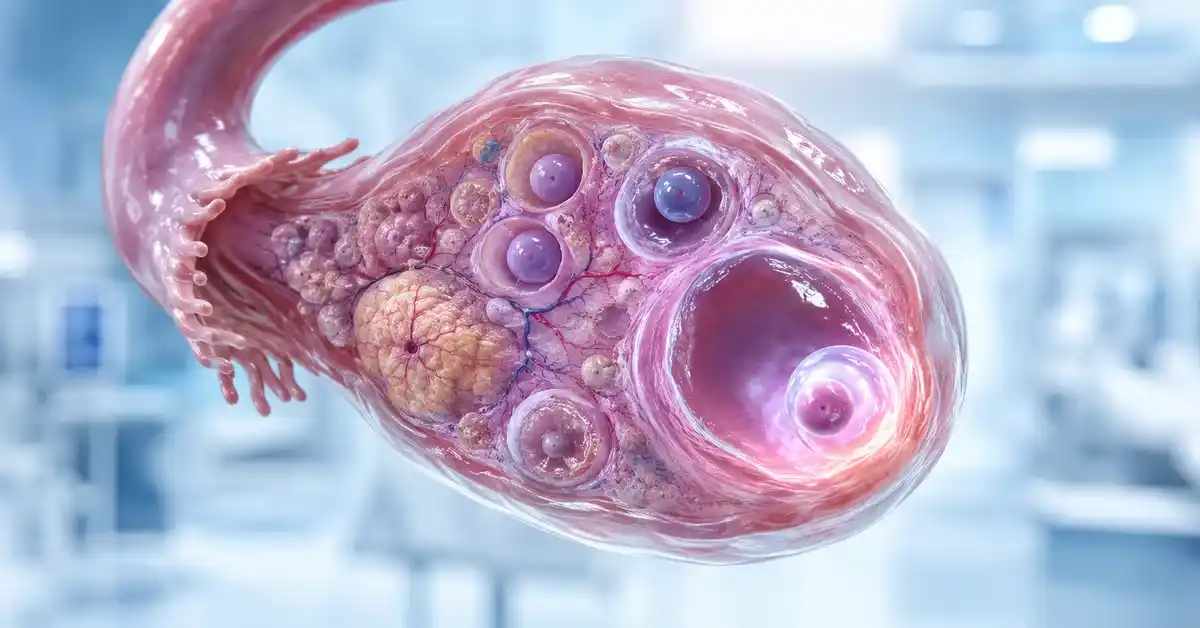
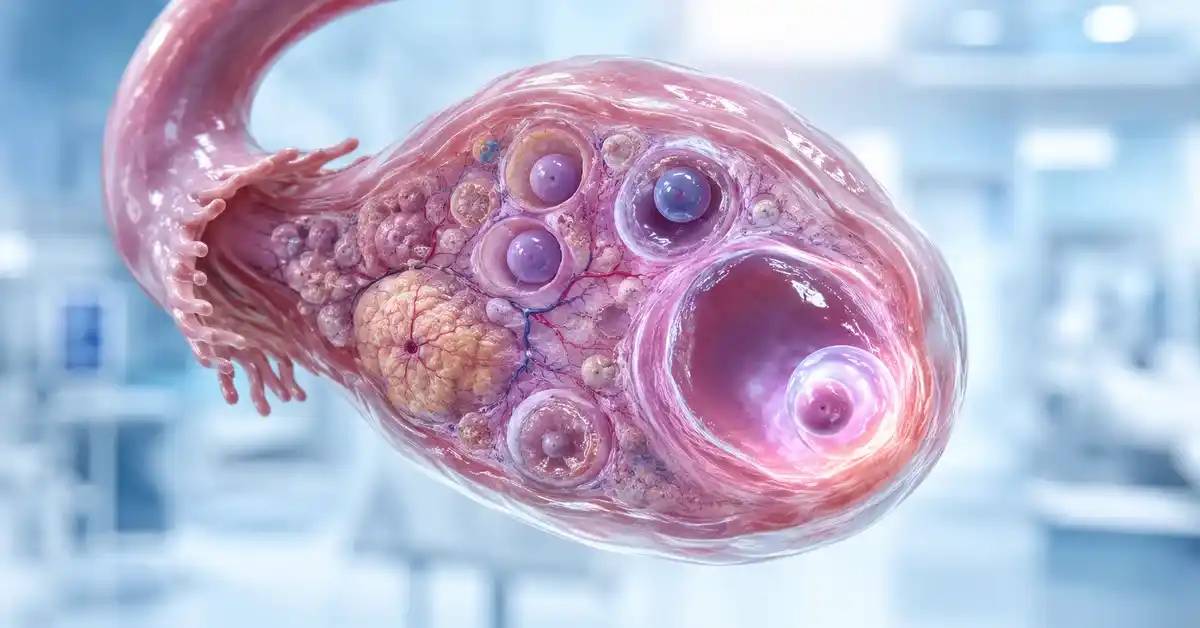
Hormones and ovulation are closely connected. Ovulation occurs through communication between the brain, pituitary gland, ovaries, and uterus. The main hormones involved include follicle-stimulating hormone, luteinizing hormone, estrogen, progesterone, thyroid hormones, prolactin, insulin, and androgens.
When these hormones are balanced, a follicle grows, estrogen rises, luteinizing hormone surges, and the egg is released. After ovulation, progesterone rises to support the uterine lining. If hormonal signals are disrupted, ovulation may become delayed or absent.
Understanding hormones and ovulation helps explain why irregular ovulation treatment often begins with blood tests. A woman may need thyroid treatment, prolactin correction, PCOS management, or ovulation induction depending on the results.
hormones and ovulation
Hormones and ovulation work in a sequence. Early in the cycle, follicle-stimulating hormone helps follicles grow. As a dominant follicle develops, estrogen rises. When estrogen reaches a certain level, luteinizing hormone increases sharply and triggers ovulation. After ovulation, progesterone becomes dominant.
Disruption can happen at different points:
- Low or high thyroid function may affect cycle regularity.
- High prolactin may suppress ovulation.
- High androgens in PCOS may interfere with follicle development.
- Insulin resistance may worsen hormonal imbalance.
- Low body weight may reduce reproductive hormone signaling.
- Stress and excessive exercise may delay ovulation.
Hormone testing can help identify which part of the system is affected. This is why natural ovulation boosters should not be used blindly when cycles are irregular.
irregular ovulation treatment
Irregular ovulation treatment depends on the cause. If irregular ovulation is related to lifestyle, improving weight, sleep, nutrition, and activity may help. If it is caused by PCOS, thyroid disease, high prolactin, or diminished ovarian reserve, medical treatment may be needed.
Treatment may include:
- Lifestyle changes for weight and insulin resistance.
- Thyroid medication when thyroid function is abnormal.
- Treatment for high prolactin when confirmed.
- Ovulation induction medication when appropriate.
- Ultrasound monitoring in fertility treatment cycles.
- Timing intercourse during the fertile window.
- Referral to a fertility specialist if pregnancy is delayed.
ACOG explains that PCOS is a hormone-related condition and that weight loss may help regulate menstrual cycles in overweight women with PCOS. This makes lifestyle support important, but it should still be matched to the diagnosis.
Read about: Best Foods to Naturally Boost Fertility in Men and Women
Supplements and Vitamins
Supplements and vitamins may support ovulation when there is a real deficiency or a specific medical reason. They should not be used randomly or in high doses without medical advice. More supplements do not always mean better fertility, and some products may interact with medications or be unsafe in early pregnancy.
Commonly discussed ovulation supplements include folic acid, vitamin D, omega-3, inositol for selected PCOS cases, and antioxidants. However, the right choice depends on blood tests, diet, medical history, and whether the woman is actively trying to conceive.
Ovulation support vitamins should be part of a broader plan that includes nutrition, cycle tracking, medical evaluation, and timing intercourse correctly. They are supportive tools, not guaranteed treatments.
ovulation supplements
Ovulation supplements may help when targeted properly. For example, folic acid is widely recommended before pregnancy to reduce neural tube defect risk. Vitamin D may be corrected when deficiency is confirmed. Inositol may be discussed in women with PCOS or insulin resistance, but it should be used with medical guidance.
Possible supplements to discuss with a doctor include:
- Folic acid or prenatal vitamins.
- Vitamin D when deficient.
- Omega-3 if dietary intake is low.
- Inositol in selected PCOS cases.
- Iron only if deficiency is present.
- B12 when dietary intake or blood tests suggest need.
- Antioxidants when medically relevant.
Women should avoid combining many fertility products without supervision. Some formulas contain overlapping ingredients, high doses, or herbal extracts that may not be suitable.
ovulation support vitamins
Ovulation support vitamins work best when they correct a specific need. For example, a woman with vitamin D deficiency may benefit from correction, but taking excessive vitamin D without testing can be harmful. Similarly, iron supplementation is useful when deficiency is present but unnecessary for everyone.
Important nutrients for reproductive health include:
- Folate.
- Vitamin D.
- Iron when deficient.
- B vitamins.
- Iodine when appropriate.
- Zinc.
- Omega-3 fatty acids.
- Magnesium through diet or supplementation when needed.
The safest approach is to use a pregnancy-safe prenatal vitamin and test for specific deficiencies when suspected. Women with thyroid disease, kidney disease, clotting conditions, or medication use should ask their doctor before starting supplements.
Read about: Natural Fertility Treatments: Effective Ways to Boost Conception
Tracking Ovulation Cycle
Tracking ovulation cycle patterns helps couples identify the fertile window and time intercourse more effectively. Ovulation usually occurs about 12–16 days before the next period, not always on day 14. Women with longer or irregular cycles may ovulate later or unpredictably.
Cycle tracking can include calendar tracking, cervical mucus changes, ovulation predictor kits, basal body temperature, or ultrasound monitoring in medical cycles. Each method has advantages and limitations. For example, ovulation predictor kits detect LH surge, but in PCOS they may sometimes be confusing because LH can be elevated.
ASRM states that the fertile window is the six-day interval ending on the day of ovulation, and frequent intercourse every 1–2 days during this period gives the highest pregnancy rates.
ovulation cycle tracking
Ovulation cycle tracking helps women understand whether their cycles are predictable. A simple starting point is recording the first day of each period and the total cycle length. Over several months, this pattern can show whether ovulation timing is likely regular or variable.
Common tracking methods include:
- Calendar tracking.
- Cervical mucus observation.
- Ovulation predictor kits.
- Basal body temperature charting.
- Wearable cycle trackers.
- Ultrasound monitoring when medically indicated.
Cervical mucus often becomes clearer, stretchier, and more slippery near ovulation. Basal body temperature rises slightly after ovulation, so it confirms ovulation after it happens rather than predicting it in advance. Ovulation tests may help predict the fertile window, but they are less reliable in some hormonal conditions.
When ovulation occurs
When ovulation occurs depends on cycle length. In a 28-day cycle, ovulation often occurs around day 14, but this is not true for everyone. In a 35-day cycle, ovulation may occur closer to day 21. In irregular cycles, ovulation may shift from month to month.
A more accurate way to think about ovulation is that the period usually comes about 12–16 days after ovulation. This second half of the cycle is more stable than the first half for many women. Stress, illness, travel, and hormonal changes may delay ovulation.
Possible signs of ovulation include:
- Clear stretchy cervical mucus.
- Mild one-sided pelvic discomfort.
- Increased libido.
- Positive ovulation predictor test.
- Slight temperature rise after ovulation.
- Breast tenderness after progesterone rises.
Tracking helps, but if ovulation is consistently unclear, medical evaluation is recommended.
Read about: How Hormones Affect Fertility: Essential Tests for Couples
Boosting Fertility Naturally
Boosting fertility naturally involves improving overall reproductive health while respecting medical limits. Natural ways to get pregnant include timing intercourse well, supporting ovulation, improving lifestyle, managing chronic conditions, and seeking medical care early when warning signs appear.
Natural methods are most effective when there is no major medical barrier. If fallopian tubes are blocked, sperm count is severely low, ovulation is absent, or ovarian reserve is very low, lifestyle alone may not be enough. In these cases, early fertility care can save time and improve planning.
Boost fertility naturally should mean “support the body intelligently,” not “delay diagnosis.” A balanced approach gives couples the best chance to benefit from both natural habits and medical care when needed.
boost fertility naturally
To boost fertility naturally, both partners should prepare for pregnancy. Female ovulation is important, but sperm quality, timing, and general health also matter. The couple should focus on habits that improve reproductive readiness.
Helpful steps include:
- Have intercourse every 1–2 days during the fertile window.
- Stop smoking.
- Avoid alcohol while trying to conceive.
- Maintain a healthy weight.
- Eat a Mediterranean-style balanced diet.
- Exercise moderately.
- Sleep well.
- Manage chronic diseases.
- Treat thyroid or prolactin disorders.
- Avoid unnecessary medications without medical advice.
- Take folic acid or a pregnancy-safe prenatal vitamin.
NICE encourages support for smoking cessation and discusses weight-related factors in fertility guidance, showing that lifestyle counseling is part of fertility care.
increase chances of pregnancy
Increase chances of pregnancy by combining correct timing with healthy preparation. Many couples miss the most fertile days because they assume ovulation always occurs on day 14. In reality, timing should be based on cycle length and ovulation signs.
Practical tips include:
- Track cycles for several months.
- Identify fertile mucus changes.
- Use ovulation predictor kits if cycles are predictable.
- Have intercourse every 1–2 days in the fertile window.
- Avoid lubricants that may harm sperm unless fertility-friendly.
- Do not wait too long before seeking evaluation.
- Check both partners, not only the woman.
- Treat irregular ovulation early.
ASRM recommends evaluation earlier for women aged 35 or older after 6 months of trying, and sooner when there is known infertility risk such as irregular cycles or suspected reproductive disease. This is especially important because time can affect treatment options.
Read about: Fertility Treatments: Turkey vs USA
Conclusion
Natural ways to stimulate ovulation can support reproductive health when they are used safely and realistically. Balanced nutrition, healthy weight, moderate exercise, good sleep, stress management, cycle tracking, and correcting deficiencies may help improve ovulation naturally in some women, especially when irregularity is related to lifestyle or PCOS.
However, natural ovulation boosters are not a substitute for medical diagnosis. If cycles are absent, very irregular, painful, or pregnancy is delayed, the right step is to evaluate hormones, thyroid function, prolactin, ovarian reserve, ultrasound findings, and sperm quality. Treat ovulation issues based on the cause, not only on general advice.
Frequently Asked Questions: Natural Ways to Stimulate Ovulation
Can I stimulate ovulation naturally?
Yes, some women can stimulate ovulation naturally by improving weight, nutrition, sleep, stress levels, insulin resistance, and general health. However, if ovulation problems are caused by PCOS, thyroid disease, high prolactin, or low ovarian reserve, medical evaluation and treatment may be needed.
What foods boost ovulation?
Foods that boost ovulation indirectly include protein-rich foods, vegetables, fruits, whole grains, healthy fats, nuts, seeds, and iron-rich foods. These foods support hormone balance and metabolic health, but no single food can guarantee ovulation or pregnancy.
Are herbs for ovulation safe?
Herbs for ovulation should be used carefully. Some herbs may affect hormones or interact with medications, and many are not well studied. Women trying to conceive should speak with a doctor before using herbal products, especially if cycles are irregular or fertility medications are being used.
When does ovulation occur?
Ovulation usually occurs about 12–16 days before the next period. In a 28-day cycle, it may happen around day 14, but in longer cycles it may occur later. Ovulation cycle tracking can help identify the fertile window more accurately.
How can I increase chances of pregnancy naturally?
You can increase chances of pregnancy naturally by timing intercourse during the fertile window, tracking ovulation, maintaining a healthy lifestyle, stopping smoking, managing weight and chronic diseases, taking folic acid, and seeking fertility evaluation if pregnancy is delayed.