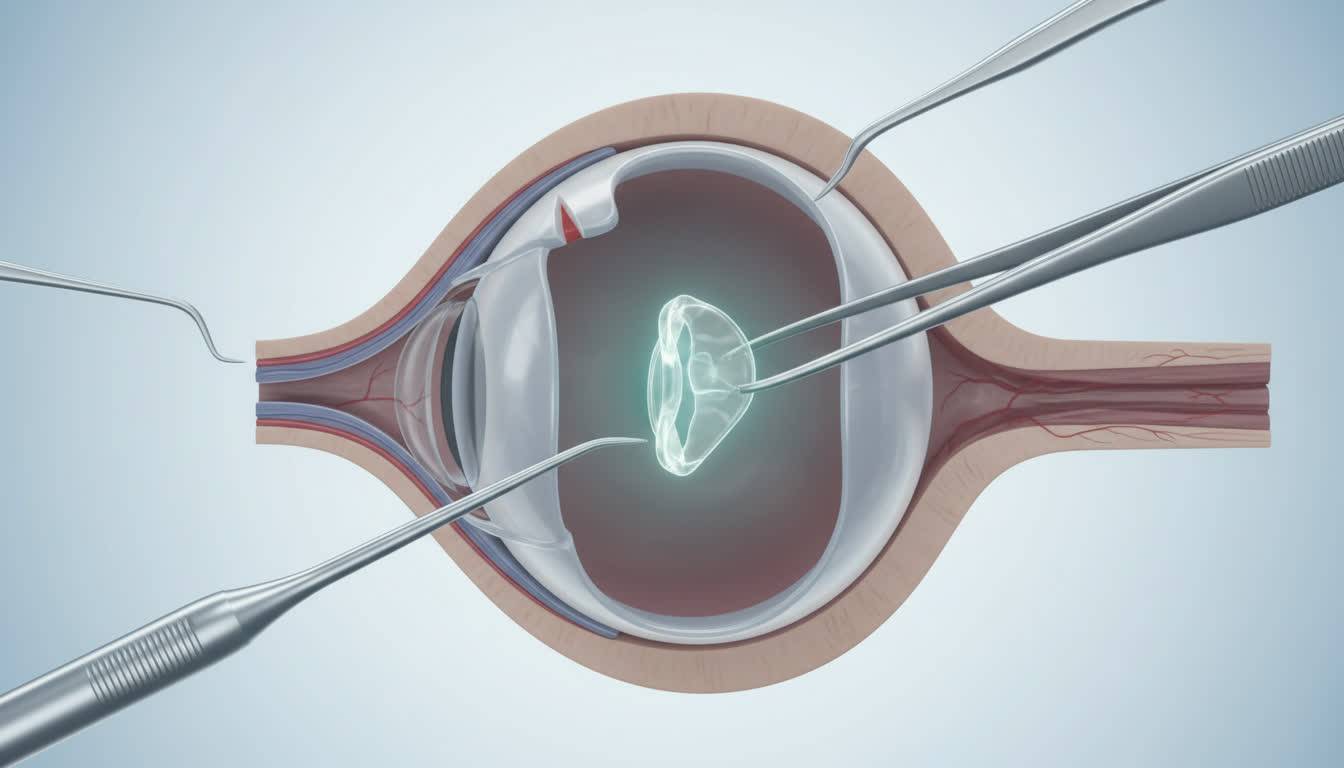






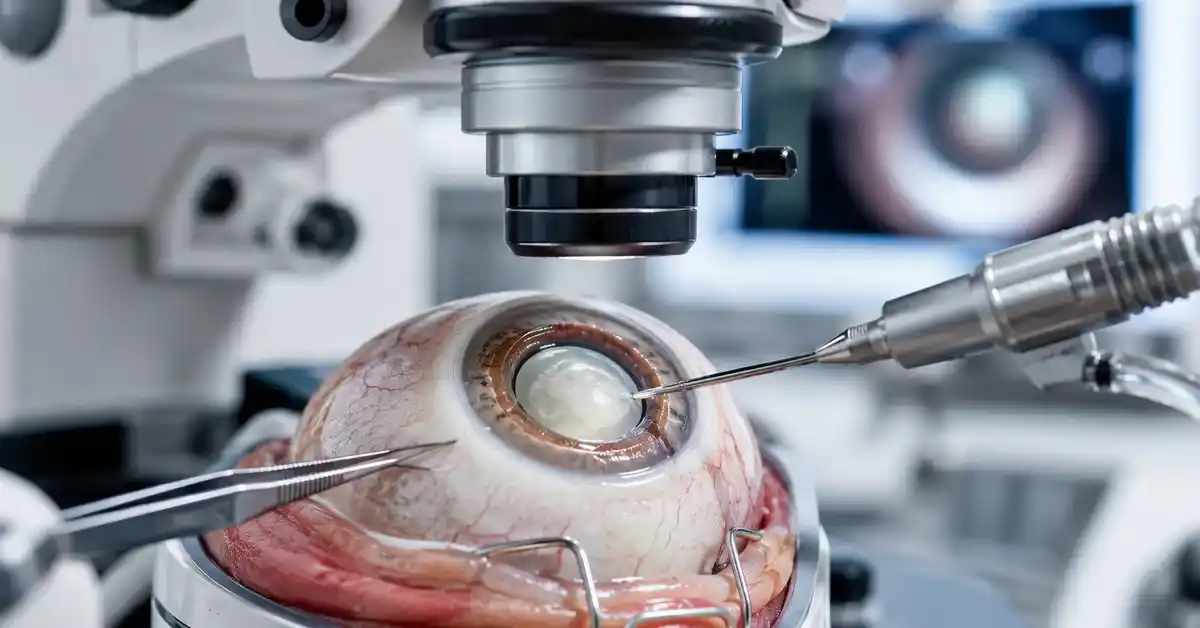
Cataract treatment has developed significantly over the years. In the past, cataract surgery often required larger incisions and longer recovery. Today, modern cataract surgery usually uses small-incision phacoemulsification, advanced surgical microscopes, precise eye measurements, and artificial intraocular lenses that can be selected according to the patient’s visual needs.
Cataracts occur when the natural lens of the eye becomes cloudy. This can cause blurred vision, glare, poor night vision, faded colors, difficulty reading, frequent changes in glasses prescription, and reduced confidence in daily activities. When cataracts begin to affect quality of life, surgery may be recommended to remove the cloudy lens and replace it with a clear artificial lens.
The latest cataract treatment technologies include advanced phacoemulsification, femtosecond laser-assisted cataract surgery, toric lenses for astigmatism, multifocal lenses, and extended depth of focus lenses. However, the newest technology is not always the best choice for every patient. The right treatment depends on the condition of the eye, cornea, retina, lifestyle, expectations, and the type of lens selected.
What Is a Cataract?
A cataract is clouding of the eye’s natural lens. This lens normally helps focus light onto the retina, creating a clear image. When the lens becomes cloudy, light cannot pass through clearly, and vision becomes blurred or dim.
Cataracts are most commonly related to aging, but they may also be associated with diabetes, eye injury, long-term steroid use, smoking, ultraviolet light exposure, genetic factors, or previous eye surgery. Cataracts can progress slowly, and many patients do not need surgery immediately.
How Cataracts Affect Vision
Cataracts affect vision by scattering or blocking light before it reaches the retina. The patient may feel as if they are looking through fogged glass. The change can be gradual, so some patients adapt without noticing how much their vision has declined.
Common symptoms include:
- Blurred vision.
- Poor night vision.
- Glare from lights.
- Halos around lamps or headlights.
- Faded colors.
- Frequent glasses changes.
- Difficulty reading.
- Difficulty driving at night.
- Double vision in one eye in some cases.
- Need for brighter light.
Cataracts cannot be permanently reversed with eye drops or medication. When symptoms interfere with daily life, surgery becomes the main effective treatment.
When Cataracts Need Treatment
Not every cataract requires surgery immediately. The decision depends on how much the cataract affects the patient’s vision and daily activities. A mild cataract may be monitored, especially if glasses still provide acceptable vision.
Surgery may be considered when:
- Reading becomes difficult.
- Driving becomes unsafe.
- Night vision is poor.
- Glasses no longer improve vision enough.
- Work or daily tasks are affected.
- The doctor cannot examine the retina well because of lens clouding.
- There is a large difference between the two eyes.
- Light sensitivity becomes disturbing.
- The patient wants better functional vision.
The goal is not simply to remove a cataract because it exists, but to improve useful vision and quality of life.
Read about: LASIK vs Femto LASIK: How to Choose the Best Vision Correction
How Cataract Treatment Has Evolved
Cataract treatment has evolved from larger-incision traditional surgery to small-incision phacoemulsification and, in selected cases, laser-assisted procedures. This evolution has made cataract surgery more precise, more predictable, and often faster to recover from.
At the same time, intraocular lens technology has changed the purpose of surgery. Modern cataract surgery is not only about removing cloudy vision; it is also about planning the patient’s post-surgery visual outcome.
From Traditional Surgery to Phacoemulsification
Traditional cataract surgery used larger incisions to remove the cloudy lens. Phacoemulsification changed the field by using ultrasound energy to break the cataract into small pieces, which are then removed through a small incision.
Potential advantages of phacoemulsification include:
- Smaller incision.
- Faster recovery in many patients.
- Less need for stitches in many cases.
- Precise lens removal.
- Local anesthesia in many patients.
- Implantation of an intraocular lens.
- Strong visual outcomes with correct planning.
- Wide availability.
Phacoemulsification remains one of the most widely used cataract surgery techniques worldwide. It is suitable for many patients, but complex cataracts may still require special planning.
How Intraocular Lenses Changed Results
The development of intraocular lenses has transformed cataract surgery. After removing the cloudy natural lens, the surgeon implants an artificial lens to focus light inside the eye. Modern lens options can be selected based on the patient’s lifestyle and eye measurements.
Lens options may include:
- Monofocal intraocular lenses.
- Toric lenses for astigmatism.
- Multifocal lenses.
- Extended depth of focus lenses.
- Enhanced intermediate-vision lenses.
- Customized lens calculations.
Lens selection can influence how much the patient depends on glasses after surgery. That is why lifestyle questions are important before surgery, including reading, driving, computer use, night driving, and expectations about glasses.
Read about: Latest Femtolasik Techniques for Sensitive Eyes in Turkey
Phacoemulsification Cataract Surgery
Phacoemulsification is the standard modern cataract surgery technique in many centers. It uses ultrasound energy to fragment the cloudy lens inside the eye, then removes the pieces and allows the surgeon to place an artificial intraocular lens.
The procedure is often done under local anesthesia. The patient usually does not feel significant pain, although they may feel pressure, light, or mild discomfort. The surgery itself may be relatively short, but preparation and recovery time at the center may take longer.
How Phaco Surgery Is Performed
Before surgery, the eye is measured carefully to calculate the correct lens power. During surgery, the surgeon makes a small corneal incision, opens the front capsule of the natural lens, breaks up the cloudy lens with ultrasound, removes the fragments, and places the artificial lens.
General steps may include:
- Eye sterilization.
- Local anesthesia.
- Small corneal incision.
- Opening the lens capsule.
- Ultrasound fragmentation.
- Removal of lens material.
- Intraocular lens implantation.
- Checking lens position.
- Eye drops or protective shield after surgery.
The details may vary depending on the eye, cataract density, surgeon technique, and lens type.
Advantages of Phacoemulsification
Phacoemulsification is widely used because it is effective, precise, and suitable for many types of cataracts. It has helped reduce incision size and recovery time compared with older methods.
Potential advantages include:
- Small incision.
- Limited discomfort in most cases.
- Local anesthesia in many patients.
- Fast visual recovery for many people.
- Accurate removal of the cloudy lens.
- Artificial lens implantation.
- Strong results in properly selected patients.
- Suitability for many cataract grades.
However, phaco still requires surgical expertise, especially in dense cataracts, weak lens support, corneal disease, previous eye surgery, or other complex eye conditions.
Read about: Femtosecond LASIK: Turkey vs Germany
Laser Cataract Surgery
Laser cataract surgery usually refers to femtosecond laser-assisted cataract surgery. It does not mean that the entire operation is performed by laser alone. The laser assists in selected steps, while the surgeon still removes the cataract and implants the artificial lens.
The laser may help create precise incisions, open the lens capsule, and soften or divide the cataract before removal. In some patients, this can improve surgical planning, but laser is not automatically necessary for every cataract case.
What Is Femtosecond Laser?
Femtosecond laser is a very fast and precise laser that uses ultra-short pulses. In cataract surgery, it can be guided by imaging systems to assist in planned surgical steps.
It may be used for:
- Corneal incisions.
- Capsulotomy.
- Lens fragmentation.
- Astigmatism-relaxing incisions in selected cases.
- More standardized execution of some steps.
The benefit depends on the patient’s eye and the surgeon’s plan. In many routine cataract cases, standard phacoemulsification can still provide excellent outcomes.
Phaco vs Laser Cataract Surgery
Phaco vs laser cataract surgery is not a simple question of old versus new. Phaco uses ultrasound energy and manual surgical technique to remove the cataract. Laser-assisted surgery uses femtosecond laser for selected steps before cataract removal.
General differences include:
- Phaco uses ultrasound fragmentation.
- Laser may assist with capsulotomy and lens fragmentation.
- Laser may reduce ultrasound energy in some cases.
- Phaco is more widely available.
- Laser may increase cost.
- Results may be similar in many patients.
- Choice depends on eye condition and goals.
The most important question is not whether laser is newer, but whether it provides meaningful value for the specific patient.

Latest Intraocular Lenses for Cataract Surgery
Modern cataract surgery also depends on the artificial lens implanted inside the eye. Lens choice can affect vision after surgery, including distance vision, reading vision, night driving comfort, and dependence on glasses.
No lens is perfect for everyone. Some advanced lenses may reduce glasses use but can increase glare or halos in certain patients. Eye health, corneal shape, retina condition, and lifestyle must be considered before choosing a lens.
Monofocal and Toric Lenses
Monofocal lenses are the traditional and most commonly used option. They usually focus vision at one main distance, commonly far distance. The patient may still need reading glasses after surgery.
Toric lenses are designed to correct regular corneal astigmatism. They can reduce dependence on glasses for distance vision in patients with suitable astigmatism.
Advantages may include:
- Stable and reliable vision.
- Suitable for many patients.
- Fewer glare-related symptoms than some multifocal lenses.
- Astigmatism correction with toric designs.
- Good option for many night drivers.
- Often lower cost than premium lenses.
The limitation is that glasses may still be needed for near tasks, especially reading.
Multifocal and EDOF Lenses
Multifocal and extended depth of focus lenses aim to reduce dependence on glasses at multiple distances. They may help selected patients see far, intermediate, and near distances with less reliance on glasses.
They may suit patients who:
- Want less dependence on glasses.
- Have a healthy retina.
- Have a suitable cornea.
- Accept possible halos or glare.
- Have realistic expectations.
- Use computers and phones frequently.
They may not be ideal for patients with significant dry eye, retinal disease, advanced glaucoma, irregular corneas, or high sensitivity to night glare.
Read about: LASIK Eye Surgery: Turkey vs USA
Is Laser Better Than Traditional Cataract Surgery?
Laser is an advanced tool, but it is not automatically better for every patient. Many people achieve excellent results with standard phacoemulsification. The outcome depends on the surgeon’s skill, eye measurements, lens selection, eye health, and follow-up.
A proper comparison should include cataract density, corneal health, astigmatism, retinal condition, lens type, cost, and expected visual goals.
When Laser May Be Helpful
Laser may be helpful when the surgeon wants more image-guided precision in selected steps or when reducing ultrasound energy may be useful. It may also be discussed when premium lens planning requires careful capsulotomy and alignment.
Laser may be considered for:
- A highly precise capsulotomy.
- Selected premium lens cases.
- Some astigmatism management.
- Dense cataracts in selected patients.
- Patients who prefer image-guided surgical planning.
- Cases where the surgeon sees a clear benefit.
The decision should be based on medical value, not only marketing language.
When Standard Phaco Is Enough
Standard phacoemulsification is enough for many patients, especially when the cataract is routine, the cornea is healthy, and the surgeon expects no special benefit from laser assistance.
Phaco may be enough when:
- Cataract is uncomplicated.
- Cornea is healthy.
- No special laser indication exists.
- Patient wants an effective option at lower cost.
- Astigmatism does not require special correction.
- A monofocal lens is selected.
- The surgeon expects excellent results with phaco.
The best technique is the one that matches the patient’s eye, not necessarily the newest one.
Read about: LASIK Eye Correction for Adults: Post-Procedure Tips
Preparation Before Cataract Surgery
Preparation is essential for selecting the right technique and lens. Success depends not only on the surgical day but also on careful testing before surgery. Eye measurements, corneal shape, retinal health, eye pressure, and dry eye can all affect the result.
Patients should explain their daily needs clearly. For example, driving at night, reading, computer use, smartphone use, and desire to reduce glasses all matter when choosing a lens.
Tests Required Before Surgery
Before cataract surgery, the doctor performs tests to evaluate the eye and calculate the lens power. These tests help reduce surprises and improve accuracy.
Tests may include:
- Visual acuity test.
- Eye pressure measurement.
- Slit-lamp examination.
- Eye length measurement.
- Corneal curvature measurement.
- Intraocular lens power calculation.
- Retinal examination.
- OCT imaging when needed.
- Dry eye evaluation.
- Astigmatism measurement.
- Medical history review.
Patients with diabetes or retinal disease may need additional evaluation before surgery.
Choosing the Right Lens
Choosing the right lens is one of the most important decisions in cataract surgery. The patient is not only removing a cataract but also choosing how they want to see after surgery.
Questions that help guide lens choice include:
- Do you want strong distance vision?
- Are you comfortable using reading glasses?
- Do you drive often at night?
- Do you have astigmatism?
- Do you have dry eye?
- Do you have retinal disease?
- Do you use screens frequently?
- Do you want less dependence on glasses?
- Can you tolerate possible halos or glare?
For many patients, lens choice can be more important than whether the procedure uses laser.
Read about: Comprehensive Eye Exams Before Vision Correction Surgery
Recovery After Cataract Treatment
Recovery after cataract surgery is usually quick, but vision may take days or weeks to fully stabilize. Mild itching, tearing, light sensitivity, or temporary blur may occur early. These symptoms often improve gradually.
Patients should avoid rubbing the eye, swimming, dust exposure, and strenuous activity in the early recovery period as instructed. Follow-up visits are important to check healing and lens position.
What Happens After Surgery?
After surgery, the doctor may apply eye drops and place a protective shield. Many patients go home the same day. Driving immediately after surgery is usually not allowed.
After surgery, patients may experience:
- Gradual vision improvement.
- Temporary light sensitivity.
- Mild tearing.
- Foreign-body sensation.
- Temporary blur.
- Need for prescribed eye drops.
- Scheduled follow-up visits.
- Glasses adjustment later if needed.
Severe pain, increasing redness, sudden vision loss, discharge, flashes of light, or worsening symptoms should be reported immediately.
Tips for Better Recovery
Recovery depends strongly on following instructions. Cataract surgery may be short, but the eye still needs time to heal.
Helpful tips include:
- Use eye drops as prescribed.
- Do not rub the eye.
- Wash hands before touching the eye area.
- Avoid swimming temporarily.
- Avoid dust and smoke.
- Avoid heavy lifting early.
- Wear sunglasses if light sensitive.
- Use an eye shield if advised.
- Attend follow-up appointments.
- Report pain or sudden visual changes.
Good aftercare supports healing and reduces complication risk.
Read about: Cost and Modern Techniques of Vision Correction Surgery in Turkey
Risks and Complications of Cataract Surgery
Cataract surgery is common and generally successful, but it is still surgery. Complications are uncommon, but patients should understand possible risks and warning signs.
Risk can be higher with diabetes, glaucoma, retinal disease, dense cataracts, previous eye surgery, weak zonules, corneal disease, or advanced age.
Possible Complications
Possible complications may include:
- Eye infection.
- Increased eye pressure.
- Corneal swelling.
- Macular swelling.
- Intraocular lens movement.
- Posterior capsule tear.
- Retinal detachment in rare cases.
- Rare bleeding.
- Need for glasses after surgery.
- Halos or glare with some lenses.
- Dry eye symptoms.
- Posterior capsule opacification.
Posterior capsule opacification is sometimes called “secondary cataract.” It is not the natural cataract returning. It is clouding behind the artificial lens and can often be treated with YAG laser when needed.
How to Reduce Complication Risk
Risk reduction begins with careful evaluation before surgery and continues with proper aftercare. Dry eye, eyelid inflammation, or retinal problems may need treatment before surgery.
Ways to reduce risk include:
- Complete preoperative eye exam.
- Good diabetes and blood pressure control.
- Retinal assessment in diabetic patients.
- Treating dry eye before measurements.
- Selecting the right lens.
- Informing the doctor about medications.
- Using drops correctly.
- Avoiding eye rubbing.
- Attending follow-up visits.
- Reporting sudden visual changes.
Better planning usually leads to more predictable results.
Read about: Treating Childhood Myopia: When Is Surgical Intervention Needed
Cost of Cataract Treatment
The cost of cataract treatment varies by country, hospital, surgeon experience, technology, lens type, anesthesia, testing, and follow-up. Phaco surgery may cost less than laser-assisted cataract surgery, and premium lenses usually increase the price.
Patients should not compare prices without understanding what is included. A low price may not include advanced lens options, full testing, anesthesia, follow-up, or treatment for the second eye.
Factors That Affect Cost
Cost factors include:
- Phaco or laser-assisted surgery.
- Type of intraocular lens.
- Monofocal, toric, multifocal, or EDOF lens.
- Surgeon experience.
- Hospital or eye center level.
- Preoperative tests.
- Anesthesia.
- Postoperative eye drops.
- Follow-up visits.
- Additional eye diseases.
- One eye or both eyes.
- OCT or special imaging when needed.
The decision should consider safety, planning, lens quality, and expected result, not price alone.
Cataract Surgery in Turkey
Turkey is a common destination for patients seeking cataract surgery because of specialized eye centers, modern technology, and a range of intraocular lens options. However, a proper plan should begin with eye evaluation, not only price.
Before traveling, patients should clarify:
- Cataract grade.
- Current vision level.
- Diabetes or retinal disease.
- Glaucoma history.
- Desired lens type.
- Astigmatism status.
- One eye or both eyes.
- Desire to reduce glasses.
- Previous eye surgery.
- Included tests and follow-up.
These details help create a realistic plan and avoid inaccurate expectations.
Read about: Vision Correction in Children: Is LASIK Safe for Young Eyes?
Conclusion
Cataract treatment has evolved from traditional surgery to advanced phacoemulsification and femtosecond laser-assisted cataract surgery in selected cases. Modern intraocular lenses have also changed outcomes by allowing more personalized visual planning.
There is no single best technology for every patient. Phaco may be excellent for many routine cataracts, while laser assistance or premium lenses may offer value in selected cases. The right decision depends on eye health, cataract density, corneal shape, astigmatism, retinal condition, lens choice, lifestyle, and expectations.
Frequently Asked Questions: Latest Cataract Treatment Technologies
What is the latest technology for cataract treatment?
Modern options include advanced phacoemulsification, femtosecond laser-assisted cataract surgery, toric lenses, multifocal lenses, and EDOF lenses.
Is laser cataract surgery better than phaco?
Not always. Laser can support selected surgical steps, but phaco provides excellent results for many patients.
Can cataracts come back after surgery?
The natural lens does not come back, but posterior capsule opacification can occur and may be treated with YAG laser.
Is cataract surgery painful?
It is usually done with local anesthesia and is not typically painful, though mild pressure or discomfort may occur.
Can I stop wearing glasses after cataract surgery?
It depends on the lens type and eye condition. Some lenses reduce glasses dependence, but not every patient is suitable.