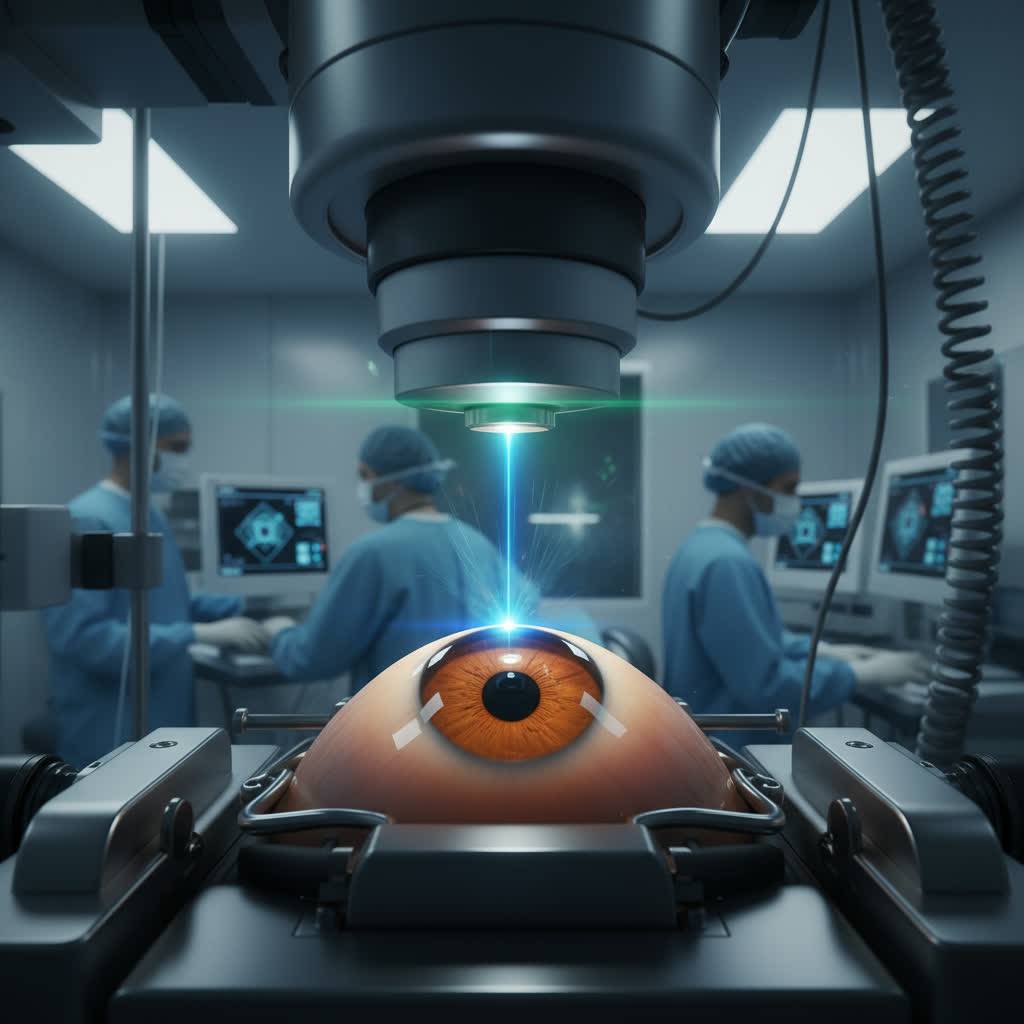





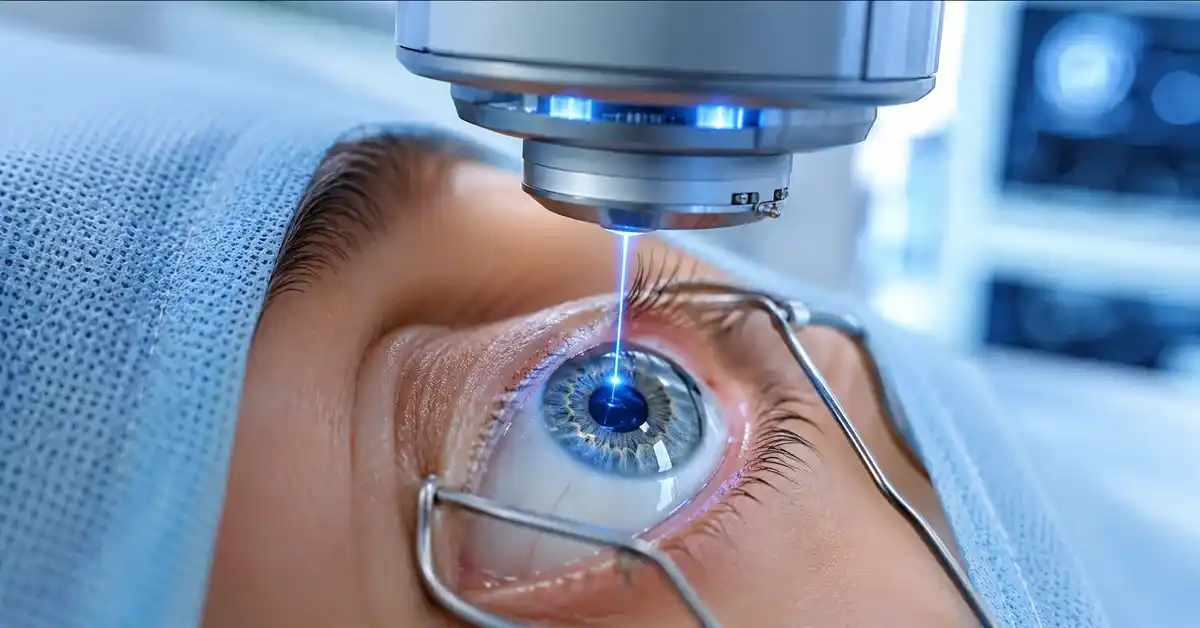
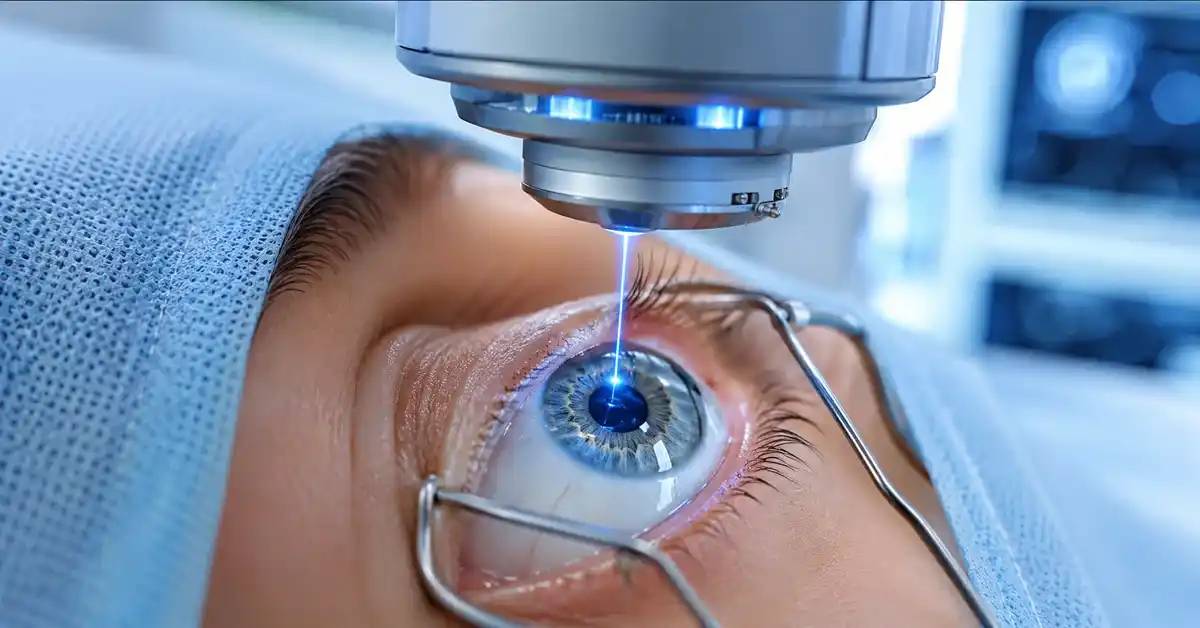
Vision correction in children is a sensitive topic because children’s eyes are still growing and changing. A child’s eye is not simply a smaller version of an adult eye. Vision, eye length, focusing ability, and the connection between the eyes and the brain continue to develop during childhood. For this reason, LASIK for children should not be approached the same way as LASIK for adults.
When parents ask about children’s vision correction, they are often thinking about reducing dependence on glasses. However, in pediatric eye care, the main goal is not cosmetic convenience. The goal is to support normal visual development, prevent amblyopia, treat eye alignment problems when present, and help the child see clearly enough for learning, movement, reading, and daily life.
In most cases, LASIK for young eyes is not considered a routine or recommended option, especially before the age of 18. The child’s prescription may still be changing, the cornea may not be stable, and the child may not be able to follow post-procedure instructions carefully. Laser eye surgery for children may be discussed only in very limited medical situations, such as severe refractive difference between the two eyes with amblyopia risk when glasses or contact lenses fail.
At Safemedigo, pediatric vision correction is approached with caution. The first step is to understand the child’s age, prescription, eye growth, amblyopia status, strabismus, corneal health, ability to use glasses or contact lenses, and daily visual needs. The goal is not to perform surgery early, but to choose safe vision correction for children that protects visual development.
Introduction to Vision Correction in Children
Vision correction in children includes all medical and optical methods used to help a child see clearly and develop normal vision. It may involve glasses, contact lenses, amblyopia therapy, strabismus treatment, myopia control, or rarely a laser procedure in exceptional cases. The right option depends on the child’s diagnosis, age, and visual development.
Children may have myopia, hyperopia, astigmatism, anisometropia, amblyopia, strabismus, or other eye conditions. Some children need only glasses. Others may need patching, eye drops, contact lenses, or eye muscle treatment. This is why pediatric vision correction should begin with a full eye examination, not with a decision about LASIK.
Laser eye treatment for children is very different from laser vision correction in adults. Adults usually have more stable prescriptions, while children’s prescriptions may change with growth. Therefore, correcting vision without surgery in children is usually the first and safest approach.
What is Vision Correction in Children?
Vision correction in children means improving the child’s visual clarity and supporting proper visual development. It can be as simple as prescribing glasses or as specialized as treating amblyopia, managing strabismus, or using contact lenses for certain high prescriptions.
The goals of children’s vision correction include:
- Improving daily vision.
- Supporting reading and learning.
- Preventing amblyopia.
- Helping both eyes work together.
- Reducing eye strain and headaches.
- Monitoring myopia progression.
- Correcting unequal vision between eyes.
- Supporting brain-eye development.
- Detecting eye problems early.
- Choosing age-appropriate treatment.
For most children, glasses are the first and safest option. LASIK for children is not a first-line treatment and should only be considered in rare medical situations.
Importance of Early Children's Vision Correction
Early children’s vision correction is important because visual development occurs during childhood. If the brain receives a blurry image from one or both eyes for too long, the child may develop amblyopia, also known as lazy eye. In amblyopia, vision may remain weak even if the eye structure appears normal.
Uncorrected vision problems may affect school performance, reading, sports, balance, concentration, and confidence. Some children do not complain because they do not know what normal vision should look like. Instead, parents may notice that the child sits too close to screens, tilts the head, closes one eye, rubs the eyes, avoids reading, or has difficulty focusing.
Early diagnosis makes treatment easier and more effective. The earlier vision problems are identified, the better the chance of protecting visual development. Regular pediatric eye exams are especially important when there is a family history of myopia, amblyopia, strabismus, or inherited eye disease.
Read about: LASIK vs Femto LASIK: How to Choose the Best Vision Correction
Vision Correction Options for Kids
Vision correction options for kids are broader than laser surgery. In most children, the safest and most effective treatments are glasses, contact lenses in selected cases, amblyopia therapy, strabismus management, and regular monitoring. These options can be adjusted as the child grows.
Glasses are the most common treatment because they are safe, reversible, and easy to update when the prescription changes. Contact lenses may be appropriate for older children or for special conditions such as a large prescription difference between the two eyes. Amblyopia treatment may involve patching, special drops, or visual therapy under medical guidance.
LASIK for children is rarely considered and should not be presented as a routine way to remove glasses. Laser eye surgery for children may be discussed only when standard treatments fail or cannot be used and when a clear medical benefit exists.
LASIK for Children
LASIK for children is not a routine procedure. LASIK reshapes the cornea to correct the current prescription. In children, the prescription may continue to change as the eye grows, which means the result may not remain stable. This is one of the main reasons LASIK is usually delayed until adulthood.
LASIK for young eyes may also be difficult because children may rub their eyes, struggle with eye drops, or have trouble describing symptoms after surgery. These issues can make postoperative care more challenging.
LASIK may be discussed only in rare cases such as:
- Severe difference in prescription between the two eyes.
- Amblyopia risk that does not improve with standard treatment.
- Inability to use glasses or contact lenses.
- A specific medical need identified by a pediatric ophthalmologist.
- Clear visual benefit that outweighs the risks.
- Ability to ensure close follow-up after the procedure.
Even in these situations, the decision must be made carefully with full explanation to the parents.
Alternatives to LASIK for Children
Alternatives to LASIK for children are usually the foundation of pediatric eye care. These options are safer because they do not permanently reshape the cornea and can be adjusted as the child grows.
Common alternatives include:
- Prescription glasses.
- Contact lenses in selected cases.
- Eye patching for amblyopia.
- Special drops for amblyopia when appropriate.
- Strabismus treatment.
- Myopia control strategies.
- Orthokeratology in selected older children.
- Multifocal or myopia-control lenses when suitable.
- Outdoor activity and visual habit guidance.
- Regular follow-up with pediatric eye specialists.
These options can protect vision development without exposing the child to unnecessary surgical risk.
Correcting Vision Without Surgery for Children
Correcting vision without surgery for children is the preferred approach in most cases. It allows the doctor to adjust treatment as the child’s eyes grow. This is especially important because childhood prescriptions may change over time.
Non-surgical correction may include glasses, contact lenses, myopia management, amblyopia therapy, and treatment of strabismus when present. The goal is not only clearer vision but also proper development of the visual system.
Parents should not view non-surgical treatment as a weaker option. In children, glasses or amblyopia therapy may be far more important than surgery because they support visual development at the right time.
Read about: Latest Femtolasik Techniques for Sensitive Eyes in Turkey
Is LASIK Safe for Kids?
Is LASIK safe for kids? In most routine cases, LASIK is not recommended for children. The main reason is that children’s eyes continue to grow and their prescriptions may not be stable. LASIK corrects the prescription at the time of surgery, but if the child’s eye changes later, glasses may still be needed.
In adults, LASIK can be safe and effective when the patient is properly selected. In children, the risk-benefit balance is different. The procedure may be unnecessary if glasses or contact lenses work well, and it may not treat underlying pediatric problems such as amblyopia or strabismus by itself.
In rare medical situations, a specialist may consider laser treatment for a child, but this is not the same as routine LASIK for adults. It requires careful examination, strong medical reasoning, parent education, and long-term follow-up.
Is LASIK Safe for Young Eyes?
LASIK for young eyes is generally not considered routine because young eyes are still developing. Eye growth can change myopia, hyperopia, or astigmatism over time. If LASIK is done too early, the result may become inaccurate as the child grows.
Young children may also have difficulty cooperating during testing and aftercare. They may rub the eye, forget drops, or fail to report symptoms clearly. These issues can increase concern after any corneal procedure.
For most children, safe vision correction means using glasses, contact lenses when appropriate, amblyopia treatment, and regular eye monitoring. Laser surgery is reserved only for exceptional cases.
LASIK Risks for Children
LASIK risks for children include the known risks of LASIK plus additional concerns related to growth and compliance. A child’s prescription may change after surgery, and the child may still need glasses later. The procedure may also fail to address amblyopia if the brain-eye connection has not developed properly.
Potential risks include:
- Prescription change after surgery.
- Need for glasses later.
- Dry eyes.
- Halos or glare.
- Fluctuating vision.
- Eye irritation.
- Difficulty following instructions.
- Eye rubbing after surgery.
- Need for future retreatment.
- Incomplete treatment of amblyopia.
- Difficulty describing symptoms.
- Rare corneal complications.
- Long-term uncertainty.
Because of these concerns, non-surgical correction remains the preferred option for most children.

Eye Exams Before LASIK for Children
Eye exams before LASIK for children are more complex than routine adult LASIK screening because the decision itself is unusual. The doctor must determine whether there is a strong medical reason to consider laser treatment and whether safer alternatives have failed or are not possible.
The evaluation may include refraction with and without dilating drops, corneal imaging, corneal thickness measurement, dry eye testing, amblyopia assessment, strabismus evaluation, retinal examination, and review of the child’s ability to cooperate with care.
Parents’ expectations must also be evaluated. LASIK for children does not always eliminate the need for glasses, and it may not cure amblyopia by itself. Some children may still need glasses, patching, or visual therapy after surgery.
Importance of Eye Exams Before LASIK
Eye exams before LASIK are essential because LASIK safety depends on more than the prescription. The cornea must be healthy and thick enough, the eye surface must be stable, and the child’s visual system must be evaluated completely.
Tests may include:
- Refraction with and without cycloplegic drops.
- Stability comparison over time.
- Corneal examination.
- Corneal thickness measurement.
- Corneal topography or tomography.
- Screening for keratoconus.
- Dry eye evaluation.
- Pupil size measurement.
- Retinal examination.
- Amblyopia assessment.
- Strabismus evaluation.
- Eye movement testing.
- Review of glasses or contact lens history.
- Assessment of aftercare cooperation.
These tests help determine whether laser treatment is even possible or whether non-surgical alternatives are safer.
Read about: Femtosecond LASIK: Turkey vs Germany
Age Requirements for LASIK in Children
LASIK age requirements for children are strict in routine refractive surgery. In most situations, LASIK is delayed until the patient is an adult and the prescription has been stable for a sufficient period. This is because changing vision can reduce the long-term stability of the result.
Before age 18, LASIK is generally not considered routine. A specialist may discuss laser treatment before adulthood only in exceptional medical cases, such as severe anisometropia with amblyopia risk when standard correction fails.
Important age-related considerations include:
- Is the prescription stable?
- Is the eye still growing?
- Is the cornea thick and healthy?
- Can the child cooperate with testing?
- Can the child follow aftercare instructions?
- Is there amblyopia or strabismus?
- Have glasses and contact lenses been tried?
- Does the medical benefit outweigh the risk?
Age alone is not the only factor, but in children, age and eye development are major safety concerns.
Benefits and Risks of LASIK for Children
Benefits and risks of LASIK for children must be explained very carefully. In rare selected cases, laser correction may reduce a severe prescription difference between the eyes and support amblyopia treatment. However, in most children, the risks and uncertainty outweigh the benefit if the purpose is only to remove glasses.
LASIK should not be promoted as a cosmetic convenience for children. Pediatric treatment should focus on visual development, prevention of amblyopia, binocular vision, and long-term eye health. If glasses achieve these goals safely, they are usually the better option.
The decision must be individualized and made by a specialist after discussion with the parents. The family should understand that the child may still need glasses later and may still require amblyopia therapy.
LASIK Benefits for Children
LASIK benefits for children may apply only in rare medical cases. For example, a child with a very large difference in prescription between the two eyes may be unable to tolerate glasses or contact lenses. In such cases, reducing the difference may help support amblyopia treatment.
Possible benefits in selected cases include:
- Reducing severe prescription difference between eyes.
- Improving tolerance of amblyopia therapy.
- Helping children who cannot use contact lenses.
- Reducing dependence on very high-power glasses.
- Improving functional vision in specific medical cases.
- Supporting binocular vision when appropriate.
- Reducing image-size difference between eyes.
- Helping when standard correction fails.
These benefits require a clear medical reason. LASIK should not be used in children simply for convenience or appearance.
Potential LASIK Risks for Children
Potential LASIK risks for children include both surgical risks and pediatric-specific concerns. The child’s prescription may change after surgery, long-term stability may be uncertain, and aftercare may be harder than in adults.
Potential risks include:
- Changing prescription after surgery.
- Need for glasses again.
- Dry eye symptoms.
- Halos or glare.
- Temporary blurry vision.
- Light sensitivity.
- Inflammation or irritation.
- Eye rubbing during healing.
- Poor cooperation with eye drops.
- Need for another procedure later.
- Amblyopia not fully corrected.
- Rare corneal complications.
- Difficulty monitoring symptoms.
For these reasons, most children are treated with non-surgical methods first.
Read about: LASIK Eye Surgery: Turkey vs USA
Aftercare and Recommendations Post-LASIK for Kids
Aftercare and recommendations post-LASIK for kids are very important if laser treatment is performed in a rare medical situation. Children need close parental supervision because postoperative instructions are essential for corneal safety and healing.
Aftercare may involve using prescribed drops, avoiding eye rubbing, protecting the eyes, avoiding swimming or dusty environments, and attending scheduled follow-up visits. The child may also still need glasses, patching, or amblyopia therapy depending on the original diagnosis.
Parents should monitor the child carefully. Severe pain, strong redness, discharge, sudden vision change, or significant light sensitivity should be reported to the doctor quickly.
Safe Vision Correction for Children: Post-Procedure Care
Safe vision correction for children after a procedure depends heavily on proper care. Parents must help the child follow every instruction, especially in the first days after treatment.
Post-procedure care may include:
- Using prescribed eye drops on time.
- Preventing eye rubbing.
- Avoiding dust and smoke.
- Avoiding swimming until approved.
- Using protective eye shields if recommended.
- Washing hands before touching the face.
- Avoiding rough play that may injure the eye.
- Reducing screen time early if uncomfortable.
- Attending follow-up visits.
- Reporting pain or redness.
- Continuing amblyopia therapy if prescribed.
- Not stopping drops without medical advice.
These steps are essential because children may not fully understand the importance of protecting the eye during healing.
Monitoring Vision Problems in Children After LASIK
Monitoring vision problems in children after LASIK is necessary because children may not describe symptoms clearly. Parents and doctors should observe visual behavior, comfort, eye redness, and any change in school or reading performance.
Possible temporary symptoms may include:
- Mild burning.
- Tearing.
- Foreign body sensation.
- Light sensitivity.
- Temporary blur.
- Dryness.
- Mild redness.
- Screen discomfort.
- Temporary halos.
- Eye irritation.
Concerning symptoms include severe pain, worsening redness, discharge, sudden vision decrease, or strong light sensitivity. These should be evaluated quickly.
Read about: LASIK Eye Correction for Adults: Post-Procedure Tips
Age Considerations for Pediatric Vision Correction
Age considerations for pediatric vision correction are central because children’s eyes grow and prescriptions can change. Most refractive surgery centers do not consider children routine candidates for LASIK. Instead, they recommend stable vision and adulthood before elective laser vision correction.
If LASIK is performed too early, the child may develop new myopia or prescription change later. This may reduce the value of the procedure and create a need for glasses or additional treatment.
In routine cases, LASIK is postponed until the eye is mature and the prescription is stable. Before that, glasses, contact lenses, amblyopia therapy, myopia control, and follow-up are preferred.
LASIK Age Requirements for Children
LASIK age requirements for children generally mean that routine LASIK should not be performed before adulthood. Most children and teenagers do not meet the stability requirements needed for elective LASIK.
Before considering LASIK, doctors usually want:
- Adult age.
- Stable prescription.
- Complete eye growth.
- Adequate corneal thickness.
- Normal corneal shape.
- No keratoconus suspicion.
- No severe dry eye.
- Ability to follow instructions.
- Realistic expectations.
- Healthy retina.
- No healing-related disorder.
- Clear medical approval after examination.
For children, these requirements are often not fully met. That is why non-surgical treatment is usually safer.
When to Consider LASIK for Kids
LASIK for kids may be considered only in rare medical situations, not as a routine option. The reason must be stronger than wanting freedom from glasses. The goal may be to support visual development when conventional correction cannot be used effectively.
A specialist may consider laser treatment when:
- Severe anisometropia threatens visual development.
- Glasses do not work well because of image-size difference.
- Contact lenses are not tolerated or not possible.
- Amblyopia treatment is failing due to refractive imbalance.
- The child has a special medical need.
- Parents understand the limits and risks.
- Long-term follow-up is possible.
Even then, LASIK may not be the chosen laser method. PRK or another approach may be preferred depending on the eye and the specialist’s judgment.
Read about: Comprehensive Eye Exams Before Vision Correction Surgery
Alternatives to LASIK for Children's Vision Correction
Alternatives to LASIK for children’s vision correction are the main treatment options in most cases. They should not be seen as temporary or inferior. In children, non-surgical treatment often protects vision better because it can adapt to growth.
The right alternative depends on the child’s age, prescription, amblyopia status, strabismus, daily activities, and ability to cooperate. Some children need only glasses. Others need contact lenses, patching, special drops, or treatment for eye alignment.
Delaying LASIK does not mean delaying treatment. It often means choosing the safest treatment at the correct stage of eye development.
Laser Eye Treatment for Children
Laser eye treatment for children is rarely used and should be viewed as a special medical option, not routine vision correction. When it is considered, the goal is usually to help a child with a difficult refractive problem that affects visual development, not simply to remove glasses.
Laser options in children may differ from adult elective LASIK. In some cases, PRK or another surface laser technique may be discussed because it avoids a LASIK flap. The choice depends on corneal thickness, eye condition, prescription, and specialist experience.
Parents should understand that laser treatment may reduce prescription but may not eliminate glasses or cure amblyopia completely. Follow-up and additional therapy may still be needed.
Vision Correction Without Surgery for Kids
Vision correction without surgery for kids is the standard approach for most pediatric refractive problems. It is safe, adjustable, and effective for supporting visual development.
Non-surgical options include:
- Prescription glasses.
- Contact lenses in selected children.
- Patching for amblyopia.
- Atropine or other amblyopia therapy when appropriate.
- Myopia control lenses.
- Orthokeratology in selected older children.
- Strabismus evaluation and treatment.
- Visual habit guidance.
- Outdoor activity recommendations.
- Regular pediatric eye follow-up.
These treatments can be changed as the child grows. This flexibility is one of their biggest advantages compared with permanent corneal surgery.
Conclusion and Recommendations
Vision correction in children should focus on protecting visual development, not on removing glasses too early. LASIK for children is not a routine option and is generally not recommended before age 18 because the eyes are still growing and prescriptions may change.
For most children, the best vision correction options are glasses, contact lenses when suitable, amblyopia therapy, strabismus care, myopia control, and regular follow-up. Laser eye surgery for children may be discussed only in rare medical cases after careful testing and specialist evaluation.
If your child has vision problems, the first step should be a complete pediatric eye exam. A correct diagnosis will show whether the child needs glasses, contact lenses, amblyopia treatment, monitoring, or another intervention.
Is LASIK the Best Vision Correction Option for Children?
Is LASIK the best vision correction option for children? In most cases, no. LASIK is not the first treatment for children and is not usually used to remove glasses at a young age. Glasses, contact lenses, and amblyopia therapy are usually safer and more appropriate.
LASIK may be an exceptional option only when there is a severe refractive problem, conventional treatments fail, and the expected medical benefit is greater than the risk. Even then, the child should be evaluated by a specialist with experience in pediatric eyes and refractive care.
The best choice is always the one that protects long-term vision, not the one that seems fastest.
When to Consult an Eye Specialist for Children's Vision Problems
Parents should consult an eye specialist if they notice any sign of poor vision or if the child has a family history of eye problems. Children should also have regular eye checks even if they do not complain, because many children do not realize their vision is blurry.
Consult an eye specialist if the child:
- Sits very close to screens or books.
- Rubs the eyes frequently.
- Tilts the head or closes one eye.
- Has trouble reading.
- Complains of headaches.
- Shows declining school performance.
- Has eye crossing or drifting.
- Has different vision between the eyes.
- Is very sensitive to light.
- Complains of blurry vision.
- Refuses to wear glasses.
- Has family history of severe myopia or amblyopia.
You can contact the Safemedigo team to arrange a pediatric eye evaluation, understand safe vision correction options, and choose the most suitable plan for your child’s age and eye condition.
Read about: Cost and Modern Techniques of Vision Correction Surgery in Turkey
Conclusion
Vision correction in children requires more caution than vision correction in adults. Children’s eyes are still growing, prescriptions may change, and vision development depends on the relationship between the eyes and the brain. For this reason, LASIK for children is not a routine treatment, especially before age 18.
In most cases, prescription glasses, contact lenses when appropriate, amblyopia treatment, strabismus management, myopia control, and regular follow-up are the best options. Laser eye surgery for children may be considered only in rare medical situations after detailed testing and careful discussion of benefits and risks.
Frequently Asked Questions: Vision Correction in Children
Is LASIK safe for kids?
LASIK is generally not recommended for children, especially under 18, because the eyes are still growing and the prescription may not be stable.
What are the best vision correction options for kids?
Glasses are usually the first option. Contact lenses, amblyopia therapy, myopia control, and strabismus treatment may also be used depending on diagnosis.
Can children have LASIK before age 18?
Usually no. It may be discussed only in rare medical situations when conventional options fail and a specialist believes the benefit may outweigh the risk.
Does LASIK treat amblyopia in children?
Not always. Amblyopia often needs functional treatment such as glasses, patching, or special therapy. Corneal correction alone may not solve the problem.
What eye exams are needed before considering LASIK for children?
Tests may include refraction with drops, corneal thickness, corneal topography, dry eye evaluation, amblyopia and strabismus assessment, and retinal examination when needed.