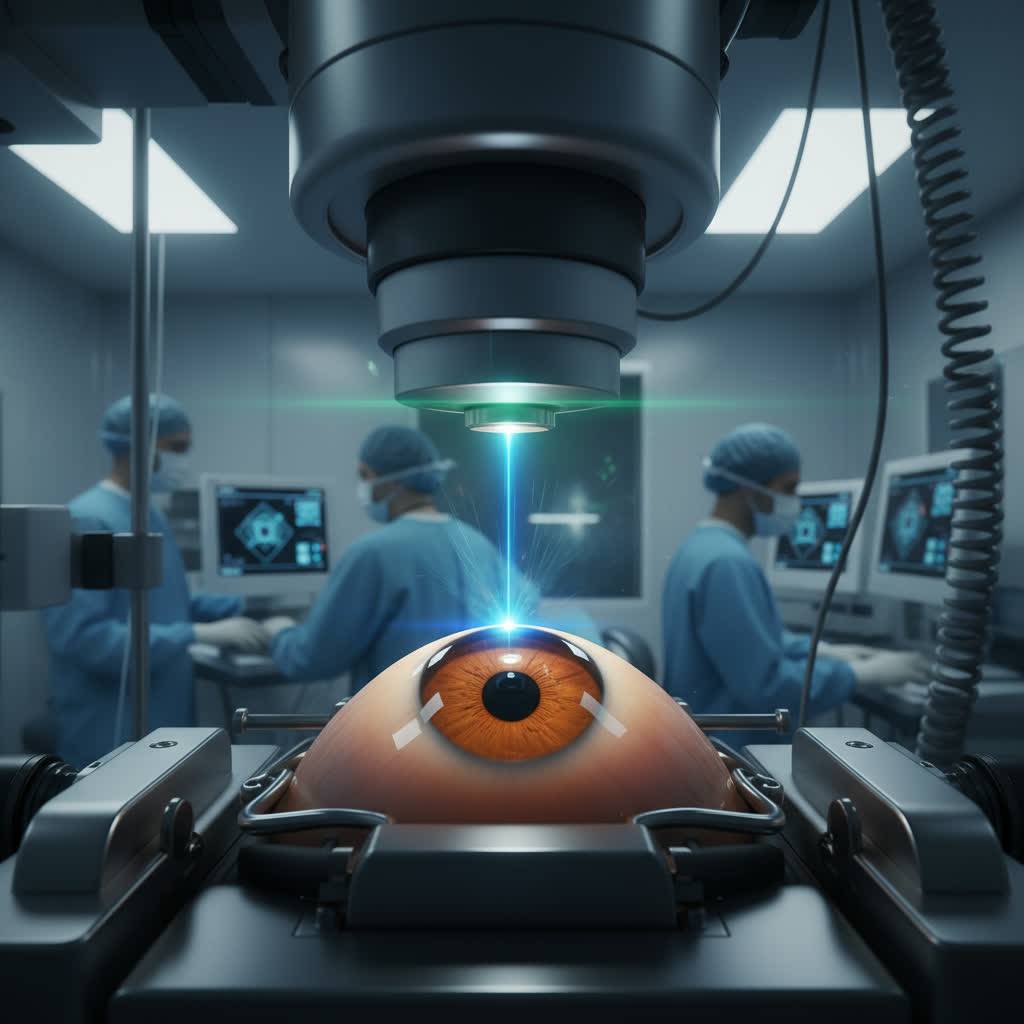





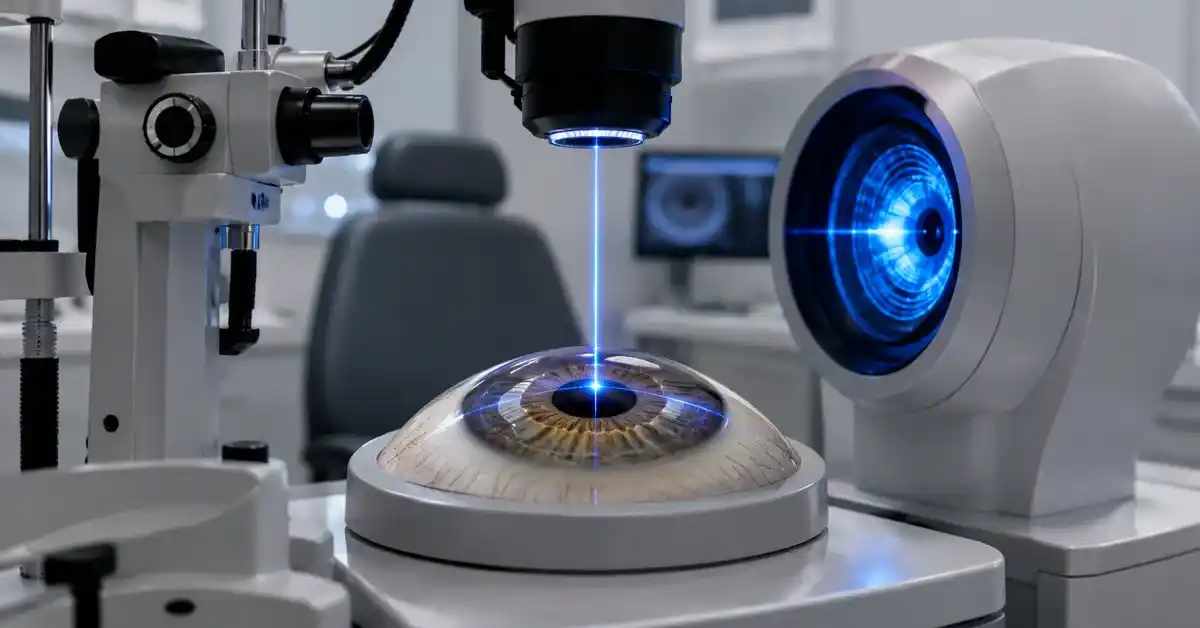
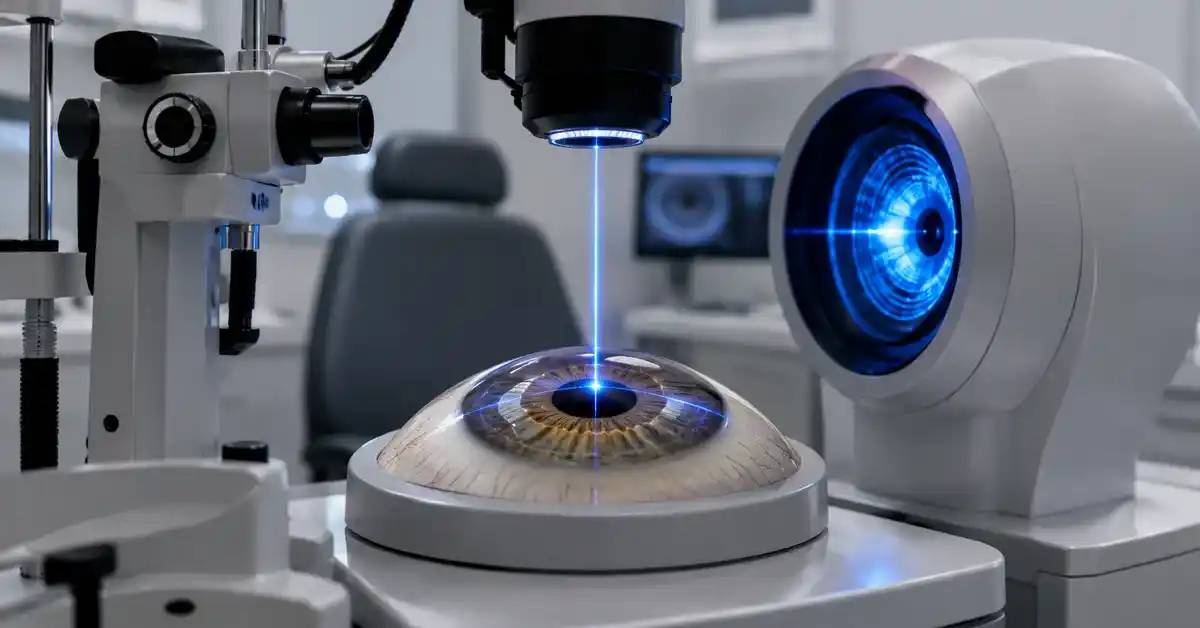
Laser vision correction procedures, such as LASIK and PRK, represent a dream for many who wish to shed their reliance on glasses and contact lenses and enjoy a life of clear, unaided vision. While these surgeries have become incredibly common and safe, their success hinges not just on the surgeon's skill or the modernity of the equipment, but on a crucial, foundational step that precedes everything else: the comprehensive eye exam before surgery.
This is not a mere routine check-up; it is the cornerstone that ensures patient safety, determines candidacy, and maps out the path to achieving the best possible outcome.
At Safemedigo, we believe that knowledge is power, and we present this detailed guide to cover everything about the pre-LASIK comprehensive eye exam, ensuring your decision to undergo surgery is built on a deep understanding and a solid scientific foundation.
What Is a Comprehensive Eye Exam Before Surgery?
Before anyone steps into an operating room to enhance their vision, they must undergo a meticulous and thorough evaluation phase known as a preoperative eye exam for vision correction. This stage is far more than a simple vision measurement; it is an integrated series of tests and measurements that create a three-dimensional picture of the eye's health and anatomy.
This Refractive Surgery Comprehensive Exam acts as a unique fingerprint of the eye, revealing every minute detail, from the thickness and shape of the cornea to the health of the retina and the pressure within the eye. Based on this data, the surgeon can make critical decisions about the procedure's safety for the patient, select the most suitable technique, and accurately predict the results, making this exam the first and most vital step in the vision correction journey.
Definition of a comprehensive eye exam before surgery
A comprehensive eye exam before surgery is an integrated suite of non-invasive diagnostic procedures designed to fully assess the health of the eye and determine its suitability for laser vision correction. This examination goes far beyond simply identifying the degree of vision impairment; it includes precise measurements of the eye's dimensions and physical properties.
Advanced devices are used to perform a detailed scan of the cornea, measure intraocular pressure, examine the fundus and retina, and assess tear film quality. It can be considered a thorough medical "feasibility study," where all necessary information is gathered to ensure the procedure will not only be safe but will also achieve the best possible long-term visual outcomes for the patient, making it an indispensable part of the vision correction preoperative exam.
Goals of a comprehensive eye exam before refractive surgery
The goals of this vital examination are numerous and integrated, all aimed at the ultimate objective of patient safety and satisfaction. The primary goal is Safety, ensuring there are no medical contraindications, such as keratoconus or severe dry eye, that would make the surgery risky.
The second goal is Accuracy, as it provides the precise measurements that will be programmed into the laser to correct the refractive error with pinpoint precision. The third is Selection; the results of the preoperative ocular assessment for LASIK help the surgeon choose the most appropriate technique for each eye (LASIK, PRK, etc.). Finally, the exam aims to Manage Expectations, allowing the doctor to honestly and transparently explain the expected outcomes, ensuring a shared understanding and realistic patient expectations.
How the exam relates to success in vision correction surgery
The relationship between a complete eye exam before vision correction and the success of the procedure is direct and causal. Surgical success is not just measured by achieving 20/20 vision the next day, but by the long-term stability of this result and the absence of complications. A thorough exam ensures that unsuitable candidates, who might suffer serious complications like corneal ectasia, are screened out. It also guarantees that the laser is programmed with the correct data, preventing over- or under-correction.
In short, the precision of the surgery begins with the precision of the exam. The more comprehensive and accurate the data collected during the eye evaluation before laser vision correction, the higher the chance of achieving excellent, safe, and stable results, confirming that this exam is not optional but fundamental to success.
Read about: LASIK vs Femto LASIK: How to Choose the Best Vision Correction
The Importance of a Preoperative Eye Exam for Vision Correction
Some may wonder why so many complex tests are necessary. Isn't a standard vision test enough? The definitive answer is a resounding "no." The preoperative eye exam for vision correction is the safety valve that protects both the patient and the surgeon. It is not a formality but a critical medical necessity dictated by global safety and quality standards in ophthalmology.
Neglecting this exam or performing it incompletely is like driving a car on an unknown road at night without headlights—the risks are high, and the outcome is uncertain. Therefore, all reputable medical centers refuse to perform any vision correction surgery without the completion of this vital assessment, which stands as the bedrock of a safe and successful procedure.
Why can't surgery start without a preoperative eye exam for vision correction
The surgery cannot begin for one simple and direct reason: safety first. Vision correction procedures reshape the corneal surface with a laser, an extremely precise action. If the cornea does not have the right specifications (like sufficient thickness or a regular shape), reshaping it could weaken it dangerously, leading to permanent complications that might ultimately require a corneal transplant.
The preoperative eye exam for vision correction is the only certain way to determine these specifications. Without this data, the surgeon would be operating in the dark, relying on guesswork instead of science, which is entirely unacceptable in modern medical practice that depends on reliable data to ensure the best outcomes.
Risks of skipping the preoperative ocular assessment for LASIK
Skipping or superficially conducting the preoperative ocular assessment for LASIK opens the door to a host of serious risks. The greatest danger is developing post-LASIK ectasia, a rare but devastating condition where the cornea weakens and bulges forward conically, leading to a severe and progressive decline in vision that cannot be corrected with glasses.
Other risks include inaccurate results (under- or over-correction), nighttime vision problems like halos and glare, and the exacerbation of dry eye symptoms. All these risks can be largely avoided by performing a complete and meticulous full eye evaluation before refractive surgery, underscoring its critical role in protecting long-term eye health.
How the exam helps choose the best procedure
There is no single vision correction technique that fits everyone. Each method (LASIK, PRK, SMILE) has its own requirements and advantages. A comprehensive eye exam before refractive surgery is what determines which technique is most suitable for you. For example, if the corneal thickness measurement shows that the cornea is relatively thin, the surgeon might suggest a surface procedure (PRK) instead of LASIK, as it consumes less corneal tissue.
If the patient engages in contact sports, SMILE might be a better option as it does not create a corneal flap. And if the corneal topography reveals minor irregularities, topography-guided LASIK (Contoura Vision) may be used to correct these fine distortions and achieve high-definition vision.
Read about: Latest Femtolasik Techniques for Sensitive Eyes in Turkey
Components of a Comprehensive Eye Exam Before Refractive Surgery
A comprehensive eye exam before refractive surgery consists of several essential tests, each providing a vital piece of information that completes the final picture of the eye's health. These examinations use the latest technology to ensure highly accurate measurements and are an integral part of the pre-vision correction eye assessment.
Each test is designed to evaluate a different part of the eye, and the integration of their results gives the surgeon a deep and holistic understanding of the patient's condition, enabling them to make informed decisions based on precise scientific data and ensuring the procedure is tailored to the unique characteristics of each eye.
Measuring corneal thickness in a comprehensive eye exam before surgery
Known as pachymetry, this is one of the most critical tests in a comprehensive eye exam before surgery. It measures the thickness of the cornea with micron-level precision (one-thousandth of a millimeter). LASIK procedures remove a tiny portion of corneal tissue to correct vision.
Therefore, the cornea must be thick enough to allow for this modification while leaving a sufficient residual bed thickness (at least 250-300 microns) to maintain its structural stability and strength. If the cornea is too thin, performing LASIK could weaken it dangerously, increasing the risk of complications like ectasia. This test serves as the first line of defense against such risks.
Corneal topography in a comprehensive eye exam before refractive surgery
This test, known as corneal topography, is like creating a 3D map of the corneal surface. The device draws a detailed, colored map illustrating the shape of the front and back surfaces of the cornea, revealing any irregularities in its curvature.
A comprehensive eye exam before refractive surgery that includes topography is crucial for detecting underlying conditions like keratoconus, even in its very early stages, which is an absolute contraindication for LASIK. Any abnormal shape on this map is a red flag that requires further evaluation and makes this ocular health exam before refractive procedure an indispensable diagnostic tool.
Intraocular pressure checks in the preoperative eye exam for vision correction
An intraocular pressure (IOP) check, or tonometry, is performed during the preoperative eye exam for vision correction to rule out glaucoma, a disease that damages the optic nerve due to high pressure inside the eye. Although LASIK itself does not cause glaucoma, the use of steroid eye drops after the procedure can cause a temporary spike in IOP in some individuals.
Therefore, it is essential to know the baseline IOP and monitor for any changes that may occur post-surgery, especially in patients with a family history of the disease. This test ensures that a pre-existing condition is not overlooked or worsened.
Retinal check in the full eye evaluation before refractive surgery
This examination involves dilating the pupil with special eye drops, allowing the doctor to thoroughly inspect the back of the eye, including the retina, optic nerve, and blood vessels. The purpose of a retinal check in a full eye evaluation before refractive surgery is to ensure there are no diseases or problems in the posterior segment of the eye, such as retinal detachment, diabetic retinopathy, or any holes or weak areas in the peripheral retina, particularly in patients with high myopia. If any issues are found, they must be treated first (for example, with a laser) before proceeding with vision correction surgery to ensure long-term eye safety.
Read about: Femtosecond LASIK: Turkey vs Germany
Refraction Testing Prescription Setting
Determining the degree of vision impairment with utmost accuracy is the very essence of the entire procedure. The goal is to reach "zero" or as close to it as possible. Therefore, the refraction test is performed meticulously and is often repeated to confirm the stability of the measurements. This step requires patience from the patient and full cooperation with the examiner, as any error in determining the prescription will directly impact the accuracy of the surgical outcome. It is a precise process aimed at capturing the true refractive error of the eye, free from any temporary influences like eye strain or muscle spasms.
Refractive test in preoperative refractive surgery eye exam
The refraction test, a key part of the preoperative refractive surgery eye exam, is the procedure that determines your degree of nearsightedness, farsightedness, or astigmatism. It is performed in two ways: subjectively, where you look at an eye chart through different lenses and indicate which one provides the clearest vision, and objectively, using a device called an autorefractor that automatically measures the refractive error.
The test is conducted both before and after applying pupil-dilating drops. This helps obtain the most accurate and stable measurement, especially in younger individuals where ciliary muscle spasms can lead to inaccurate results, giving the doctor the true measure of the refractive error.
Role of eye exam before LASIK surgery in determining prescription
A key role of the eye exam before LASIK surgery is to ensure the stability of the prescription. Vision measurements must be stable for at least one year before considering surgery. If the vision is still changing, the procedure will only yield temporary results, as the refractive error will reappear after some time.
The comprehensive exam includes reviewing your previous prescriptions and comparing them to the current measurements to confirm this stability, which is a fundamental requirement for the long-term success of the operation. This assures both the patient and the doctor that the achieved results will be lasting and not just a temporary fix.
How the doctor chooses the proper lens prescription
The doctor does not rely on a single measurement. Instead, they integrate the results of all refraction tests (subjective and objective, pre- and post-dilation) to arrive at the final prescription that will be programmed into the laser. They also consider other factors like the dominant eye and the balance of vision between both eyes. The goal is to achieve a correction that provides not only sharp vision but also comfortable and natural vision in all lighting conditions. The doctor may make slight adjustments to the measurements to ensure the best possible visual quality and to avoid over-correction, which can cause eye strain.
Read about: LASIK Eye Surgery: Turkey vs USA
Pupil Specialized Eye Tests
These examinations might seem secondary, but they are critically important for ensuring the quality of vision after the procedure, especially in low-light conditions. They address the fine details that differentiate a good outcome from an excellent one. Visual quality is not just about acuity in broad daylight; it also includes the clarity of vision while driving at night or in dimly lit environments. Neglecting these tests might result in a patient who is satisfied under certain conditions but suffers from annoying visual disturbances in others, which the detailed eye exam before vision correction aims to prevent.
Pupil measurement in eye evaluation before laser vision correction
Pupillometry, or pupil measurement, is performed during the eye evaluation before laser vision correction to measure the diameter of the pupil in various lighting conditions, especially in the dark. This information is vital because the laser treatment zone must be larger than the maximum pupil diameter in darkness.
If the treatment zone is smaller than the dilated pupil, the patient may experience night vision problems such as halos and glare around lights, as the edge of the treatment zone falls within their field of view. Modern devices allow for larger treatment zones, but knowing the pupil size in advance allows for proper planning and for alerting the patient to potential risks.
Specialized eye tests (light response, movement) in the detailed eye exam before vision correction
This part of the detailed eye exam before vision correction includes assessing the movement of the external eye muscles to check for any latent or manifest strabismus (crossed eyes). The pupil's response to light is also examined, which is an indicator of the health of the neural pathways between the eye and the brain. These tests help confirm that the visual nervous system is functioning correctly and that any vision problems are solely due to the refractive error. If strabismus is detected, it may require additional evaluation or treatment before considering vision correction, as LASIK does not treat eye misalignment.
The link between pupil testing and surgery safety
The link between pupil testing and the safety and quality of the surgical outcome lies in avoiding bothersome visual side effects. Patients with naturally large pupils (greater than 7 mm in the dark) were historically more prone to night vision issues.
With modern technologies, it is now possible to expand the laser's optical zone to cover large pupils, significantly reducing this problem. However, pupil measurement remains an essential part of precise surgical planning. It helps customize the treatment to fit each patient's individual characteristics, thereby improving the final quality of vision and minimizing the chance of undesirable visual disturbances.

Preparations Required Before the Exam
To ensure the accuracy of the exam results, there are several important instructions that the patient must follow before the appointment. These preparations are not formalities; they are an integral part of the quality assurance process.
Failure to adhere to these instructions can lead to inaccurate measurements, which might force the doctor to repeat the exam on another day or, in the worst-case scenario, lead to incorrect treatment decisions if the error is not caught. Therefore, the patient has a significant responsibility to prepare well for this important day to ensure a smooth process and accurate results.
Ceasing contact lenses before the exam in a preoperative eye exam for vision correction
This is the most critical preparation of all. Contact lenses, even soft ones, exert pressure on the cornea and temporarily alter its shape, a phenomenon known as corneal warpage. If the preoperative eye exam for vision correction is performed while wearing contacts or shortly after discontinuing them, all corneal and refractive measurements will be inaccurate, inevitably leading to poor surgical outcomes.
You must stop wearing soft contact lenses for at least one to two weeks before the exam, and hard lenses for three to four weeks or more, as directed by your doctor. This period is necessary to allow the cornea to return completely to its natural shape.
Informing medical history – ocular health exam before refractive procedure
The patient must be completely transparent with the doctor about their general medical history and eye health history. This includes any chronic illnesses like diabetes or autoimmune diseases (e.g., rheumatoid arthritis, lupus), any medications taken regularly (such as acne medications that can cause severe dry eye), and any previous eye surgeries.
This information, which is a key part of the ocular health exam before refractive procedure, helps the doctor assess potential risks and determine if the surgery is safe for the patient, as certain health conditions can affect the healing process.
Tips to make a full ocular evaluation before laser surgery go smoothly
To get the best results from your exam, it's advisable to bring your current eyeglasses for comparison. Since the exam involves pupil dilation, which causes blurred vision and light sensitivity for several hours, it is essential to bring dark sunglasses to wear afterward. It is also strongly recommended to arrange for someone to drive you home, as driving will not be safe. Try to be relaxed and not anxious during the exam, and don't hesitate to ask the doctor or examiner any questions you have. A good understanding of the process reduces stress and improves cooperation.
Read about: LASIK Eye Correction for Adults: Post-Procedure Tips
How the Surgeon Interprets Exam Results
After gathering all this data, the surgeon assembles and analyzes it like pieces of a puzzle to reach a final decision and a comprehensive treatment plan. This is the stage where the doctor's expertise and ability to read and correlate the data become evident. No single result is viewed in isolation; instead, it is evaluated within the context of the patient's entire case. This holistic view ensures that the final decision is not only safe but also optimal for achieving the patient's goals and expectations, considering all the unique characteristics of their eyes.
Analyzing corneal metrics from the comprehensive ocular exam before vision correction
The surgeon meticulously reviews the corneal topography map, looking for any signs of irregularity or suspicion of keratoconus, such as abnormal steepening or inferior bulging. They then compare the corneal thickness to the degree of refractive error to be corrected, using a precise mathematical formula to calculate the expected residual stromal bed thickness to ensure it is within the safe range (typically above 300 microns). Any result outside the normal range in this part of the comprehensive ocular exam before vision correction is a strong warning sign that may preclude the patient from surgery to protect them from future risks.
Interpreting intraocular pressure and pupil size in the full eye evaluation before refractive surgery
The intraocular pressure reading is assessed to ensure it is within the normal range (typically between 10 and 21 mmHg). If the pressure is high, further tests may be required to rule out glaucoma. The pupil size measurement is compared to the optical zone available on the laser platform. If the pupil is very large, the doctor will discuss the potential risks of night glare with the patient and the available options to minimize it, such as using modern laser technologies that offer wider or blended treatment zones. This is a key part of the full eye evaluation before refractive surgery.
Understanding refractive test outcomes and implications
The surgeon analyzes all refractive measurements to ensure they are stable and consistent with each other. A significant discrepancy between measurements (for example, between the pre- and post-dilation readings) may indicate unstable vision or accommodative spasm that requires further evaluation. The final prescription that is adopted is the one that will be used to guide the laser with precision to achieve perfect vision. This accuracy in determining the prescription is the key to achieving a 20/20 outcome and avoiding the need for glasses after the procedure.
Read about: Cost and Modern Techniques of Vision Correction Surgery in Turkey
Criteria for Accepting or Rejecting a Candidate
Based on the comprehensive analysis of the exam results, the final decision to accept or reject the patient for surgery is made. This decision is based on strict medical and scientific criteria aimed at protecting the patient and achieving the best possible outcomes. Transparency at this stage is crucial; the doctor must clearly explain the reasons for acceptance or rejection and present available alternatives, if any. It is a decisive moment in the vision correction journey, ensuring that the expected benefits of the surgery far outweigh any potential risks.
When a patient is rejected despite wanting surgery
A patient may be rejected, and the idea of surgery postponed or canceled, if the exam reveals absolute contraindications. These include confirmed or suspected keratoconus, insufficient corneal thickness for a safe correction, unstable vision measurements over the past year, severe dry eye that does not respond to treatment, existing retinal or optic nerve diseases (like advanced glaucoma), or uncontrolled systemic autoimmune diseases that affect healing. Although this can be disappointing for the patient, it is a decision made in their best interest and for their safety, demonstrating the physician's and clinic's ethical responsibility.
Basic criteria for refractive surgery comprehensive exam eligibility
In general, the ideal candidate for LASIK must meet the following criteria: be over 18-21 years of age to ensure vision stability; have a stable prescription for at least one year; possess adequate corneal thickness; have a regular and normal corneal topography; be free of eye diseases like glaucoma or cataracts; be in good general health; and not be pregnant or breastfeeding. Additionally, the patient must have realistic expectations about the surgical outcomes and fully understand the benefits and potential risks, which the surgeon will explain in detail during the refractive surgery comprehensive exam.
How a careful preoperative exam reduces complications
A careful preoperative exam plays an invaluable role in reducing complications. By screening out unsuitable candidates, selecting the correct technique (LASIK, PRK, SMILE), and precisely planning the surgical parameters based on accurate measurements, the incidence of serious complications like ectasia, infection, or inflammation can be reduced to extremely low levels. This makes vision correction procedures, when performed according to the proper standards, among the safest and most successful elective surgeries in the world, and it all begins with a thorough and masterfully executed preoperative eye exam for vision correction.
Read about: Treating Childhood Myopia: When Is Surgical Intervention Needed
Strategies to Improve Success After the Exam
Once you have successfully passed the exam and received the green light for surgery, the responsibility does not end there. There are additional steps and strategies to follow to ensure the procedure and the subsequent period go smoothly, and to achieve and maintain the best possible results. This phase is about collaboration between the patient and the surgeon, strict adherence to instructions, and proper preparation for the surgery and recovery period. Success is a shared effort, and the detailed exam is just the first step on this path.
Choosing the right method based on comprehensive eye exams before refractive surgery
Your surgeon will discuss the available options with you based on your exam results. They might recommend traditional LASIK, topography-guided LASIK (Contoura) for high-definition vision, or SMILE if your cornea allows and you prefer to avoid a flap. Listening to the surgeon's recommendation, which is based on scientific data from your comprehensive eye exams before refractive surgery, and discussing the pros and cons of each option in relation to your lifestyle and expectations, is the best strategy for making a well-informed, shared decision. Do not hesitate to ask for clarification on why a particular technique is preferred for your case.
Conducting follow-up exams post-surgery
Care does not end when the surgery is over. Follow-up exams—the day after, one week after, one month after, and then at three and six months—are an integral part of the treatment. During these visits, the surgeon assesses corneal healing, measures your vision to ensure the target outcome is reached, and checks your intraocular pressure to make sure it is not affected by the steroid drops. This regular follow-up is essential for detecting any potential issues early and addressing them immediately, ensuring the long-term stability of your results. Adhering to this schedule is as important as the surgery itself.
Postoperative care tips to protect vision
Adherence to post-operative instructions is critical for success. This includes using lubricating, anti-inflammatory, and antibiotic eye drops regularly and as prescribed. You must avoid rubbing your eyes completely in the first few weeks and wear the protective plastic shield during sleep. It is also advisable to avoid swimming and eye makeup for the initial period to prevent infection. Following these simple tips ensures a fast and proper healing process, minimizes the risk of complications, and helps preserve the excellent results achieved through the surgery.
Read about: Vision Correction in Children: Is LASIK Safe for Young Eyes?
Conclusion
In conclusion, it can be stated with confidence that the comprehensive eye exam before vision correction surgery is not merely a preliminary step but the fundamental guarantee of a safe and successful journey toward a world of clear vision. It is a priceless investment in your eye health, providing both you and your surgeon with the complete confidence that the decision being made is the right one, built on a solid scientific foundation.
At Safemedigo, we place diagnostic accuracy at the top of our priorities, working with centers that use the latest examination technologies to ensure your decision to undergo surgery is built on a solid foundation of precise data. Do not hesitate to invest in this vital exam—it is your safe gateway to a new world of clarity and confidence. Contact us today to schedule your consultation and comprehensive evaluation.
Frequently Asked Questions: Comprehensive Eye Exams Before Vision Correction Surgery
How long does the comprehensive eye exam before surgery take?
Typically, the entire exam takes between 1.5 to 3 hours. This extended time is necessary to perform all tests accurately, to allow the pupil-dilating drops to take full effect (about 20-30 minutes), and then to perform the post-dilation examination. Rushing this stage could negatively impact the accuracy of the measurements, so it is important to allocate sufficient time for this crucial appointment.
Is the exam painful?
No, all steps of the comprehensive eye exam before LASIK surgery are completely painless. You might feel slight discomfort from the bright lights used in some devices, or experience temporary blurred vision and light sensitivity from the dilation drops, but there is no pain involved. The dilation drops may cause a mild, temporary stinging sensation when applied, but this subsides in seconds.
Why must I stop wearing contact lenses for so long before the exam?
This is because contact lenses alter the shape of the corneal surface, a phenomenon known as corneal warpage. It takes time for the cornea to revert to its true, natural shape. Performing a corneal topography scan on a cornea still affected by contact lenses will yield completely wrong measurements, leading to incorrect surgical planning and poor results. This waiting period is essential to ensure that the measurements used for your treatment represent the true state of your eye.
What if the exam reveals I am not a good candidate for LASIK?
If you are not a good candidate for LASIK, your doctor will explain the reason clearly. They may suggest other alternatives if they are suitable for you, such as surface ablation procedures (PRK), which are better for thin corneas, or implantable collamer lenses (ICL), which are ideal for very high degrees of nearsightedness. In some cases, the doctor may advise you to continue wearing glasses or contact lenses if any surgery is deemed unsafe for you.
Are the exam results valid for life?
The exam results reflect the condition of your eyes at the time they are taken. If you decide to postpone the surgery for several years, you will need to repeat the entire comprehensive eye exam before surgery before making a new decision. This is necessary to ensure there have been no changes in your eye health (such as prescription stability or the onset of new conditions). Generally, the results of an exam are considered valid for a few months (typically 3 to 6) to proceed with surgery, after which it is advisable to at least update key measurements to ensure maximum accuracy.