




LASIK vs Femto LASIK is one of the most common comparisons for people considering laser vision correction. Both procedures aim to reduce dependence on glasses or contact lenses by reshaping the cornea with an excimer laser. They can treat refractive errors such as myopia, hyperopia, and astigmatism in suitable candidates. However, the main difference lies in how the corneal flap is created before the vision correction laser is applied.
In traditional LASIK, the corneal flap is typically created using a precise mechanical instrument called a microkeratome. In Femto LASIK, the flap is created using a femtosecond laser instead of a blade-based instrument. This is why Femto LASIK is often described as bladeless LASIK. The femtosecond laser allows the surgeon to control flap thickness, shape, and diameter with high precision.
The real question is not only whether Femto LASIK is newer, but whether it is better for your specific eyes. The best vision correction surgery depends on corneal thickness, corneal map, prescription stability, degree of refractive error, dry eye status, pupil size, lifestyle, age, expectations, and detailed preoperative testing. Some patients may be suitable for traditional LASIK, others may benefit more from Femto LASIK, and some may need alternatives such as PRK, SMILE, or implantable contact lenses.
At Safemedigo, vision correction is planned as a personalized medical decision, not a simple choice between two procedure names. The goal is to evaluate the eyes carefully, explain the difference between LASIK and Femto LASIK, discuss eligibility, cost, risks, side effects, recovery time, and long-term results, then help the patient choose the safest and most suitable option.
Difference Between LASIK and Femto LASIK
The difference between LASIK and Femto LASIK mainly relates to the first step of the procedure: flap creation. In both methods, the surgeon lifts a thin corneal flap and then uses an excimer laser to reshape the underlying corneal tissue. This reshaping changes how light focuses inside the eye, improving vision.
In traditional LASIK, the flap is created with a microkeratome. In Femto LASIK, a femtosecond laser creates the flap. This difference may affect flap precision, predictability, and customization. Femto LASIK can allow more controlled flap thickness and may reduce some flap-related mechanical complications in selected cases.
However, both methods still require removing corneal tissue during the laser correction step. This means that proper screening is essential for both. A patient with thin corneas, unstable prescription, severe dry eye, suspected keratoconus, or unhealthy corneal shape may not be suitable for either procedure.
What is LASIK Eye Surgery?
LASIK eye surgery is a laser vision correction procedure that creates a thin flap on the surface of the cornea. The flap is lifted temporarily, and an excimer laser reshapes the inner corneal tissue according to the patient’s refractive error. The flap is then placed back without stitches.
The purpose of LASIK is to adjust the way light bends through the cornea so it focuses more accurately on the retina. This can reduce or sometimes eliminate the need for glasses or contact lenses for many daily activities.
LASIK is commonly used for myopia, hyperopia, and astigmatism, but it is not suitable for everyone. A good candidate needs stable vision, adequate corneal thickness, a normal corneal map, healthy tear film, and no eye disease that may affect healing or safety. Expectations must also be realistic because LASIK reduces dependence on glasses but does not guarantee perfect vision in every situation.
Read about: LASIK Eye Surgery: Turkey vs USA
What is Femto LASIK Procedure?
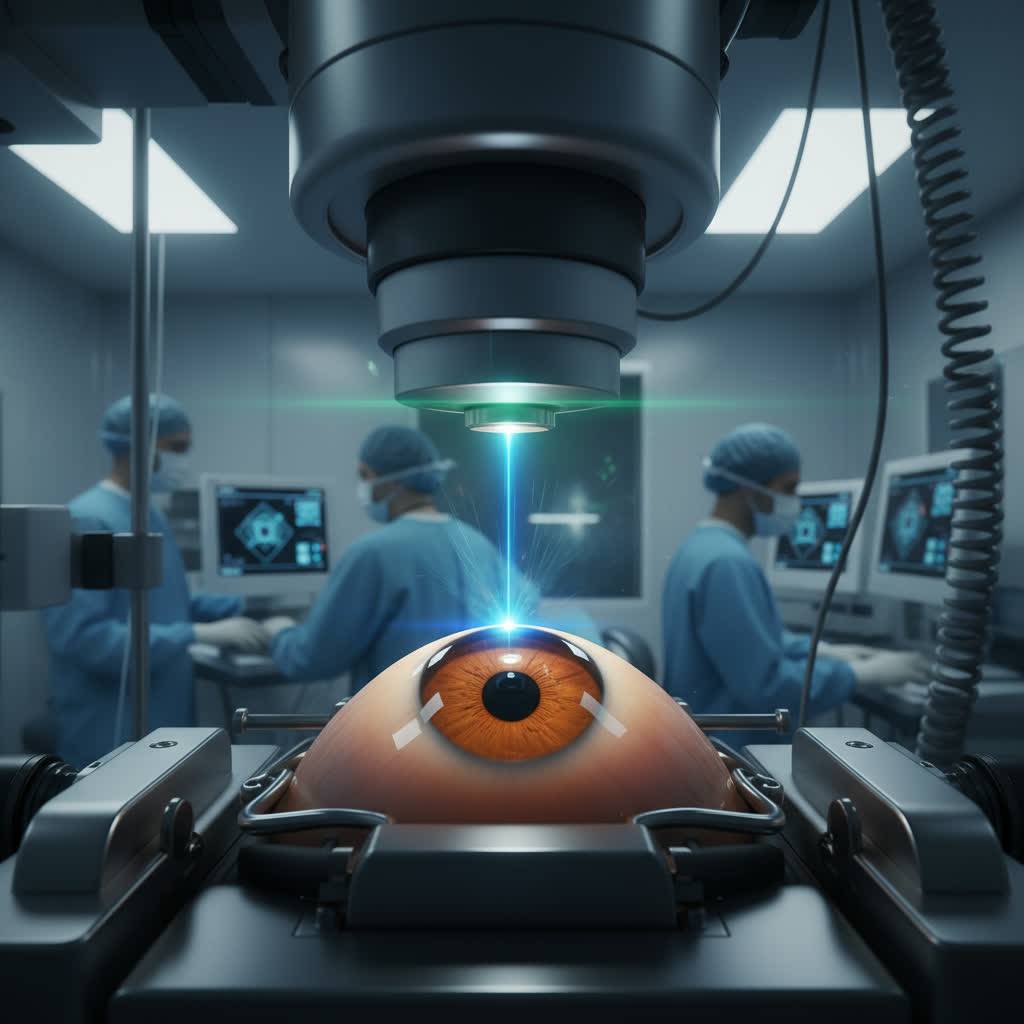
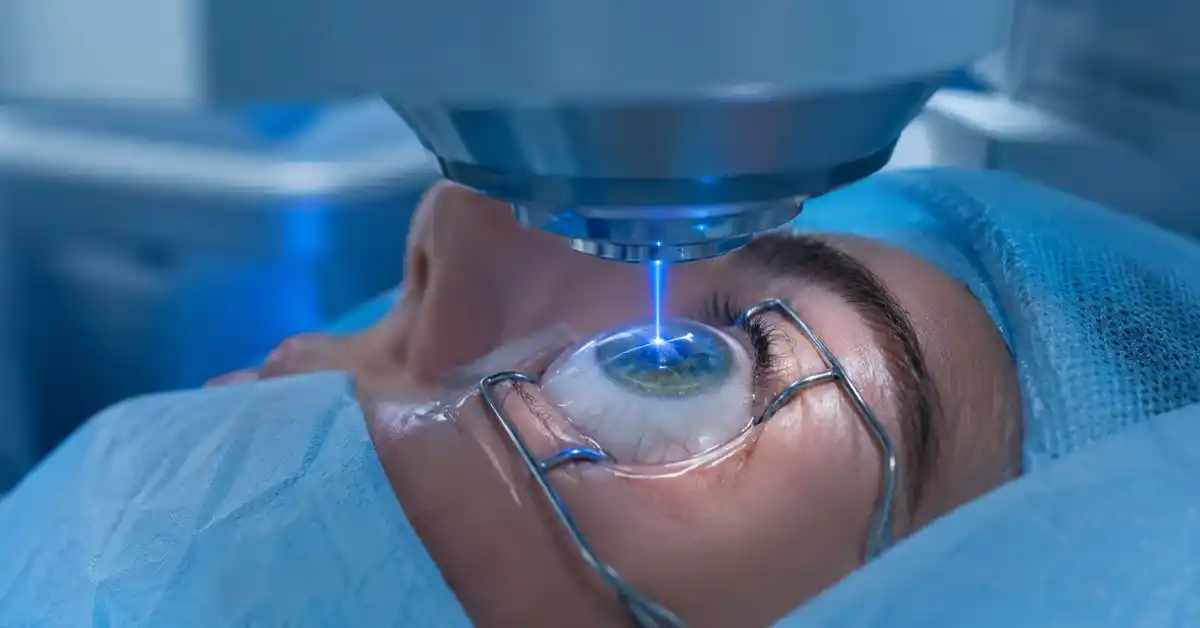
The Femto LASIK procedure is an advanced form of LASIK in which the corneal flap is created with a femtosecond laser instead of a mechanical blade. The laser produces tiny bubbles at a programmed depth inside the cornea, allowing the surgeon to lift a precise flap before applying the excimer laser.
After the flap is created, the rest of the procedure is similar to LASIK. The excimer laser reshapes the cornea to correct the patient’s prescription, then the flap is repositioned. Because the flap is made with laser technology, Femto LASIK may offer greater control over flap dimensions.
Femto LASIK may be preferred for patients who need high flap precision or have eye measurements that make laser flap creation more suitable. Still, it is not automatically the best option for everyone. Corneal thickness, corneal topography, dry eye status, pupil size, and prescription stability remain essential.
Read about: Femtosecond LASIK: Turkey vs Germany
Detailed Comparison – LASIK vs Femto LASIK
A detailed comparison of LASIK vs Femto LASIK should consider technology, precision, safety, recovery, comfort, cost, and medical suitability. Traditional LASIK has helped millions of patients achieve clearer vision, while Femto LASIK adds a laser-based flap creation step that may improve predictability in selected cases.
Key comparison points include:
- Flap creation method.
- Flap thickness control.
- Flap shape and customization.
- Risk of flap-related issues.
- Cost difference.
- Recovery pattern.
- Dry eye risk.
- Degree of refractive error.
- Corneal thickness requirements.
- Surgeon experience.
- Device quality.
- Preoperative test results.
Femto LASIK is often preferred because of flap precision, but the final decision should be based on medical testing. Patients should not choose a procedure only because it is newer or more expensive.
Is Femto LASIK Better Than LASIK?
Is Femto LASIK better than LASIK? In some patients, yes; in others, not necessarily. Femto LASIK may provide advantages in flap precision and customization, but traditional LASIK can still be effective and appropriate for many patients when the eyes are suitable and the surgeon is experienced.
The best procedure is not determined by marketing language. It is determined by preoperative testing. The doctor needs to evaluate corneal thickness, corneal shape, prescription stability, pupil size, dry eye level, eye pressure, and sometimes retinal health. These results determine whether laser vision correction is safe and which method is most suitable.
In some cases, neither LASIK nor Femto LASIK is the best option. If the cornea is thin, irregular, or suspicious for keratoconus, or if the patient has severe dry eye or very high prescription, another technique such as PRK, SMILE, or implantable contact lenses may be safer.
Factors to Consider When Choosing Between LASIK and Femto LASIK
Several factors should be considered before choosing between LASIK and Femto LASIK. The procedure should fit the patient’s eye structure, not simply the patient’s preference.
Important factors include:
- Corneal thickness.
- Corneal topography.
- Degree of myopia or hyperopia.
- Amount of astigmatism.
- Prescription stability.
- Dry eye status.
- Pupil size.
- Age.
- Occupation and lifestyle.
- Contact sports participation.
- Pregnancy or breastfeeding.
- Autoimmune or healing-related conditions.
- Medication history.
- Patient expectations.
- Surgeon experience and technology used.
If all measurements are favorable, the doctor can explain the advantages of each option. If a risk factor is present, the procedure may need to be delayed or replaced with another vision correction method.
Read about: Latest Femtolasik Techniques for Sensitive Eyes in Turkey
How Each Procedure Responds to Eye Conditions
How each procedure responds to eye conditions depends on the patient’s anatomy and risk profile. Preoperative testing is designed not only to confirm eligibility, but also to predict visual quality, dryness risk, and corneal safety after treatment.
Testing may include:
- Accurate refraction.
- Comparison with previous prescriptions.
- Corneal thickness measurement.
- Corneal topography or tomography.
- Screening for keratoconus.
- Dry eye evaluation.
- Tear film quality assessment.
- Pupil size measurement.
- Eye pressure measurement.
- Retina examination when needed.
- Contact lens effect assessment.
A patient may appear suitable at first, but detailed imaging may show that LASIK or Femto LASIK is not safe. This is why a careful screening process is more important than choosing by procedure name.

LASIK Eye Surgery Cost vs Femto LASIK Cost
LASIK eye surgery cost and Femto LASIK cost vary by country, clinic, surgeon experience, equipment, preoperative testing, and postoperative care. Femto LASIK usually costs more than traditional LASIK because it uses an additional femtosecond laser platform to create the corneal flap.
Cost should not be the only factor in choosing vision correction surgery. A low price may not include complete testing, modern devices, follow-up visits, or experienced surgical planning. On the other hand, a higher cost does not automatically mean the procedure is appropriate for every patient.
Patients should ask what the quoted price includes. Does it include consultation, corneal scans, dry eye testing, medications, follow-up visits, enhancement policy, and both eyes? Does it use traditional LASIK or Femto LASIK? What devices are used? Clear answers help patients compare value, not only price.
LASIK Cost in Different Countries
LASIK cost in different countries can vary widely. Prices may be lower in some regions due to local healthcare costs, while premium centers using advanced technology and comprehensive follow-up may charge more. Private clinics, hospital-based centers, and international patient packages may also differ.
When comparing LASIK eye surgery cost across countries, patients should not focus only on the lowest offer. Preoperative testing is a major part of safety. If testing is rushed or incomplete, a patient who should not have surgery may be accepted, increasing the risk of complications.
A strong LASIK package should include detailed corneal evaluation, surgeon consultation, clear risk discussion, proper postoperative medications, and follow-up visits. These elements matter as much as the laser device itself.
Femto LASIK Cost Based on Technology and Clinic
Femto LASIK cost is usually higher because the procedure uses femtosecond laser technology for flap creation. The cost may vary depending on the femtosecond laser device, excimer laser platform, clinic reputation, surgeon experience, and whether customized correction software is used.
Additional factors may include the patient’s prescription, astigmatism level, need for extra scans, dry eye treatment before surgery, and postoperative follow-up plan. Some clinics include all of these in one package, while others charge separately.
Patients should understand that Femto LASIK cost reflects a different technology, but not automatic suitability. The best choice should be based on eye measurements, safety, and expected outcome.
Read about: Cost and Modern Techniques of Vision Correction Surgery in Turkey
LASIK Surgery Risks and Femto LASIK Side Effects
LASIK surgery risks and Femto LASIK side effects should be explained clearly before treatment. Both procedures are successful for many patients when they are properly selected, but they are not free from risk.
Common temporary symptoms after laser vision correction include dry eyes, glare, halos, fluctuating vision, light sensitivity, scratchiness, and night driving difficulty. These symptoms often improve with time and eye drops, but in some patients they may last longer or affect satisfaction.
Less common complications may include inflammation, infection, flap-related problems, overcorrection, undercorrection, regression, decreased night vision quality, or the need for enhancement surgery. Careful screening and realistic expectations reduce risk.
Common LASIK Surgery Risks You Should Know
Common LASIK surgery risks are often temporary and manageable, but they should still be taken seriously. Dry eye is one of the most common issues because the procedure can temporarily affect corneal nerves involved in tear function.
Possible symptoms include:
- Dry eyes.
- Burning or scratchy feeling.
- Glare.
- Halos around lights.
- Starbursts.
- Fluctuating vision.
- Light sensitivity.
- Temporary night driving difficulty.
- Need for lubricating drops.
- Overcorrection or undercorrection.
- Regression in selected cases.
- Need for enhancement.
Severe dry eye before surgery may increase the chance of discomfort after LASIK. This is why tear film and ocular surface health should be evaluated and treated before surgery if needed.
Potential Femto LASIK Side Effects and Complications
Potential Femto LASIK side effects are similar to LASIK because both involve creating a corneal flap and reshaping the cornea. The main difference is that Femto LASIK creates the flap with a laser, which may reduce some mechanical flap issues in selected cases.
Possible Femto LASIK side effects include:
- Dry eyes.
- Halos or glare.
- Temporary blurry vision.
- Light sensitivity.
- Eye irritation.
- Discomfort in the first days.
- Temporary inflammation.
- Need for lubricating drops.
- Overcorrection or undercorrection.
- Regression in some cases.
- Rare flap-related complications.
- Need for enhancement.
Femto LASIK is precise, but it does not remove all risk. Patients must follow eye drop instructions, avoid rubbing the eyes, attend follow-up visits, and report unusual symptoms quickly.
Read about: LASIK Eye Correction for Adults: Post-Procedure Tips
Long Term Results of LASIK vs Femto LASIK
Long-term results of LASIK vs Femto LASIK are often stable and satisfying when patients are well selected and the procedure is planned correctly. If the prescription is stable, the cornea is healthy, and the correction is within safe limits, many patients enjoy years of clearer vision with reduced dependence on glasses.
However, the eyes continue to age after laser vision correction. LASIK and Femto LASIK do not prevent presbyopia, which usually affects near vision after the age of 40. They also do not prevent cataracts, retinal disease, or other future eye conditions.
Some patients may experience mild regression over time, especially with higher prescriptions. Long-term satisfaction depends on preoperative screening, procedure accuracy, eye health, and realistic understanding of what the surgery can and cannot do.
Does LASIK Provide Long-Term Vision Stability?
Does LASIK provide long-term vision stability? In many suitable patients, yes. LASIK reshapes the cornea to correct the prescription present at the time of surgery, and the effect is often long-lasting when the prescription was stable before treatment.
Still, changes may occur over the years due to age, hormonal shifts, pregnancy, corneal changes, or natural eye development. Some patients may notice mild regression. Others may need reading glasses later due to presbyopia, even if distance vision remains good.
LASIK does not stop aging of the eye. Patients should understand that they may need reading glasses or other eye care later in life for reasons unrelated to the original procedure.
Effectiveness of Femto LASIK Years After Surgery
The effectiveness of Femto LASIK years after surgery depends on the same core factors as LASIK: stable prescription, accurate measurements, corneal thickness, correction level, device quality, and surgeon experience. When patients are suitable, long-term results can be excellent.
Femto LASIK may offer more precise flap creation, but the final visual outcome also depends on excimer laser correction and surgical planning. Preoperative evaluation remains the key factor.
If mild regression occurs years later, enhancement may be discussed. However, enhancement depends on remaining corneal thickness, eye health, and risk profile. Not every patient is suitable for retreatment.
Read about: Comprehensive Eye Exams Before Vision Correction Surgery
Who Is Eligible for LASIK or Femto LASIK?
Who is eligible for LASIK or Femto LASIK? Eligibility depends on safety criteria designed to protect the eyes and improve the chance of a good result. Having blurred vision or wearing glasses is not enough to qualify for surgery.
A good candidate usually has a stable prescription, adequate corneal thickness, normal corneal shape, healthy tear film, no active eye disease, and realistic expectations. The patient should also understand that laser vision correction reduces dependence on glasses but may not eliminate them in every situation.
If eligibility criteria are not met, the doctor may recommend delaying surgery or choosing another method. Being told not to have LASIK can be a protective decision, not a negative outcome.
Medical Conditions and Requirements for LASIK Candidates
Medical conditions and requirements for LASIK candidates include both eye-related and general health factors. The cornea must be strong enough to tolerate reshaping, and the ocular surface must be healthy enough to heal comfortably.
Important requirements include:
- Stable prescription.
- Adequate corneal thickness.
- Normal corneal topography.
- No keratoconus or suspicious corneal pattern.
- Dry eye absent or controlled.
- No active eye infection or inflammation.
- Healthy retina when relevant.
- Realistic expectations.
- Not pregnant or breastfeeding during evaluation.
- No uncontrolled autoimmune or healing disorder.
- Refractive error within treatable limits.
- Ability to follow aftercare instructions.
These requirements help reduce risks such as severe dry eye, poor vision quality, or corneal instability after surgery.
Can People with High Myopia Undergo Femto LASIK?
Can people with high myopia undergo Femto LASIK? Some can, but not all. Higher myopia requires more corneal tissue removal during laser correction. This means that corneal thickness and residual tissue safety become especially important.
In high myopia, the doctor must evaluate:
- Corneal thickness.
- Amount of tissue to be removed.
- Residual stromal bed.
- Corneal topography.
- Astigmatism level.
- Pupil size.
- Dry eye risk.
- Night vision quality.
- Retinal health.
- Alternative options.
If myopia is too high or the cornea is not suitable, implantable contact lenses or another procedure may be safer than LASIK or Femto LASIK.
Read about: Treating Childhood Myopia: When Is Surgical Intervention Needed
LASIK for Dry Eyes and Femto LASIK for Weak Vision
LASIK for dry eyes requires caution because dry eye can worsen after surgery, especially in the first months. The doctor should evaluate the ocular surface, tear quality, eyelid glands, and inflammation before approving surgery. Severe uncontrolled dry eye may make LASIK unsafe or uncomfortable.
Femto LASIK for weak vision may be suitable for some higher prescriptions if the cornea allows safe correction. However, it is not a solution for every high prescription. The more correction needed, the more corneal tissue must be removed, which may limit safety.
In dry eyes or high prescriptions, the choice between LASIK and Femto LASIK should be made carefully. Sometimes PRK, SMILE, or implantable lenses may be safer depending on the patient’s measurements.
Is LASIK Suitable for People with Dry Eyes?
Is LASIK suitable for people with dry eyes? It depends on severity, cause, and response to treatment. Mild or controlled dry eye may not prevent surgery, but severe or untreated dry eye can increase postoperative discomfort and dissatisfaction.
Before surgery, the doctor may recommend lubricating drops, eyelid inflammation treatment, tear quality improvement, or other dry eye therapies. After the ocular surface improves, eligibility can be reassessed.
If dry eye is related to autoimmune disease or is severe and chronic, LASIK may not be recommended. In such cases, alternatives that are less disruptive to the ocular surface may be considered.
When is Femto LASIK the Best Option for Poor Vision?
Femto LASIK may be the best option for poor vision in some patients when the prescription is within safe limits and the cornea is suitable. The laser-created flap may offer better precision, but the remaining corneal thickness after correction is still the deciding factor.
For higher prescriptions, the doctor evaluates:
- Corneal thickness.
- Required tissue removal.
- Corneal topography.
- Astigmatism.
- Pupil size.
- Dry eye risk.
- Night vision quality.
- Retinal condition.
- Alternative treatments.
If the prescription is too high or the cornea is not suitable, implantable lenses or other techniques may be safer than Femto LASIK.
Read about: Vision Correction in Children: Is LASIK Safe for Young Eyes?
Ideal Age for LASIK or Femto LASIK
The ideal age for LASIK or Femto LASIK depends more on prescription stability than age alone. Laser vision correction is generally not recommended before eye growth and prescription changes have stabilized because vision may continue changing in teenagers and very young adults.
Adults with stable prescriptions may be potential candidates, but age is not the only factor. The doctor must evaluate corneal thickness, dry eye status, eye health, lifestyle, pregnancy or breastfeeding, medications, and expectations.
A patient may be old enough but medically unsuitable. Another patient may be older but still suitable if the eyes are healthy and expectations are realistic. The decision depends on examination, not age alone.
Minimum and Maximum Age for LASIK Eligibility
Minimum and maximum age for LASIK eligibility are not based only on numbers. A patient should generally be an adult with stable vision. If prescription is still changing, surgery may lead to a less stable result.
There is no single strict maximum age for every patient. In older adults, cataracts, retinal disease, dry eye, glaucoma, or other eye conditions may make LASIK less appropriate. If cataracts are present, lens-based surgery may be more useful than corneal laser correction.
The doctor determines eligibility based on vision stability and complete eye examination, not only date of birth.
When Should You Delay Vision Correction Surgery?
Vision correction surgery should be delayed if the prescription is unstable, dry eye is severe, eye inflammation is active, the patient is pregnant or breastfeeding, or medications and health conditions may affect healing.
Surgery may also be delayed in cases such as:
- Prescription change within the last year.
- Suspicious corneal map.
- Thin or unstable cornea.
- Severe dry eye.
- Active eyelid inflammation.
- Corneal surface problems.
- Pregnancy or breastfeeding.
- Contact lens wear affecting measurements.
- Unrealistic expectations.
- Uncontrolled general medical condition.
- Need for additional testing.
Delaying surgery does not always mean cancellation. It may protect the eyes until conditions are safer.
Read about: Pediatric Strabismus Correction: Surgical Non-surgical Methods
LASIK vs Femto LASIK Patient Experiences
LASIK vs Femto LASIK patient experiences vary. Many patients report major quality-of-life improvement after reducing dependence on glasses or contact lenses, especially for sports, travel, work, and daily routines. However, the experience is not identical for everyone.
Some patients experience dry eye, halos, glare, or fluctuating vision in the first weeks, then improve gradually. Others may need eye drops longer or require additional follow-up. Patient testimonials should be viewed as examples, not guarantees.
The best patient experience begins before surgery, when the patient understands suitability, expected results, risks, recovery, and alternatives. A thorough examination and honest discussion with the surgeon matter more than another person’s experience.
Real LASIK Patient Testimonials
Real LASIK patient testimonials often focus on fast visual improvement and the freedom of waking up with clearer vision. Many patients describe being able to exercise, travel, or work without relying heavily on glasses.
However, real experiences also include temporary dryness, light sensitivity, or fluctuating vision. A patient with pre-existing dryness may need more lubricating drops. A patient with a higher correction may take longer to stabilize. Screen-heavy work can make dryness more noticeable early on.
A good LASIK experience depends on following instructions: using prescribed drops, avoiding eye rubbing, protecting the eyes, avoiding swimming and dusty environments early, and attending follow-up visits.
Patient Reviews and Outcomes after Femto LASIK
Patient reviews after Femto LASIK often mention comfort with the idea of bladeless flap creation and confidence in laser precision. Many patients choose it because they feel reassured by the technology and the surgeon’s ability to customize the flap.
Still, Femto LASIK patients may experience temporary dryness, halos, light sensitivity, or vision fluctuation. These symptoms do not automatically mean the procedure failed; they may be part of healing in some patients.
Successful Femto LASIK outcomes depend on suitable patient selection, detailed testing, device quality, surgeon experience, and postoperative care. A positive review does not mean the procedure is right for everyone, and a complaint does not mean the technique is unsafe for all patients.
Read about: Child Eye Alignment Surgery: Turkey vs Germany
Conclusion
Choosing between LASIK and Femto LASIK should not depend only on the newer name or higher cost. Traditional LASIK can be suitable for some patients, while Femto LASIK may offer more precise flap creation for others. In certain cases, another procedure such as PRK, SMILE, or implantable lenses may be safer.
The most important step is detailed testing: prescription stability, corneal thickness, corneal topography, dry eye evaluation, pupil size, and overall eye health. These tests determine how safe LASIK is, whether Femto LASIK is better, or whether surgery should be delayed or replaced with another option.
Frequently Asked Questions: LASIK vs Femto LASIK
What is the main difference between LASIK and Femto LASIK?
The main difference is flap creation. Traditional LASIK uses a mechanical microkeratome, while Femto LASIK uses a femtosecond laser to create the flap.
Is Femto LASIK better than LASIK?
Femto LASIK may be better for some patients because of flap precision, but the best option depends on corneal thickness, eye health, and test results.
How safe is LASIK?
LASIK is safe for many properly selected patients, but it is not suitable for everyone. Dry eye, thin cornea, unstable prescription, or corneal disease may increase risk.
What is the recovery time for LASIK and Femto LASIK?
Vision may improve within days, but full stability can take weeks. Dryness, glare, or halos may occur temporarily during healing.
How does Femto LASIK compare with SMILE surgery?
Femto LASIK creates a corneal flap, while SMILE removes a small lenticule through a smaller incision. Suitability depends on prescription, cornea, dry eye risk, and available technology.